
Related on Tygart Media: Notion AI for content teams · client portals · Notion Command Center.
The 60-second version
Agency margins are bounded by what humans can produce per hour. Custom Agents change the unit economics. An agency that builds a per-client agent loadout — status reports, content production, intake triage, deliverable drafting — can serve more clients with the same headcount, or serve the same clients with better quality. The constraint shifts from “production capacity” to “exception handling capacity.” Agencies that figure this out first compound their advantage.
The per-client agent pattern
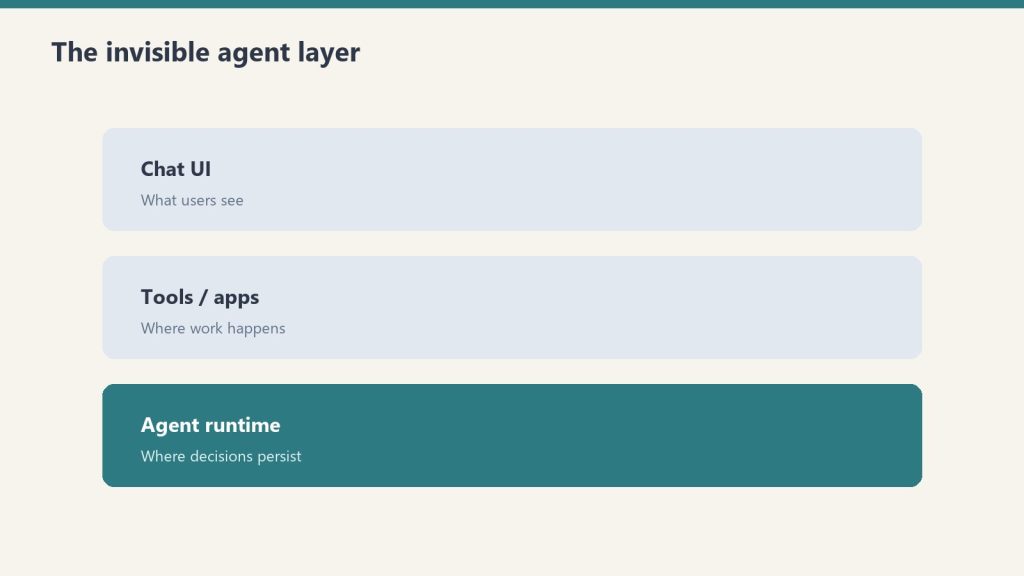
For each client, build:
– A status report agent that produces the weekly client update from project data
– A deliverable draft agent customized to the client’s voice and brand
– An intake/inbox agent that handles their incoming work (if you manage their queues)
– A QA agent that runs deliverables through a client-specific checklist before they ship
Each agent is scoped to that client’s databases, voice samples, and brand guide. The setup is non-trivial — first client takes a week — but each subsequent client takes hours, not days.
What changes in agency economics
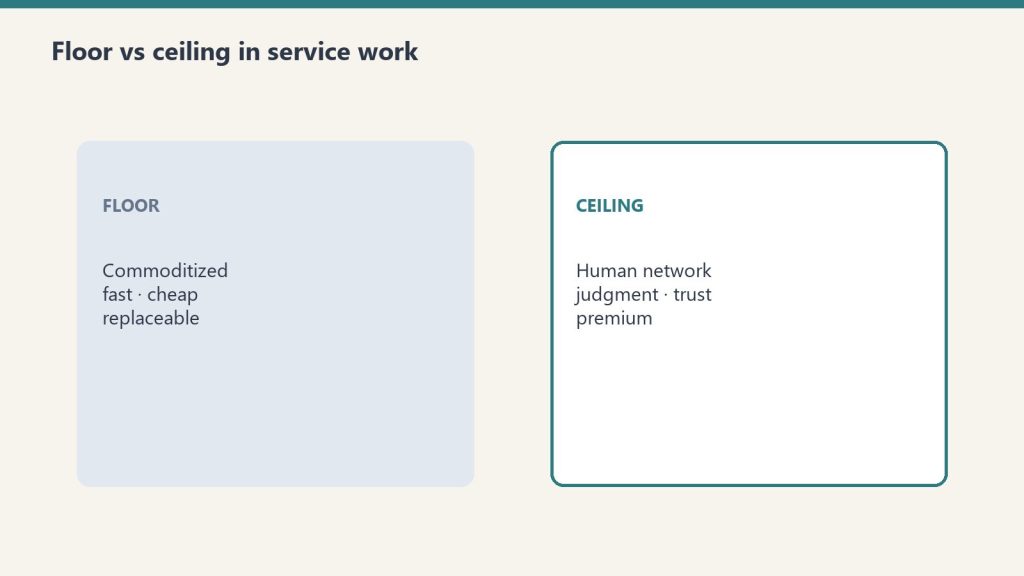
Pre-agent agencies: revenue = headcount x billable rate. Margins compressed by labor cost.
Post-agent agencies: revenue = (headcount x judgment work) + (agents x operational work). Margins expand because the operational work scales without headcount.
This isn’t speculative. The agencies running this pattern in 2026 are the ones quietly outperforming their peers on margin while charging similar rates.
Three pitfalls to avoid
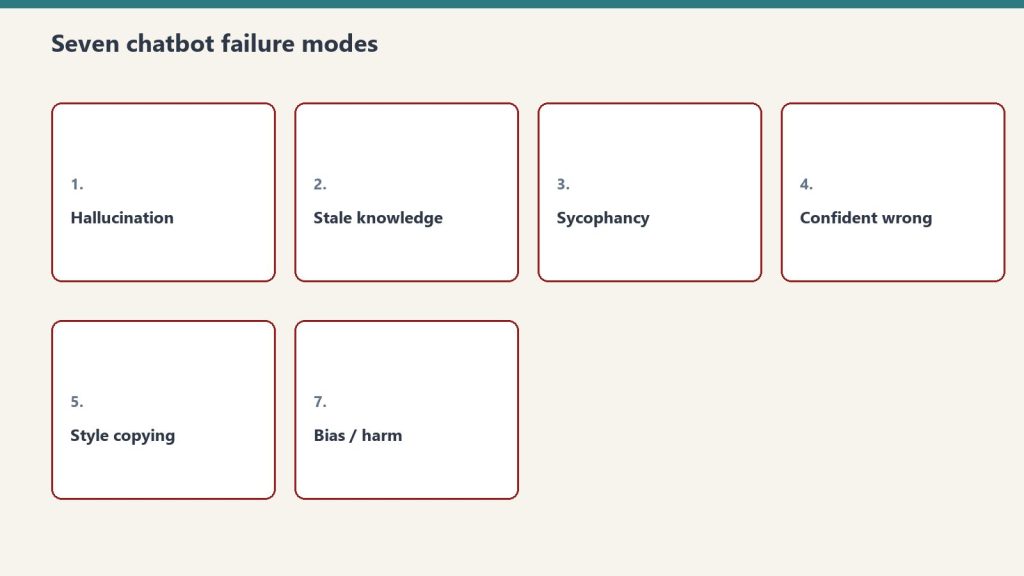
1. Selling agent-produced work as bespoke. Clients smell it. Don’t pretend a templated digest is hand-written. Be transparent about which work is agent-assisted and which is human; charge accordingly.
2. Skipping the QA layer. Agent output ships through a human gate. Always. The agency’s reputation rides on the QA gate, not the agent’s output.
3. Building one mega-agent instead of per-client agents. A single agent serving all clients hits voice and context boundaries hard. Per-client agents perform meaningfully better.
The pricing implication
After May 4, 2026, agency credit budgets become real. A client whose agent loadout consumes \$50/month in credits should see that in the cost of service. Agencies that absorb credit costs silently are eating into their own margin. Agencies that pass them through transparently (or bundle them into a “Custom Agent layer” line item) protect margin and educate clients.
Onboarding clients into this model
Three things to communicate during onboarding:
– Which deliverables are agent-assisted and which are human-led
– How the QA layer works (what gets reviewed, by whom)
– Why this produces better consistency than a junior staffer would (controlled vocabulary, standardized format)
Done well, “agent-assisted delivery” becomes a selling point, not a hidden cost.
Leave a Reply