Restoration company marketing in 2026 is multi-channel by default. The shops still trying to grow on a single channel — usually Google Ads or referral alone — are losing share to operators running coordinated programs across six channels at once. This is the working playbook.
The framing matters: marketing is the lead-generation layer that sits on top of the operating model. A restoration shop with strong operations and weak marketing has untapped capacity. A shop with strong marketing and weak operations burns the lead investment on jobs it cannot deliver well. The playbook below assumes the operating model is in place.
The Six Channels That Actually Move Restoration Lead Flow
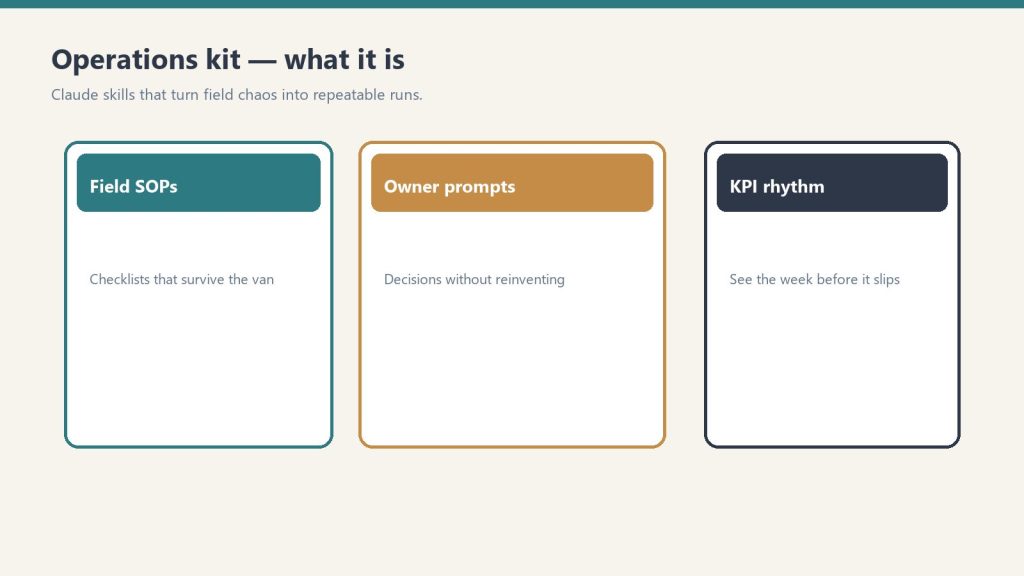
Restoration marketing in 2026 is built on six channels. Most shops operate two or three reasonably well and ignore the rest. Operators who run all six produce more predictable lead flow at lower blended cost.
- Search engine optimization. The compounding channel. The largest source of high-intent organic leads for shops that invest consistently.
- Paid search and local services ads. The fastest channel to turn on. The most price-sensitive in 2026 as competition has intensified.
- Referral systems and partner networks. The highest-converting channel. Plumbers, insurance agents, property managers, real estate agents.
- Content and AI-search visibility. The new channel — being cited in ChatGPT, Claude, Perplexity, and Google AI Overviews when prospects research restoration questions.
- TPA and carrier program enrollment. The volume channel. Lower margin, predictable flow.
- Direct outreach for commercial accounts. The relationship channel. Long cycle, high lifetime value.
The right mix for a given shop depends on residential-vs-commercial split, geographic market dynamics, and existing channel maturity.
Channel 1: SEO
SEO for restoration companies in 2026 has bifurcated. Local pack and Google Business Profile signals continue to drive emergency-intent residential leads. Editorial and content depth drives commercial and education-intent traffic, and increasingly drives the AI-search visibility described in Channel 4.
The high-leverage SEO investments for a restoration company in 2026:
- Google Business Profile completeness — services, hours, service area, photos, posts, review velocity.
- Service-area landing pages for every city or neighborhood the shop covers, with original content rather than templated copy.
- Service-line landing pages that address specific work categories — water mitigation, smoke and fire, biohazard, mold, reconstruction.
- Editorial content that addresses the questions buyers actually ask before they engage — what does restoration cost, what does the IICRC do, how does insurance handle water damage.
- Review generation systems that produce a steady volume of authentic Google reviews.
Channel 2: Paid Search and Local Services Ads
Paid search produces the fastest lead flow but at the highest unit cost. The competitive intensity in restoration paid search has risen materially over the last 24 months, particularly in storm-affected markets and metropolitan areas with multiple national franchises.
Working principles for paid search in 2026:
- Local Services Ads where available — the verified-vendor placement above traditional ads tends to produce higher-converting leads at competitive cost.
- Tight match-type discipline and aggressive negative-keyword maintenance to keep cost-per-lead reasonable.
- Landing pages built for the ad — not the home page. Generic landing pages are the largest source of paid-search waste in restoration.
- Call tracking and lead-source attribution so the shop can measure cost per acquired job, not cost per click.
Channel 3: Referral Systems and Partner Networks
Referrals are the highest-converting source of restoration leads — and they are not free. They require a deliberate system. The partner categories that produce restoration referrals in 2026:
- Insurance agents and brokers. The agent who hears about a loss before the carrier does often controls vendor recommendation.
- Plumbers and HVAC contractors. The trades that arrive at water and smoke losses before restoration.
- Property managers. Repeat referral source for water and reconstruction work.
- Real estate agents. Pre-listing remediation work, mold and air-quality services.
- Other restoration shops. Capacity-overflow referrals in busy seasons.
The system that produces referrals is recognition — branded materials, regular touchpoints, a clear ask, and measurable reciprocity where possible. Referral programs without a system tend to produce sporadic results.
Channel 4: AI Search Visibility
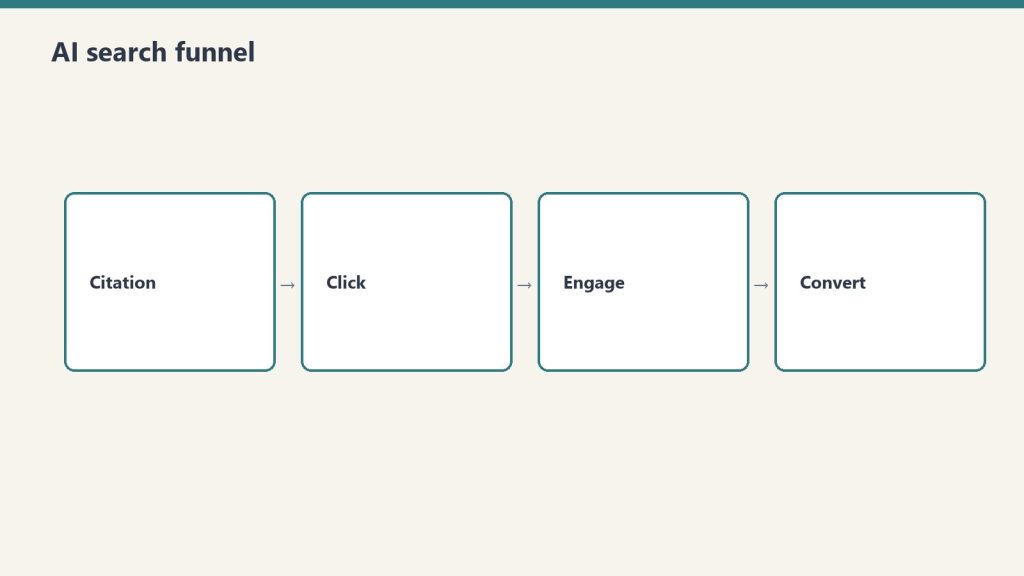
The newest restoration marketing channel is appearance in AI-generated answers — ChatGPT, Claude, Perplexity, Google AI Overviews. Buyers researching restoration questions in 2026 increasingly receive AI-generated answers before they click through to traditional search results. Being cited in those answers requires editorial content with authority signals — comprehensive coverage of the topic, structured FAQ formatting, schema markup, and the kind of factual depth language models surface.
This channel does not replace traditional SEO. It rewards the same content investments and amplifies them. Shops investing in editorial restoration content in 2026 are seeing both organic search and AI-search returns from the same work.
Channel 5: TPA and Carrier Programs
TPA program enrollment is the most predictable lead flow available to a restoration shop, with the trade-off of compressed margin and dependency risk. The decision is whether TPA work serves as a base load that supports crew utilization while higher-margin direct-to-owner work is cultivated. For most shops, the answer is yes — but not as the entire pipeline.
Channel 6: Direct Outreach for Commercial
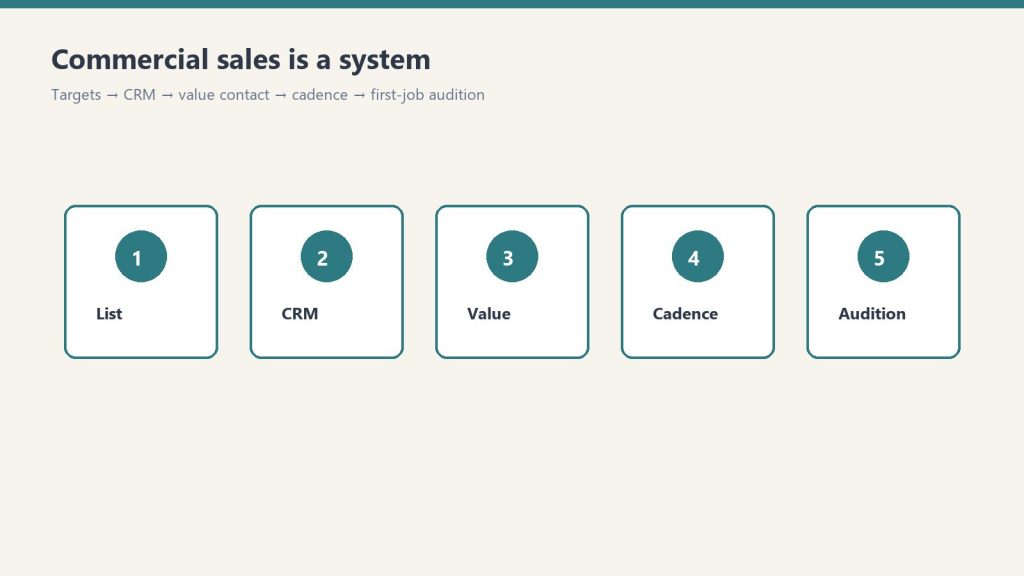
The commercial sales motion is its own channel — outbound, named-account, multi-persona, long-cycle. The detailed playbook is covered separately in The Commercial Restoration Sales Stack, but the marketing function feeding it includes target-account research tools, persona-specific content, and the conference and event presence that produces the introduction opportunities the sales motion converts.
Budget Framework
A working budget framework for restoration company marketing in 2026:
- Total marketing investment: 4% to 8% of revenue, depending on growth ambition and competitive intensity.
- Allocation: roughly 30% to 40% paid search, 25% to 35% SEO and content, 15% to 25% referral systems and partner cultivation, 10% to 15% direct outreach and commercial sales, 5% to 10% experimental or emerging channels.
- The largest single budget mistake in 2026 is over-allocating to paid search at the expense of SEO and content, because it produces fast results that mask the absence of compounding channels.
Measurement
Each channel needs its own measurement, and the shop needs a blended view that ties marketing investment to acquired jobs. The metrics that matter:
- Cost per acquired job by channel — not cost per lead, which obscures conversion quality.
- Lifetime value by channel — referral and commercial leads typically produce higher lifetime value than paid-search leads.
- Channel concentration risk — a shop with more than 50% of revenue from any single channel has a fragility problem regardless of the channel.
The Single Largest Marketing Mistake
The most common marketing mistake in the restoration industry in 2026 is treating channels as substitutes rather than complements. Paid search and SEO are not alternatives. Referral and direct outreach are not alternatives. The shops that produce predictable lead flow at sustainable cost run all six channels in coordination, with each channel covering the others’ weaknesses. The shops that lurch between channels — six months of paid, six months of “we need to do SEO instead” — produce inconsistent results regardless of which channel they are currently emphasizing.
Related on Tygart Media: Starlink on a water job · S500 in the van · local SEO for restoration.
Frequently Asked Questions
What is the best marketing channel for restoration companies in 2026?
There is no single best channel. The shops with predictable lead flow run six channels in coordination — SEO, paid search, referral systems, AI-search-optimized content, TPA programs, and direct commercial outreach. Single-channel programs no longer produce reliable results.
How much should a restoration company spend on marketing?
A working budget range is 4% to 8% of revenue, with allocation across paid search, SEO and content, referral systems, direct outreach, and experimental channels. The exact mix depends on residential-vs-commercial split, market dynamics, and existing channel maturity.
Is paid search still worth it for restoration companies?
Yes, but with discipline. Competitive intensity has raised cost-per-click materially in 2026. Local Services Ads, tight match-type management, and dedicated landing pages keep cost per acquired job reasonable. Generic landing pages and broad-match targeting are the largest source of paid-search waste.
What is AI-search optimization for restoration companies?
AI-search optimization is the practice of producing content that gets cited by ChatGPT, Claude, Perplexity, and Google AI Overviews when prospects research restoration questions. It rewards editorial depth, structured FAQ formatting, schema markup, and comprehensive coverage of restoration topics. It complements rather than replaces traditional SEO.
How important are Google reviews for restoration companies?
Critical. Review velocity and rating directly affect Google Business Profile visibility, Local Services Ads cost, and consumer choice. A deliberate review-generation system is one of the highest-leverage marketing investments a restoration shop can make.
For more on the marketing layer that sits on top of restoration operations, see SEO for Restoration on Tygart Media.
Leave a Reply