
Solar panel installation has become the fastest-growing segment of the U.S. energy market, with residential installations exceeding 1 million homes annually. The average system costs $15,000 to $35,000 before incentives (the 30% federal residential tax credit ended December 31, 2025 — see the cost question below), delivering 25-30 years of clean energy and typical payback periods of 6-10 years. This comprehensive photo gallery documents every aspect of solar installation — from aerial views of completed rooftop arrays to the technical details of micro-inverters, battery storage, and thermal inspection.
Solar Panel Installation Photo Gallery
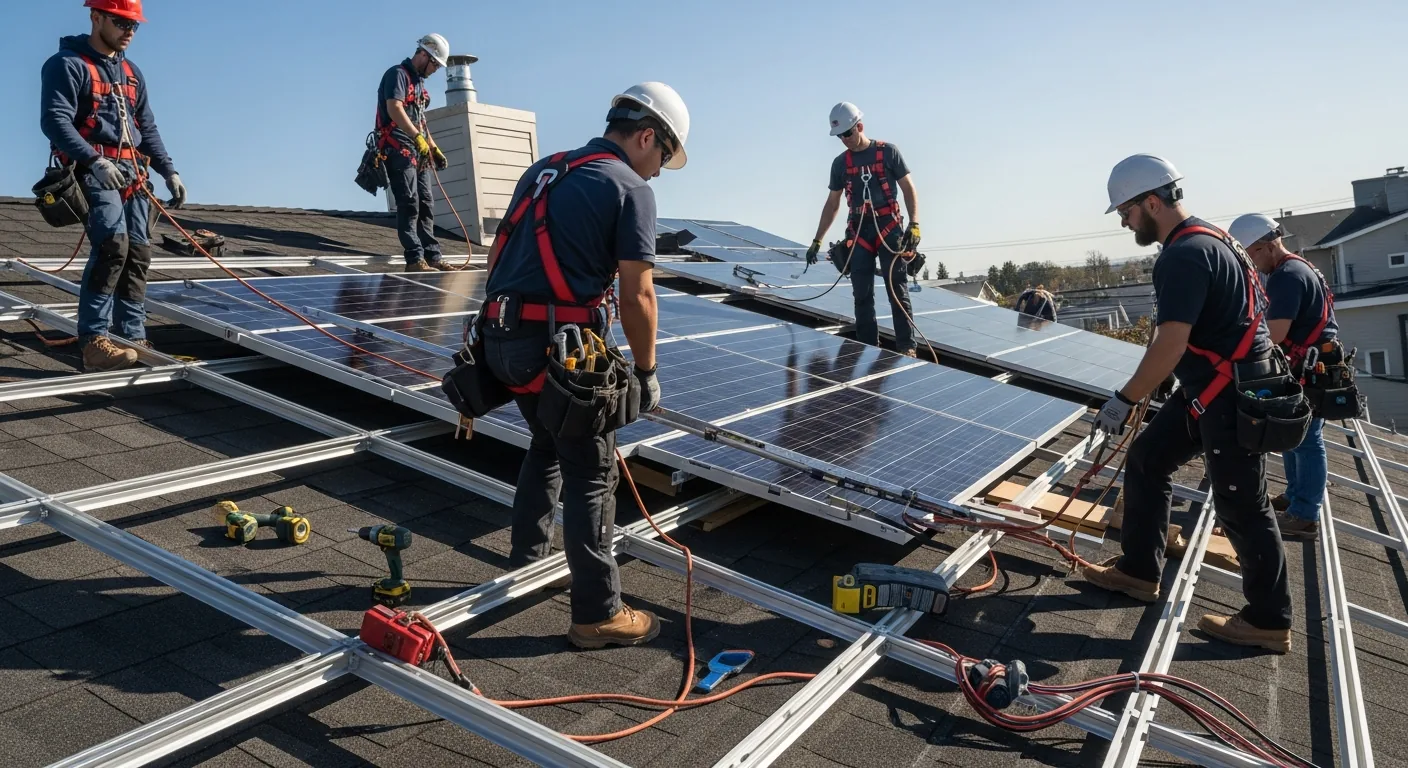
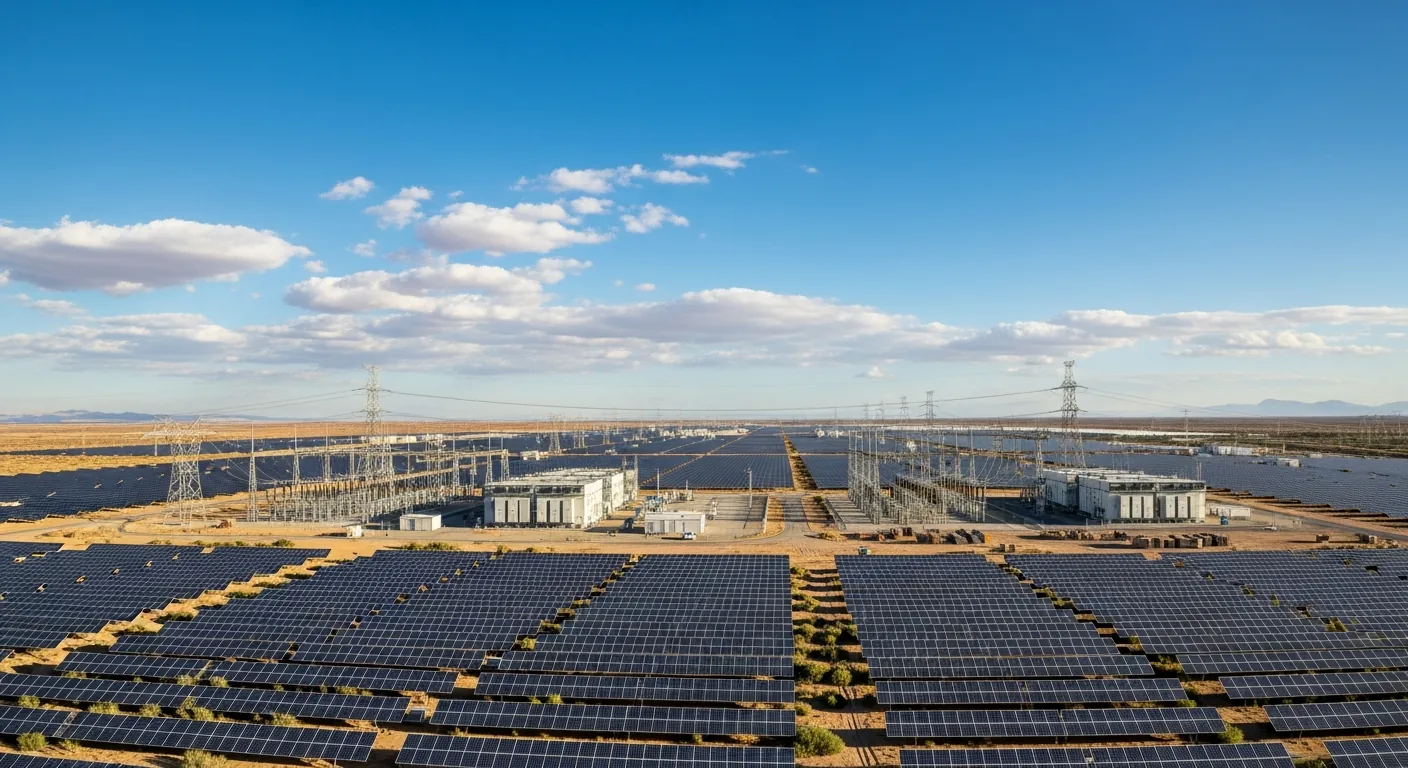
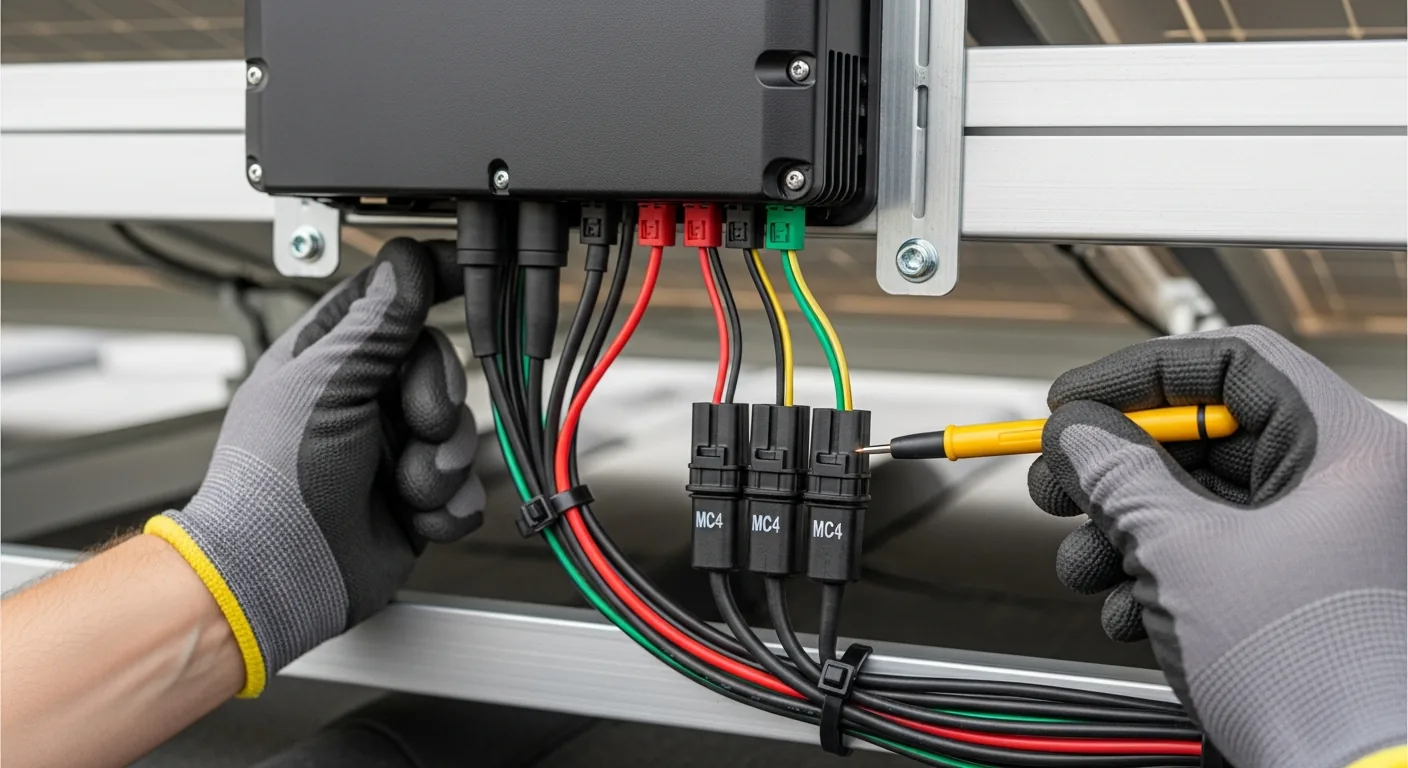
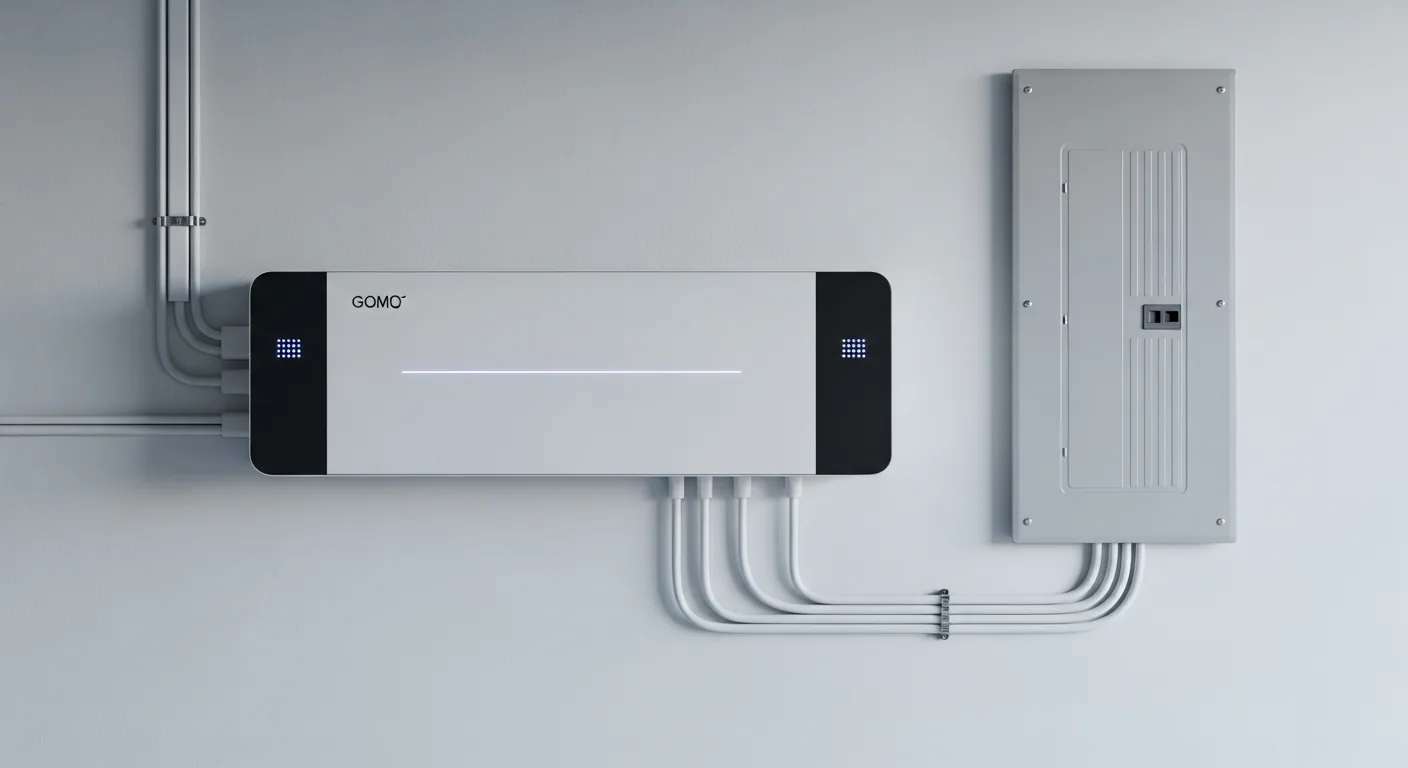
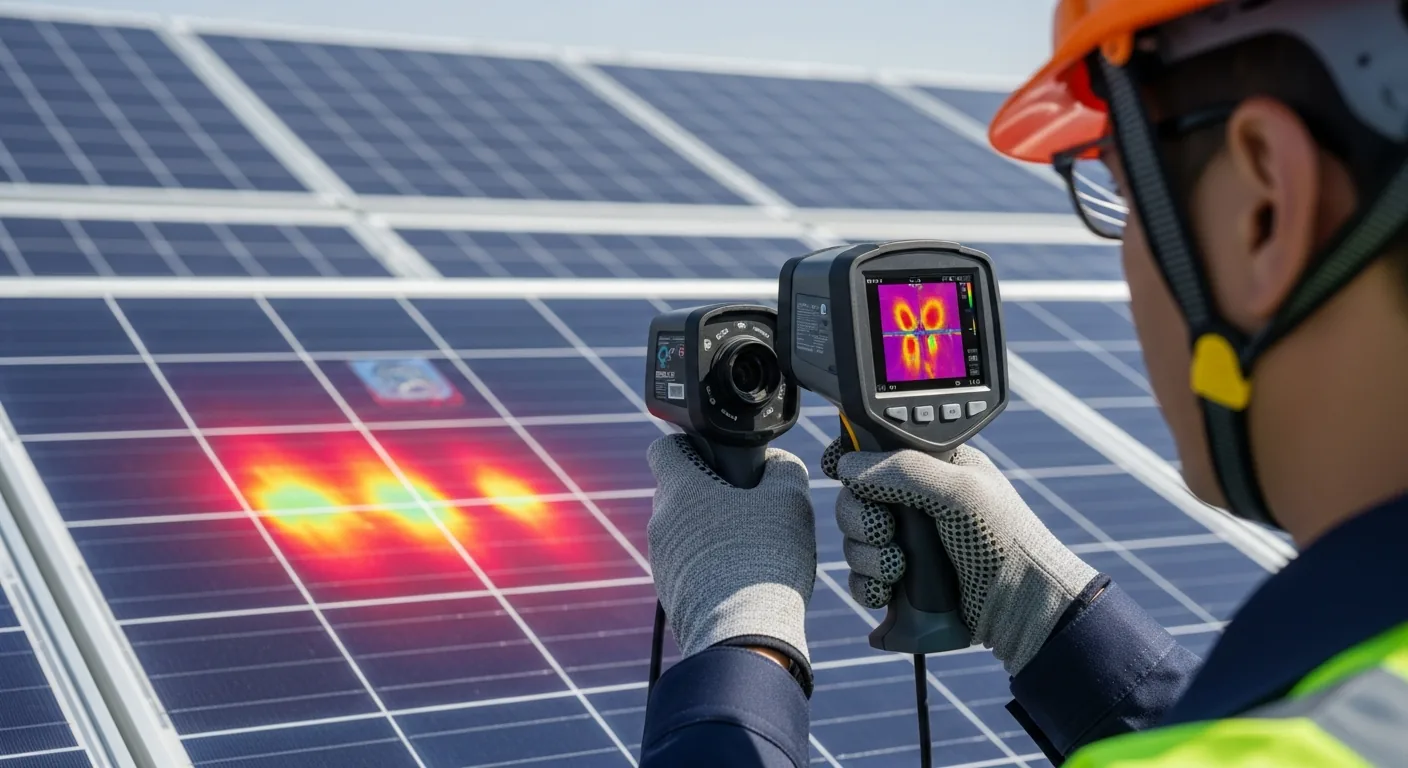
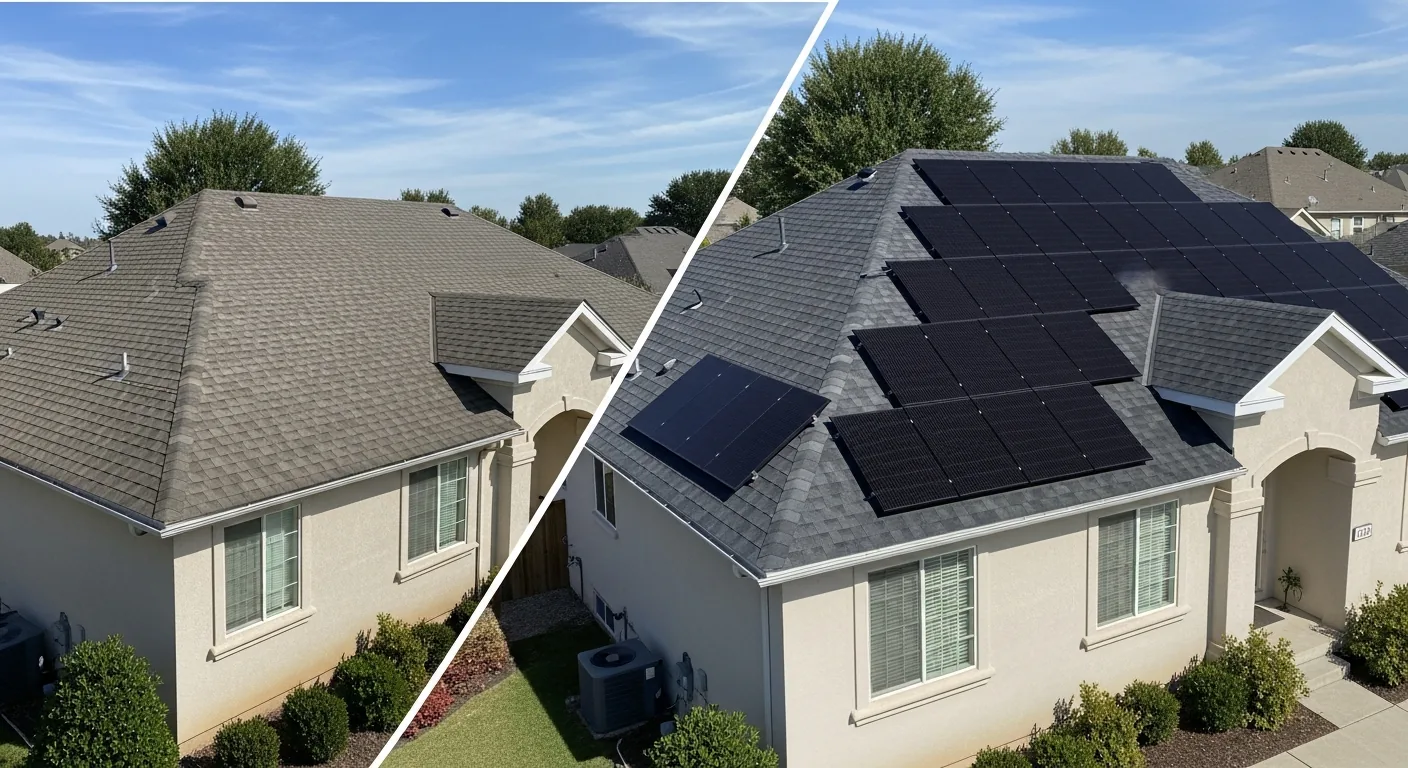
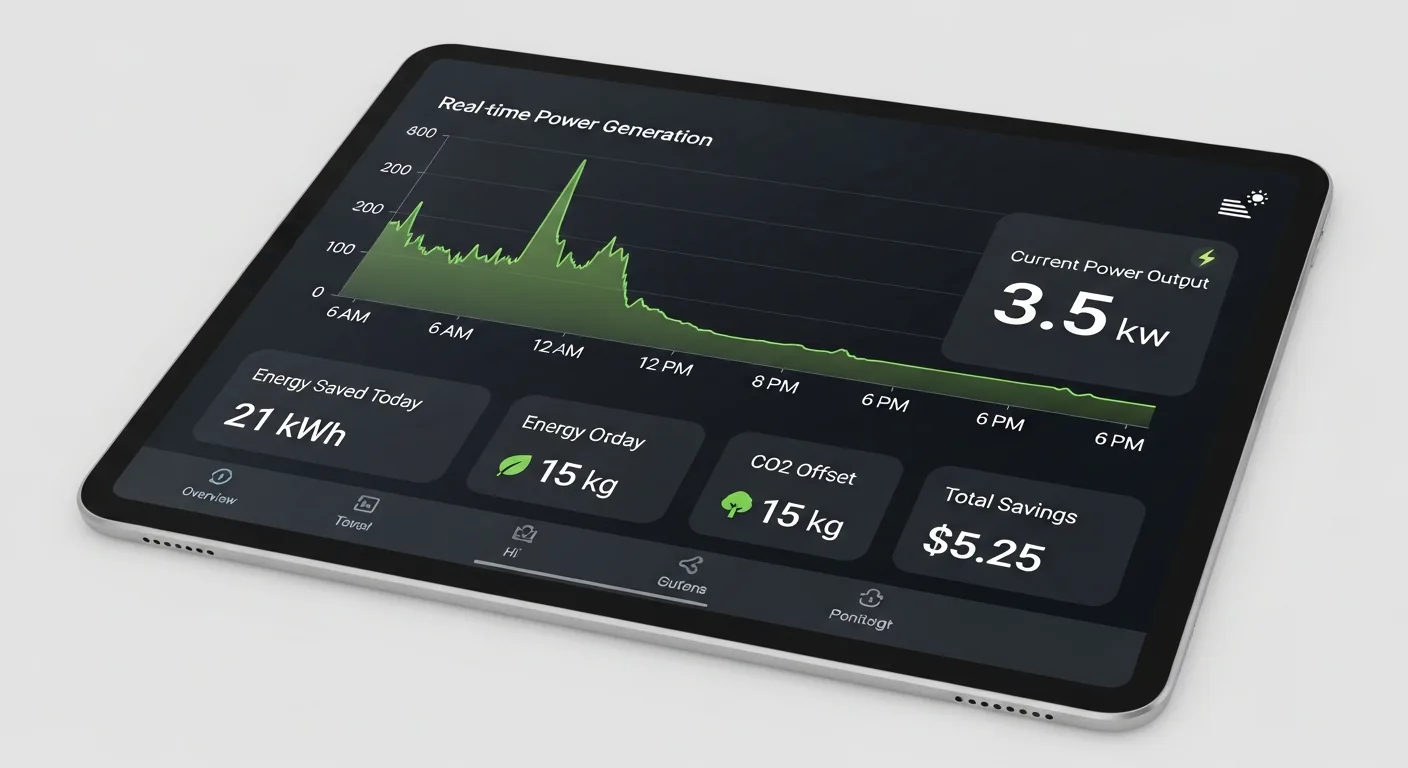
The Solar Installation Process
A professional solar installation follows a structured process: site assessment evaluates roof orientation, pitch, shading, and structural capacity; system design determines optimal panel placement using satellite imagery and shade analysis tools like Aurora Solar; permitting secures local building and electrical permits (typically 2-6 weeks); installation involves mounting racking systems, securing panels, running conduit, and connecting inverters (1-3 days); inspection by local building officials verifies code compliance; and interconnection with the utility company activates net metering and powers on the system. The total timeline from contract to activation averages 2-4 months.
Solar Technology: Panels, Inverters, and Battery Storage
Modern residential solar systems use monocrystalline silicon panels with efficiencies of 20-23%, producing 370-430 watts per panel. Inverter technology has evolved from single string inverters to microinverters (one per panel) and DC optimizers, which maximize output and enable panel-level monitoring. Battery storage systems like the Tesla Powerwall (13.5 kWh), Enphase IQ Battery (10.1 kWh), and Franklin WH (13.6 kWh) provide backup power and enable time-of-use arbitrage. The combination of solar panels and battery storage enables true energy independence — generating, storing, and consuming your own electricity 24/7.
Frequently Asked Questions About Solar Installation
How much do solar panels cost to install?
The average residential solar installation costs $15,000 to $35,000 before incentives, depending on system size and equipment quality. Homeowner-owned systems no longer get that 30% cut: the federal residential clean energy credit (Section 25D) ended for installations completed after December 31, 2025, so budget the full cost minus any state or utility incentives. Commercial projects and leased or PPA systems can still qualify under a separate federal credit. Cost per watt installed ranges from $2.50 to $4.00. Premium panel brands like SunPower and REC command higher prices but offer superior warranties and efficiency.
How long does solar panel installation take?
Physical installation typically takes 1-3 days for a standard residential system. However, the complete process from signed contract to system activation — including engineering review, permitting, installation, inspection, and utility interconnection — takes 2-4 months in most markets. Permitting timelines vary significantly by jurisdiction.
Do solar panels work on cloudy days?
Yes. Solar panels generate electricity under cloud cover at 10-25% of rated capacity. Modern panels with half-cut cell technology and PERC (Passivated Emitter and Rear Contact) architecture perform significantly better in diffuse light than older poly-crystalline panels. Germany, one of the cloudiest countries in Europe, is also one of the world’s largest solar markets — proving that solar works effectively in less-than-ideal conditions.
How long do solar panels last?
Modern solar panels carry 25-30 year performance warranties guaranteeing at least 80-85% of original output at warranty end. Studies from NREL show most panels degrade at only 0.3-0.5% per year, meaning a panel producing 400W today will still produce 340-360W after 30 years. Panels continue generating power well beyond their warranty period. String inverters typically need replacement at 10-15 years ($1,500-$3,000), while microinverters carry 25-year warranties matching the panels.
Get The Signal
What we actually ran, what it measured, and what it means for a restoration shop — every week, including the flops.
Leave a Reply