This is the first article in the Carrier & TPA Strategy cluster under The Restoration Operator’s Playbook. The previous clusters describe operational discipline, AI deployment, senior talent, and the end-in-mind decision frame. This cluster goes deep on the external relationship that determines whether all of that operational excellence can actually produce profit.
The carrier is not an obstacle
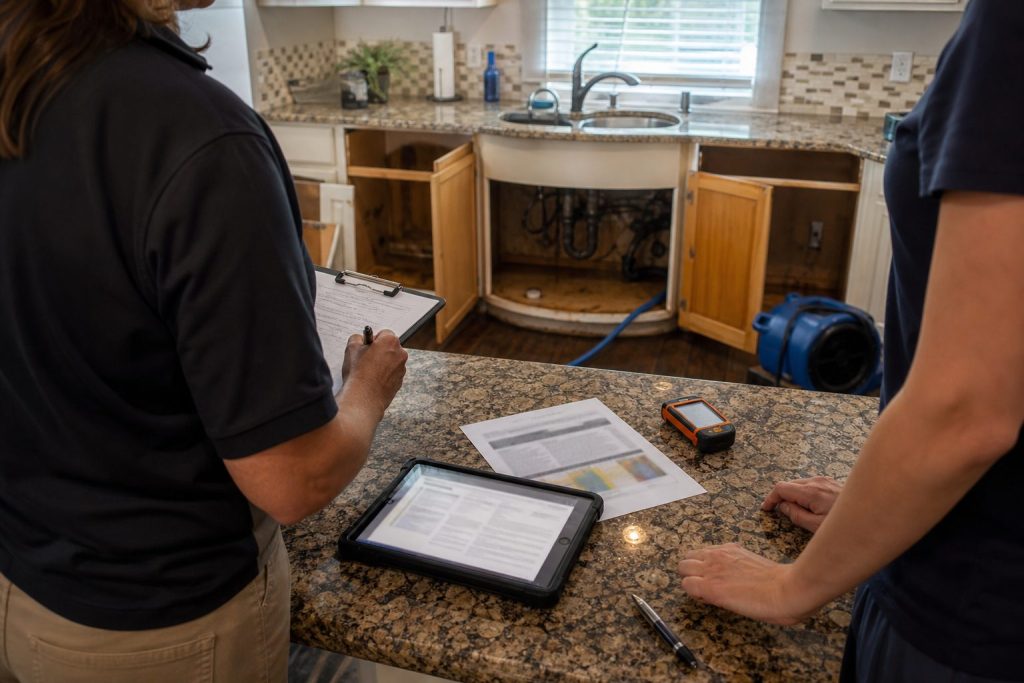
The way most restoration companies talk about their insurance carrier and TPA relationships, internally and informally, would suggest that the carriers are obstacles to be navigated rather than partners to be cultivated. The adjuster is the person who pushes back on scope. The TPA is the layer that slows down approvals. The program is the bureaucratic structure that complicates the work. The conversations among operators about specific carriers and specific TPAs are often colored by frustration, sometimes by resentment, and almost always by a sense that the relationship is fundamentally adversarial.
This framing is understandable. It is also strategically expensive. The carrier and TPA relationship is, for any restoration company that does insurance-funded work at meaningful volume, the single largest determinant of whether the company can be profitable. The relationship is not adversarial by nature. It is adversarial when both sides are operating from misaligned incentives, poor communication, or accumulated mistrust. It is collaborative when both sides have built the relationship deliberately and operate from a shared understanding of what each side needs.
The companies that have figured out how to operate the carrier relationship as a strategic asset run materially different economics than the companies that have not. They get faster approvals, fewer scope disputes, better program standing, more referral flow, and more predictable revenue streams. Their senior teams spend less time fighting carriers and more time building the operating system that the rest of this playbook describes. The compounding effect, across years, is significant.
This article is about why the carrier relationship is a strategic asset rather than an operational burden, what the companies operating it well are actually doing differently, and why the framing shift from adversarial to strategic is one of the most consequential mental moves an owner can make.
What the carrier and TPA actually need
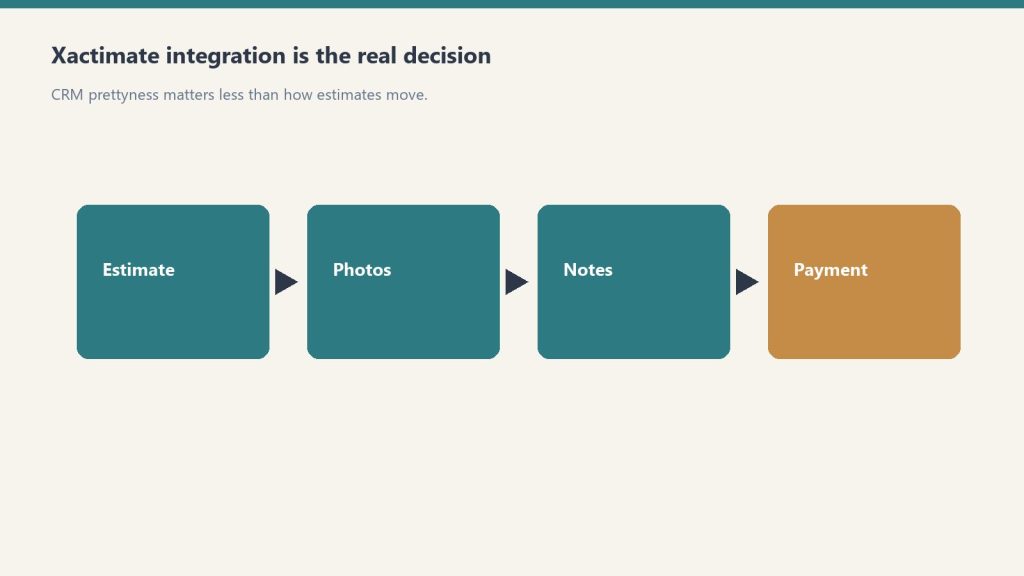
To operate the relationship as a strategic asset, the operator has to understand what the other side actually needs. The honest answer is more specific than the framing of “carriers want to pay less” suggests.
The carrier needs predictable claim outcomes. Predictability means the claim closes in a defensible time, at a defensible cost, with documentation that protects the file from subsequent dispute. A claim that closes fast, cheap, and clean is a good claim from the carrier’s perspective. A claim that drags on, reopens, gets disputed, or produces customer complaints is a bad claim regardless of the dollar amount.
The carrier needs adjusters and supervisors to be able to defend their files internally. Adjusters work in environments where their files are reviewed by supervisors, audited by quality teams, and sometimes scrutinized by leadership when patterns emerge. The adjuster needs the contractor relationship to produce files that the adjuster can defend in any of those review settings. A contractor who consistently produces files that read well, support clean decisions, and avoid the patterns that trigger audits is a contractor who makes the adjuster’s job easier. That contractor gets more work over time.
The carrier needs to manage cycle time. Carriers measure cycle time at the file level, the adjuster level, and the program level. Long cycle times produce customer complaints, increase reopen rates, and consume internal resources. Contractors who consistently shorten cycle times — by responding fast, scoping accurately, executing on schedule, and closing cleanly — are valuable to the carrier in ways that show up in program decisions and referral flow.
The TPA needs all of the above plus a layer of consistency that scales across many contractors and many adjusters. The TPA’s value proposition to the carrier is that they manage the contractor network at scale. They need contractors who fit cleanly into their processes, who hit their quality benchmarks, and who do not require special handling. A contractor who is operationally consistent and cooperatively engaged with the TPA’s processes is a contractor who gets favorable placement. A contractor who is constantly negotiating exceptions, missing benchmarks, or creating noise in the TPA’s systems is a contractor who eventually gets squeezed out of program work.
None of these needs are mysterious. None of them are at odds with what a serious restoration company is trying to do operationally. The contractors who understand the needs and operate to satisfy them are not selling their souls. They are running disciplined operations that happen to be well-aligned with what their carrier and TPA partners need.
What the operator needs from the carrier and TPA
The relationship operates well only when both sides’ needs are being met. The contractor side of the equation is also specific.
The contractor needs scope decisions that reflect the actual conditions of the loss. A scope that has been arbitrarily reduced to fit a carrier’s budget assumption produces work that the contractor either has to do at a loss or has to compromise on quality. Either outcome damages the contractor’s economics or reputation. The relationship requires the carrier to make scope decisions based on the file’s actual merits.
The contractor needs approvals to move at a pace that matches the work. A scope that takes three weeks to approve while the homeowner is displaced creates customer experience problems that fall on the contractor regardless of who caused the delay. The relationship requires the carrier and TPA to operate approval workflows that match the operational rhythm of restoration work.
The contractor needs predictable rules of engagement. Carriers and TPAs that change their guidelines frequently, apply rules inconsistently across adjusters, or surprise contractors with new requirements mid-job make planning impossible. The relationship requires consistent and clearly communicated expectations.
The contractor needs fair recognition of value delivered. Contractors who produce above-program work — better customer satisfaction, faster cycle times, lower reopen rates — should see that performance reflected in program standing, referral flow, or pricing flexibility. Carriers and TPAs that treat all contractors identically regardless of performance erode the incentive to outperform.
When both sides’ needs are being met, the relationship is collaborative. When either side feels chronically taken advantage of, the relationship becomes adversarial regardless of any individual’s intentions. The companies operating the relationship well have invested in making sure both sides’ needs are visible to the other side and addressed deliberately.
The strategic value of the relationship at scale
For a restoration company doing meaningful volume of insurance-funded work, the carrier and TPA relationship represents a strategic asset whose value far exceeds the dollar value of any individual job.
The relationship determines program access. Restoration companies that are on preferred contractor programs receive a steady flow of work that does not have to be earned individually. The flow is predictable enough to support hiring decisions, capacity planning, and longer-term operational investments. Companies that lose program standing or that never achieve it have to earn each job individually through marketing and competitive bidding, which is structurally less efficient.
The relationship determines pricing flexibility. Carriers and TPAs that trust a contractor are willing to approve pricing that reflects the contractor’s actual cost structure rather than program defaults. Trusted contractors get scope items approved that less-trusted contractors would have to fight for. Across thousands of files per year, the pricing flexibility differential is meaningful.
The relationship determines referral flow. Adjusters who have positive working relationships with specific contractors tend to refer customers to those contractors when given the choice. Even within program structures that nominally distribute work algorithmically, individual adjusters have enough discretion that contractor preference shapes referral patterns over time.
The relationship determines cycle time efficiency. Trusted contractors get faster approvals, faster supplemental decisions, faster payment, and lower friction across every interaction. The cycle time efficiency translates directly into operational efficiency, which translates into margin.
The relationship also determines the contractor’s exposure to systemic carrier decisions. Carriers periodically tighten programs, restructure panels, change pricing, or impose new requirements. Trusted contractors are usually consulted in advance, given time to adapt, and given input into the changes. Untrusted contractors find out about changes after they are imposed and have to scramble to comply or lose program standing.
Each of these effects is meaningful in isolation. Together, they constitute a strategic asset that compounds across years. Companies that operate the relationship well are running structurally different economics than companies that operate it poorly, and the difference is mostly invisible from the outside.
The mental shift that unlocks the relationship
The shift from treating the carrier as an obstacle to treating the relationship as a strategic asset is mostly mental. The operational mechanics that follow from the shift are real, but they flow from the underlying frame change.
The frame change asks the operator to recognize several things about the carrier and TPA simultaneously. The people on the other side of the conversation are professionals trying to do their jobs in environments with constraints the operator does not see. The carrier as an institution has interests that are not always aligned with the contractor’s interests but that are usually rational from the carrier’s perspective. The relationship is durable enough to absorb individual moments of friction without permanent damage if both sides handle the moments well. The long-term value of the relationship far exceeds the dollar value of any individual scope dispute or cycle-time complaint.
Operators who have made the frame change describe a noticeable change in how they engage with the carrier and TPA after the change. The conversations are less defensive. The negotiations are more collaborative. The moments of friction get worked through faster. The institutional relationship deepens. The strategic value of the relationship begins to compound.
The frame change also has internal effects. Operators who treat the carrier as an obstacle tend to model that frame for their teams, which produces a culture where the carrier is the enemy. The culture then produces operational behaviors — defensive documentation, combative communication, slow responses — that confirm the carrier’s worst assumptions about the contractor. The cycle reinforces itself in a downward spiral. Operators who treat the carrier as a partner produce the opposite culture and the opposite cycle. The internal cultural effect of the frame is at least as significant as the external relational effect.
What this looks like inside the company
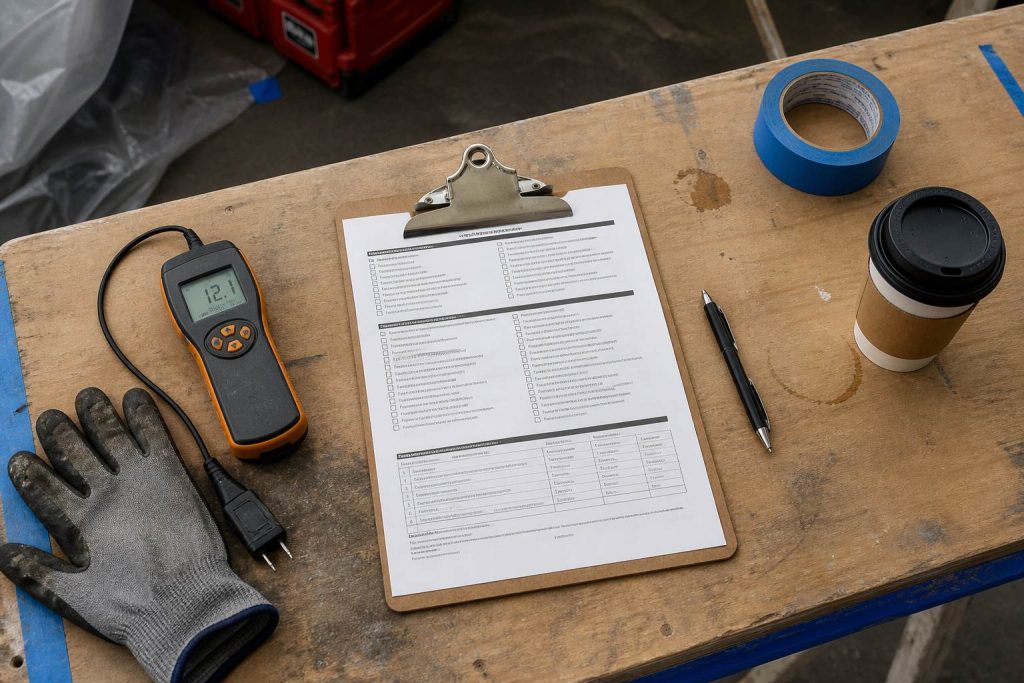
Companies that have made the frame shift visible in their daily operations have built specific practices that reflect and reinforce it.
The first practice is professional and respectful communication with carrier and TPA contacts at every level. This includes scope conversations, approval requests, dispute discussions, and routine file management. The communication is direct without being adversarial, persistent without being aggressive, and consistently professional regardless of the immediate friction. Contractors who maintain this standard across their entire team — not just the senior leaders — are recognized as different by the people on the other side of the conversation.
The second practice is investment in the relationship beyond the immediate work. Periodic check-ins with adjusters and TPA contacts, attendance at program meetings, participation in carrier-sponsored events, and willingness to provide informal advice or perspective when asked. The investment does not have to be elaborate. It has to be consistent. The relationships that result produce returns over years.
The third practice is honest and proactive communication when things are going badly on a file. Contractors who tell the carrier early about problems — discovered conditions, schedule slips, cost overruns, customer issues — preserve the relationship in ways that contractors who hide problems until they become crises do not. The proactive disclosure feels uncomfortable in the moment. It pays back across the relationship.
The fourth practice is internal accountability for relationship quality. The senior team treats the carrier relationship as something to be tended deliberately, with explicit responsibilities, regular review, and measurable indicators of relationship health. Companies that drift on relationship quality without internal accountability find themselves in deteriorating relationships without knowing why.
The fifth practice is hiring and training people who can hold the frame consistently. Operators who default to combative engagement with carriers undo the frame regardless of leadership messaging. The team has to be staffed with people whose temperament and training support the strategic frame, and the training has to reinforce it explicitly when new hires join.
What this means for owners deciding now
If you run a restoration company and your team’s culture treats the carrier and TPA as obstacles, the practical implication of this article is that the cultural framing is leaving strategic value on the table that can only be recovered through deliberate work over time.
The starting point is the owner’s own framing. The team will not treat the relationship strategically if the owner does not. The owner has to model the strategic frame in their own communication, their own decisions about which fights to pick and which to walk away from, and their own visible respect for the people on the other side of the relationship.
The medium-term work is to build the practices described above into the operational rhythm of the company. Communication standards. Investment in the relationships beyond immediate work. Proactive disclosure of problems. Internal accountability for relationship quality. Hiring and training that reinforce the frame.
The long-term result is a carrier and TPA relationship that compounds in value across years and that becomes one of the company’s most durable strategic assets. The companies that have built these relationships well are quiet about how they have done it, because the advantage is real and the incentive to teach competitors is low. The owners who recognize the value and invest in building it now will, in five years, be operating with a strategic asset that competitors who continue treating the relationship adversarially cannot easily replicate.
The carrier is not an obstacle. The relationship is the asset. The frame shift is the move.
Next in this cluster: scope discipline — how the best companies defend their numbers without burning the relationship, and what the operational practices that produce defensible scope actually look like in 2026.
Leave a Reply