The Claude desktop app is a native application for macOS and Windows that goes beyond what the web interface at claude.ai offers. While claude.ai gives you chat, the desktop app unlocks Claude Code (a terminal-based coding agent), Claude Cowork (desktop automation), local file access, MCP server connections, and deeper system integration. Here’s everything you need to know to get started and get the most out of it.
How to Download and Install
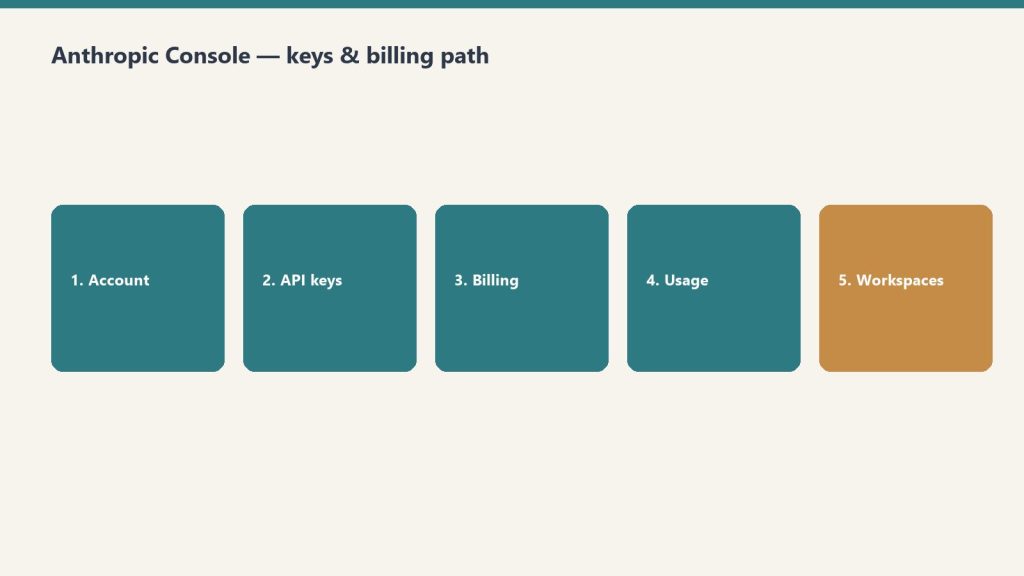
Download the Claude desktop app from claude.com/download. It’s available for macOS (Apple Silicon and Intel) and Windows. Installation is straightforward — run the installer and sign in with your Claude account. The app requires a Free, Pro, Max, Team, or Enterprise account. On macOS, the app supports both the standard installation and Homebrew. On Windows, the installer handles everything including system tray integration.
What the Desktop App Adds Over Claude.ai

Claude Code: The terminal-based coding agent that can read your local codebase, make changes, run tests, and handle complex multi-file development tasks. Claude Code operates from your terminal with full access to your development environment — git, npm, pip, docker, and any other tools you have installed. It’s available to Pro, Max, Team, and Enterprise users.
Claude Cowork: Desktop automation mode where Claude can control your computer to accomplish tasks. Cowork can interact with applications on your screen, manage files, run scripts, and automate workflows that span multiple programs. It works within a secure sandbox with explicit permission controls.
Local file access: The desktop app can read and write files on your computer, which the web interface cannot do. This enables direct document editing, local data analysis, and file management tasks.
MCP server connections: The Model Context Protocol lets Claude connect to external tools and data sources — databases, APIs, project management tools, and more. The desktop app can run MCP servers locally, giving Claude access to your development stack.
Desktop extensions: Additional capabilities that extend Claude’s ability to interact with your local environment, available across all tiers including Free.
Key Features Available on All Plans
Even on the Free plan, the desktop app provides a native experience that’s faster and more responsive than the browser. You get keyboard shortcuts for common actions, system tray/menu bar access for quick invocation, offline access to your conversation history, and native notifications. The app syncs with your claude.ai account — conversations, Projects, and memory are shared between web and desktop.
Tips for Power Users
Use keyboard shortcuts to invoke Claude quickly without switching contexts. Set up MCP servers for your most-used tools to give Claude direct access instead of copy-pasting. Organize work into Projects — each Project maintains its own context, documents, and conversation history. Use Cowork mode for repetitive desktop tasks that span multiple applications. When using Claude Code, commit your work frequently — Claude Code operates in your real file system, not a sandbox.
Desktop App vs Claude.ai: When to Use Each
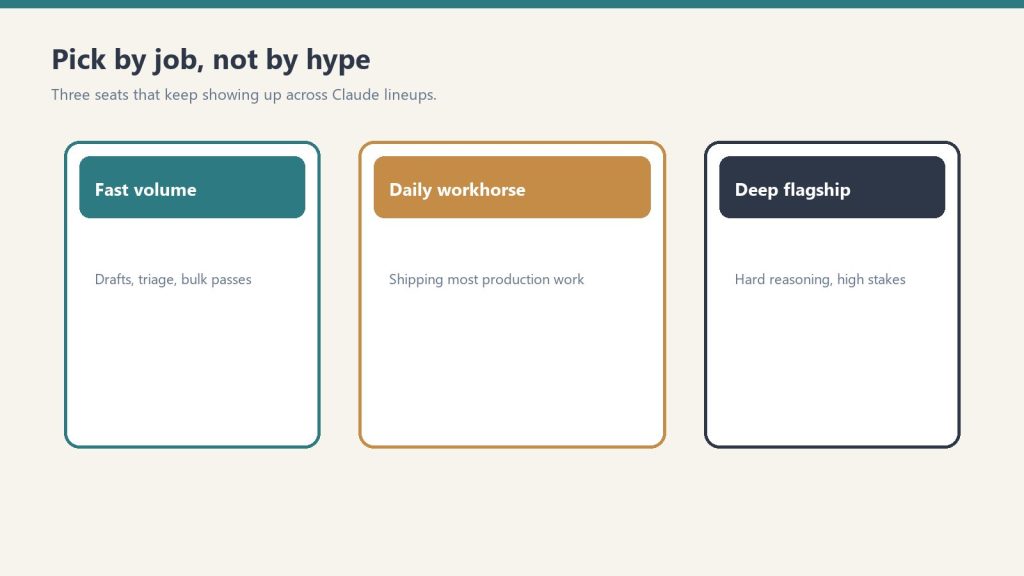
Use the desktop app when you need file system access, Claude Code, Cowork, or MCP connections. Use claude.ai when you’re on a device where the app isn’t installed, when you want quick access from a browser, or when you’re using a shared/public computer. Both interfaces access the same underlying Claude models and share your account data. Many users keep both available — the desktop app for deep work and the web interface for quick tasks.
Related on Tygart Media: Claude Cowork · how to use Claude.
Frequently Asked Questions
Is the Claude desktop app free?
The app itself is free to download and use. It works with all Claude plans including the Free tier. Claude Code and Cowork features require a Pro subscription or higher.
Does Claude desktop work on Linux?
As of June 2026, the Claude desktop app is available for macOS and Windows. Linux users can access Claude through the web interface at claude.ai or use Claude Code via the command-line installer.
Can the desktop app access my files?
Yes, with your permission. The desktop app can read and write local files, which is one of its key advantages over the web interface. File access is controlled through explicit permissions.
Do my conversations sync between desktop and web?
Yes. Conversations, Projects, and memory sync across the desktop app and claude.ai automatically.
Leave a Reply