Last refreshed: May 15, 2026
If you’re a student paying for Amazon Prime Student and you’re wondering whether your subscription includes Claude Pro — or unlocks a discount on it — here’s the direct answer first, and then the supporting context.
As of May 15, 2026, after reviewing Amazon’s official Prime Student benefits page, Anthropic’s pricing and plans pages, Anthropic’s published news and partnership announcements, and AWS Public Sector publications, we found no announced partnership, bundle, or discount between Amazon Prime Student and Claude Pro.
That does not confirm such a partnership doesn’t exist or won’t exist later. It confirms that we searched the places you would expect to find an announcement and could not locate one. If Amazon or Anthropic launches this kind of program after the date stamp on this article, this conclusion will be out of date — and the right place to check is always Amazon’s Prime Student benefits page and Anthropic’s own announcements.
Why people are searching for this
Search Console data and general 2026 web trends show consistent volume on queries like “amazon prime student claude pro” and “amazon prime student claude code.” The pattern usually reflects one of three things:
- Students assuming that because Amazon Prime Student bundles several other digital subscriptions and benefits, it would make sense for Claude Pro to be on the list
- Confusion between Amazon (the retailer/Prime Student parent), AWS (the cloud platform where Anthropic’s Claude is available), and Anthropic (the company that makes Claude)
- A misread of news coverage about Claude’s availability on AWS Bedrock or AWS Marketplace as some sort of consumer bundle
None of those are unreasonable assumptions. They’re just not, as far as we can verify in May 2026, actual partnerships.
What Amazon Prime Student actually includes (as of May 2026)
Per Amazon’s official Prime Student benefits page, the core benefits are:
- Six-month free trial, then ~50% off standard Prime pricing
- Free same-day or one-day shipping on eligible items
- Prime Video, Amazon Music Prime, and Prime Reading access
- Exclusive student deals and promotions
- Bundled access to select third-party services (this list rotates and varies by region)
Claude Pro is not currently listed among those bundled third-party services. AWS-side products and developer tools are separate from the Prime Student consumer benefit set.
What students can actually do to access Claude at reduced cost
Anthropic does not run a public, individual Claude Pro student discount. What it does run, verified May 15, 2026, is a set of institutional and program-based paths to discounted or free access:
Claude for Education. Launched in April 2025, this is Anthropic’s program for higher-education institutions. Students, faculty, and staff at participating universities get access to Claude’s premium features for free as long as they remain enrolled or employed. Known partner institutions include Northeastern University, the London School of Economics, Champlain College, the University of San Francisco School of Law, and Northumbria University. If your school is part of the program, signing in to claude.ai with your school email upgrades your account automatically — no application or payment required.
GitHub Student Developer Pack. Verified students enrolled in degree-granting programs can claim a developer pack that has historically included credits or premium access to a wide range of developer tools. Claude offerings within the pack have varied over time — check the current pack contents at GitHub’s education portal for what’s available the day you apply.
Direct Anthropic partnerships with specific universities. Beyond the formal Claude for Education program, Anthropic has signed individual agreements with universities providing campus-wide access at institutional rates. If your university isn’t on the public partner list, it’s worth asking your IT or library services whether they have a direct arrangement.
The standard Claude free tier. Anyone can use Claude without paying. The free tier provides limited daily messages on a recent model, and for many students that’s sufficient for coursework that doesn’t require sustained heavy use.
For a broader breakdown of every legitimate path students can take to reduce Claude costs, see our existing guide: Claude Student Discount: The Honest Guide to Getting Claude for Less.
What about AWS Marketplace and Claude for Education?
One source of search confusion is that Claude for Education became available through AWS Marketplace in 2026 (covered in the AWS Public Sector Blog). This is an institutional purchasing path for universities — it allows schools to procure Claude for Education through their existing AWS billing relationship — not a consumer or student-facing benefit.
It’s also distinct from the underlying availability of Claude models on AWS Bedrock for developers, which is again an enterprise/developer feature, not a Prime Student benefit.
What to be wary of
Because there’s real search demand for a Prime Student + Claude Pro discount that doesn’t currently exist, third-party sites have filled the gap with content of varying quality. Specifically:
- “Promo code” pages claiming 50% off Claude Pro through Prime Student. We could not verify any of these against Anthropic’s official pricing, and Anthropic’s Help Center has stated that support cannot issue one-off discounts.
- Reseller and account-sharing services that advertise Claude Pro at a discount through some Amazon channel. These typically involve shared logins, terms-of-service violations, or both.
- YouTube videos and articles that describe a Prime Student / Claude bundle as if it exists — usually republishing each other’s speculation rather than citing a primary source.
The honest read: until Amazon or Anthropic announces a partnership directly, on their own properties, treat any third-party claim of a Prime Student + Claude Pro discount as unverified.
What we’d actually like to see
A Prime Student + Claude Pro bundle would make sense. Prime Student is a credible distribution channel for student-facing digital benefits, Claude is increasingly central to how students do research and writing, and Anthropic has shown it’s willing to do institutional deals for the education market. There’s a logical product collaboration sitting on the table.
Whether either party is interested in pursuing it isn’t something we can speak to. If it happens, we’ll update this article. If you’ve seen a credible announcement we missed, let us know — the methodology in this article is exactly the kind of finding that should get re-checked when the facts change.
Related on Tygart Media: how to use Claude · Anthropic API key.
Frequently Asked Questions
Does Amazon Prime Student include Claude Pro?
No, as of May 15, 2026, Amazon Prime Student does not include Claude Pro. We reviewed Amazon’s official Prime Student benefits page, Anthropic’s plans and pricing pages, and Anthropic’s news releases, and found no announced partnership, bundle, or discount linking the two products.
Is there an Amazon Prime Student discount on Claude Code?
No, as of May 15, 2026. Claude Code uses the same subscription tiers as Claude Pro (or runs against a Claude Developer Platform API key), and no Amazon Prime Student discount or bundle on either product has been announced through official channels we reviewed.
Why do search engines suggest “amazon prime student claude pro” if it doesn’t exist?
Search engines surface query suggestions based on actual user search volume, not on whether the underlying product exists. The high volume of users searching for this combination reflects assumption and curiosity, not a confirmed offering.
What’s the cheapest legitimate way for a student to use Claude Pro?
If your university participates in Claude for Education, sign in to claude.ai with your school email — that’s free premium access. If not, the GitHub Student Developer Pack sometimes includes Claude-related benefits. Beyond those, the standard Claude free tier costs nothing, and individual Claude Pro subscriptions are $20/month at standard pricing.
Can students share a single Claude Pro account to save money?
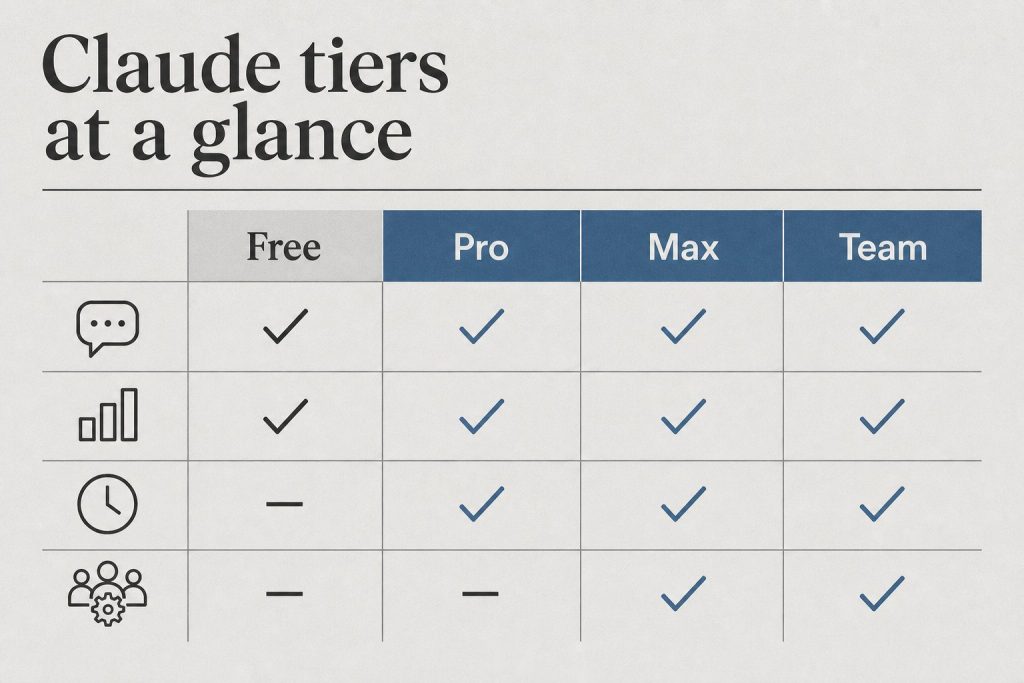
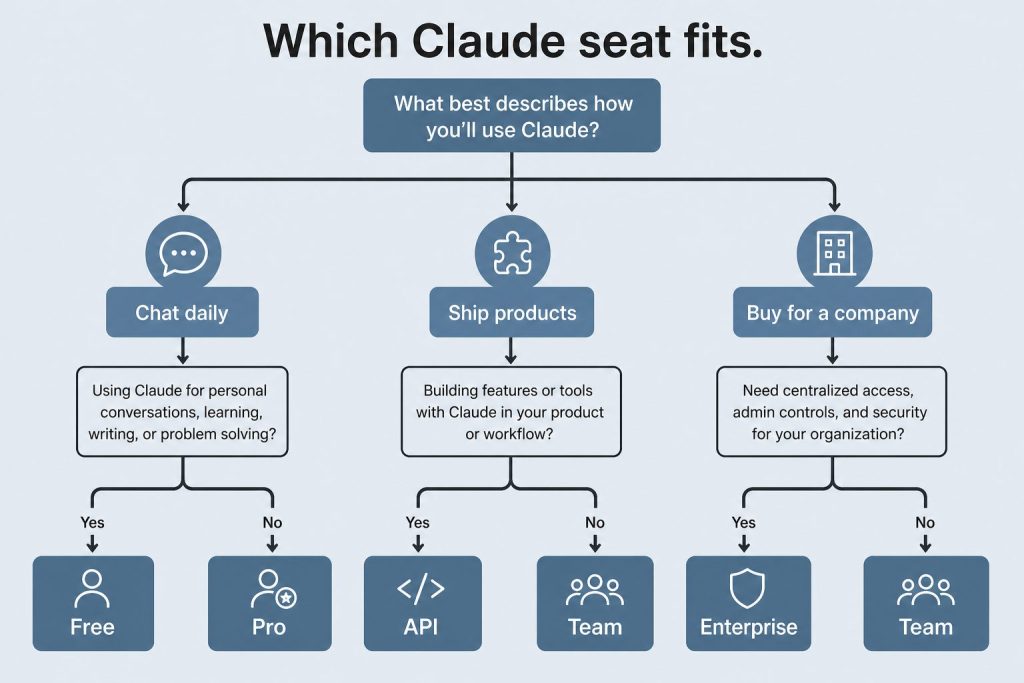
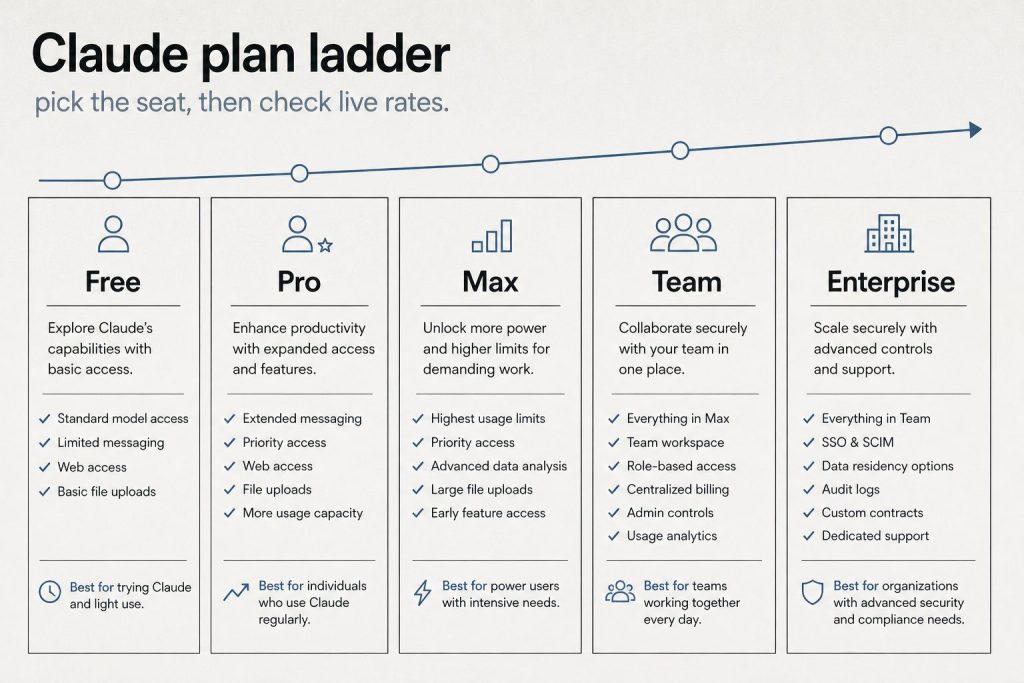
Account sharing typically violates Anthropic’s terms of service. The Team plan exists for groups that need multi-user access at a per-seat rate.
Will Anthropic ever offer a public student discount?
Unknown. As of May 2026, Anthropic’s stated position is that it focuses student access through institutional Claude for Education partnerships rather than individual discount codes. That could change at any time.
Related Reading
How we sourced this
Sources reviewed May 15, 2026:
- Amazon Prime Student official benefits page (primary source for what Prime Student actually includes)
- Anthropic pricing page and plans page at claude.com/pricing (primary source for Claude pricing structure and absence of student discount)
- Anthropic Help Center and news releases (primary source for Claude for Education and partnership announcements)
- AWS Public Sector Blog: Claude for Education now available in AWS Marketplace (primary source for the AWS Marketplace path)
- Multiple independent comparison sources (Krater, GamsGo, Get AI Perks, Krater, others) consistently reporting no Prime Student / Claude partnership exists — Tier 2 confirming sources
This article applies a negative-finding standard: when a claim can’t be verified, we state what we searched and what we did not find, rather than declaring the claim false. If the partnership status changes after May 15, 2026, the conclusion here should be re-verified against the original sources before being treated as current.