Tag: City of Everett

  • Everett’s Utility Tax Proposal Is Coming Before the City Council in May — Here’s What It Costs, Who It Affects, and How to Weigh In Before the Vote

    Everett’s Utility Tax Proposal Is Coming Before the City Council in May — Here’s What It Costs, Who It Affects, and How to Weigh In Before the Vote

    What this means for you: The City of Everett is moving a proposal to replace its current 6% utility billing charge with a 12% utility tax to the City Council for a formal vote beginning in May 2026. For a typical Everett residential water customer, that’s an estimated increase of about $10.74 per month. The change would affect not just Everett residents, but customers across more than 75% of Snohomish County who rely on Everett’s water, sewer, and stormwater system. If approved, the new rate takes effect as early as July 1, 2026.
    This is the part of Everett’s budget conversation that doesn’t make the headlines the way a stadium vote or a light rail letter does — but it shows up on your water bill. The City of Everett is preparing to bring a utility tax proposal before the City Council this month, a move that would effectively double the charge applied to residents’ and businesses’ water, sewer, and stormwater bills. The proposal has been in development since at least March 2026, when the council received an informational briefing. Now, with legislation expected to go before the council beginning in May, the public comment window is officially open — and closes once the council acts.

    What’s Actually Being Proposed

    Since 1983, Everett has collected a 6% Payment in Lieu of Taxes — often called PILOT — on utility bills. A PILOT is essentially a transfer from a city-owned utility to the city’s general fund, a substitute for the property taxes a private utility would pay. It’s built into your water bill already; you’ve been paying it for decades, even if you didn’t know the line item’s name. What Everett is now considering is replacing that 6% PILOT with a 12% utility tax — doubling the rate. The change would generate approximately $7.5 million per year in additional revenue for the city’s general fund. The general fund pays for the city services residents use every day: parks, libraries, streets, and public safety. Everett, like most Washington cities, faces a structural constraint on how much its property tax revenue can grow under Initiative 747 — capped at 1% per year, regardless of inflation. That constraint is the underlying driver of the $14 million projected budget deficit the city is working to close by 2027.

    What It Costs

    For a typical residential customer, the estimated monthly increase is $10.74 per month, or roughly $129 per year. That’s the city’s own estimate from the March 2026 council briefing. The increase applies to water, sewer, and stormwater charges combined, since the utility tax rate is applied across all three services. Business customers and other large users of Everett’s water system would see increases scaled to their consumption. Everett provides water, sewer, and stormwater services not just to city residents but to customers across a wide regional footprint — more than 75% of Snohomish County. That means the financial impact extends well beyond Everett city limits. A family in parts of Mukilteo, Snohomish, or unincorporated Snohomish County who receives their water from Everett Utilities could see the same rate change reflected on their bill if the council approves it.

    Is This Unusual?

    The city’s own research says no — most neighboring cities already use a utility tax at comparable or higher rates. Everett’s current 6% PILOT has been in place since 1983, making it one of the lower rates in the region. The council briefing included a comparison of other jurisdictions’ utility tax rates that supports this framing. That said, calling it a “utility tax” instead of a “PILOT” is more than semantic. PILOTs are internal transfers; utility taxes are charges on the consumer. The shift changes how the revenue is classified — and potentially how it’s understood by the public.

    The $14 Million Context

    The utility tax proposal doesn’t exist in isolation. It’s one of four major revenue levers the city is exploring to close a projected $14 million general fund deficit by 2027:
    • Regional fire authority (RFA) — Merging Everett Fire with other agencies in a regional structure, moving fire costs off the city’s general fund.
    • Sno-Isle Library regionalization — Shifting library costs to a regional taxing district.
    • Another levy lid lift — Going back to voters to raise property taxes above the I-747 cap.
    • Mariner annexation — Bringing the roughly 21,000-resident Mariner neighborhood into Everett’s tax base, adding revenue without raising rates on existing residents.
    Three of those four require a public vote. The utility tax does not — it is a council decision. That makes it the most direct and immediate tool available to the city without going to the ballot, and it explains why it’s moving to a council vote this spring rather than waiting for an August or November election. That same August ballot already carries the EMS levy lid lift, which asks voters to restore the EMS property tax rate from $0.36 to $0.50 per $1,000 of assessed value to maintain roughly 78 firefighter-paramedic positions at Everett Fire Department.

    What the Council Process Looks Like

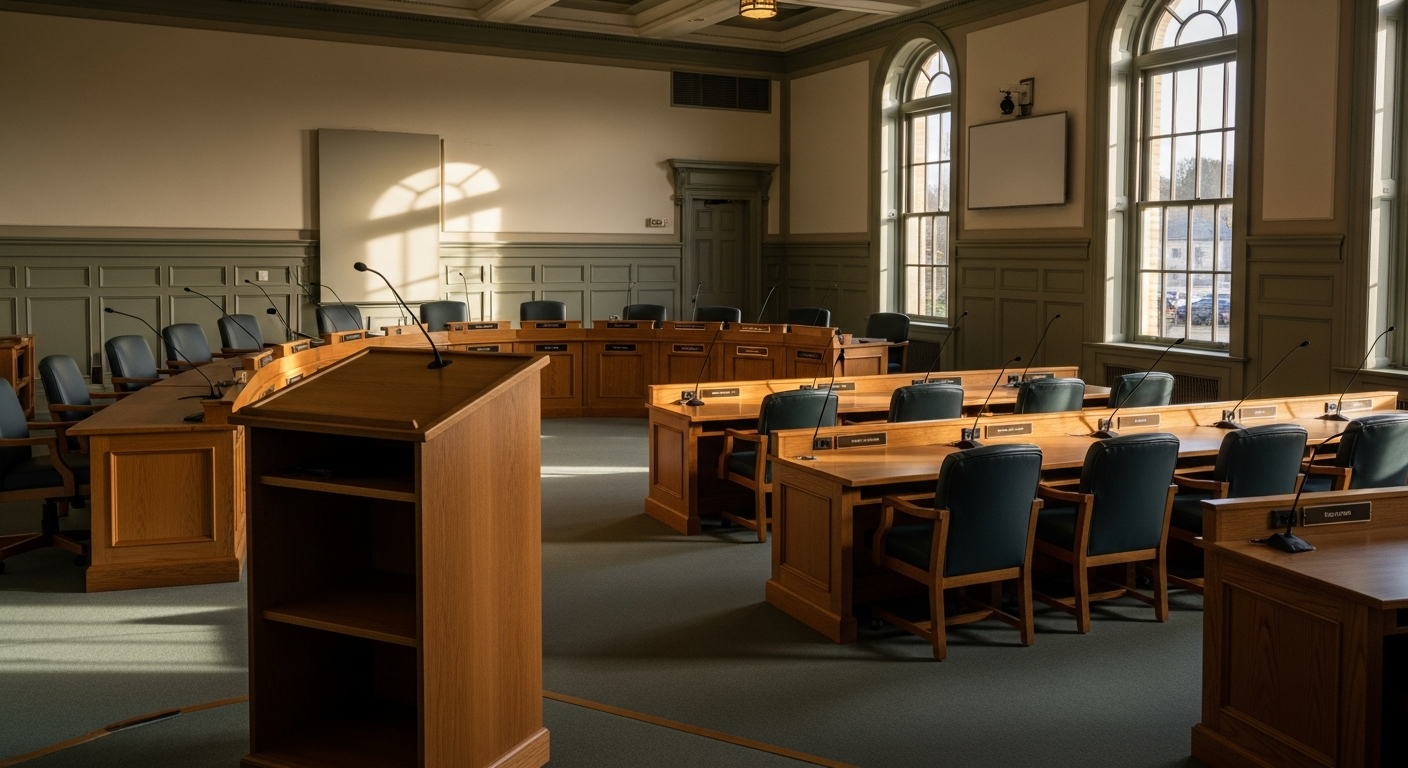
    The council has been briefed. The legislation is now being drafted for formal consideration. Once introduced, the typical council process includes a first reading, an opportunity for public comment, and a vote — which could happen within weeks of the bill’s formal introduction. The council meets on Wednesdays. Under its standard schedule, most meetings begin at 6:30 p.m. at Everett City Hall; the fourth and fifth Wednesdays of the month begin at 12:30 p.m. Public comment is accepted at all council meetings, either in person or virtually through the city’s online registration system. The city has also signaled it is considering expanding its utility assistance program for low-income residents to help offset the cost increase. Specific eligibility details have not been publicly released as of this writing.

    Frequently Asked Questions

    Does this affect residents outside Everett city limits?
    Yes. Everett provides water, sewer, and stormwater services to customers across more than 75% of Snohomish County. Any customer whose utility service is billed through Everett Utilities could see the rate change reflected on their bill. Why can’t the city just cut spending instead?
    Washington’s I-747 caps property tax growth at 1% per year regardless of inflation or service cost increases. That constraint — not spending choices alone — is the primary driver of the projected deficit. What is a PILOT, and how is it different from a utility tax?
    A Payment in Lieu of Taxes (PILOT) is an internal transfer from a city-owned utility to the general fund, functioning as a substitute for property taxes. A utility tax is a charge assessed on the consumer. Both produce revenue for the general fund, but the legal structure and how it appears on bills differ. Is 12% high compared to other cities?
    According to the city’s own comparison of nearby jurisdictions, most Washington cities use utility taxes at rates comparable to or higher than 12%. Everett’s current 6% PILOT is on the lower end of regional practice. What does the money pay for?
    The general fund covers parks, libraries, streets, and public safety — the core services Everett residents interact with daily. Will there be low-income assistance?
    The city has indicated it is considering expanding utility assistance for low-income households as part of the proposal, but specific eligibility details have not been announced. Can the council vote on this without a public vote?
    Yes. A utility tax is a council decision and does not require a ballot measure. This distinguishes it from three of the four other revenue options under consideration (levy lid lift, RFA formation, and library regionalization), all of which require voter approval.

    What To Do Next

    Comment now — before the vote: Once the council votes, the public comment window closes. Submit written comments by email to council@everettwa.gov or attend a city council meeting in person or virtually. The virtual public comment registration form is at everettwa.gov. Attend a council meeting: The Everett City Council meets Wednesdays at 6:30 p.m. (or 12:30 p.m. on the 4th and 5th Wednesdays) at Everett City Hall, 3002 Wetmore Ave. Public comment is taken at the start of each regular meeting. Review the March briefing materials: The council received a full briefing on March 18, 2026. The presentation PDF and video recording are available at everettwa.gov/council. The presentation includes the comparison of other jurisdictions’ rates and the utility service area map. Check your utility provider: If you live outside Everett city limits, verify whether your water service is provided by Everett Utilities — and therefore whether this rate change would affect your bill. Contact your council member: All nine Everett City Council members represent the city at large. Contact information is available at everettwa.gov/council.

    Related coverage: Everett’s $14 Million Budget Gap Is Back — and Regionalizing Fire and Libraries Is on the Table | Mayor Franklin’s 2026 State of the City: Five Priorities Now Shaping Everett | Everett EMS Levy Goes to August 2026 Ballot

  • Everett’s New Edgewater Bridge Opens April 28: What Commuters and Neighbors Need to Know

    Everett’s New Edgewater Bridge Opens April 28: What Commuters and Neighbors Need to Know

    What is the Edgewater Bridge? The Edgewater Bridge spans the Mukilteo ravine on the border between Everett and Mukilteo, connecting the two cities along Mukilteo Boulevard. The 366-foot-long bridge is a primary commute corridor for residents of both cities and was built in 1946 — making the original structure nearly 80 years old when it closed for replacement.

    After 18 months of construction and a $34.9 million investment, Everett’s new Edgewater Bridge will open to vehicle traffic on Tuesday, April 28, 2026. The community is invited to walk across the bridge the day before at a free celebration event on Sunday, April 27 at 3:30 p.m.

    Why the Bridge Had to Be Replaced

    The original Edgewater Bridge was built in 1946. By the time the City of Everett closed it in October 2024, the structure had reached the end of its rated useful life and had known seismic vulnerabilities. Rather than patch an aging span, the city moved forward with full replacement.

    Replacing the bridge was not a straightforward project. Construction crews encountered significant underground obstacles — old timber and concrete debris from a previous, earlier bridge structure were embedded deep in the soil, complicating the installation of the steel piling needed to support the new span. Then, in December 2025, an atmospheric river weather event caused damage to portions of the project and pushed the completion date back further, into April 2026.

    The scale of the work was considerable: crews had to fully remove the 366-foot-long, 60-foot-tall original bridge and build two temporary work platforms on either side of the ravine from which the new structure was constructed piece by piece.

    What’s Different About the New Bridge

    The new Edgewater Bridge is not just a replacement — it’s a meaningful upgrade in several key ways.

    • Wider sidewalks and bike lanes on both sides of the roadway — a significant improvement for pedestrians and cyclists who previously had more limited options on the original structure.
    • Modern seismic engineering — the new bridge is designed to perform better in an earthquake, addressing the structural concerns that made replacement necessary.
    • Longer designed service life — built to current standards, the bridge is intended to serve Everett and Mukilteo for decades.

    The bridge straddles the city boundary, welcoming travelers into both Everett and Mukilteo. Once the final finishing work is complete, pedestrians and cyclists will have dedicated, protected lanes on each side of the roadway.

    How the $34.9 Million Project Was Paid For

    The total project cost is $34.9 million. Of that, $28 million — roughly 80 percent — came from federal grant funding. The remaining portion was covered by city transportation funds.

    Mayor Cassie Franklin said she was “excited to see the brand-new Edgewater Bridge open again and serving our community,” acknowledging the disruption the closure caused. “Construction brought real impacts — especially to the neighbors who live close to the bridge — but I’m proud to deliver a more structurally sound bridge that’s built to last and ready for the future.”

    What to Expect at the April 27 Celebration

    The City of Everett is hosting a community event on Sunday, April 27 at 3:30 p.m. where residents from both Everett and Mukilteo can walk across the new bridge, meet members of the project team, and hear remarks from city officials.

    Important note: the bridge will not be open to vehicle traffic at the time of the celebration. You can approach from either side but will not be able to drive across. Vehicles will begin crossing on Tuesday, April 28.

    What’s Still Being Finished After Opening

    Even after vehicles start using the bridge on April 28, some work will continue. According to the City of Everett, permanent roadway striping, barriers, lighting, paint, and other finishing tasks may still be in progress. The new sidewalks and bike lanes will remain closed to pedestrian and cyclist use until that final phase of work is complete — so pedestrian access will follow the vehicle opening by a short period.

    Why This Reopening Matters for Everett and Mukilteo

    Mukilteo Boulevard is a primary east-west connector used daily by commuters heading toward Interstate 5, Paine Field, and local destinations in both cities. The 18-month closure forced drivers to reroute through already-congested surface streets — an impact felt by neighborhoods on both sides of the ravine. The reopening directly relieves that pressure.

    The new bike lanes and wider sidewalks also represent a real win for non-motorized transportation in a corridor that previously had limited options. Both Everett and Mukilteo have been working to improve walkability and bikeability, and this crossing is now part of that network in a meaningful way.

    Frequently Asked Questions About the Edgewater Bridge Opening

    When does the Edgewater Bridge open to vehicles?

    The bridge opens to vehicle traffic at the end of the workday on Tuesday, April 28, 2026.

    When is the community celebration for the new Edgewater Bridge?

    The City of Everett is hosting a community walk-across event on Sunday, April 27 at 3:30 p.m. The bridge will not be open to vehicle traffic at that time. Residents can approach from either the Everett or Mukilteo side.

    How much did the new Edgewater Bridge cost?

    The total project cost is $34.9 million, with $28 million funded by federal grants — about 80 percent of the project cost covered by federal dollars.

    Is the new bridge safer in an earthquake?

    Yes. The new bridge was built to modern seismic engineering standards and is significantly more earthquake-resistant than the 1946 original, which had known structural vulnerabilities.

    Why did the bridge closure last 18 months?

    The original construction schedule was extended twice — first due to underground obstructions from an older bridge structure buried beneath the site, and again after an atmospheric river weather event in December 2025 caused damage to portions of the project.

    Will there be bike lanes and sidewalks on the new Edgewater Bridge?

    Yes. The new bridge includes bike lanes and wider sidewalks on both sides. They will open to use once final finishing work on the project is complete, which is expected to happen shortly after the vehicle opening.

    What cities does the Edgewater Bridge connect?

    The Edgewater Bridge straddles the boundary between Everett and Mukilteo, connecting both cities along Mukilteo Boulevard.