Tag: Aerospace

  • Boeing Is Hiring 100 to 140 New Factory Workers a Week in 2026 — Here’s What That Means for Everett

    How fast is Boeing hiring right now? Boeing is pulling in 100 to 140 new factory employees per week across its production network in 2026, driven by a backlog of commercial and defense orders, a wave of experienced workers retiring, and the imminent activation of the 737 North Line in Everett. The company is also lifting apprenticeship intakes above prior caps to build a trained, unionized workforce for the 737 MAX line, the 777X, dedicated freighters, and growing space and defense orders.

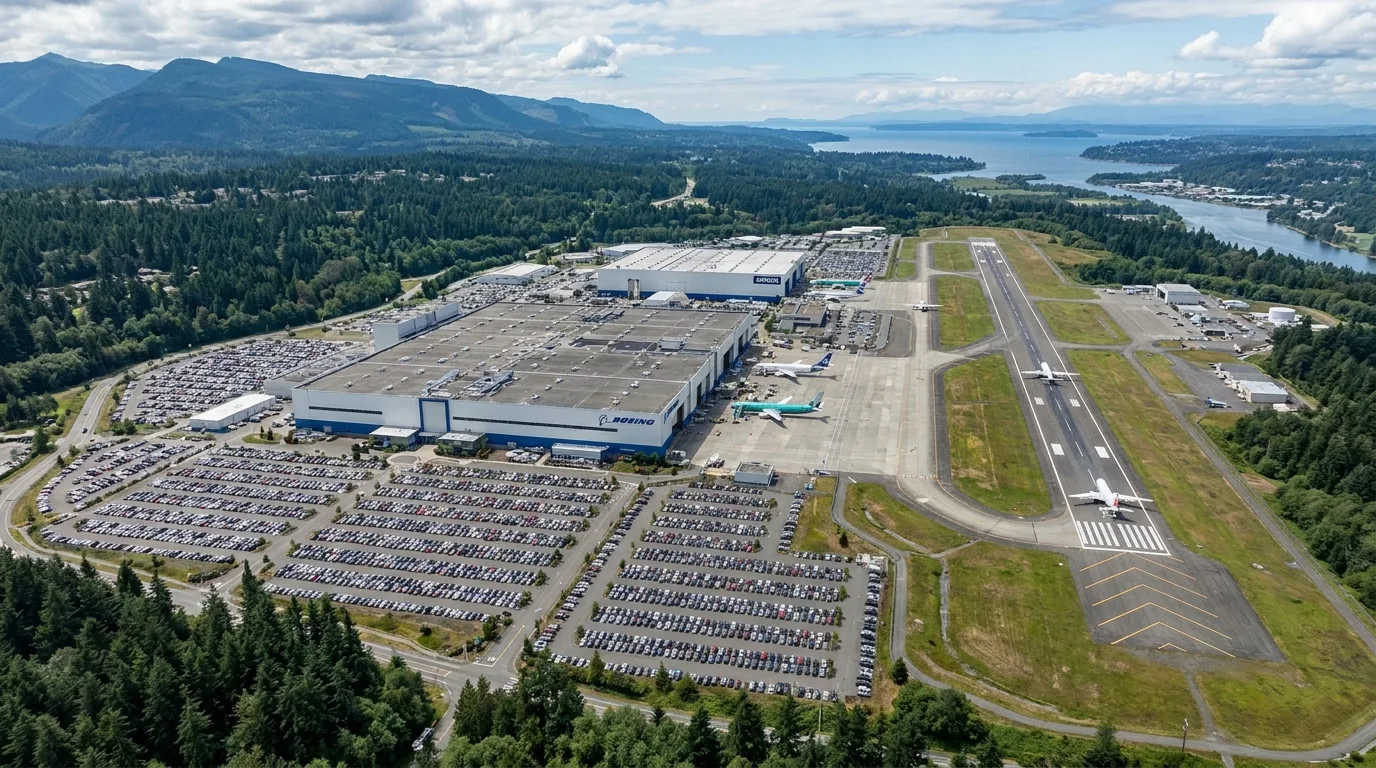
    If you’ve driven past the Boeing Everett factory parking lots at shift change lately, you may have noticed they’re filling back up. The eight-lane stretch of Airport Road that feeds the plant, the lots along Seaway Boulevard, the IAM 751 hall across the street — the density is back in a way it hasn’t been in a couple of years. That’s not a coincidence. Boeing is in the middle of one of the largest sustained hiring pushes in recent memory, and a meaningful share of it is happening right here.

    The pace is notable. Boeing is bringing in between 100 and 140 new factory employees every week across its production network, the company has said, and is lifting its apprenticeship intake above prior caps. That’s a hiring tempo designed to keep up with several things at once: a large commercial backlog that the company is racing to deliver, a wave of experienced workers heading into retirement, and the ramp-up of the 737 North Line in Everett, which needs a full workforce stood up before the first MAX rolls off its midsummer 2026 opening.

    The Hiring Pace in Context

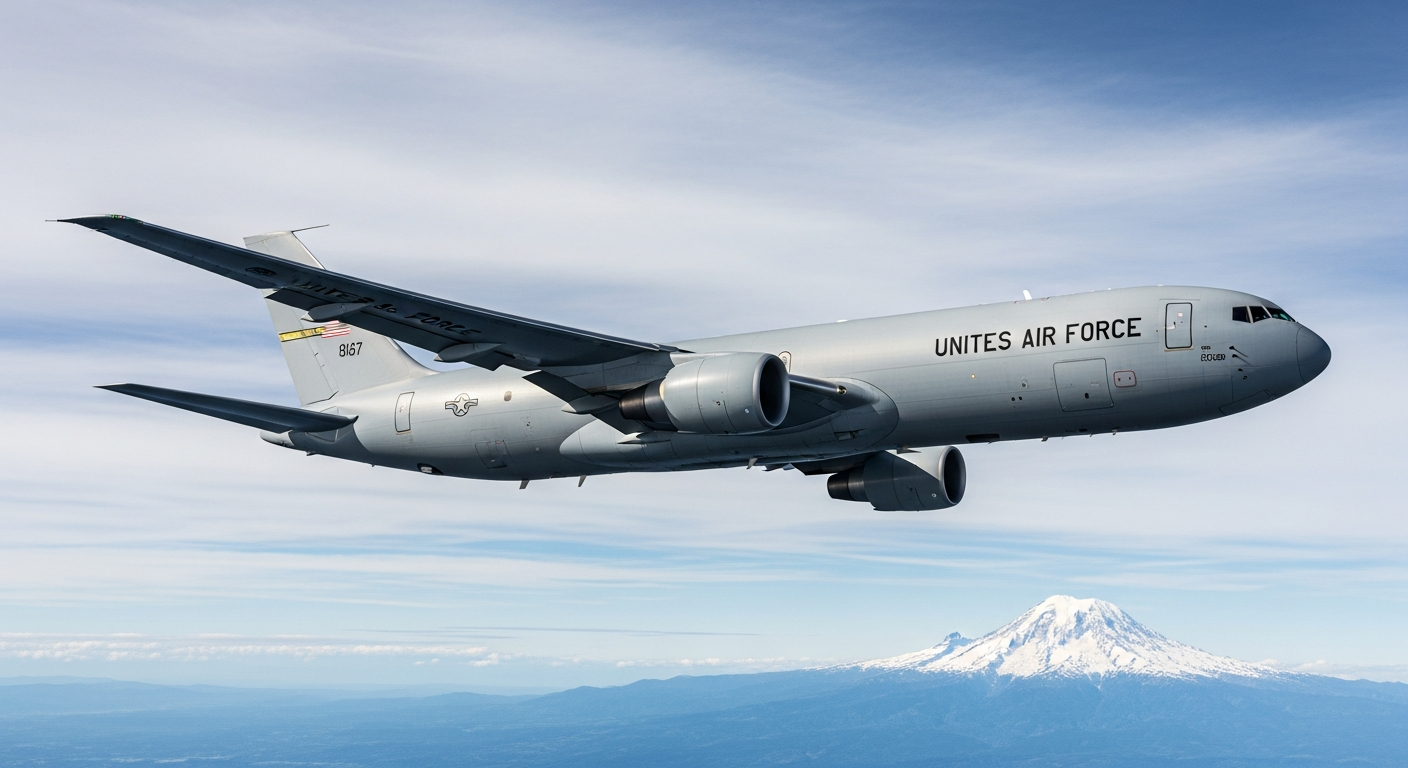
    To put the numbers in perspective: at 100 to 140 new factory employees per week, Boeing is bringing on somewhere between 5,200 and 7,300 manufacturing workers a year just to hold its current trajectory. A lot of those hires go to the Renton 737 factory and the Charleston 787 facility, but Everett gets a meaningful share — particularly now, with the 737 North Line standing up, the 777X program heading toward certification, and the KC-46 tanker and 767 freighter programs both active.

    This is not the Boeing hiring environment of late 2024 and early 2025. During that period, the company was cutting roughly 10% of its workforce — about 17,000 jobs — and Everett absorbed a disproportionate share of the reductions. Two notices issued in January and February 2025 put more than 1,400 Everett-area workers on the layoff list between them. The cuts were felt across engineering and manufacturing, and they reshaped which teams had capacity for which programs.

    The current hiring wave is partly a correction to that retrenchment, partly a response to a commercial backlog that didn’t disappear during the difficult years, and partly a structural answer to a workforce that is genuinely getting older. Boeing, like most large legacy manufacturers, is seeing experienced employees reach retirement age in numbers. The apprenticeship expansion is the company’s response to that demographic reality: you can’t fill a retiring senior mechanic’s seat with a brand-new assembler, but you can build the pipeline now for the mechanics who will fill those seats three to five years from today.

    Why the 737 North Line Is Driving So Much of It

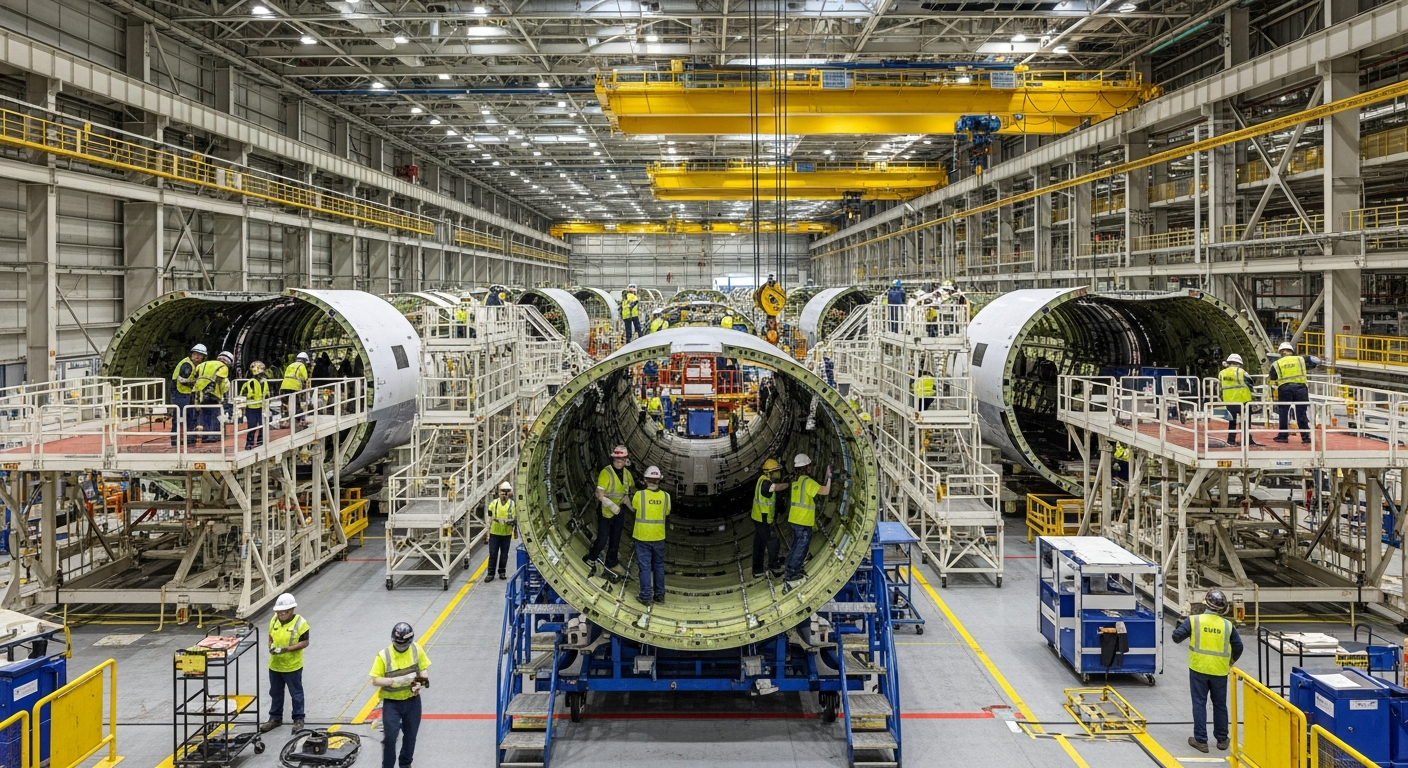
    The most visible demand signal for new workers in Everett is the 737 North Line, the new 737 MAX assembly line standing up in a reconfigured portion of the Everett factory with a midsummer 2026 opening target. Before the North Line can produce finished airplanes, it needs a complete workforce: assemblers, mechanics, sealers, flightline technicians, inspection personnel, and the support staff around all of them.

    Boeing has said the North Line team will be a mix of newly hired employees and existing teammates transferring from Renton, Everett, and Moses Lake. The “newly hired” portion of that mix is where a lot of the current Everett hiring pressure is coming from. Every week, new assemblers onboard for training programs designed to get them onto the production floor at a safe, reliable pace. The IAM 751 Machinists Institute across the street, which opened at 8729 Airport Road, is training a meaningful share of them.

    The reason the North Line matters beyond its own hiring number is capacity. Once integrated into the overall 737 MAX production flow, the Everett line will give Boeing the ability to produce above 47 airplanes per month — the cap the company has worked within under the current FAA production limit. Lifting that ceiling is the core commercial upside the North Line delivers, and it depends entirely on having a workforce in place that can hit the quality and cadence targets without incident.

    The Retirement Wave

    The less-discussed half of the hiring story is the retirement wave. Boeing’s Everett workforce, like the broader Puget Sound aerospace community, includes a significant cohort of workers who started in the 1980s and 1990s and are reaching retirement eligibility now. The company has to replace their roles — not one-for-one, but with enough trained replacement that the institutional knowledge doesn’t walk out the door all at once.

    That’s the apprenticeship story. Boeing has lifted intake caps above prior levels, expanded formal training partnerships, and leaned into the Machinists Institute as a workforce pipeline. The economic logic is straightforward. Hiring a new factory worker without a training pipeline produces an employee who may need years to reach the productivity of the retiring mechanic they’re replacing. Hiring into an apprenticeship program that the union, the company, and the community built together produces a worker on a shorter path to full productivity, with a credential and a career ladder that the old hiring model didn’t offer.

    For Everett specifically, the Machinists Institute’s placement pipeline has mattered. It’s across the street from the factory. Its graduates tend to live in Everett, Mukilteo, Lynnwood, Marysville, and the rest of Snohomish County. The training is built around IAM 751’s knowledge of what the factory actually needs. When the North Line’s first wave of assemblers walks onto the floor this summer, a meaningful portion of them will have come through that program.

    What the Hiring Surge Means for the Community

    A couple of things flow downstream from this pace of hiring. The first is straightforward: more paychecks circulating through Snohomish County. Boeing assembly and technician roles are family-wage jobs with benefits, and the economic multiplier of adding 100-plus manufacturing workers a week across the production network — with Everett taking a visible share — shows up in local businesses, housing absorption, school enrollment, and the everyday economy of the city.

    The second is execution risk. Hiring at this pace, especially into a production line that hasn’t opened yet, tests a company’s ability to train, supervise, and integrate new workers without slipping on quality. This is the exact point that aviation analysts have been watching since the hiring acceleration began. A 737 MAX line that ramps too fast with too many new hires is a line that introduces defects, creates rework, and potentially draws additional FAA scrutiny. A 737 MAX line that ramps slowly and carefully is a line that doesn’t deliver the capacity Boeing needs to keep pace with Airbus’s A320neo family production.

    Boeing knows the trade-off. That’s why the company is leaning on the apprenticeship pipeline instead of pure open-market hiring, why experienced teammates are transferring in from Renton and Moses Lake, and why the midsummer 2026 opening has been described publicly as “low-rate initial production” rather than immediate high-cadence output. The goal is to get the line standing up correctly before pushing it for rate.

    What Job-Seekers in Everett Should Know

    For Snohomish County residents considering a Boeing career, the current environment is as open as it’s been in a while. Boeing’s job site (jobs.boeing.com) lists hundreds of Everett-area positions at any given time, and the company is actively recruiting across assembly, mechanical, electrical, sealing, flightline, inspection, and support functions. The Machinists Institute at 8729 Airport Road offers training pathways specifically designed to place graduates into IAM 751-represented roles, which come with union wages, benefits, and the protections of the collective bargaining agreement.

    Boeing’s SPEEA-represented engineering and technical roles — a different pipeline, covered by a different union — are also actively hiring. The SPEEA contract expires October 6, 2026, which means the coming months will include the kind of visible contract negotiation that shapes hiring conversations and compensation expectations for those roles.

    For a city whose economy has always moved with Boeing’s rhythm, the current hiring wave is one of the more consequential workforce stories of the decade. It’s also a reminder of why Everett is Everett. More than 40,000 people across the region work either directly for Boeing or for the supply-chain companies that feed the factory. When the hiring accelerates, the whole city feels it.

    Frequently Asked Questions

    How many people is Boeing hiring right now?

    Boeing is bringing in between 100 and 140 new factory employees per week across its production network in 2026, with a significant portion going to Everett as the 737 North Line ramps up.

    What jobs is Boeing hiring for in Everett?

    Boeing is actively recruiting in Everett for assemblers, mechanics, sealers, flightline technicians, inspectors, and technical support roles on the 737 North Line, 777X, KC-46 tanker, and 767 freighter programs. Engineering and technical roles represented by SPEEA are also hiring across multiple programs.

    Where do I apply for a Boeing job in Everett?

    Boeing job postings are listed at jobs.boeing.com. Filter by Everett, Washington for positions at the factory. For unionized assembly roles, the IAM 751 Machinists Institute at 8729 Airport Road operates training pathways designed to place graduates into IAM-represented positions.

    What is the Machinists Institute?

    The Machinists Institute is an IAM 751-run training facility located at 8729 Airport Road in Everett, across the street from the Boeing factory. It provides skilled trades training that supports placement into Boeing’s unionized manufacturing workforce.

    Why is Boeing hiring so fast?

    The hiring surge is driven by a combination of factors: a large commercial and defense order backlog, the imminent opening of the 737 North Line in Everett, the need to replace experienced workers who are retiring, and the company’s recovery from the layoffs of late 2024 and early 2025.

    Does Boeing offer apprenticeships?

    Yes. Boeing has lifted apprenticeship intake above prior caps as part of its broader workforce-pipeline strategy. Apprenticeships combine paid on-the-job training with classroom instruction and provide a credentialed pathway into full-time Boeing roles.

    How does the 737 North Line affect Everett hiring?

    The 737 North Line is driving a significant portion of current Everett hiring. Before the line can produce finished 737 MAX aircraft, Boeing needs a complete workforce in place — assemblers, mechanics, inspection personnel, and support staff — and many of those roles are being filled now ahead of the line’s midsummer 2026 opening.

  • Boeing 777X Clears FAA Phase 4A: What Everett’s Biggest Certification Milestone in Years Actually Means

    What did the FAA just approve for the Boeing 777X? On March 17, 2026, the Federal Aviation Administration cleared the Boeing 777-9 to enter Phase 4A of Type Inspection Authorization testing, one of the last regulatory gates before the aircraft can be certified for commercial service. The decision lets FAA pilots participate directly in flight testing and puts the Everett-built widebody on track for certification later in 2026 and first delivery to Lufthansa in 2027.

    If you drive past the Boeing Everett factory on a weekday morning, you probably don’t notice the 777-9 test aircraft parked at Paine Field. It’s one of thousands of planes that have sat on that ramp since 1967. But one of those airframes — tail ending in a Lufthansa livery — just became the most important plane in North American commercial aviation for the next six months. And the reason is a regulatory milestone most Everett residents didn’t hear about.

    On March 17, 2026, the Federal Aviation Administration granted Boeing authorization to enter Phase 4A of the 777-9’s Type Inspection Authorization (TIA) process. It’s the most significant 777X certification milestone in years, and it’s the clearest signal yet that the program — roughly six years behind schedule and carrying more than $15 billion in accumulated development charges — is finally converging on entry into service.

    Here’s what that actually means for the factory across the street from our city, the workers who build these airplanes, and Everett’s broader aerospace economy.

    What Phase 4A Actually Is

    Type Inspection Authorization is the FAA’s formal permission for Boeing to begin the flight-testing phase that regulators themselves will sit in the cockpit for. Up until Phase 4A, the 777X flight test campaign has been conducted primarily by Boeing test pilots, with the agency observing from the ground and reviewing data afterward. Phase 4A is the point at which FAA pilots join the cockpit and participate in certification flights directly.

    This matters for two reasons.

    First, it’s a trust milestone. The FAA doesn’t grant TIA Phase 4A clearance unless it has confidence that the aircraft is stable enough in its current configuration to proceed into the most scrutinized phase of the certification process. For a program that has absorbed years of public skepticism — including questions about the GE9X engine, the folding wingtip system, and the broader post-MAX regulatory environment — the clearance is a meaningful public vote of confidence from the agency.

    Second, it’s the gate that opens the next gate. If Phase 4A flight testing goes well, Boeing expects the FAA to grant Type Inspection Authorization for the production-configured aircraft in the second half of 2026. That’s the permission needed to run the final certification flights on a delivery-configured jet. Those final flights are what lead to a Type Certificate, which is the document that makes commercial service legally possible.

    The Lufthansa Airframe at Paine Field

    The 777-9 that sits at the center of this milestone is destined for launch customer Lufthansa, the German flag carrier that was first to place a firm order for the widebody back in 2013. Industry observers at Paine Field have spotted the aircraft at the Boeing fuel docks undergoing systems checks in recent weeks, with engine testing of its two GE9X powerplants — the largest commercial aircraft engines ever built — expected to proceed ahead of the first production flight.

    Boeing has set a target of April 2026 for that first production-configured flight. If the aircraft lifts off on schedule from Paine Field, it will be the first 777-9 built to the exact configuration that paying customers will eventually receive. That’s different from the earlier flight test fleet, which has been flying since 2020 in development configurations not representative of the production standard.

    For Everett, the moment is more than symbolic. Paine Field is where every 777X in the program — test fleet, production aircraft, and eventually delivery flights to Lufthansa, Emirates, Qatar Airways, Cathay Pacific, and others — will depart from. The runway beyond the Future of Flight Aviation Center is the only place in the world that a 777-9 can take off from, because the only place in the world that a 777-9 is assembled is the Boeing Everett factory at 3003 West Casino Road.

    Why This Matters for Everett’s Aerospace Economy

    The 777X program is one of the three production lines that define the Boeing Everett factory’s future. Alongside the 767 (which is winding down its commercial freighter variant by 2027) and the KC-46 tanker (which continues delivering to the Air Force), the 777X is the widebody program that carries the factory’s long-term commercial workload.

    Every month of delay in the 777X program has had a real effect on Everett. It’s kept hundreds of aircraft in storage on the factory ramp — jets that were built, then held as the program worked through engineering changes and regulatory scrutiny. It’s delayed the moment when Boeing can deliver those aircraft and recognize the revenue, which in turn affects the financial pace at which the company can invest in the Everett site.

    It has also weighed on workers. Machinists, engineers, and technical staff assigned to 777X production have built jets that couldn’t be delivered, watched airframes get modified in response to design changes, and worked through years of uncertainty about when the program would actually reach certification. The Phase 4A clearance doesn’t erase any of that, but it changes the outlook. The runway is shorter now. Certification is no longer an abstract future — it’s a set of specific test flights that begin from Paine Field in the coming weeks.

    What Happens Next

    The near-term path is straightforward on paper and complex in practice. Boeing needs to fly the production-configured 777-9 from Paine Field. FAA pilots need to conduct the Phase 4A test points. The data needs to be reviewed and accepted. Then Boeing needs to obtain the second TIA — the one for the production configuration — which is currently expected in the second half of 2026.

    If that all lands, Type Certificate issuance becomes realistic in late 2026 or early 2027. First delivery to Lufthansa is currently targeted for 2027, subject to airline readiness and the pace of the final regulatory steps. From there, the rest of the 777X backlog — more than 500 firm orders across Emirates, Qatar, Cathay, Singapore Airlines, British Airways, and other carriers — begins to work its way through the Everett final assembly line over the balance of the decade.

    There’s a reasonable amount of distance between a Phase 4A clearance in March 2026 and revenue service in 2027. Schedules in this program have slipped before. But the clearance is a real and specific regulatory milestone. It is not a press release. It is not a projection. It is a decision the FAA actually made.

    What Everett Residents Should Watch For

    The visible signals over the next several weeks will include more 777-9 activity at Paine Field: engine runs on the fuel docks, taxi tests on the ramp, and ultimately the first flight of the Lufthansa-destined airframe. Aviation enthusiasts who follow Paine Field flight activity will see the tail numbers cycling through the test pattern. Local residents near the airport will continue to hear GE9X engine runs, which are distinctive — the engines are 134 inches in fan diameter, larger than the fuselage of a regional jet.

    For the broader community, the Phase 4A milestone is a reminder that Everett remains the only city in the world where the 777X exists. Every certification flight that happens over the next six months happens from the runway here. Every production-configured aircraft that eventually makes its way into airline service was built, flown, and delivered from a facility whose workers live in Everett, Mukilteo, Lynnwood, Marysville, and the rest of Snohomish County.

    The factory has had a difficult few years. Boeing’s turbulence since 2024 — the Alaska Airlines door plug incident, the Machinists strike, the broader leadership and safety conversations — has been felt heavily in Everett. The Phase 4A clearance doesn’t resolve any of that. But it does move one of the factory’s most important programs visibly forward, and for the workers who build it and the community that houses them, visible forward motion is worth something.

    Frequently Asked Questions

    When did the FAA approve Phase 4A for the Boeing 777X?

    The FAA granted Boeing authorization to enter Phase 4A of the 777-9’s Type Inspection Authorization process on March 17, 2026.

    What does Phase 4A allow Boeing to do?

    Phase 4A allows FAA pilots to participate directly in flight testing of the 777-9, which is a required step before the aircraft can be granted final Type Inspection Authorization for a production-configured airframe and ultimately certified for commercial service.

    Where is the 777X being tested?

    The 777X is assembled at the Boeing Everett factory and test-flown from Paine Field in Everett, Washington. The Lufthansa-destined production aircraft is currently completing systems checks at Paine Field ahead of its first flight.

    When will the first 777X be delivered?

    Boeing is targeting 2027 for first delivery to launch customer Lufthansa, subject to successful completion of Phase 4A testing, subsequent FAA approvals, and airline readiness.

    Why has the 777X program taken so long?

    The 777X program is approximately six years behind its original schedule and has accumulated more than $15 billion in development charges. The delays are tied to a combination of engineering challenges, the GE9X engine development timeline, broader post-737 MAX regulatory scrutiny, and pandemic-era disruption to the certification process.

    How many 777X orders does Boeing have?

    Boeing has more than 500 firm orders for the 777X across launch customer Lufthansa plus Emirates, Qatar Airways, Cathay Pacific, Singapore Airlines, British Airways, and other major international carriers.

    What does the 777X mean for Everett’s economy?

    The 777X is one of three Boeing programs assembled in Everett, alongside the 767 and KC-46 tanker. The factory’s long-term widebody commercial workload depends on the 777X reaching certification, delivery cadence, and steady production, all of which directly support thousands of Boeing manufacturing and engineering jobs in Snohomish County.

    Deeper Coverage in the Exploring Everett Series

    For a more comprehensive treatment of the issues raised in this article, see:

  • Boeing North Line Jobs in Everett: Everything the Workforce Needs to Know

    If you’re a Boeing worker in Everett — or thinking about becoming one — here’s everything you need to know about the 737 North Line, the jobs it’s creating, and the timeline.

    Boeing’s announcement that the North Line opens this summer is not a rumor or a possibility. Boeing confirmed it via official press release on April 7, 2026, CEO Kelly Ortberg toured the facility, and production preparation is already underway. This is happening.

    The Positions Being Filled

    Boeing is hiring hundreds of employees specifically for the North Line. Roles include: mechanics (electrical, structural, systems), quality inspectors, FAA-facing customer coordinators, production leaders, and line flow specialists. The staffing model pairs new hires with experienced teammates — if you’ve been hoping to break into Boeing, this is one of the more accessible entry points the company has created in years, precisely because they’re building the team from scratch and mixing experience levels intentionally.

    Training Is at Renton, Then You Come Home to Everett

    All North Line workers — even 40-year veterans — are completing structured training at the Renton 737 facility before transitioning to Everett. Boeing is treating this seriously: the 737 build process is different enough from the widebody work Everett has historically done that even experienced mechanics need to learn the system. The structured on-the-job training in Renton pairs new hires directly with experienced mechanics for hands-on learning before anyone touches a North Line airplane. “Even folks like me who have been around for a long time are in Renton now getting familiar with the program,” said John V., a nearly 40-year Boeing vet now serving as FAA and customer coordinator for the North Line.

    The Union Dimension

    The IAM District 751 (International Association of Machinists) represents Boeing’s production workers in Everett and is the primary union for the mechanics building the North Line. The SPEEA (Society of Professional Engineering Employees in Aerospace) represents Boeing’s engineers and technical staff. Both unions have members working on the North Line preparation. Boeing’s relationship with both unions has been through significant turbulence since the 2024 strike, so it’s worth watching how the North Line’s workforce contracts and expectations are structured as it scales up. Workers with union questions should contact IAM 751 at iam751.org or SPEEA at speea.org directly.

    The Economic Ripple

    Boeing employs more than 30,000 people on the Everett campus. Each new production position at Boeing typically supports multiple jobs in the local economy — suppliers, housing, transportation, food service, and retail. The North Line adds to that foundation at a moment when Everett is simultaneously seeing the Port waterfront boom, the downtown stadium development, and the Millwright District buildout. The aerospace and real estate stories in this city are connected: the workers who fill those North Line jobs are the people who will live in those Millwright apartments and eat at those Restaurant Row tables.

    How to Apply

    Boeing posts open positions at boeing.com/careers. Search for Everett, WA positions with terms like “737 assembly,” “production mechanic,” or “quality.” The North Line hiring is active now — Boeing stated in its April 2026 release that it is in the process of hiring and training hundreds of teammates. Don’t wait for the summer opening announcement to apply.

    Frequently Asked Questions

    Is Boeing really hiring for the Everett 737 North Line right now?

    Yes. Boeing confirmed in its April 7, 2026 press release that the focus is now on hiring and training hundreds of teammates. Apply at boeing.com/careers and search for Everett positions.

    Do I need 737 experience to work the North Line?

    No. Boeing is hiring new employees alongside experienced workers and providing 12+ weeks of structured training at Renton before transitioning to Everett. Relevant aerospace or mechanical experience helps but the program is designed to build expertise from scratch.

    Which union covers North Line mechanics?

    IAM District 751 covers production mechanics. SPEEA covers engineers and technical staff. Contact iam751.org or speea.org for current contract and membership information.

    When does the North Line start production?

    Summer 2026, starting at Low Rate Initial Production (LRIP) for FAA conformity demonstration. Full integration into Boeing’s overall 737 flow follows after FAA sign-off.

  • Boeing’s 737 North Line Opens in Everett This Summer — What It Means for the City

    Boeing is opening its 737 North Line at the Everett factory this summer — and it is a bigger deal for this city than almost anything else happening in 2026.

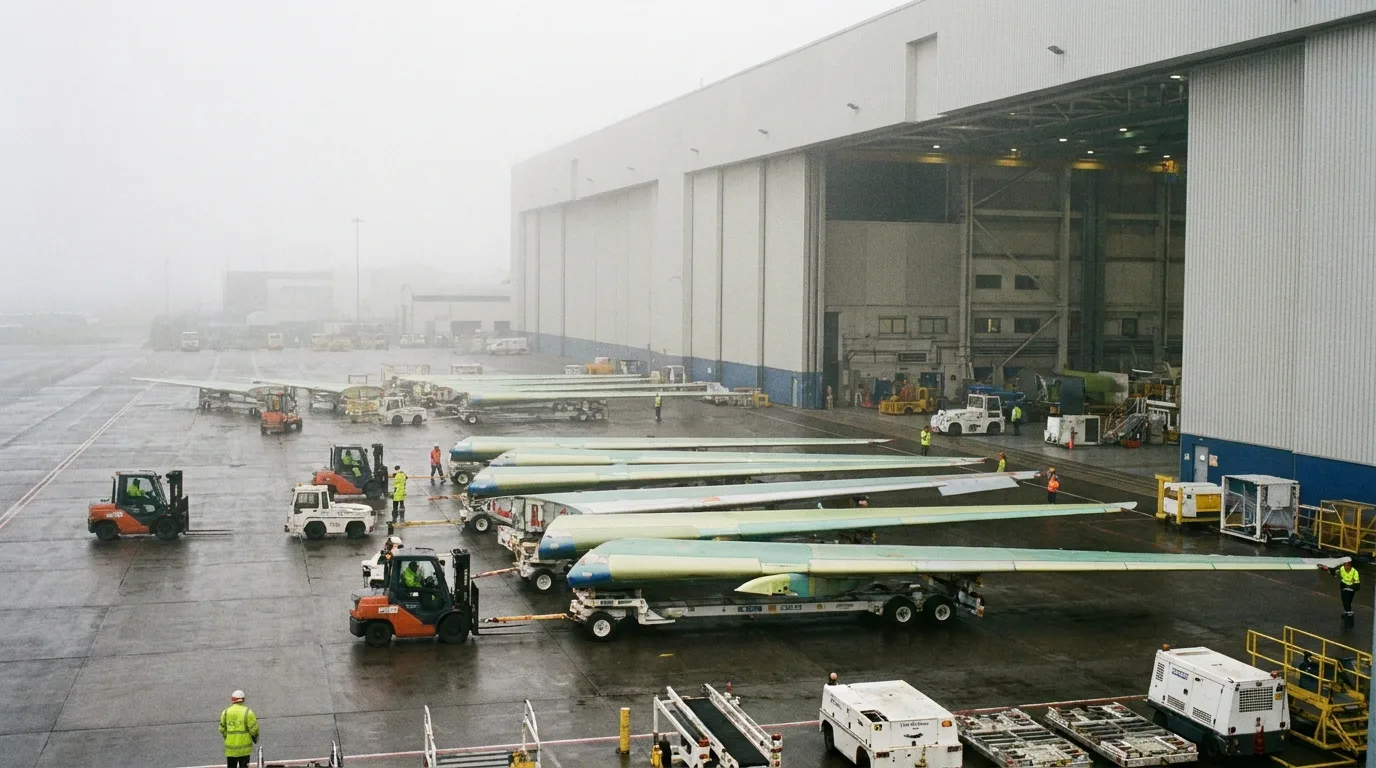
    This is the first time in aviation history that a 737 MAX will be assembled outside of Boeing’s Renton facility. The North Line is the fourth 737 production line Boeing is operating — three are in Renton — and it occupies space in the Everett factory that used to build 787 Dreamliners before Boeing moved that production to South Carolina in 2021. CEO Kelly Ortberg recently toured the facility. Boeing confirmed operations begin this summer.

    What the North Line Is

    The North Line will initially produce the 737-8, 737-9, and 737-10 — all MAX variants. It’s been designed as an exact replica of the Renton production system, with one key difference: a specialized 737 Wing Transport Tool that ferries partially completed wings to Everett for final assembly. Boeing is starting the line at Low Rate Initial Production (LRIP) — a deliberately slow ramp intentionally built to allow additional quality checks before FAA sign-off under Boeing’s production certificate PC700. After LRIP, the North Line gets fully integrated into Boeing’s overall 737 flow, unlocking production capacity above 47 aircraft per month. The long-term target is 63 MAX per month across all four lines.

    Who’s Building the Team

    Boeing is staffing the North Line with a mix of new hires and experienced employees from Renton, Everett, and Moses Lake. The knowledge transfer approach is intentional — veteran mechanics who spent careers on 747s, 767s, and 777s are now training on 737 systems in Renton before coming back to run the Everett line. John V., a nearly 40-year Boeing veteran with experience across all three widebody programs, is transitioning to the role of FAA and customer coordinator for the North Line. “This will be my first time working on the 737 program,” he said. “But we are doing the training right.”

    Among the first hired specifically for the line were Jaden Myers and Alondra Ponce, who completed 12 weeks of foundational training followed by structured on-the-job training in Renton. “Training was so positive and refreshing,” Ponce said. “It was different than any training I’ve done from other jobs.” Myers: “Opening a new production line is something special. So, we have to do it right.”

    The 737 MAX 10 Angle

    CEO Ortberg confirmed that the 737 MAX 10 — the largest 737 variant at 143 feet 8 inches, with capacity for up to 230 passengers — will be produced predominantly at the Everett North Line once FAA certification clears. The 737 MAX 10 is currently awaiting FAA certification, with Boeing expecting it to happen in 2026. By isolating the MAX 10 to Everett, the three Renton lines can maintain faster, more efficient flow on the -8 and -9 variants. Ortberg said the MAX 10 will naturally flow through the Everett factory at a slower pace than the other variants — which is exactly the point. “By isolating or providing that fourth line in Everett, it will allow us to let the three lines in Renton flow faster.”

    What This Means for Everett Workers

    More than 30,000 Boeing employees already work on the Everett campus. The North Line is hiring hundreds more — new positions in mechanics, quality, FAA coordination, and production leadership. Boeing is not relocating the entire 737 program from Renton. This is pure capacity addition. For Everett, that means new aerospace jobs landing in a city whose economy has been anchored by widebody programs that are now scaling down. The North Line is the bridge between Everett’s widebody past and its narrowbody future.

    Frequently Asked Questions

    When does the Boeing 737 North Line in Everett open?

    Boeing has confirmed the North Line opens this summer 2026. It will initially operate at Low Rate Initial Production (LRIP) to demonstrate FAA conformity before scaling to full integration.

    Has Boeing ever built 737s in Everett before?

    No. This is the first time in the 737’s history — going back to 1967 — that it will be assembled outside of Renton. Everett has historically built only widebody jets: the 747, 767, 777, and 787.

    How many 737s per month will Everett build?

    Initially LRIP — a slow, checked ramp. After FAA conformity sign-off the line joins the overall 737 flow, pushing total production capacity above 47 per month. Long-term target across all four lines is 63 per month.

    Is Boeing hiring for the North Line?

    Yes. Boeing is hiring hundreds of employees for the North Line — a mix of new hires and transfers from Renton, Everett, and Moses Lake. Positions include mechanics, FAA coordinators, and production leaders.

    What happened to the space where 787s were built in Everett?

    Boeing moved all 787 production to its North Charleston, South Carolina facility in 2021, freeing the Everett bay for the new 737 North Line. The 747 line closed in December 2022 with the rollout of the final Queen of the Skies.