Related on Tygart Media: content teams · agency owners · content pipeline.
The 60-second version
Marketing is split between operational work (briefs, reports, calendars) and creative work (campaigns, content, brand voice). Custom Agents handle the operational half well. The creative half stays human, but agents support it — running brand voice review against the style guide, surfacing past performance patterns, drafting from briefs. The result is marketing teams that ship more campaigns with the same headcount because the operational drag is gone.
Four marketing-specific agent patterns
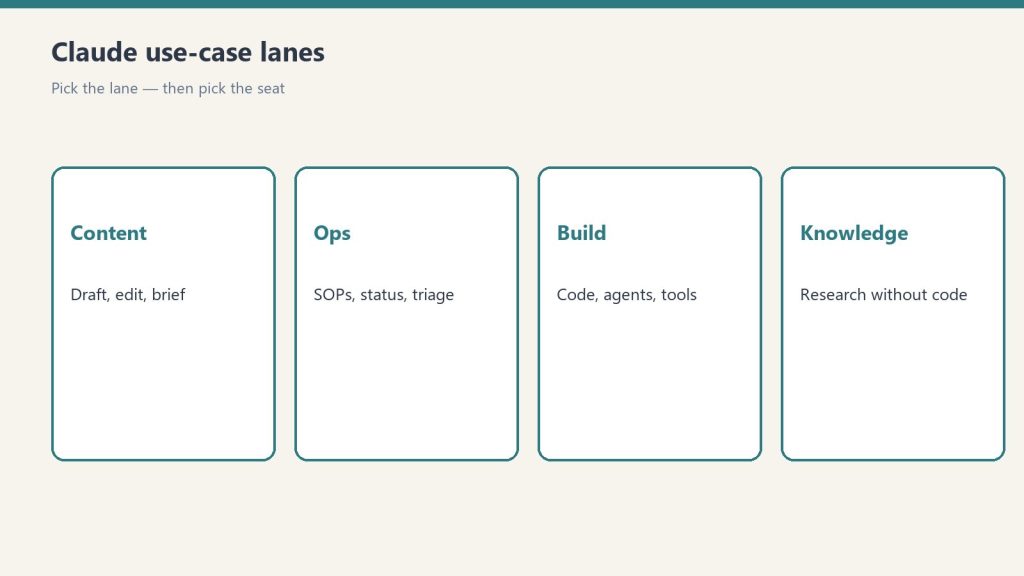
1. The campaign brief agent. Triggered when a new campaign is added with objective and audience. Pulls past campaigns to similar audiences, current brand guidelines, channel performance data. Drafts a structured brief: objective, audience, key messages, channels, calendar, success metrics. Marketer refines instead of starting blank.
2. The performance report agent. Weekly or per-campaign. Reads connected analytics sources, compares against targets, identifies wins and underperformance, drafts narrative explanation with proposed optimizations. The Monday report writes itself; marketer reviews and adds context.
3. The brand voice review agent. Triggered when content lands in a review queue. Compares against the brand guide. Flags voice deviations by severity. Suggests specific before/after rewrites for flagged sections. The reviewer fixes flagged issues instead of reading every line.
4. The content calendar agent. Maintains the calendar across channels. Surfaces upcoming gaps, pulls campaign deadlines forward, flags conflicts between simultaneous campaigns, drafts the next week’s posting schedule.
What stays human
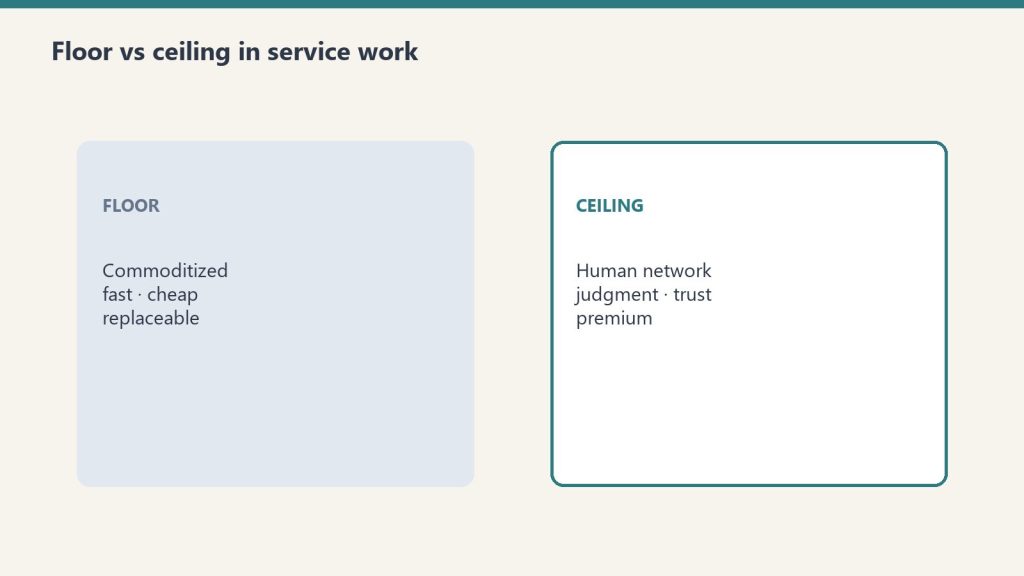
- Campaign strategy and creative direction
- Brand voice itself (the style guide is human-written)
- Customer relationships and influencer partnerships
- Final approval on anything customer-facing
- The judgment about what the company should sound like
The brand voice question
Marketing teams worry that agents flatten brand voice. The honest answer: they will, unless you actively prevent it. Three things help:
– A specific style guide with tone examples and anti-examples
– Voice samples in the agent’s context (real prior content, not just guidelines)
– A human reviewer who catches voice drift and updates the guide
Done well, agent-assisted content holds voice better than freelance content because the guide gets enforced consistently. Done badly, every campaign sounds like every other campaign.
Where marketing teams go wrong
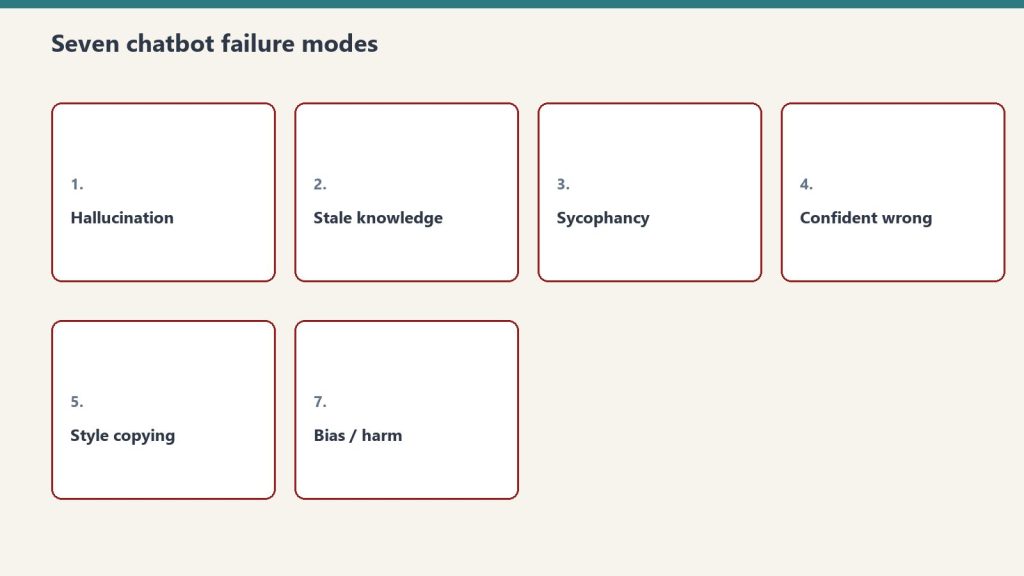
1. Trusting performance reports without verifying numbers. Agent drafts narrative; marketer verifies the underlying numbers tie to source. The narrative can be right while the numbers are wrong.
2. Letting brand review become approval. The agent flags deviations. Humans decide which deviations are actual problems versus intentional creative choices. Don’t auto-reject.
3. Producing more content because production is cheap. Same trap as PMs. Cheap production isn’t strategy. The volume question stays human.
Leave a Reply