Tag: TPAs

  • TPA Programs Compared: Contractor Connection, Alacrity/Altimeter, and Code Blue for Restoration Operators in 2026

    TPA Programs Compared: Contractor Connection, Alacrity/Altimeter, and Code Blue for Restoration Operators in 2026

    If you run a restoration company doing more than $2M a year, you’ve had the conversation. A friend in the business tells you their Contractor Connection volume just doubled. Your phone hasn’t rung in three days. You wonder if you should finally sign the paperwork.

    Before you do, sit with the math. TPA programs are not free leads — they are the most expensive leads in restoration, paid with margin instead of marketing dollars. The question isn’t whether TPAs are good or bad. The question is whether your business model can survive what they cost.

    Here is an honest look at the four programs restoration owners actually compare in 2026: Contractor Connection, Alacrity (now Altimeter Solutions Group on the managed repair side), Code Blue, and the smaller program work most operators don’t talk about openly.

    How TPA Economics Actually Work

    Industry-reported referral fees on TPA work generally fall in a 5% to 20% range, with most managed-repair networks landing somewhere around 8% of the invoice. That fee comes off the top before you pay materials, labor, equipment, or overhead.

    The hidden cost is bigger than the fee. TPA work typically settles on extended payment terms — often 30 to 90 days — while your crews need to be paid weekly and your subs every other week. You finance the carrier’s cash conversion cycle out of your operating account. On a $5M operation running 25% gross margin, sitting on $300K of receivables longer than your direct-bill book costs you real money in line-of-credit interest, opportunity cost on equipment purchases, and the slow erosion of payroll-week stress.

    Industry consultants who work with restoration operators routinely advise keeping no single referral source above roughly 20% of revenue, and ideally under 10%. Once a TPA crosses that threshold, you are no longer a contractor — you are a subcontractor with a logo.

    Contractor Connection

    The largest network in the space and the one most operators encounter first. Owned by Crawford & Company, it positions itself with a “pay as you grow” structure: an application fee up front, then fees tied to the work you actually receive. Carrier relationships are deep, with most of the major property insurers routing some volume through Crawford’s managed-repair channel.

    Entry requirements published on Contractor Connection’s potential-contractor portal are not soft: a minimum of one year of financial statements demonstrating stability, $1M general liability, $1M auto, workers’ comp, all required state and local licensing, a clean credit background, criminal background checks on field employees, current estimating-software and digital documentation capability, twelve quality references, and a commercial or industrial-zoned facility. No home-based operations.

    Bottom line: Best fit for operators who already have crews, capacity, and the working capital to ride 60-to-90-day pay cycles. Worst fit for a $1M operator trying to use the program as growth capital — the volume will outrun your cash before margin catches up.

    Alacrity Solutions / Altimeter Solutions Group

    Alacrity announced the strategic sale of its Managed Repair Division, which now operates as an independent company under the Altimeter Solutions Group name with its existing leadership and team. Alacrity itself continues to run a broad TPA services book — claims handling, field adjusting, network solutions — but the contractor network specifically sits under the spun-off entity now.

    Entry requirements emphasize the same screening contractors see across the major networks: criminal background checks, current licensure and certifications, demonstrated financial stability, and proof of insurance. Their ACCESS program layers in affinity discounts, supplier programs, and growth resources for network members — useful at the margin if you’re already in, less of a reason to join.

    Bottom line: The leadership-continuity story on Altimeter is the thing to watch over the next twelve months. Spin-offs from larger TPA parents often go one of two ways: leaner and contractor-friendlier, or starved of resources and slower to pay. Talk to three current network contractors before signing — specifically about cycle time on payment since the transition.

    Code Blue

    An independent TPA serving casualty and property insurance carriers with end-to-end outsourcing. Smaller than Contractor Connection by volume, but contractors who run Code Blue work generally describe a more direct relationship with claim handlers and fewer layers of escalation. The trade-off is that Code Blue volume is lumpier — when a carrier surge hits, you get the work; when carriers route elsewhere, your queue thins.

    Requirements track industry standard: financial stability, customer service track record, business insurance, equipment, training, standardized estimating software. No home-based operations. Background checks and certification documentation required for field staff.

    Bottom line: Reasonable second or third program for an operator already in Contractor Connection who needs incremental volume without doubling down on a single source. Not a first-program choice unless your local market has a Code Blue–heavy carrier mix.

    What “Worth It” Actually Looks Like
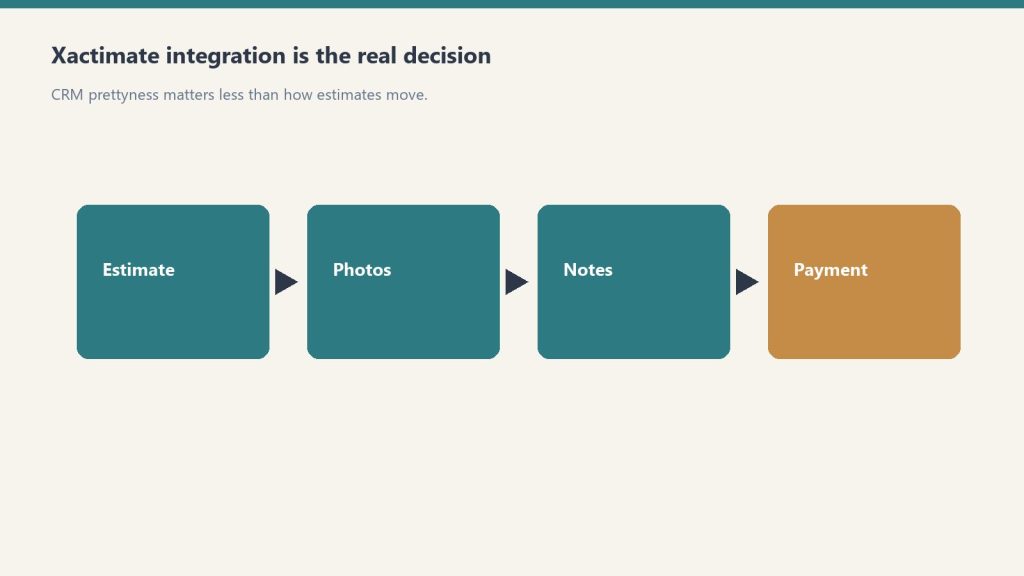
    Run the math on your own P&L before you sign anything. A direct-bill water-mit job at a healthy restoration shop targets gross margin in the 35% range after labor and materials. The same job under a TPA at an 8% referral fee, with the typical scope-and-pricing concessions and the 60-to-90-day pay cycle, often lands closer to 18-22% gross margin once you’ve fully loaded the cost of carrying the receivable.

    That gap is not a reason to refuse program work. It is a reason to know exactly what it’s paying for. Program work pays for crew utilization in slow weeks. It pays for keeping equipment off the shelf. It pays for the operational discipline of running standardized scopes and tight documentation. What it does not pay for is replacing your direct-to-consumer marketing — because the second you let your local lead engine atrophy, you’re locked in at whatever margin the network decides to give you next year.

    The Exit Question
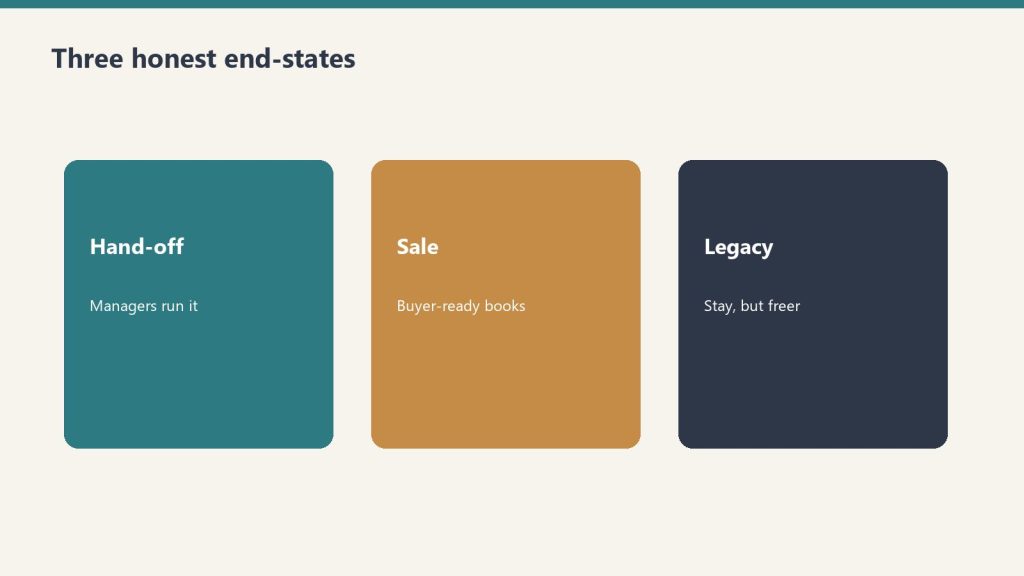
    Operators who successfully unwind from heavy TPA dependency rarely do it all at once. The pattern that works: cap program volume at a hard percentage (10-20% of revenue), reinvest the margin gap from non-program work into local SEO, LSA campaigns, and adjuster relationships, and use the program work as a deliberate utilization buffer rather than a primary revenue stream.

    Operators who get stuck in the trap share the same profile: 60%+ of revenue from one or two networks, no direct marketing investment, no adjuster-direct relationships in their territory, and a fleet and crew count sized to the program’s volume rather than their own sales engine. When the program cuts your assignments — and it will, at some point, for reasons that have nothing to do with your performance — you have no Plan B.

    Bottom Line

    TPA programs are a tool, not a strategy. Contractor Connection is the most established and the highest-volume option for operators with the capital structure to absorb extended payment cycles. Altimeter (formerly Alacrity Managed Repair) is in transition and worth diligence before joining. Code Blue makes sense as a secondary source, not a primary one. Whatever you sign, build the business to survive without it — because every restoration operator who has run a TPA-heavy book for more than five years will tell you the same thing: the program does not love you back.

    Frequently Asked Questions

    What percentage do TPAs typically charge restoration contractors?

    Referral fees in restoration TPA programs generally fall between 5% and 20% of the invoice, with most managed-repair networks landing near 8%. The fee comes off the top before you pay labor, materials, or overhead.

    How long do TPA programs take to pay restoration contractors?

    Payment cycles on TPA work commonly run 30 to 90 days, which means you finance the carrier’s cash conversion cycle out of your operating account. Plan working capital accordingly before signing any program agreement.

    Should I rely on a single TPA for most of my revenue?

    No. Industry consultants advise keeping any single referral source under 20% of revenue, ideally under 10%. Above that threshold, you lose pricing power and become structurally dependent on a relationship you don’t control.

    Is Contractor Connection or Alacrity better for new contractors?

    Contractor Connection has deeper carrier relationships and higher volume, making it the more common first program. Alacrity’s contractor network sits under the spun-off Altimeter Solutions Group as of the recent transition, which adds diligence risk for new entrants — talk to current network contractors about payment timing before joining.

  • AR Aging by Payer Type: The Only Receivables Report That Doesn’t Lie

    AR Aging by Payer Type: The Only Receivables Report That Doesn’t Lie

    What is AR aging by payer type in restoration? AR aging by payer type is an accounts receivable report segmented by the category of payer — insurance carrier, third-party administrator (TPA), commercial direct, homeowner out-of-pocket — rather than aggregated across all receivables. Each payer type has its own expected payment cycle, escalation path, and risk profile. Segmenting the aging report surfaces exactly where cash is delayed and which relationships need intervention.


    Most restoration companies print an AR aging report once a month and look at the total. Total outstanding. Total over 30, 60, 90, 120 days. The number is big. The number is concerning. The owner closes the report and moves on because the aggregate does not tell them what to do next.

    The aggregate is the wrong view. AR aging aggregated across all payer types is a number that averages a 30-day homeowner receivable against a 150-day TPA receivable and produces a middle number that describes no actual relationship. The only receivables report that drives collection behavior is aging segmented by payer type — and most restoration companies do not run it that way.

    Why Aggregate AR Aging Misleads

    A restoration company doing $5 million a year might carry $1.2 million in receivables at any given moment. The aggregate aging report might show $600K in 0-30, $300K in 31-60, $200K in 61-90, and $100K in 90+.

    The owner looks at that and thinks: the 90+ is a problem. The 61-90 is watchable. The under-60 is fine.

    The real picture is almost always different. The $600K in 0-30 might include $250K of TPA work that is structurally going to drift to 120+ days regardless of any collection effort, because that is how that TPA pays. The $100K in 90+ might include $40K of commercial direct that is actually fine because it was agreed to net-90 at the outset, and $60K of carrier work that is genuinely stuck on a documentation issue that needs escalation today.

    The aggregate view makes the 0-30 bucket look healthy when it is actually loaded with future problems, and makes the 90+ bucket look uniformly bad when part of it is structurally fine and part of it needs immediate intervention. The aggregate cannot distinguish. The segmented view can.

    The Four Payer Types

    A restoration company’s AR aging should be segmented into at least four payer categories, each with its own aging schedule and its own expected behavior.

    Insurance carrier direct. The largest segment for most restoration companies. Expected payment cycle typically 45 to 90 days from invoice, depending on carrier, job complexity, and documentation quality. The aging schedule for this payer type should reflect that baseline — a 75-day carrier receivable is normal, not aged. A 120-day carrier receivable is a drift that warrants escalation.

    TPA (third-party administrator). Structurally slower than direct carrier work. Expected payment cycle 60 to 180 days, with some TPAs consistently at the longer end. The aging schedule has to reflect the TPA’s actual payment pattern, not a generic schedule. A 90-day TPA receivable might be perfectly normal for one TPA and a real problem for another.

    Commercial direct-pay. Faster on average than insurance work — typically 30 to 60 days — but with more variability. A commercial client with clean AP practices pays on time. A commercial client in its own cash stress can drift materially. The aging schedule for commercial direct has to flag drift quickly because the variability is higher and the escalation paths are different.

    Homeowner out-of-pocket. Usually the fastest payer type, often paying at job completion or within 30 days. When a homeowner receivable goes to 45+ days, it is either a collection problem or a dispute. The aging schedule should flag those fast because the older they get, the lower the recovery probability.

    Each segment has its own normal, its own red line, and its own escalation playbook. The aggregate report does not — which is why the aggregate report does not drive action.

    What the Segmented Report Surfaces

    When AR aging is segmented by payer type and reviewed weekly, specific patterns become visible that aggregate aging cannot show.

    Payer-specific drift. A particular carrier that used to pay in 60 days is now averaging 85. That drift is a signal — a process change at the carrier, a documentation standard that shifted, a new adjuster team. Whatever the cause, it is actionable once identified. In the aggregate view it is invisible because it averages out against payers that did not change.

    Program-specific drag. A TPA program that looked attractive on the rate card is consistently paying 30 days slower than the contract suggested. Combined with the fully-loaded margin analysis from the overhead allocation article, the slow payment might tip the program from marginally profitable to net-dilutive once the working capital cost is included.

    Commercial client risk. A commercial direct client that used to pay net-30 is now at 55 days on the last three invoices. The aging report is the earliest warning of a commercial relationship under stress. Acting on that signal might mean tightening terms, adjusting exposure, or moving the relationship to a different structure.

    Collection discipline gaps. If a specific payer category is consistently at the high end of the expected range, the issue might be internal — the collection process is not being run with appropriate urgency. That is fixable, but only if the report makes it visible.

    The segmented report is a management instrument. The aggregate report is a static document.

    The Weekly Review Cadence

    AR aging by payer type should be reviewed weekly, not monthly. Monthly is too late — by the time the month-end report surfaces a drift, another four weeks of invoices have joined the queue and the pattern is compounded.

    The weekly review is a working meeting, typically 15 to 30 minutes, involving the person responsible for billing, the person responsible for collections, and one operating leader (ops manager or owner depending on company scale). The agenda is straightforward.

    Pull the aging report segmented by payer type. Review the largest delinquent balances in each segment. For each delinquency above a defined threshold, identify the specific reason — documentation issue, dispute, payer process problem, lost invoice, internal follow-up gap. Assign a specific action with a specific owner and a specific follow-up date. Log the action. Move to the next one.

    A restoration company that runs this cadence consistently for six months sees DSO improve materially. Not because anyone is working harder. Because the delinquencies are being addressed while they are still solvable, rather than accumulating into the 90+ bucket where recovery probability drops.

    The Escalation Playbook by Payer Type

    Each payer type needs its own escalation playbook because the levers are different.

    Carrier direct. The escalation path runs through the adjuster, then the adjuster’s manager, then the carrier’s claims leadership. Documentation is the key leverage — the better the documentation, the faster the escalation resolves. The documentation layer is what makes carrier escalation actually work.

    TPA. TPAs have their own escalation structure — program manager, platform support, compliance. The escalation often requires pushing through the TPA’s own process constraints rather than a single phone call. Knowing the TPA’s internal process is the leverage.

    Commercial direct. The escalation runs through the client’s AP department, then the project manager or facilities lead, then whoever owns the vendor relationship. The conversation is usually about process — where the invoice is stuck, what is holding approval, whether a PO issue is blocking payment.

    Homeowner. The escalation is direct — phone call, follow-up letter, potentially attorney-drafted demand, lien if applicable. The escalation must happen quickly because homeowner receivables that go past 60 days often do not recover without formal action.

    The playbooks should be written, not improvised. When a delinquency hits the threshold, the person working it should know exactly what step comes next.

    How This Pairs With Progress Billing

    AR aging segmented by payer type pairs directly with the progress billing discipline. Progress billing accelerates invoice generation. Segmented AR aging accelerates collection attention. Together they compress the cash cycle from both ends.

    A restoration company running progress billing without segmented aging is generating invoices faster but still managing collections through an aggregate lens. A company running segmented aging without progress billing is collecting efficiently on invoices that are themselves delayed. Both disciplines matter. The cash position reflects the combination.

    Common Mistakes

    Printing the report without acting on it. AR aging that gets printed and filed is not doing any work. The report has to feed the weekly review cadence. Otherwise it is decoration.

    Using a single aging schedule across all payer types. A 60-day receivable is not the same signal from a homeowner as from a TPA. Applying the same schedule across payer types produces false alarms on slow-cycle payers and missed alarms on fast-cycle payers. The schedule has to reflect each payer type’s actual cycle.

    Not tracking the reason for delinquency. The reason matters as much as the amount. A delinquency because a carrier is disputing scope is a different problem than a delinquency because the invoice never reached the payer. Without a reason code, the report cannot guide action.

    Running the review without the right people. Billing needs to be in the meeting because they know what was sent. Collections needs to be in the meeting because they know the status of each follow-up. Operations needs to be in the meeting because they know the job and can answer the documentation questions. Without the right people, the meeting produces assignments but not resolutions.

    Where to Start

    If AR aging in your company is reviewed only as an aggregate today, segment it this week.

    At minimum, pull the current aging report and break it into the four payer categories. Set the aging buckets appropriate to each. Identify the largest five delinquencies in each segment. For each, identify the specific reason. For each, define the specific next action and the owner.

    Schedule a recurring weekly review at that cadence. Run it for eight weeks. Track DSO by payer type at the start and at the end. The improvement will be visible.

    Once the cadence is installed, integrate it with progress billing on the invoice generation side and with the bank layer on the working capital side. The three together — progress billing, segmented aging with weekly review, and a properly sized banking stack — produce the cash discipline that separates restoration companies that scale calmly from those that scale in crisis.


    Frequently Asked Questions

    What is AR aging by payer type?
    An accounts receivable aging report segmented by category of payer — insurance carrier, TPA, commercial direct, homeowner — rather than aggregated. Each segment has its own expected payment cycle and its own escalation path.

    Why is segmented AR aging better than aggregate AR aging?
    Because each payer type has a different normal. A 90-day TPA receivable might be routine while a 90-day homeowner receivable is a serious problem. Aggregate aging averages these together and obscures which receivables need action.

    How often should AR aging be reviewed in restoration?
    Weekly, in a working meeting with billing, collections, and an operating leader. Monthly review is too downstream to drive behavior change while the delinquencies are still easily resolvable.

    What is a normal payment cycle by payer type in restoration?
    Homeowner out-of-pocket typically 0-30 days. Commercial direct 30-60 days. Insurance carrier direct 45-90 days. TPA 60-180 days. Each company should track its actual cycle by payer and calibrate alert thresholds to its own data.

    What are the most common causes of delinquent receivables?
    Documentation gaps that pause payer processing, scope disputes, lost invoices, payer internal process delays, commercial client cash stress, and internal collection follow-up gaps. The segmented aging report, combined with a reason code on each delinquency, makes these patterns visible.

    Should a restoration company use factoring on aged receivables?
    Sometimes. Factoring or receivables financing is a working capital instrument, not a collection instrument. Using it strategically on specific payer categories with structurally long cycles can make sense; using it as a substitute for collection discipline usually does not.


    Tygart Media on restoration — an analyst-operator body of work on the systems that separate compounding restoration companies from busy ones. No client names. No brand placements. Just the operating standard.


  • The Documentation Layer That Makes Every Carrier Conversation Easier

    The Documentation Layer That Makes Every Carrier Conversation Easier

    This is the fifth and final article in the Carrier & TPA Strategy cluster under The Restoration Operator’s Playbook. It builds on the previous four articles in this cluster.

    Documentation is the substrate of the entire carrier relationship

    Reading across the previous four articles in this cluster, a single underlying theme emerges. The carrier relationship is built on operational discipline. The scope discipline is built on documentation. The TPA relationship rewards documentation. Program standing is anchored in documentation. The pieces of the carrier relationship that contractors most commonly experience as friction — disputes, delays, denials, audits — are almost always traceable to documentation that was thinner or messier than it needed to be.

    This is not a coincidence. Documentation is the substrate of the entire carrier relationship. Every conversation between contractor and carrier ultimately comes back to what the file shows. Every decision the carrier makes about a contractor’s work, a contractor’s standing, or a contractor’s program access is informed by the patterns visible in the contractor’s files over time. Contractors with strong documentation produce conversations that go well, decisions that go their way, and reputations that compound. Contractors with weak documentation produce the opposite.

    The investment in documentation pays back across the entire carrier relationship in ways that no other single investment can match. This article is about what the documentation layer that makes every carrier conversation easier actually contains, why the investment produces such durable returns, and how contractors who have not yet built it should approach the work.

    What complete file documentation actually contains

    A file that supports the carrier relationship at the highest level contains a defined set of documentation artifacts, organized in a way that makes the file easy for the adjuster, the supplemental reviewer, the quality auditor, the program manager, and any subsequent reviewer to understand the loss, the work performed, and the reasoning behind the decisions made.

    The first artifact is the loss documentation. Photos and notes that establish what happened, when, and what the affected areas were at the time of the contractor’s first arrival. This documentation has to be complete enough that anyone reviewing the file later can understand the loss without having been there. Date and time stamps. Multiple angles of each affected area. Wide establishing shots that give context. Close-ups that document specific damage. Notes that capture what was observed and any pre-existing conditions that bear on the claim.

    The second artifact is the mitigation documentation. Photos and notes that capture the work performed, the equipment placed, the moisture readings taken, and the conditions revealed during demo. The mitigation documentation should be timeline-organized so a reviewer can follow what was done and when. Equipment placement records that show what was where for how long. Moisture readings at consistent intervals at consistent locations. Photos of conditions discovered during demo, captured before any further work was done.

    The third artifact is the scope documentation. The original scope, written with clear references to the documentation that supports each line item. Any subsequent supplemental scopes, with their supporting documentation. The pricing reasoning where pricing deviates from program defaults. Any communications with the adjuster about scope decisions, captured in the file rather than only in email.

    The fourth artifact is the production documentation. Photos and notes that capture the work performed during the rebuild. Daily progress documentation. Documentation of any unexpected discoveries during execution. Documentation of any homeowner-requested changes and the resolution of those changes. Sub work documentation showing what was done by which sub on what dates.

    The fifth artifact is the customer communication documentation. Records of significant communications with the homeowner — initial scope discussions, schedule conversations, change discussions, problem resolution conversations. The documentation does not need to capture every casual conversation. It needs to capture the conversations that have implications for the file or that might be referenced later if a customer satisfaction issue arises.

    The sixth artifact is the close-out documentation. The final walkthrough, the punch list resolution, the warranty documentation handed to the homeowner, the final photos that document the completed work, and any post-completion communications.

    Each artifact is its own discipline. The complete file is the integration of all of them.

    Why the investment is structurally underrated

    Most restoration owners look at the documentation work and see effort that does not directly produce revenue. The mitigation crew is taking photos instead of placing more equipment. The estimator is writing detailed scope notes instead of moving to the next file. The project manager is updating documentation instead of solving the next operational problem. The time spent on documentation feels, in any single moment, like time taken away from production.

    This perspective is structurally wrong, but the wrongness is invisible quarter to quarter. The returns from documentation investment do not show up in the same period as the investment. They show up across the carrier relationship over years.

    The returns include faster scope approvals because adjusters have what they need to approve. They include fewer disputes because the documentation supports the contractor’s positions. They include faster supplements because the conditions are already documented. They include cleaner audit outcomes because the files survive scrutiny. They include stronger program standing because the contractor’s work consistently meets the bar. They include better customer satisfaction outcomes because the documentation supports clean execution. They include fewer customer disputes because the documentation establishes what was agreed to and when.

    Each of these returns is meaningful. None of them is dramatic in any single quarter. All of them compound across years into a relationship profile that is structurally different from the relationship profile of contractors who have not made the documentation investment.

    The structural underrating happens because the costs are visible (time spent) and the benefits are diffuse (relationship quality, dispute reduction, faster approvals across many files). Owners who are looking for direct ROI on documentation investment are looking in the wrong place. The ROI is in the second-order effects, and the second-order effects are large.

    What the documentation discipline produces internally

    The carrier-facing benefits of strong documentation discipline are significant. The internal benefits are at least as significant and are sometimes overlooked.

    The first internal benefit is operational consistency. A contractor whose team has been trained to document at a consistent standard produces consistent operational outcomes across crews and across time. The documentation discipline forces a shared understanding of what the work should look like, which produces work that consistently looks like that.

    The second internal benefit is faster training of new operators. New mitigation techs, new estimators, new project managers, new supervisors can be trained against the documented files of past jobs. The training material is built into the company’s everyday operations. Companies without documentation discipline have to invent training material from scratch, which is expensive and inconsistent.

    The third internal benefit is faster review of completed jobs. When a senior operator wants to understand what happened on a job — for training purposes, for retrospective analysis, for customer issue resolution — they can pull the file and understand the job without having to track down the people who worked it. Documented operations are reviewable operations. Undocumented operations require detective work every time someone wants to understand what happened.

    The fourth internal benefit is the substrate for AI deployment described in the AI cluster. AI tools can only operate on the captured information they have access to. Strong documentation discipline produces the captured information that makes meaningful AI deployment possible. Companies without the documentation cannot deploy AI usefully regardless of how much they spend on tools.

    The fifth internal benefit is institutional memory that survives staff turnover. When a senior operator leaves, the company loses some of their judgment regardless of how much was documented. But the documented files, standards, and decisions survive their departure. Companies with strong documentation discipline are less fragile to senior departures than companies without it.

    These internal benefits compound across years in the same way the carrier-facing benefits do. The investment in documentation is, in effect, an investment in nearly every other operational capability the company has.

    How to build the documentation discipline

    Building documentation discipline that actually holds across a team is harder than it looks. The standards are easy to write. The consistent execution is the hard part.

    The first piece is having a clear written standard for what documentation each role is expected to produce on each job. Not a vague encouragement to document well. A specific list of artifacts, with examples of what good looks like for each. The standard has to be specific enough that an operator who is trying to follow it knows exactly what is expected.

    The second piece is training new hires against the standard from day one. Documentation is not an afterthought to teach later. It is part of the core competency of the role. New operators who learn the standard in their first weeks internalize it as part of how the work is done. New operators who learn it later experience it as a bureaucratic add-on and resist it.

    The third piece is consistent senior reinforcement. Senior operators who consistently produce strong documentation themselves and who consistently expect strong documentation from their teams produce teams that meet the standard. Senior operators who let documentation slide on their own work cannot expect the rest of the team to hold the standard. The reinforcement is cultural and ongoing, not episodic.

    The fourth piece is regular file review. Senior operators should be reviewing recently completed files on a regular cadence and providing specific feedback to the team about documentation quality. The review does not have to cover every file. It has to cover enough files that the team understands documentation quality is being watched and that feedback is regular.

    The fifth piece is integration with operational metrics. Documentation quality should be one of the metrics that the team is measured on. Not the only metric. One of them. Operators who consistently produce strong documentation should be recognized. Operators who consistently produce weak documentation should be coached or, if coaching does not work, reassigned. The integration with metrics is what holds the discipline over years.

    The sixth piece is technology that supports rather than burdens the documentation. Operations software that requires excessive clicks or that produces documentation in formats that the team cannot easily use will be worked around. Software that integrates the documentation into the natural flow of the work will be adopted. The technology choice matters, and contractors should evaluate it specifically against whether it supports or impedes documentation discipline.

    The path for contractors who do not yet have it

    For contractors whose documentation discipline is uneven, the path to building it is meaningful but not impossibly long.

    The first six months should focus on writing the standard, training the senior team against it, and establishing the review cadence. This is foundation work. It does not produce visible improvement in the carrier relationship in the short term. It produces the substrate that the longer-term work will build on.

    The next six to twelve months should focus on the line crews — mitigation techs, estimators, project managers, supervisors. The training has to be sustained, the reinforcement has to be consistent, and the feedback loops have to be tight. By the end of this period, the documentation quality of recent files should be measurably better than the baseline.

    The next twelve months should focus on the carrier-facing benefits beginning to materialize. Faster approvals on the better-documented files. Fewer disputes. Stronger audit outcomes. The team starts to feel the benefits in their daily work, which reinforces the discipline and makes it easier to maintain.

    By the end of the second year, the documentation discipline is part of the company’s operating culture. The carrier-facing benefits are visible in the relationship metrics that the contractor tracks. The internal benefits are visible in operational consistency and in the company’s ability to absorb new hires and new technology.

    By year three, the documentation discipline is the substrate for everything the company does. AI deployment becomes possible. Senior team development becomes more efficient. Carrier relationships compound in value. The investment that felt like overhead in year one is producing visible operational and financial returns.

    The cluster ends here

    The five articles in this cluster describe the carrier and TPA relationship as it actually exists in 2026. The framing of the relationship as a strategic asset rather than an operational burden. The discipline of scope that defends defensible numbers without burning the relationship. The mental model of TPA incentives that turns reactive engagement into strategic engagement. The understanding of program standing and how it is actually won. And the documentation discipline that underlies all of the above.

    Owners who internalize this body of work will operate the carrier relationship as the strategic asset it is. They will defend their numbers professionally. They will engage TPAs deliberately. They will build program standing across years. They will invest in the documentation that makes everything else easier. The compound effect across the rest of this decade will be significant.

    The Carrier & TPA Strategy cluster is closed. The remaining clusters in The Restoration Operator’s Playbook will address crew and subcontractor systems, restoration financial operations, and the modern restoration marketing stack. Each compounds with the others. The companies that read the full body of work and act on it will know what to do. The rest will find out later.

  • Program Standing and How It Is Actually Won: The Unpublished Criteria That Determine Restoration Work Flow

    Program Standing and How It Is Actually Won: The Unpublished Criteria That Determine Restoration Work Flow

    This is the fourth article in the Carrier & TPA Strategy cluster under The Restoration Operator’s Playbook. It builds on the strategic asset article, the scope discipline article, and the TPA game article.

    Program standing is real, even though it is rarely visible

    Most carrier and TPA programs that restoration contractors participate in have a published structure. There are tiers, or panels, or preferred status designations, or some other formal indicator of where the contractor stands inside the program. Contractors are usually told what tier they are in. They are sometimes told what criteria are used to evaluate movement between tiers. They are rarely told what the tier actually means in terms of work flow, pricing flexibility, or strategic standing inside the program.

    What the published structure obscures is that program standing is more granular and more consequential than the tier system reveals. Inside any tier, there are contractors who get the best work, contractors who get the worst work, and a long middle. Contractors who get the best work do not necessarily have a different formal designation than contractors in the middle. They have a different reputation inside the program, and the reputation produces routing decisions that the formal structure does not capture.

    The contractors who understand this are competing for something different than the contractors who do not. The first group is competing for reputation that produces work flow. The second group is competing for the formal designations that the published structure offers. The two competitions overlap but are not identical, and the first competition matters more.

    This article is about how program standing actually works, what the unpublished criteria really are, and what contractors should be doing across years to build the standing that determines the volume and quality of work they receive.

    What the published criteria capture

    The published criteria for most carrier and TPA programs include a recognizable set of metrics. Cycle time. Customer satisfaction scores. Quality audit results. Compliance with documentation requirements. Adherence to pricing guidelines. Dispute and complaint frequency. Some programs include additional metrics like financial stability, insurance coverage, geographic capacity, and certification status.

    These metrics are real. Contractors who consistently miss them will lose program standing, sometimes lose program access entirely. Contractors who consistently hit them maintain their formal status and avoid the worst program decisions.

    The published metrics are also incomplete. They capture what is easy to measure and defensible to publish. They do not capture what actually drives the program decisions that determine whether a contractor gets the best work in their market or the work that other contractors did not want.

    The relationship between the published metrics and the work flow is, in most programs, weaker than the published structure suggests. A contractor who is at the top of the published metrics may still be in the middle of the work flow. A contractor who is at the middle of the published metrics may still be at the top of the work flow. The published metrics are necessary but not sufficient.

    What the unpublished criteria actually are

    The unpublished criteria that drive routing decisions inside programs are usually some version of the following.

    The first is the contractor’s track record on complex jobs. Carriers and TPAs route the easy work to whoever has capacity, but they route the complex work — the high-value losses, the difficult customers, the politically sensitive files — to contractors who have demonstrated they can handle complexity. The track record on complex jobs is not captured in the standard metrics. It lives in the institutional memory of the program managers and senior adjusters who make routing decisions. Contractors who have built this track record over years receive the work that less-proven contractors do not.

    The second is the contractor’s reputation for handling difficult customers. Some homeowners are harder than others — high expectations, communication challenges, contentious histories with insurers, complicated personal circumstances. Contractors who handle these customers well, without producing complaints back to the carrier, accumulate reputation that produces continued referrals of difficult customers. Contractors who produce complaints when handling difficult customers stop receiving them.

    The third is the contractor’s responsiveness in moments that matter. The carrier’s emergency dispatch on a Saturday night. The TPA’s request for a clarification at the end of a quarter. The adjuster’s question that came in at four pm on Friday. Contractors who respond promptly and well in these moments build a reservoir of goodwill that pays back in routing decisions. Contractors who respond slowly or not at all in these moments build the opposite.

    The fourth is the contractor’s behavior when they make a mistake. Every contractor makes mistakes. The contractors who handle their mistakes well — owning the issue, addressing it directly, communicating proactively, ensuring it does not repeat — preserve relationships even when the underlying mistake was significant. The contractors who deflect, blame, or hide mistakes damage relationships even when the underlying mistake was modest.

    The fifth is the contractor’s strategic engagement with the program. Programs that the contractor participates in actively — through advisory groups, beta testing, feedback channels, or informal relationships with program leadership — receive engagement back in the form of preferential routing, advance information about program changes, and consideration when program structures are revised. Contractors who engage transactionally with the program receive transactional treatment in return.

    The sixth is the contractor’s geographic and capability fit for the program’s needs. Programs need certain kinds of contractors in certain markets at certain times. A contractor who fits a current program need — capacity in a market that is short, capability in a vertical that is growing, presence in a geography the program is expanding — gets routing favoritism that has nothing to do with the contractor’s quality and everything to do with the program’s needs at the moment.

    None of these criteria appear in the published structure. All of them shape the routing decisions that determine the contractor’s actual work flow.

    What it takes to win standing across years

    Program standing built well is built across years through sustained behavior, not through any single intervention. Contractors who try to short-cut the process — through gifts to adjusters, aggressive lobbying, or one-time pushes for tier upgrades — usually fail and sometimes damage the relationships they were trying to improve.

    The behaviors that build program standing across years are the same behaviors that produce operational excellence in the rest of the company’s work. Reliable cycle times. Strong documentation. Defensible scope. Customer satisfaction. Professional communication. Discipline in managing the small things that aggregate into the large things.

    The companies that have built strong program standing in any given carrier or TPA usually have several years of consistent operational excellence behind them. The standing is the visible result of the underlying operational discipline. Companies that try to build standing without the underlying discipline cannot sustain the appearance long enough to produce the standing.

    The companies that have built strong standing also tend to have specific senior team members who own the relationship. Not as a part-time responsibility for a busy operations leader. As an explicit role for someone whose calendar reflects the commitment. The owner of the carrier relationship engages program managers regularly, surfaces issues proactively, brings opportunities to the program’s attention, and serves as the institutional point of contact that the program can rely on. This role is often invisible from the outside but is consistently present in companies with strong standing.

    The companies that have built strong standing also tend to have invested in being useful to the program in ways that exceed the contractor relationship. They participate in pilot programs the carrier is testing. They provide feedback on guideline changes the carrier is considering. They share data when the carrier is studying patterns. They make themselves useful as institutional partners rather than just as production capacity. Programs reward this kind of engagement over years.

    The signals that standing is changing

    Program standing changes gradually, in directions that contractors can usually detect if they pay attention. The signals of improving or deteriorating standing are visible in the work flow before they show up in any formal program decision.

    Improving standing manifests as routing of more complex jobs, more high-value losses, more politically sensitive files, more emergency assignments. The contractor starts seeing work that previously would have gone to other contractors in the market. The adjusters start engaging the contractor on questions and judgments rather than just on file processing. The program manager starts including the contractor in conversations about program direction.

    Deteriorating standing manifests as routing of easier jobs, lower-value losses, more remote files, fewer emergency assignments. The contractor starts seeing work that has the feel of being routed because no one else wanted it. The adjusters become more transactional in their interactions. The program manager becomes harder to reach. Routine requests start taking longer to answer.

    Most contractors notice these signals only when the deterioration has become severe. Contractors who are paying attention notice them earlier and can address the underlying causes before the standing damage becomes structural. The earlier the intervention, the easier the recovery.

    The intervention usually begins with an honest conversation between the contractor’s senior leadership and the program manager. The conversation is not defensive. It is exploratory. What is the program seeing in our recent work that has changed the routing pattern? What can we address? What feedback would help us recalibrate? Program managers usually respond well to this kind of inquiry and are often willing to share information that helps the contractor course-correct.

    The conversation is often uncomfortable. The information shared is sometimes pointed. Contractors who can absorb the feedback constructively, address the underlying issues, and demonstrate change over the following quarter usually recover their standing. Contractors who become defensive when the feedback is shared usually accelerate the deterioration.

    The strategic value of standing

    For contractors who have built strong program standing, the standing represents a strategic asset whose value is meaningful in any given quarter and significant across years.

    The asset includes a more predictable revenue stream than competitors who are not in the same standing. Work routed by the program flows in regularly, allowing the contractor to plan capacity, hire ahead of demand, and invest in the operating system without the cash flow uncertainty that contractors without standing have to manage.

    The asset includes pricing flexibility. Programs that trust the contractor are willing to approve scope items and pricing structures that less-trusted contractors would have to fight for. The pricing flexibility is not large per item but is meaningful across thousands of files per year.

    The asset includes access to the most desirable work in the market. The complex jobs, the high-value losses, the politically sensitive files. These jobs are usually the most profitable per file and the most professionally interesting for the senior team. Contractors with strong standing get more of them.

    The asset includes resilience against program changes. When carriers restructure programs, change pricing, or tighten guidelines, contractors with strong standing are usually consulted in advance, given time to adapt, and given input into the changes. Contractors without strong standing find out about changes after they are imposed.

    The asset includes a competitive moat. Other contractors in the same market cannot easily replicate the standing. The years of operational excellence and relationship investment that produced the standing in the first place cannot be compressed into a quarter. New entrants and weaker competitors are structurally disadvantaged in any market where the contractor has built strong standing.

    None of this is captured in the published program structure. All of it is the operational reality of what strong program standing actually produces.

    What this means for owners

    If you run a restoration company that does meaningful program work, the practical implication of this article is that program standing is built deliberately or it drifts unintentionally. The behaviors that build it are the operational disciplines this playbook describes throughout. The investments that maintain it are the relationship investments described in this cluster. The owner who treats program standing as an outcome of doing the underlying work well will build standing that compounds. The owner who treats it as a separate marketing or relationship project will struggle to make progress.

    The starting point is to know where the company actually stands in each program it participates in. Not the published designation. The actual routing pattern, the actual quality of work being received, the actual depth of the relationship with program leadership. This honest assessment is uncomfortable for most companies because it surfaces standings that are weaker than the published designation suggests.

    The medium-term work is to invest in the behaviors and relationships that build standing across years. This is not a quarterly initiative. It is a multi-year orientation that has to be built into how the company operates.

    The long-term result is a portfolio of program standings that produce predictable, high-quality work flow and that constitute a meaningful strategic asset of the business. The companies that have built this asset are quiet about it. The owners who recognize it as an asset and invest in it deliberately will, in five years, be operating with a significant advantage over competitors who continued to treat program standing as something that happens automatically based on the published criteria.

    Next and final in this cluster: the documentation layer that makes every carrier conversation easier, and how investments in documentation produce returns that compound across the entire carrier relationship for years.

    Related: How Claude Cowork Can Train Every Role on a Restoration Team — estimators, PMs, admins, technicians, and sales managers each learn different project management skills.

  • The TPA Game: Understanding What Third-Party Administrators Actually Optimize For

    The TPA Game: Understanding What Third-Party Administrators Actually Optimize For

    This is the third article in the Carrier & TPA Strategy cluster under The Restoration Operator’s Playbook. It builds on the strategic asset article and the scope discipline article.

    Most contractors do not understand what TPAs actually do

    Restoration contractors interact with third-party administrators every day. They submit files through TPA platforms. They follow TPA guidelines on scope and pricing. They receive work assignments from TPA programs. They deal with TPA quality reviews and program management decisions. The TPA is, for many contractors, a constant operational presence that shapes a meaningful portion of their working day.

    What most contractors do not have is a clear mental model of what the TPA is actually optimizing for, what the TPA’s relationship with the carrier looks like from the inside, what kinds of contractor behavior the TPA rewards and punishes, and how those incentives shape the TPA’s decisions about programs, panels, and individual contractor placements. Without this mental model, contractors react to TPA decisions without being able to predict or shape them, which puts the contractor in a perpetually defensive posture.

    This article is about building that mental model. Not as a critique of TPAs, who are largely doing legitimate work in a complex business, but as a strategic tool for contractors who want to operate the relationship deliberately rather than reactively. Contractors who understand what the TPA is doing and why can position themselves to be the contractors the TPA most wants to work with. Contractors who do not understand it are at the mercy of decisions they cannot anticipate.

    What the TPA actually sells

    To understand what the TPA optimizes for, start with what the TPA actually sells to the carrier. The TPA is not selling claim adjustment. The carrier already has internal claim adjusters. The TPA is selling something more specific.

    The TPA is selling the management of a contractor network at scale. The carrier needs work done in markets across the country, on losses of varying complexity, by contractors of varying capability. Managing this directly requires the carrier to maintain contractor relationships, vet new contractors, monitor performance, handle disputes, and address the operational headaches that come with thousands of contractor interactions per year. The TPA takes this complexity off the carrier’s plate. The carrier pays the TPA to make the contractor problem invisible.

    The TPA is also selling consistency. The carrier wants to know that work done in Houston meets the same standards as work done in Hartford, that scope decisions follow the same logic across programs, that documentation arrives in the same format, that quality outcomes are predictable across markets. The TPA produces consistency by imposing uniform processes across the contractor network. The contractors experience the uniformity as bureaucratic constraint. The carrier experiences it as risk management.

    The TPA is selling cycle time control. The carrier wants files to close in defensible time. The TPA produces cycle time control through service-level agreements with contractors, through process automation that pushes files along, and through escalation mechanisms that surface delays before they become customer complaints. Contractors who hit the cycle time benchmarks make the TPA look good to the carrier. Contractors who miss the benchmarks make the TPA look bad.

    The TPA is selling cost containment. Carriers measure their TPAs in part by the average claim cost on TPA-managed files compared to internally managed files. TPAs that consistently produce lower average costs are valuable to the carrier. The cost pressure flows down to the contractor through pricing guidelines, scope review processes, and program structures that incentivize tighter scopes.

    The TPA is also selling defensibility. Files closed through the TPA need to survive subsequent scrutiny — by carrier auditors, by state regulators, by reopening claims, by litigation. Files that include the right documentation, follow the right processes, and resolve cleanly are defensible. Files that have weak documentation, irregular processes, or lingering disputes are not. TPAs reward contractors who produce defensible files and punish contractors who do not.

    None of these things are mysterious or sinister. All of them shape what the TPA cares about and how the TPA evaluates contractors. Contractors who understand the value the TPA is selling can position themselves to deliver that value, which positions the contractor to receive favorable treatment in return.

    What the TPA’s incentive structure produces

    The TPA’s incentive structure, when understood clearly, predicts most of the TPA decisions that contractors otherwise find inexplicable.

    The TPA’s preference for low-friction contractors is not personal. The TPA is being measured on cycle time, dispute rate, and customer satisfaction. Contractors who produce friction in any of these areas hurt the TPA’s metrics. The TPA naturally gravitates toward contractors who do not create friction, even when the friction-prone contractor is technically more skilled. This is why contractors who fight every scope reduction get squeezed out even when their underlying work is good.

    The TPA’s preference for documentation-disciplined contractors is also not personal. The TPA is being measured on file defensibility. Contractors who produce thin documentation create files that are vulnerable to subsequent challenge, which puts the TPA at risk. The TPA naturally favors contractors whose files always read well, even when the underlying scope might be slightly higher than what a less-disciplined contractor would have written.

    The TPA’s preference for cost-disciplined contractors is partly about the cost containment metric and partly about the predictability the TPA needs. Contractors whose pricing falls within expected ranges are easier for the TPA to manage. Contractors whose pricing varies unpredictably create work for the TPA’s review processes. The TPA favors contractors whose pricing is consistent and defensible over contractors whose pricing fluctuates regardless of justification.

    The TPA’s preference for cooperative contractors reflects all of the above and adds an additional dimension. The TPA needs contractors who participate constructively in the TPA’s processes, who provide feedback through proper channels, who respond promptly to TPA inquiries, and who treat TPA staff professionally. Contractors who treat the TPA as an adversary make every interaction harder than it needs to be, which over time produces program decisions that the contractor will find unfavorable.

    Conversely, the TPA’s lack of patience for certain contractor behaviors reflects what those behaviors do to the TPA’s metrics. Contractors who supplement late hurt cycle time. Contractors who dispute frequently hurt the dispute rate. Contractors who produce customer complaints hurt customer satisfaction. Contractors who deviate from program guidelines without explanation hurt consistency. Each of these behaviors triggers TPA responses that reflect the metric being damaged.

    What contractors should and should not negotiate with the TPA

    Understanding the TPA’s incentive structure also clarifies which kinds of negotiations are productive and which are not.

    Negotiations about specific scope items on specific files are usually productive when the contractor has the documentation to support their position and approaches the conversation in the disciplined way described in the scope discipline article. The TPA’s adjuster has discretion at the file level and can move on items where the contractor has made a defensible case.

    Negotiations about the TPA’s published guidelines are usually unproductive at the file level. Adjusters cannot change the guidelines on individual files. Contractors who push for guideline-level changes through file-level disputes frustrate adjusters and damage relationships without producing any benefit. Guideline-level changes are made through program-level conversations, which require a different posture and a different audience.

    Negotiations about pricing are usually productive when the contractor can demonstrate that their pricing reflects legitimate market conditions or specialized capabilities. Negotiations about pricing that amount to the contractor wanting more money than the TPA’s pricing structure supports, without supporting reasoning, are usually unproductive and damage credibility.

    Negotiations about cycle time exceptions are usually productive when the contractor proactively communicates the reason for an exception in advance and provides supporting documentation. Negotiations about cycle time exceptions that arrive after the fact, without proactive communication, are usually unproductive because the metric has already been damaged.

    Negotiations about program standing are usually productive when conducted at the right level — typically the program manager rather than the file-level adjuster — with a defensible case based on performance data and a clear ask. Negotiations about program standing that are conducted as complaints rather than as proposals are usually unproductive.

    The general principle is that productive negotiations work within the TPA’s incentive structure rather than against it. Contractors who frame their requests in terms of how granting the request improves the TPA’s metrics — better cycle time, lower dispute rate, higher customer satisfaction, stronger defensibility — are speaking the TPA’s language. Contractors who frame their requests purely in terms of what they want without addressing the TPA’s incentives are speaking a language the TPA cannot easily respond to.

    The relationships inside the TPA that matter

    The TPA is not a monolith. Different roles inside the TPA have different responsibilities, different discretion, and different perspectives on the contractor relationship. Contractors who understand these distinctions can engage the right people for the right conversations.

    The file-level adjuster is the person who reviews scope, approves payments, and handles day-to-day file management. The adjuster has discretion at the file level but limited authority on program-level questions. Most of a contractor’s daily TPA interactions are at this level. Building strong relationships with the adjusters who handle the contractor’s files pays off in faster approvals, more reasonable scope discussions, and smoother file management.

    The supervisor or manager above the adjuster is the person who handles escalations, manages adjuster performance, and addresses cross-file issues. Contractors should know who supervises the adjusters they work with most frequently and should engage the supervisor when escalation is needed. Engaging the supervisor for routine file matters is inappropriate and damages the adjuster relationship.

    The program manager is the person responsible for the overall contractor program — panel composition, performance evaluation, program policy, contractor recruitment and termination. The program manager is the right audience for program-level conversations about standing, performance recognition, and structural concerns. Most contractors interact with program managers infrequently and should make those interactions count.

    The quality team or audit team conducts file reviews and pattern analysis across contractors. Contractors usually do not interact with this team directly but are affected by their findings. Contractors whose files consistently pass quality review build a reputation that supports favorable program decisions. Contractors whose files trigger quality flags build a reputation that supports unfavorable program decisions.

    The technology and operations teams build and maintain the platforms contractors use to interact with the TPA. Contractors usually do not engage these teams directly but benefit from understanding that platform problems often have specific causes that can be addressed through proper channels. Filing thoughtful platform feedback through the right mechanisms can produce changes that benefit the entire contractor network.

    The senior leadership of the TPA — the directors, vice presidents, and executives — set strategic direction and make the largest decisions about the contractor network. Most contractors do not engage at this level. Contractors who do engage at this level, when appropriate, often find that senior TPA leaders are interested in input from contractors who think strategically about the business.

    The contractor’s reputation inside the TPA

    Across all of these roles and across years of file-level interactions, each contractor develops a reputation inside the TPA that informs every decision the TPA makes about the contractor. The reputation is not formal. It is the accumulated impression of how the contractor operates, formed through hundreds of interactions and shared informally across the TPA’s staff.

    The reputation includes specific dimensions. Whether the contractor’s files are clean and easy to work with. Whether the contractor’s communication is professional. Whether the contractor’s cycle times are reliable. Whether the contractor’s quality outcomes are strong. Whether the contractor escalates appropriately or inappropriately. Whether the contractor’s senior leadership engages constructively when needed. Whether the contractor’s representatives at every level — estimators, project managers, supervisors, owners — represent the contractor consistently or whether the contractor’s behavior varies by who is interacting with the TPA.

    The reputation, once established, is durable. Contractors with strong reputations get the benefit of the doubt on close calls. Contractors with weak reputations get scrutiny on situations that would pass without comment for stronger contractors. Changing the reputation requires sustained behavior change over many files, and the change takes longer than the deterioration that produced the bad reputation in the first place.

    This is one of the strongest arguments for treating every TPA interaction as part of the relationship rather than as an isolated transaction. The interaction the contractor handles poorly today will inform decisions the TPA makes about the contractor for the next several years. The interaction the contractor handles well today is building credit that will pay back across many subsequent files.

    What this means for owners

    If you run a restoration company that does meaningful TPA-managed work, the practical implication of this article is that the TPA relationship is shaped by everyone on your team, not just by the senior people who think about it strategically. Estimators who handle file-level interactions, project managers who handle supplemental conversations, supervisors who handle escalations, and the owner who occasionally engages program managers all contribute to the contractor’s reputation inside the TPA.

    The training implication is that every team member who interacts with the TPA needs to understand what the TPA is optimizing for and how their interactions affect the relationship. This understanding cannot be assumed. It has to be taught explicitly, reinforced through coaching, and modeled by senior leadership.

    The strategic implication is that the contractor’s TPA reputation is a long-term asset that can be deliberately built, just like the customer relationship and the senior team. Owners who treat the TPA reputation as something to be invested in produce reputations that compound. Owners who treat the TPA as a daily friction without considering the reputational dimension produce reputations that erode.

    The TPA game is, in the end, a relationship game played at scale across many simultaneous interactions. Contractors who understand the game play it deliberately. Contractors who do not understand it play reactively, and the reactive posture is structurally weaker over time.

    Next in this cluster: program standing and how it is actually won — what the published criteria say, what the unpublished criteria really are, and what contractors should be doing across years to build the standing that determines the volume and quality of work they receive.

  • Scope Discipline: How the Best Restoration Companies Defend Their Numbers Without Burning the Carrier Relationship

    Scope Discipline: How the Best Restoration Companies Defend Their Numbers Without Burning the Carrier Relationship

    This is the second article in the Carrier & TPA Strategy cluster under The Restoration Operator’s Playbook. It builds on the strategic asset article.

    Scope is where the relationship is tested

    Every restoration company that does insurance-funded work has the same recurring conversation with carriers and TPAs. The contractor writes a scope. The carrier reviews it. Some line items are approved. Some are reduced. Some are denied. The contractor then has to decide which reductions and denials to accept, which to push back on, and how hard to push.

    This conversation, repeated thousands of times per year across every contractor in the country, is where the carrier relationship is most often damaged or strengthened. The companies that have figured out how to run this conversation well defend their numbers without burning the relationship. The companies that have not figured it out either cave too easily and erode their margins, or push too hard and erode the relationship. Both outcomes are expensive. The middle path — defending defensible numbers while preserving the relationship — is where the discipline lies.

    This article is about what scope discipline actually looks like in practice. Not the philosophy of pricing, which is well-covered elsewhere. The specific operational practices that produce defensible scope, the conversational discipline that produces productive disputes, and the documentation discipline that prevents most disputes from happening at all.

    The two failure modes

    Most restoration companies fail at scope discipline in one of two characteristic ways.

    The first failure mode is over-acceptance. The contractor writes a scope, the carrier pushes back on items, the contractor accepts the reductions to keep the file moving and to avoid the friction of negotiation. Over time, the contractor’s scopes get smaller as estimators learn what the carrier will accept and stop including items that they expect to be reduced. The scope shrinks to fit the carrier’s expectations rather than to fit the loss’s actual conditions. The margin shrinks correspondingly. The contractor has been quietly self-selecting into a lower-margin operating mode without making an explicit decision to do so.

    The over-acceptance failure mode is invisible quarter to quarter and devastating across years. The contractor does not feel the loss in any single moment. The cumulative effect is a margin profile that has drifted twenty or thirty percent below where it should be, with the contractor unsure how the drift happened. The carrier, meanwhile, has gotten used to scope numbers that fit their internal targets and has stopped offering pushback because the contractor has stopped pushing.

    The second failure mode is over-resistance. The contractor writes a scope, the carrier pushes back on items, the contractor digs in on every item and turns each scope conversation into a multi-week negotiation. Over time, the contractor’s reputation with the carrier becomes that of a difficult contractor whose files always require extra effort. Adjusters start avoiding referring work to the contractor. Program managers start downgrading the contractor’s standing. The contractor’s revenue from this carrier shrinks even as the contractor’s margin per file holds.

    The over-resistance failure mode is also invisible in the short term and devastating across years. The contractor feels good about defending their numbers. The cumulative effect is a relationship that has eroded to the point that the contractor is being squeezed out of work that they should be getting. By the time the contractor notices, the relationship may be too damaged to repair without significant remediation work.

    The discipline is to operate between these two failure modes — defending the scope items that genuinely warrant defense while accepting the reductions that genuinely do not, and doing both in a way that the carrier experiences as professional rather than combative.

    What defensible scope actually looks like

    The first piece of scope discipline is writing scope that is genuinely defensible. Not maximum scope. Defensible scope. The two are different.

    Defensible scope reflects the actual conditions of the loss as documented by the file. Every line item is supported by something in the documentation — a photo, a moisture reading, a condition note, a measurement. An estimator who writes a line item that is not clearly supported by the file is creating a scope dispute that they will lose, because the carrier will identify the unsupported item and reduce it.

    Defensible scope reflects accurate measurement and quantity. The wall area is measured, not estimated. The flooring quantity reflects the actual room dimensions plus reasonable waste, not a round number that the estimator picked because it sounded right. The trim linear footage matches the actual trim being replaced. Estimators who guess at measurements lose disputes about measurements they could have won by measuring properly.

    Defensible scope reflects appropriate pricing for the work being done. Pricing that exceeds the local market average without justification will be reduced. Pricing that includes labor at rates the carrier does not recognize will be challenged. Pricing that uses the wrong material grade for the conditions will be questioned. Estimators who price aggressively without supporting reasoning create disputes that they will partially lose.

    Defensible scope reflects the carrier’s published guidelines where those guidelines exist. Most carriers and TPAs publish guidelines about how certain types of items should be scoped, how certain conditions should be priced, and how certain decisions should be documented. Estimators who scope outside the guidelines without acknowledging them invite reductions. Estimators who scope inside the guidelines or who scope outside them with explicit, documented reasoning maintain credibility.

    Defensible scope acknowledges the limits of the file’s documentation. When the file’s documentation does not support a particular item, the responsible move is either to gather better documentation before writing the scope, or to write the scope without the unsupported item and supplement later when conditions are revealed. Estimators who include items in the original scope that the documentation does not support are setting up disputes they will lose and damaging their credibility for the items they could have defended.

    Defensible scope, in short, is scope that has been written with the carrier’s review process in mind. The estimator is not writing for themselves. They are writing for the adjuster who will review the scope. A scope that the adjuster can approve cleanly is a defensible scope. A scope that requires the adjuster to do detective work or that contains items the adjuster will obviously reduce is not defensible regardless of what the contractor would prefer.

    The conversational discipline of scope disputes

    Even with defensible scope, some disputes will happen. The carrier will reduce items the contractor believes are warranted. The contractor will push back. The conversation that follows determines whether the dispute resolves productively or damages the relationship.

    The first principle of the conversation is to acknowledge the carrier’s reasoning before offering counter-reasoning. Disputes that begin with the contractor explaining why the carrier is wrong tend to escalate. Disputes that begin with the contractor acknowledging what the carrier was looking at, agreeing where agreement is genuine, and then offering additional context that supports the contractor’s position tend to resolve. The conversational sequence matters.

    The second principle is to ground the conversation in the file documentation. Disputes that revolve around what the contractor thinks should be true tend to go badly. Disputes that revolve around what the file documentation supports tend to resolve, because both sides can refer to the same evidence. Estimators who develop the habit of referencing specific photos, specific measurements, and specific conditions in the file are conducting more productive disputes than estimators who argue in the abstract.

    The third principle is to know which items are worth fighting for and which are not. Not every reduction warrants a dispute. Some reductions are genuinely correct. Some reductions are within the carrier’s reasonable judgment even if the contractor disagrees. Some reductions are wrong and worth fighting for. Estimators who can distinguish among these in real time are more credible to the carrier than estimators who fight every reduction with equal energy.

    The fourth principle is to escalate at the right level and time. Most scope disputes should be resolved between the estimator and the adjuster. When that fails, the conversation can move to the project manager and the supervisor. When that fails, it can move higher. Skipping levels or escalating prematurely damages the relationship at every level it touches. Estimators who handle their disputes at their level and escalate only when necessary build a reputation that pays back across many subsequent files.

    The fifth principle is to walk away from disputes that are not winnable. Some disputes the contractor will lose regardless of how well they argue. Continuing to push past the point of clear resolution damages the relationship without producing any benefit. Estimators who recognize lost disputes and gracefully accept the outcome preserve credibility for the disputes they will win. Estimators who fight to the death on every item exhaust their credibility on items that did not warrant it.

    The sixth principle is to maintain professional tone throughout. Tone that becomes combative, condescending, or personally critical of the adjuster damages the relationship in ways that scope outcomes cannot recover. The dispute is about the file, not about the people. Estimators who keep the tone professional regardless of provocation are building something across files that the contractor will benefit from for years.

    The documentation layer that prevents disputes

    The most efficient scope discipline is the discipline that prevents disputes from happening in the first place. This is largely a documentation question, and it connects directly to the documentation work described in earlier clusters of this playbook.

    The mitigation file that arrives at the estimator’s desk should already include the documentation that will be needed to defend the rebuild scope. Photos of the existing finish profiles. Measurements of affected areas. Pre-existing condition notes. Conditions revealed during demo. Equipment placement records. The estimator who is working from a complete file writes scope that is defensible because the documentation backs it up. The estimator who is working from a thin file writes scope that is vulnerable because the supporting evidence is incomplete.

    The documentation also has to be presented in a way that the adjuster can use efficiently. A photo set that is organized by location and by audience — as discussed in the photo discipline article — is far more useful than a chronological photo dump. A measurement record that ties measurements to specific locations and conditions is far more useful than a list of numbers. A condition note that explains what was found and why it matters for the rebuild is far more useful than a brief annotation.

    The companies that have built strong documentation discipline as part of their operating system also experience meaningfully fewer scope disputes than companies that have not. The carrier sees a complete, well-organized file and approves it without significant pushback. The contractor’s effort goes into the operational work rather than into negotiation. Both sides benefit.

    This is one of several places where the operating system pieces this playbook describes interconnect. The mitigation prep standard improves the file documentation. The improved file documentation reduces scope disputes. The reduced scope disputes preserve carrier relationship quality. The relationship quality drives program standing and referral flow. The flow funds the continued investment in the operating system. The cycle compounds.

    The supplemental discipline

    Most restoration jobs produce conditions during execution that were not visible at the time of the original scope. These conditions warrant supplemental scope items. The discipline of writing supplements is its own area of scope work that deserves attention.

    The first principle of supplemental discipline is timeliness. Supplements should be written and submitted as conditions are discovered, not held until the end of the job and submitted as a batch. Carriers and TPAs strongly prefer supplements that arrive while the work is still in progress, because they can be evaluated against current conditions and approved without disrupting the close-out. Supplements that arrive at the end of the job are scrutinized more carefully and contested more often.

    The second principle is documentation. Each supplemental item should be accompanied by photos and notes that document what was discovered, when, and why it warrants additional scope. Supplements without strong documentation are routinely reduced or denied regardless of their merits.

    The third principle is honest framing. Supplements should be presented as discovered conditions that genuinely warrant additional scope, not as items that the contractor wishes had been included in the original. Supplements that read as scope creep get denied. Supplements that read as legitimate discoveries get approved.

    The fourth principle is integration with the original scope. Supplements should reference the original scope and explain how the new conditions relate to or differ from what was originally documented. Supplements that float disconnected from the original file confuse the adjuster and slow the approval.

    The fifth principle is selectivity. Not every discovered condition warrants a supplement. Some discoveries are within the contingencies that the original scope already covers. Some are minor enough that the time cost of a supplement exceeds its value. Estimators who supplement selectively and well build credibility. Estimators who supplement everything devalue their supplements.

    What this means for owners

    If you run a restoration company and your scope discipline is uneven across your team, the practical implication of this article is that the discipline is teachable and that the investment in teaching it pays back materially.

    The starting point is the senior estimator who is currently producing the most defensible scopes and the most productive dispute conversations. That person’s approach should be documented, codified, and used as the basis for training the rest of the estimating team. Not as policy. As demonstrated practice.

    The medium-term work is to build the documentation discipline that prevents most disputes from happening. The mitigation prep standard work, the photo discipline work, and the file packaging work all contribute to scope discipline downstream. Investments in the upstream documentation produce dividends in the downstream negotiation.

    The long-term work is to build a culture where scope is treated as a professional craft, not as a fight. The estimators who hold themselves to high standards, defend defensible numbers without combativeness, and build reputations with carriers as serious professionals are the estimators who will produce the best outcomes for the company across years. Building a team of estimators who all operate this way is one of the highest-leverage operational moves an owner can make in 2026.

    Scope is where the carrier relationship is tested. The companies that pass the test consistently are the companies that the carriers want more work from. The discipline is teachable. The payoff compounds.

    Next in this cluster: the TPA game — understanding what third-party administrators actually optimize for and how that understanding changes the way contractors should engage with them.

    Related: How Claude Cowork Can Train Every Role on a Restoration Team — estimators, PMs, admins, technicians, and sales managers each learn different project management skills.

  • The Carrier Relationship as Strategic Asset, Not Operational Burden

    The Carrier Relationship as Strategic Asset, Not Operational Burden

    This is the first article in the Carrier & TPA Strategy cluster under The Restoration Operator’s Playbook. The previous clusters describe operational discipline, AI deployment, senior talent, and the end-in-mind decision frame. This cluster goes deep on the external relationship that determines whether all of that operational excellence can actually produce profit.

    The carrier is not an obstacle

    The way most restoration companies talk about their insurance carrier and TPA relationships, internally and informally, would suggest that the carriers are obstacles to be navigated rather than partners to be cultivated. The adjuster is the person who pushes back on scope. The TPA is the layer that slows down approvals. The program is the bureaucratic structure that complicates the work. The conversations among operators about specific carriers and specific TPAs are often colored by frustration, sometimes by resentment, and almost always by a sense that the relationship is fundamentally adversarial.

    This framing is understandable. It is also strategically expensive. The carrier and TPA relationship is, for any restoration company that does insurance-funded work at meaningful volume, the single largest determinant of whether the company can be profitable. The relationship is not adversarial by nature. It is adversarial when both sides are operating from misaligned incentives, poor communication, or accumulated mistrust. It is collaborative when both sides have built the relationship deliberately and operate from a shared understanding of what each side needs.

    The companies that have figured out how to operate the carrier relationship as a strategic asset run materially different economics than the companies that have not. They get faster approvals, fewer scope disputes, better program standing, more referral flow, and more predictable revenue streams. Their senior teams spend less time fighting carriers and more time building the operating system that the rest of this playbook describes. The compounding effect, across years, is significant.

    This article is about why the carrier relationship is a strategic asset rather than an operational burden, what the companies operating it well are actually doing differently, and why the framing shift from adversarial to strategic is one of the most consequential mental moves an owner can make.

    What the carrier and TPA actually need

    To operate the relationship as a strategic asset, the operator has to understand what the other side actually needs. The honest answer is more specific than the framing of “carriers want to pay less” suggests.

    The carrier needs predictable claim outcomes. Predictability means the claim closes in a defensible time, at a defensible cost, with documentation that protects the file from subsequent dispute. A claim that closes fast, cheap, and clean is a good claim from the carrier’s perspective. A claim that drags on, reopens, gets disputed, or produces customer complaints is a bad claim regardless of the dollar amount.

    The carrier needs adjusters and supervisors to be able to defend their files internally. Adjusters work in environments where their files are reviewed by supervisors, audited by quality teams, and sometimes scrutinized by leadership when patterns emerge. The adjuster needs the contractor relationship to produce files that the adjuster can defend in any of those review settings. A contractor who consistently produces files that read well, support clean decisions, and avoid the patterns that trigger audits is a contractor who makes the adjuster’s job easier. That contractor gets more work over time.

    The carrier needs to manage cycle time. Carriers measure cycle time at the file level, the adjuster level, and the program level. Long cycle times produce customer complaints, increase reopen rates, and consume internal resources. Contractors who consistently shorten cycle times — by responding fast, scoping accurately, executing on schedule, and closing cleanly — are valuable to the carrier in ways that show up in program decisions and referral flow.

    The TPA needs all of the above plus a layer of consistency that scales across many contractors and many adjusters. The TPA’s value proposition to the carrier is that they manage the contractor network at scale. They need contractors who fit cleanly into their processes, who hit their quality benchmarks, and who do not require special handling. A contractor who is operationally consistent and cooperatively engaged with the TPA’s processes is a contractor who gets favorable placement. A contractor who is constantly negotiating exceptions, missing benchmarks, or creating noise in the TPA’s systems is a contractor who eventually gets squeezed out of program work.

    None of these needs are mysterious. None of them are at odds with what a serious restoration company is trying to do operationally. The contractors who understand the needs and operate to satisfy them are not selling their souls. They are running disciplined operations that happen to be well-aligned with what their carrier and TPA partners need.

    What the operator needs from the carrier and TPA

    The relationship operates well only when both sides’ needs are being met. The contractor side of the equation is also specific.

    The contractor needs scope decisions that reflect the actual conditions of the loss. A scope that has been arbitrarily reduced to fit a carrier’s budget assumption produces work that the contractor either has to do at a loss or has to compromise on quality. Either outcome damages the contractor’s economics or reputation. The relationship requires the carrier to make scope decisions based on the file’s actual merits.

    The contractor needs approvals to move at a pace that matches the work. A scope that takes three weeks to approve while the homeowner is displaced creates customer experience problems that fall on the contractor regardless of who caused the delay. The relationship requires the carrier and TPA to operate approval workflows that match the operational rhythm of restoration work.

    The contractor needs predictable rules of engagement. Carriers and TPAs that change their guidelines frequently, apply rules inconsistently across adjusters, or surprise contractors with new requirements mid-job make planning impossible. The relationship requires consistent and clearly communicated expectations.

    The contractor needs fair recognition of value delivered. Contractors who produce above-program work — better customer satisfaction, faster cycle times, lower reopen rates — should see that performance reflected in program standing, referral flow, or pricing flexibility. Carriers and TPAs that treat all contractors identically regardless of performance erode the incentive to outperform.

    When both sides’ needs are being met, the relationship is collaborative. When either side feels chronically taken advantage of, the relationship becomes adversarial regardless of any individual’s intentions. The companies operating the relationship well have invested in making sure both sides’ needs are visible to the other side and addressed deliberately.

    The strategic value of the relationship at scale

    For a restoration company doing meaningful volume of insurance-funded work, the carrier and TPA relationship represents a strategic asset whose value far exceeds the dollar value of any individual job.

    The relationship determines program access. Restoration companies that are on preferred contractor programs receive a steady flow of work that does not have to be earned individually. The flow is predictable enough to support hiring decisions, capacity planning, and longer-term operational investments. Companies that lose program standing or that never achieve it have to earn each job individually through marketing and competitive bidding, which is structurally less efficient.

    The relationship determines pricing flexibility. Carriers and TPAs that trust a contractor are willing to approve pricing that reflects the contractor’s actual cost structure rather than program defaults. Trusted contractors get scope items approved that less-trusted contractors would have to fight for. Across thousands of files per year, the pricing flexibility differential is meaningful.

    The relationship determines referral flow. Adjusters who have positive working relationships with specific contractors tend to refer customers to those contractors when given the choice. Even within program structures that nominally distribute work algorithmically, individual adjusters have enough discretion that contractor preference shapes referral patterns over time.

    The relationship determines cycle time efficiency. Trusted contractors get faster approvals, faster supplemental decisions, faster payment, and lower friction across every interaction. The cycle time efficiency translates directly into operational efficiency, which translates into margin.

    The relationship also determines the contractor’s exposure to systemic carrier decisions. Carriers periodically tighten programs, restructure panels, change pricing, or impose new requirements. Trusted contractors are usually consulted in advance, given time to adapt, and given input into the changes. Untrusted contractors find out about changes after they are imposed and have to scramble to comply or lose program standing.

    Each of these effects is meaningful in isolation. Together, they constitute a strategic asset that compounds across years. Companies that operate the relationship well are running structurally different economics than companies that operate it poorly, and the difference is mostly invisible from the outside.

    The mental shift that unlocks the relationship

    The shift from treating the carrier as an obstacle to treating the relationship as a strategic asset is mostly mental. The operational mechanics that follow from the shift are real, but they flow from the underlying frame change.

    The frame change asks the operator to recognize several things about the carrier and TPA simultaneously. The people on the other side of the conversation are professionals trying to do their jobs in environments with constraints the operator does not see. The carrier as an institution has interests that are not always aligned with the contractor’s interests but that are usually rational from the carrier’s perspective. The relationship is durable enough to absorb individual moments of friction without permanent damage if both sides handle the moments well. The long-term value of the relationship far exceeds the dollar value of any individual scope dispute or cycle-time complaint.

    Operators who have made the frame change describe a noticeable change in how they engage with the carrier and TPA after the change. The conversations are less defensive. The negotiations are more collaborative. The moments of friction get worked through faster. The institutional relationship deepens. The strategic value of the relationship begins to compound.

    The frame change also has internal effects. Operators who treat the carrier as an obstacle tend to model that frame for their teams, which produces a culture where the carrier is the enemy. The culture then produces operational behaviors — defensive documentation, combative communication, slow responses — that confirm the carrier’s worst assumptions about the contractor. The cycle reinforces itself in a downward spiral. Operators who treat the carrier as a partner produce the opposite culture and the opposite cycle. The internal cultural effect of the frame is at least as significant as the external relational effect.

    What this looks like inside the company

    Companies that have made the frame shift visible in their daily operations have built specific practices that reflect and reinforce it.

    The first practice is professional and respectful communication with carrier and TPA contacts at every level. This includes scope conversations, approval requests, dispute discussions, and routine file management. The communication is direct without being adversarial, persistent without being aggressive, and consistently professional regardless of the immediate friction. Contractors who maintain this standard across their entire team — not just the senior leaders — are recognized as different by the people on the other side of the conversation.

    The second practice is investment in the relationship beyond the immediate work. Periodic check-ins with adjusters and TPA contacts, attendance at program meetings, participation in carrier-sponsored events, and willingness to provide informal advice or perspective when asked. The investment does not have to be elaborate. It has to be consistent. The relationships that result produce returns over years.

    The third practice is honest and proactive communication when things are going badly on a file. Contractors who tell the carrier early about problems — discovered conditions, schedule slips, cost overruns, customer issues — preserve the relationship in ways that contractors who hide problems until they become crises do not. The proactive disclosure feels uncomfortable in the moment. It pays back across the relationship.

    The fourth practice is internal accountability for relationship quality. The senior team treats the carrier relationship as something to be tended deliberately, with explicit responsibilities, regular review, and measurable indicators of relationship health. Companies that drift on relationship quality without internal accountability find themselves in deteriorating relationships without knowing why.

    The fifth practice is hiring and training people who can hold the frame consistently. Operators who default to combative engagement with carriers undo the frame regardless of leadership messaging. The team has to be staffed with people whose temperament and training support the strategic frame, and the training has to reinforce it explicitly when new hires join.

    What this means for owners deciding now

    If you run a restoration company and your team’s culture treats the carrier and TPA as obstacles, the practical implication of this article is that the cultural framing is leaving strategic value on the table that can only be recovered through deliberate work over time.

    The starting point is the owner’s own framing. The team will not treat the relationship strategically if the owner does not. The owner has to model the strategic frame in their own communication, their own decisions about which fights to pick and which to walk away from, and their own visible respect for the people on the other side of the relationship.

    The medium-term work is to build the practices described above into the operational rhythm of the company. Communication standards. Investment in the relationships beyond immediate work. Proactive disclosure of problems. Internal accountability for relationship quality. Hiring and training that reinforce the frame.

    The long-term result is a carrier and TPA relationship that compounds in value across years and that becomes one of the company’s most durable strategic assets. The companies that have built these relationships well are quiet about how they have done it, because the advantage is real and the incentive to teach competitors is low. The owners who recognize the value and invest in building it now will, in five years, be operating with a strategic asset that competitors who continue treating the relationship adversarially cannot easily replicate.

    The carrier is not an obstacle. The relationship is the asset. The frame shift is the move.

    Next in this cluster: scope discipline — how the best companies defend their numbers without burning the relationship, and what the operational practices that produce defensible scope actually look like in 2026.

  • Social Selling for Restoration: Proven LinkedIn Strategy

    Social Selling for Restoration: Proven LinkedIn Strategy

    The Machine Room · Under the Hood


    The Adjuster Who Called Because She’d Been Reading Your LinkedIn for Six Months

    A woman called one of our clients out of the blue. Insurance adjuster. She’d been reading his LinkedIn posts for six months. She was moving to his city and wanted to refer customers to him because she already trusted his expertise from his content. That’s the social selling effect. Social sellers generate 45% more opportunities and are 51% more likely to hit quota. LinkedIn drives 2x ROI over cold outreach. Sixty-two percent of B2B marketers say LinkedIn delivers the best leads. This is how you turn LinkedIn into a commercial referral engine.

    Restoration companies don’t think about social selling. They think about customers. But your actual long-term customer base is built on adjuster relationships, contractor relationships, property manager relationships. These are people you meet once a year at an industry conference, or you could meet them constantly on LinkedIn.

    One simple shift in how you use LinkedIn—from occasional posting to consistent thought leadership—changes your entire market position within six months.

    Why Social Selling Works

    LinkedIn is not a place to pitch. LinkedIn is a place to teach. When you pitch on LinkedIn, you get 2-3% engagement. When you teach, you get 8-15% engagement. And engagement leads to relationships.

    The data is stark. LinkedIn’s own research (2026) shows:

    • Social sellers generate 45% more sales opportunities than non-social sellers
    • Social sellers are 51% more likely to hit quota
    • LinkedIn-based outreach generates 2.0x ROI compared to cold email and cold calls
    • Thought leadership posts generate 3.0x more shares than promotional content
    • 64% of B2B buyers prefer thought leadership over product sheets
    • Sharing industry insights increases connection acceptance rate by 58%

    Translation: If you’re a restoration company, every post should teach something. Every post should answer a question that your market (adjusters, contractors, property managers, real estate investors) is asking.

    The Weekly Rhythm That Works

    Most restoration companies post on LinkedIn sporadically. That’s worthless. Consistency compounds. A sustainable rhythm is one post per week—but only if it’s good.

    Monday: Technical Post. “Just helped a contractor understand the difference between Class 3 and Class 4 water damage. Class 3 affects more than 30% of the room but doesn’t reach the ceilings. Class 4 includes structural materials. The mitigation timeline differs by 2+ weeks. Here’s why it matters…”

    This post teaches something specific. It’s not marketing. It’s education. Adjusters and contractors who see this save it. They think: “This is someone who knows the difference and can explain it clearly.”

    Wednesday: Case Study or Data Post. “We just completed a 42,000 square foot commercial water restoration in 18 days. Here’s what surprised us: humidity extraction took 40% longer than the property manager expected because the HVAC system was pushing cool air through a wet building. We had to isolate climate zones. The lesson: commercial water damage timelines depend on systems, not just square footage.”

    This is proof. It’s specific. It has numbers. Buyers trust this far more than “We’ve been in business for 20 years.”

    Friday: Opinion or Commentary Post. “Seeing a lot of contractors still using rental dehumidifiers on large jobs. The ROI is backwards. Three days of dehumidifiers costs $2,100. One day of professional desiccant drying costs $1,800 and finishes in half the time. Insurance companies notice the difference. Your timeline matters as much as your cost.”

    This is contrarian. It challenges industry assumptions. These posts spark comments and shares. They position you as someone who thinks differently.

    The Adjuster Relationship Building

    The adjuster is your hidden sales channel. Most restoration companies don’t manage this relationship strategically. They just hope adjusters call them.

    Instead: Target adjusters on LinkedIn with specific value posts.

    An adjuster’s job is to close claims accurately and quickly. Posts that help adjusters do their jobs better get attention. Examples:

    • “Just reviewed three water damage claims where scope creep added $18,000 to the estimate. Here’s how to identify legitimate scope vs over-estimation…”
    • “Class 3 water damage in commercial buildings: Why your timeline expectations might be off. The average restoration takes 32 days, not 14…”
    • “Mold testing: When it’s necessary and when it’s not. Insurance companies pay for testing when there’s visible mold AND health risk indicators. Here’s what those indicators are…”

    These posts teach adjusters how to do their jobs better. Adjusters follow you. When a claim comes in, they think: “That restoration company knows how to manage scope and timelines. I’ll send them the claim.”

    One client implemented this strategy. Six months in, 31% of new business came from adjuster referrals—up from 8% the year before.

    Thought Leadership Metrics That Matter

    LinkedIn thought leadership posts hit these benchmarks:

    • Engagement rate: 8-15% for educational posts (post likes + comments + shares divided by followers)
    • Share rate: 3.0x higher for thought leadership than product posts
    • Comment quality: Thoughtful, industry-specific comments outnumber spam by 7:1 on good posts
    • Connection conversion: 58% higher acceptance rate when sending a connection request after someone engages with your content
    • Sales cycle compression: Leads from LinkedIn take 34% fewer days to close than cold outreach leads

    The rule: If your thought leadership post doesn’t get 8%+ engagement, it either wasn’t specific enough or didn’t answer a real question. Adjust and try again.

    The Compound Effect

    LinkedIn engagement is cumulative. One post teaches 200 people. Two posts teach 400. Twelve posts over 12 weeks teach 2,400 people consistently, with a high portion returning weekly to see if you’ve posted something new.

    A restoration company that commits to one good post per week will:

    • Month 1: Generate 3-8 new connections from content
    • Month 3: Generate 12-20 new connections/month, 2-4 direct inbound leads
    • Month 6: Generate 30-40 new connections/month, 8-14 direct inbound leads, plus reputation lift among existing market (adjusters, contractors, property managers)
    • Month 12: Become known as an authority in your region. Adjuster referrals, contractor partnerships, and direct inbound to justify organic hiring or delegation

    This isn’t theoretical. We’ve tracked it across 15+ restoration companies. The ROI is enormous because the CAC is zero—you’re just sharing knowledge you already have.

    The Adjuster Story That Started This All

    One restoration owner posted consistently for seven months. Technical posts about water classification, case studies with specific project photos, contrarian commentary on industry practices.

    A woman followed him. Insurance adjuster from Denver. She was in the market but lived out of state. She never once DM’d him or expressed interest directly. Then: she moved to his city for a job change. First thing she did: reached out. “I’ve been reading your posts for six months. I trust how you think. I’m going to refer all my Colorado claims to you.”

    That single relationship generated $340,000 in revenue in year one. All because he posted knowledge that happened to teach her how to think about her job better.

    That’s the power of social selling in restoration.