Tag: Public Transportation

  • Everett’s Bicycle Master Plan Is Getting Its First Major Update in 15 Years — Here’s What 41 Miles of Bike Infrastructure Has Bought So Far

    Everett’s Bicycle Master Plan Is Getting Its First Major Update in 15 Years — Here’s What 41 Miles of Bike Infrastructure Has Bought So Far

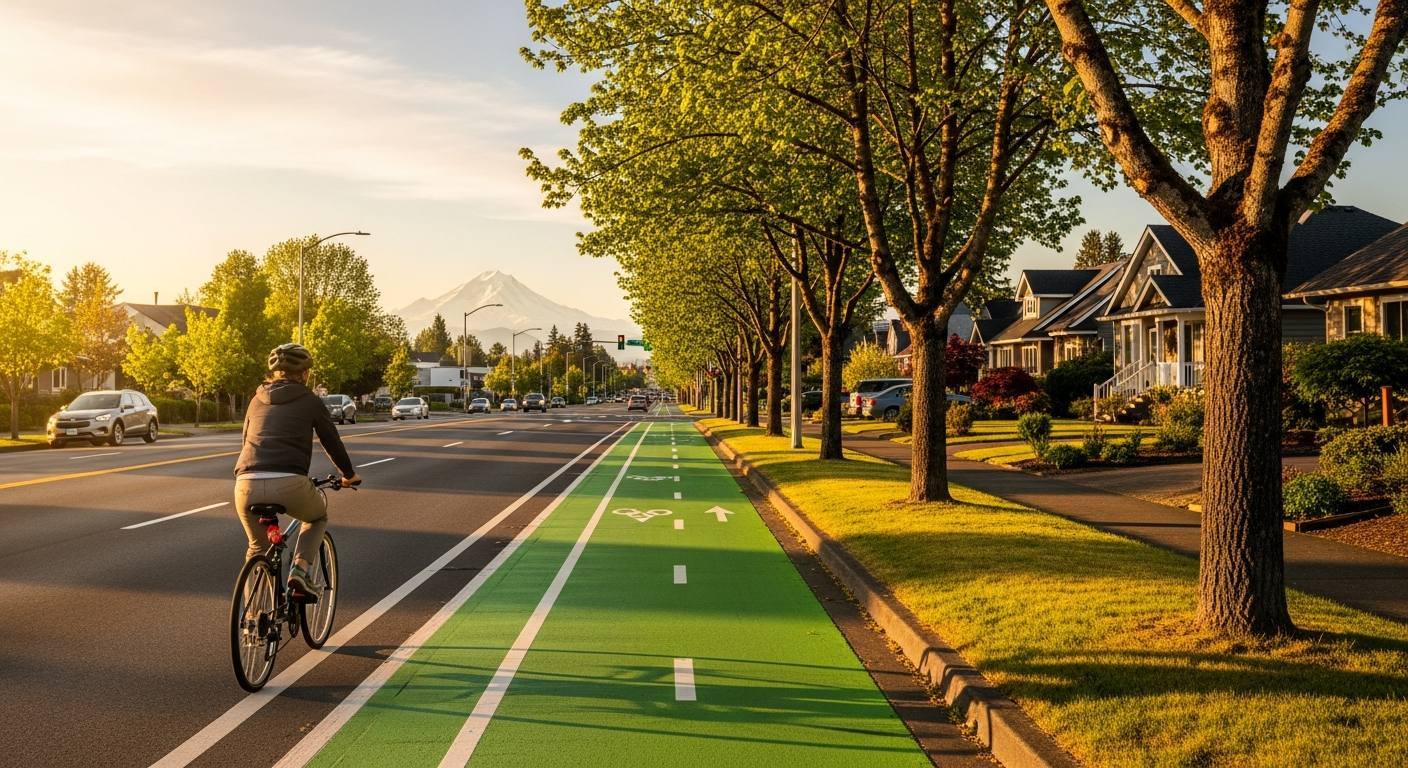
    Fifteen years into a thirty-year Bicycle Master Plan, Everett is somewhere near the halfway mark. The city has built about 41 miles of on-street bike infrastructure and 23 miles of off-street trails since the plan was adopted in 2011, and a 2026 update — funded by a federal Safe Streets for All grant — will redraw the priorities for the next half of the build-out and merge bicycle planning with pedestrian planning for the first time.

    May is the month the city is using to put a public face on it. Mayor Cassie Franklin has issued a National Bike Month proclamation, Everett Transit is hosting two events at Everett Station (a Wednesday-morning Bike to Work coffee on May 13 and the Bike Everett Festival on Friday, May 15 from 3 to 7 p.m.), and the League of American Bicyclists has again recognized Everett as a bronze-level Bicycle Friendly Community — the same designation the city first earned in 2021.

    Underneath the festival programming is a more consequential conversation: how the next decade of bike and pedestrian infrastructure investment gets prioritized, where it lands, and which neighborhoods see the next protected lanes, bicycle boulevards, and trail connections.

    What Has Actually Been Built

    The 2011 Bicycle Master Plan committed Everett to a specific build-out of bike lanes, sharrows, off-street trails, and bicycle boulevards over thirty years. As of an April 2026 review presented to the city’s transportation advisory committee, about 41 miles of on-street bike infrastructure are in place, plus roughly 23 miles of off-street projects like trails. That is on the order of half the work the original plan envisioned.

    What that has meant on the ground over the past few years includes the buffered bike lanes on Rucker Avenue, the bicycle boulevard work in residential neighborhoods, the city’s Bicycle Friendly Driver education program, and the widely-used Interurban Trail and Lowell Riverfront Trail connections. None of that happened by accident — each piece traces back to a specific line item in the master plan that staff and elected officials worked through over multiple budget cycles.

    That is the case the city makes for keeping the plan as a living document. A long-horizon plan that residents can read tells the next planning director and the next council which projects are next in line, and it makes the case to outside funders — like the federal Safe Streets for All program — that the city has done the homework to deserve the grant.

    What the 2026 Update Changes

    Two things make this update meaningfully different from a routine refresh.

    The first is the scope. The current plan covers bicycle infrastructure. The 2026 update will incorporate pedestrian infrastructure and what the city calls supportive facilities — the bike racks, repair stations, secure parking, signage, and crossings that determine whether a bike lane actually gets used. By 2027, when the updated plan is expected to be adopted, Everett will have a single integrated active-transportation plan covering people who walk, bike, and roll.

    The second is the funding source. The update is being paid for through a Safe Streets for All grant — a federal program created under the 2021 infrastructure law and run through the U.S. Department of Transportation. Safe Streets for All explicitly requires applicants to build a Vision Zero–style safety action plan that ties infrastructure decisions to fatality and serious-injury reduction targets. That requirement is already pulling Everett’s planning toward a more data-driven framework: which corridors have the most crashes, where the high-injury network is, and which interventions show the strongest evidence of reducing serious injuries.

    Cities that complete Safe Streets for All planning grants become eligible for substantially larger implementation grants in subsequent funding rounds. That is the strategic bet behind doing this update now: the planning work is the on-ramp to the construction money.

    What This Means for Residents

    For most Everett residents, the practical question is not how the master plan is structured — it is whether their street is going to get a bike lane, whether their kid’s walk to school is going to get a safer crossing, and whether the trail they use to commute is going to get connected to the next neighborhood over.

    Those decisions get made through the priority list inside the master plan. When the update comes back to the City Council for adoption, it will include a ranked project list. Projects high on the list get built sooner. Projects lower on the list get built when funding shows up. Public input during the planning process is the period when residents have real influence over where their neighborhood sits on that list.

    The city is also pointing residents toward existing tools. A map of Everett’s trails, bike lanes, and other infrastructure is posted online at everettwa.gov/bikes, and paper copies will be available at the May 15 festival. Following @EverettTransit on Facebook and Instagram is the city’s recommended channel for catching the smaller, quieter input opportunities — neighborhood-scale meetings, online surveys, and pop-ups — between now and the plan’s adoption.

    The May Events

    Two events anchor National Bike Month locally:

    Bike to Work Coffee — Wednesday, May 13, 6 to 8 a.m. at Everett Station (3201 Smith Avenue). Free coffee, Bike Everett t-shirts, and an e-bike raffle. Everett Transit is hosting.

    Bike Everett Festival — Friday, May 15, 3 to 7 p.m. at Everett Station (3201 Smith Avenue). Family-friendly. Free games, t-shirts, food trucks, entertainment, an e-bike raffle, and an Everett Transit bus staged for people to practice loading and unloading bikes from the front-mounted bike rack. The festival is the city’s biggest public-facing bike event of the year and the easiest entry point for residents who have not engaged with city transportation planning before.

    Where the Bicycle Friendly Community Designation Comes From

    The bronze-level Bicycle Friendly Community recognition comes from the League of American Bicyclists, a national advocacy organization that runs the BFC program as a benchmarking tool for cities. Communities apply, the League scores them across five categories — engineering, education, encouragement, enforcement, and evaluation — and assigns one of five ranks: bronze, silver, gold, platinum, or diamond.

    Everett first earned bronze in 2021. The 2026 renewal at the same level reflects the continued work on infrastructure, the Bicycle Friendly Driver program, and ongoing community programming. Moving up to silver — the next tier — typically requires a measurable jump in bike commute mode share, a more developed protected-lane network, and a deeper safety-data culture. The 2026 master plan update is the kind of work that, done well, can underwrite a future application at the next level.

    What to Do Next

    • Show up to the Bike Everett Festival Friday, May 15 from 3 to 7 p.m. at Everett Station, 3201 Smith Avenue. It is the easiest way to talk to city transportation staff face-to-face about where you ride and what is missing.
    • Catch the Wednesday coffee May 13 from 6 to 8 a.m. if you commute through downtown.
    • Read the existing bicycle map and master plan at everettwa.gov/bikes. The current map shows what is on the ground today; the plan shows what is supposed to come next.
    • Follow @EverettTransit on Facebook and Instagram for the smaller input opportunities between now and adoption — surveys, neighborhood meetings, and pop-ups.
    • Track the Safe Streets for All work at everettwa.gov/1802/Public-Safety-Safe-Streets-Program. The Safety Action Plan is the document that will shape which corridors the master plan update prioritizes.

    Frequently Asked Questions

    When was Everett’s Bicycle Master Plan first adopted? 2011. The current update is the first major revision in that thirty-year planning horizon.

    How much bike infrastructure has been built so far? About 41 miles of on-street bike infrastructure and roughly 23 miles of off-street trails, as of an April 2026 review.

    What is changing in the 2026 update? Two things. The plan is expanding to cover pedestrian infrastructure and supportive facilities (bike parking, repair stations, signage, crossings) in addition to bike lanes. And the planning framework is being aligned with Vision Zero / Safe Streets for All requirements, which means safety data — crashes, fatalities, serious injuries — drives more of the prioritization.

    Who funded the master plan update? A federal Safe Streets for All grant administered by the U.S. Department of Transportation. The program was created under the 2021 infrastructure law.

    When will the updated plan be adopted? The city expects to bring an integrated bicycle and pedestrian plan forward by 2027.

    What is the bronze Bicycle Friendly Community designation? A recognition from the League of American Bicyclists. It is one of five tiers (bronze, silver, gold, platinum, diamond) and reflects evaluation across engineering, education, encouragement, enforcement, and evaluation. Everett first earned bronze in 2021 and has been re-recognized in 2026.

    When and where is the Bike Everett Festival? Friday, May 15, 3 to 7 p.m. at Everett Station, 3201 Smith Avenue. Free, family-friendly.

    Is there a Bike to Work Day event? Yes. Wednesday, May 13 from 6 to 8 a.m. at Everett Station. Coffee, t-shirts, and an e-bike raffle.
  • For Boeing and Paine Field Workers: What Community Transit’s Casino Road Acquisition Means for Your Commute

    For Boeing and Paine Field Workers: What Community Transit’s Casino Road Acquisition Means for Your Commute

    For Boeing and Paine Field workers: Community Transit just bought 7.55 acres on Casino Road for $25.35 million — the largest land acquisition in the agency’s history. Paired with the Everett Transit consolidation underway and two planned light rail stations on Casino Road, this deal reshapes the transit infrastructure you’ll use to get to and from the 737 North Line and Paine Field campuses. Here’s what it means for your commute over the next decade.

    Why This Casino Road Land Deal Matters for Paine Field Workers

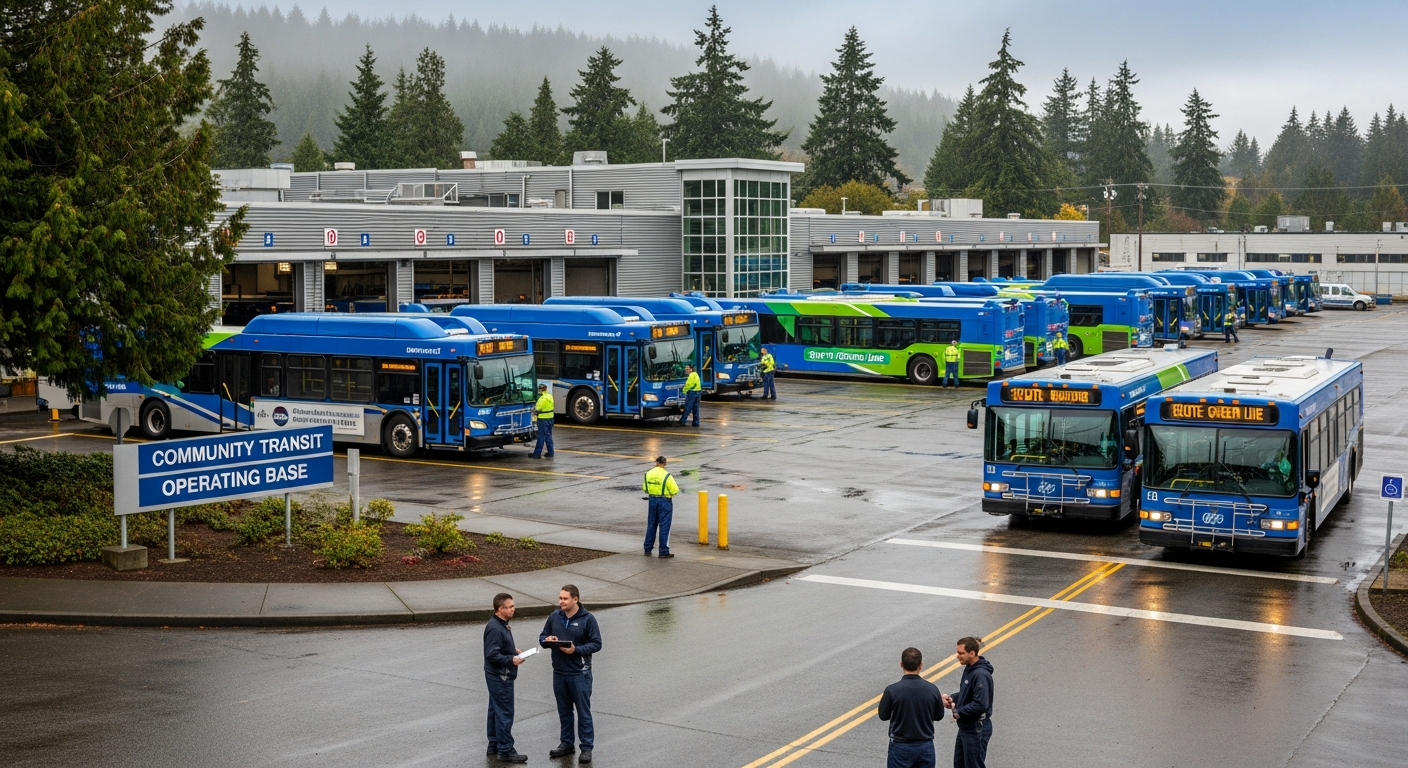
    The Community Transit acquisition at 2208 W. Casino Road is an operational campus expansion — the agency needs more space to store and maintain vehicles as it absorbs Everett Transit’s routes and grows toward its 30-million-rider-per-year Journey 2050 target. For Boeing and Paine Field workers, the relevance is direct: Casino Road is a key corridor connecting south Everett residential neighborhoods to the industrial employment zone around Paine Field, and the transit infrastructure on that corridor is being rebuilt from the ground up.

    Community Transit’s Route 7 serves the Casino Road and SW Everett Industrial Center corridor — the same zone where Sound Transit is planning a light rail station as part of the Everett Link Extension. Boeing workers who live on or near Casino Road, or who park and ride from south Everett, will see direct effects as Community Transit expands its capacity out of the new campus.

    The Everett Transit Consolidation and Your Bus Routes

    Everett Transit is consolidating into Community Transit under SB 5801. The merger transfers 22 routes and 115,000 daily riders. For workers on the 737 North Line at Paine Field, several Everett Transit routes that currently serve the Paine Field gate area will transition to Community Transit operations. The Casino Road campus expansion gives Community Transit the physical infrastructure to run a larger, more integrated network — which is the precondition for better direct-service options between residential Everett and Paine Field’s industrial employment zone.

    The consolidation is also expected to address one of the biggest frustrations for Paine Field workers who use transit: the seam between Everett Transit and Community Transit where routes currently don’t connect cleanly. A unified system under Community Transit removes that operational seam and opens the possibility of through-routes that don’t require a transfer.

    Light Rail at the SW Everett Industrial Center: The Long Game

    The Sound Transit Everett Link Extension includes a planned station at the SW Everett Industrial Center — one of only a handful of light rail stations in the entire ST3 network explicitly designed to serve a major industrial employment cluster rather than a residential neighborhood or downtown. For the roughly 30,000+ workers employed in the Paine Field / SW Everett Industrial Center corridor, this station represents a potential game-changer in commute options, particularly for workers coming from Seattle, Lynnwood, Mountlake Terrace, and other points south on the spine.

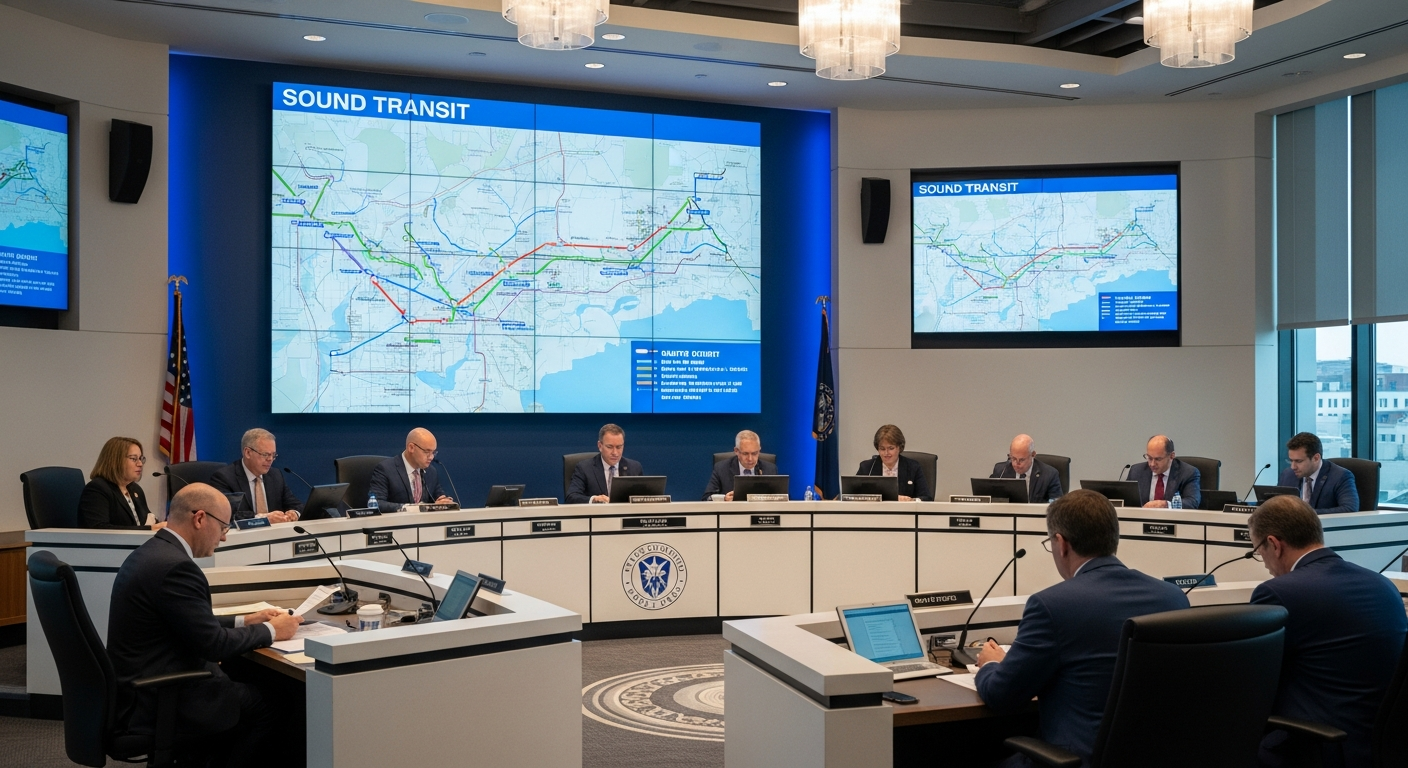
    The June 30, 2026 Sound Transit board vote on the revised ST3 System Plan is the decision point that determines whether that station gets built on the original timeline. Everett City Council voted unanimously April 29 to formally demand full delivery of the Everett Link Extension. Community Transit’s Casino Road campus investment reflects the agency’s own bet that light rail comes — an agency doesn’t expand its operational footprint on a light-rail-adjacent corridor unless it expects to be running feeder bus service to light rail stations within the decade.

    What Boeing Workers Should Watch

    The near-term watch item is the Everett Transit consolidation public hearing process. Route 7 and the Paine Field area routes will be redesigned as part of the merged network. Boeing workers who depend on those routes should engage in the public comment process to ensure the new network maintains — or improves — coverage of the Paine Field gate area. Community Transit has historically been responsive to major employer input on route design, and Boeing represents tens of thousands of commuters in its service area.

    The longer-term watch item is the June 30 Sound Transit vote. If the SW Everett Industrial Center station is preserved in the revised plan, the commute calculus for Paine Field workers changes significantly post-2030. If the station is cut or delayed, workers will be relying on the bus network — which is exactly why the Community Transit campus expansion and the Everett Transit consolidation matter so much right now.

    Frequently Asked Questions for Boeing and Paine Field Workers

    How does the Community Transit Casino Road acquisition affect my Paine Field commute?

    The Campus expansion positions Community Transit to run more service on the Casino Road and SW Everett Industrial Center corridor as it absorbs Everett Transit routes. Near-term effect is minimal; the consolidation process will determine route-level changes. The longer-term effect is a more unified bus network feeding a planned light rail station at the SW Everett Industrial Center.

    Will there be light rail to Paine Field?

    The Sound Transit Everett Link Extension includes a station at the SW Everett Industrial Center, which serves the Paine Field employment cluster. The June 30, 2026 Sound Transit board vote on the revised ST3 plan will determine whether that station proceeds on the original timeline or is cut or delayed as part of the agency’s $34.5 billion budget shortfall response.

    What happens to Route 7 when Everett Transit merges with Community Transit?

    Route 7 serves the Casino Road and Paine Field corridor. Under the Everett Transit / Community Transit consolidation, routes will be redesigned as part of a unified network. Community Transit has committed to preserving service levels, but specific route alignments will be determined through the public planning process under SB 5801.

    When does the Everett Transit consolidation take effect?

    The SB 5801 framework is active. The consolidation is a multi-year process. Everett City Council is engaged in the planning and the Boeing and Paine Field worker communities will have opportunities to provide input on route design before the transition finalizes.

    Where is the Community Transit Casino Road campus?

    Community Transit’s Cascade Administration Building is on W. Casino Road in south Everett. The newly acquired Goodwill property at 2208 W. Casino Road is directly adjacent, expanding the campus footprint to include the former Goodwill outlet warehouse complex and its 7.55-acre parcel.

    Related: Complete Guide to the $25.35M Acquisition | Everett Transit Consolidation: Boeing Worker Guide | Everett Council Sound Transit Letter

  • For Casino Road Residents: What Community Transit’s .35M Goodwill Purchase Means for Your Neighborhood

    For Casino Road Residents: What Community Transit’s .35M Goodwill Purchase Means for Your Neighborhood

    For you as a Casino Road resident: Community Transit’s $25.35 million purchase of the Goodwill outlet at 2208 W. Casino Road means a major public agency has locked in a 7.55-acre anchor in your neighborhood — before the light rail redevelopment pressure arrives. Here is what that means for your daily life, your housing stability, and your community’s future.

    Your Neighborhood Just Got a New Public Anchor

    For residents of Casino Road, Community Transit’s February 2026 acquisition is the most significant land transaction on the corridor in years. The 7.55 acres at 2208 W. Casino Road — the Goodwill Bins site — is now owned by a public agency, not a private developer. That distinction matters more than it might appear.

    Casino Road has two Sound Transit light rail stations planned as part of the Everett Link Extension. When light rail comes to a corridor, land values rise. In Seattle’s Rainier Valley and along the First Hill corridor, the combination of light rail investment and speculative land buying displaced thousands of residents and longtime businesses before communities could respond. Casino Road is watching those dynamics develop in slow motion — and Community Transit just placed 7.55 acres of the corridor in public hands before the speculative wave crests.

    The Goodwill Bins Stay Open — For Now

    The practical answer most Casino Road residents want first: the Bins are staying. Evergreen Goodwill signed a three-year leaseback with Community Transit, meaning the bulk-pricing outlet store at 2208 W. Casino Road continues operating through approximately early 2029. If you shop there regularly — or know someone who depends on it for affordable goods — no immediate change is required.

    After the leaseback ends, Community Transit will use the site for operational purposes: vehicle storage, maintenance, and administrative functions to support its growing bus network. What that means for foot traffic on that block will depend on how the agency designs its buildout. Residents near the site should watch for Community Transit public planning meetings as the leaseback end date approaches.

    How This Connects to the Everett Transit Merger

    Casino Road residents who rely on bus service should know that Everett Transit is being consolidated into Community Transit. The state legislature’s SB 5801 sets the framework; Everett City Council voted April 29 to approve a formal letter to Sound Transit demanding full delivery of the Everett Link Extension as a paired commitment. The merged transit system — combining Everett Transit’s 22 routes and 115,000 daily riders with Community Transit’s regional network — will use the expanded Casino Road campus as part of its operational foundation.

    For residents who depend on the Route 7 (Paine Field / Casino Road corridor) and other routes serving south Everett, the consolidation is designed to improve frequency and extend coverage. Community Transit’s Journey 2050 plan targets 30 million annual riders — more than triple current ridership — which requires both the Casino Road land and a fully funded light rail extension to work.

    What to Watch as a Casino Road Resident

    The three-year leaseback window (through roughly 2029) is the community engagement window. This is when Community Transit will be planning how it uses the property long-term. If community organizations, including Connect Casino Road, push for a mixed-use development that includes affordable housing or community space, that conversation needs to happen before the agency finalizes its operational buildout plans. Public agencies can — and sometimes do — include community benefit components in transit-adjacent development when community pressure is organized and early.

    The NR-MHC zoning effort — Everett’s proposal to protect seven mobile home parks in the Casino Road area from conversion to market-rate housing — is a parallel protection mechanism. The Community Transit acquisition and the NR-MHC zone together represent two distinct forms of displacement protection arriving in the corridor at the same time. Neither is sufficient alone; together they create meaningful stability in a neighborhood under significant long-term pressure.

    Frequently Asked Questions for Casino Road Residents

    Is the Goodwill Bins closing on Casino Road?

    No — not yet. Community Transit signed a three-year leaseback with Evergreen Goodwill, keeping the Bins open at 2208 W. Casino Road through approximately early 2029. After that, Community Transit will use the site for bus operations.

    Will my bus routes change because of this?

    Not immediately. The Casino Road campus acquisition is an operational expansion to support long-term ridership growth and the Everett Transit consolidation. Route changes will come through the consolidation planning process, not directly from this land purchase.

    Does this protect Casino Road from gentrification?

    It provides one form of protection: 7.55 acres of the corridor is now in public ownership and cannot be sold to a private developer without a public process. It does not, by itself, prevent rising rents or displacement pressure on the surrounding blocks. The NR-MHC zone and Connect Casino Road coalition are the primary community-led mechanisms addressing those pressures.

    How does this relate to the light rail stations planned for Casino Road?

    Two Sound Transit light rail stations are planned for the Casino Road corridor under the Everett Link Extension. Light rail typically accelerates land value increases and displacement pressure in station areas. Community Transit’s acquisition puts a large public parcel in the corridor before those dynamics peak — a meaningful protection even if it is not explicitly framed that way.

    Can I get involved in planning how Community Transit uses this site?

    Yes. Community Transit holds public board meetings and planning processes for major facility projects. Connect Casino Road and the associated neighborhood organizations are the most direct channel for organized community input. The three-year leaseback gives residents roughly a 2029 window before the site transitions to full operational use.

    Related Exploring Everett coverage: Community Transit Just Bought the Goodwill Bins on Casino Road | The Complete Guide to the .35M Acquisition | Everett Transit Consolidation Complete Guide

  • Community Transit Just Bought the Goodwill Bins on Casino Road: A Complete Guide to What the $25.35M Acquisition Means for Everett

    Community Transit Just Bought the Goodwill Bins on Casino Road: A Complete Guide to What the $25.35M Acquisition Means for Everett

    Quick Answer: Community Transit’s board unanimously approved the $25.35 million purchase of the 7.55-acre Goodwill outlet property at 2208 W. Casino Road in February 2026 — the largest single land acquisition in the agency’s 40-year history. The “Bins” stay open under a three-year leaseback. For Casino Road, a corridor already under pressure from two planned Sound Transit light rail stations and rising displacement risk, this deal is more than bus storage: it locks a major public agency into the neighborhood just as the redevelopment clock starts ticking.

    What Just Happened on Casino Road

    In February 2026, Community Transit’s board of directors voted unanimously to purchase the 108,000-square-foot Goodwill outlet complex at 2208 W. Casino Road — the one locals call “the Bins,” where goods are priced by the pound — for $25.35 million. The seller was Evergreen Goodwill of Northwest Washington. A three-year leaseback means the Bins stay open while Community Transit prepares the site for long-term operational use.

    The property sits directly adjacent to Community Transit’s existing Cascade administration building, making it a contiguous expansion of the agency’s south Everett operational campus. Community Transit’s Journey 2050 Long-Range Plan projects the agency will serve 30 million annual riders by 2050. Current vehicle storage and maintenance capacity will be exhausted well before that target. The Casino Road acquisition addresses the near-term capacity crunch.

    Why Casino Road — and Why Now

    The timing matters. Casino Road is one of the most consequential corridors in Everett’s near-future. Two Sound Transit light rail stations are planned along the corridor as part of the Everett Link Extension — a 16-mile project connecting downtown Everett Station to the regional light rail spine that Snohomish County voters approved in 2016. The planned stations at SW Everett Industrial Center and a second Casino Road-area station will bring transformative transit access to a corridor that today runs largely on surface streets and Community Transit bus routes.

    Light rail station areas historically trigger rapid land value appreciation and displacement pressure on existing residents and businesses. Casino Road’s demographics — a dense, multiethnic, working-class corridor with a high concentration of renters, small businesses, and community organizations — make it especially vulnerable to the kind of transit-driven displacement that has reshaped Rainier Valley and the Beacon Hill corridor in Seattle.

    Community Transit’s acquisition puts 7.55 acres of the corridor in public hands before the displacement dynamics fully accelerate. That’s not stated as the purchase rationale in agency documents — the stated rationale is operational capacity — but the community development implications are real and significant.

    The Property: What Community Transit Actually Bought

    The 108,000-square-foot complex at 2208 W. Casino Road includes a large-format warehouse retail footprint and associated operational space. The Goodwill outlet — distinct from standard Goodwill retail stores — operates as a bulk-pricing clearance operation where items are sorted onto tables and priced by weight. It draws a regional customer base and has operated at this Casino Road location for years.

    Under the three-year leaseback, Evergreen Goodwill continues operating the Bins. Community Transit takes legal ownership but receives lease income while planning its operational buildout. The $25.35 million purchase price reflects the property’s scale and its location in a corridor that is already beginning to command higher land values in anticipation of light rail.

    What This Means for the Casino Road Corridor

    Casino Road is home to roughly 13,000 residents, a dense network of immigrant-owned small businesses, and over two dozen community-serving organizations. The Connect Casino Road initiative — a community-led planning effort — has been working for years to ensure that the transit investment coming to the corridor lifts residents rather than displacing them.

    Community Transit’s land purchase adds a significant public anchor to the corridor. Public agency ownership is among the strongest protections against speculative displacement, since the land cannot be sold to a private developer without a public process. Whether Community Transit eventually co-develops the site with affordable housing, a transit-oriented community hub, or strictly operational facilities will depend on community engagement and agency planning decisions over the next several years.

    The acquisition also reinforces Community Transit’s long-term commitment to south Everett as its operational base — important context for residents and business owners watching the Everett Transit consolidation process unfold. As Everett Transit phases toward integration with Community Transit under SB 5801, the Casino Road campus becomes an even more critical node in the merged system’s service geography.

    The Everett Transit Consolidation Connection

    The Goodwill acquisition lands in the middle of a broader transit restructuring. Everett City Council is moving toward consolidating Everett Transit into Community Transit under state legislation, a process that would dissolve the city’s 100-year-old transit system and transfer 22 routes, 161 workers, and 115,000 riders to Community Transit. That consolidation was the subject of a major Everett Council action in April 2026.

    The Casino Road campus expansion positions Community Transit to absorb that additional operational footprint. More vehicles, more routes, and more maintenance capacity will require more land — and Community Transit just acquired it in the most strategically positioned location it could find: right next to what it already owns, in a corridor that will be transformed by light rail within the decade.

    What Residents and Businesses Should Watch

    The three-year Goodwill leaseback runs through approximately early 2029. That’s the window in which Community Transit will be finalizing plans for the site. Residents and community organizations invested in the future of Casino Road should engage with Community Transit’s public planning process as it develops. The Connect Casino Road coalition and associated organizations are the most direct channel for community voice on how this land ultimately gets used.

    For small businesses along Casino Road, the acquisition signals stability in one sense — a major public employer is investing heavily in the corridor — and uncertainty in another. If the site transitions from retail (the Bins) to operational bus storage and maintenance, the commercial traffic those retail operations generate will shift. Business owners near 2208 W. Casino Road should monitor the leaseback timeline.

    Frequently Asked Questions

    What did Community Transit buy on Casino Road in Everett?

    Community Transit purchased the 7.55-acre Goodwill outlet property at 2208 W. Casino Road for $25.35 million in February 2026. The 108,000-square-foot complex is the largest single acquisition in the agency’s 40-year history. The Goodwill “Bins” store stays open under a three-year leaseback agreement.

    Will the Goodwill Bins on Casino Road close?

    Not immediately. Evergreen Goodwill signed a three-year leaseback with Community Transit, meaning the Bins will continue operating at 2208 W. Casino Road through approximately early 2029. After the leaseback ends, Community Transit will use the site for operational purposes.

    Why did Community Transit buy land on Casino Road?

    Community Transit’s Journey 2050 plan projects the agency will serve 30 million annual riders by 2050 — up sharply from current ridership. Vehicle storage, maintenance, and administrative capacity at the existing Cascade campus will be exhausted before that target. The adjacent Goodwill property expands the campus and positions Community Transit for the Everett Transit consolidation.

    How does this relate to light rail on Casino Road?

    Two Sound Transit light rail stations are planned for the Casino Road corridor as part of the Everett Link Extension. Light rail station areas typically trigger land value increases and displacement pressure. Community Transit’s acquisition puts 7.55 acres in public ownership before those dynamics fully accelerate, providing a stable public anchor in the corridor.

    What is Connect Casino Road and what does this mean for them?

    Connect Casino Road is a community-led planning initiative working to ensure that light rail investment benefits existing Casino Road residents rather than displacing them. Community Transit’s land acquisition creates an opportunity for community engagement around how the site is ultimately developed, particularly if the agency ever considers mixed-use or affordable housing components on the parcel.

    How does the Goodwill acquisition relate to the Everett Transit merger?

    Everett is consolidating its transit system into Community Transit under SB 5801. That merger adds 22 routes, 161 workers, and 115,000 riders to Community Transit’s network. The Casino Road campus expansion gives Community Transit the physical space to absorb that additional operational footprint — more vehicles, more routes, and more maintenance demand.

  • Everett City Council Sends Sound Transit a Message: Deliver Our Light Rail or Explain Why Not

    Everett City Council Sends Sound Transit a Message: Deliver Our Light Rail or Explain Why Not

    What this means for you: The Everett City Council voted unanimously on April 29 to formally demand that Sound Transit complete the full 16-mile Everett Link Extension — all the way to downtown Everett Station, not just to the SW Everett Industrial Center. The board votes on a revised system plan by June 30. Everett residents have until May 1 to weigh in directly via Sound Transit’s public survey.

    The Everett City Council isn’t waiting to find out what happens to their light rail line. On April 29, the council voted unanimously to sign a formal letter to the Sound Transit Board of Directors, making a clear, documented demand: complete the Everett Link Extension in full and on schedule, and don’t solve Sound Transit’s $34.5 billion budget shortfall by shortchanging Snohomish County.

    The letter, brought forward by City Council Vice President Paula Rhyne, is both a political signal and a public record — arriving as Sound Transit prepares to vote this summer on a revised ST3 System Plan that could reshape the light rail spine that Snohomish County voters have been funding since 2016.

    Why the Council Felt the Need to Act Now

    Sound Transit is navigating a serious financial crisis. The agency faces a projected $34.5 billion shortfall across its light rail extension portfolio, driven by inflation, rising construction costs, tariffs, labor shortages, supply chain disruptions, and higher land acquisition costs. The board is evaluating three broad “approaches” — called the Enterprise Initiative — for closing that gap before its June 30 deadline.

    Two of the three approaches would fund full completion of the 16-mile Everett Link line, running from Lynnwood through the Paine Field area to downtown Everett Station. The third approach would phase the extension, building only to the SW Everett Industrial Center — leaving downtown Everett without a direct connection.

    “The intent of the letter is to remind the board that Everett is expecting the completion of the Everett Link Extension, and that the Everett Link Extension is not the route segment that’s the biggest problem for cost overruns, so cutting our promised route should not be part of the solution,” Rhyne said at the council’s April 22 meeting.

    What the Letter Actually Says

    The council’s approved letter frames the Everett extension as the most cost-effective segment in the entire ST3 package — and uses Sound Transit’s own numbers to make the argument.

    “The Everett Link Extension is the most cost-effective and impactful light rail segment under consideration,” the letter reads. “The cost increases are dramatically lower than other segments due to the extensive and intentional use of existing rights of way, the major portions of track alignment that can be run at-grade, and substantially lower land acquisition costs.”

    For context: some ST3 projects have nearly doubled in expected costs compared to original estimates. The Everett Link Extension’s costs have increased by only about five to ten percent — a fraction of the overruns plaguing the West Seattle and Ballard extensions in North and South King County. Sound Transit staff have previously said there is a high likelihood of keeping the Everett segment affordable through targeted design changes, while preserving all six planned stations.

    The letter also invokes the principle of subarea equity — the foundational policy that Snohomish County’s tax dollars go toward Snohomish County’s projects. Everett residents have been paying the Sound Transit property tax and sales tax levy since 2016. The letter argues that redirecting those funds or shortchanging Snohomish County to cover King County overruns would violate both the letter and spirit of that commitment.

    “Maintaining the commitment to Everett voters, who have been paying into the system for decades, is essential to preserving public trust and upholding Sound Transit’s commitment to subarea equity,” the letter states.

    The closing request is direct: “We urge the Board to deliver the Everett Extension in full and on schedule and to address the most significant cost escalation within the segments where they are occurring, rather than shifting impacts to Everett.”

    The Financial Picture: Who Owns the Problem?

    Snohomish County Executive Dave Somers — who chairs the Sound Transit Board and serves as a board member alongside Mayor Cassie Franklin — has been explicit about where the budget crisis is concentrated.

    Somers told a standing-room audience at an April 14 town hall meeting that about 90 percent of the cost overruns are in the North King County and South King County subareas. The Snohomish subarea’s funding, by contrast, is almost fully in place for the Everett extension.

    Sound Transit attributes approximately $30 billion of its total shortfall to the east-west rail extensions to West Seattle and Ballard — not to the Everett spine.

    Both Somers and Mayor Franklin have stated publicly that they favor completing the spine — the line from the Tacoma Dome to Everett Station — before funding other extensions. “It is the spine from Everett to Tacoma that is actually going to connect this region,” Franklin told the April 14 town hall crowd.

    Somers has said he plans to bring forward a chair’s proposal for the updated system plan that is “affordable at the systemwide level and compliant with our subarea equity policies.” The framework is designed to advance projects into construction when financially feasible while building in contingencies for future uncertainty.

    What Happens Next

    The Sound Transit Board is expected to vote on an updated ST3 System Plan no later than June 30, 2026. A May 28 board meeting is on the calendar as a key decision point before that deadline.

    Current plans call for the Everett Link Extension to arrive near Paine Field by 2037, with the downtown Everett Station opening by 2041. Under the third “approach” currently under consideration — the one that would truncate service at SW Everett Industrial Center — those timelines would slip further.

    A draft environmental impact statement examining the extension’s station locations in detail is expected to be released this fall.

    What the Council Letter Does and Doesn’t Do

    The letter is a formal political communication, not a binding vote on Sound Transit’s budget. It goes into the public record and will be included in the materials Sound Transit’s board reviews ahead of its May 28 meeting. Its weight is persuasive, not procedural.

    What gives it teeth is the unanimity. Every member of the Everett City Council signed it, signaling unified institutional pressure from the city that stands to gain or lose the most from the June 30 decision. It also positions Everett alongside Snohomish County — through Somers — and other Snohomish cities whose residents have been paying into the system since 2016.

    Frequently Asked Questions

    What is the Everett Link Extension?
    A 16-mile light rail line planned to run from Lynnwood through the Paine Field area to downtown Everett Station, adding six new stations. Part of the Sound Transit 3 package approved by voters in 2016.

    Why is Sound Transit’s budget in trouble?
    The agency faces a $34.5 billion projected shortfall through 2046, driven by inflation, construction cost increases, tariffs, labor and supply chain issues. Overruns are concentrated in the West Seattle and Ballard extensions in King County.

    How much did the Everett extension’s costs increase?
    By about five to ten percent — significantly less than some other ST3 projects, which have nearly doubled in cost. The Snohomish subarea is almost fully funded for the Everett segment.

    What is the third “approach” Sound Transit is considering?
    It would build the light rail spine only to Fife (not the Tacoma Dome) and only to SW Everett Industrial Center (not downtown Everett Station). Under this scenario, Everett would not get a downtown light rail connection on the current timeline.

    When does Sound Transit make its decision?
    The board is expected to vote on an updated system plan by June 30, 2026. The May 28 board meeting is a key milestone.

    What is subarea equity?
    The policy that each of Sound Transit’s five subareas — Snohomish, East King, North King, South King, and Pierce — funds its own segment with its own tax revenues. The Everett letter argues that cutting Snohomish County’s service to cover King County overruns would violate this principle.

    What did the council vote on specifically?
    To approve and sign a formal letter to the Sound Transit Board urging full completion of the Everett Link Extension. The vote was unanimous. Council Vice President Paula Rhyne brought the letter forward.

    What To Do Next

    Comment directly to Sound Transit: The agency’s public survey on the Enterprise Initiative approaches closes May 1, 2026 — today. Fill it out at soundtransit.org. Survey responses go to the board before its May 28 meeting.

    Attend or watch Sound Transit Board meetings: The board meets from 1:30 to 4 p.m. at the Ruth Fisher Board Room, 401 Jackson St., Seattle. The next meeting is Thursday, May 28. Virtual attendance is available — visit soundtransit.org for Zoom details.

    Send email directly to the board: Email comments can be submitted through Sound Transit’s website or at any board meeting during public comment.

    Contact the council: Public comment is accepted at Everett City Council meetings on Wednesdays at 6:30 p.m. at Everett City Hall, 3002 Wetmore Ave., or virtually at everettwa.gov.

    Related coverage: Everett’s Light Rail Future Comes to a Head: What the June 30 Sound Transit Vote Means | The June 30 Sound Transit Vote and Everett’s Light Rail Future: A Complete 2026 Guide | Everett City Council Will Decide Whether to End Everett Transit

  • Community Transit Just Bought the Goodwill Bins on Casino Road — Here’s What It Means for the Neighborhood

    Community Transit Just Bought the Goodwill Bins on Casino Road — Here’s What It Means for the Neighborhood

    What’s happening: Community Transit’s board voted unanimously in February 2026 to purchase the 7.55-acre Goodwill outlet property at 2208 W. Casino Road for $25.35 million — the largest single land acquisition in the agency’s history. The “Bins” will stay open under a three-year leaseback. But for the Casino Road corridor, where two Sound Transit light rail stations are planned and displacement pressure is already climbing, this deal is about more than bus storage.

    Community Transit Just Bought the Goodwill Bins on Casino Road — Here’s What It Means for the Neighborhood

    If you’ve ever dug through the bins at the Everett Goodwill outlet on Casino Road — the one where clothes and housewares are priced by the pound — you’ve stood in the middle of one of south Everett’s most consequential pieces of real estate. In February 2026, Community Transit’s board of directors voted unanimously to purchase that 7.55-acre property at 2208 W. Casino Road for $25.35 million, acquiring a 108,000-square-foot warehouse complex right next door to the agency’s existing Cascade administration building.

    For transit watchers, it’s a smart infrastructure play. For Casino Road residents, it’s one more piece of a much bigger puzzle about what this corridor is becoming — and who gets to stay in it.

    Why Community Transit Bought the Property

    The short answer: they’re running out of room. Community Transit’s internal analysis found that anticipated service growth will “consume” the agency’s current capacity for vehicle storage, maintenance, and administrative functions within the next few years. The Goodwill property sits directly adjacent to the agency’s existing Cascade administration building, making it the obvious acquisition for expansion.

    “Identifying and securing nearby land and facilities is a key strategy to sustaining operational growth, supporting service expansion, and maintaining flexibility for future development,” the agency’s memo to its board stated.

    The property itself is substantial: roughly 107,999 square feet of warehouse footprint, around 20,000 square feet of retail space, and a recycling center. Evergreen Goodwill, which purchased the site in 2011 for $10.9 million, will continue operating the outlet store and recycling center there under a three-year leaseback — paying Community Transit $120,000 per month in rent. So for at least the next three years, the bins stay open.

    There’s another factor in the long-term calculus: Sound Transit’s Link light rail extension to Everett includes a station close to the Paine Field area, not far from the Casino Road corridor. The agency flagged proximity to that infrastructure as part of the property’s strategic value.

    What This Means for Casino Road

    Casino Road is one of Everett’s most culturally dense corridors — home to a large Latino community, significant Cambodian, East African, and Pacific Islander populations, dozens of small immigrant-owned businesses, and community anchors like the Stations Unidos community development corporation, which was established specifically to fight displacement on this corridor.

    The Community Transit property acquisition isn’t a displacement threat in the direct sense — the transit agency isn’t building housing or retail that prices people out. But the deal is another signal of how much institutional attention and investment is concentrating along this corridor. Two planned light rail stations. A $25 million transit land grab. A new Boys and Girls Club facility at nearby Walter E. Hall Park, announced by Mayor Cassie Franklin in her 2026 State of the City address. Snohomish County housing funding flowing to the area. The $23 million housing award Everett received in 2027 that included Casino Road in its service area.

    When investment and infrastructure converge in a neighborhood, property values tend to follow. That’s exactly the dynamic Stations Unidos has been working to get ahead of since 2014, when Casino Road stakeholders first organized around the light rail threat. The CDC’s goal: ensure that the people who built this community get to remain part of it as it changes.

    The Boys and Girls Club Piece

    The existing Boys and Girls Clubs of Snohomish County location serving south Everett sits at 525 W. Casino Road — about a mile west of the Goodwill site. That club, which opened in 2000 after renovating a former bus barn, serves children and youth ages 5–18 with before and after-school childcare, summer camp, and teen programs.

    In her March 2026 State of the City address, Mayor Franklin announced that the City of Everett is collaborating with Boys and Girls Clubs of Snohomish County to support construction of a brand-new club location at Walter E. Hall Park, a flexible grass athletic complex at 1226 W. Casino Road. That park already serves as a hub for youth sports and hosts a skate park. Adding a Boys and Girls Club building there would be a significant community facility investment at the corridor’s geographic heart.

    Details on the new club’s timeline and design were not publicly available at press time, but the announcement signals city commitment to youth-serving infrastructure on Casino Road — not just transit infrastructure.

    What to Watch

    The three-year Goodwill leaseback runs out sometime around 2029. At that point, Community Transit will need to decide how to use the acquired warehouse space — whether for bus storage, maintenance bays, administrative expansion, or some combination. That decision will shape the Casino Road corridor at exactly the moment the light rail timeline is approaching.

    For residents of Cascade View and Twin Creeks — the two neighborhoods that flank Casino Road on its east side — the changes on this corridor are worth tracking. The road that most people think of as a thoroughfare rather than a destination has been quietly transforming for years. The institutions investing there in 2026 will set the shape of what comes next.

    Community Transit’s purchase doesn’t change daily life on Casino Road today. The bins are still open. The taquerias, the pho shops, the halal markets, the beauty supply stores — still there, still doing business. But the long arc of what this corridor becomes is being decided, piece by piece, in board rooms and city halls. Organizations like Stations Unidos exist precisely to make sure the community’s voice is part of that process, not added as an afterthought.

    Frequently Asked Questions

    Is the Goodwill outlet on Casino Road closing?

    No. Evergreen Goodwill signed a three-year leaseback agreement with Community Transit, so the outlet store and recycling center will continue operating at 2208 W. Casino Road at least through approximately 2029.

    Why did Community Transit pay $25.35 million for the Goodwill property?

    The property is adjacent to Community Transit’s existing Cascade administration building at 2312 W. Casino Road, and the agency projects its current facilities will be overwhelmed by service growth within a few years. The acquisition gives the agency land for vehicle storage, maintenance, and operational expansion.

    Will the Community Transit purchase displace Casino Road residents?

    The property at 2208 W. Casino Road is a commercial warehouse, not housing. The direct displacement risk is low. The broader concern is that concentrated investment on the corridor — transit, light rail, new facilities — can raise property values over time, creating indirect displacement pressure. That’s the issue Stations Unidos has been working on since 2014.

    What is the Boys and Girls Club building planned at Walter E. Hall Park?

    Mayor Cassie Franklin announced in her March 2026 State of the City address that the City of Everett is collaborating with Boys and Girls Clubs of Snohomish County to support construction of a new club location at Walter E. Hall Park, 1226 W. Casino Road. Specific construction timelines were not released publicly.

    Where is the existing Boys and Girls Club on Casino Road?

    The South Everett/Mukilteo Boys and Girls Club is located at 525 W. Casino Road, Everett, WA 98204, and serves children ages 5–18. Contact: (425) 355-6899 or bgcsc.org.

  • Belfair Commute Briefing — Thursday, April 30, 2026

    Belfair Commute Briefing — Thursday, April 30, 2026

    Ferry Update

    The Bremerton–Seattle ferry is operating on schedule this morning with no cancellations. Today’s disruptions are on other routes: Port Townsend/Coupeville sailings are affected by tidal conditions, and the Anacortes/San Juan Islands vessel is cancelled due to crew shortage — neither impacts the Bremerton corridor.

    Colman Dock access note: Elevators 1 and 2 at Colman Dock remain out of service. The Alaskan Way #4 elevator and Pier 50 elevator are in service and available for ADA access.

    ⚠️ FARE ALERT — Last day before increase: WSF fares increase tomorrow, Friday May 1. The average fare rises roughly 3%, plus a 35% peak-season surcharge applies to single-ride vehicle and motorcycle fares through September 30. Multi-ride passes are exempt. If you’re buying passes or stocking up, today is the day.

    SR-3 & Gorst

    No daytime impacts on the SR-3 corridor this morning. The ongoing fish barrier removal project near Sunnyslope Road SW continues nighttime-only work — no lane closures during the AM commute. The 16-day around-the-clock closure for box culvert installation remains scheduled for late spring/early summer 2026; WSDOT will announce that window in advance.

    WSDOT is hosting an online open house today (April 30) on a planned single-lane roundabout at SR-3 and Division Avenue in Gorst — part of the broader Gorst corridor improvement plan.

    Hood Canal Bridge

    No scheduled closures today. The two-week daytime inspection schedule wrapped April 24 and has not been renewed. Normal operations.

    PSNS / Bangor Gates

    No public alerts or gate advisories from Naval Base Kitsap-Bangor or PSNS this morning. Standard gate hours in effect: Trident Gate open 24 hours; Trigger Gate open Monday–Friday 0500–1930.

    Weather

    A nice one. Mostly sunny today with highs in the upper 60s to mid 70s across Mason and Kitsap counties. Light morning winds becoming north to 10 mph in the afternoon. No weather advisories in effect. Current temp at 5 AM: 48°F in the Silverdale area.

    Fuel Prices

    Belfair-area gas prices holding steady. Safeway on SR-3 NE is leading at approximately $4.99/gal regular. The range across Belfair and Gorst stations runs $4.99–$5.59/gal. Washington statewide average is $5.38/gal — Belfair remains below average.

    Briefing current as of 5:15 AM PT, Thursday, April 30, 2026. Safe travels, North Mason.

  • Belfair Commute Briefing — Wednesday, April 29, 2026

    Belfair Commute Briefing — Wednesday, April 29, 2026

    🚗 Belfair Bugle Commuter Update — Wednesday, April 29

    Ferry — Bremerton/Seattle Route

    The Bremerton-Seattle ferry is running on its regular spring schedule this morning with no cancellations reported on that route. Heads up for Friday, May 1: WSF fare increases take effect — passenger and vehicle fares rise an average of 3%, and a 35% peak season surcharge applies to single-ride vehicle and motorcycle fares through September 30. Multi-ride passes are not subject to the surcharge.

    At Colman Dock, Alaskan Way elevators 1 and 2 remain out of service due to a mechanical issue. Elevator 4 (Alaskan Way) and the Pier 50 elevator are both in service for ADA passengers.

    Nearby route disruption (Fauntleroy/Vashon/Southworth): The #2 Cathlamet has three early AM sailings cancelled Wednesday — the 4:05 AM Vashon→Fauntleroy, 4:25 AM Fauntleroy→Vashon, and 5:00 AM Southworth→Vashon. This does not affect the Bremerton-Seattle route but impacts commuters routing through the Fauntleroy terminal. The Fauntleroy vehicle transfer span repair is also ongoing weekdays 9 AM–3 PM through approximately Friday, reducing vehicle loading to one lane with midday delays possible.

    SR-3 and Gorst

    No significant issues on SR-3 for the morning commute. The fish barrier removal project near Sunnyslope Road SW continues nighttime-only construction with no daytime lane closures. The planned 16-day around-the-clock SR-3 closure near Sunnyslope remains on the schedule for late spring/early summer 2026 — WSDOT will issue advance notice before that extended closure begins.

    Hood Canal Bridge

    The two-week daytime inspection closure schedule concluded April 24. No scheduled Hood Canal Bridge closures this week. Normal traffic flow expected on SR-104.

    PSNS / Bangor Gates

    Naval Base Kitsap is at normal operating status with no public security advisories posted. The Trident Gate (at SR-308 near SR-3) is open 24 hours. The Trigger Gate operates weekday hours of 5:00 AM to 7:30 PM.

    Weather

    Expect partly cloudy to overcast skies through the morning commute in Mason and Kitsap counties, with a slight chance of rain developing through the day. Highs in the upper 40s to low 50s. No weather advisories in effect — roads should be dry for the AM rush.

    Fuel Prices

    Belfair and Gorst area regular unleaded remains in the $4.89–$5.59/gallon range. Washington state averages have edged up slightly through April. Safeway in Belfair is competitive around $4.99/gallon.

    Published 5:15 AM PT — Safe travels, North Mason.

  • Moving to Everett in 2026: What the June 30 Sound Transit Vote Means for Your Transit Future

    Moving to Everett in 2026: What the June 30 Sound Transit Vote Means for Your Transit Future

    For people moving to Everett in 2026: The Sound Transit June 30 vote matters more than most relocation guides will tell you. Which neighborhoods you buy or rent in, whether transit-oriented development assumptions hold, and how Everett compares to Lynnwood or South Snohomish County as a place to live — all of it turns on whether the full Everett spine gets funded or gets truncated at SW Everett near Paine Field.

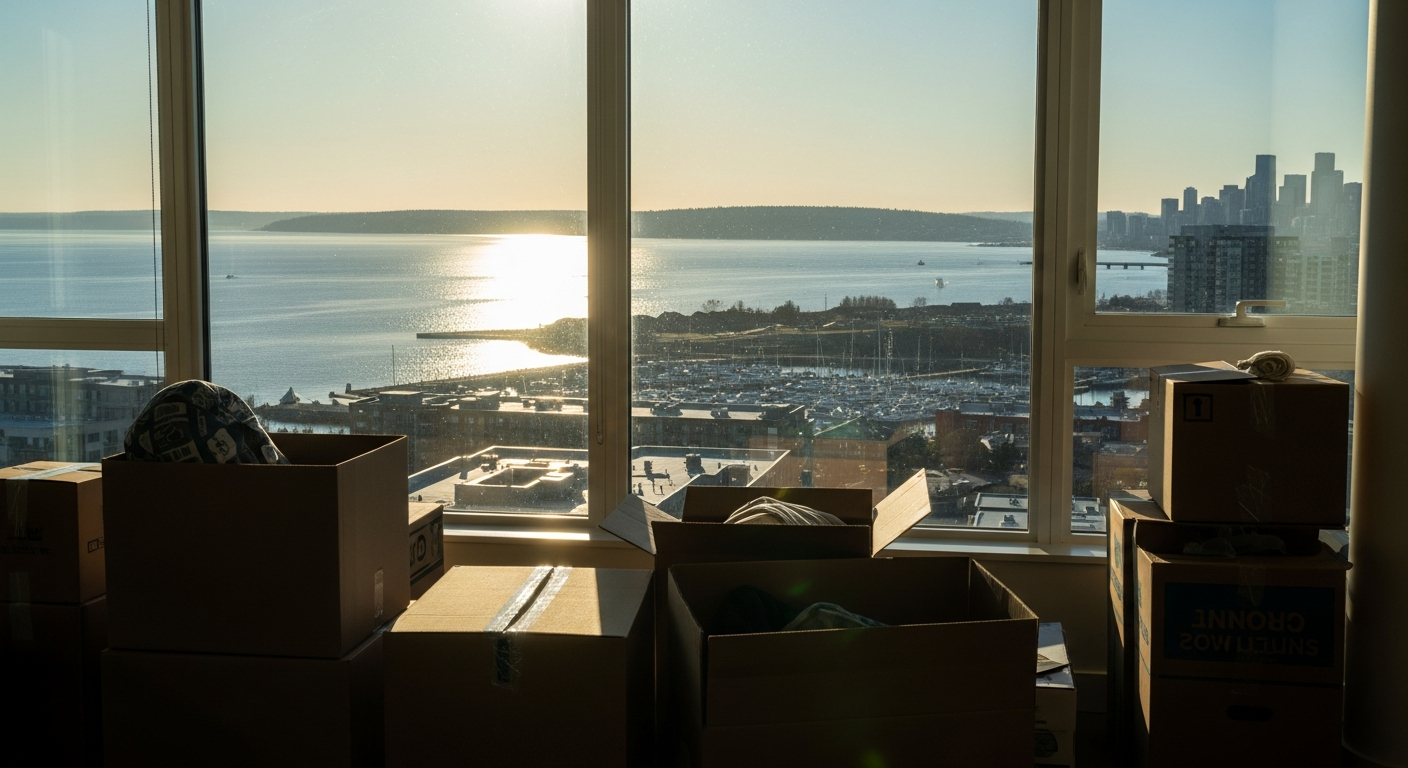
    If you’re planning a move to Everett — from Seattle, from King County, or relocating for a Boeing job or a Navy assignment at NAVSTA Everett — the Sound Transit board vote on June 30, 2026 is a piece of context that will shape your neighborhood decision for years.

    Why Light Rail Matters for Where You Live in Everett

    Everett is a city of 114,070 people with 21 distinct neighborhoods. Where you live relative to the planned light rail stations will determine whether your daily commute improves dramatically or stays dependent on driving and buses over the next decade.

    Lynnwood City Center opened its Link station in 2024. Residents of Lynnwood now have a direct light rail connection to the University District, Capitol Hill, and downtown Seattle. Everett is next on the spine — but the question of when, and how far north rail actually goes, depends on the June 30 vote.

    The Stations That Are Planned for Everett

    The full Everett Link Extension, if funded under Approaches 1 or 2, would include stations at: Ash Way (near Ash Way Park and Ride), Mariner (near 128th Street SW), SW Everett Industrial Center (the Paine Field/Boeing area), Airport Road, SR 526/Evergreen Way, and downtown Everett Station (connected to Everett Station transit hub).

    Under Approach 3, rail would stop at SW Everett Industrial Center. Downtown Everett and the four stations between SW Everett and Everett Station would not be built in this phase.

    The Mariner neighborhood — which sits near the planned Mariner station — is currently under a city-funded annexation study. What the Mariner annexation study means for residents explains the context.

    Neighborhoods to Evaluate Differently Based on the Vote Outcome

    If Approaches 1 or 2 pass (full spine): Neighborhoods along the corridor from Mariner through central Everett to downtown — including the Broadway District, Bayside, Port Gardner, and the Millwright District waterfront — would all sit within the broader light rail catchment. Downtown Everett Station would become a regional transit hub. Commute access to Seattle via Link would be a real option.

    If Approach 3 passes (truncated at SW Everett): Paine Field-adjacent neighborhoods and the SW Everett industrial corridor get a station. Central and northern Everett neighborhoods — where housing costs are often lower — do not get the transit premium. The commute picture for downtown-area residents stays bus-and-drive for the foreseeable future.

    Everett vs. Lynnwood: The Current Comparison

    Right now, Lynnwood has a transit advantage Everett doesn’t yet have. A Lynnwood resident can ride Link to Seattle in roughly 35–40 minutes. An Everett resident driving to Lynnwood to catch Link adds 20–30 minutes each way. When the Everett extension opens — under any approach — that advantage shifts. But the full spine to downtown Everett Station creates a much stronger case for living in central Everett than a truncated SW Everett connection does.

    For the full neighborhood picture: Everett’s three housing submarkets — a complete 2026 guide. And for the transit baseline: The complete guide to the Everett Transit and Community Transit merger.

    The June 30 Timeline and What Comes Next

    The board adopts the revised ST3 System Plan by June 30. This sets the policy framework — it does not immediately change construction schedules. Environmental review, station design finalization, and procurement follow over subsequent years. The opening window of 2037–2041 for the full Everett extension could shift based on the adopted approach and any design changes.

    For the full guide to what the vote means for Everett: The complete 2026 guide to the Sound Transit June 30 vote.

    Frequently Asked Questions

    How does the Sound Transit June 30 vote affect people moving to Everett?

    The vote determines which Everett neighborhoods will have direct light rail access and when. Full spine approaches (1 and 2) deliver a downtown Everett Station with regional connections. Approach 3 truncates at SW Everett near Paine Field, leaving central and northern Everett neighborhoods without a light rail stop in this phase.

    Which Everett neighborhoods are closest to planned light rail stations?

    Mariner sits near the planned Mariner station. The SW Everett Industrial Center station serves the Paine Field/Boeing corridor. Under the full spine, downtown Everett and Everett Station would anchor the northern terminus, benefiting Broadway District, Bayside, and Port Gardner neighborhoods. The Mariner station is in all three approaches.

    When would Everett light rail open?

    Sound Transit’s working timeline for the Everett extension is 2037 to 2041. The June 30 vote and subsequent design decisions will refine that range.

    Is it better to live in Lynnwood than Everett for transit access right now?

    Lynnwood currently has a Link station giving direct access to Seattle, Bellevue, and Sea-Tac. Everett residents must drive or bus to Lynnwood to access Link. When the Everett extension opens — under any approach — that gap closes. The full spine delivers stronger transit access for central and downtown Everett than a truncated SW Everett connection.

    What is the Mariner annexation and how does it connect to light rail?

    Everett City Council funded a study to potentially annex the Mariner neighborhood, which sits near a planned light rail station. The annexation’s transit-oriented development rationale depends partly on that station being built. A truncation that skips Mariner would weaken the case for annexation.

  • What the June 30 Sound Transit Vote Means for Boeing and Paine Field Workers: An Everett Commuter’s 2026 Guide

    What the June 30 Sound Transit Vote Means for Boeing and Paine Field Workers: An Everett Commuter’s 2026 Guide

    Bottom line for Paine Field and Boeing workers: Both Approaches 1 and 2 would deliver a light rail station at SW Everett Industrial Center — the stop closest to Boeing’s Paine Field campus. Approach 3 reaches the same station but stops there, never connecting downtown Everett. The June 30 vote decides whether your commute options improve in phases or whether the downtown connection comes in your working lifetime.

    If you work on Boeing’s 737 North Line, the 777X line, or anywhere on the Paine Field aerospace campus, the Sound Transit board vote on June 30, 2026 is the most consequential regional transit decision in a generation for your daily commute — and for the housing choices available to you and your family.

    Here is what the vote means specifically for aerospace workers in Everett and the surrounding Snohomish County corridor.

    The Station That Serves Paine Field

    The planned SW Everett Industrial Center station is the Link stop closest to Boeing’s Paine Field campus. It sits at the southern end of the Paine Field corridor — near the intersection of the SW Everett manufacturing district and the airport/aerospace zone. All three approaches under evaluation by Sound Transit include this station. Even in the worst-case Approach 3 scenario, you would have a light rail connection at SW Everett Industrial Center.

    What Approach 3 does not include is the remainder of the downtown spine — Airport Road, Evergreen Way, and downtown Everett Station. For Boeing workers who live in central or northern Everett, Approach 3 means continuing to drive or bus to get from the Paine Field station area to the rest of the city. Approaches 1 and 2 complete the full 16-mile build, connecting SW Everett through to Everett Station.

    The Commute Math

    Today, Boeing workers commuting to Paine Field from south of Everett — from Lynnwood, Mountlake Terrace, or Seattle — have no direct light rail option. Community Transit Route 512 and other express buses serve the corridor, but transit travel times to Paine Field from Seattle run 60 to 90 minutes depending on traffic. With Lynnwood City Center now on the Link network since 2024, a Boeing worker from Seattle can ride Link to Lynnwood — and then needs a bus connection north.

    When the Everett extension opens with a SW Everett Industrial Center station, that changes materially. Workers from Seattle, Lynnwood, and south Snohomish County would have a one-seat light rail ride to the station closest to Paine Field. The June 30 vote affects when that happens and what the full network around it looks like — but the station itself is in all three approaches.

    Housing and the Downtown Question

    Where you choose to live near Paine Field depends partly on what transit access looks like across the city. If Approach 3 passes and downtown Everett stays disconnected from Link, the cost-of-living advantage of living in central Everett — closer to Everett Station and the city’s amenities — comes without the transit connectivity premium.

    Under Approaches 1 or 2, the full spine to downtown Everett Station creates transit-oriented development pressure across the Everett corridor. The 2026 housing guide for Boeing 737 North Line workers details the neighborhood-by-neighborhood picture for Paine Field employees buying or renting in Everett.

    The Community Transit Piece

    Everett Transit is in the process of merging into Community Transit — a change that Mayor Franklin explicitly connected to the Sound Transit spine question. A consolidated Community Transit network with frequent service feeding into a completed Link spine is a fundamentally different commute environment than the current fragmented system. The complete guide to the Everett Transit and Community Transit merger covers what changes for bus riders in Snohomish County.

    What You Can Do Before June 30

    Sound Transit’s public survey on the ST3 System Plan revision closes May 1, 2026 — today. Boeing workers, as a major constituency with a direct stake in the Paine Field station and the downtown spine, are exactly the kind of commuters Sound Transit’s board needs to hear from. Submit input at soundtransit.org/system-expansion.

    For the full picture on what the June 30 vote means for Everett: The complete 2026 guide to the Sound Transit vote and Everett’s light rail future.

    Frequently Asked Questions

    Will there be a light rail station near Paine Field and Boeing under any scenario?

    Yes. The SW Everett Industrial Center station — the stop closest to Boeing’s Paine Field campus — is included in all three approaches under Sound Transit’s revised ST3 plan. The question is whether rail continues north to downtown Everett Station (Approaches 1 and 2) or stops at SW Everett (Approach 3).

    What is the SW Everett Industrial Center station?

    The planned light rail station in the SW Everett manufacturing and aerospace corridor, positioned to serve Boeing’s Paine Field campus and the broader Paine Field industrial zone. It would be the southernmost Everett station in Approaches 1 and 2, or the northernmost terminus in Approach 3.

    How does the Sound Transit vote affect Boeing workers’ commutes?

    All approaches deliver a Paine Field-area station. The difference is whether workers living in or commuting through downtown Everett get a connected ride. Approaches 1 and 2 complete the spine to Everett Station; Approach 3 stops at SW Everett, requiring bus or driving for the remainder.

    When would the Paine Field-area station open?

    Sound Transit’s working timeline for the Everett extension has ranged from 2037 to 2041 depending on funding and design decisions. The June 30 vote sets the framework; specific construction timelines follow the plan adoption.

    What is the Community Transit merger and how does it relate to this?

    Everett Transit is merging into Community Transit. A consolidated network feeding into a completed Link spine creates a much stronger commute option for Paine Field workers than the current system. Mayor Franklin cited this explicitly in her April 23 letter to Sound Transit’s board.