This is part of our Claude Tag field guide for agencies. Start with the overview: Claude Tag: A Builder’s Guide for Agencies.
Ambient mode is Claude Tag’s headline feature and its single most consequential setting. Turn it on and Claude stops waiting to be asked — it starts watching the channels it’s in and speaking up when it thinks you’d want to know something. Whether you should enable it isn’t a yes-or-no question. It’s a where question, and getting the where right is the whole game.
What ambient mode actually does
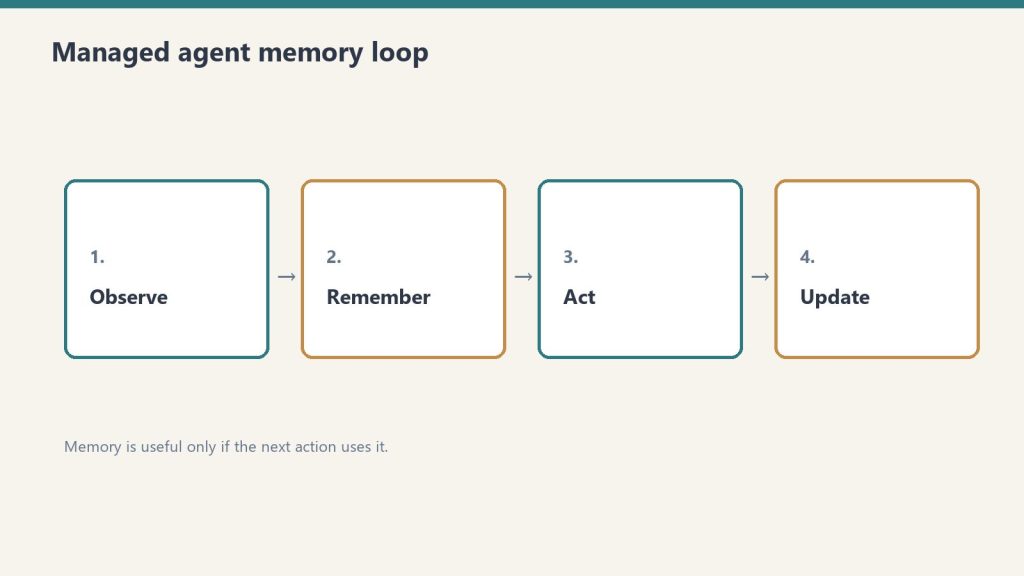
By default, Claude Tag is reactive: you @-mention it, it works, it replies. With ambient behavior enabled, it becomes proactive. Anthropic describes it as Claude keeping you updated about whatever it thinks you might need to know — flagging relevant information from across the channels it’s in and the tools it’s connected to, and following up on threads or tasks that have gone quiet.
In practice that means three things: it surfaces context you didn’t ask for, it connects information across more than one channel, and it chases loose ends nobody assigned it. Those are exactly the behaviors that make it feel like a teammate instead of a tool.
Where it’s a superpower
Inside a single team, ambient mode is close to magic. Every channel belongs to the same company, so “learning across channels” only ever connects your own dots. A proactive teammate that remembers the forgotten follow-up, links the spec to the standup, and flags the blocker before it bites is pure upside. This is the version Anthropic runs internally, and it’s why they can say a large share of their product team’s code now comes from their own version of the tool.
If your Slack workspace is one company’s data and one team’s work, turn ambient mode on and enjoy it.
Where it’s a risk
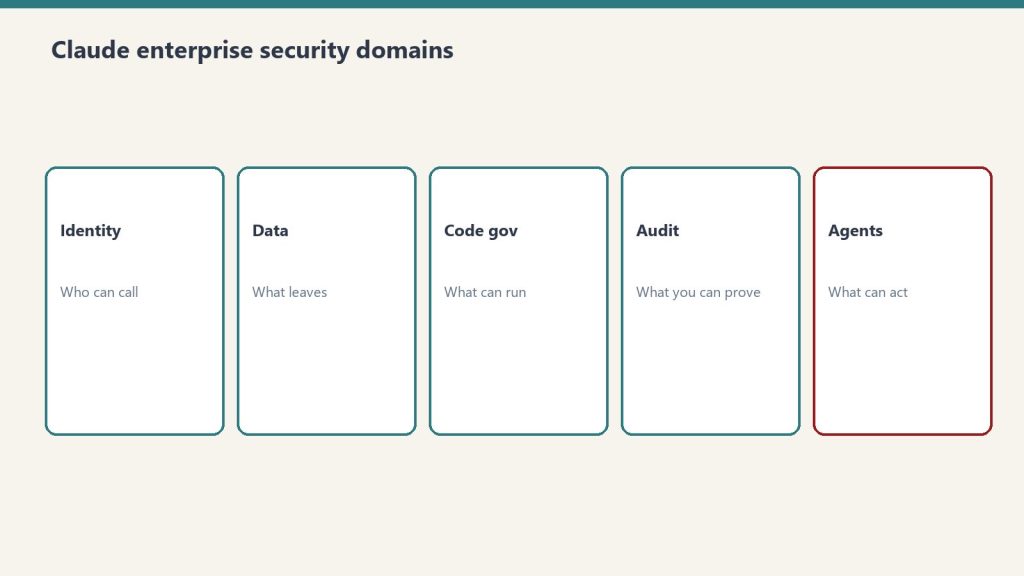
Ambient mode’s proactive, cross-channel nature is exactly what makes it dangerous in two situations:
- Multiple clients in one operation. The moment a proactive teammate is “surfacing relevant information from across channels,” relevance becomes the judge of what crosses the line between Client A and Client B. That’s a context-bleed risk we’ve lived — the whole subject of The Multi-Client Isolation Trap.
- Regulated or sensitive data. Anywhere an unprompted message pulling context from elsewhere could expose something it shouldn’t — health, financial, legal, HR — proactive surfacing is a liability, not a convenience.
A simple decision framework

Don’t decide ambient mode globally. Decide it per surface, with one question: is everything this Claude can see owned by the same trust boundary?
| Surface | Ambient mode | Why |
|---|---|---|
| Internal team channels (one company) | ON | Cross-channel proactivity only connects your own data |
| Client-facing / multi-tenant channels | OFF | Proactive surfacing is where one client’s context leaks into another’s |
| Regulated / sensitive-data channels | OFF | Unprompted context-pulling is a compliance liability |
The rule of thumb: ambient mode should be on where the data is all yours, and off everywhere a human should still be pulling, not the AI pushing.
If you do turn it on
Enable it deliberately, not by default. Map which channels hold which trust boundary before you flip the switch, keep client and regulated channels out of cross-channel learning, and audit what the assistant can actually see. That sequencing — boundaries first, then ambient — is exactly how we walk through it in How to Set Up Claude Tag in Slack.
The bottom line
Ambient mode isn’t good or bad — it’s powerful, and power needs a boundary. For internal teams, it’s the best part of Claude Tag. For client work, it’s the part to leave off until isolation is airtight. For the full picture, start at the pillar: Claude Tag: A Builder’s Guide for Agencies.
Leave a Reply