
Last refreshed: May 15, 2026
Anthropic’s Cowork feature — the desktop automation tool aimed squarely at non-developers — moved out of research preview on April 29, 2026, and is now generally available on both macOS and Windows. It ships with a feature set that represents a meaningful step forward for anyone who has been running scheduled tasks, file workflows, and multi-step automations through Claude without writing a line of code.
What’s New in the GA Release
The GA release lands on Pro, Max, Team, and Enterprise plans. The headline additions are expanded analytics, OpenTelemetry support for enterprise observability, and role-based access controls — the last of these being the signal that Cowork is now ready for team deployments, not just individual power users.
Persistent agent threads are now live across both mobile (iOS and Android) and desktop, which means you can start a Cowork task on your laptop and monitor or manage it from your phone. The new Customize section consolidates skills, plugins, and connectors into a single panel, replacing what was previously a scattered setup experience across multiple menus.
Recurring and on-demand task scheduling is also included, enabling the kind of “set it and check it” automation workflows that Cowork was always promising but only partially delivering during the preview period.
Why This Matters for Non-Developers
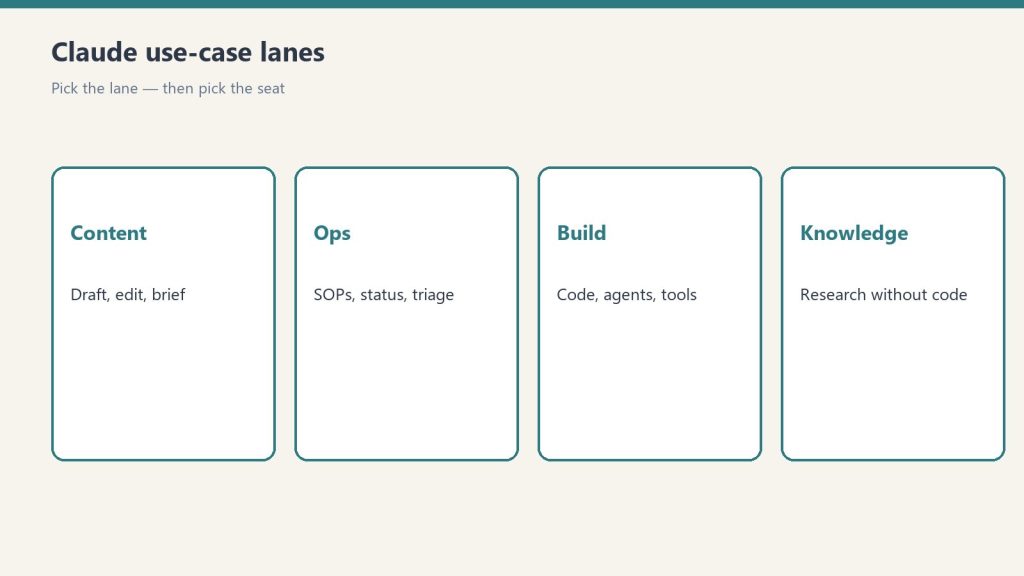
Cowork’s core bet has always been that the most valuable use cases for AI automation don’t belong to engineers — they belong to operators, marketers, content teams, and business owners who know exactly what they want done but have no interest in writing Python scripts or JSON configs to get there. The GA release validates that bet with a production-grade infrastructure story: OpenTelemetry means IT and enterprise security teams can audit what the agents are doing; role-based access controls mean managers can delegate without handing over full system access.
For the non-developer using Cowork day-to-day, the practical change is reliability. Research previews carry an implicit asterisk — “this works, mostly, until it doesn’t.” GA means the feature is supported, documented, and subject to real SLAs. Scheduled tasks that have been running through the preview period should now be more stable, and new automations can be built with the expectation that they’ll still work next month.
The Enterprise Observability Story
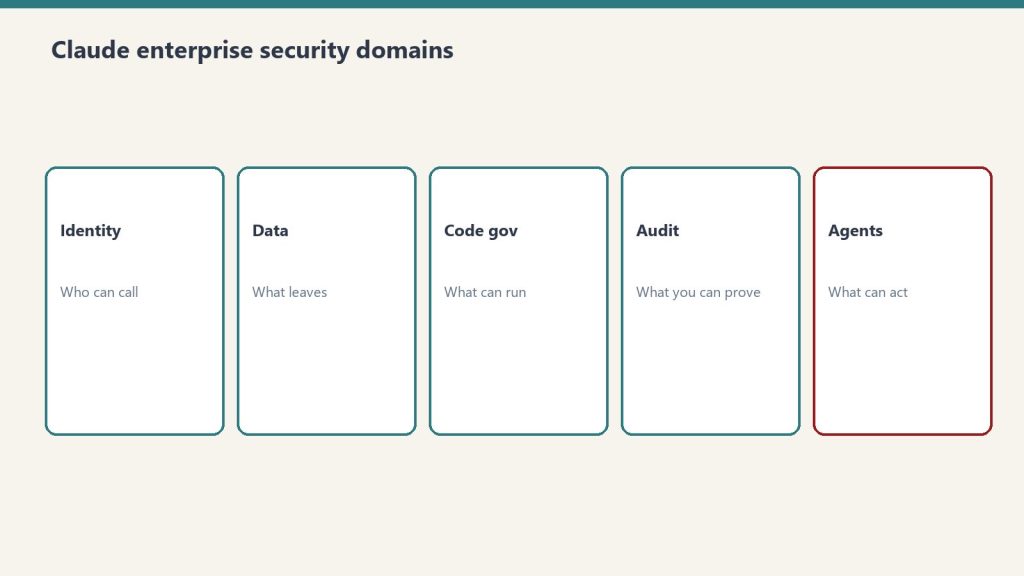
The addition of Cowork data into the Analytics API and OpenTelemetry support is worth noting separately. This is the detail that unlocks enterprise adoption at scale. Procurement and security teams at larger organizations have consistently asked for auditability before green-lighting AI automation tools. Cowork now has an answer: every agent action can be traced, logged, and routed into whatever observability stack the enterprise already runs.
For Team and Enterprise plan subscribers, this should accelerate internal approval processes for Cowork deployments that may have stalled during the preview period.
What Stays the Same
The fundamental Cowork model — Claude running autonomous tasks on behalf of the user, triggered by schedule or on-demand, guided by skills and connectors — is unchanged. If you’ve been running workflows in the preview, the transition to GA should be seamless. The Customize section reorganizes the setup experience but doesn’t require rebuilding existing configurations.
Plans and pricing remain unchanged from the research preview tier placement — Cowork is included in Pro, Max, Team, and Enterprise, with no new add-on cost announced alongside the GA release.
The Bottom Line
Cowork GA is the milestone that turns a promising experiment into a product you can build operational workflows around. The combination of persistent threads, role-based access, and OpenTelemetry support brings Cowork into alignment with what enterprise buyers require from any automation tool they’re willing to run at scale. For individual users, the reliability improvement and the cleaner Customize panel are the day-one wins. For teams, the observability story is the green light many have been waiting for.
Source: Anthropic Cowork Release Notes
Related on Tygart Media: Claude Cowork · Cowork Routines.
Leave a Reply