Related on Tygart Media: Notion AI for sales · agency owners · client portals.
The 60-second version
CS work is constrained by CSM bandwidth. The bandwidth gets eaten by documentation: QBRs, account plans, health score updates, internal reporting. Custom Agents take that documentation work over so CSMs can spend their time on customer calls. The result is CS teams that cover more accounts at the same headcount or go deeper on the same accounts. Either way, the math improves.
Four CS-specific agent patterns

1. The QBR draft agent. Triggered before QBR season. For each account: pulls usage data (via integration), product adoption metrics, support ticket trends, key milestones, prior QBR action items. Drafts the QBR deck content in the team’s template. CSM customizes for the specific customer instead of building from scratch.
2. The health score maintenance agent. Daily or weekly. Reads usage data, support patterns, engagement signals, NPS responses. Updates each account’s health score in the customer database. Surfaces accounts that dropped a tier in the last week.
3. The account plan agent. Monthly per account. Reviews account activity, identifies expansion opportunities, surfaces stalled adoption areas, drafts the updated account plan with specific next-quarter goals.
4. The renewal risk agent. Continuous. Scans accounts approaching renewal. Cross-references health score, recent engagement, support ticket sentiment, and upcoming contract dates. Flags 60-90 days before renewal so CSM has runway to address issues.
What stays CSM
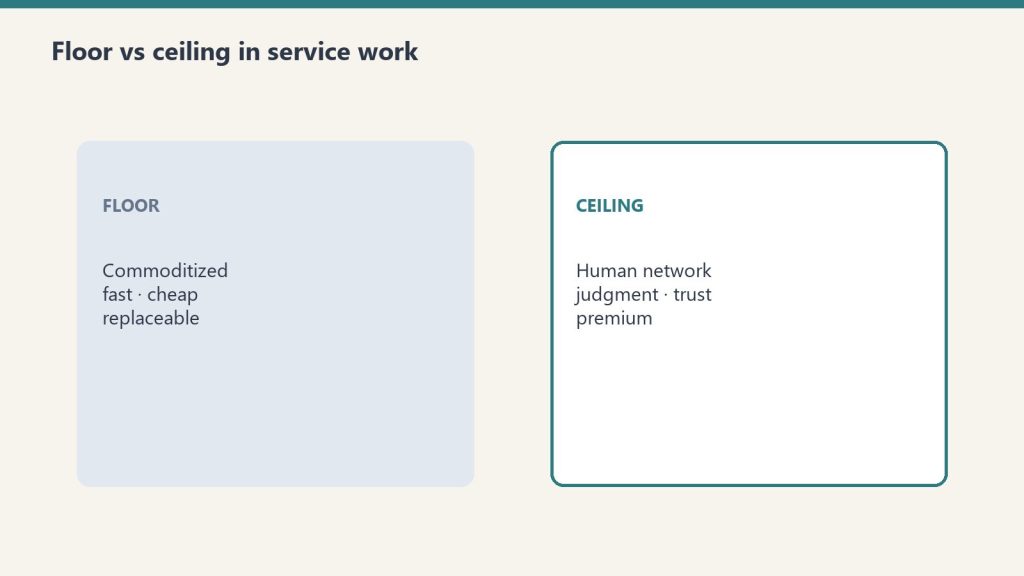
- Customer conversations
- Expansion negotiations
- Crisis response when accounts are unhappy
- The judgment about which accounts deserve which level of investment
- Reading the customer relationship temperature
The agent surfaces signals; the CSM interprets them.
The leverage math
A typical CSM covers 25-40 accounts. Documentation work consumes 30-40% of their week. Custom Agents take that to 10-15%. The CSM either covers more accounts (50-60) or goes deeper on the same accounts (more strategic, more frequent touch).
The strategic question: which path matches your business? Higher coverage favors expansion-led businesses. Deeper accounts favor retention-led businesses. Don’t let agents accidentally pick the path for you by default.
Where CS teams go wrong
1. Letting agents update health scores autonomously into a “you’re red” customer-facing alert. Health scores have political weight inside the customer’s organization. Auto-flagging customers as red without human review can damage the relationship.
2. Skipping the QBR review. The agent draft is starting material. The customization for that specific customer is what makes the QBR land. Don’t ship the agent draft as-is.
3. Trusting renewal risk flags without context. A customer can look “at risk” by the data while being fine in the relationship. CSM context wins. Don’t escalate based on the agent flag alone.
Leave a Reply