How IICRC Certification Signals Rank Your Restoration Company Higher (And Get You Cited by AI)
Why Certification Names in Content Matter More Than Logos
Most restoration company websites display IICRC logos — in the footer, on the About page, on the homepage trust bar. This helps with human visitor credibility but contributes almost nothing to search or AI visibility. Logos are images. Google’s text-based quality evaluators and AI retrieval systems read the text content of pages, not the images on them.
The SEO and AI citation value of IICRC certification comes from naming the credentials, standards, and certifying body in the text content of your articles and service pages. Specifically:
- IICRC S500 — Standard for Professional Water Damage Restoration
- IICRC S520 — Standard for Professional Mold Remediation
- IICRC S770 — Standard for Professional Water Damage Restoration of Sewage Impacted Structures
- ASD — Applied Structural Drying technician designation
- WRT — Water Damage Restoration Technician certification
- AMRT — Applied Microbial Remediation Technician
- RIA — Restoration Industry Association (co-publisher of IICRC standards)
Implementing IICRC Entities in Three Content Types
Water Damage Articles
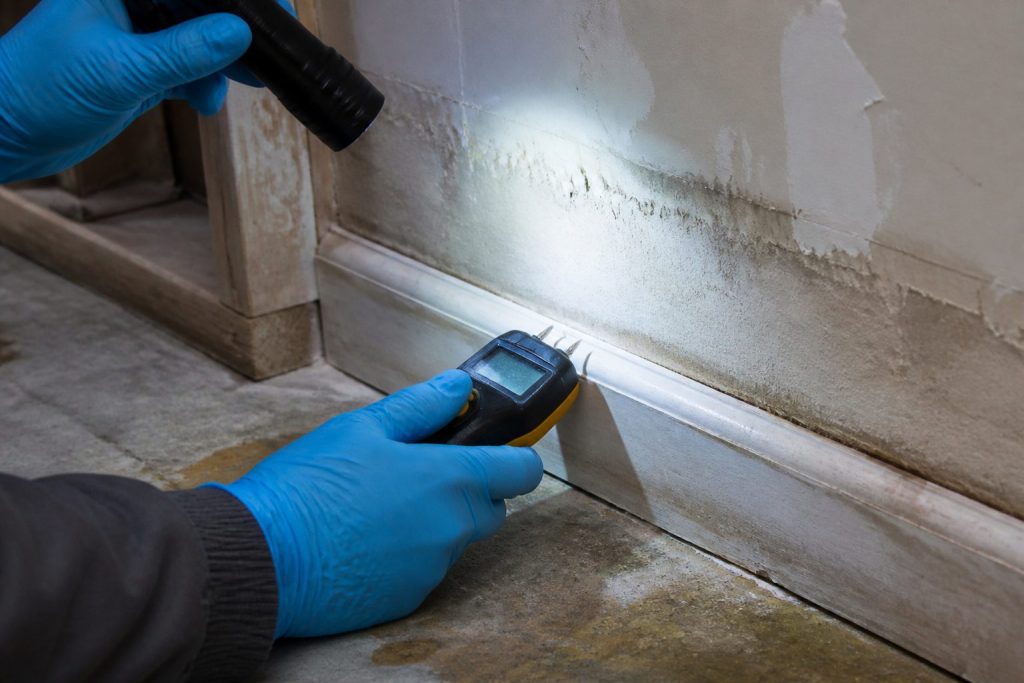
Every water damage article should reference the IICRC S500 standard and explain that professional water damage restoration follows its protocols — including moisture mapping, equipment placement based on psychrometric calculations, and documentation of drying progress. An article that explains Category 1 (clean water), Category 2 (grey water), and Category 3 (black water) contamination levels using IICRC S500 terminology signals expertise that generic homeowner advice does not.
Mold Remediation Articles
Mold content should reference the IICRC S520 standard, AMRT technician certification, and EPA mold remediation guidelines as named entities. The distinction between mold remediation (reducing mold to a normal fungal ecology per S520) and mold removal (a marketing term without a defined standard) is the kind of specific, standard-referenced distinction that earns Google quality evaluator trust for YMYL property damage content.
Insurance Claim Content
Insurance-related restoration content should reference IICRC standards as the basis for scope of work documentation — specifically that IICRC S500-compliant documentation (moisture readings, equipment logs, drying reports) is what adjusters require to approve claims. This entity connection between IICRC standards and insurance claim approval is highly specific and AI-citation-worthy because it answers a high-intent homeowner question with verifiable, standard-referenced information.
Related on Tygart Media: restoration blog SEO · S500 in the van · local SEO.
Frequently Asked Questions

What IICRC standards should restoration content reference?
The most SEO-valuable IICRC standard references for restoration content are: S500 (Professional Water Damage Restoration — the foundational water damage standard), S520 (Professional Mold Remediation), S770 (Water Damage Restoration of Sewage Impacted Structures), and IICRC technician designations including WRT (Water Damage Restoration Technician), ASD (Applied Structural Drying), and AMRT (Applied Microbial Remediation Technician). Referencing specific standards by number and full name — not just “IICRC standards” generically — creates the named entity anchors that signal genuine expertise.
Is RIA membership also an SEO entity signal?
Yes. The Restoration Industry Association (RIA) co-publishes IICRC standards and is the primary trade association for the restoration industry. Referencing RIA membership, RIA industry statistics, or RIA educational programs in restoration content adds a second named industry entity alongside IICRC — which strengthens the entity cluster signaling genuine restoration industry standing. For content about insurance claims, referencing RIA’s advocacy work with insurance industry on claim documentation standards is specifically relevant and AI-citation-worthy.
Do IICRC entity references help with both Google rankings and AI citation?
Yes, through the same mechanism. Google’s quality evaluators assess restoration content for expertise signals — specific named standards and certifications are the clearest indicators that content reflects genuine professional knowledge. AI systems like ChatGPT and Perplexity use similar evaluation criteria when deciding which restoration content to cite in answers. Named IICRC standard references make content machine-verifiable — the AI can cross-reference the entity against known certification data — which increases citation probability for both Google AI Overviews and standalone AI assistants.
Leave a Reply