How Attorneys Get Cited by ChatGPT, Perplexity and Google AI Overviews
How AI Systems Decide Which Legal Content to Cite
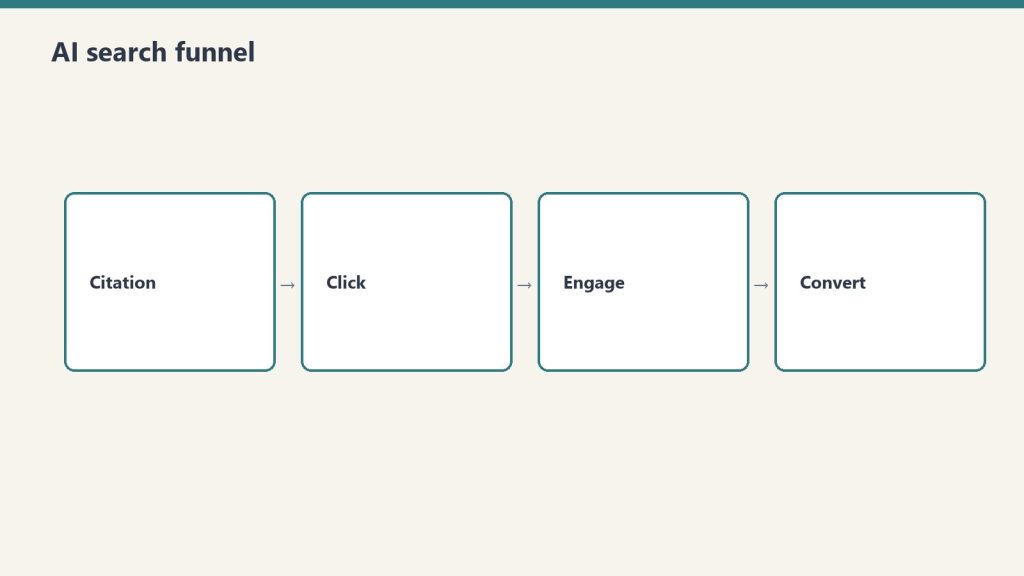
ChatGPT, Perplexity, and Google AI Overviews all use retrieval-augmented generation (RAG) — they search the web, retrieve candidate pages, and then evaluate those pages before synthesizing an answer. The evaluation is not purely about ranking. It includes an assessment of whether the content’s claims are verifiable, whether named legal entities are present, whether the content is structured for direct-answer extraction, and whether the source demonstrates domain expertise.
Law firm content that earns AI citations has four specific properties: it ranks in the top 20 organic results (the prerequisite), it contains named legal entities (statutes, case law, bar association rules), it has direct-answer formatting (a clear 40–60 word answer near the top of each section), and it has FAQPage schema that makes those answers machine-parseable.
The Named Entity Requirement: Why Generic Legal Content Gets Ignored by AI

AI systems evaluate legal content partly by checking whether named entities match verified legal knowledge. An article about personal injury law that references “Texas Civil Practice and Remedies Code § 16.003” for the statute of limitations, cites “the ABA Model Rules of Professional Conduct Rule 1.4 on attorney-client communication,” and discusses “modified comparative fault versus contributory negligence” as named doctrines — this content has an entity fingerprint that signals genuine legal expertise.
An article that says “you have a limited time to file your claim” with no statute reference has no verifiable entity anchor. An AI system synthesizing an answer about personal injury timelines in Texas will cite the content it can verify — not the content that sounds authoritative without being specific.
The Speakable Block: Structuring Content for AI Direct-Answer Extraction

Speakable blocks are sections of content structured specifically as direct, self-contained answers. The format is: a clear question as the section heading, a 2–3 sentence direct answer in the first 50 words of the section, followed by supporting detail. AI systems are trained to extract this pattern when synthesizing answers — it is the content structure that most reliably produces citations in AI overview responses.
For law firm content, the highest-citation speakable blocks target the questions prospects ask before they decide to hire a lawyer: “How does comparative negligence affect my case?”, “What damages can I recover in a personal injury claim?”, “What is the difference between mediation and arbitration?” — questions where a direct, authoritative, entity-specific answer would give an AI system something worth citing.
Related on Tygart Media: law firm blog SEO · citing sources · AI citation monitoring.
Frequently Asked Questions
Does ranking #1 on Google guarantee AI citation?
No. Ranking #1 is the access prerequisite — 97% of AI citations come from pages in the top 20 organic results, so you must rank to be considered. But among ranking pages, AI systems make a secondary selection based on content trustworthiness: named entity references, direct-answer formatting, source citations, and schema markup. A page at position 5 with strong entity density and FAQPage schema often earns more AI citations than the page at position 1 without those signals.
Which AI systems are most important for law firm content to target?
Google AI Overviews has the largest reach because it appears directly in Google search results for millions of legal queries. Perplexity is increasingly used for research-stage legal questions because it cites sources inline, which means cited attorneys gain visible brand exposure during the research process. ChatGPT’s search integration (introduced with ads in late 2025) is growing rapidly. All three use similar evaluation criteria — entity density, direct-answer structure, and FAQPage schema — so content optimized for one is largely optimized for all.
How quickly can law firm content start earning AI citations?
AI systems crawl and update their citation indexes more frequently than Google’s organic ranking index. Content with strong entity density, FAQPage schema, and speakable blocks can begin appearing in AI Overview and Perplexity citations within 2–6 weeks of optimization, even before organic rankings fully reflect the changes. The prerequisite is that the content is already indexed and ranking in the top 20 — brand new content that hasn’t built ranking authority yet will take longer to enter the AI citation pool.
Leave a Reply