Water damage restoration is one of the most critical services in property management and homeownership. Whether caused by burst pipes, flooding, roof leaks, or appliance failures, water damage can devastate residential and commercial properties within hours. This curated gallery of water damage photos documents every stage — from initial flooding to professional restoration — providing a visual reference for homeowners, insurance adjusters, property managers, and restoration professionals.
Water Damage Photo Gallery: From Disaster to Restoration
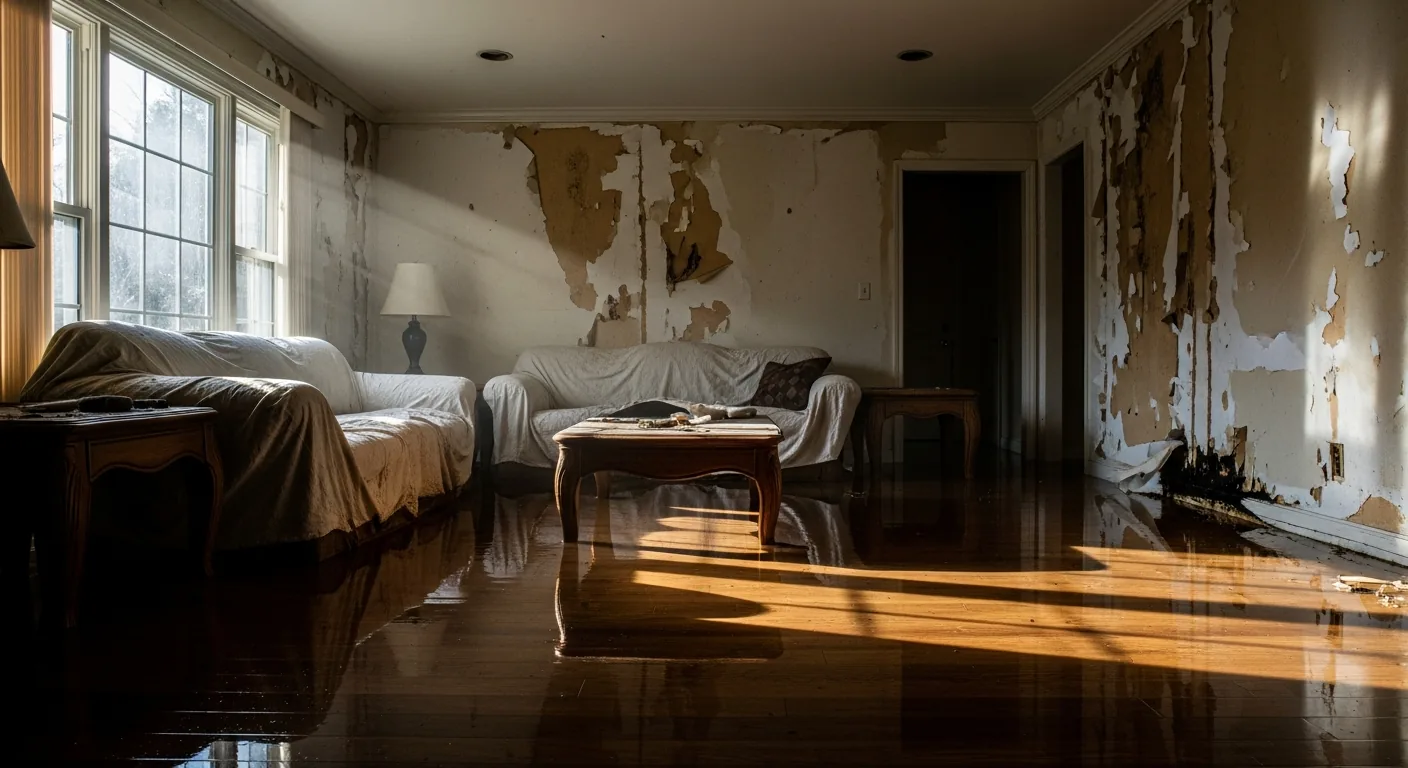
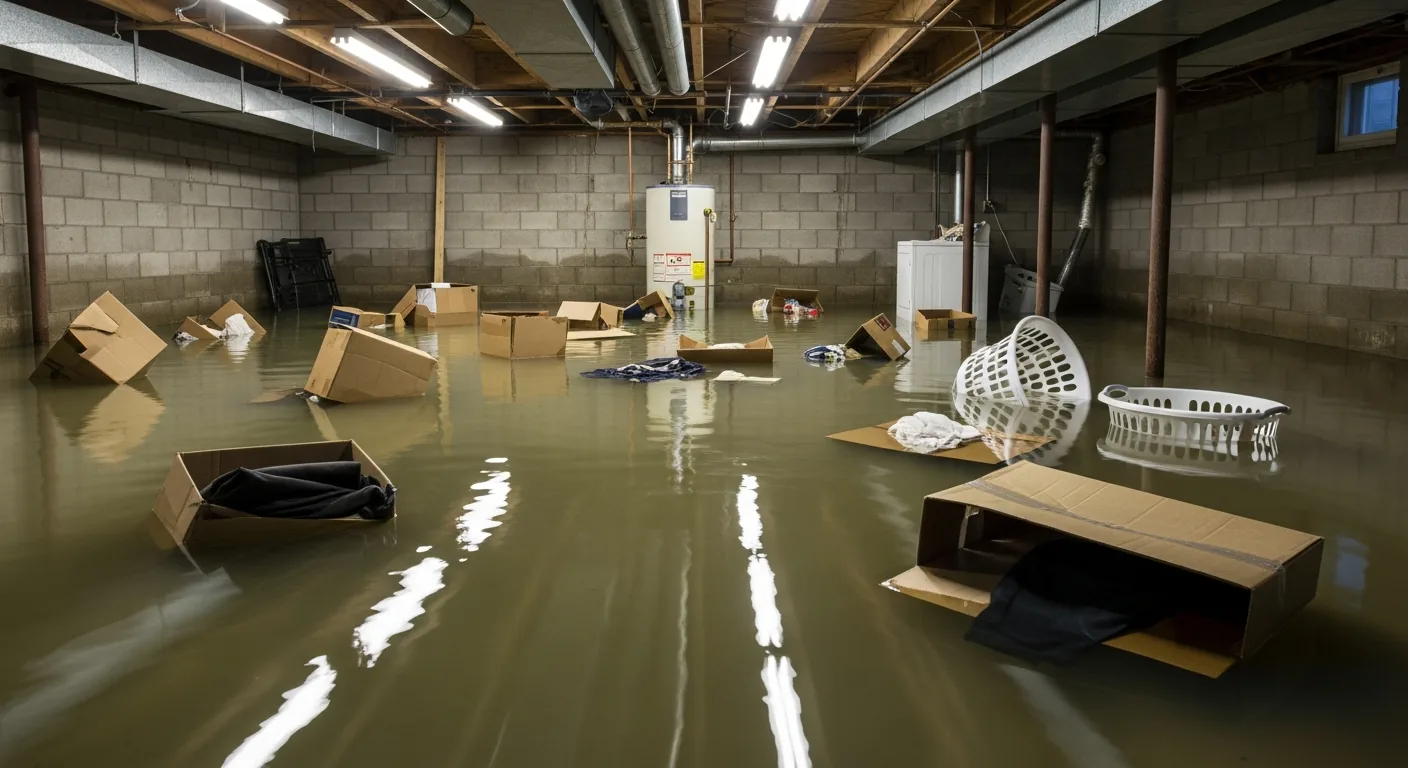
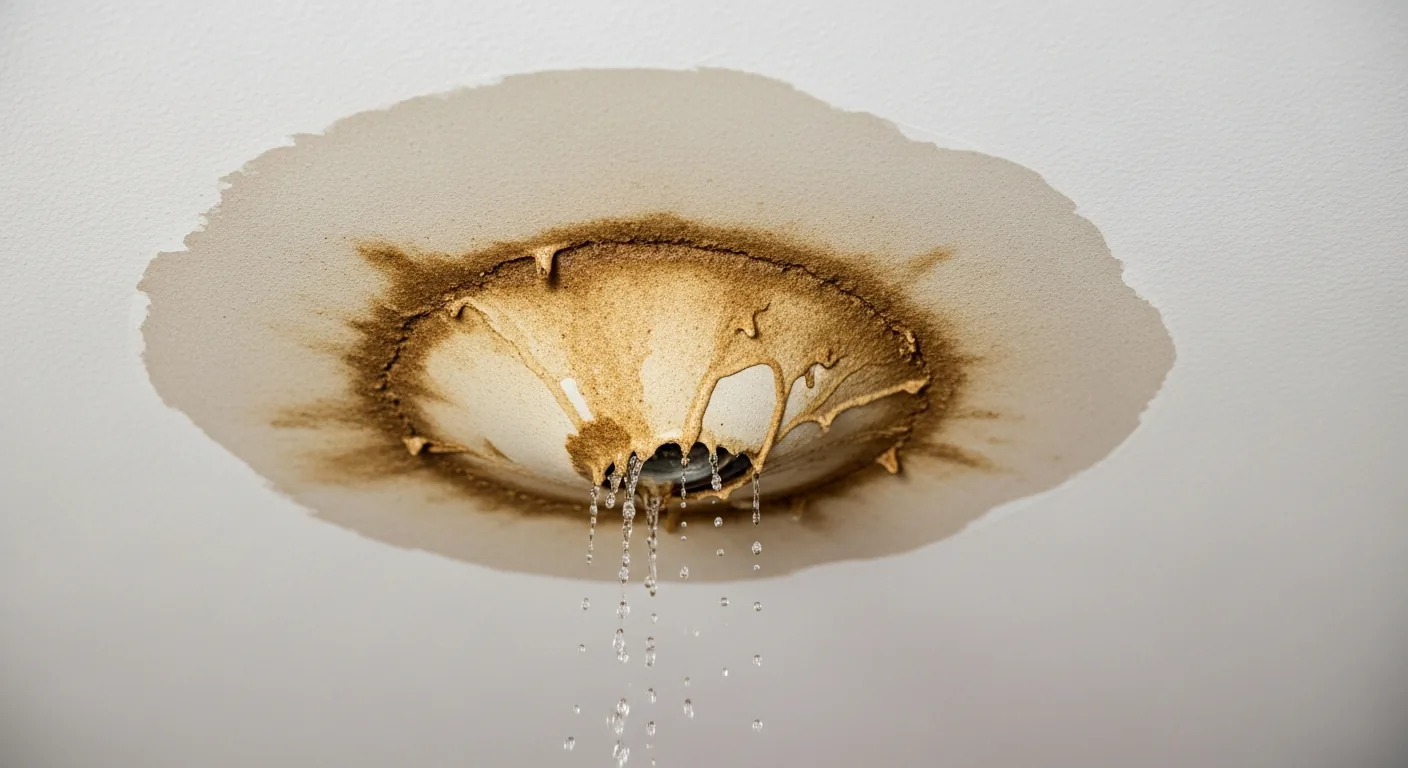
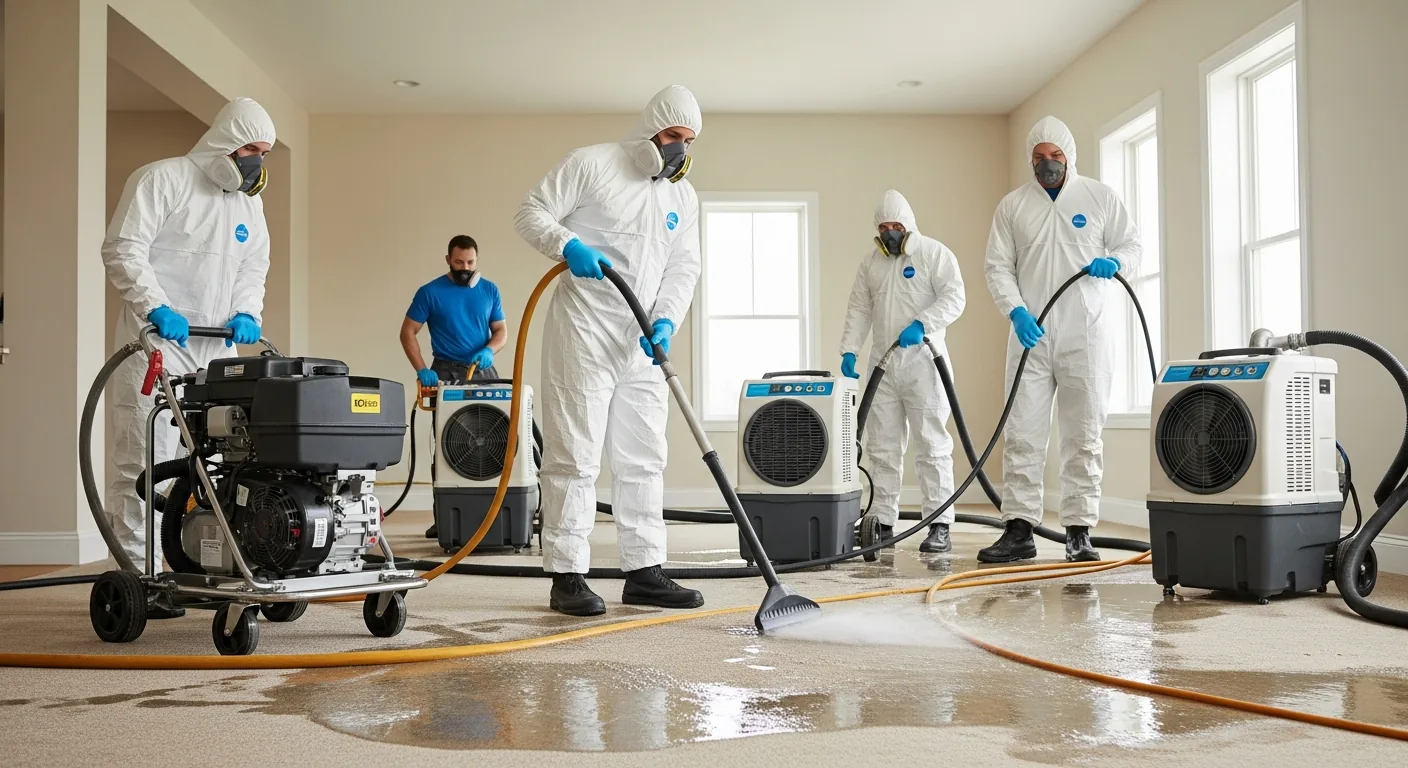
The following images illustrate the most common types of water damage encountered in residential and commercial properties, along with the professional restoration equipment and processes used to remediate them. Each image is optimized in WebP format for fast loading.

Understanding Water Damage Categories and Classes
The Institute of Inspection, Cleaning and Restoration Certification (IICRC) classifies water damage into three categories based on contamination level and four classes based on evaporation rate. Category 1 involves clean water from supply lines, Category 2 involves gray water with biological contaminants, and Category 3 involves black water from sewage or flooding. Understanding these distinctions is essential for proper remediation — the wrong approach can lead to persistent mold growth, structural compromise, and health hazards.
Common Causes of Water Damage Shown in This Gallery
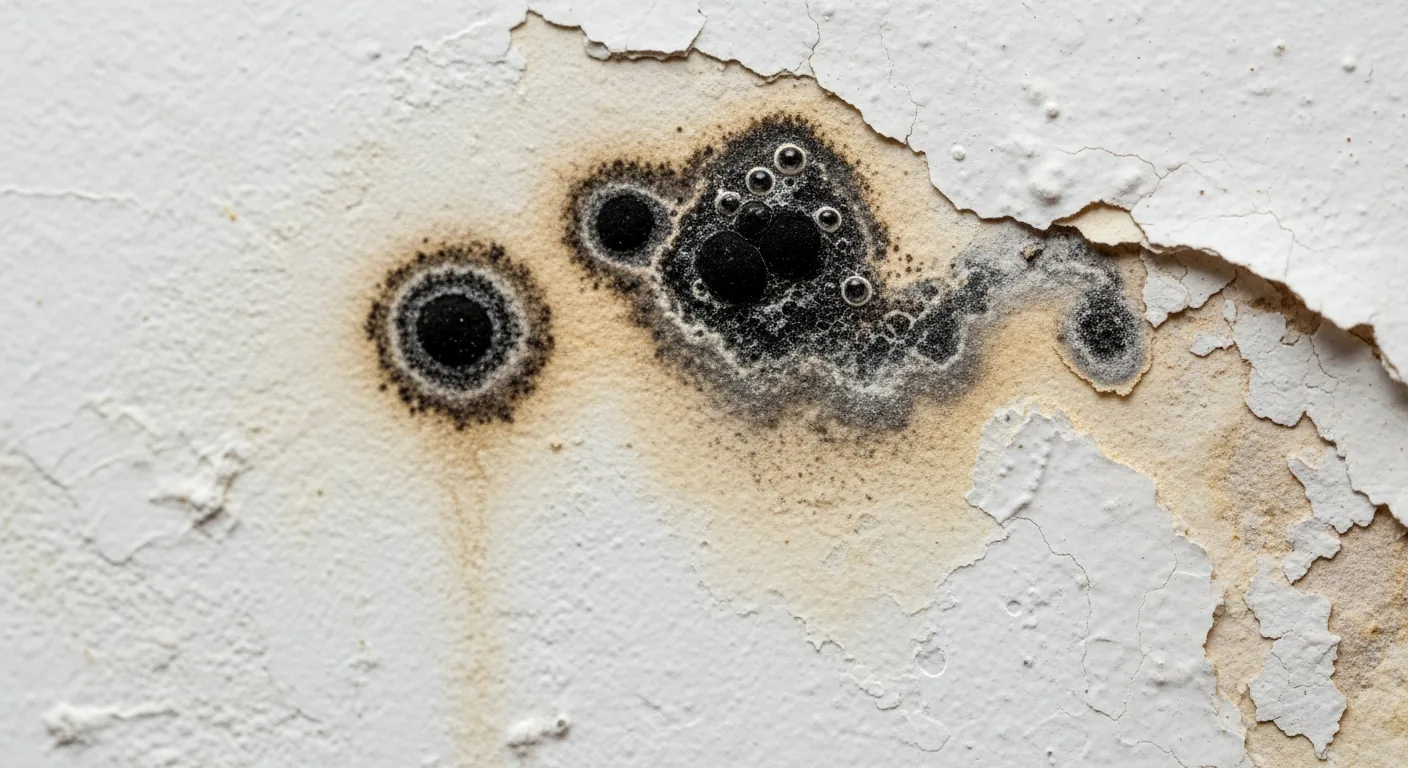
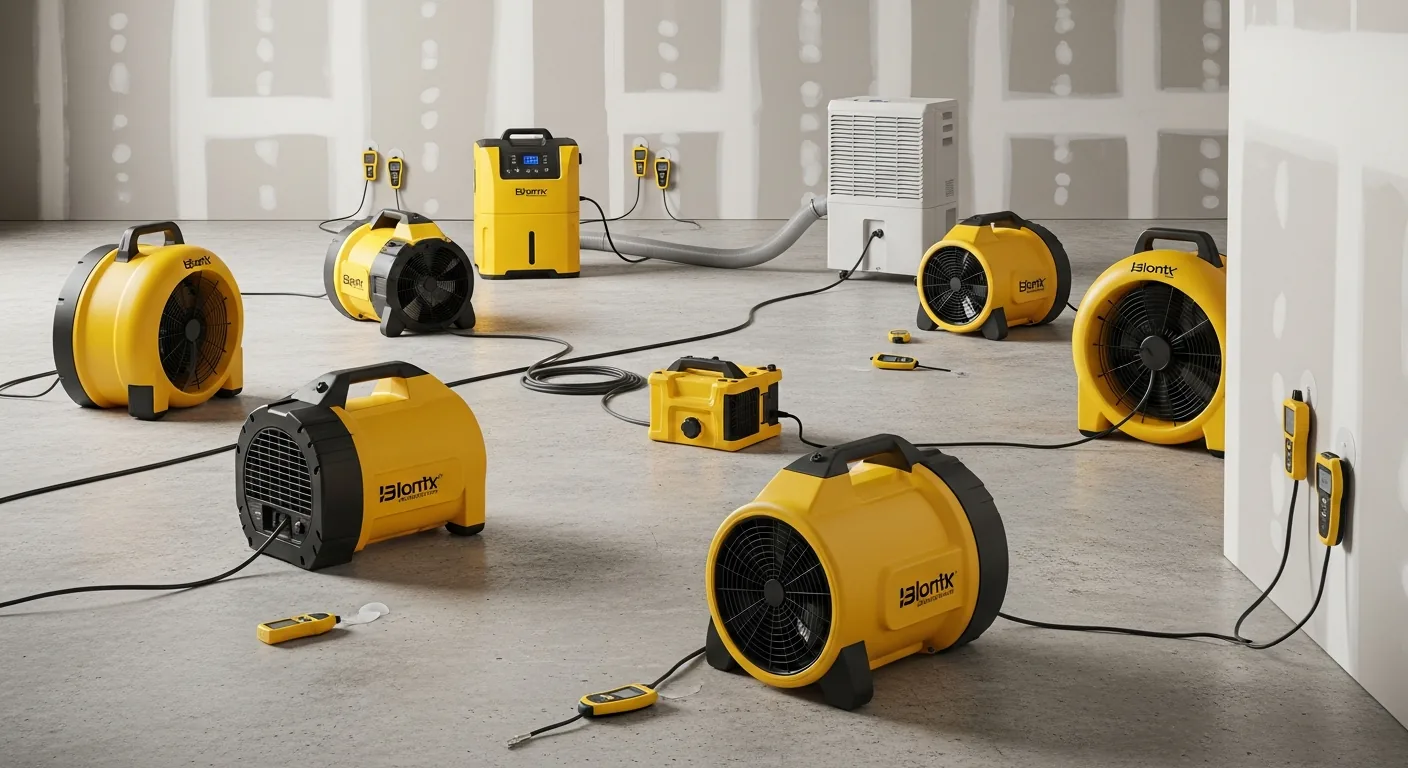
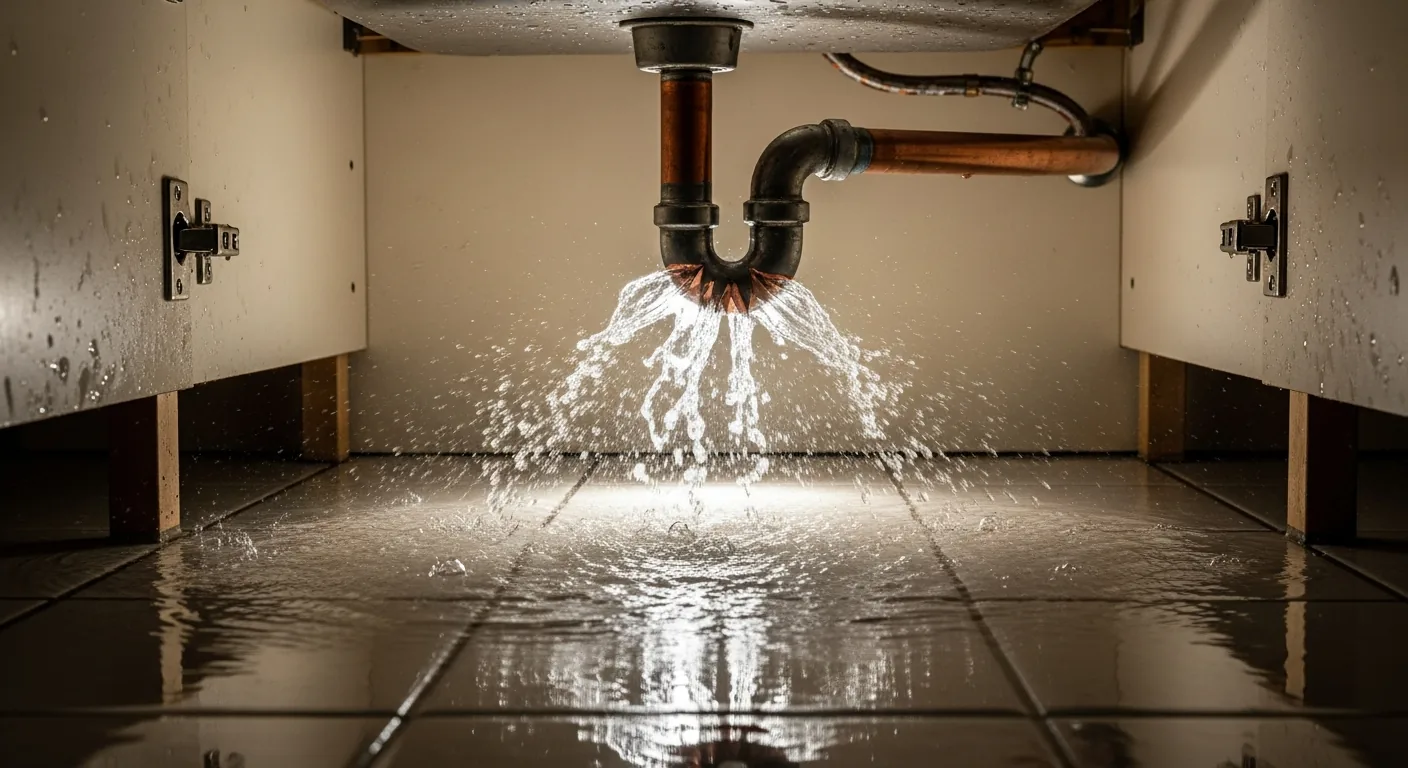
The images above document the most frequently encountered causes of indoor water damage: burst pipes (responsible for an estimated 250,000 insurance claims annually in the United States), basement flooding from groundwater intrusion or sump pump failure, ceiling leaks from roof damage or plumbing failures in upper floors, and mold growth resulting from unaddressed moisture. Professional restoration crews deploy industrial-grade equipment including commercial air movers, LGR dehumidifiers, and moisture monitoring systems to systematically dry affected structures to IICRC S500 standards.
The Water Damage Restoration Process
Professional water damage restoration follows a systematic protocol: emergency water extraction removes standing water using truck-mounted or portable extractors; structural drying deploys air movers and dehumidifiers in calculated patterns based on psychrometric principles; moisture monitoring tracks progress with pin-type and pinless meters until materials reach acceptable moisture content; and antimicrobial treatment prevents secondary damage from mold colonization. The entire process typically takes 3-5 days for residential properties and 5-10 days for commercial spaces, depending on the severity and class of water damage.
Frequently Asked Questions About Water Damage
How quickly does mold grow after water damage?
Mold can begin colonizing damp surfaces within 24 to 48 hours after water exposure. This is why the IICRC recommends beginning water extraction within the first hour of discovery and having professional drying equipment in place within 24 hours. Visible mold growth typically appears within 3-7 days on porous materials like drywall, carpet padding, and wood framing if moisture is not properly addressed.
Does homeowners insurance cover water damage restoration?
Most standard homeowners insurance policies cover sudden and accidental water damage — such as burst pipes, appliance malfunctions, and accidental overflow. However, damage from gradual leaks, lack of maintenance, or external flooding typically requires separate coverage. The average water damage insurance claim in the United States ranges from $7,000 to $12,000, though catastrophic events can exceed $50,000. Document all damage thoroughly with photographs before remediation begins.
What does water damage restoration cost?
Water damage restoration costs vary based on the category, class, and square footage affected. Category 1 clean water extraction in a single room typically ranges from $1,000 to $4,000. Full-home restoration involving Category 3 contamination, mold remediation, and structural repairs can range from $10,000 to $50,000+. Most restoration companies offer free inspections and work directly with insurance carriers to manage the claims process.
Can water-damaged hardwood floors be saved?
In many cases, hardwood floors can be salvaged if drying begins within 24-48 hours. Professional restoration technicians use specialized hardwood floor drying mats and bottom-up drying techniques that force warm, dry air through the floorboards. However, if cupping, buckling, or delamination has progressed significantly, replacement may be the only option. Engineered hardwood is generally more difficult to salvage than solid hardwood due to its layered construction.
Leave a Reply