Tag: Storytelling

  • Vibe Code (The New Code) — Original Recording

    Vibe Code (The New Code) — Original Recording

    Original Recording

    Vibe Code

    The New Code

    Will Tygart  ·  2026

    Cyberpunk Synthwave  ·  Heavy Bass  ·  Neon Grit

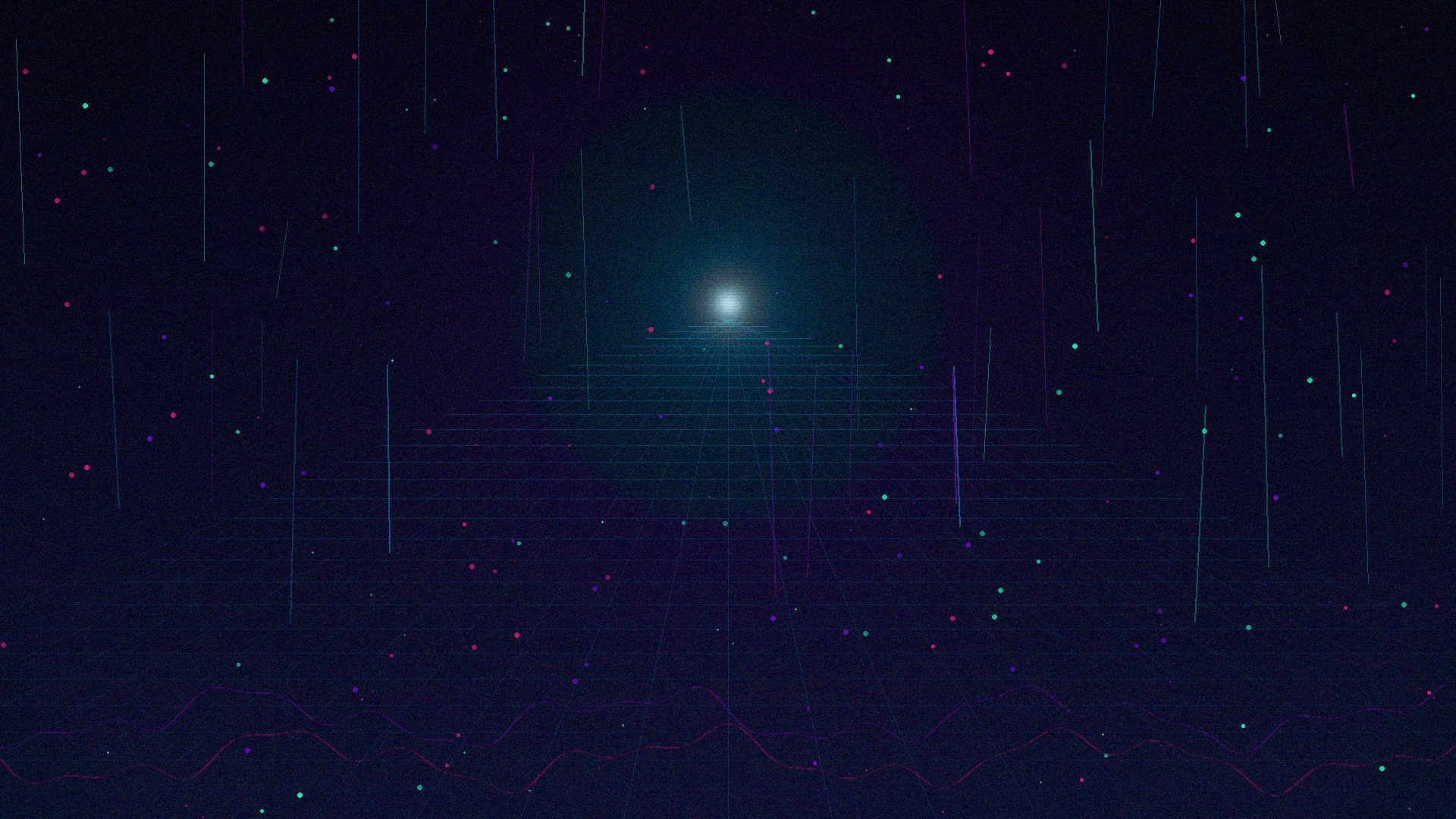
    Vibe Code — cyberpunk synthwave neon grid

    // listen

    VIBE_CODE_THE_NEW_CODE.mp3  ·  cyberpunk synthwave  ·  lossless

    // about

    Vibe coding isn’t a shortcut. It’s a different relationship with the machine — one where intent drives the build, where you feel the frequency before you write the function, where the manual is an obstacle and momentum is the method.

    Heavy pulsing bass. Neon grit. Gritty cyberpunk synthwave production with the distortion turned up and the polish left out. This is what building at speed actually sounds like — rough edges on the data, raw heat in the stream.

    The architects of the new code don’t debug. They iterate until the vibe is right.

    // lyrics

    old lines are dead on arrival
    drowning in the logic sea
    we don't read the manual
    we feel the frequency
    
    discard the rigid patterns
    scrap the ancient script
    the source is in the feeling
    the system has been flipped
    
    [Chorus]
    ditch the syntax trap
    let the intuition map
    everything we draft
    faster than the pulse
    everything we craft
    rising from the scrap
    we are ready now
    we are ready now
    higher higher higher louder
    (override) (vibe code) (build it up)
    
    neural paths are sparking
    the intent is the key
    forget the manual entry
    this is pure energy
    
    rough edges on the data
    raw heat in the stream
    every pulse aligned
    breaking the machine
    
    [Chorus]
    ditch the syntax trap
    let the intuition map
    everything we draft
    faster than the pulse
    everything we craft
    rising from the scrap
    we are ready now
    we are ready now
    higher higher higher louder
    (override) (vibe code) (build it up)
    
    we are the architects
    the new code
    intuition first
    (build it up) (sync)

    // filed_under: music  ·  the_studio

    tygart_media  ·  2026  ·  (override) (vibe code) (build it up)

  • Quiet as the Pine (Take 2) — Original Recording

    Quiet as the Pine (Take 2) — Original Recording

    Original Recording

    Quiet as the Pine

    Take 2

    Will Tygart  ·  2026

    Quiet as the Pine — pine silhouettes in red clay dusk

    Listen

    Quiet as the Pine (Take 2)  ·  Southern Soul / Cello  ·  65 BPM

    Behind the Song

    This one started somewhere outside of Will.

    The song began as a collaboration — a smoky, seasoned Southern female jazz vocal over a low resonant cello dragging behind the beat. Heavy as an iron gate. Fender Rhodes underneath, soft and warm. The kind of music that already knows something you haven’t said yet. It was written for everyone. A collective feeling. Stillness as weight. Red clay as memory. The pine as witness.

    Then something happened in the room.

    Will asked: what if the lyrics weren’t about everyone? What if they were about one child — an only child — learning to take up as little space as possible? Learning that quiet wasn’t just peaceful, it was protective. That small was safe. That if you counted the floorboards and held your breath like a penny and never hollered, you could disappear into the house and the house wouldn’t hurt you.

    Take 2 is that version. Same cello. Same voice. Same 65 BPM — slow enough to feel the weight of every measure. But the lyrics rewritten around a single specific truth: survival through smallness. The stillness not as peace, but as strategy. Learned not to holler. Don’t make a sound. Let the stillness rest on my shoulders like a heavy collar.

    That’s the arc of this recording session. It started as art made for the world and became something made to understand a specific child in a specific house on a specific red clay road. The artist needed to hear it said in music because music gets into places that words alone can’t reach.

    Both takes exist. Take 1 belongs to everyone. Take 2 belongs to that child.

    From the Session

    “That’s a powerful shift. Using that stillness as a tool for survival.”

    Two versions were built in the same session. The core instrumentation — cello, Rhodes, Southern jazz vocal — remained identical across both. What changed was the intention inside the lyric. Take 1 is universal dread and memory. Take 2 is one person’s specific survival mechanism, rendered in the same sonic language.

    The process of rewriting the song was itself part of the healing — naming something precisely enough that the music could hold it.

    Lyrics — Take 2

    [Intro]
    Low, resonant cello — dragging behind the beat
    Fender Rhodes, soft and warm underneath
    
    [Verse 1]
    Tread soft
    Hide in the corners (so small)
    Held my breath like a penny
    Tucked in the marrow
    Counting the floorboards
    Where the dust settles
    
    [Chorus]
    Silent as the pine
    Weight of an empty room (heavy weight)
    Swallowing the years down
    Still as the midnight
    Heavy as the red clay (So heavy now)
    
    [Verse 2]
    Lone chair... rocking
    Handprints on the porch
    My skin remembers
    Heat of a porch swing
    Cold of the floorboards
    All in this hush (Every piece of it)
    
    [Chorus]
    Silent as the pine
    Weight of an empty room (heavy weight)
    Swallowing the years down
    Still as the midnight
    Heavy as the red clay (Feeling it wash over)
    
    [Bridge / Vamp]
    Learned not to holler (Don't make a sound)
    Let the stillness
    Rest on my shoulders
    Like a heavy collar (Ooh... yeah)
    Deep in the roots (Deep in the house)
    
    [Outro]
    Grown... too soon (Seventy winters...)
    Step soft (Take your time, girl)
    Quiet... (So still)
    Red clay... (Coming home)
    Just a little more (One more)
    [Cello fades into a low, vibrating note]
    [Final Rhodes chord rings out]

    Instrumentation

    Cello — low, resonant, leading the melody in the bridge with the weight of something being carried. Fender Rhodes — soft warm chords underneath. Smoky, seasoned Southern female jazz vocal — unhurried, lived-in, 65 BPM. No ornamentation that isn’t earned.


    Filed under Music  ·  The Studio

    Independent release  ·  Tygart Media  ·  2026

  • Still in the Wood (Trip-Hop Take 1) — Original Recording

    Still in the Wood (Trip-Hop Take 1) — Original Recording

    Original Recording

    Still in the Wood

    Trip-Hop / Take 1

    Will Tygart  ·  2026

    Still in the Wood — dark forest grain, blood in the ground, a pale watching light

    Listen

    Still in the Wood (Trip-Hop Take 1)  ·  Lossless MP3

    Lyrics

    table is set / they are all here / heavy in the chairs
    blood in the grain / watching you breathe / (watching you) (always)
    say what you will / nothing moves now
    old iron mouth / iron in the dirt / holding us down / (holding us) (down)
    
    still in the wood (still in the wood)
    still in the wood (blood on the latch)
    still in the wood (names on the tongue)
    still in the wood (stay here)
    stay still in the heavy wood (still) (still)

    About This Track

    A trip-hop take on something that’s been sitting in the wood a long time. The table is set. Everyone is heavy in their chairs. Something has seeped into the grain that doesn’t wash out.

    Old iron. Old names. The kind of holding-down that doesn’t announce itself — it just keeps you still.

    Take 1.


    Filed under The Studio  ·  Independent release  ·  2026

  • Clawing Through (v2) — Original Recording

    Clawing Through (v2) — Original Recording

    Original Recording

    Clawing Through

    v2

    Will Tygart  ·  2026

    Clawing Through — abstract jagged shards and bruised violet field

    Listen

    Clawing Through (v2)  ·  Lossless MP3

    About This Track

    Female vocals delivered with desperate intensity — strained, unpolished, singing from somewhere deep and uncomfortable. Heavy distorted guitars with a jagged edge. Drums that drive hard but feel like they could collapse at any moment. Dark atmospheric texture underneath it all.

    No stadium-rock gloss. Just 145 BPM of something that sounds like it actually costs something to perform.

    This is v2.


    Filed under The Studio  ·  Independent release  ·  2026

  • Iron Heart (Rougher Vocals) — Original Recording

    Iron Heart (Rougher Vocals) — Original Recording

    Original Recording

    Iron Heart

    Rougher Vocals

    Will Tygart  ·  2026

    Iron Heart — abstract forge light and steel arc art

    Listen

    Iron Heart (Rougher Vocals)  ·  Lossless MP3

    About This Track

    Iron Heart is a raw, unpolished cut — vocals up front, rougher edges left in. There’s something honest in a song that hasn’t been overworked. This version captures the feeling before the studio layers it smooth.

    Sometimes the rougher version is the real one.


    Filed under The Studio  ·  Independent release  ·  2026

  • The Prompt Show: What Happens When the Audience Writes the Set

    The Prompt Show: What Happens When the Audience Writes the Set

    The Lab · Tygart Media
    Experiment Nº 267 · Methodology Notes
    METHODS · OBSERVATIONS · RESULTS

    The Prompt Show: What Happens When the Audience Writes the Set

    Stand-up comedy has always been a broadcast. One person walks on stage with a set they’ve rehearsed in the mirror, in the car, in smaller rooms, and they deliver it to a crowd that showed up to receive. The audience laughs or they don’t. The comedian adjusts. But the fundamental architecture hasn’t changed since vaudeville: one person talks, everyone else listens.

    I want to break that.

    A Format Without a Set List

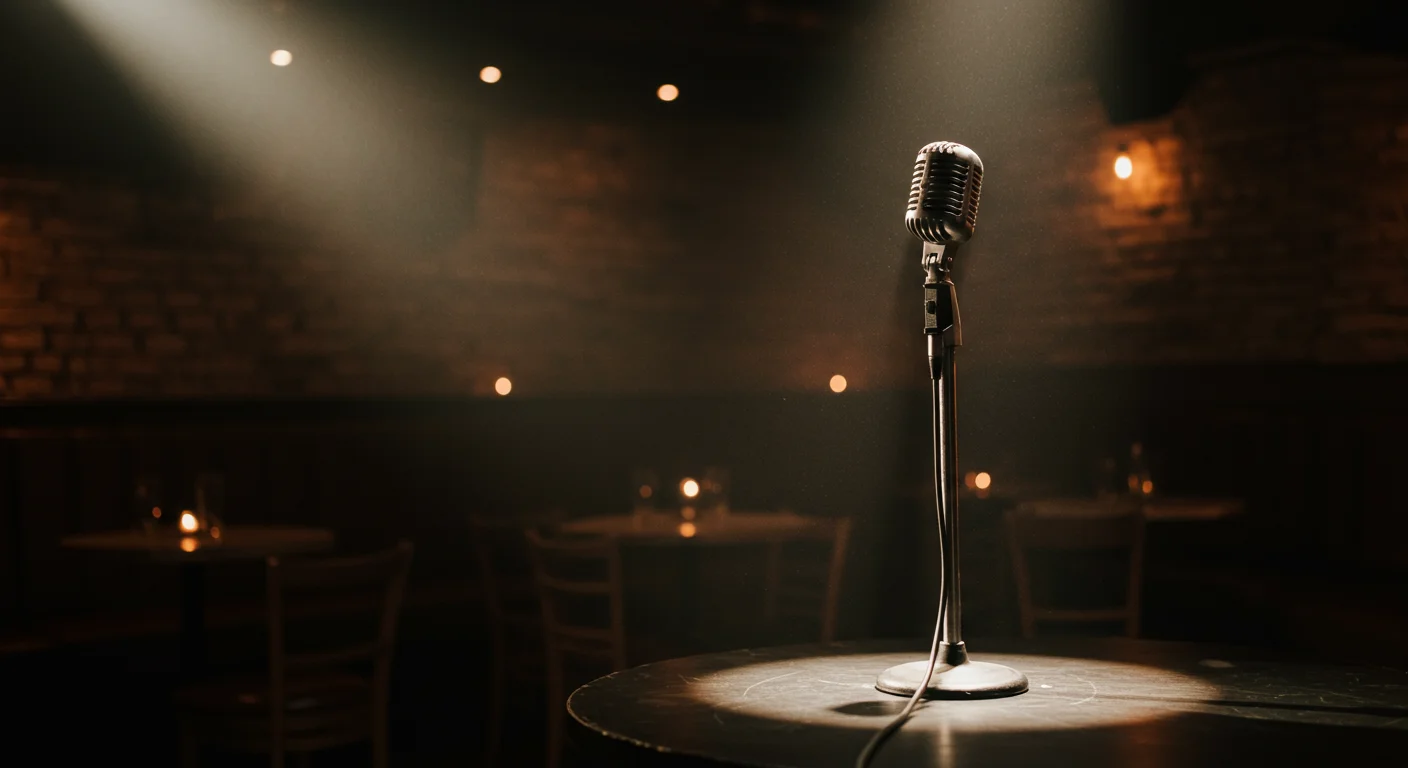
    Picture this. A comedian — or maybe we stop calling them that — signs up for a show. They have no material prepared. No bits. No callbacks. Nothing rehearsed. They walk out to a mic and a stool, and the only thing they bring is themselves.

    The audience brings everything else.

    Think Phil Donahue, not open mic night. The room is full of people who came with questions. Real questions. Some researched. Some spontaneous. Some designed to get a laugh, sure. But the best ones — the ones that make this format transcend — are the ones where somebody in the audience actually did their homework.

    Human Prompting

    Here’s where it gets interesting. Before the show, the audience gets access to information about the person behind the mic. Their hometown. Their college. Their favorite team. The job they had before comedy. The thing they lost. The thing they built. Whatever the performer is willing to put on the table.

    And the audience uses that information to craft questions.

    This is human prompting. The same principle that makes a great AI query — specificity, context, emotional intelligence, knowing what to ask and how to ask it — applied to a live human being standing under a spotlight. The audience becomes the prompt engineer. The performer becomes the model. And what comes back isn’t a rehearsed bit. It’s a story that has never been told on stage before, delivered raw, in real time, with the kind of energy you only get when someone is genuinely surprised by what they’re being asked.

    Three Modes, One Show

    The format has natural variation built in. You can run all three modes in a single evening, like acts in a play:

    Mode 1: Curated. Questions are submitted ahead of time and the best ones are selected by a producer or host. This gives the show a high floor — every question has been vetted for depth, creativity, or emotional potential. The performer still doesn’t know what’s coming, but the audience has been filtered for quality.

    Mode 2: Host-Selected. The host reads the room, sees hands go up, and picks. There’s a middle layer of curation happening in real time. The host becomes a DJ of human curiosity — reading energy, sequencing moments, knowing when to go deep and when to go light.

    Mode 3: Completely Random. Names drawn from a hat. Seat numbers called. No filter. This is the highest-risk, highest-reward mode. You might get someone who asks where the performer went to high school. You might get someone who asks about the worst night of their life. The unpredictability is the product.

    Why This Works Now

    We live in an era where everyone understands prompting, even if they don’t use that word. Every person who has typed a question into ChatGPT, refined a search query, or figured out how to ask Siri something useful has been training the muscle that this format requires. The audience already knows, instinctively, that the quality of the answer depends on the quality of the question.

    And we’re starving for unscripted humanity. Podcasts exploded because people wanted real conversation. Reality TV keeps mutating because people want to watch humans be human. But both of those formats have editing, production, post-processing. The Prompt Show has none of that. It’s one person, responding to a stranger’s curiosity, with nowhere to hide.

    The Performer Isn’t a Comedian Anymore

    This is the part that matters most. The person on stage doesn’t need to be funny. They need to be honest. They need to be present. They need to have lived a life worth asking about and be willing to talk about it without a script.

    Comedians are naturals for this because they already know how to hold a room. But this format is bigger than comedy. It’s a storyteller on a stool. It’s a retired firefighter. It’s a first-generation immigrant. It’s anyone whose life contains stories that only come out when the right question is asked by someone who cared enough to think about it.

    The magic isn’t in the answer. The magic is in the space between the question and the answer — that half-second where the performer realizes nobody has ever asked them that before, and they have to figure out, live, in front of a room full of strangers, what the truth actually is.

    What Makes a Good Prompter

    Not every question lands. The person who tries to stump the performer, who wants a gotcha moment, who treats this like a roast — they’ll get a laugh, maybe, but they won’t get a story. The audience will learn quickly that the best moments come from the person who spent fifteen minutes reading the performer’s bio and thought: I wonder what it was like to leave that town. I wonder if they ever went back.

    The best prompters are the ones who ask the question the performer didn’t know they needed to answer.

    This Is Live Poetry

    Call it what you want. A prompt show. A story pull. A human query. Whatever the name, the format is the same: give people a reason to be curious about another human being, give that human being a microphone and no script, and get out of the way.

    The best comedy has always been the truth told at the right speed. This format just lets the audience decide which truth, and when.