Tag: Mason County

  • Belfair Real Estate in 2026: What the Numbers Actually Say About Buying in North Mason

    Belfair Real Estate in 2026: What the Numbers Actually Say About Buying in North Mason

    Belfair’s real estate market in 2026 sits at a crossroads. Median home values have climbed to approximately $405,000 — higher than Mason County’s $352,000 median — while average listing prices for the 37 active properties hover around $502,000. For anyone looking to buy in North Mason, the gap between what you’ll see online and what you’ll actually pay reveals a market with more nuance than the headline numbers suggest.

    The Price Reality: What $400K-$500K Gets You in Belfair

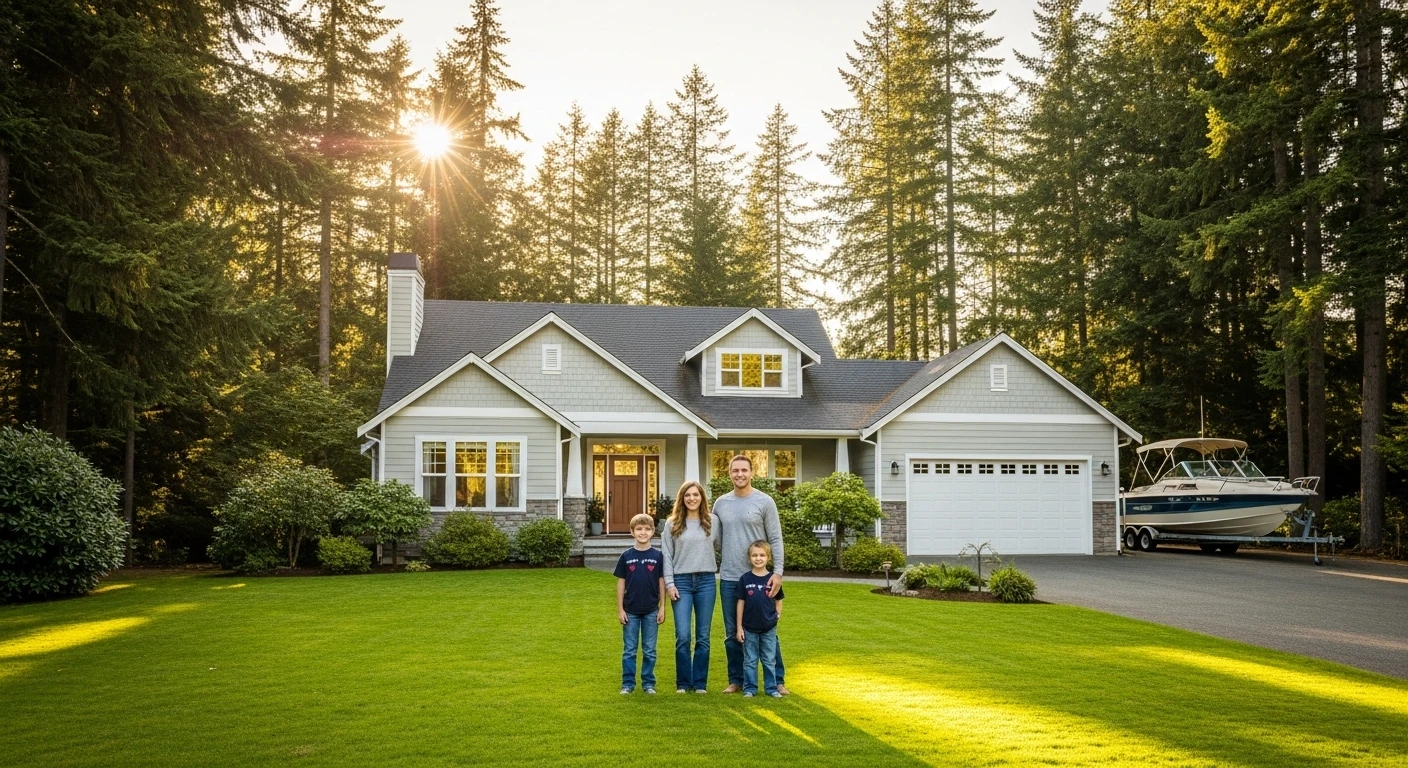
    A typical single-family home in the $400,000-$475,000 range sits on 0.5 to 1.5 acres, features 3 bedrooms, and was built between 1990 and 2010. You’re getting space that doesn’t exist at this price point in Kitsap County. But you’re also getting a well and septic system, propane or oil heat, and a 30-40 minute commute to Bremerton.

    The $300,000-$400,000 tier exists but it’s thin. These are typically older homes (1970s-1980s) on smaller lots, sometimes needing significant updates. They sell fast because they’re the entry point for first-time buyers and military families stretching BAH.

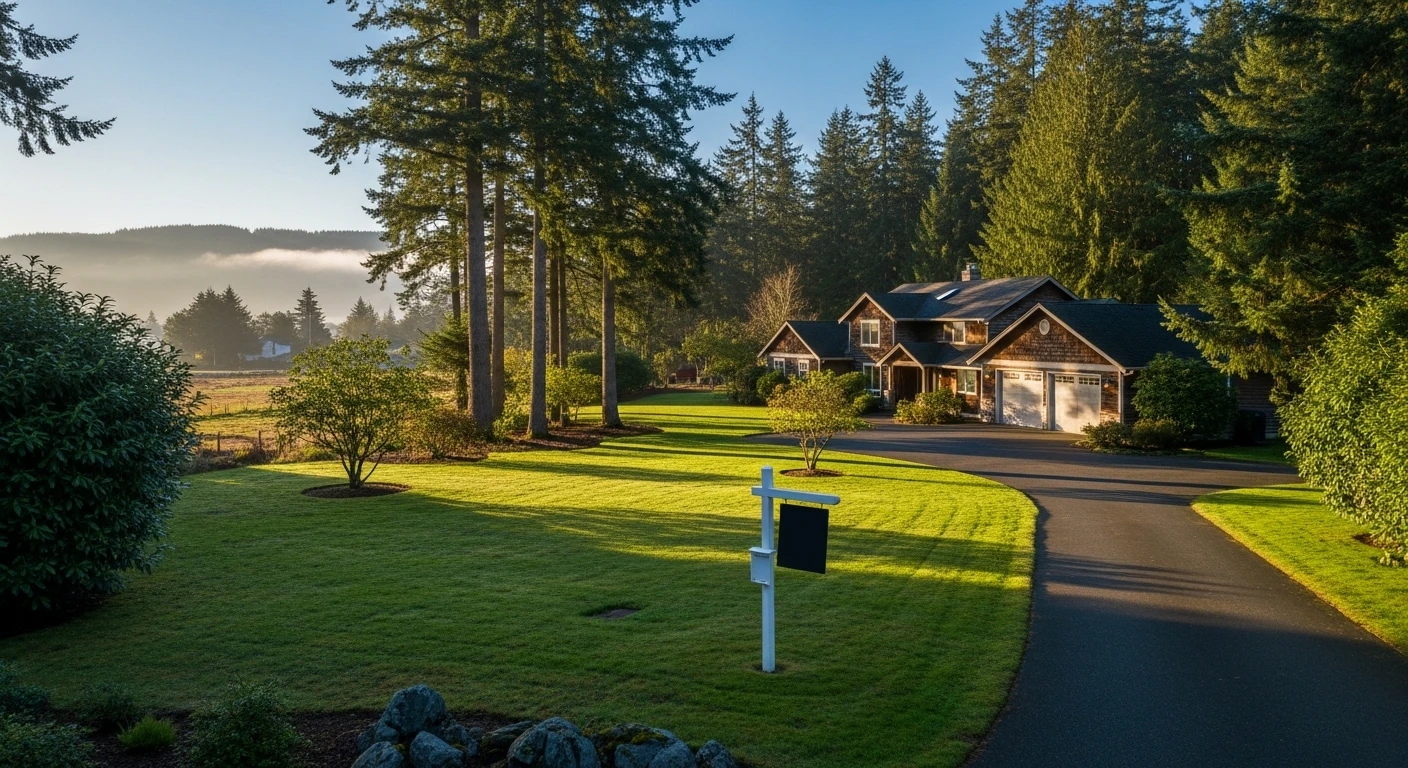
    The $500,000-$700,000 tier gets you newer construction, larger acreage (2-5 acres), or partial water views. This is where Hood Canal proximity starts appearing in listings without direct waterfront access.

    Hood Canal Waterfront: The Premium Tier

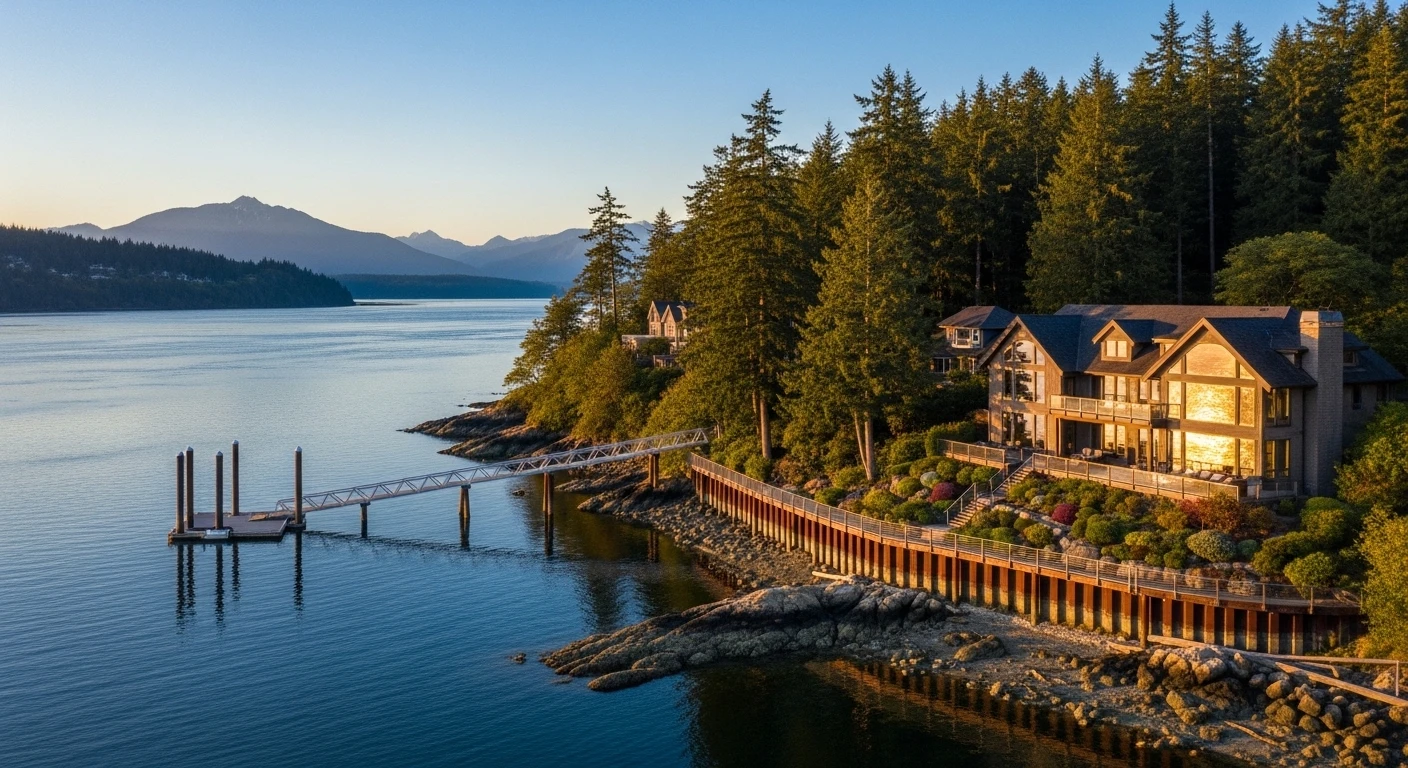
    Direct Hood Canal waterfront in the Belfair area commands $700,000 to $1.5 million+, with exceptional properties exceeding $2 million. These aren’t just homes — they’re lifestyle purchases. Views of the Olympic Mountains across the canal, private beach access, kayak launches from your yard.

    The hidden costs are real: waterfront septic systems near sensitive marine environments face stricter regulation. Flood insurance, shoreline setback requirements, and maintenance on bulkheads or natural shoreline add $3,000-$8,000 annually beyond your mortgage. Tidelands ownership — whether you own the beach below the high-water mark — varies by property and significantly affects what you can do with your waterfront.

    Neighborhood Breakdown: Where People Actually Live

    Central Belfair / SR-3 Corridor: The most convenient location for shopping, dining, and SR-3 access. Homes here tend to be on smaller lots (0.25-0.75 acres) and closer together. This is where you’ll find the most affordable options and the easiest daily errands. Walking distance to Safeway, the post office, and the Belfair Town Center development.

    North Shore / Hood Canal Side: Properties along NE North Shore Road and tributaries offer canal views or proximity. Quieter, more rural feel. Larger lots. You’ll trade convenience for scenery — the nearest grocery store is a 10-15 minute drive.

    Belfair-Allyn Road Corridor: Running southwest toward Allyn, this stretch offers larger parcels and newer subdivisions. Good for families wanting acreage and newer schools access. The commute to Bremerton adds 5-10 minutes versus central Belfair.

    Tahuya / Dewatto Direction: South and west of Belfair, these unincorporated areas offer the most land for the least money. Five-acre parcels under $400,000 exist here. But you’re 20+ minutes from Belfair’s services on winding rural roads with no cell service in places.

    Market Dynamics: Slow Inventory, Steady Demand

    Belfair’s market isn’t frenzied like suburban Seattle, but it’s not soft either. Most properly priced homes sell within 30-45 days. With only ~37 active listings at any given time, inventory turns slowly. You won’t have 50 options to tour — more like 8-12 that match your criteria.

    Demand drivers remain consistent: PSNS and Bangor civilian/military employees seeking affordable alternatives to Kitsap County, remote workers escaping Seattle metro prices, and retirees attracted to Hood Canal’s beauty and Mason County’s lower property taxes.

    The Infrastructure Factor

    Every real estate decision in Belfair connects to SR-3. The Belfair Bypass delay means the commercial corridor remains the only route north. If you’re buying based on the bypass improving traffic by 2028, recalibrate — current projections push it to 2033 at the earliest.

    Well and septic are standard outside central Belfair. Budget $5,000-$15,000 for a septic inspection and potential repair/replacement at closing. Wells should be tested for flow rate, bacteria, and nitrates — Mason County Health Department has specific requirements.

    Related Belfair Bugle Coverage

    See our original Belfair real estate overview, the complete guide to living in Belfair, and Tahuya & Dewatto rural living guide for neighborhood-specific details.

    Frequently Asked Questions

    What is the median home price in Belfair Washington in 2026?

    The median home value in Belfair is approximately $405,000 as of 2026, compared to Mason County’s overall median of $352,000. Average active listing prices run higher at around $502,000, reflecting the mix of waterfront and premium properties on the market.

    How does Belfair real estate compare to Silverdale or Bremerton?

    Belfair homes are significantly more affordable per square foot than Silverdale or Bremerton. A 3-bedroom home on an acre in Belfair at $425,000 would cost $550,000-$650,000+ in Silverdale. The tradeoff is a longer commute and well/septic instead of municipal water and sewer.

    Do I need flood insurance for a Hood Canal waterfront property in Belfair?

    Most Hood Canal waterfront properties in the Belfair area fall within FEMA flood zones requiring flood insurance. Premiums vary significantly — $1,500 to $5,000+ annually depending on elevation, structure type, and proximity to the waterline. Get a flood determination before making an offer.

    What are tidelands and do they matter when buying waterfront in Belfair?

    Tidelands are the area between the ordinary high-water mark and extreme low tide. In Washington State, tidelands ownership is separate from upland ownership. Some Belfair waterfront properties include deeded tidelands; others don’t. This affects shellfish harvesting rights, dock permits, and beach access. Always verify tidelands ownership during due diligence.

    Is Belfair a good investment for rental property?

    Belfair has steady rental demand from PSNS/Bangor workers and families who want North Mason’s affordability without buying immediately. Rental vacancy rates are low. However, well/septic maintenance responsibilities fall on the landlord, and Mason County’s rural infrastructure means higher maintenance costs than urban rentals.

    What should I budget for well and septic when buying in Belfair?

    Budget $5,000-$15,000 for septic inspection and potential repairs at closing. Well testing (flow rate, bacteria, nitrates) costs $300-$600. If a septic system needs full replacement, costs range from $15,000-$40,000+ depending on soil conditions and system type. Mason County Health Department inspections are required for most property transfers.


  • Moving to Belfair for PSNS? What the 2026 SR-3 Construction Means Before You Sign a Lease

    Moving to Belfair for PSNS? What the 2026 SR-3 Construction Means Before You Sign a Lease

    If you’re PCSing to Naval Base Kitsap or starting a civilian job at PSNS and considering Belfair as your home base, the 2026 road construction picture is something you need to understand before signing a lease or making an offer. Belfair’s affordability is real — but so is the SR-3 commute reality.

    Why People Choose Belfair Despite the Commute

    Belfair sits at the southern tip of Hood Canal in Mason County, about 30-40 minutes from PSNS under normal conditions via SR-3. The draw is straightforward: homes in Belfair cost significantly less than Bremerton or Silverdale. A family can rent a 3-bedroom house in Belfair for what a 2-bedroom apartment costs in Silverdale. If you’re stretching BAH or a civilian salary, that math matters.

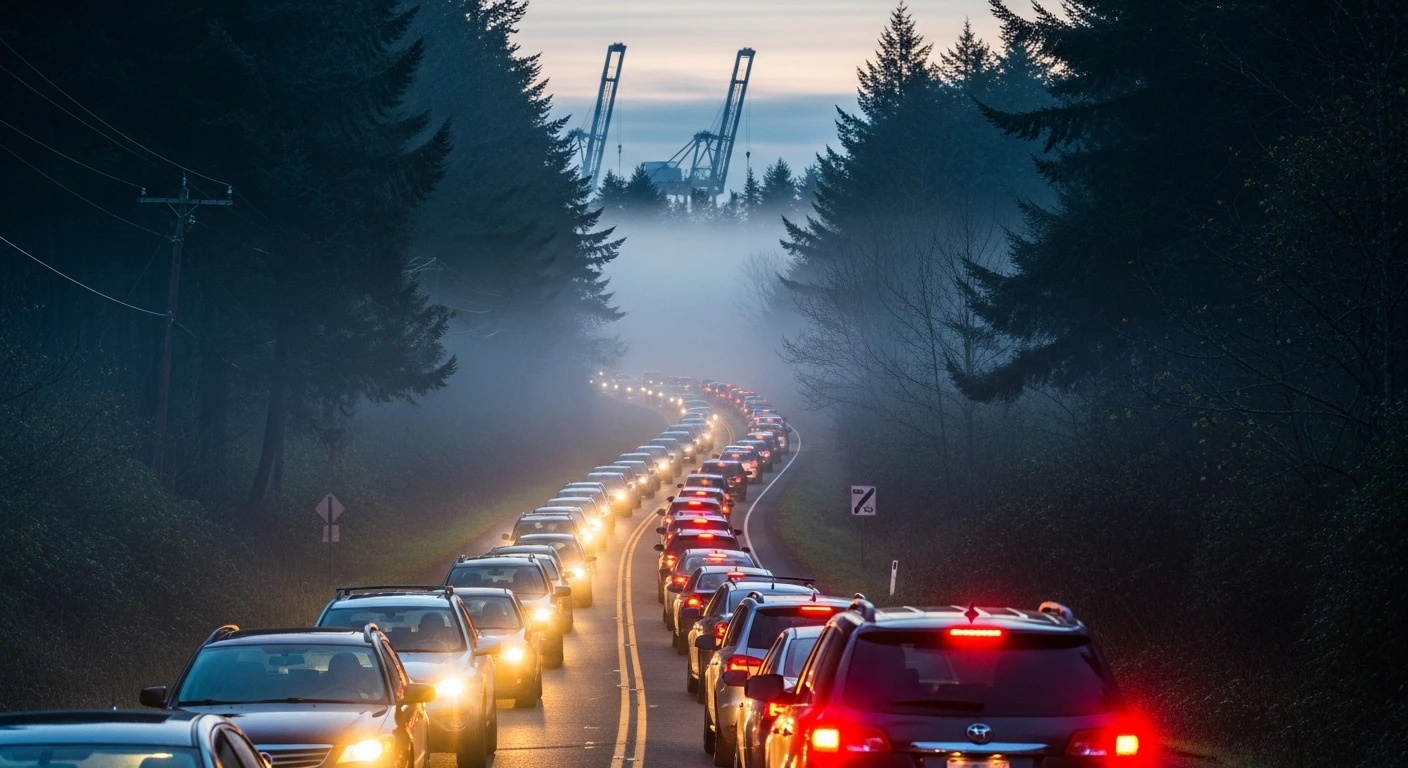
    The tradeoff is a single-road commute. SR-3 is the only practical route between Belfair and Bremerton. There is no highway alternative, no parallel interstate, no backup route. When SR-3 has problems, every Belfair commuter feels them.

    What’s Happening to SR-3 in 2026

    Three things are converging this year:

    • A 16-day full closure near Gorst for fish barrier removal. No through traffic. Detour through rural roads adds 15-40 minutes depending on time of day.
    • A new roundabout at the SR-3/SR-16 Spur intersection in Gorst, with months of construction-related lane restrictions.
    • The Belfair Bypass has been delayed. The 6-mile alternate route that was supposed to start construction in 2026 has been pushed to the 2031-33 funding cycle by the Governor’s budget.

    What This Means If You’re Deciding Now

    Belfair is still a strong choice for many PSNS and Bangor families. The housing savings are substantial — potentially $500-$800/month less than comparable homes in Silverdale. But go in with your eyes open:

    • Your commute will be disrupted during the summer 2026 closure. If you’re arriving mid-year, you’ll hit it immediately.
    • The Belfair Bypass isn’t coming until at least 2033. Don’t factor it into your housing decision.
    • Winter commutes on SR-3 are the real test. Ice near Gorst, limited visibility, and accident-prone stretches mean 40-minute drives can become 90-minute ordeals from November through March.

    If you’re on day shift at PSNS and your partner works in Silverdale or Poulsbo, Belfair may add too much combined commute time. If one spouse works from home or you’re on a flexible schedule, the savings work.

    Getting Oriented in North Mason

    Before you commit, drive the route yourself during a weekday morning — not a weekend. See what 6:30 AM SR-3 through Gorst actually feels like. Check out our complete guide to living in Belfair and the full SR-3 construction breakdown for detailed timing and detour routes.

    Frequently Asked Questions

    How long is the commute from Belfair to PSNS Bremerton?

    Under normal conditions, 30-50 minutes via SR-3 depending on your neighborhood and time of day. During the summer 2026 SR-3 closure, add 15-40 minutes via detour routes. Winter conditions can add 20-30 minutes on bad days.

    Is Belfair worth the commute for PSNS workers?

    For families prioritizing affordable housing, space, and a quieter community, yes. A typical Belfair home costs $405,000-$475,000 — significantly less than Silverdale or Bremerton. The tradeoff is a single-road commute with seasonal and construction-related delays.

    When will the Belfair Bypass reduce commute times?

    The SR-3 Freight Corridor (Belfair Bypass) received federal environmental approval in 2024 but funding has been delayed to the 2031-33 biennium. Realistically, don’t expect it before 2033-2035.

    What’s the BAH situation for military families in Belfair?

    Belfair falls under Mason County BAH rates, which are lower than Kitsap County. However, housing costs in Belfair are proportionally lower, so many military families find their BAH stretches further here than in Silverdale or Bremerton despite the lower rate.


  • PSNS Workers: How the Summer 2026 SR-3 Closure Affects Your Belfair Commute and What to Do About It

    PSNS Workers: How the Summer 2026 SR-3 Closure Affects Your Belfair Commute and What to Do About It

    If you work at Puget Sound Naval Shipyard and live in Belfair or anywhere along the SR-3 corridor, the summer 2026 road closure is going to hit your commute hard. Here’s what PSNS-specific workers need to plan for — shift by shift, gate by gate.

    The Closure: What PSNS Workers Specifically Face

    SR-3 near Gorst will be completely closed for up to 16 consecutive days this summer for fish barrier removal. For the roughly 14,000 civilian and military employees who pass through PSNS gates daily, thousands of whom live in North Mason, this is not a minor inconvenience — it’s a commute overhaul.

    The detour route through Sunnyslope Road Southwest to Lake Flora Road was designed for rural traffic, not shift-change surges. If 500+ PSNS commuters from Belfair and points south hit this detour simultaneously at 6:15 AM, the road will bottleneck.

    Shift-by-Shift Impact Assessment

    Day shift (6-7 AM departure from Belfair): Heaviest impact. The detour adds 15-25 minutes under light conditions, but during the closure, expect 30-40 minutes additional as the narrow detour road handles concentrated volume. Leave by 5:30 AM to maintain your gate arrival time.

    Swing shift (2-3 PM departure): Moderate impact. You’ll hit the detour with fewer vehicles, but returning home after 11 PM means driving unfamiliar rural roads in the dark. Sunnyslope Road has limited lighting.

    Graveyard shift (10-11 PM departure): Lightest traffic impact, but the same dark-road concern applies. The detour route has no streetlights for most of its length.

    Gate Access During Construction

    PSNS gate procedures won’t change during the SR-3 closure — the closure is south of Bremerton, not at the base. But if thousands of workers arrive late simultaneously, expect longer gate queues as security processes the backlog. Contact your supervisor about flexible arrival windows if your role allows it.

    Carpooling and Alternative Strategies

    The Navy Region Northwest rideshare board has historically connected Belfair-area PSNS commuters. During the closure, carpooling isn’t just convenient — it directly reduces the number of vehicles on a detour road that can’t handle full volume. Three workers in one vehicle means two fewer cars on Lake Flora Road.

    Some PSNS workers from North Mason have historically used the Bremerton ferry as an alternative, but this only works if you live closer to the Hood Canal Bridge corridor. For Belfair residents, the detour is your reality.

    Related Coverage

    Read the full SR-3 closure breakdown for all detour routes, roundabout construction details, and the Belfair Bypass delay. Also see our complete Belfair-to-PSNS commute guide.

    Frequently Asked Questions

    How much longer will my Belfair-to-PSNS commute be during the SR-3 closure?

    Under normal detour conditions, add 15-25 minutes. During the 6-7 AM PSNS shift change surge, expect 30-40 minutes additional as Sunnyslope Road and Lake Flora Road handle concentrated commuter volume not designed for those roads.

    Should I change my PSNS shift during the SR-3 closure?

    If your role allows shift flexibility, swing or graveyard shifts face lighter detour traffic. Discuss options with your supervisor before the closure begins. Day shift workers from Belfair will bear the heaviest impact.

    Is there a way to avoid the SR-3 detour from Belfair to PSNS?

    For Belfair residents, the Sunnyslope/Lake Flora detour is the primary route. There is no practical alternative that avoids the closure area entirely without adding 45+ minutes via SR-302 and SR-16.

    Will PSNS adjust gate procedures during the SR-3 closure?

    PSNS gate security operates independently of road construction. However, concentrated late arrivals may create longer queues at primary gates. Plan to arrive earlier than usual to account for both the detour and potential gate delays.


  • SR-3 Closure, Gorst Roundabout, and the Belfair Bypass Delay: What Every North Mason Commuter Needs to Know in 2026

    SR-3 Closure, Gorst Roundabout, and the Belfair Bypass Delay: What Every North Mason Commuter Needs to Know in 2026

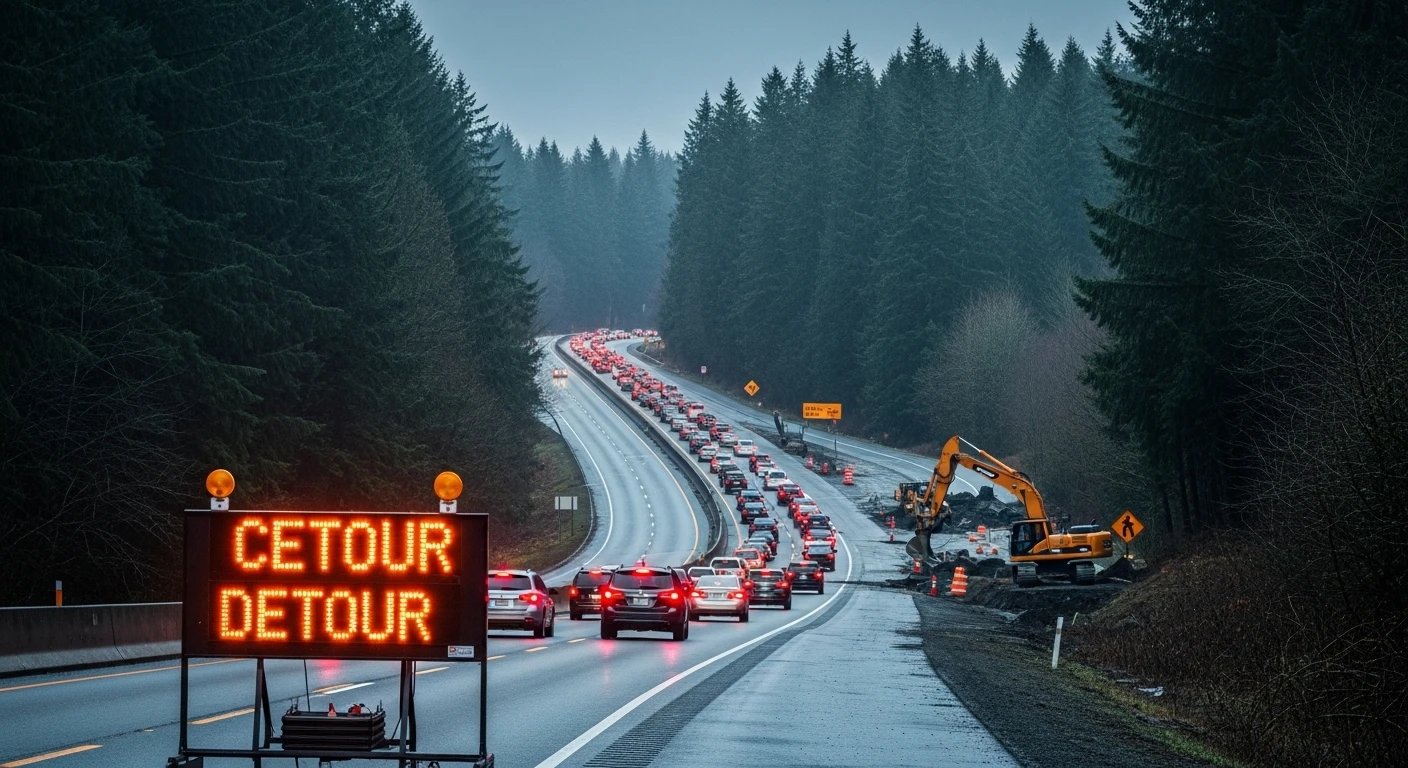
    If you drive SR-3 between Belfair and Bremerton, 2026 is going to test your patience. Three overlapping infrastructure projects — a 16-day full road closure near Gorst, a new roundabout at the SR-3/SR-16 Spur intersection, and the politically uncertain Belfair Bypass — will reshape how North Mason residents get to PSNS, Bangor, and everywhere south of Gorst. Here’s what’s actually happening, when, and what it means for your daily drive.

    The 16-Day SR-3 Closure: Fish Barrier Removal Near Gorst

    WSDOT’s fish barrier removal project on SR-3, SR-16, and SR-166 near Gorst will require a complete closure of SR-3 for up to 16 consecutive days during summer 2026. Crews will remove a section of the highway near Sunnyslope Road Southwest and install a new 150-foot-long box culvert to restore fish passage.

    This is not a lane restriction. This is a full road closure — no through traffic on SR-3 at that location for over two weeks.

    Early work starts in April 2026 with nighttime lane closures at two locations for utility relocations and limited vegetation removal. The 16-day closure itself is scheduled for summer, though WSDOT has not yet locked the exact dates.

    Detour Routes During the SR-3 Closure

    WSDOT has published three signed detour routes:

    • Passenger vehicles: Sunnyslope Road Southwest to Southwest Lake Flora Road
    • Pedestrians, cyclists, and those who roll: Northeast Old Belfair Highway to West Belfair Valley Road
    • Commercial vehicles: SR-16 to SR-302 (a significantly longer route)

    For PSNS commuters leaving Belfair at 6 AM, the Sunnyslope/Lake Flora detour adds approximately 15-25 minutes depending on traffic volume. During shift changes — particularly the 7 AM gate surge — expect these detour roads to carry far more traffic than they were designed for.

    The New Gorst Roundabout

    As part of the same project, WSDOT will construct a new roundabout at the intersection of SR-3, SR-16 Spur, and West Sam Christopherson Avenue. This intersection has been an accident cluster point for decades, and the roundabout is designed to reduce collision potential and improve traffic flow.

    For daily commuters, the roundabout should eventually smooth the stop-and-go pattern that defines Gorst. But during construction, expect lane shifts, temporary signals, and reduced speeds through the area.

    The Belfair Bypass: Delayed or Dead?

    The SR-3 Freight Corridor — commonly known as the Belfair Bypass — was a 6-mile new alignment designed to route regional through-traffic around Belfair’s commercial corridor rather than through it. The Federal Highway Administration issued a Finding of No Significant Impact (FONSI) in November 2024, and construction was originally planned to begin in spring 2026 with completion by 2028.

    Then Governor Bob Ferguson’s proposed transportation budget pushed the project’s funding to the 2031-33 biennium. As reported by the Mason County Journal in February 2026, this delay could push the bypass back by five years or more.

    For North Mason commuters, this means the Belfair commercial corridor — SR-3 through town — remains the only route. The 18,000+ daily vehicle count through Belfair’s main stretch will continue growing without relief.

    What This Means for Your Daily Drive

    If you commute from Belfair to PSNS or Bangor:

    • Plan now for the 16-day closure. If your shift schedule allows flexibility, consider adjusting during the closure window. Carpooling through the detour reduces vehicle volume on roads not built for this traffic.
    • The Sunnyslope/Lake Flora detour is narrow. These are rural roads. Two large trucks passing in opposite directions will slow everything down.
    • Gorst roundabout construction will overlap. Even after the 16-day closure ends, expect reduced capacity through Gorst for months as the roundabout is built.
    • The Belfair Bypass is not coming soon. Don’t make housing or commute decisions based on the bypass being operational by 2028. The current political reality suggests 2033 at the earliest.

    Related Belfair Bugle Coverage

    For more context on commuting from North Mason, see our complete guide to commuting from Belfair to PSNS, our military families in Belfair guide, and the latest commuter alert.

    Frequently Asked Questions

    When exactly will SR-3 be fully closed near Gorst in 2026?

    WSDOT has confirmed the closure will last up to 16 consecutive days during summer 2026. Early utility work begins in April 2026 with nighttime lane closures. The exact summer closure dates have not been finalized — check WSDOT’s SR-3 project page for updates.

    What is the best detour route from Belfair to PSNS during the SR-3 closure?

    For passenger vehicles, WSDOT’s signed detour uses Sunnyslope Road Southwest to Southwest Lake Flora Road. This adds approximately 15-25 minutes to a typical Belfair-to-Bremerton commute depending on traffic volume during the closure.

    Is the Belfair Bypass still being built in 2026?

    The SR-3 Freight Corridor (Belfair Bypass) received federal environmental approval in November 2024, but Governor Ferguson’s proposed transportation budget delays construction funding to the 2031-33 biennium. Construction originally planned for spring 2026 is now unlikely before 2033.

    Will the new Gorst roundabout help PSNS commuters from Belfair?

    Yes, long-term. The roundabout at SR-3, SR-16 Spur, and West Sam Christopherson Avenue replaces a collision-prone intersection. Once completed, it should reduce stop-and-go delays through Gorst. During construction, expect temporary lane shifts and reduced speeds.

    How many vehicles use SR-3 through Belfair daily?

    SR-3 through Belfair’s commercial corridor carries more than 18,000 vehicles per day. Without the Belfair Bypass, this volume will continue increasing as the North Mason population grows.

    What is the Gorst fish barrier removal project?

    WSDOT is removing fish passage barriers on SR-3, SR-16, and SR-166 near Gorst. The project includes installing a 150-foot-long box culvert on SR-3 near Sunnyslope Road Southwest, which requires the 16-day full road closure, plus building a new roundabout to improve safety.


  • Beat: Infrastructure/Services — Mason County Minute — 2026-04-16

    Beat: Infrastructure/Services — Mason County Minute — 2026-04-16

    Mason County Minute — Infrastructure/Services Beat — April 16, 2026

    Two major utility infrastructure projects are shaping connectivity and electrical capacity across Mason County this spring. Here’s what residents need to know.

    Belfair Electrical Capacity Infrastructure Project — PUD 3 Multi-Phase Upgrade

    Mason County PUD 3 (PUD No. 3) continues its multi-phase Belfair Electrical Capacity Infrastructure Project, a critical investment in the county’s electrical grid serving the growing Belfair corridor.

    Phase 1 — a new switching station — is currently under construction, with completion targeted for summer 2026. Phase 2, which upgraded the Belfair Substation transformer, was completed in July 2025.

    Still ahead: Phase 3 will install a 3.6-mile 115 kV transmission line, and Phase 4 will construct a new high-capacity substation near the Belfair Water Tower to support the Log Yard Road and WSDOT Belfair Freight Corridor development.

    The project positions Belfair for continued residential and commercial growth while improving grid reliability across the PUD 3 service territory.

    Sources: pud3.org, kilmer.house.gov, publicpower.org

    Hood Canal Communications HFC Network Upgrade

    Hood Canal Communications (HCC) launched major upgrades to their Hybrid Fiber Coaxial (HFC) network in January 2026, improving broadband service for cable modem customers across Union, Hoodsport, and surrounding Hood Canal communities.

    The HFC upgrade is part of HCC’s broader fiber expansion effort targeting underserved parts of Mason County. Residents in the affected service areas can expect improved internet speeds and network reliability as the work progresses through 2026.

    Sources: hcc.net, hcc.net/projects


    The Mason County Minute is a daily local news digest covering government, business, infrastructure, outdoors, and community across Mason County, Washington. Published by Tygart Media.

  • Living in Mason County Washington: The Complete Guide

    Living in Mason County Washington: The Complete Guide

    Living in Mason County Washington: The Complete Guide

    Mason County, Washington is a hidden gem in the Pacific Northwest that offers a unique blend of outdoor recreation, small-town charm, and genuine community spirit. Whether you’re considering relocating here or simply curious about what makes this corner of Washington special, this guide covers everything you need to know about living in Mason County.

    What Makes Mason County Special?

    Nestled in the Olympic Peninsula region of Washington State, Mason County sits between the Cascade Range and the Pacific Ocean. This geographic position gives residents the best of both worlds: easy access to water recreation, mountains, and vibrant outdoor culture, combined with a slower pace of life than you’d find in Seattle or Tacoma.

    Our community values self-sufficiency, outdoor recreation, and neighborly connection. From the working waterfronts of Hood Canal to the forested valleys inland, Mason County has shaped residents who appreciate nature, heritage, and hard work.

    The Communities of Mason County

    Shelton is the county seat and largest city, home to about 10,000 residents. It’s the economic and cultural heart of Mason County, with downtown shops, schools, medical facilities, and local government. Shelton has a rich timber and oyster heritage and remains a working community with genuine local character.

    Belfair, located in the eastern part of the county, is a growing community popular with families. It offers access to Green Cove, several parks, and smaller-town amenities while remaining close to shopping and services.

    Hoodsport is the gateway to Hood Canal and appeals to those seeking waterfront living and recreation. This scenic area is known for its vacation homes, oyster bars, and access to water sports.

    Union sits along Hood Canal’s shoreline and has historically been a logging and oyster community. Today it’s known for its scenic beauty and access to the water.

    Allyn is another Hood Canal community with a quieter, more rural character. It attracts residents seeking privacy and waterfront access.

    Grapeview, Tahuya, and Matlock are smaller communities scattered throughout the county, each with their own local character and strong community ties.

    Geography and Climate

    Mason County spans roughly 960 square miles with diverse terrain. You’ll find forested uplands, river valleys, and the Hood Canal waterfront all within the county borders.

    The climate is maritime Pacific Northwest. Winters are mild (averaging 35-45°F) but wet, with significant rainfall from October through March. Summers are dry and comfortable (70-80°F), making June through September the prime season for outdoor activities. Most residents adjust well to the rainy season and embrace the lush, green landscape it creates.

    Cost of Living

    One significant advantage of living in Mason County is affordability compared to western Washington urban areas. Housing costs are notably lower than King County or Kitsap County, though prices have risen in recent years due to increased interest in the region.

    As of 2026, median home prices range from $350,000 to $550,000 depending on location and proximity to water. Rental availability is limited, with most rentals ranging from $1,200 to $1,800 per month for a two-bedroom residence.

    Overall cost of living (groceries, utilities, services) is reasonable but slightly higher than national averages, typical for Washington State. Gas prices track state and regional trends.

    Why People Choose Mason County

    Outdoor Recreation: Hood Canal offers world-class shellfish harvesting, boating, and water sports. The Olympic Mountains are minutes away. State parks, hiking trails, and fishing access are abundant.

    Community: Mason County communities are tight-knit. People know their neighbors. Local events, farmers markets, and community organizations create genuine connection.

    Affordability: Compared to Seattle or Tacoma metro areas, cost of living is reasonable, especially housing.

    Working Heritage: Mason County has honest, working-class roots. Logging, oyster farming, and fishing remain part of the regional identity.

    Natural Beauty: From Hood Canal to forests to mountain views, scenic beauty surrounds residents daily.

    Challenges to Consider

    Distance from Services: Serious medical specialists, major retailers, and entertainment require trips to Olympia, Tacoma, or Seattle. Expect 45 minutes to over an hour for regional medical care.

    Weather: The rainy season tests residents. Those who thrive here either enjoy the rain or learn to embrace it philosophically.

    Limited Job Market: Employment opportunities are more limited than in larger cities. Many residents commute or work remote. Tourism and natural resource industries are primary employers.

    Population Decline: Like many rural counties, Mason County has experienced population shifts. This affects services and economic vitality in some areas.

    Housing Limitations: Rental housing is scarce. New construction moves slowly. Finding rental properties can be challenging.

    Who Should Consider Moving Here?

    Mason County is ideal for:

    • Remote workers seeking small-town life with natural beauty
    • Retirees wanting affordable living and community connection
    • Outdoor enthusiasts drawn to water recreation and hiking
    • Families valuing local schools and community involvement
    • People seeking escape from urban sprawl without complete isolation

    It may be challenging for those requiring specialized services, those seeking vibrant nightlife/dining, or those needing immediate access to major employers.

    Getting Around

    A car is essential in Mason County. Public transportation is extremely limited. Most residents drive to work, school, and recreation. Highway 101 is the main north-south route. Highway 8 and Highway 3 provide regional connections.

    Conclusion

    Living in Mason County means choosing community, natural beauty, and a slower pace over urban convenience. It’s a place where neighbors matter, outdoor recreation is accessible, and genuine small-town connection still exists. For the right person, Mason County offers genuine quality of life that bigger cities simply can’t match.


    Frequently Asked Questions

    What is the population of Mason County?

    Mason County has approximately 80,000 residents, with the population distributed across multiple small communities. Shelton is the largest city with about 10,000 residents.

    Is Mason County a good place to retire?

    Yes, many retirees choose Mason County for its affordable housing, natural beauty, and strong community. The mild winters and access to recreation appeal to retirees, though limited specialized medical services should be considered.

    What’s the job market like in Mason County?

    The job market is limited compared to larger cities. Main employers include government, healthcare, retail, and tourism. Many residents work remotely or commute to Olympia or other regional centers.

    How much does it rain in Mason County?

    Mason County receives significant rainfall, especially October through March, averaging 55-70 inches annually. Winters are wet but temperatures stay mild. The rainy season creates lush green landscapes.

    What are the best neighborhoods in Mason County?

    Popular areas include downtown Shelton for urban amenities, Belfair for family-friendly living, and Hood Canal communities (Hoodsport, Union, Allyn) for waterfront access and natural beauty.

  • Mason County Real Estate: Prices, Trends and Neighborhoods

    Mason County Real Estate: Prices, Trends and Neighborhoods

    Mason County Real Estate: Prices, Trends and Neighborhoods

    The Mason County real estate market reflects the region’s appeal as an affordable alternative to western Washington’s crowded, expensive metro areas. Whether you’re searching for a cozy family home, a waterfront property, or a rural retreat, understanding the local market is essential to making an informed decision.

    Market Overview 2026

    As of 2026, Mason County’s real estate market has stabilized after several years of growth. Median home prices have increased gradually but remain substantially lower than comparable properties in King, Kitsap, or Pierce counties.

    Current Median Home Price: $425,000-$475,000 depending on area

    Market Trend: Steady appreciation with modest growth. Inventory remains limited, particularly in desirable waterfront and Shelton-area properties.

    Buyer Demand: Strong interest from remote workers, retirees, and those seeking larger properties for less money than available near Seattle.

    Shelton and Downtown Area

    Shelton’s downtown and surrounding residential areas command a premium due to access to schools, services, and employment. This is where you’ll find the most walkable neighborhoods and established infrastructure.

    Price Range: $350,000 to $600,000 for typical homes; $500,000+ for larger properties or those with special features

    Character: Established neighborhoods with mature trees, good schools, and community amenities. Downtown Shelton offers historic charm with modern convenience.

    Best For: Families prioritizing schools, those working in Shelton, or those wanting town amenities with small-town character.

    What to Expect: Properties sell within 30-60 days typically. Competition is moderate to strong for move-in-ready homes. Many houses were built 1970s-1990s, so inspection and maintenance history matter.

    Belfair and Eastern Mason County

    Belfair has emerged as Mason County’s fastest-growing community, attracting families seeking balance between small-town living and reasonable proximity to services. Green Cove provides access to water recreation.

    Price Range: $375,000 to $550,000 for typical residential properties

    Character: Mix of established neighborhoods and newer developments. More spacious lots than Shelton. Good schools and family-oriented community.

    Best For: Growing families, those wanting new or newer construction, and those seeking community connection without urban density.

    What to Expect: Inventory is moderate and relatively consistent. Properties appeal to families relocating from larger cities. Schools and parks are community focus.

    Hood Canal Waterfront Communities

    Hood Canal properties represent the premium end of Mason County real estate. Waterfront access, scenic beauty, and recreation drive values significantly higher than comparable inland properties.

    Hoodsport

    Price Range: $450,000-$800,000+ for waterfront; $350,000-$500,000 for non-waterfront

    Character: Vacation home aesthetic with active boating community. Tourist destination feel with restaurants and shops. Mix of year-round residents and seasonal visitors.

    Best For: Those prioritizing water access and recreation, vacation home investors, retirees enjoying boating lifestyle.

    Union

    Price Range: $425,000-$750,000 for waterfront; $325,000-$450,000 for non-waterfront

    Character: Quieter, more residential than Hoodsport. Strong maritime heritage. Scenic beauty with working waterfront character.

    Best For: Those seeking quiet waterfront living with less tourist activity than Hoodsport.

    Allyn and Other Hood Canal Communities

    Price Range: $375,000-$650,000 depending on waterfront access

    Character: Rural, quiet, private. Strongest appeal to those seeking to escape crowds and development.

    Best For: Those prioritizing privacy and natural setting over amenities and services.

    Rural and Acreage Properties

    Mason County’s rural areas offer exceptional value for those wanting land, privacy, and forest settings.

    Price Range: $200,000-$400,000 for 1-5 acre properties; $3,000-$6,000 per acre for raw land

    What’s Available: Forested acreage, some with creek or river frontage. Rural homes on large lots. Investment properties and hobby farms.

    Best For: Those wanting space, privacy, and self-sufficiency. Hobby farmers, artists, and those working remotely.

    Considerations: Rural properties may lack municipal water/sewer (well/septic required). Road maintenance and property access vary. Closer attention to easements and rights-of-way essential.

    Buying Tips for Mason County

    Work with Local Realtors

    Local agents understand community nuances, neighborhoods, schools, and market dynamics better than those outside the area. Ask for recommendations from local residents or online communities.

    Inspect Carefully

    Many Mason County homes have decades of history. Thorough inspections are essential. Pay attention to roof condition, foundation, septic systems (if applicable), water quality, and heating systems.

    Understand Zoning and Regulations

    Mason County has varying zoning, environmental regulations, and building codes by area. Understand what’s permitted on your property before purchasing.

    Consider Long-Term Appreciation

    While Mason County properties appreciate, growth is steady rather than explosive. Buy for lifestyle fit, not speculation.

    Factor in Commute Costs

    If you work outside Mason County, calculate commute distance and fuel costs when evaluating property value.

    Check Flood and Environmental Status

    Mason County has flood-prone areas, especially near rivers and Hood Canal. Review flood maps and environmental hazard reports.

    Rental Market

    Rental availability is extremely limited in Mason County. Most rentals are single-family homes rather than apartments.

    Typical Rental Prices: $1,200-$1,800 for 2-bedroom homes; $1,600-$2,200 for 3-bedroom

    Availability: Scarce. Expect 6+ month searches to find suitable rentals. Most are found through local networks rather than online listings.

    Investment Perspective

    Mason County real estate offers reasonable appreciation and strong rental demand for those owning properties. Waterfront and Shelton properties appreciate faster than rural areas. However, the market is not a speculative growth market—it’s better suited to buy-and-hold investors and owner-occupants.


    Frequently Asked Questions

    What’s the average home price in Mason County?

    As of 2026, the median home price ranges from $425,000 to $475,000, varying by area. Waterfront properties are significantly higher ($600,000+), while rural properties can be lower ($300,000-$400,000).

    Are Mason County homes appreciating in value?

    Yes, Mason County real estate appreciates steadily. Appreciation is moderate (3-5% annually) rather than explosive. Waterfront and Shelton properties appreciate faster than rural areas.

    Is it a buyer’s or seller’s market in Mason County?

    It’s generally a balanced market with slight advantage to sellers. Inventory is limited, particularly for desirable properties, but buyer demand is steady and consistent.

    What are closing costs in Washington?

    Typical closing costs in Washington range 2-5% of purchase price, including title insurance, escrow, appraisal, inspection, and lender fees. Your realtor and lender should provide detailed estimates.

    Should I buy waterfront property in Mason County?

    Waterfront offers superior appreciation, lifestyle appeal, and recreation access. However, prices are 30-50% higher than comparable inland properties. Consider whether the premium matches your priorities and budget.

  • Things to Do in Mason County: The Definitive Guide

    Things to Do in Mason County: The Definitive Guide

    Things to Do in Mason County: The Definitive Guide

    Mason County offers visitors and residents remarkable opportunities for outdoor recreation, natural exploration, and small-town experiences. From world-class shellfish harvesting on Hood Canal to mountain hikes and river adventures, there’s genuine adventure and relaxation available year-round.

    Water Recreation and Hood Canal

    Hood Canal is Mason County’s crown jewel for water recreation and represents one of the Pacific Northwest’s premier destinations.

    Shellfish Harvesting

    Hood Canal is famous for oyster farming and recreational shellfish harvesting. During open seasons, residents and visitors harvest oysters, clams, shrimp, and crab directly from the water. It’s accessible, educational, and results in incredible seafood dinners. Check Washington Department of Fish and Wildlife for current seasons, regulations, and closures.

    Boating and Water Sports

    Hoodsport, Union, and other Hood Canal towns have boat launches, marinas, and rental facilities. Boating, water skiing, jet skiing, and paddleboarding are popular. The canal offers protected water ideal for beginners and experienced boaters alike.

    Kayaking

    Kayaking Hood Canal is exceptional. Multiple launch points provide access. Popular routes include exploring the shoreline, visiting islands, and exploring river mouths. Calm weather (spring and summer) offers optimal conditions.

    Fishing

    Salmon, steelhead, and trout fishing in Hood Canal and tributary rivers draws anglers year-round. Consult Washington Department of Fish and Wildlife for seasons and regulations.

    Parks and Natural Areas

    Olympic National Forest

    Massive national forest covers much of Mason County’s western regions. Hiking, camping, fishing, and wildlife viewing are core activities. Popular trails include hikes to mountain peaks, river valleys, and scenic viewpoints.

    State Parks

    Hood Canal Scenic Byway: Stunning drive with multiple pullouts, picnic areas, and access points along Hood Canal. Best experienced spring through fall.

    Shelton-Matlock State Park Area: Local parks provide river access, picnic facilities, and light hiking.

    Green Cove Area: Belfair-area parks offer beach access, picnic facilities, and small-town park amenities.

    Hiking and Trail Systems

    Extensive hiking available through Olympic National Forest, state parks, and local trail systems. Options range from easy riverside walks to challenging mountain hikes. Popular destinations include mountain peaks with views of Hood Canal and the Olympics.

    Fishing and Hunting

    Mason County has strong hunting and fishing traditions. Opportunities include:

    • Salmon and steelhead fishing in rivers and Hood Canal
    • Trout fishing in lakes and streams
    • Deer and elk hunting in season
    • Upland game bird hunting

    Check Washington Department of Fish and Wildlife for seasons, regulations, and licensing. Local outdoor shops offer guides and equipment.

    Seasonal Events and Festivals

    Spring

    Rhododendron Festival (Shelton) – Celebrates spring with parades, craft vendors, local activities, and community gathering. Popular family event drawing visitors from across the region.

    Summer

    Fourth of July Celebrations: Shelton and communities throughout Mason County host Independence Day parades, fireworks, picnics, and festivities.

    Farmers Markets: Shelton and Belfair host summer farmers markets featuring local produce, crafts, and community gathering.

    Fall

    County Fair (Shelton): Traditional county fair with livestock shows, local crafts, carnival rides, and community connection. Late summer/early fall event.

    Year-Round

    Farmers Market/Community Events: Ongoing in various communities, offering fresh local produce, crafts, and community connection.

    Family Activities

    Beaches and Swimming

    Hood Canal offers saltwater beach access. Popular swimming areas include Hoodsport and Union beaches. Freshwater swimming available at local lakes and rivers during warm months.

    Picnicking

    Abundant picnic areas throughout county—state parks, riverside areas, and scenic pullouts offer perfect family gathering spots.

    Wildlife Viewing

    Washington wildlife—bald eagles, deer, elk, seals, and marine life—are visible throughout Mason County. Hood Canal particularly offers marine wildlife viewing opportunities.

    Camping

    Numerous campgrounds in state parks and national forest land offer family camping from basic tent sites to RV facilities.

    Dining and Local Food

    Seafood Restaurants

    Hood Canal waterfront towns feature casual seafood restaurants serving fresh oysters, crab, and regional seafood. Hoodsport is the epicenter of casual waterfront dining.

    Local Taverns and Pubs

    Small-town character dining and gathering. Shelton and Hoodsport have local establishments reflecting community character.

    Casual Dining

    Shelton offers typical chain and local casual dining options. Expect limited fine dining—most dining is casual, family-friendly, or sports-bar style.

    Farmers Markets

    Seasonal farmers markets offer fresh local produce, prepared foods, and crafts. Summer Saturdays in Shelton and Belfair.

    Downtown Shelton

    The county seat’s downtown area features local shops, galleries, restaurants, and community gathering spaces. Take a stroll and explore local businesses, grab coffee, and experience small-town Washington.

    Day Trips from Mason County

    Olympic National Park (1-2 hours)

    One of America’s premier national parks. Visit temperate rainforests, alpine peaks, and wild coastline. Accessible from Mason County via various routes.

    Mount Rainier National Park (2-3 hours)

    Iconic peak and national park. Hiking, scenic drives, and alpine scenery await.

    Tacoma and Seattle (1-2 hours)

    Museums, urban dining, shopping, and cultural attractions available for day trips to larger cities.

    Pacific Beaches

    Ocean beaches (Ocean Shores, Westport) are 1-2 hours away. Explore wild coastline and coastal towns.

    Nightlife and Entertainment

    Mason County is not known for vibrant nightlife. Entertainment focuses on outdoor recreation, community events, and casual dining. Expect limited live music venues, no nightclubs, and quiet evenings. Shelton and Hoodsport have casual bars and sports establishments.


    Frequently Asked Questions

    What’s the best time to visit Mason County?

    June through September offer the best weather, sunshine, and recreation opportunities. Spring (March-May) features wildflowers and mild weather. Winter is wet but offers quiet solitude and river recreation.

    Can I harvest shellfish from Hood Canal?

    Yes, during open seasons with proper licensing. Check Washington Department of Fish and Wildlife for current regulations, seasons, and area closures. Shellfish harvesting is a popular and accessible recreational activity.

    What outdoor activities are available in winter?

    Winter offers river fishing, eagle viewing, hiking through quiet forests, and enjoying the slower pace. Snow is rare at lower elevations but available in nearby mountains.

    Is there fine dining in Mason County?

    Mason County dining is primarily casual—seafood shacks, taverns, and family restaurants. Fine dining is limited. Shelton and Hoodsport have the most dining variety, but expectations should match a small rural region.

    How far is Mason County from Olympic National Park?

    Olympic National Park is 1-2 hours away via Highway 101. Multiple entry points offer different experiences—rainforests, peaks, and coastline are all accessible.

  • Mason County Schools: Complete District Guide 2026

    Mason County Schools: Complete District Guide 2026

    Mason County Schools: Complete District Guide 2026

    Mason County’s educational system includes multiple public school districts serving different geographic areas, along with private and alternative school options. This comprehensive guide helps families understand educational choices, district strengths, and programs available in the region.

    Shelton School District

    Shelton School District is the largest in Mason County and serves the county seat and surrounding areas. With approximately 4,000 students, Shelton operates elementary, middle, and high schools serving the Shelton community and surrounding regions.

    Schools

    Elementary Schools: Multiple elementary schools serve grades K-5 throughout Shelton and nearby areas. Schools focus on literacy, numeracy, and foundational skills.

    Middle School: Shelton Middle School serves grades 6-8 and provides academic preparation and enrichment programs.

    High School: Shelton High School serves grades 9-12 and offers comprehensive college-prep and vocational programs.

    District Profile

    Enrollment: Approximately 4,000 students

    Strengths: Strong community engagement, diverse program offerings, active sports programs, and college/career preparation pathways. The district maintains solid academic standards and active parent involvement.

    Special Programs: Career and Technical Education (CTE) programs, Advanced Placement courses, special education services, and English Language Learner support.

    Community Connection: Active school board, parent organizations, and community partnerships. Schools are central to community identity.

    North Mason School District

    North Mason School District serves communities in the northern portions of Mason County, including areas east and north of Shelton.

    Schools

    Elementary School: North Mason Elementary serves grades K-6 with focus on foundational academics and community connection.

    High School: North Mason High School (grades 7-12) combines middle and high school in a single building, creating unique peer mentoring and integrated programming.

    District Profile

    Enrollment: Approximately 800 students

    Strengths: Small class sizes, personalized attention, strong community bonds, and integrated 7-12 model allowing peer mentoring and academic support. Teachers know every student well.

    Challenges: Smaller staff limits some specialized programs. Athletics and extracurriculars are more limited than larger districts. Advanced program options are more constrained.

    Best For: Families valuing small-school experience, strong teacher-student relationships, and tight-knit community focus.

    Hood Canal School District

    Hood Canal School District serves communities along Hood Canal’s shoreline, including Union, Hoodsport, and surrounding areas.

    Schools

    Elementary and Middle: Combined K-8 building serves foundational through middle school grades with integrated programming.

    High School: Hood Canal High School (grades 9-12) serves secondary students with college-prep and vocational pathways.

    District Profile

    Enrollment: Approximately 600 students

    Strengths: Strong community integration, outdoor education emphasis, water-based learning opportunities, and genuine small-school character. Teachers are deeply embedded in community.

    Character: Reflects Hood Canal communities—outdoor-focused, family-oriented, tight-knit. School is gathering place for community life.

    Best For: Families seeking outdoor-focused education, strong community bonds, and small-school authenticity.

    Pioneer School District

    Pioneer School District serves the southern portions of Mason County, including Allyn and surrounding rural communities.

    Schools

    Elementary and Middle: K-8 building serves younger students with foundational academics.

    High School: Pioneer High School (grades 9-12) offers secondary education with community-focused programming.

    District Profile

    Enrollment: Approximately 400-500 students

    Strengths: Tight community bonds, individualized attention, outdoor education opportunities, and authentic small-school experience.

    Character: Rural, family-oriented, community-centered. School serves as gathering place for geographically dispersed community.

    Southside School District

    Southside School District serves communities on the southern fringe of Mason County, with very small enrollment.

    Character: Extremely small (under 200 students), highly community-focused, and reflecting rural character.

    School Performance and Ratings

    Mason County schools’ performance varies by district:

    • Shelton School District: Solid academic performance with consistent standardized test results and good college-going rates. Largest district offers most program diversity.
    • North Mason: Strong academic performance relative to size. Small class sizes enable personalized instruction.
    • Hood Canal: Consistent performance with strong community engagement. Smaller district limits specialized programs.
    • Pioneer: Adequate performance with strong community bonds. Rural challenges include limited specialized services.

    All districts operate under Washington State learning standards and assessment systems. Individual school performance varies, so research specific schools serving your area.

    Special Education and Services

    All Mason County school districts provide special education services under federal IDEA requirements. Shelton District offers the most comprehensive specialized services due to size. Smaller districts provide services but with more limited specialists and programs. Special education planning includes IEPs, 504 plans, and related services.

    English Language Learners

    Shelton School District offers comprehensive ELL support with dedicated staff and programming. Smaller districts provide ELL services but with fewer specialized personnel. Most Mason County communities are primarily English-speaking, so ELL populations are relatively small.

    Career and Technical Education (CTE)

    Shelton School District offers robust CTE programs in healthcare, trades, information technology, and business. Smaller districts offer more limited CTE options. Regional CTE centers provide additional opportunities for secondary students.

    Private and Alternative Schools

    Limited private school options exist in Mason County. Families may consider:

    • Private schools in adjacent counties
    • Homeschooling (popular option with local co-ops and support groups)
    • Alternative educational approaches within public districts

    College Preparation

    Shelton and larger districts offer AP courses and college-prep programming. Smaller districts offer foundational college prep with fewer advanced course options. Community college partnerships provide dual-enrollment opportunities for secondary students interested in associate degrees and workforce credentials.

    Extracurricular Activities

    Shelton: Full range of sports, clubs, performing arts, and activities typical of larger high schools.

    Smaller Districts: Limited but meaningful activities. Sports are available but with smaller rosters and fewer options. Arts and clubs are community-based rather than extensive.

    Choosing the Right School

    Consider:

    • Location: Which district serves your residential area?
    • School Size: Preference for large high schools with diverse programs or small schools with personalized attention?
    • Academic Programs: Needed AP courses, CTE programs, or specialized services?
    • Community Fit: Urban (Shelton), rural, or coastal school culture?
    • Extracurriculars: Importance of sports, arts, and activities?
    • Special Needs: Specialized services or alternative approaches needed?


    Frequently Asked Questions

    What are the main school districts in Mason County?

    The five primary school districts are Shelton (largest, ~4,000 students), North Mason (~800), Hood Canal (~600), Pioneer (~400-500), and Southside (smallest, ~200). Each serves specific geographic regions.

    Do Mason County schools perform well academically?

    Mason County schools meet Washington State standards with adequate performance. Shelton District is the largest with most comprehensive programming. Smaller districts offer personalized attention and community focus, though with fewer specialized programs.

    What are the high school options in Mason County?

    Shelton High School is the largest. North Mason High School combines grades 7-12. Hood Canal, Pioneer, and Southside also operate high schools. Each offers different sizes and community characters.

    Are there private schools in Mason County?

    Private school options are limited within Mason County itself. Families interested in private education may consider homeschooling or private schools in adjacent regions (Olympia, Kitsap County).

    Does Shelton School District offer AP and advanced programs?

    Yes, Shelton School District offers AP courses, honors programs, and advanced academic options. Smaller districts offer foundational college prep with fewer advanced course options.

  • Shelton Washington: Everything You Need to Know

    Shelton Washington: Everything You Need to Know

    Shelton Washington: Everything You Need to Know

    Shelton is Mason County’s heart and soul. As the county seat and largest city with about 10,000 residents, Shelton serves as the economic, educational, and cultural center of the region. Understanding Shelton means understanding Mason County itself—this is where most county services, schools, shopping, employment, and community life converge.

    A Brief History

    Shelton’s identity is rooted in timber and water. The city grew around the logging industry in the late 1800s, becoming a major lumber milling center. Mills dotted the landscape, and timber wealth built the community. Shelton’s heritage is working-class, resource-based, and tied to the land.

    Over the decades, as timber declined, Shelton diversified its economy. Today, while timber heritage remains important, government, healthcare, retail, and tourism support the local economy. The city has modernized while maintaining its small-town character and working-class identity.

    Geographic Location

    Shelton sits in Mason County’s center, roughly 60 miles southwest of Seattle, 40 miles north of Olympia, and about 30 miles from Hood Canal communities. This position makes Shelton accessible to larger cities while maintaining distinct separation and identity. US Highway 101 runs through town, connecting to regional and state routes.

    Downtown Shelton

    Downtown Shelton features a compact historic core with brick buildings, local shops, galleries, restaurants, and community gathering spaces. Unlike sprawling suburban downtowns, Shelton’s core is walkable and personal in scale. You’ll find local bookstores, antique shops, artwork, hardware stores, and dining scattered through historic buildings.

    Main Street Character: Authentic small-town Washington. Not artificially quaint or heavily touristy. Real local businesses serving real community needs, with genuine character.

    Community Hub: Downtown serves as gathering place for farmer’s market, festivals, parades, and regular community life. Schools, government offices, and many services cluster near downtown.

    Neighborhoods and Residential Areas

    Downtown/Historic Core

    Walkable neighborhoods immediately surrounding downtown feature older residential structures, historic charm, and urban convenience. Popular with those seeking walkability and town connection.

    South Shelton

    Residential neighborhoods south of downtown include established family areas with good schools, parks, and community amenities. These neighborhoods are the heart of residential Shelton.

    North Shelton

    Continues residential patterns with neighborhoods serving families and working professionals. Good school access and community services.

    Eastside

    Developing areas with newer construction and expanding residential options. Growing section of Shelton attracting families and new residents.

    Outlying Rural Areas

    Unincorporated areas surrounding Shelton offer larger properties, more privacy, and rural setting while maintaining reasonable access to town services.

    Schools in Shelton

    Shelton School District operates the county’s largest public school system with multiple elementary schools, middle school, and high school. Schools are well-integrated into community life and represent central gathering points for families.

    Shelton High School: The county’s primary high school with comprehensive academics, CTE programs, sports, and activities. Central to community identity.

    Multiple elementary schools serve different neighborhoods with strong community involvement. Schools participate actively in downtown community life.

    Economy and Employment

    Government: County government is major employer, with courthouse, county offices, and administrative functions based in Shelton.

    Healthcare: Mason General Hospital and related healthcare services employ significant numbers. Medical offices and services cluster in Shelton.

    Retail and Services: Shopping centers, restaurants, and service businesses scattered throughout provide employment and serve regional market.

    Timber Heritage: Though reduced from historical levels, timber processing and forest products remain part of regional economy.

    Remote Work: Growing trend of remote workers living in Shelton while working for Seattle or other outside employers.

    Shopping and Services

    Shelton offers typical small-town retail—grocery stores, hardware, clothing, restaurants, and services concentrated in downtown and scattered throughout town. Major chain stores and large retailers are limited; shopping for specialized items requires trips to Olympia or Tacoma.

    Downtown: Local and independent shops, galleries, restaurants, coffee shops, and services.

    Commercial Strips: Typical strip shopping with chains and local businesses scattered throughout town.

    Dining and Nightlife

    Shelton dining is casual, family-oriented, and working-class. You’ll find:

    • Local taverns and sports bars
    • Mexican, Chinese, and casual American restaurants
    • Pizza shops and casual chains
    • Coffee shops and casual lunch spots
    • Occasional fine dining options but limited

    Nightlife: Limited compared to larger cities. Local bars, occasional live music, and community gathering spaces are primary nighttime venues. Shelton is not a nightlife destination but rather supports quiet evenings and early mornings.

    Community Events and Gatherings

    Rhododendron Festival (Spring)

    Shelton’s signature spring event celebrating blooming rhododendrons with parades, vendor fairs, community activities, and regional attendance. Major community celebration.

    Fourth of July

    Downtown parade, fireworks, picnics, and community celebration. Strong community gathering.

    County Fair (Late Summer)

    Traditional county fair with livestock shows, crafts, carnival rides, and community gathering. Important community event.

    Farmers Market (Summer)

    Weekly farmers market featuring local produce, crafts, and community gathering. Community gathering place.

    Recreation and Outdoor Access

    Shelton is gateway to Mason County’s outdoor recreation. From downtown, Hood Canal is 30 minutes, Olympic National Forest is 20-30 minutes, and mountain hiking is accessible. Parks within town offer walking trails, picnic areas, and river access.

    Getting Around Shelton

    Shelton is car-dependent with limited public transportation. Most residents drive. Downtown is walkable for shopping and dining. Biking is possible on main roads. Highway 101 passes through town connecting to regional routes.

    Cost of Living

    Shelton offers affordable housing compared to western Washington cities. Median home prices ($400,000-$500,000) and rental availability (limited) reflect small-town Washington market. Overall cost of living is reasonable but higher than national averages.

    Why People Choose Shelton

    • County services and employment
    • Central location with regional access
    • Established schools and community services
    • Affordable housing relative to western Washington
    • Small-town character with real working community
    • Strong community connection and gathering spaces
    • Gateway to outdoor recreation

    Challenges in Shelton

    • Economic diversity limited—government and healthcare dominate
    • Population has declined over recent decades
    • Limited dining and entertainment compared to larger cities
    • Distance from specialized services and shopping
    • Rainy climate during winter months

    The Shelton Spirit

    Shelton embodies Pacific Northwest small-town character. Real working community where neighbors know neighbors. Downtown is genuine gathering place. Community events matter. Outdoor recreation is accessible. Heritage is valued—timber, water, and land shaped the place. Not trying to be something it’s not. Not artificially quaint or touristy. Just honest, working-class, community-centered Washington.


    Frequently Asked Questions

    What is Shelton Washington known for?

    Shelton is known as Mason County’s county seat and commercial center. Historically, it was a major timber milling town. Today it serves as the hub for government services, healthcare, schools, and retail. It’s the gateway to Hood Canal recreation.

    Is Shelton a good place to raise a family?

    Shelton is popular with families. Good schools, community involvement, affordable housing, and safe neighborhoods appeal to families. Limited nightlife and entertainment may not suit those seeking urban amenities, but community focus is strong.

    What is downtown Shelton like?

    Downtown is compact, walkable, and historically preserved with local shops, restaurants, galleries, and community gathering spaces. Genuine small-town character—not artificially quaint. Real community hub for local life.

    How far is Shelton from Seattle?

    Shelton is approximately 60 miles southwest of Seattle, roughly a 90-minute drive via I-5 and Highway 101. Close enough for day trips or occasional visits, far enough to maintain distinct identity.

    What are the main employers in Shelton?

    Main employers are government (county offices), healthcare (Mason General Hospital), retail, and tourism-related services. Timber processing remains but at reduced levels. Many residents commute or work remotely.