Tag: Local Jobs

  • Boeing’s North Line in Everett: The Complete Worker’s Guide to the New 737 MAX Assembly Line

    Boeing’s North Line in Everett: The Complete Worker’s Guide to the New 737 MAX Assembly Line

    Q: Is Boeing building 737 MAX planes at the Everett factory?
    A: Yes, for the first time in the company’s history. Boeing’s North Line — a new fourth 737 MAX assembly line — is targeting a midsummer 2026 launch at the Everett factory. The line will produce 737-8, 737-9, and 737-10 variants, with a workforce drawn from newly hired Everett employees and experienced teammates transferred from Renton and Moses Lake.

    Boeing’s North Line in Everett: The Complete Worker’s Guide to the New 737 MAX Assembly Line

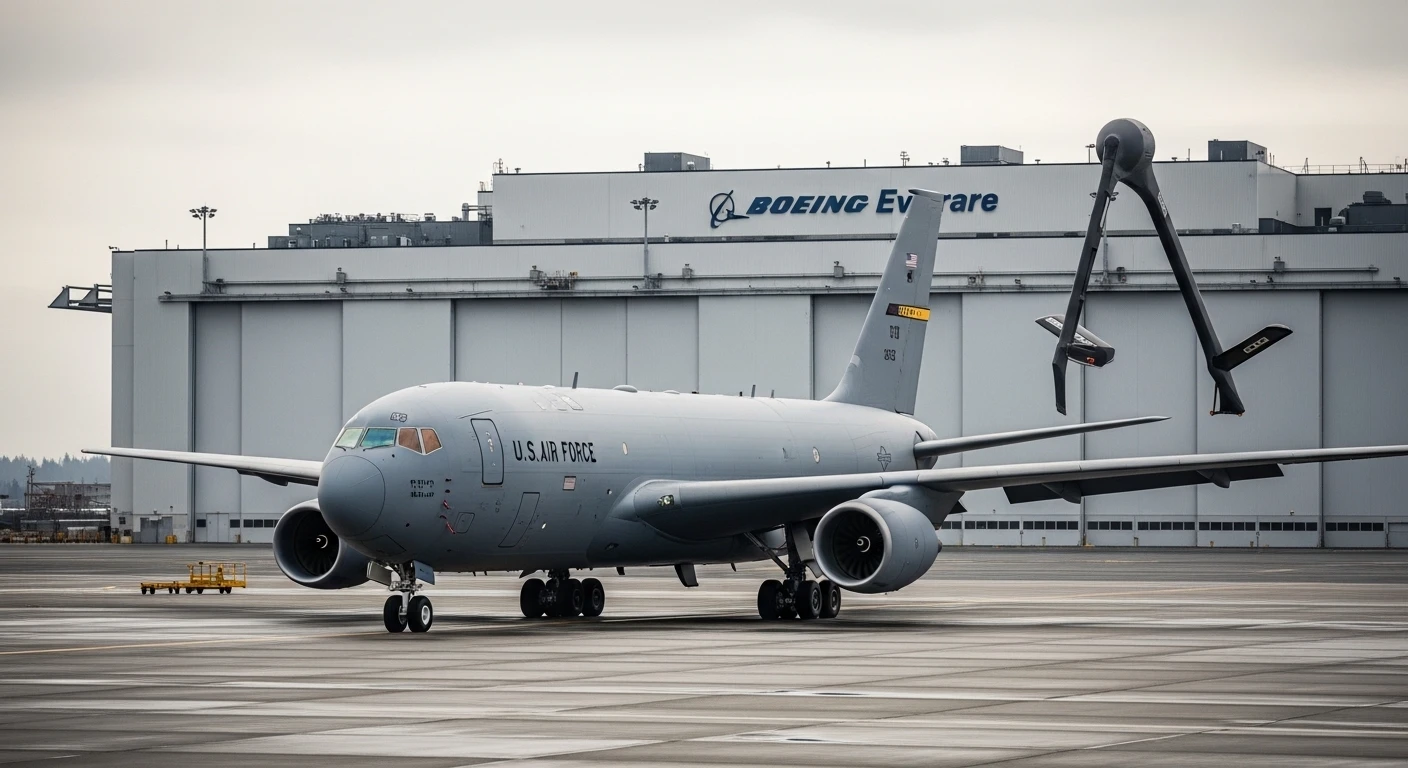
    For more than five decades, if you wanted to build a Boeing narrowbody aircraft, you went to Renton. That changes this summer. The North Line — Boeing’s fourth 737 MAX assembly line and the first ever to produce a narrowbody outside Renton — is taking shape inside the largest building by volume in the world, at the Boeing factory in Everett, Washington.

    For workers, this is what you need to know: what the line is, how hiring works, what training looks like, and what working on the North Line actually means for a career at Boeing in Everett.

    What the North Line Is and Why It Exists

    Boeing’s 737 MAX program is its most commercially important aircraft family. The company currently builds the MAX at three lines at its Renton, Washington facility, targeting a production rate above 47 aircraft per month. The North Line in Everett adds a fourth line with a longer-term goal of reaching 63 aircraft per month — a target Boeing program manager Katie Ringgold acknowledged will “take a number of years” to achieve at full ramp.

    The strategic logic for placing the fourth line in Everett is clear: the factory is already the largest industrial building in the world, home to Boeing’s 747, 767, 777, and 777X programs. Adding 737 production to that footprint uses existing infrastructure, maintains a large skilled workforce, and positions Everett as central to Boeing’s recovery strategy after several years of production challenges.

    Construction and tooling of the North Line are complete. A 737 Wing Transport Tool — a custom logistics system for ferrying partially completed wings between the Renton facility and Everett for final assembly — is in place. The line is ready. The current work is people.

    How Boeing Is Staffing the North Line

    The North Line workforce will come from two sources: newly hired Everett-based employees, and experienced teammates transferring from Renton, Everett’s existing widebody programs, and Moses Lake (where Boeing operates a paint and storage facility).

    The transfer model makes sense for a production launch: the North Line needs experienced hands who understand 737 MAX build processes deeply enough to train the new hires and set the quality culture for the line from its first day. As the line ramps and matures, the workforce will increasingly be built around Everett-based employees who develop their careers on the 737 for the first time in this city.

    Boeing is actively hiring and training mechanics and quality positions for the North Line. The hiring process runs through Boeing’s standard application pipeline at boeing.com/careers; positions are listed under the Everett, WA location filter.

    Training: What the Path to the North Line Looks Like

    New employees hired specifically for the North Line undergo a structured training pathway designed to ensure they’re ready before they touch the aircraft. The process:

    12 weeks of foundational training. New hires complete Boeing’s foundational manufacturing training program, building the core knowledge base required for precision aircraft assembly work.

    Structured on-the-job training (SOJT) at Renton. Following foundational training, new North Line employees spend time at the Renton 737 MAX production facility, pairing with experienced mentors in the actual build environment. This is where classroom knowledge meets production reality.

    Transition to Everett. Once training at Renton is complete, employees join the North Line in Everett.

    Jaden Myers, hired as a Flow Day 1 dorsal fin installer, was among the first employees to complete this process. His assessment of the experience was direct: “Opening a new production line is something special — we have to do it right.” Alondra Ponce, an electrician on the North Line, described the training environment as setting a strong foundation from day one.

    What the Work Looks Like

    The North Line builds the 737 MAX using the same production process established at Renton, adapted for the Everett facility. The build sequence follows the same station-based flow used across Boeing’s commercial programs: major sections are assembled, systems are installed, and the aircraft progresses through stations until it’s ready for delivery to customers.

    The 737 Wing Transport Tool is the distinctive element in Everett’s process — wings are assembled at one facility and transported to Everett for final integration, a logistics step that Renton’s integrated campus doesn’t require. That additional complexity is something North Line workers will need to understand as part of their workflow.

    FAA oversight of the line is expected to be intensive during the launch phase. Boeing’s consent decree with the FAA, following the production quality challenges of recent years, means the North Line will operate under heightened scrutiny. That’s not necessarily a negative for workers — it reflects a serious commitment to getting the quality culture right from the start, which is better for the program’s long-term health.

    Career Trajectory and the Everett Boeing Economy

    For workers building their careers in Everett, the North Line represents a meaningful expansion of opportunity. Previously, building narrowbody aircraft meant a career in Renton. Now, Everett workers can access both widebody programs (767, 777, 777X) and the 737 MAX — the world’s highest-production-rate commercial aircraft — without leaving their home city.

    The Everett Boeing campus employs tens of thousands of workers across its programs. The 777X, which is targeting its first production flight from Paine Field this spring before FAA certification, represents another major program in active development at the same facility. For machinists, electricians, quality inspectors, and manufacturing engineers, Everett’s Boeing footprint is becoming more diversified, not less.

    Frequently Asked Questions About Boeing’s North Line

    Q: When will the North Line begin producing 737 MAX aircraft in Everett?
    A: Boeing is targeting midsummer 2026 for the North Line’s launch. The line will not instantly reach production targets — it will ramp gradually as the workforce builds experience and the FAA validates processes under its heightened oversight framework.

    Q: Is Boeing hiring for the North Line right now?
    A: Yes. Boeing is actively hiring mechanics and quality positions for the North Line at Everett. Positions are listed at boeing.com/careers filtered by Everett, WA location.

    Q: What 737 MAX variants will the North Line build?
    A: The North Line will be capable of building all 737 MAX variants — the -8, -9, and -10 — though it will initially focus on those three variants before potentially expanding to others in the MAX family.

    Q: How long is the training process for new North Line employees?
    A: New hires complete approximately 12 weeks of foundational training, followed by structured on-the-job training (SOJT) at the Renton facility paired with experienced mentors, then transition to Everett for the North Line.

    Q: Will the North Line be represented by the IAM (International Association of Machinists)?
    A: Boeing’s Puget Sound production employees, including those at the Everett factory, work under existing IAM representation agreements. The North Line is part of the same Boeing Everett facility that is already covered by those agreements.

    Q: What is Boeing’s production rate target for the 737 MAX?
    A: Boeing is targeting production above 47 aircraft per month across all its 737 MAX lines in the near term, with a longer-term goal of reaching 63 aircraft per month. The North Line adds capacity toward those targets but won’t instantly lift overall output — it needs time to staff, train, and stabilize.

    Related: Boeing’s North Line Is Coming to Everett: Inside the Workforce Preparing to Build 737 MAXs | Boeing 777X Production Flight Targeting April from Paine Field | Portland Is Back: Alaska Airlines Restores Daily Nonstop Flights from Paine Field This June

  • Getting a Job on Boeing’s North Line in Everett: Training, Pay, and What to Expect

    Getting a Job on Boeing’s North Line in Everett: Training, Pay, and What to Expect

    Q: How do I get a job on Boeing’s North Line in Everett?
    A: Apply through boeing.com/careers filtered to Everett, WA. Boeing is actively hiring mechanics and quality positions for the North Line, which targets a midsummer 2026 launch. New hires complete 12 weeks of foundational training followed by structured on-the-job training (SOJT) at the Renton facility before transitioning to Everett.

    Getting a Job on Boeing’s North Line in Everett: Training, Pay, and What to Expect

    Boeing’s fourth 737 MAX assembly line is coming to Everett this summer — and it’s hiring. If you’re a machinist, electrician, quality inspector, or someone considering a manufacturing career in aerospace, here’s the practical information you need: what positions are open, how training works, what the transition from Renton looks like, and what working the North Line actually means day-to-day.

    What Positions Are Available

    Boeing is actively hiring for mechanics and quality positions on the North Line. The job families involved in 737 MAX production span a range of specializations that map to the build sequence:

    Production Mechanics — structural assembly, systems installation, and integration work across the line’s build stations. This includes positions like the Flow Day 1 dorsal fin installer role that Jaden Myers holds — early-station structural work that requires precision and an understanding of how the aircraft comes together downstream.

    Electrical and Systems Technicians — wiring, avionics, and electrical systems installation. Alondra Ponce’s electrician role on the North Line represents this category. Electrical work on a commercial narrowbody is complex and certification-critical.

    Quality Inspectors — Boeing’s heightened FAA oversight framework for the 737 MAX program means quality roles carry particular weight on the North Line. Inspectors work at every station to verify build quality before the aircraft progresses.

    Manufacturing Engineers and Process Specialists — supporting the line’s technical documentation, tooling, and production process development as the line ramps to full operation.

    All positions are listed at boeing.com/careers. Filter by Everett, WA location and the relevant job family. New listings for the North Line ramp are being posted as the launch approaches.

    The Training Path: What to Expect

    Boeing has built a structured onboarding process specifically for North Line hires that balances speed-to-production with quality rigor. Here’s how it works:

    Foundational Training (~12 weeks). New hires enter Boeing’s foundational manufacturing training program. This is classroom and hands-on instruction covering the core knowledge, tools, and processes required for precision aircraft assembly. For candidates without prior aerospace manufacturing experience, this is where you build the baseline.

    Structured On-the-Job Training (SOJT) at Renton. Following foundational training, North Line hires are paired with experienced mentors at the Renton 737 MAX production facility. You’re working in the actual production environment, learning the specific build sequence and quality standards for the aircraft you’ll be assembling in Everett. This is the most valuable part of the training process — you see a running production line before you work on a new one.

    Transition to Everett. Once SOJT is complete, you join the North Line. The Everett line uses the same build process as Renton, with one addition: a 737 Wing Transport Tool that ferries partially completed wings to Everett for final integration.

    Myers, who went through this process in late 2025, described the culture plainly: “Opening a new production line is something special — we have to do it right.” That’s the mindset Boeing is trying to build into the North Line from day one — a sense that the quality culture of this line is being established right now, by the first people who work on it.

    Transferring from Renton, Moses Lake, or Everett’s Widebody Programs

    If you’re already a Boeing employee at Renton, Moses Lake, or on Everett’s existing widebody programs (767, 777, 777X), the North Line represents a transfer opportunity, not just a new-hire opportunity. Boeing is staffing the line with experienced teammates precisely because it needs that expertise to stabilize the line and mentor new hires.

    Transfer opportunities are posted through Boeing’s internal job board. The advantage for experienced transferees: you come in without the foundational training requirement, your pay and seniority are preserved, and you’re part of building something new. The adjustment is real — Everett’s widebody work culture and the 737 MAX’s high-rate narrowbody culture are different environments — but experienced aerospace workers who understand build discipline adapt quickly.

    Commute and Location: The Practical Reality

    The North Line is at the Boeing Everett factory — the main gate is on Boeing Drive off Everett Avenue, with multiple entrance points across the campus. For workers commuting from South Snohomish County, King County, or Island County, Everett’s location on I-5 makes the commute viable from a wide geography.

    Everett Station is a multimodal hub served by Sound Transit and Community Transit. For workers who live south along the I-5 corridor, Sound Transit’s Sounder North service and ST Express buses serve the corridor. Everett’s housing market — with a median sale price around $547,000 and a range of rentals across neighborhoods like South Everett, Bayside, and Casino Road — is more affordable than Renton-adjacent options in King County.

    Boeing operates van pool programs and partners with regional transit agencies. Workers who want to avoid the I-5 commute have options — this is worth investigating through Boeing’s transportation resources before accepting a role.

    What the IAM Represents and What It Means for the North Line

    Production workers at Boeing’s Puget Sound facilities, including Everett, are represented by the International Association of Machinists and Aerospace Workers (IAM District 751). The North Line falls within the existing IAM representation framework — it is not a new bargaining unit or a non-represented work environment. The IAM’s contract covers wages, benefits, and working conditions for production and quality positions.

    After the IAM’s 2024 work stoppage and the subsequent contract negotiations, relations between the union and Boeing management are in a defined post-agreement phase. The North Line is launching into that environment, which matters for workplace culture. Workers considering the North Line should be aware of the current contract terms and the state of the labor relationship.

    Frequently Asked Questions for Boeing Job Seekers

    Q: Do I need prior aerospace experience to apply to the North Line?
    A: No. Boeing’s foundational training program is designed to bring qualified candidates with general manufacturing or mechanical skills into aircraft assembly work. Prior aerospace experience helps but is not required for entry-level production positions.

    Q: How long does it take from application to first day on the North Line?
    A: The process varies by position and hiring volume. The training path (foundational + SOJT) takes approximately 4-6 months total from hire date before you’re working independently on the North Line. Plan accordingly if you’re considering the timeline.

    Q: Are the North Line positions union-represented?
    A: Yes. Production and quality positions at Boeing Everett, including the North Line, are represented by IAM District 751 under existing collective bargaining agreements.

    Q: Can I transfer from Boeing’s widebody programs in Everett to the North Line?
    A: Transfer opportunities are posted through Boeing’s internal job board. Experienced teammates from existing Everett programs are among the core North Line workforce. Check internal postings and speak with your manager about transfer eligibility.

    Q: What’s the pay range for North Line production positions?
    A: Boeing positions are covered by the IAM District 751 contract, which establishes pay rates by classification. Specific current rates are available through the IAM District 751 website or Boeing’s HR resources. General aerospace production mechanic wages in Snohomish County range broadly based on classification and experience level.

    Related: Boeing’s North Line: Everett Prepares to Build Its First 737 MAX This Summer | Boeing 777X Production Flight Targeting April from Paine Field | Everett Housing Market April 2026: What Buyers and Sellers Need to Know Right Now

  • Boeing 777X Production Flight at Paine Field: What Everett Aerospace Workers Need to Know

    Boeing 777X Production Flight at Paine Field: What Everett Aerospace Workers Need to Know


    Q: What does the 777X production-standard first flight mean for Boeing jobs at Paine Field?
    A: It’s the clearest signal yet that the long-delayed 777X program is approaching FAA certification and commercial deliveries — which means production ramps. If certification proceeds as planned in 2026 and deliveries start in Q1 2027, Boeing would begin increasing 777X production rates at Paine Field, potentially adding roles across the flight line, avionics, final assembly, and delivery center functions.

    Boeing 777X Production Flight at Paine Field: What Everett Aerospace Workers Need to Know

    For the thousands of Boeing employees and aerospace suppliers who work at or near Paine Field, the April 2026 production-standard 777X first flight is more than an aviation milestone. It’s the beginning of the delivery clock. Here’s what it means for the workforce.

    The Delivery Ramp: Why Certification Drives Hiring

    Boeing builds 777X aircraft at a low production rate while they’re in certification — essentially “parking” finished or nearly-finished jets that can’t be legally delivered until the FAA issues the Type Certificate. The Everett Delivery Center currently has multiple 777X airframes in various states of completion awaiting certification.

    When the FAA issues the 777X Type Certificate — targeted for later in 2026 if the production-standard first flight succeeds — Boeing can begin deliveries to Lufthansa, Qatar Airways, Emirates, and other customers. Each delivery clears a backlog aircraft and adds to the production cadence. The ramp-up in production rate is what drives employment growth on the 777X program.

    Boeing’s typical widebody production ramp pattern: initial deliveries begin at a low monthly rate (2-3 per month), growing to 4, then 5, then eventually targeting higher rates as demand validates the ramp. The 777-300ER program peaked at approximately 8.3 aircraft per month before the transition to 777X. Even at 5 per month, 777X would represent a significant employment driver at Paine Field.

    Where the Jobs Are in 777X Production

    The 777X program at Paine Field spans multiple work centers. If you’re in the aerospace workforce or considering entering it, the 777X ramp creates demand in several specific areas:

    Structure and assembly (Flight line): Fuselage section joining, wing installation, systems installation (hydraulics, electrical, pneumatics), interior installation. These are the highest-headcount areas in 777X production.

    Avionics and systems testing: The 777X’s fly-by-wire control systems, advanced cockpit displays, and integrated aircraft network are more complex than the 777-300ER. Testing roles grow as production rates increase.

    Composite wing manufacturing: The 777X’s carbon-fiber composite wings are manufactured in Boeing’s 1.3 million square foot Composite Wing Center at Paine Field — a dedicated facility that houses the largest autoclave ovens in commercial aviation production. Composite manufacturing and machining roles are growth areas.

    Final delivery and customer flight operations: Boeing’s Customer Delivery Center at Paine Field processes aircraft for delivery. Customer airlines send their own crews for familiarization and acceptance flights. This function scales with delivery rates.

    What IAM District 751 Should Watch For

    The International Association of Machinists (IAM) District 751 represents the majority of Boeing’s hourly production workforce at Paine Field. The 777X ramp will be negotiated through the existing collective bargaining framework — production rate increases and new hire decisions are governed by Boeing’s workforce planning and the IAM-negotiated terms.

    Key items IAM members and prospective workers should track: Boeing’s stated production rate targets for 777X (communicated on quarterly earnings calls), headcount announcements from Boeing Commercial Airplanes, and the scope of work agreements covering which systems and components are built in-house versus by suppliers at Paine Field.

    Supplier Jobs in Everett’s Aerospace Ecosystem

    The 777X production ramp ripples through Snohomish County’s 600-plus aerospace suppliers. Companies like Exotic Metals Forming (Kent, with Snohomish County presence), Precision Castparts, Applied Composites, and dozens of smaller precision machining, avionics, and fabrication shops have contractual relationships tied to Boeing’s 777X production rates.

    Supplier ramp-up typically lags Boeing’s own ramp by 3-6 months, as tier-1 and tier-2 suppliers respond to purchase order increases. Workers with aerospace precision machining, composites manufacturing, or quality assurance certifications should monitor Boeing’s Tier 1 supplier network for openings — many are posted at supplier company websites and on Snohomish County’s economic development job boards before appearing on major job aggregators.

    Boeing Career Resources at Paine Field

    If you’re looking to enter or advance in Boeing’s Paine Field workforce, current pathways include: Boeing’s direct application portal at boeing.com/careers (filter for “Everett, WA” locations); Aerospace Joint Apprenticeship Committee (AJAC) programs offering earn-while-you-learn paths into manufacturing roles; Everett Community College’s Engineering and Industrial Technology programs; and Workforce Snohomish’s job board at workforcesnohomish.org.

    For the full 777X program context, read our complete 777X guide and our coverage of Snohomish County’s 600+ aerospace suppliers. Boeing North Line workers can also find relevant career context in our North Line worker guide.

    FAQ: 777X Production and Everett Aerospace Jobs

    When will Boeing start delivering 777X aircraft?

    If the April 2026 production-standard first flight succeeds and FAA certification proceeds as planned in 2026, Boeing targets first delivery to Lufthansa in Q1 2027.

    How many 777X workers are at Paine Field?

    Boeing hasn’t disclosed 777X-specific headcount. The total Boeing workforce in Snohomish County numbers approximately 30,000 employees, with a significant portion tied to widebody programs including 777X, 767, and the expanding 737 North Line.

    Is the 777X program hiring at Paine Field now?

    Boeing typically posts roles tied to production ramp-up 6-12 months before the production rate increase. Monitoring boeing.com/careers for Everett locations and watching for Aerospace Joint Apprenticeship Committee (AJAC) announcements are the best real-time indicators of hiring cycles.

    What skills are most in demand for 777X production?

    High-demand skills include composites manufacturing, systems installation (hydraulics, avionics, electrical), precision machining, quality assurance inspection, and flight test engineering. Certifications from AJAC, Everett Community College’s technical programs, or prior military aviation maintenance provide strong entry credentials.

    Where is Boeing’s 777X Composite Wing Center?

    Boeing’s 777X Composite Wing Center is located at Paine Field in Everett, within Boeing’s broader campus. It houses dedicated autoclave systems for curing the 777X’s 235-foot wingspan carbon-fiber composite wings — the largest composite commercial aircraft wings ever built.

  • The Restoration Hiring Email: How to Turn a Job Posting Into a CRM Community Touch

    The Restoration Hiring Email: How to Turn a Job Posting Into a CRM Community Touch

    You have a job to fill. You’ve probably already drafted the Indeed posting. Before you publish it, spend 20 minutes doing something that will generate better candidates, cost nothing, and quietly remind 400 warm contacts that your company exists.

    Send an email to your entire local database.

    This guide is the tactical companion to the strategic case for treating your CRM as a community. That article explains why this works. This one tells you exactly how to do it — the segments, the copy, the timing, and the follow-up. Take this document and hand it to whoever manages your email or your CRM. They can have the campaign out this week.


    Before You Write a Word: Pull and Segment Your Database

    The hiring email only works if it feels personal. A generic blast to a mixed list feels like spam. Three short, targeted emails to three different audiences feel like a phone call from someone who respects the relationship.

    Your minimum viable segmentation is three groups:

    Segment 1: Past Homeowner Clients (Local Only)

    Filter your CRM or job management software for residential jobs completed in your service area in the last three to five years. If your system is ServiceTitan or Jobber, you can export this directly from the customer list filtered by job type and zip code. If you’re on a spreadsheet, sort by city or zip and pull anything within your service radius.

    What you’re looking for: name, email address, job completion date, and job type (water, fire, mold, etc.). You don’t need anything else for this email.

    Segment 2: Industry Contacts (Adjusters, Agents, Public Adjusters)

    These are the professional referral relationships in your CRM — insurance adjusters you’ve worked with on claims, agents who have sent you referrals, PAs you’ve collaborated with. Filter by contact type if your CRM supports it, or manually tag this group.

    Segment 3: Trade Contacts (Vendors, Subs, Partners)

    Suppliers, subcontractors, and trade partners. These people understand your business from the inside and often have the strongest networks within the trades workforce.

    If your database is in ServiceTitan: navigate to Customers → Export, then filter by customer type. For Jobber: go to Clients → Export CSV. For a spreadsheet: create a column called “Segment” and sort manually. The whole segmentation process for most restoration companies takes under an hour.


    The Email Copy: Three Versions, One Campaign

    Each version is short. The goal is a 90-second read that feels like a note from a real person, not a marketing email. Do not use HTML templates with banners and logos. Plain text or minimal formatting performs significantly better for relationship-based emails. No header image. No footer with six social icons. Just your name, your company, and the ask.

    Version 1: Past Homeowner Clients

    Subject line: Quick question — do you know anyone looking for good work?

    Hi [First Name],

    It’s [Your Name] from [Company Name]. We had the pleasure of working with you on your [water/fire/mold] job at [property address or neighborhood] — hope everything has been holding up well since then.

    I’m reaching out because we’re growing. We’re currently looking for a [position title — e.g., crew lead, project coordinator, estimator] to join our team, and before we post publicly, I wanted to reach out to people we’ve worked with and whose opinion I trust.

    If you know someone who might be a great fit for a company like ours — a family member, a friend, someone in the trades looking for a stable company with a good culture — I’d love to hear from you. Just reply to this email with their name and I’ll take it from there. No formal application needed on your end.

    Either way, I hope you’re doing well. And if you ever need us again or have any questions about your property, don’t hesitate to reach out.

    [Your Name]
    [Title]
    [Company Name]
    [Phone Number]


    Version 2: Industry Contacts (Adjusters, Agents)

    Subject line: Growing our team — wanted to reach out to you first

    Hi [First Name],

    Hope things are going well on your end. I wanted to reach out personally because we’re adding to our team — specifically hiring for [position title] — and I always prefer to see if someone in my network has a connection before going the generic posting route.

    If you know anyone in the area who would be a great fit for a professional restoration company — someone who takes their work seriously and wants to be part of a growing operation — I’d genuinely appreciate the introduction. Just reply with their contact info and I’ll handle it from there.

    Thanks for everything over the years. Looking forward to the next one.

    [Your Name]
    [Title]
    [Company Name]
    [Phone Number]


    Version 3: Trade Contacts (Vendors, Subs)

    Subject line: Hiring for [position] — know anyone good?

    Hey [First Name],

    We’re hiring for [position title] and figured I’d reach out to people in the trades before going the job board route. You know the kind of people we work with better than anyone.

    If anyone comes to mind — someone looking to land somewhere solid — just shoot me a reply. Happy to take it from there.

    [Your Name]
    [Company Name]
    [Phone]


    The Technical Setup: Getting These Emails Out

    You have three realistic paths depending on what tools you already have.

    Path A: Your CRM’s Built-In Email (ServiceTitan or Jobber)

    Both ServiceTitan and Jobber have basic email blast capability built in. In ServiceTitan, navigate to Marketing → Campaigns → Email. In Jobber, use the Client Communications feature under the Marketing tab. Compose your email, select your filtered list, and send. This is the fastest path if your contact list is already clean in the system. Limitation: formatting options are limited and tracking (opens, clicks) may be minimal depending on your plan tier.

    Path B: Mailchimp (Recommended for Most Shops)

    Mailchimp’s Essentials plan starts at $13/month for up to 500 contacts. For a typical restoration company database of 300–800 local contacts, you’ll likely stay in the $13–$30/month range depending on list size. The free plan as of 2026 caps at 250 contacts with no automation, which is not enough for most shops — pay for Essentials.

    Setup process:

    1. Export your three segments from your CRM as CSV files (Name, Email, Segment Type, Job Type)
    2. Create three Audiences in Mailchimp — one per segment — or use one Audience with tags for each segment
    3. Build one campaign per segment using the corresponding email template above
    4. Schedule them to send on the same day, 30 minutes apart, so you’re not flooding your own inbox with replies simultaneously

    Important Mailchimp note: the platform charges for unsubscribed contacts unless you manually archive them. If your list has been in Mailchimp for a while, audit it before your campaign — you may be paying for contacts who can’t receive your email. Archive anyone who unsubscribed more than 6 months ago.

    Path C: Brevo (Best if You Have a Large or Mixed List)

    Brevo (formerly Sendinblue) prices by emails sent rather than contacts stored, which works in your favor if you have a large database but only email them a few times a year. Their free plan includes 300 emails per day with unlimited contact storage. For a quarterly campaign to 800 contacts, Brevo’s free tier may cover your needs entirely. Upgrade to the Starter plan ($9/month) if you need scheduling and no daily send limit.


    Timing and Frequency

    Send the homeowner version on a Tuesday or Wednesday morning between 9am and 11am local time. Open rates for warm, local databases are typically highest mid-week in the morning window — people are at their desks, not yet in weekend mode.

    Send the industry version on the same day, 30 minutes later. These contacts are professionals and check email throughout the day — timing matters less than it does for homeowners.

    Send the trade version on the same day, afternoon. Tradespeople often check phones between jobs in the afternoon rather than first thing in the morning.

    Do not send all three simultaneously. Staggering by 30 minutes gives you manageable reply volume and prevents any single moment of inbox overwhelm.


    What to Do With the Replies

    This is where most companies drop the ball. The email generates replies. Someone refers their nephew who’s looking for work. An adjuster forwards it to a plumber he knows. A past homeowner replies just to say hi and mention their neighbor had a pipe burst last month.

    You need a simple log. A Notion page, a Google Sheet, or even a notes field in your CRM — whatever you’ll actually use. For every reply:

    • Log the sender name and contact type (homeowner, adjuster, vendor)
    • Log whether they referred someone (yes/no)
    • Log any other signal in the reply (lead mention, service inquiry, general warmth)
    • Set a follow-up reminder for 30 days if the reply was warm but didn’t lead anywhere immediately

    This log becomes the seed of your community intelligence layer. Over time, you’ll see which contacts are active in your network and which have gone completely cold. That’s information worth having.


    The Prompt Library: Using Claude to Write Your Versions

    If you want to adapt these templates for your specific company voice, job title, or market, here are four ready-to-use prompts for Claude (claude.ai). Paste these directly into a new Claude conversation:

    For the homeowner version:

    “Write a short, plain-text hiring email from a restoration company owner to a past homeowner client. We completed [water damage / fire damage / mold remediation] work for them in [city]. We’re hiring a [job title]. The email should feel personal and warm, mention that we’re reaching out before posting publicly, and ask if they know anyone — family or friends — who might be a great fit. No sales pitch. No marketing language. Sign it from [owner name] at [company name]. Keep it under 150 words.”

    For the industry version:

    “Write a short professional email from a restoration company owner to an insurance adjuster they’ve worked with on claims. We’re hiring a [job title]. The tone should be collegial and peer-to-peer — not formal, not salesy. We’re reaching out to trusted contacts before posting publicly and asking for referrals if they know anyone in the area. Keep it under 120 words.”

    For the subject line variations:

    “Give me 5 subject line options for a hiring referral email from a restoration company to past clients. The email is not a job posting — it’s a personal note asking if they know anyone who might want to work at a company like ours. The tone should be warm and human, not corporate. No clickbait. No exclamation points.”

    For customizing to your brand voice:

    “Here are two emails I’ve written before that represent how I communicate with clients: [paste examples]. Using this voice, rewrite the following hiring email template: [paste template]. Keep the same message but make it sound like I wrote it.”


    Frequently Asked Questions

    Do I need to include an unsubscribe link in these emails?

    If you’re sending through an email marketing platform like Mailchimp or Brevo, yes — the platform will add one automatically. If you’re sending through your CRM’s built-in email or directly from your own inbox to a small list, the legal requirements vary by country and list size. In the U.S., CAN-SPAM applies to commercial email. A personal, non-promotional email like this occupies a gray area — consult your legal advisor for your specific situation, but err toward including an unsubscribe option for any bulk send.

    What if my CRM doesn’t have email addresses for past clients?

    This is a data problem worth fixing before the next job completes. Make capturing email address a standard part of your intake process going forward. For the existing database, you can often find emails through invoice records, text message history, or a simple re-engagement call (“We’re updating our records — can I get the best email for you?”). Even 50% coverage on a 400-contact database is 200 warm reaches.

    How long should I wait before sending this campaign?

    Don’t wait. If you’re hiring now, send now. The email is most authentic when it reflects a real, current need. The whole premise is that this is a genuine business moment, not a manufactured excuse.

    What if someone replies with a lead instead of a job referral?

    Log it immediately. Route it to whoever handles incoming leads. Thank the person who referred it. This is the community strategy working exactly as intended — and it’s why the reply log matters.


  • Everett City Council Approves Fair Labor Ordinance 9-1: What It Means for City Contractors

    Everett City Council Approves Fair Labor Ordinance 9-1: What It Means for City Contractors

    The Everett City Council voted 9-1 on March 25, 2026 to approve a new fair labor standards ordinance that requires contractors doing business with the city to maintain detailed payroll records, properly classify workers, and allow employees to report violations directly to city officials.

    The ordinance gives Everett expanded enforcement tools against contractors who commit wage theft or misclassify employees — and applies the protections not just to union workers, but to all workers on city contracts.

    What the Ordinance Requires

    Under the new law, contractors seeking city business must meet a set of labor standards as a condition of their contract. According to Ward 2 Councilor Stephanie Martins, who championed the measure, those requirements include:

    • Maintaining industrial coverage insurance
    • Properly classifying employees rather than misclassifying them as independent contractors
    • Keeping daily sign-in and sign-out logs for workers on the job
    • Complying with federal healthcare reform law
    • Submitting monthly certified payroll records to the city

    Employees working under city contracts will be able to report violations through a city-managed reporting system. If a contractor is found to be out of compliance, the city gains the authority to revoke or suspend the contract, or attach additional conditions to it.

    Why It Matters Beyond Union Workers

    One of the central arguments Councilor Martins made during debate was that the ordinance fills a protection gap that union contracts don’t address. Union members typically have collective bargaining agreements that cover labor standards. Non-union workers on city-funded projects have had less formal protection.

    “A developer in the wrong will find it cheaper to pay employees than fighting the city,” Martins argued during council deliberations.

    The ordinance was also framed as a tool to combat trafficking and immigration-related exploitation of workers on city job sites — not just traditional wage theft.

    The One Dissenting Vote

    Ward 1 Councilor Michele Capone cast the lone no vote, expressing concern that Everett’s city government lacks the administrative capacity to meaningfully enforce the ordinance’s requirements.

    “I don’t think the City of Everett can even enforce all of the different issues within this ordinance suggestion,” Capone said, also raising questions about potential legal challenges to the measure.

    Supporters of the ordinance pushed back on the enforcement concern. Councilor Rogers explained during debate that enforcement does not have to fall entirely on city staff — the ordinance creates a mechanism to “elevate a violation to the state,” meaning complaints can be referred to state labor agencies with broader investigative authority. “We would have the ability to elevate a violation to the state,” Rogers said, noting this gives the city meaningful enforcement reach without requiring a large new city bureaucracy.

    Who’s Affected

    The ordinance applies to contractors who enter into agreements with the City of Everett. It does not apply retroactively to existing contracts. Businesses that rely on city contracts — from construction firms to service providers — will need to ensure their record-keeping and employment practices meet the new requirements before seeking future city work.

    What Happens Next

    The ordinance passed with a veto-proof 9-1 margin and is now city law. Contractors working on upcoming city projects should review the requirements and consult with their legal counsel about compliance timelines.

    Residents who believe a contractor working on a city project is violating the ordinance can report concerns through the city’s official channels at everettwa.gov.

    Frequently Asked Questions

    What did Everett’s new fair labor ordinance do?
    The ordinance requires contractors doing business with the city to maintain proper payroll records, correctly classify workers, and provide employees with a way to report violations. The city can now revoke or suspend contracts for noncompliance.

    When did the ordinance pass?
    The Everett City Council passed the ordinance on March 25, 2026, by a 9-1 margin.

    Who voted against it?
    Ward 1 Councilor Michele Capone cast the sole dissenting vote, citing concerns about the city’s ability to enforce the ordinance.

    Does this apply to union workers?
    Union workers on city contracts are already covered by their collective bargaining agreements. The ordinance primarily extends protections to non-union workers, though it applies to all contractors working under city agreements.

    Can employees report violations?
    Yes. The ordinance creates a formal reporting mechanism so employees can flag violations to the city. The city can then act on those reports or refer them to state labor enforcement agencies.

    Does this apply to all businesses in Everett?
    No. The ordinance applies to contractors seeking or holding contracts with the City of Everett — not to all private employers operating within city limits.

    What can the city do if a contractor violates the ordinance?
    The city can revoke a contract, suspend it, or impose additional conditions. It can also refer violations to state labor agencies for investigation.

  • Boeing’s North Line: Everett Prepares to Build Its First 737 MAX This Summer

    Boeing’s North Line: Everett Prepares to Build Its First 737 MAX This Summer

    Boeing’s North Line: What It Means for Everett Workers and the Local Economy

    For decades, if you wanted to see a 737 MAX come to life, you went to Renton. That’s about to change.

    Boeing is preparing to open a fourth 737 MAX assembly line — called the North Line — at its massive Everett factory this summer, marking the first time in the company’s history that a narrowbody commercial aircraft will be assembled in Everett. For a city whose economy has long been anchored to Boeing’s widebody programs, it’s a meaningful shift — and one that’s already putting people to work.

    A New Line, a New Chapter

    The Everett factory — already the largest building by volume in the world — has been home to Boeing’s 747, 767, 777, and 777X programs. The addition of 737 MAX production to that mix isn’t just a production decision. It’s a signal that Boeing sees Everett as central to its recovery and growth strategy.

    The North Line will be capable of building all 737 MAX variants, though it will initially focus on the 737-8, 737-9, and 737-10. Boeing program manager Katie Ringgold said the line will add capacity for production rates above 47 aircraft per month once it’s fully integrated — with a longer-term goal of reaching 63 planes per month, a target Ringgold acknowledged will “take a number of years.”

    Production in Everett will replicate the build process used at the Renton factory, with one notable addition: a 737 Wing Transport Tool will ferry partially completed wings between facilities for final assembly in Everett.

    Hiring and Training Are Already Underway

    Construction and tooling on the North Line are complete. The focus now is on people.

    Boeing is staffing the North Line with a mix of newly hired employees and experienced teammates drawn from Renton, Everett, and Moses Lake. The hiring process has been methodical by design. New employees complete 12 weeks of foundational training followed by structured on-the-job training (SOJT) at the Renton facility, pairing newcomers with experienced mentors before they transition to Everett.

    Jaden Myers and Alondra Ponce were among the first employees hired specifically for the North Line, completing their training in late 2025. Myers, who works as a Flow Day 1 dorsal fin installer, described the experience straightforwardly: “Opening a new production line is something special — we have to do it right.” Ponce, an electrician, said the training environment set a positive tone: “Training was so positive and refreshing. It was different than any other training I’ve done. My managers and the workplace coaches were always there.”

    Veteran Boeing mechanic John V. — a nearly 40-year Boeing employee who has worked across the 747, 767, and 777 programs — has joined the North Line in an FAA coordinator role, bringing institutional knowledge that newer employees will lean on as the line ramps up.

    The Slow-and-Steady Approach: What LRIP Means

    Boeing isn’t flipping the switch and immediately cranking out jets. The North Line will begin with a Low Rate Initial Production (LRIP) phase — an intentionally slow ramp-up that allows the team to conduct additional checks, fine-tune the production system, and demonstrate FAA compliance before full integration.

    The first set of airplanes off the North Line will serve as conformity aircraft — essentially proving to the FAA that production at this new location meets the requirements of Boeing’s production certificate, PC700, the same certificate that covers 737 MAX production in Renton.

    Jennifer Boland-Masterson, the North Line’s production leader, put it in plain terms: “You don’t start with a marathon. You start with shorter distances and build up from there.”

    It’s a philosophy that reflects lessons Boeing has been working to absorb since the turbulence of recent years — the 737 MAX 9 door plug incident in January 2024, the subsequent FAA production rate cap, and the IAM 751 strike in fall 2024 that idled the Everett factory for seven weeks. Boeing’s Washington workforce declined from roughly 67,000 employees in early 2025 to about 65,000 by mid-year, before hiring picked back up in the second half of 2025.

    What It Means for Everett

    Boeing’s Everett campus already employs more than 30,000 people. The addition of 737 production — with its associated hiring, supply chain activity, and long-term production goals — represents a meaningful expansion of Boeing’s footprint in the city.

    That matters beyond the factory floor. Boeing workers are a significant driver of housing demand in Snohomish County. They fill seats at Everett restaurants and coffee shops. Their paychecks circulate through the local economy in ways that affect schools, retail corridors, and city tax revenues. A production line that eventually sustains hundreds of additional jobs in Everett isn’t an abstraction — it shows up in lease signings, school enrollment, and downtown foot traffic.

    The North Line also reflects Boeing’s broader effort to rebalance its manufacturing footprint. For years, Renton has been the sole producer of 737s — a single-point-of-failure arrangement that’s been a source of vulnerability. Distributing 737 production to Everett adds resilience to a program that generates more revenue than any other in Boeing’s commercial lineup.

    The Road Ahead

    The summer 2026 opening will mark the beginning of a multi-year ramp. The LRIP phase gives Boeing time to work out the kinks before volume increases. Katie Ringgold’s target of 63 aircraft per month across the combined Renton and North Line production is ambitious — but the cadence being set now, with careful hiring, thorough training, and FAA-compliant conformity builds, is the foundation it needs.

    For Everett, the story is straightforward: the city that built the 747 — the plane that changed commercial aviation — is now becoming a home for the aircraft that defines Boeing’s near-term commercial future. The 737 MAX has had a complicated history. The North Line is part of how Boeing writes what comes next.

    Frequently Asked Questions

    What is Boeing’s North Line?

    The North Line is a new fourth 737 MAX assembly line at Boeing’s Everett, Washington factory. It is the first time Boeing will produce narrowbody commercial aircraft in Everett, which has historically built widebody jets including the 747, 767, 777, and 777X.

    When will the North Line open?

    Boeing has announced a summer 2026 opening for the North Line. Production will begin with a Low Rate Initial Production (LRIP) phase before ramping to full integration with 737 MAX output.

    How many jobs will the North Line create in Everett?

    Boeing has not disclosed specific job numbers for the North Line. The workforce will combine newly hired Everett employees with experienced teammates transferred from Boeing’s Renton and Moses Lake facilities.

    What 737 MAX models will be built at Everett?

    The North Line will initially produce 737-8, 737-9, and 737-10 variants. The line is capable of building all 737 MAX models.

    What is LRIP and why does it matter?

    Low Rate Initial Production (LRIP) is an intentionally slow startup phase that allows Boeing to conduct additional quality checks and demonstrate FAA compliance before the North Line is integrated into full 737 MAX production flow. The conformity aircraft produced during LRIP must satisfy the FAA under Boeing’s production certificate PC700.

    How does this affect Boeing’s overall 737 production rate?

    Once fully integrated, the North Line will add capacity beyond 47 aircraft per month across the combined Renton and Everett production. Boeing’s long-term target is 63 aircraft per month, though program manager Katie Ringgold has noted that reaching that rate will take several years.


    Go Deeper: We’ve published detailed knowledge nodes expanding on this story for specific Everett audiences:

  • Boeing 777X Production Flight Targeting April from Paine Field: What It Means for Everett

    Boeing 777X Production Flight Targeting April from Paine Field: What It Means for Everett

    A Milestone Years in the Making

    What is the Boeing 777X first production flight? Boeing is targeting April 2026 for the first flight of a production-configured 777-9 aircraft from Paine Field in Everett, Washington. This milestone — the first time a delivery-standard 777X will take to the air — is a required step in the FAA certification process for the world’s largest twin-engine passenger jet.

    After more than six years of delays, billions in development charges, and enough setbacks to fill a book, Boeing’s 777X program is approaching a moment the aviation world has been waiting for: the first flight of an actual production aircraft.

    Boeing is targeting April 2026 for that flight, which will originate from Paine Field in Everett — the same airfield where generations of Boeing widebody jets have taken their first steps into the sky. The aircraft is a 777-9 variant, destined for launch customer Lufthansa, and it has been undergoing fuel system checks and engine testing at Boeing’s fuel docks on the Paine Field flight line.

    For Everett, this is more than an aviation industry milestone. It’s a reminder of why this city, this campus, and this workforce matter to global aviation.

    What Makes This Flight Different

    Boeing has been flying 777X test aircraft for years. The first 777X flight happened in January 2020, and the company has accumulated thousands of hours of test flight data with a fleet of prototype aircraft. But those earlier jets were built specifically for testing — modified from production-standard in various ways to support the certification process.

    This April flight would be different. The aircraft scheduled to take off from Paine Field is a production-configured 777-9 — built to the same specification as jets that would eventually carry passengers. Regulators require this step. The FAA must see a delivery-standard aircraft fly before it can grant Type Inspection Authorization (TIA) for production jets, which would then allow FAA pilots to enter the cockpit for the final stages of certification flying.

    In simple terms: all the test flying done up to this point has been prologue. The April flight is where the certification clock really starts ticking on a production 777X.

    The 777X: What It Is

    The 777-9 is the larger of two planned 777X variants (the smaller 777-8 will follow later). It is, by most measures, the most capable large twin-engine passenger jet ever designed.

    The aircraft spans 71.8 meters in wingspan — but its distinctive folding wingtips retract to 64.8 meters for gate compatibility at airports not built for a jet this size. It is powered by the GE9X engine, currently the world’s largest commercial turbofan. A typical 777-9 configuration seats around 426 passengers in a two-class layout, though airline configurations will vary.

    Airlines including Emirates, Lufthansa, Singapore Airlines, Qatar Airways, and Cathay Pacific have been waiting on 777X orders. The aircraft has more than 540 firm orders — a backlog that represents hundreds of billions of dollars in potential revenue for Boeing, if and when the program achieves certification and delivery.

    The Road That Got Here

    Honesty requires acknowledging how difficult the path to this April moment has been. The 777X was originally projected to enter service in 2020. It is now expected to reach airlines no earlier than 2027 — a seven-year slip from initial projections.

    The delays have accumulated from multiple directions. A GE9X engine blade issue discovered during early testing required design changes and grounding of the test fleet. The COVID-19 pandemic disrupted the aviation market so severely that Boeing and airlines briefly discussed delaying the program voluntarily. The global 737 MAX crisis — stemming from two fatal crashes in 2018 and 2019 — consumed enormous company and regulatory bandwidth, slowing every program Boeing was running. And then came the 2024 IAM machinists’ strike, which idled the Everett factory for weeks during a critical phase.

    The program has generated more than $15 billion in development charges, making it one of the most expensive commercial aircraft development programs in history.

    Boeing CEO Kelly Ortberg has been characteristically candid about where the program stands. “The mountain of work is still there,” he acknowledged in recent months, noting that the company is “falling behind on certification.” Lufthansa CEO Carsten Spohr has publicly confirmed that his airline does not expect 777X delivery until Q1 2027 at the earliest.

    What April Means — And What It Doesn’t

    A successful April production flight would not mean the 777X is certified. It would not mean deliveries are imminent. What it would mean is that Boeing has cleared one of the final procedural hurdles required before the FAA can assign its pilots to conduct the certification test flights that form the basis of a type certificate.

    If the flight goes well, Boeing expects the FAA to grant TIA for production-configured aircraft by the second half of 2026. That would enable a final certification push — additional flight hours, systems testing, and the formal regulatory review — that Boeing hopes concludes before the end of 2026. Delivery to Lufthansa, pending airline readiness and the logistics of preparing the first handover aircraft, would then follow in early 2027.

    There is also a GE Aerospace engine matter in the background — a potential component issue that was flagged recently. Boeing and GE have both indicated they do not expect it to affect the 2027 delivery timeline, but it is worth monitoring.

    Paine Field: Where History Gets Made

    The choice of location — Paine Field — is not incidental. Boeing’s Everett factory has a runway complex capable of handling the world’s heaviest commercial aircraft, and it is where virtually every Boeing widebody has made its first flight. The 747’s inaugural flight departed from here in 1969. The 777’s first flight was here in 1994. The 787’s first flight lifted off from Paine Field in 2009.

    The 777X’s production first flight will add another chapter to that history. For Everett residents who have grown up watching enormous jets bank over the Cascade foothills on their way back around for landing, April could bring one of those days worth watching the sky.

    The Everett Workforce Behind the 777X

    The production 777-9 sitting at Boeing’s Paine Field fuel docks didn’t assemble itself. It was built by the machinists, engineers, quality inspectors, and support workers who make up the Everett campus workforce — members of IAM District 751 and SPEEA, the engineers’ union, along with thousands of non-union Boeing employees.

    The 777X has been a complex program for the Everett workforce, not only because of the jet’s technical ambitions but because of the uncertainty that prolonged delays create for workers and their families. Every month of slip means months more of holding pattern — not knowing when hiring will accelerate, when overtime will be available, when the program’s full production rhythm will arrive.

    A successful April production flight doesn’t resolve that uncertainty overnight. But it is a real step toward the moment when the 777X transitions from an aspirational program to a delivering one — and when the Everett factory’s newest and most capable jet becomes part of the daily rhythm of this city’s most defining industry.

    Frequently Asked Questions

    When will the Boeing 777X first production flight happen?
    Boeing is targeting April 2026 for the first flight of a production-configured 777-9 from Paine Field in Everett, Washington. The exact date has not been publicly announced.

    What is the difference between this flight and earlier 777X test flights?
    Previous 777X flights used prototype aircraft built specifically for testing. This April flight involves a production-standard 777-9 — built to the same specification as jets intended for airline delivery. Regulators require this step before FAA pilots can join the cockpit for final certification flights.

    Who is the launch customer for the 777X?
    Lufthansa is the 777X launch customer. The German airline’s CEO has confirmed they do not expect delivery until Q1 2027 at the earliest.

    When will the 777X be certified and enter service?
    Boeing expects FAA certification in late 2026 and first deliveries to airlines in early 2027, pending a successful production flight and completion of remaining certification test flying.

    Why has the 777X been delayed so many times?
    The program has faced compounding challenges: a GE9X engine blade issue, COVID-19 market disruption, the diversion of Boeing resources to address the 737 MAX crisis, and the 2024 machinists’ strike. Development charges have exceeded $15 billion.

    Where is the 777X built?
    The 777X is assembled at Boeing’s Everett factory — the world’s largest building by volume — adjacent to Paine Field in Everett, Washington. It employs thousands of Snohomish County workers.

    How many 777X orders does Boeing have?
    Boeing has more than 540 firm orders for the 777X from airlines including Emirates, Lufthansa, Singapore Airlines, Qatar Airways, and Cathay Pacific.

  • Boeing’s North Line Is Coming to Everett: Inside the Workforce Preparing to Build 737 MAXs This Summer

    Boeing’s North Line Is Coming to Everett: Inside the Workforce Preparing to Build 737 MAXs This Summer

    A New Era of Manufacturing Takes Shape in Everett

    What is Boeing’s North Line? The North Line is Boeing’s fourth 737 MAX assembly line, being built inside the Everett factory — the first time 737s have ever been assembled in Everett. It is scheduled to begin low-rate initial production in summer 2026, eventually adding capacity toward a rate of more than 47 aircraft per month.

    Something significant is taking shape on the north end of Boeing’s massive Everett campus. Among the widebody jets that have long defined this facility — the 747s, 767s, 777s, and the towering 777X — a new kind of production work is beginning. For the first time in the history of the world’s largest building by volume, workers are preparing to assemble 737 MAX narrowbody jets.

    Boeing’s “North Line” — a fourth 737 MAX assembly line being stood up inside the Everett factory — is targeting a midsummer 2026 launch, and April has brought the clearest picture yet of how that effort is progressing. Production leader Jennifer Boland-Masterson described the approach plainly: “We know how to do it… but we need to warm up our muscles. You don’t start with a marathon.”

    Why Everett? Why Now?

    The short answer is capacity. Boeing’s existing three 737 MAX lines all run out of its Renton, Washington facility — a plant that has been the sole home of 737 production since the original 737 first flew in 1967. As Boeing pushes to reach and eventually surpass a production rate of 47 aircraft per month, Renton alone cannot absorb the volume. The Everett campus, home to the widebody programs, has the physical space, the skilled workforce, and the infrastructure to take on the load.

    The longer answer involves Boeing’s recovery from one of the most turbulent stretches in its history. The 2024 IAM machinists’ strike — which idled production for nearly seven weeks — and ongoing FAA production rate caps have forced the company to rebuild methodically. The North Line isn’t just about adding jets off the end of an assembly process; it’s about demonstrating to regulators, customers, and the public that Boeing can scale quality manufacturing safely.

    The People Making It Happen

    The North Line workforce is being built from three sources: newly hired employees, experienced workers transferring from Renton, and veterans already on the Everett campus.

    Among the first hired are Jaden Myers and Alondra Ponce, who joined the program in late 2025. Myers captured the weight of the moment: “Opening a new production line is something special. So, we have to do it right.” Ponce noted the quality of the onboarding experience: “Training was so positive and refreshing… My managers and the coaches were always there.”

    New hires begin with 12 weeks of foundational training — much of it conducted in Renton, where they work alongside experienced mechanics on active 737 production before transitioning to Everett. The approach is intentional: Boeing wants North Line workers absorbing muscle memory from people who have built thousands of these planes, not just learning from manuals.

    The program also leans on institutional knowledge already inside Everett. John V., a nearly 40-year Boeing veteran who spent years in a quality coaching role, is among those transitioning to support the North Line. “This will be my first time working on the 737 program,” he said. “But we are doing the training right.”

    What the North Line Will Build

    The line will be capable of assembling all 737 MAX variants — the MAX 8, MAX 9, and MAX 10 — though it will begin with a low-rate initial production (LRIP) phase that prioritizes quality checks over throughput. Boeing is also introducing the 737 Wing Transport Tool to the Everett operation, a piece of tooling that ferries partially completed wings from suppliers into the final assembly process — replicating how the Renton line works, now inside the Everett footprint.

    Once the LRIP phase is complete and the line is integrated into Boeing’s overall 737 MAX production flow, the North Line will add meaningful capacity toward the company’s stated rate targets. Boeing has set 47 jets per month across all 737 lines as a near-term milestone, with longer-term ambitions reaching 63 aircraft per month when all four lines are running at full tempo. The 47/month target — once forecast for 2026 — has been pushed to 2027, a timeline that reflects both the deliberate ramp pace and ongoing FAA oversight requirements.

    What It Means for Everett

    Boeing’s Everett campus already employs more than 30,000 people, making it the single largest employer in Snohomish County and one of the most consequential job centers in the state of Washington. The North Line adds to that count — but the significance runs deeper than headcount.

    For decades, Everett’s Boeing identity has been synonymous with widebody jets: the enormous 747, the freighter-capable 767, the long-range 777, and now the 777X. The addition of 737 narrowbody production shifts Everett’s manufacturing profile. It means more job classifications, more union-represented roles under the IAM District 751 contract, and a broader base of production activity that makes the campus less vulnerable to any single program’s fluctuations.

    For the workers being hired into the program today — many of them Snohomish County residents who will drive to the Paine Field campus rather than commute to Renton — the North Line represents exactly what Everett has needed: new manufacturing jobs, on the doorstep, inside one of the most iconic industrial facilities in the world.

    The Bigger Picture

    Boeing CEO Kelly Ortberg toured the North Line earlier this month, a visible signal of executive attention on a program that carries considerable symbolic weight. The company is in a recovery phase — rebuilding production quality, restoring regulator confidence, and delivering on commitments to customers who have been waiting on aircraft orders for years. The North Line must go well.

    Boland-Masterson’s marathon analogy holds. Boeing isn’t sprinting out of the gate in Everett. The LRIP phase will likely last several months before the line transitions to standard production flow. Every airplane that rolls off the North Line in its early phase will be inspected rigorously, and the rate will climb only when quality data supports it.

    That measured approach may test the patience of airlines — Ryanair, Alaska Airlines, and others with large MAX backlogs — but it’s the right call for a program that can’t afford another quality headline. Everett’s North Line team knows that. The new hires know it. The veterans who’ve spent careers here know it.

    “You don’t start with a marathon.” In Everett this summer, Boeing is lacing up its shoes.

    Frequently Asked Questions

    What is Boeing building on the North Line in Everett?
    The North Line will produce 737 MAX narrowbody jets — all variants (MAX 8, MAX 9, and MAX 10) — marking the first time 737s have been assembled at the Everett factory.

    When will the North Line start production?
    Boeing is targeting midsummer 2026 for the beginning of low-rate initial production on the North Line.

    Why is Boeing adding a 737 production line in Everett?
    Boeing needs additional production capacity to reach and sustain 737 MAX rates above 47 aircraft per month. The Renton facility, which currently builds all 737s, cannot absorb that volume alone. Everett has the space, workforce, and infrastructure to support expansion.

    How many workers will the North Line employ?
    Boeing is hiring hundreds of workers for the North Line, drawing from new hires, existing Renton employees transferring to Everett, and experienced Everett campus workers adding 737 responsibilities.

    How are North Line workers being trained?
    New employees complete 12 weeks of foundational training, including hands-on time in Renton working alongside experienced 737 mechanics, before transitioning to the Everett North Line.

    What is the FAA’s role in the North Line ramp-up?
    The FAA has production rate oversight authority over Boeing’s 737 operations. The North Line will begin in a low-rate initial production (LRIP) phase with additional quality checks before being integrated into Boeing’s standard production flow — a process that requires FAA alignment.

    Does the North Line affect Boeing’s Everett widebody programs?
    The 737 program operates in a separate section of the Everett factory and does not directly impact widebody assembly (767, 777, 777X). Boeing has described the campus footprint as having capacity to accommodate both narrowbody and widebody work simultaneously.

    See also: Boeing’s North Line: What 737 MAX Production Means for the Whole Region | Boeing North Line: What It Means If You Work at Paine Field

  • Mason County Business: Olympic Mountain Ice Cream Expands to Port of Shelton, Chamber Keeps Community Connected — Mason County Minute

    Mason County Business: Olympic Mountain Ice Cream Expands to Port of Shelton, Chamber Keeps Community Connected — Mason County Minute

    Big things are brewing on the business front in Mason County.

    Olympic Mountain Ice Cream — the beloved local ice cream maker with roots in the Skokomish Valley — is making a major move. The company is expanding into a new 11,500-square-foot facility at the Port of Shelton, backed by a $1.75 million state CERB (Community Economic Revitalization Board) loan. The new space is four times larger than their previous location, with expanded production capacity, a retail storefront open to the public, and an estimated 17 new jobs coming to the community over the next few years. For a region where quality food manufacturing jobs are rare, this is the kind of growth that matters.

    Meanwhile, the Shelton-Mason County Chamber of Commerce continues to keep the business community wired together. The Chamber recently hosted its Timber in Mason County luncheon featuring Green Diamond Resource Company — highlighting a business with 130+ years of history in Shelton and an ongoing investment in sustainable forestry practices in the region. The Chamber’s regular Business After Hours events give local entrepreneurs and professionals ongoing opportunities to connect and build the relationships that keep Mason County’s economy moving.

    Business Highlights

    • Olympic Mountain Ice Cream: Expanding to 11,500 sq ft at Port of Shelton. $1.75M state CERB loan. 4x larger facility with retail storefront. ~17 new jobs expected. Skokomish Valley roots.
    • Green Diamond Resource Company: 130+ year Shelton history. Featured at Chamber’s Timber in Mason County luncheon. Ongoing sustainable forestry investment in Mason County.
    • Shelton-Mason County Chamber of Commerce: Business After Hours events held regularly. Visit masonchamber.com for upcoming schedule.
    • Port of Shelton: Active economic anchor for Mason County industrial and commercial development. portofshelton.com.

    Whether it’s ice cream or timber, Mason County businesses keep showing up. Support local when you can.

    Sources: Mason County Journal, Shelton-Mason County Chamber of Commerce, Hood Canal Communications (CERB loan announcement), Port of Shelton, MasonEDC.org

  • Mason County Business Update: Olympic Mountain Ice Cream Expansion & Chamber News — April 8, 2026

    Mason County Business Update: Olympic Mountain Ice Cream Expansion & Chamber News — April 8, 2026

    Big things are brewing on the business front in Mason County 🏗️

    Olympic Mountain Ice Cream has been making moves — literally. The beloved local ice cream maker is expanding from its Skokomish Valley roots into a new 11,500-square-foot facility at the Port of Shelton, backed by a $1.75 million state CERB loan. The new space is four times larger than their previous location, with expanded production, a retail storefront, and an estimated 17 new jobs coming to the community over the next few years. That’s the kind of growth we love to see.

    Meanwhile, the Shelton-Mason County Chamber of Commerce continues to keep our business community connected. Tonight’s Business After Hours (Wednesday, April 8) is another chance for local entrepreneurs and professionals to network and build the relationships that keep Mason County’s economy moving. The Chamber also recently hosted its Timber in Mason County luncheon featuring Green Diamond Resource Company, highlighting the company’s 130+ year history in Shelton and its ongoing investment in sustainable forestry practices here.

    Whether it’s ice cream or timber, Mason County businesses keep showing up. Support local when you can. 💪

    Sources: Shelton-Mason County Journal | Shelton-Mason County Chamber | masonchamber.com