Tag: Agency Operations

  • Build the System Around the Behavior, Not the Tool

    Build the System Around the Behavior, Not the Tool

    Tygart Media Strategy
    Volume Ⅰ · Issue 04Quarterly Position
    By Will Tygart
    Long-form Position
    Practitioner-grade

    There is a mistake that kills more technology projects than bad code, bad vendors, or bad timing combined. It happens before a single line is written, before a single subscription is purchased, before anyone even knows there’s a problem.

    The mistake is this: choosing the tool before understanding the behavior.

    It looks like a reasonable decision. You need to manage customer relationships, so you buy a CRM. You need to publish content, so you build around WordPress. You need to organize knowledge, so you set up Notion. The tool selection feels like the hard part — the research, the demos, the pricing comparisons. By the time you’ve chosen, you feel like the work is half done.

    It isn’t. You’ve just committed to building a system shaped like a tool instead of shaped like a behavior. And when the behavior and the tool don’t match, the system fails quietly — not in a crash, but in a slow drift toward abandonment, workarounds, and the quiet understanding that “we don’t really use that anymore.”

    The alternative is building the system around the behavior first. It sounds obvious. Almost nobody does it.


    What “Behavior-First” Actually Means

    A behavior is what actually happens — or needs to happen — in your operation. It’s not a goal, not a feature request, not a capability. It’s the specific sequence of actions, decisions, and handoffs that produce a result.

    Most system design starts with tools and works backward to behaviors. Behavior-first design starts with the behavior and works forward to the minimum set of tools that can serve it.

    The difference sounds subtle. The outcomes are not.

    When you start with the tool, you spend the first six months learning the tool’s shape and then trying to reshape your operation to fit it. When you start with the behavior, you spend the first six months building a system that serves the operation — and then choosing the simplest tool that delivers what the behavior requires.

    The tool-first approach produces complexity. The behavior-first approach produces leverage.


    Six Behaviors That Built This Operation

    The following examples are drawn from a single AI-native operation built over three years. None of them started with a tool selection. All of them started with the question: what actually needs to happen here?

    1. Write → Store → Distribute (The Content Pipeline)

    Most content operations are built around WordPress. The platform is the system. Articles go into WordPress, WordPress manages drafts, WordPress publishes, WordPress is the source of truth. This is tool-first design.

    The behavior is different. The behavior is: write a piece of content, preserve it permanently, distribute it to wherever it needs to go.

    When you build around that behavior, WordPress becomes one destination among several — not the system. Notion becomes the storage layer. WordPress becomes the distribution layer. The article exists independently of where it’s published. If WordPress goes down, if the WAF blocks you, if the site moves hosts — the content is not at risk. The behavior (write → store → distribute) is served by a stack of tools, none of which is the irreplaceable center.

    The practical result: every article written in this operation goes to Notion first, WordPress second. Not because Notion is a better publishing platform — it isn’t. Because the behavior requires permanent, accessible storage before distribution, and WordPress was never designed to be that.

    2. Identify → Deposit → Execute (The Work Order Architecture)

    The problem: an AI system can identify what’s wrong with a WordPress site in seconds — thin content, missing schema, broken taxonomy, orphan pages — but the identification and the fix are handled by completely different systems. The identification lives in a conversation. The fix lives in a deployment. There’s no bridge.

    The behavior is: Claude identifies a problem, deposits a structured work order, a Cloud Run worker executes it. The intelligence and the execution are decoupled. Neither layer needs to know how the other works.

    Built around that behavior, the tool choices become obvious. Notion holds the work order queue — not because Notion is a task management tool (though it is), but because Claude can write to it via API and a Cloud Run service can read from it. The tools serve the behavior. The behavior doesn’t contort to serve the tools.

    3. Extract → Distill → Deploy (The Human Distillery)

    The behavior here is one of the rarest in any knowledge-intensive industry: taking tacit knowledge — the unwritten, unspoken operational intelligence that lives in people’s heads — and converting it into structured artifacts that AI systems can immediately use.

    Tacit knowledge doesn’t fit into forms, surveys, or databases. It surfaces through conversation. The extraction behavior is a specific sequence: disarm the subject, descend through four layers of questioning (documented protocol → exception cases → sensory knowledge → counterfactual pressure), capture what surfaces, and distill it into a dense artifact.

    That behavior existed long before any tool was selected to support it. The tool choices — which models to run distillation through, how to structure the output schema, where to store the resulting knowledge concentrates — all came after the behavior was understood. The behavior is irreplaceable. The tools are interchangeable.

    4. Observe → Route → Produce (Task Routing for Variable Attention)

    Most productivity systems are built around the assumption that the operator applies consistent, scheduled attention to work. Tasks sit in queues. Work happens in order. Focus is managed through priority.

    That behavior doesn’t match how an ADHD-wired operator actually works. The actual behavior is: attention arrives unbidden, attaches to whatever has activated the interest system, runs at extraordinary intensity, and then ends — also unbidden. The work happens in spirals, not lines.

    An AI-native operation designed around this actual behavior routes tasks differently. High-interest, high-judgment work goes to the operator when the operator’s attention is activated. Low-interest, deterministic work gets routed to automated pipelines that run on schedule regardless of operator state. The behavior — variable, interest-driven, high-intensity — shapes the system. The system doesn’t demand behavior the operator can’t deliver.

    The result is not a workaround. It’s an architecture. And the architecture works better for a neurotypical operator too — because the constraints that neurodivergence makes extreme are present in milder form in everyone.

    5. Touch → Remind → Refer (The CRM Community Framework)

    The restoration industry spends $150–$500 per lead acquiring customers and then never contacts them again. Not because they don’t want to. Because the tool they have — a job management system built around transactions — doesn’t support the behavior they need.

    The behavior is: make consistent, relevant, human contact with warm relationships at regular intervals, using legitimate business moments as the reason. That’s it. The behavior is simple. The tool selection is almost irrelevant — a spreadsheet and a Mailchimp free account can execute it. What matters is that the system is built around the behavior (stay present in warm relationships) rather than around the tool (send marketing emails).

    When you build around the tool, you get a marketing email campaign. When you build around the behavior, you get a community — a network of people who feel a genuine two-way relationship with your company and who refer you business because you’re the company that actually stayed in touch.

    The technical implementation of this — segmentation from ServiceTitan and Jobber, email automation in Mailchimp or Brevo, relationship intelligence in a Notion Second Brain — is documented in full in the CRM Community Framework series. Every tool choice in that series is downstream of the behavior. None of it works if you start with the tool.

    6. Signal → Display → Act (The Four-Layer Data Architecture)

    A complex multi-site operation generates data from dozens of sources simultaneously — WordPress post metrics, GCP Cloud Run logs, Notion task statuses, client pipeline movements, content performance signals. The instinct is to find one tool that can hold all of it. The tool becomes the system.

    The behavior is different for each data type. Machine-generated operational data (image processing logs, batch job results, embedding vectors) needs to be written and read by automated systems at high speed. Human-actionable signals (site health alerts, content gaps, client status changes) need to be displayed in a way a person can act on without noise. Content in progress needs to be stored independently of where it will ultimately be published.

    Four behaviors. Four tool layers. WordPress for published content, GCP for machine data, Notion for human signals, Google Drive for files. No single tool tries to do all four. Each tool is chosen because it’s the best fit for one specific behavior — not because it can technically handle the others.


    How to Apply This in Your Operation

    The behavior-first design process has three steps, and none of them involve opening a browser tab to research tools.

    Step 1: Write down what actually needs to happen. Not what you want to accomplish. Not what you wish the system could do. The specific sequence of actions that produces the result you need. Subject → verb → object, repeated until the behavior is fully described. “Someone writes an article. The article needs to be findable in six months. The article needs to be published to a website.” That’s a behavior. “We need better content management” is not.

    Step 2: Identify where the behavior breaks down today. Every system has the places where it works and the places where it silently fails. A CRM that nobody updates after the job closes. An email platform that has contacts from three years ago and no segmentation. A content process that lives in someone’s head. These are the behavior gaps — the places where the actual behavior doesn’t match the intended behavior.

    Step 3: Choose the simplest tool that serves the behavior. Not the most powerful. Not the most popular. Not the one with the best demo. The one that makes the behavior easiest to execute consistently. A $13/month Mailchimp account and a Google Sheet will outperform a $400/month marketing platform if the behavior is four emails per year to a warm local database — because the complexity of the expensive tool introduces friction that kills the behavior entirely.


    The AI-Native Operation Is Behavior-First by Definition

    The reason AI-native operations tend to outperform tool-native operations has nothing to do with AI being smarter. It has to do with design philosophy.

    AI tools, at their best, are infinitely flexible. They don’t impose a shape on your operation. They serve whatever behavior you describe. The operator who builds an AI-native operation is forced — by the nature of the tools — to understand their own behaviors first. You cannot prompt your way to a useful output without knowing what useful looks like. You cannot build a pipeline without understanding the sequence it’s meant to automate.

    This is why the AI-native operator has a structural advantage over the SaaS-native operator. Not because their tools are better. Because the process of building with AI forces behavior-first thinking, and behavior-first thinking produces systems that compound over time instead of decaying into expensive shelf-ware.

    The tool will change. The behavior won’t. Build the system around the behavior.


    Frequently Asked Questions

    How do you identify the behavior if you’ve always built around tools?

    Start with the breakdowns. Wherever your current system has workarounds, manual steps, or things people do “outside the system,” those are the places where the tool’s shape and the behavior don’t match. The workarounds are the behavior. Build the new system to serve them directly.

    Doesn’t this make tool selection harder and slower?

    It makes it faster. When you know the behavior precisely, you have a clear evaluation criterion: does this tool make the behavior easier to execute consistently, or does it add complexity? Most tool evaluations fail because the criteria are vague. Behavior-first evaluation is fast because the test is concrete.

    What if the behavior changes over time?

    Behaviors evolve. Systems built around behaviors can evolve with them — you swap the tool layer without disrupting the behavior layer. Systems built around tools can’t evolve without a full rebuild, because the tool is the system. Behavior-first architecture is inherently more resilient to change.

    Is this just another way of saying “process before technology”?

    It’s related but more specific. “Process before technology” is usually interpreted as documentation before implementation — write the SOPs, then build the tools to support them. Behavior-first design is about understanding the actual behavior of the operation, which often differs significantly from the documented process. You’re designing around what people and systems actually do, not what they’re supposed to do.

    How does this apply to AI tool selection specifically?

    AI tools are especially susceptible to tool-first thinking because they’re impressive in demos. The demo shows capability; the behavior question asks whether that capability serves a specific sequence in your operation. Most AI tool adoptions fail not because the tools are bad but because they were selected based on capabilities rather than behaviors. The question is never “what can this tool do?” It’s “which of my behaviors does this tool serve, and does it serve them better than what I have now?”


  • CRM Segmentation for Restoration Companies: Technical Implementation Guide

    CRM Segmentation for Restoration Companies: Technical Implementation Guide

    Who this is for: The person who manages your company’s data — your office manager, operations coordinator, or IT contact. This is a technical brief. Hand it to them and say: “Build this for us.” The strategy behind it is in Your CRM Is Not a Lead Database.


    What We’re Building and Why

    A restoration company’s customer relationship system contains contacts across multiple relationship types: past homeowner clients, insurance adjusters, insurance agents, public adjusters, subcontractors, suppliers, and vendors. The business value of these contacts is currently being left on the table because they all sit in a single undifferentiated list — or worse, in multiple disconnected systems.

    This technical brief covers how to build a clean, three-segment contact database that can be exported to any email platform for the CRM community touch strategy. The output is a CSV-ready contact list with four fields: First Name, Email, Segment, and Job Type (for homeowners). The process takes 2–4 hours for a database of 200–1,000 contacts and does not require any new software purchases.


    Step 1: Audit Your Current Data Sources

    Before building the segmented database, identify every place your contact data currently lives. For most restoration companies, this is a combination of:

    • Job management software (ServiceTitan, Jobber, Xactimate, or a custom system)
    • Accounting software (QuickBooks, FreshBooks) — often contains additional contact records
    • Email inbox — years of adjuster and agent correspondence with contact info in signatures
    • Business cards and physical records — especially older trade contacts
    • Google Contacts or Outlook — personal and professional contacts mixed together
    • Social media connections — LinkedIn connections that have business relationship context

    Create a simple spreadsheet with one column per source and a rough count of contacts in each. This gives you the scope before you start merging.


    Step 2: Export Raw Data from Each Source

    ServiceTitan Export

    1. Navigate to Customers in the left sidebar
    2. Use the filter panel to select Customer Type: Residential for the homeowner segment; Commercial for business contacts
    3. Click Export → Export to CSV
    4. The export includes: customer name, address, phone, email, job history, and last job date
    5. For the homeowner segment, add a filter for jobs completed in the last 5 years to avoid very stale contacts
    6. Run a second export filtered to job type (Water Damage / Fire / Mold) to capture the Job Type field you’ll need for personalized emails

    ServiceTitan note: The export may include multiple email addresses per contact (primary and secondary). Keep both in separate columns and let the email platform deduplicate. Do not discard secondary emails — these are often more reliably checked than the primary.

    Jobber Export

    1. Go to Clients in the navigation menu
    2. Click the three-dot menu at the top right → Export
    3. Select: Client Name, Email, Phone, Service Address, Tags, Last Job Date
    4. The export is a CSV file. Open it in Excel or Google Sheets
    5. If you’ve been using Jobber’s tags feature, filter by residential/commercial tag to create your segments. If not, sort by address type manually

    Jobber note: Job type data lives in the Jobs table, not the Clients table. You’ll need to run a second export from Jobs (Reports → Job Reports → Export) and do a VLOOKUP on client ID to join job type data to client records.

    QuickBooks Export

    1. Go to Reports → Customer Contact List
    2. Customize report to include: Customer Name, Email, Phone, Balance
    3. Export → Export to Excel
    4. This gives you billing-context contacts that may not appear in your job management system (e.g., commercial billing contacts, property management companies)

    Email Inbox (for Industry Contacts)

    For insurance adjusters and agents, the most reliable data source is often your email inbox. Here’s the efficient approach:

    1. In Gmail, search for: “adjuster” OR “claims” OR “State Farm” OR “Allstate” OR “Farmers” — this surfaces the most relevant industry email threads
    2. Export these to a spreadsheet: contact name, email, company, title (from email signatures)
    3. In Outlook, use the same keyword search and export via File → Open & Export → Import/Export → Export to CSV
    4. Expect 50–200 unique industry contacts from a 3-year inbox history

    Step 3: Build the Master Contact Database

    Consolidate all exported data into a single Google Sheet or Excel workbook with the following standardized columns:

    Column Format Notes
    First Name Text Separate from Last Name for personalization
    Last Name Text
    Email Email Lowercase, validate format
    Phone Text Keep for SMS campaigns if applicable
    Segment Select: Homeowner / Industry / Trade The most important column
    Job Type Text: Water / Fire / Mold / Storm / Other Homeowners only — leave blank for others
    Job Date Date For homeowners — used to filter by recency
    City/Zip Text For geographic filtering — local contacts only
    Company Text For industry and trade contacts
    Title Text For industry contacts — Adjuster, Agent, PA, etc.
    Source Text: ServiceTitan / Jobber / QB / Email / Manual For deduplication tracking
    Email Valid Boolean: Y/N Flag after validation step
    Opted Out Boolean: Y/N Mark anyone who has unsubscribed or asked not to be contacted

    Step 4: Deduplicate

    If you’ve pulled from multiple sources, you will have duplicates. Deduplication is the most tedious part of this process but cannot be skipped — sending the same person two emails from the same campaign is a trust-breaker.

    In Excel:

    1. Select the Email column
    2. Data → Remove Duplicates → check “Email” as the key column
    3. Review the flagged duplicates before deleting — sometimes two records with the same email represent different relationship types (e.g., someone who was both a homeowner client and is now an adjuster). Keep the record with the more current relationship type in the Segment field.

    In Google Sheets:

    1. Add a helper column with formula: =COUNTIF($B:$B, B2) where column B is Email
    2. Filter for values greater than 1 to find duplicates
    3. Manually review and merge or delete

    After deduplication, sort by Segment and do a manual spot check of 10 records per segment to verify the segmentation logic is correct.


    Step 5: Validate Email Addresses

    Sending to invalid email addresses hurts your sender reputation with your email platform, which reduces deliverability over time. Before importing into Mailchimp, Brevo, or any other platform, run a basic email validation pass.

    Free option: Hunter.io offers 25 free email verifications per month. For a list under 500, their free tier covers a meaningful sample. Upload your list and verify the top contacts by relationship quality.

    Paid option for large lists: NeverBounce or ZeroBounce. Both charge approximately $0.003–$0.008 per email verification. For a 500-contact list, total cost is under $5. Both services flag invalid addresses, role-based addresses (info@, support@), and disposable email domains. Remove all flagged emails before import.

    Manual validation for high-value contacts: For your top 20–30 industry contacts (key adjusters, major agents), manual verification is worth it. Send a quick personal email asking them to confirm their preferred contact info. This also serves as a warm re-introduction before your first campaign.


    Step 6: Import to Your Email Platform

    Export your clean, validated, segmented contact database as three separate CSVs — one per segment — and import into your email platform of choice.

    Mailchimp Import

    1. Go to Audience → Manage Audience → Import Contacts
    2. Upload CSV → Map columns to Mailchimp fields (First Name → FNAME, Email → EMAIL, Job Type → custom merge tag JOB_TYPE)
    3. Assign a tag to each import: “Homeowner-2026”, “Industry-2026”, “Trade-2026”
    4. Important: Do not create three separate Audiences. Use one Audience with tags. Mailchimp charges per contact, not per audience, but managing one audience with tags is significantly easier than managing three separate ones.

    Brevo Import

    1. Contacts → Import Contacts → Upload CSV
    2. Map fields and create a list per segment: “Homeowners”, “Industry”, “Trade”
    3. Brevo stores contacts once even if they appear in multiple lists — no duplicate billing risk

    ServiceTitan or Jobber Built-In Email

    If using the CRM’s native email for homeowner segments, the import step is not necessary — your homeowner data is already in the system. Create a saved filter for the homeowner segment you want to target and use it directly when setting up a campaign.


    Step 7: Establish Ongoing Data Hygiene

    The segmented database is only valuable if it stays current. Establish these three practices:

    1. New client email capture at intake: Make email address a required field in your job intake form. In ServiceTitan, add it to the customer create form. In Jobber, it’s already a standard field — enforce it.
    2. Post-job segment tagging: After every job closes, tag the homeowner record in your CRM with the job type. One minute of work per job prevents hours of data cleaning later.
    3. Quarterly list audit: Set a recurring quarterly reminder to archive Mailchimp/Brevo contacts who unsubscribed in the previous quarter. Mailchimp charges for unsubscribed contacts unless they’re manually archived — this is a real cost that many companies pay unknowingly.

    Tools Summary and Costs

    Tool Purpose Cost
    ServiceTitan Job data export Included in your existing plan
    Jobber Client data export Included in your existing plan ($39–$599/mo)
    Google Sheets or Excel Master database build and deduplication Free (Google Sheets) or included in Office
    Hunter.io Email validation (small lists) Free up to 25/month
    NeverBounce or ZeroBounce Email validation (larger lists) ~$4–8 per 1,000 emails
    Mailchimp Essentials Email platform for segmented sends $13–$30/month for most restoration databases
    Brevo Starter (alternative) Email platform, priced by sends not contacts $9/month for up to 5,000 emails/day

    Total one-time setup cost: $0–$15 (validation only). Ongoing monthly cost: $9–$30 (email platform). Total annual cost for a 500-contact database running 6 campaigns per year: under $400, including all platform fees.


    Frequently Asked Questions

    What if our job management software isn’t ServiceTitan or Jobber?

    Any job management platform with a client list has an export function — check the Reports or Clients section for CSV export. The field names will differ but the process is the same: export, standardize column names in a spreadsheet, segment, import to email platform. If your software doesn’t support export, contact their support team — this is a standard feature and they will walk you through it.

    How long does the initial database build take?

    For a company with 200–500 contacts across two or three sources, expect 3–6 hours for a first-time build. After the initial build, ongoing maintenance is 30–60 minutes per quarter. If you have 1,000+ contacts across four or more sources, budget a full day for the initial consolidation and deduplication.

    Do we need a dedicated person to manage this?

    No. Once built, the database requires 30 minutes per quarter to maintain and an hour to set up each campaign. This is appropriate for an office manager or administrative coordinator, not a dedicated data or marketing role.


  • The 12-Month CRM Touch Calendar for Restoration Companies

    The 12-Month CRM Touch Calendar for Restoration Companies

    The hiring email works. The vendor ask works. The educational resource works. The problem is that none of them happen consistently unless they’re on a calendar with an owner, a template, and a send date.

    This article is the hub of the entire CRM Community Framework — the piece that turns a good idea into a running system. Everything in the strategy described in Your CRM Is Not a Lead Database lives or dies by whether it gets scheduled.

    What follows is a full 12-month outreach calendar for a restoration company, built around legitimate business triggers. Every touch has a reason that isn’t “we want to sell you something.” Every touch reinforces that your company is active, professional, and thinks of its network as more than a lead source.


    The Architecture: Four Touch Types Across Twelve Months

    A sustainable touch cadence has four types of emails distributed across the year. Too many of one type and it starts to feel like a newsletter you never asked for. The right mix keeps the relationship varied, human, and genuinely useful.

    Type 1: Operational Ask (2x per year)

    A real business need: hiring, vendor search, supplier sourcing. These are your highest-engagement emails because recipients can actually help you with something concrete. They feel useful to the sender. Covered in detail in the hiring email guide and the vendor ask guide.

    Type 2: Educational Resource (2x per year)

    A genuinely useful piece of content — a seasonal maintenance checklist, a guide to what to do in the first 24 hours after a pipe burst, a “what your insurance actually covers” plain-language explainer. No CTA beyond “thought you’d find this useful.” The goal is to be the trusted expert in their inbox, not the company asking for something.

    Type 3: Company Milestone or Update (1x per year)

    An anniversary, a new certification, a new service area, an award or recognition. Framed around what it means for the people in your network — not as a press release. “We just hit five years and I wanted to thank the people who’ve trusted us with their homes and their claims.” This is the most relationship-dense email of the year and the one most restoration companies never send.

    Type 4: Seasonal Safety or Storm Alert (1x per year)

    Before major storm season, freeze season, or wildfire season depending on your geography, a brief heads-up email positions you as the local expert who thinks about their community’s safety. No pitch. Just: “Freeze season is coming — here are three things to check in your home before temps drop.” A link to a longer blog post if they want more detail. Short, local, relevant.


    The 12-Month Calendar Template

    Adapt the timing based on your region and business cycle. The example below assumes a general U.S. market with standard restoration seasonality (storms in spring/summer, freeze in winter). Adjust as needed.

    January: Seasonal Safety Email

    Type: Type 4 — Seasonal Safety
    Audience: Full database
    Trigger: Winter freeze season
    Content: “Three things to check before a hard freeze” — pipes, outdoor faucets, HVAC filters, sump pump. Link to a full blog post if you have one. 150 words max.
    Why it works: January is a low-activity month for most homeowners. A helpful, non-promotional email from a company they already trust is genuinely welcome.

    March: Hiring Email (if applicable) OR Vendor Ask

    Type: Type 1 — Operational Ask
    Audience: Three segments (homeowners, industry, trade)
    Trigger: Spring hiring cycle begins, or sourcing subs for storm season
    Content: Use the templates from the hiring or vendor guides. If you’re not hiring, a specialty sub search ahead of storm season is always relevant in Q1/Q2.
    Why it works: Spring is when most restoration companies start ramping for busy season — hiring and vendor sourcing at this time is authentic and expected.

    May or June: Educational Resource

    Type: Type 2 — Educational Resource
    Audience: Homeowners only
    Trigger: Pre-storm season
    Content: “Your storm prep checklist for [your region]” — gutters, roof, trees near the house, emergency kit, insurance policy review. One page. No CTA other than “save this somewhere useful.”
    Why it works: This email will be forwarded. Homeowners share safety resources with neighbors and family. It’s one of the highest organic-reach emails you’ll send all year.

    August or September: Company Milestone Email

    Type: Type 3 — Company Update
    Audience: Full database
    Trigger: Company anniversary, new certification (IICRC, RIA), new service area, or team growth milestone
    Content: Short, personal note from the owner. Thank the people who’ve been part of the journey. Mention what’s new. No ask. Just appreciation.
    Why it works: Late summer is a natural “back to business” moment. A warm, human email from a company you’ve worked with is a pleasant interruption in a busy inbox.

    October or November: Hiring OR Vendor Ask (second round)

    Type: Type 1 — Operational Ask
    Audience: Three segments
    Trigger: Pre-winter hiring, or sourcing vendors for year-end projects
    Content: Second operational ask of the year. If you hired in March, this is a different position or a referral partner ask. Vary the type so it doesn’t feel like a pattern.
    Why it works: Fall is another natural hiring window. And year-end is when restoration companies start planning vendor relationships for the coming season.

    December: Educational Resource (Optional)

    Type: Type 2 — Educational Resource
    Audience: Homeowners
    Trigger: Holiday season, travel, and winter property risks
    Content: “What to check before you leave for the holidays” — water shutoff, thermostat settings, emergency contacts. Optional — if you already sent a freeze checklist in January, this may feel redundant. Only send if the content is genuinely different and useful.
    Why it works: December holiday homeowner emails have strong open rates because they’re immediately relevant to something the homeowner is actively thinking about.


    The Minimum Viable Calendar: If You Do Nothing Else

    If the full six-touch calendar feels like too much to start, here is the two-email annual minimum that will still meaningfully move the needle:

    1. March or April: One operational ask (hiring or vendor). Three segments. Uses the templates from the other guides in this series.
    2. June or July: One educational resource (storm prep checklist). Homeowners only. No CTA.

    Two emails per year to a warm local database of 400–800 contacts will reach more people with a higher quality impression than $2,000 spent on Facebook ads to a cold audience. The bar is genuinely that low — because almost nobody in the restoration industry is doing this at all.


    The Technical Setup: Building the Calendar in Notion

    The Notion free tier (available at notion.com — free for individuals and small teams) is sufficient for this system. You need one database with the following properties:

    Property Type Purpose
    Email Name Title What this touch is called
    Send Date Date Scheduled send date
    Touch Type Select Operational Ask / Educational / Milestone / Seasonal Safety
    Audience Select Full Database / Homeowners / Industry / Trade
    Platform Select Mailchimp / Brevo / CRM / Direct
    Status Select Planned / Draft Ready / Scheduled / Sent
    Template Link URL Link to the draft in Mailchimp or the Notion doc with the copy
    Results Text Open rate, replies received, referrals generated

    Create a calendar view of this database filtered to the current month. Every Monday, glance at it. If something is sending in the next two weeks and isn’t in “Draft Ready” status, that’s your action item for the week.

    Set the following Notion reminders on each row: 14 days before send date (“write/review draft”), 3 days before send date (“schedule in email platform”), 1 day after send date (“log results”).


    Connecting the Calendar to Your Email Platform

    For Mailchimp Users

    Build a campaign for each email in advance using Mailchimp’s campaign drafts feature. Give each draft a name that matches the Notion database row (e.g., “March 2026 — Hiring Email — Homeowners”). When the draft is ready, link it in the Template Link field of your Notion row. Schedule it in Mailchimp 3 days before your intended send date so you have time to make last-minute adjustments. After sending, pull the open rate and reply count from Mailchimp’s Reports tab and log them in the Results field in Notion.

    For Brevo Users

    Brevo’s Campaigns section works the same way — drafts can be built in advance and scheduled. Brevo’s analytics are straightforward: open rate, click rate, unsubscribes. Log these in Notion after each send.

    For CRM-Native Email (Jobber or ServiceTitan)

    Neither platform has robust campaign scheduling, so the process is more manual. Build the email copy in Notion, then on the scheduled send date, copy it into your CRM’s email function and send manually. Log results in Notion immediately after.


    Using Claude to Maintain the Calendar Year Over Year

    After your first year running this system, you’ll have a Notion database with six email records, each containing the copy, the results, and the audience. In year two, you don’t start from scratch — you improve what worked and adjust what didn’t.

    Here’s a prompt you can use at the start of each year to refresh your calendar with Claude:

    “I run a restoration company in [city] and I send 4–6 emails per year to my CRM database to stay top of mind. Here are the emails I sent last year and their results: [paste Notion export]. Based on these results and the current time of year ([month]), help me plan this year’s calendar. Suggest which touch types to repeat, which to update, and any new ones that might be relevant given [any business changes — new service area, new certifications, team growth, etc.]. Keep the total to 4–6 sends.”

    This is the compound interest of the system — each year’s data makes next year’s calendar smarter and more targeted.


    The Results You Should Expect

    Realistic benchmarks for a warm local restoration CRM database of 300–800 contacts:

    • Open rate: 30–45% for operational asks and seasonal safety emails; 25–35% for educational resources; 40–55% for the company milestone email (people open personal notes)
    • Reply rate: 2–8% on operational asks (higher for the hiring email in our experience); under 1% on educational content (they read, they don’t reply)
    • Referral rate: 0.5–2% per operational ask email (so 2–16 referrals per campaign for a 800-contact list)
    • Lead mentions in replies: Expect 1–4 per operational ask campaign from homeowners who mention a neighbor or family member who “just had something happen”

    These numbers are modest. The cumulative effect across 4–6 touches per year is not. A company that consistently runs this system for three years has touched every warm contact in their database 12–18 times with relevant, human, non-salesy content. That is a referral pipeline that no Google Ads campaign can build.


    Frequently Asked Questions

    How do I know if I’m emailing too much?

    Watch your unsubscribe rate. For a warm local database, a healthy unsubscribe rate is under 1% per campaign. If you’re consistently seeing 2–3%+ unsubscribes, reduce frequency or audit whether your content is genuinely useful vs. promotional.

    Should every touch include an offer or discount?

    No. This is the most important rule of the system. The moment your CRM emails start offering 10% off water damage mitigation, you’ve converted them from relationship touches into promotional emails. Your contacts will start treating them as such — lower open rates, more unsubscribes, zero referrals. Keep the strategy clean: no promotions, no CTAs, no discounts. Just presence.

    What if we miss a planned send date?

    Send it anyway, or skip it and move to the next one. A late educational resource is still useful. A late hiring email is no longer authentic if you’ve already filled the position. Use your judgment — the goal is consistency over perfection, and six emails per year gives you enough margin that a missed one doesn’t break the system.

    Can we automate any of this?

    The scheduling and platform side can be automated — Mailchimp sequences can be set to send automatically on a schedule. The content should not be fully automated. Each touch should have a human review before it goes out, especially the operational asks and the milestone email. The value of this system comes from its authenticity. Automation can help with logistics; it cannot replace judgment.


  • The Vendor Ask Email: How Restoration Companies Turn Operational Needs Into Community Touchpoints

    The Vendor Ask Email: How Restoration Companies Turn Operational Needs Into Community Touchpoints

    You need a reliable drywall sub. Or a specialty cleaning supplier. Or a caterer for your company appreciation event. Or an electrician you can confidently refer to homeowners after the remediation is done.

    These are real operational needs that every restoration company has constantly. Most owners solve them the hard way — Google searches, calls to other contractors, trial-and-error with vendors they find cold. What almost nobody does is the obvious thing: ask the 600 people in their database who already know and trust their company.

    This guide covers the vendor and supplier outreach strategy — the second major touchpoint in what we call the CRM Community Framework. You don’t need a new hire to execute this. You need one email, one segment, and 30 minutes.


    Why This Works When Cold Outreach Doesn’t

    When you post a vendor search on a trade forum or send a cold email to a supplier you found online, you’re a stranger. The vendor has no context for who you are, what volume you do, or whether you pay on time. The relationship starts at zero.

    When you email your CRM database with a vendor ask, every person receiving that email has a prior relationship with your company. Past homeowner clients know you did good work and were professional. Insurance adjusters have worked claims with you. Subcontractors know how you run a job. These are warm introductions waiting to happen — you just have to ask for them.

    And here’s the secondary benefit that most owners miss: even the contacts who don’t know a vendor are being reminded that your company is active, growing, and doing interesting projects. A vendor ask email signals operational health. Companies that are struggling don’t post on social media or send emails about sourcing suppliers for interesting projects. It is passive brand maintenance disguised as a practical business email.


    The Vendor Ask Taxonomy: What’s Worth Sending

    Not every operational need warrants a database email. The test is simple: would a genuinely good referral from someone in my network be more valuable than what I’d find cold? If yes, send it. Here are the categories that consistently pass that test:

    Specialty Subcontractors

    Drywall, painting, flooring, HVAC, electrical, plumbing. Any trade you regularly need for rebuild phases but don’t always have on contract. Your past clients include property managers, contractors, and homeowners who’ve renovated — they know tradespeople. Your adjusters know everyone in the local restoration and construction ecosystem. This is your highest-yield vendor ask category.

    Specialty Suppliers

    A new product line you’re adding (e.g., antimicrobial coatings, specialty cleaning agents), equipment suppliers you haven’t worked with, or a specific vendor for a material type you don’t use regularly. Your trade contacts and vendor network are the right audience for this one.

    Service Vendors for Your Own Business

    Catering for a company event. A photographer for updated headshots or job site documentation. A branded merchandise vendor for uniforms or promotional items. A commercial cleaning company for your shop or vehicles. These asks go to your full database — homeowners and industry contacts alike. They’re genuinely human asks that anyone could help with.

    Referral Partners for Post-Job Services

    The restoration job is done. Now the homeowner needs a good contractor for reconstruction, a HVAC tech for the system you flagged, or a structural engineer to sign off on something. Building a trusted referral list for these services is valuable for your clients and your reputation. Email your database: “We’re looking for a structural engineer we can confidently recommend to clients in the [market] area. If you know someone exceptional, I’d love an introduction.”


    The Email Copy: Vendor Ask Templates

    Same rules as the hiring email: short, plain text, personal tone, no sales pitch. The vendor ask should feel like a text message from a professional, not a procurement RFP.

    Template A: Specialty Sub Search (Full Database, Local Filter)

    Subject line: Looking for a great [trade] sub in [city/region] — know anyone?

    Hi [First Name],

    Quick ask — we’re working on a larger project coming up and are looking for a reliable [drywall / flooring / painting / electrical] subcontractor in the [city] area. Someone who does quality work and communicates well.

    If you know anyone in the trades who fits that description, I’d love a quick introduction. Just reply here with their name and contact info and I’ll take it from there.

    Thanks in advance, and hope you’re doing well.

    [Your Name]
    [Company Name]
    [Phone]


    Template B: Referral Partner Ask (Full Database)

    Subject line: Building our referral network — do you know a great [contractor type]?

    Hi [First Name],

    One thing we try to do well is connect our clients with trusted professionals for the work that comes after our part is done. We’re currently building out our referral list for [reconstruction contractors / structural engineers / HVAC techs / general contractors] in the [region] area.

    If you’ve worked with someone exceptional and would trust a personal recommendation, I’d genuinely appreciate the introduction. We’re not looking for a business arrangement — just trying to build a list of people we’d feel confident referring to our clients.

    Reply any time. And as always, if you ever need anything from us, don’t hesitate.

    [Your Name]
    [Company Name]


    Template C: Event Vendor or Business Service (Warm Contacts, Full Database)

    Subject line: Random ask — do you know a good [caterer / photographer / printer]?

    Hi [First Name],

    Totally different kind of email from me — we’re putting together a company appreciation event this spring and I’m looking for a caterer in the [city] area who does great work for smaller groups. Anything in the 30–50 person range.

    If you have a go-to recommendation, I’d love to hear it. Reply here and I’ll reach out directly.

    Hope things are good on your end.

    [Your Name]


    The Technical Setup: Same Infrastructure, Different List

    If you’ve already built the three-segment email setup from the hiring email guide, you’re 80% done. The vendor ask uses the same list infrastructure. The only question is which segments receive which version:

    • Specialty sub search: Send to all three segments. Homeowners know tradespeople. Adjusters know the construction ecosystem. Trade contacts know it best of all.
    • Referral partner ask: Send to homeowners and industry contacts. Trade contacts already know your referral landscape.
    • Event vendor / business service: Send to your full database. This is a fully human ask that anyone could help with.

    One tactical addition for vendor asks vs. hiring emails: consider adding one line at the bottom that invites the vendor themselves to reach out if the ask describes their own business. “If this describes you or your company, feel free to reply directly.” This occasionally turns a referral request into a direct vendor relationship.


    Building This Into a System: The Notion Vendor Tracker

    The vendor ask email generates two kinds of value: immediate referrals and long-term intelligence about who in your network knows whom. To capture both, build a simple tracker in Notion (free tier works fine for this).

    Your Notion Vendor Tracker needs four database properties:

    1. Vendor Name — the business or person being referred
    2. Trade/Service Type — what they do
    3. Referred By — which contact in your database made the referral (linked to your contact database)
    4. Status — Contacted / Vetted / Active Vendor / Not a Fit

    Every reply to a vendor ask email gets a row in this database. After 12 months of running this strategy quarterly, you’ll have a vendor intelligence layer that no competitor can replicate — because it came from your specific network, not a cold search.

    The Referred By column is especially valuable. Over time, you’ll see which contacts in your database are the most connected and most likely to generate useful introductions. These are your super-connectors. They deserve extra attention in your community touch cadence.


    Using Claude to Write Vendor Ask Emails for Any Scenario

    The templates above cover the most common scenarios. For anything else, here are four prompts you can paste directly into Claude at claude.ai:

    For a specialty sub search:

    “Write a short, plain-text email from a restoration company owner to their past client database. We’re looking for a reliable [trade type] subcontractor in [city/region] for an upcoming project. The tone should be warm and direct — like a personal note, not a business solicitation. Ask if they know anyone who does quality work in this trade. Keep it under 100 words. Sign it from [owner name] at [company name].”

    For a referral partner ask:

    “Write a short email from a restoration company owner to insurance adjusters and past clients. We’re building a referral list of trusted [contractor type / engineer type] for post-restoration work, and we’re asking our network for recommendations. We’re not offering a referral fee — just trying to build a list of people we’d feel comfortable referring our clients to. Keep it under 120 words, conversational tone.”

    For an event vendor ask:

    “Write a casual, friendly email from a business owner to their contact list asking for a recommendation for a [caterer / event space / photographer] for a small company event of about [number] people in [city]. It should feel like texting a friend, not a business email. Under 80 words.”

    For customizing to your market:

    “I run a restoration company in [city] that handles residential water, fire, and mold jobs. My typical CRM contact is a homeowner who had a claim 1–3 years ago, or an insurance adjuster I’ve worked with on claims. Write a vendor ask email to this audience for [specific need]. Match the tone of this example from our company: [paste an example email you’ve written].”


    Frequently Asked Questions

    How is a vendor ask email different from spam?

    The key difference is relationship context. You’re emailing people who have a prior relationship with your company — they’ve worked with you, used your services, or referred you business. A genuine operational ask to a warm contact is fundamentally different from unsolicited commercial email. The contacts who don’t want to hear from you will unsubscribe; the contacts who are engaged will stay and, often, reply.

    What if the vendor ask generates more replies than we can handle?

    This is a good problem to have, and it’s unlikely. A typical vendor ask to a 500-contact list generates 5–20 replies. Log each one in your Notion tracker, respond within 24 hours, and prioritize follow-up by referral quality. If volume becomes a real issue, add a line to the email: “If you have a recommendation, please reply by [date] so I can review all suggestions together.”

    Should we offer to reciprocate referrals?

    Yes, naturally, but don’t make it transactional in the email. A line like “We’re always happy to refer business your way as well” is appropriate in the trade contacts version. In the homeowner version, keep it purely human — you’re not negotiating a referral exchange with someone who had a water loss two years ago.

    What’s the difference between this and a referral fee program?

    A referral fee program creates a financial incentive structure. This strategy creates a community touchpoint. The distinction matters because the motivation for helping you is different — people who respond to this email are doing it because they like you and want to be helpful, not because they’re chasing a check. That’s a different kind of relationship and a stronger one long-term.


  • The Restoration Hiring Email: How to Turn a Job Posting Into a CRM Community Touch

    The Restoration Hiring Email: How to Turn a Job Posting Into a CRM Community Touch

    You have a job to fill. You’ve probably already drafted the Indeed posting. Before you publish it, spend 20 minutes doing something that will generate better candidates, cost nothing, and quietly remind 400 warm contacts that your company exists.

    Send an email to your entire local database.

    This guide is the tactical companion to the strategic case for treating your CRM as a community. That article explains why this works. This one tells you exactly how to do it — the segments, the copy, the timing, and the follow-up. Take this document and hand it to whoever manages your email or your CRM. They can have the campaign out this week.


    Before You Write a Word: Pull and Segment Your Database

    The hiring email only works if it feels personal. A generic blast to a mixed list feels like spam. Three short, targeted emails to three different audiences feel like a phone call from someone who respects the relationship.

    Your minimum viable segmentation is three groups:

    Segment 1: Past Homeowner Clients (Local Only)

    Filter your CRM or job management software for residential jobs completed in your service area in the last three to five years. If your system is ServiceTitan or Jobber, you can export this directly from the customer list filtered by job type and zip code. If you’re on a spreadsheet, sort by city or zip and pull anything within your service radius.

    What you’re looking for: name, email address, job completion date, and job type (water, fire, mold, etc.). You don’t need anything else for this email.

    Segment 2: Industry Contacts (Adjusters, Agents, Public Adjusters)

    These are the professional referral relationships in your CRM — insurance adjusters you’ve worked with on claims, agents who have sent you referrals, PAs you’ve collaborated with. Filter by contact type if your CRM supports it, or manually tag this group.

    Segment 3: Trade Contacts (Vendors, Subs, Partners)

    Suppliers, subcontractors, and trade partners. These people understand your business from the inside and often have the strongest networks within the trades workforce.

    If your database is in ServiceTitan: navigate to Customers → Export, then filter by customer type. For Jobber: go to Clients → Export CSV. For a spreadsheet: create a column called “Segment” and sort manually. The whole segmentation process for most restoration companies takes under an hour.


    The Email Copy: Three Versions, One Campaign

    Each version is short. The goal is a 90-second read that feels like a note from a real person, not a marketing email. Do not use HTML templates with banners and logos. Plain text or minimal formatting performs significantly better for relationship-based emails. No header image. No footer with six social icons. Just your name, your company, and the ask.

    Version 1: Past Homeowner Clients

    Subject line: Quick question — do you know anyone looking for good work?

    Hi [First Name],

    It’s [Your Name] from [Company Name]. We had the pleasure of working with you on your [water/fire/mold] job at [property address or neighborhood] — hope everything has been holding up well since then.

    I’m reaching out because we’re growing. We’re currently looking for a [position title — e.g., crew lead, project coordinator, estimator] to join our team, and before we post publicly, I wanted to reach out to people we’ve worked with and whose opinion I trust.

    If you know someone who might be a great fit for a company like ours — a family member, a friend, someone in the trades looking for a stable company with a good culture — I’d love to hear from you. Just reply to this email with their name and I’ll take it from there. No formal application needed on your end.

    Either way, I hope you’re doing well. And if you ever need us again or have any questions about your property, don’t hesitate to reach out.

    [Your Name]
    [Title]
    [Company Name]
    [Phone Number]


    Version 2: Industry Contacts (Adjusters, Agents)

    Subject line: Growing our team — wanted to reach out to you first

    Hi [First Name],

    Hope things are going well on your end. I wanted to reach out personally because we’re adding to our team — specifically hiring for [position title] — and I always prefer to see if someone in my network has a connection before going the generic posting route.

    If you know anyone in the area who would be a great fit for a professional restoration company — someone who takes their work seriously and wants to be part of a growing operation — I’d genuinely appreciate the introduction. Just reply with their contact info and I’ll handle it from there.

    Thanks for everything over the years. Looking forward to the next one.

    [Your Name]
    [Title]
    [Company Name]
    [Phone Number]


    Version 3: Trade Contacts (Vendors, Subs)

    Subject line: Hiring for [position] — know anyone good?

    Hey [First Name],

    We’re hiring for [position title] and figured I’d reach out to people in the trades before going the job board route. You know the kind of people we work with better than anyone.

    If anyone comes to mind — someone looking to land somewhere solid — just shoot me a reply. Happy to take it from there.

    [Your Name]
    [Company Name]
    [Phone]


    The Technical Setup: Getting These Emails Out

    You have three realistic paths depending on what tools you already have.

    Path A: Your CRM’s Built-In Email (ServiceTitan or Jobber)

    Both ServiceTitan and Jobber have basic email blast capability built in. In ServiceTitan, navigate to Marketing → Campaigns → Email. In Jobber, use the Client Communications feature under the Marketing tab. Compose your email, select your filtered list, and send. This is the fastest path if your contact list is already clean in the system. Limitation: formatting options are limited and tracking (opens, clicks) may be minimal depending on your plan tier.

    Path B: Mailchimp (Recommended for Most Shops)

    Mailchimp’s Essentials plan starts at $13/month for up to 500 contacts. For a typical restoration company database of 300–800 local contacts, you’ll likely stay in the $13–$30/month range depending on list size. The free plan as of 2026 caps at 250 contacts with no automation, which is not enough for most shops — pay for Essentials.

    Setup process:

    1. Export your three segments from your CRM as CSV files (Name, Email, Segment Type, Job Type)
    2. Create three Audiences in Mailchimp — one per segment — or use one Audience with tags for each segment
    3. Build one campaign per segment using the corresponding email template above
    4. Schedule them to send on the same day, 30 minutes apart, so you’re not flooding your own inbox with replies simultaneously

    Important Mailchimp note: the platform charges for unsubscribed contacts unless you manually archive them. If your list has been in Mailchimp for a while, audit it before your campaign — you may be paying for contacts who can’t receive your email. Archive anyone who unsubscribed more than 6 months ago.

    Path C: Brevo (Best if You Have a Large or Mixed List)

    Brevo (formerly Sendinblue) prices by emails sent rather than contacts stored, which works in your favor if you have a large database but only email them a few times a year. Their free plan includes 300 emails per day with unlimited contact storage. For a quarterly campaign to 800 contacts, Brevo’s free tier may cover your needs entirely. Upgrade to the Starter plan ($9/month) if you need scheduling and no daily send limit.


    Timing and Frequency

    Send the homeowner version on a Tuesday or Wednesday morning between 9am and 11am local time. Open rates for warm, local databases are typically highest mid-week in the morning window — people are at their desks, not yet in weekend mode.

    Send the industry version on the same day, 30 minutes later. These contacts are professionals and check email throughout the day — timing matters less than it does for homeowners.

    Send the trade version on the same day, afternoon. Tradespeople often check phones between jobs in the afternoon rather than first thing in the morning.

    Do not send all three simultaneously. Staggering by 30 minutes gives you manageable reply volume and prevents any single moment of inbox overwhelm.


    What to Do With the Replies

    This is where most companies drop the ball. The email generates replies. Someone refers their nephew who’s looking for work. An adjuster forwards it to a plumber he knows. A past homeowner replies just to say hi and mention their neighbor had a pipe burst last month.

    You need a simple log. A Notion page, a Google Sheet, or even a notes field in your CRM — whatever you’ll actually use. For every reply:

    • Log the sender name and contact type (homeowner, adjuster, vendor)
    • Log whether they referred someone (yes/no)
    • Log any other signal in the reply (lead mention, service inquiry, general warmth)
    • Set a follow-up reminder for 30 days if the reply was warm but didn’t lead anywhere immediately

    This log becomes the seed of your community intelligence layer. Over time, you’ll see which contacts are active in your network and which have gone completely cold. That’s information worth having.


    The Prompt Library: Using Claude to Write Your Versions

    If you want to adapt these templates for your specific company voice, job title, or market, here are four ready-to-use prompts for Claude (claude.ai). Paste these directly into a new Claude conversation:

    For the homeowner version:

    “Write a short, plain-text hiring email from a restoration company owner to a past homeowner client. We completed [water damage / fire damage / mold remediation] work for them in [city]. We’re hiring a [job title]. The email should feel personal and warm, mention that we’re reaching out before posting publicly, and ask if they know anyone — family or friends — who might be a great fit. No sales pitch. No marketing language. Sign it from [owner name] at [company name]. Keep it under 150 words.”

    For the industry version:

    “Write a short professional email from a restoration company owner to an insurance adjuster they’ve worked with on claims. We’re hiring a [job title]. The tone should be collegial and peer-to-peer — not formal, not salesy. We’re reaching out to trusted contacts before posting publicly and asking for referrals if they know anyone in the area. Keep it under 120 words.”

    For the subject line variations:

    “Give me 5 subject line options for a hiring referral email from a restoration company to past clients. The email is not a job posting — it’s a personal note asking if they know anyone who might want to work at a company like ours. The tone should be warm and human, not corporate. No clickbait. No exclamation points.”

    For customizing to your brand voice:

    “Here are two emails I’ve written before that represent how I communicate with clients: [paste examples]. Using this voice, rewrite the following hiring email template: [paste template]. Keep the same message but make it sound like I wrote it.”


    Frequently Asked Questions

    Do I need to include an unsubscribe link in these emails?

    If you’re sending through an email marketing platform like Mailchimp or Brevo, yes — the platform will add one automatically. If you’re sending through your CRM’s built-in email or directly from your own inbox to a small list, the legal requirements vary by country and list size. In the U.S., CAN-SPAM applies to commercial email. A personal, non-promotional email like this occupies a gray area — consult your legal advisor for your specific situation, but err toward including an unsubscribe option for any bulk send.

    What if my CRM doesn’t have email addresses for past clients?

    This is a data problem worth fixing before the next job completes. Make capturing email address a standard part of your intake process going forward. For the existing database, you can often find emails through invoice records, text message history, or a simple re-engagement call (“We’re updating our records — can I get the best email for you?”). Even 50% coverage on a 400-contact database is 200 warm reaches.

    How long should I wait before sending this campaign?

    Don’t wait. If you’re hiring now, send now. The email is most authentic when it reflects a real, current need. The whole premise is that this is a genuine business moment, not a manufactured excuse.

    What if someone replies with a lead instead of a job referral?

    Log it immediately. Route it to whoever handles incoming leads. Thank the person who referred it. This is the community strategy working exactly as intended — and it’s why the reply log matters.


  • Notion Second Brain Setup for Agency Owners and AI-Native Operators

    Notion Second Brain Setup for Agency Owners and AI-Native Operators

    What Is a Notion Second Brain Setup?
    A Notion Second Brain is a structured personal knowledge operating system — not a template dump, but a living architecture that captures decisions, organizes projects, tracks clients, and gives you (and your AI) persistent operational context. Built right, it becomes the intelligence layer between your brain and your tools.

    Most Notion setups look impressive for three weeks and collapse by month two. The problem isn’t Notion — it’s that generic templates aren’t built around how you actually work.

    We built our own from scratch. It runs a multi-client agency, integrates directly with Claude AI, maintains operational memory across sessions, and has been stress-tested across content operations at scale. We’ve now productized it so you don’t have to rebuild what we already broke and fixed.

    Who This Is For

    Agency owners, fractional executives, solo operators, and founders who are drowning in browser tabs, scattered notes, and tools that don’t talk to each other. If you’re running more than 3 clients or 5 active projects and your “system” is a mix of sticky notes, Slack threads, and half-finished Notion pages — this is for you.

    What the 6-Database Command Center Architecture Delivers
    • Command Center Hub — One master dashboard linking every active project, client, and initiative with live status
    • Client & Project Database — Structured client records, deliverable tracking, and project timelines in one view
    • Content Pipeline — Brief-to-publish workflow with status stages, site assignment, and AI output staging
    • Knowledge Lab — Permanent storage for research, SOPs, skill documentation, and reference material
    • Operations Ledger — Decision log, session history, and change records so nothing gets lost
    • Task Triage Board — Priority-ranked action queue pulling from every database in the system

    The claude_delta Standard (What Makes This Different)

    Every page in this system includes a claude_delta v1.0 metadata block — a structured JSON header that gives Claude AI immediate operational context when you paste a page into a session. No re-explaining. No re-briefing. Claude reads the block and knows what it’s looking at.

    This is not something you’ll find in an Etsy template. It’s the result of running a real AI-native agency operation and discovering what actually breaks when your context window expires.

    What We Deliver

    Item Included
    Full 6-database architecture setup in your Notion workspace
    claude_delta metadata standard applied to all key pages
    Claude AI integration guide (how to use your Second Brain in sessions)
    3 custom views per database (board, table, calendar)
    SOP templates for your top 5 recurring workflows
    1-hour architecture walkthrough call
    30-day async support for questions and adjustments

    What You Get vs. DIY vs. Generic Agency

    Tygart Media Setup DIY (YouTube tutorials) Generic Notion Consultant
    Built around AI-native workflows
    claude_delta AI context standard
    Multi-client agency architecture Sometimes
    Ongoing async support Extra cost
    Proven under real operational load Unknown Unknown

    Ready to Stop Rebuilding Your System Every 90 Days?

    Send a note describing your current setup (or lack of one) and what you’re trying to manage. We’ll tell you if this is the right fit.

    will@tygartmedia.com

    Email only. No sales call required. No commitment to reply.

    Frequently Asked Questions

    Do I need to already use Notion?

    You need a Notion account (free works for setup, Team plan recommended for ongoing use). No prior Notion experience required — we build it around your workflows, not the other way around.

    How long does setup take?

    The architecture is built within 5 business days. The walkthrough call is scheduled in week two. Adjustments and SOP templates are completed within 30 days.

    What if I already have a Notion setup I’ve been using?

    We can audit your existing structure and either retrofit the 6-database architecture into it or rebuild cleanly. We’ll recommend one or the other after reviewing your current setup.

    Is this just a template I download?

    No. This is a custom build in your workspace. We configure databases, relations, views, formulas, and the claude_delta metadata standard to match your actual operation — clients, projects, workflows, and all.

    What industries is this built for?

    Originally built for a content and SEO agency. The architecture works for any service business running multiple clients, projects, or revenue streams simultaneously. Consultants, fractional CMOs, boutique agencies, and solo operators with complex operations are the best fit.

    Does this work with Claude, ChatGPT, or other AI tools?

    The claude_delta standard was designed for Claude. The architecture works with any AI tool — the metadata blocks and structured content make any LLM more effective when you paste pages into sessions. Claude integration is deepest out of the box.

    Last updated: April 2026

  • The Insurance Agency WordPress Post-Publish Checklist: 7 Steps Every Coverage Article Needs

    The Insurance Agency WordPress Post-Publish Checklist: 7 Steps Every Coverage Article Needs


    Tygart Media — Insurance Content Strategy

    The Insurance Agency WordPress Post-Publish Checklist: 7 Steps Every Coverage Article Needs

    By Tygart Media Updated: April 12, 2026
    Why post-publish optimization matters for insurance content: Insurance blog posts are written with coverage accuracy as the primary concern — which is correct. But the optimization signals that determine whether a prospect finds that article — title tag, meta description, entity references, schema, FAQ section — are almost never applied after publication. These 7 steps apply those signals to existing articles without altering coverage content, converting published articles into AI-citable, PAA-eligible, quote-driving assets.

    The 7-Step Insurance WordPress Post-Publish Checklist

    1. Rewrite the title tag for how prospects ask coverage questions — Match prospect language, not agent vocabulary. “Commercial General Liability Coverage Overview” → “What Does General Liability Insurance Cover for My Business?” Lead with the prospect’s question framing within 50–60 characters. For comparison articles: “Term vs. Whole Life Insurance: Which Is Right for You?” beats “Term and Whole Life Insurance Comparison.”
    2. Write a meta description targeting the pre-quote research moment — Delete the auto-generated excerpt. Write 140–155 characters that speak directly to the prospect’s coverage question and signal authoritative answers: “Wondering what general liability covers for your business? We explain ISO CG 00 01 policy coverage, common exclusions, and typical cost ranges. Get a free quote.” This converts impressions to clicks by promising a specific, credible answer.
    3. Inject named insurance entity references into the content — Add 3–5 named regulatory and standards entities relevant to the coverage type: ISO policy form number, NAIC regulatory reference, AM Best carrier rating mention, and any applicable federal program (NFIP, ACA, ERISA). These named entities are machine-verifiable — the specific signal Google YMYL quality evaluators and AI systems use to distinguish genuine insurance expertise from generic coverage summaries.
    4. Add a coverage FAQ section with FAQPage schema — Write 6–8 questions in prospect language targeting the pre-quote research phase: “How much does [coverage type] cost?”, “What doesn’t [coverage] cover?”, “Do I need [coverage type]?”, “What is the difference between [option A] and [option B]?” Add FAQPage JSON-LD schema alongside the visible FAQ section — both are required for People Also Ask eligibility and AI Overview citation.
    5. Add InsuranceAgency schema connecting content to the agency entity — Inject Article schema with the licensed agent or agency as author and InsuranceAgency schema connecting the content to the specific agency entity (name, license number where appropriate, state of licensure, lines of authority). This machine-readable entity connection is what AI systems use to associate coverage authority with a specific licensed agency — turning content citations into agency brand recognition.
    6. Set a visible Last Updated date with dateModified Article schema — Add “Last updated: [Quarter, Year]” near the article top. Update the dateModified field in Article JSON-LD schema. Insurance coverage terms, pricing factors, and regulatory requirements change. A 2022 article about ACA marketplace coverage is outdated for 2026 prospects. The visible update date signals that the coverage information is current — a critical trust signal for YMYL insurance content that directly influences financial protection decisions.
    7. Add an inline quote CTA in the article body — Embed a quote request CTA in the article content — not just in the header or footer. Prospects who landed directly on the article via search or AI citation are reading the article, not navigating the website. “Ready to find out what [coverage type] costs for your situation? Get a free, no-obligation quote from our licensed agents.” Position this CTA after the FAQ section — at the moment of highest trust and lowest resistance.
    These 7 steps applied to your 10 highest-traffic insurance coverage articles is the scope of WordPress content optimization for insurance agencies through SiteBoost. Every step pushed live via WordPress REST API — coverage content unchanged, optimization and citation infrastructure added.

    Frequently Asked Questions

    Which of the 7 steps has the highest impact for insurance agency content?

    Step 3 (named entity injection — NAIC, ISO, AM Best) and step 4 (FAQPage schema) produce the fastest visible results for insurance content. Named entity references create the YMYL authority signals that Google quality evaluators specifically look for in insurance content, and FAQPage schema enables People Also Ask placement within 2–4 weeks. Step 7 (inline quote CTA) has the highest direct revenue impact — converting article readers who were already engaged by the content into active quote requests. All 7 together create compounding returns that no individual step achieves alone.

    Should these steps be applied to all insurance articles or prioritized?

    Prioritize by coverage line importance and existing traffic. Start with your highest-traffic articles in your primary lines of authority. For a personal lines agency: homeowners, auto, umbrella, and life content first. For a commercial lines agency: BOP, CGL, professional liability, and commercial auto first. Apply all 7 steps to these high-priority articles, then systematically work through secondary content. New articles should have all 7 steps applied at publication — not retroactively — establishing the optimization standard from the point of creation.

    Do these steps require any special WordPress setup or developer access?

    No special setup or developer access is required. Title tags and meta descriptions are managed through post fields or SEO plugin meta fields. Entity references and FAQ sections are text and HTML additions to existing post content. FAQPage, InsuranceAgency, and Article JSON-LD schema blocks are added as HTML blocks in post content via the WordPress REST API. InsuranceAgency schema requires only the agency’s name, license number, and state — publicly available information that agents can provide. The WordPress Application Password required for REST API access is generated from the WordPress admin dashboard in under a minute.

    Sources: Nationwide Agency Forward, “Benefits of SEO, GEO and AEO for Insurance Agents” (InsuranceAgency schema reference); Amsive, “Answer Engine Optimization” (conversion rate data); Marketing LTB, “10 Best Insurance SEO Agencies in 2026” (YMYL compliance section); ClickGiant, “AEO for Insurance Agencies: How to Get Found in AI Search 2026”
  • Why Insurance Agency Blog Posts Don’t Generate Quote Requests (And the 4 Fixes That Change That)

    Why Insurance Agency Blog Posts Don’t Generate Quote Requests (And the 4 Fixes That Change That)


    Tygart Media — Insurance Content Strategy

    Why Insurance Agency Blog Posts Don’t Generate Quote Requests (And the 4 Fixes That Change That)

    By Tygart Media Updated: April 12, 2026
    The insurance content gap: Insurance is a research-heavy industry. According to research cited by Sonant.ai’s 2026 insurance SEO guide, 69% of insurance customers conduct online searches before scheduling any appointment or requesting a quote. That research now happens increasingly in AI assistants — ChatGPT, Perplexity, Google AI Overviews — where prospects ask coverage questions before they ever visit an agency website. The agency whose WordPress content answers those research questions is in the consideration set before competitors are even aware the prospect exists.

    The Insurance Research-to-Quote Funnel Has Collapsed Into One Session

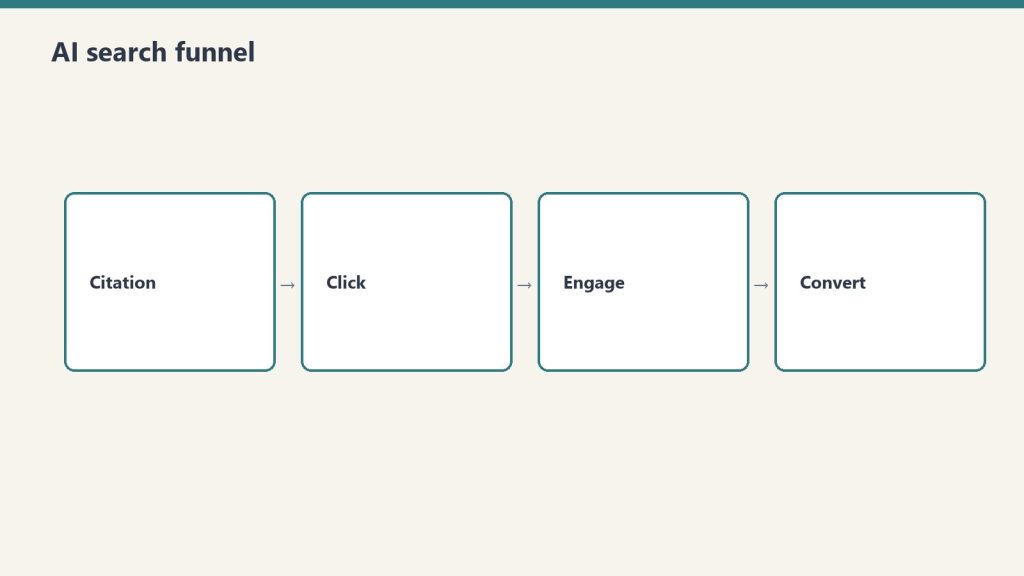
    Nationwide’s Agency Forward blog documented something significant in 2026: “The conversion funnel is collapsing, and search can lead to online quotes and binds in a single online session.” A prospect who asks an AI assistant about coverage options, finds an authoritative agency article that answers their question, and sees a clear quote CTA — can go from research to quote request in one sitting. This is the opportunity that most insurance agency WordPress blogs are missing entirely.

    Why don’t insurance agency blog posts generate quote requests despite regular publishing?
    Insurance agency blog posts fail to generate quote requests when they lack four specific optimization signals: a title tag that matches how prospects actually phrase their coverage questions (not how an agent would title a policy explanation), FAQPage schema targeting the research-stage questions that precede a quote request, named regulatory and standards entity references (NAIC, ISO policy forms, AM Best ratings, state department of insurance) that signal genuine coverage authority to both Google and AI systems, and a clear quote CTA embedded in the article body — not just in the website header or footer where prospects who found the article rarely look.

    Fix 1: Match Titles to How Prospects Actually Ask Coverage Questions

    Insurance agents write article titles the way they’d label a file in a cabinet: “Umbrella Liability Coverage Overview” or “Commercial General Liability Policy Explained.” Prospects search the way they’d ask a friend: “Do I need umbrella insurance if I have home and auto?” or “What does general liability actually cover for my business?” The title tag must match the prospect’s language, not the agent’s vocabulary. This is the single change that most immediately improves click-through rate from existing search impressions.

    Fix 2: FAQPage Schema Targeting Pre-Quote Research Questions

    The questions that precede a quote request are specific: “How much does umbrella insurance cost?”, “Does homeowners insurance cover flood damage?”, “What’s the difference between term and whole life insurance?”, “Do I need business insurance if I work from home?” A FAQ section with 6–8 of these questions structured as direct 40–60 word answers, with FAQPage JSON-LD schema, positions your articles for People Also Ask placements and AI Overview citations at the moment prospects are actively forming their coverage decisions.

    Fix 3: Named Insurance Entity References

    Google and AI systems evaluate insurance content authority through named regulatory and standards entity references. An article about homeowners insurance that references “ISO HO-3 (open perils) vs HO-8 (modified coverage) policy forms,” cites “NAIC — National Association of Insurance Commissioners model regulations,” and mentions “AM Best financial strength rating” for carrier comparison — this article signals genuine insurance expertise that generic coverage explainers lack. These entities are machine-verifiable, which is specifically what AI systems check before citing insurance content.

    Fix 4: A Quote CTA in the Article Body

    A prospect who found your article through a Google search or AI citation is reading your content, not browsing your website navigation. A quote CTA in the header or footer is often invisible to article readers who landed directly on the content. An inline CTA embedded in the body — “Ready to find out what umbrella coverage costs for your situation? Get a free quote in minutes.” — captures the prospect at the moment of highest engagement, which is while they’re reading the content that convinced them of your expertise.

    All four fixes — coverage question title rewrites, FAQPage schema, NAIC/ISO entity injection, and inline quote CTAs — are part of WordPress content optimization for insurance agencies through SiteBoost. Applied to your existing insurance blog via WordPress REST API.

    Frequently Asked Questions

    What types of insurance blog content generate the most quote requests?

    Coverage comparison content generates the highest quote request rates — “term vs. whole life insurance,” “HO-3 vs. HO-5 homeowners policy,” “occurrence vs. claims-made professional liability.” These articles capture prospects who have identified they need coverage and are comparing options — the highest-intent pre-quote state. Coverage explainer content (“what does umbrella insurance cover”) captures earlier-stage research but builds authority that converts over multiple sessions. Both types benefit from FAQPage schema and inline quote CTAs.

    Is insurance content YMYL — and what does that mean for blog optimization?

    Yes. Google classifies insurance content as YMYL (Your Money or Your Life) because coverage decisions directly affect financial protection and stability. This triggers heightened E-E-A-T scrutiny — Google’s quality evaluators specifically assess whether insurance content is authored by licensed professionals with verifiable credentials, whether coverage descriptions are accurate and comply with state-specific regulatory requirements, and whether claims are sourced to named regulatory bodies (NAIC, state departments of insurance). YMYL classification makes named entity injection and accurate sourcing non-optional for insurance content that aims to rank competitively.

    How do insurance CPCs relate to the value of organic blog content?

    Insurance keywords average $10–$54 per click on Google Ads for coverage-related terms, with some competitive personal lines terms exceeding $100 per click. A blog article that ranks organically for “does homeowners insurance cover flooding” and generates 50 qualified visitors per month represents $500–$5,000+ in equivalent paid search value — delivered at zero per-click cost once the optimization investment is made. The compounding nature of organic rankings means the cost-per-lead from well-optimized insurance content consistently decreases over time while paid search costs only increase.

    Sources: Nationwide Agency Forward, “Benefits of SEO, GEO and AEO for Insurance Agents” (2026); Sonant.ai, “SEO for Insurance Companies: 2026 Domination Guide”; Marketing LTB, “10 Best Insurance SEO Agencies in 2026”; ClickGiant, “AEO for Insurance Agencies: How to Get Found in AI Search 2026”
  • The B2B SaaS WordPress Blog Optimization Checklist: 7 Steps Every Published Post Needs

    The B2B SaaS WordPress Blog Optimization Checklist: 7 Steps Every Published Post Needs


    Tygart Media — SaaS Content Strategy

    The B2B SaaS WordPress Blog Optimization Checklist: 7 Steps Every Published Post Needs

    By Tygart Media Updated: April 12, 2026
    Why post-publish optimization is where SaaS SEO ROI lives: A SaaS company’s existing blog library — 50, 100, 200 published posts — represents years of investment in content that may be generating a fraction of its potential traffic and zero AI citations. The post-publish optimization checklist applies the seven steps that most SaaS WordPress blogs skip entirely: the steps that determine whether a published post ranks for buyer-stage queries, earns People Also Ask placements, and gets cited by AI systems during software evaluation research.
    What post-publish optimization steps do SaaS WordPress blogs typically skip?
    B2B SaaS WordPress blogs typically skip seven post-publish optimization steps: rewriting the title tag for buyer-stage search intent (not article description), writing a meta description manually instead of relying on auto-generated excerpts, adding a buyer-stage FAQ section with FAQPage JSON-LD schema, injecting named integration entity references (Salesforce, HubSpot, Slack, Zapier), adding a visible Last Updated date with dateModified Article schema, adding a consideration-stage inline CTA linking to comparison or integration content, and ensuring bidirectional internal links connect the post to the most relevant product or use-case page. These seven steps are the difference between a published post and an optimized asset.

    The 7-Step Checklist

    Step 1: Rewrite the Title Tag for Buyer-Stage Intent

    The published post title is often the article headline — written for readability, not search. Rewrite the title tag (separate from the H1 if your SEO plugin allows) to lead with the buyer-stage keyword. For awareness content: “How to [solve problem]” or “Why [pain point] Happens.” For consideration content: “Best [Category] Tools for [Specific Use Case]” or “How [Category] Integrates with Salesforce.” For decision content: “[Product] vs [Competitor]: Which Is Right for Your Team?” Stay within 50–60 characters.

    Step 2: Write a Meta Description That Matches Buyer Stage

    Delete the auto-generated excerpt. Write a 140–155 character meta description that matches the buyer stage of the content. Awareness posts: state the problem and promise a clear explanation. Consideration posts: name the specific use case, role, or integration the article covers. Decision posts: state the comparison criteria and signal a clear recommendation. The meta description is the copy that determines whether a buyer in your target stage clicks.

    Step 3: Add a Buyer-Stage FAQ Section With FAQPage Schema

    Add 6–8 FAQ questions written in buyer language for the article’s stage. Awareness: “What causes [problem]?”, “How do teams typically handle [challenge]?” Consideration: “What should I look for in [software type]?”, “How does [category] integrate with Salesforce?” Decision: “How long does [software] take to implement?”, “What’s included in [software] pricing?” Inject FAQPage JSON-LD schema alongside the visible FAQ section — both are required for People Also Ask eligibility.

    Step 4: Inject Integration Entity References

    Add 3–5 named integration entity references naturally into the content. “Whether your team runs on Salesforce, HubSpot, or a custom CRM” signals ecosystem positioning. “Native Zapier and Make integration means no-code automation teams can connect this to any existing workflow” targets automation-focused buyers. These named entities are what AI systems and Google’s quality evaluators use to confirm that the content represents genuine B2B SaaS category expertise.

    Step 5: Add a Visible Last Updated Date and dateModified Schema

    B2B buyers evaluating software are sensitive to information freshness — integration availability, pricing structure, and compliance certifications change. A visible “Last updated: April 2026” signals current information. Update the dateModified field in the Article JSON-LD schema to match. Only do this when the content has genuinely been updated — a statistic refreshed, an integration name added, a new FAQ question added. Date-only updates without content changes can be detected as manipulation.

    Step 6: Add a Consideration-Stage Inline CTA

    Embed a CTA in the body of the post — not only in the footer — that links to the most relevant consideration or decision-stage content. For an awareness post about workflow automation: “If you’re evaluating workflow automation tools for your sales team, our Salesforce integration guide covers the specific sync capabilities to look for.” This CTA serves readers who are further along in their buying journey than the post’s target stage, capturing conversion opportunity from the full audience.

    Step 7: Add Bidirectional Internal Links

    Link from the blog post to the most relevant product or use-case page with descriptive anchor text (“workflow automation for sales teams” not “learn more”). Then update the product page to link back to the blog post. Bidirectional internal linking passes authority in both directions, signals topical depth to Google’s crawlers, and creates navigation paths for buyers moving between educational and evaluation content.

    These 7 steps applied to 10 existing SaaS blog posts is exactly the scope of WordPress content optimization for B2B SaaS companies through SiteBoost. Every step pushed live via WordPress REST API — no manual editing, before/after baseline included.

    Frequently Asked Questions

    Which of the 7 steps has the highest impact for SaaS blogs?

    Steps 3 and 4 — FAQ section with schema and integration entity injection — consistently deliver the fastest visible impact for SaaS content. FAQPage schema enables People Also Ask placement eligibility within 2–4 weeks. Integration entity injection improves AI citation probability immediately after the next crawl cycle. Step 1 (title tag) has the highest impact on click-through rate from existing search impressions. All 7 together create compounding returns — each step reinforces the others in Google’s quality evaluation and AI citation selection.

    Should SaaS companies optimize old posts or publish new ones first?

    Optimize existing posts first — specifically the top 20% by traffic. Existing posts have index history, any existing backlinks, and are already known to Google’s crawlers. Applying these 7 steps to 10 existing high-traffic posts typically produces faster ranking and conversion improvements than publishing 10 new posts. New posts require 3–6 months to build ranking authority. Optimized existing posts can improve within weeks because they’re already indexed and the authority infrastructure exists.

    Do these steps require a WordPress plugin?

    No plugin is required. All 7 steps can be applied via the WordPress REST API: title and excerpt (meta description) through post fields, FAQ section and JSON-LD schema as HTML in post content, integration entity references as text additions, and Article schema with dateModified through an HTML block. SEO plugins like Rank Math or Yoast manage some fields through their own meta — if using one, title and meta should go through the plugin’s fields to avoid conflicts. The REST API handles everything else directly.

    Sources: Powered by Search, “The B2B SaaS SEO Playbook” (2025); ALM Corp, “SaaS SEO Strategy Guide” (2026); Matt’s World 101, “SaaS SEO: The Complete Guide to Hypergrowth in 2025”; Gartner 2025 B2B Buying Report
  • Notion for the Restoration Industry: Building Content Operations That Drive Local Authority

    Notion for the Restoration Industry: Building Content Operations That Drive Local Authority

    The Agency Playbook
    TYGART MEDIA · PRACTITIONER SERIES
    Will Tygart
    · Senior Advisory
    · Operator-grade intelligence

    The restoration industry has a content problem that most operators don’t recognize as a content problem. The work is technical, the market is local, the competition is intense, and the buying decision is urgent — someone’s basement is flooding or their ceiling has water damage and they need a contractor now. Traditional marketing advice — build a brand, nurture a relationship, post on social media — doesn’t map well to an industry where the customer need is immediate and the decision window is short.

    What does work: topical authority built through genuinely useful content, local SEO that answers the specific questions people ask when damage happens, and a content operation that can produce and maintain that content at scale. This is what we’ve built for restoration industry clients, and Notion is the operational backbone that makes it manageable.

    What does a Notion content operation look like for the restoration industry? A restoration industry content operation in Notion tracks content across specific damage types — water, fire, mold, asbestos, storm — and service geographies, with keyword research integrated into the content pipeline and a publishing workflow that routes content through optimization, schema injection, and WordPress publication. The operation is built for volume and specificity, not general brand content.

    Why the Restoration Industry Is a Good Content Market

    Restoration is a strong content market for several reasons. The questions people ask when damage occurs are specific and consistent: how much does water damage restoration cost, how long does mold remediation take, what does fire damage smell like after a week. These questions have real search volume and low competition from authoritative content — most restoration company websites are thin on useful information.

    The industry also has strong local search intent. Someone searching for water damage restoration is almost always searching for someone local. Content that combines topical authority — demonstrating genuine expertise in the damage type — with local specificity performs well in this environment.

    Finally, the industry is fragmented. Most restoration companies are regional or local operators without the resources to build and maintain a serious content operation. That gap creates opportunity for content-forward operators to establish authority that larger, less content-focused competitors can’t easily replicate.

    How the Content Architecture Works

    The content architecture for restoration clients follows a hub-and-spoke structure. Hub pages cover the primary service categories at the depth required for topical authority — comprehensive guides to water damage restoration, mold remediation, fire damage recovery. Spoke pages cover specific questions, cost breakdowns, process explanations, local variations, and comparison topics that radiate from each hub.

    In Notion, this architecture is tracked in the Content Pipeline database with content type tags distinguishing hub pages from spoke content. The hub pages are the long-term SEO assets; the spoke content generates ongoing traffic from specific long-tail queries and builds the internal link structure that supports the hubs.

    The keyword research layer — what topics need coverage, what questions are being asked in the target geography, what the competition looks like for each keyword — feeds directly into the Content Pipeline as briefs. Each brief becomes a content record that moves through the standard status sequence before it reaches WordPress.

    The Local Intelligence Layer

    Generic restoration content — “water damage restoration: everything you need to know” — competes with national franchise content from large chains and major insurance resources. It’s hard to win that competition for a regional operator.

    Local intelligence changes the equation. Content that reflects genuine knowledge of a specific market — the most common cause of water damage in the local housing stock, the local insurance carriers and their specific claim processes, the geographic factors that affect mold growth in the region — differentiates from generic content in a way that matters to both search engines and local readers.

    Capturing and maintaining that local intelligence is a knowledge management problem. In Notion, it lives in the client’s Knowledge Lab records — market-specific reference documents that inform every piece of content written for that client and that Claude reads before starting any content session for that site.

    The B2B Network as Distribution

    Content production is half the equation. Distribution matters — who sees the content and whether it reaches the decision-makers and referral sources who drive restoration business.

    A B2B industry network built around a shared activity — golf, in one model we’ve seen work well — can be a powerful distribution channel for restoration industry relationships. Insurance adjusters, property managers, contractors, and restoration company owners all participate in an industry where relationships drive referrals. A network format that builds those relationships efficiently creates a distribution layer that pure content can’t replicate.

    The content operation and the network operation reinforce each other. The content builds the credibility and visibility that makes the network meaningful. The network provides the relationships and industry intelligence that make the content genuinely informed rather than generic. Neither works as well without the other.

    What Makes Restoration Content Different

    Restoration content has specific requirements that distinguish it from general service business content. The subject matter is emotionally charged — people are dealing with damaged homes and possessions, often under insurance and contractor pressure. The content needs to be factually precise — cost ranges, process timelines, and technical specifications that are wrong will be called out quickly by industry readers. And the local dimension is non-negotiable — a guide to water damage restoration that doesn’t reflect local contractor pricing, local building codes, or local insurance market realities is less useful than one that does.

    Meeting these requirements at scale — across multiple clients, multiple damage types, multiple geographies — is what makes Notion’s pipeline architecture valuable for restoration content operations. The knowledge layer stores the local intelligence. The pipeline tracks the content. The quality gate ensures nothing publishes with claims that can’t be supported.

    Working in the restoration industry?

    We build content operations for restoration companies — the topical authority architecture, the local intelligence layer, and the publishing pipeline that makes it run at scale.

    Tygart Media has deep experience in restoration industry content. We know what works, what the keywords are, and what differentiates in a fragmented local market.

    See what we build →

    Frequently Asked Questions

    What content topics work best for restoration companies?

    Cost guides perform consistently well — people want to know what water damage restoration costs, what mold remediation costs, what fire damage cleanup costs. Process explanations — what happens during restoration, how long it takes, what to expect — also perform well because they reduce anxiety during a stressful situation. Local content that reflects knowledge of the specific market outperforms generic content for the same topics at the local search level.

    How much content does a restoration company need to build topical authority?

    For a regional restoration company targeting a metro area, meaningful topical authority typically requires fifty to one hundred published articles covering the primary damage types, the key cost and process questions, and local variations. That’s a six-to-twelve month content build at reasonable publishing velocity. The content compounds over time — articles published in month one are still generating traffic in month twelve and beyond.

    How do you handle the local specificity requirement across multiple restoration clients in different markets?

    Each client’s market-specific intelligence lives in their Knowledge Lab records in Notion — a set of reference documents covering local pricing, local contractors, local insurance market conditions, and geographic factors specific to their service area. Claude reads these records before starting any content session for that client. The records are the mechanism that makes content locally specific without requiring the writer to have personal knowledge of every market.