Crawl space foundations and radon have an important and often misunderstood relationship. Homes built on crawl spaces face a different radon dynamic than those on slabs or full basements — but the risk is real and, in some ways, more complex to address. If you have a crawl space and have not tested for radon, this guide explains why you should, what the risk profile looks like, and what mitigation means for a crawl space home.
Why Crawl Spaces Are Primary Radon Entry Points
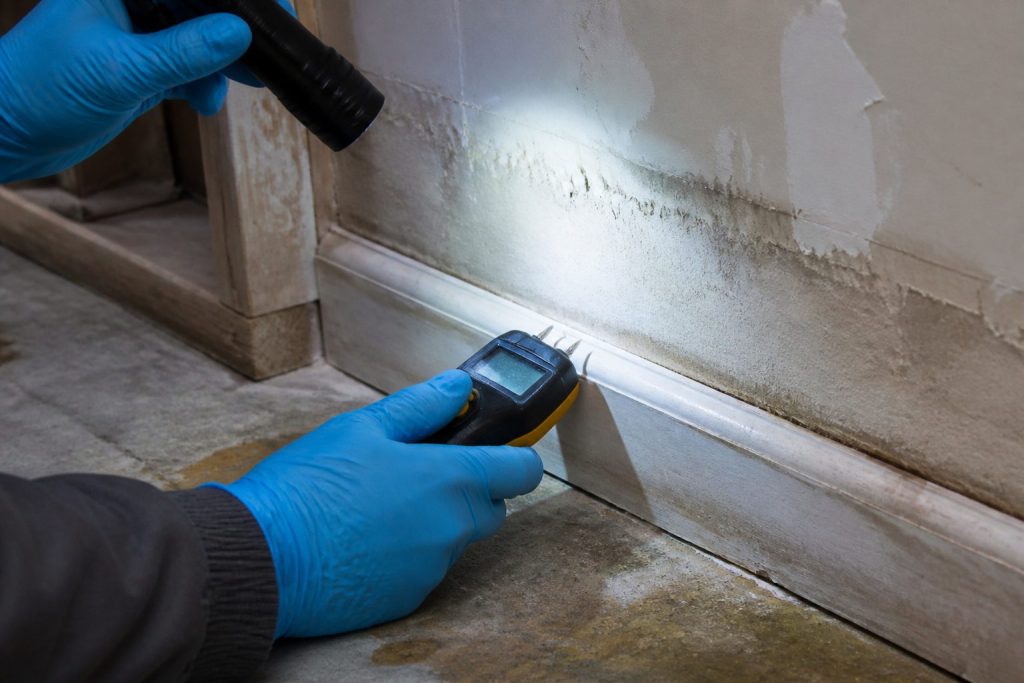
Radon is produced continuously in soil by the decay of uranium. It migrates upward through soil gas and enters buildings wherever there is a pressure differential between the sub-foundation zone and the building interior. Crawl spaces, by their nature, are highly connected to the soil:
- A vented crawl space has open foundation vents that communicate directly with outdoor and sub-foundation air — including radon-laden soil gas
- The soil surface in a crawl space is typically bare earth, concrete, or a thin vapor retarder — all of which allow radon to enter the crawl space air relatively easily compared to a thick concrete slab
- The stack effect that draws crawl space air into the home (documented at 40–60% of first-floor air in homes with vented crawl spaces) continuously pulls radon from the crawl space into the living space
The result: crawl space homes in high-radon geological areas frequently have elevated radon levels in the first-floor living space, even if the crawl space is not directly occupied. The crawl space is a radon delivery mechanism — not just a space where radon exists.
How Encapsulation Affects Radon
Crawl space encapsulation has a complex and sometimes counterintuitive effect on radon:
Encapsulation Without Radon Mitigation Can Increase Indoor Radon
Sealing the crawl space — closing foundation vents, installing a vapor barrier, sealing the rim joist — reduces the total air volume and air exchange in the crawl space. If the crawl space is now a sealed zone that communicates with the living space through the floor above, radon that enters the sealed crawl space from the soil can accumulate to higher concentrations than it would have in a vented crawl space (where outdoor air diluted it). Some encapsulated crawl space homes show higher post-encapsulation radon levels than pre-encapsulation — precisely because the dilution effect of vented outdoor air has been removed.
Encapsulation With ASMD Dramatically Reduces Radon
Sub-Membrane Depressurization (ASMD) is the standard radon mitigation technique for crawl space homes. It combines the vapor barrier with a radon mitigation fan system:
- The vapor barrier is installed across the entire crawl space floor, sealed to the foundation walls
- A suction point is created beneath the barrier — typically a PVC pipe penetrating through or beneath the barrier with a perforated section under the membrane
- A radon mitigation fan pulls soil gas from beneath the membrane and discharges it above the roofline through the same pipe network used for ASD systems in slab homes
- The result: the space beneath the membrane is under slight negative pressure relative to the crawl space, preventing radon from entering the crawl space air from the soil below
ASMD systems typically reduce crawl space radon by 70–95% — comparable to the performance of ASD systems in slab and basement homes. The EPA’s standard protocol for crawl space radon mitigation is ASMD combined with a sealed vapor barrier system.
Testing for Radon in a Crawl Space Home
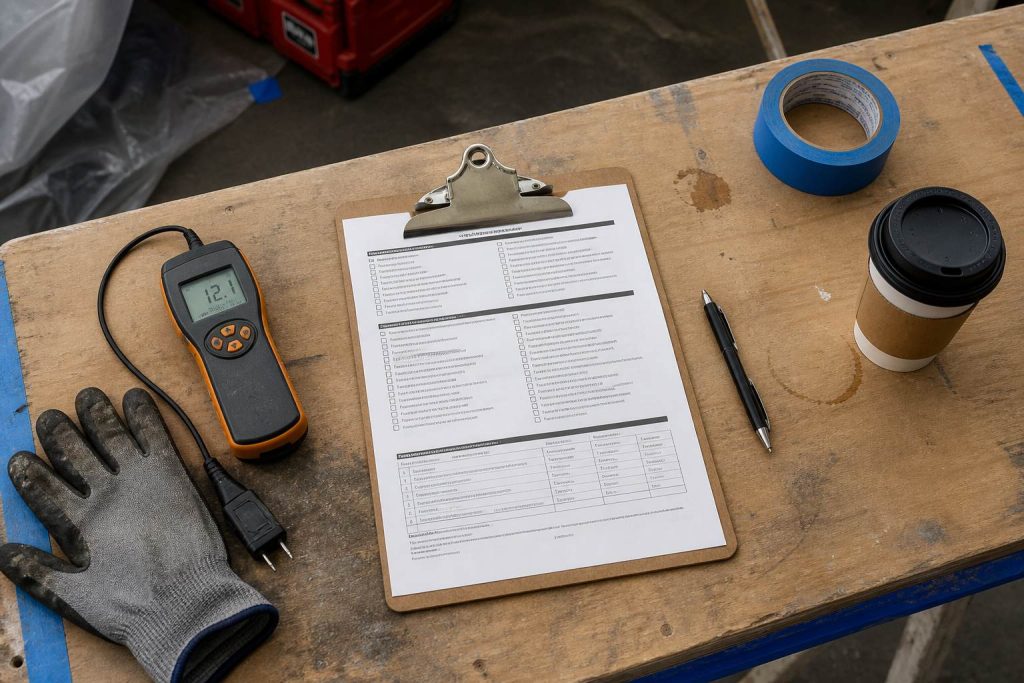
Radon testing for crawl space homes follows the same protocol as for other foundation types — the test is placed in the lowest livable level of the home (the first floor above the crawl space, not in the crawl space itself). Key points:
- Do not place the test device in the crawl space — you are measuring the radon in the air that occupants breathe, which is in the living space
- Close-house conditions apply as in any radon test — all foundation vents, windows, and exterior doors closed for 12 hours before and throughout the 48-hour test period
- For a home with an existing vented crawl space, the test under closed-house conditions (vents closed) represents the highest radon concentration — conservative and appropriate for a mitigation decision
- If the home is in the process of being encapsulated, test post-encapsulation to confirm whether ASMD is needed
ASMD Cost for Crawl Space Radon Mitigation
ASMD installation in a crawl space with an existing vapor barrier costs $800–$1,500 for a standard installation — the vapor barrier already serves as the membrane, and the suction pipe is added beneath it or integrated at installation. Installing ASMD simultaneously with a new encapsulation system adds $300–$600 to the encapsulation project cost — far less than retrofitting it after the encapsulation is complete.
If no vapor barrier exists, ASMD requires installation of a vapor barrier before the suction system can work — the membrane is what creates the sealed zone beneath which the suction is applied. Full ASMD with new vapor barrier in a crawl space: $1,200–$3,500 depending on crawl space size and membrane quality.
Related on Tygart Media: encapsulation process · vapor barrier installation · inspection checklist.
Frequently Asked Questions
Are crawl space homes at higher radon risk?
Not necessarily higher than slab or basement homes in the same geological area — all three foundation types have radon risk in high-radon zones. But crawl space homes have a specific pathway (the direct soil-to-air connection through an open crawl space) that can be highly efficient at delivering radon to the living space via the stack effect. Testing is the only way to know, regardless of foundation type.
Will encapsulating my crawl space reduce my radon levels?
Not necessarily — and it may increase them if ASMD is not included. Sealing the crawl space without adding sub-membrane depressurization removes the dilution effect of outdoor air, potentially concentrating radon in the now-sealed space. Always test radon post-encapsulation. If levels increase or remain elevated, ASMD installation is the correct follow-up.
What is sub-membrane depressurization (ASMD)?
ASMD is the EPA-standard radon mitigation technique for crawl space homes. A sealed vapor barrier covers the entire crawl space floor; a radon fan creates negative pressure beneath the membrane, preventing radon from entering the crawl space air from the soil below. The radon-laden soil gas is drawn from beneath the membrane and discharged safely above the roofline. ASMD typically reduces crawl space home radon by 70–95%.
Should I test for radon before or after crawl space encapsulation?
Both. Test before encapsulation to establish baseline levels and determine whether ASMD should be included in the encapsulation project. Test after encapsulation (at least 24 hours after the system is complete and sealed) to confirm results. If the contractor is installing ASMD simultaneously with encapsulation, a single post-encapsulation test is sufficient to confirm system performance.
📖 Recommended Reading in Restoration Intelligence
- 🎯 Pillar Guide: Does Homeowners Insurance Cover Radon Mitigation?
- 🔗 Next Topic: Crawl Space Encapsulation Process: Step-by-Step Installation Walkthrough
Leave a Reply