The Insurance Agency WordPress Post-Publish Checklist: 7 Steps Every Coverage Article Needs
By Tygart Media Updated: April 12, 2026
Why post-publish optimization matters for insurance content: Insurance blog posts are written with coverage accuracy as the primary concern — which is correct. But the optimization signals that determine whether a prospect finds that article — title tag, meta description, entity references, schema, FAQ section — are almost never applied after publication. These 7 steps apply those signals to existing articles without altering coverage content, converting published articles into AI-citable, PAA-eligible, quote-driving assets.
The 7-Step Insurance WordPress Post-Publish Checklist
Rewrite the title tag for how prospects ask coverage questions — Match prospect language, not agent vocabulary. “Commercial General Liability Coverage Overview” → “What Does General Liability Insurance Cover for My Business?” Lead with the prospect’s question framing within 50–60 characters. For comparison articles: “Term vs. Whole Life Insurance: Which Is Right for You?” beats “Term and Whole Life Insurance Comparison.”
Write a meta description targeting the pre-quote research moment — Delete the auto-generated excerpt. Write 140–155 characters that speak directly to the prospect’s coverage question and signal authoritative answers: “Wondering what general liability covers for your business? We explain ISO CG 00 01 policy coverage, common exclusions, and typical cost ranges. Get a free quote.” This converts impressions to clicks by promising a specific, credible answer.
Inject named insurance entity references into the content — Add 3–5 named regulatory and standards entities relevant to the coverage type: ISO policy form number, NAIC regulatory reference, AM Best carrier rating mention, and any applicable federal program (NFIP, ACA, ERISA). These named entities are machine-verifiable — the specific signal Google YMYL quality evaluators and AI systems use to distinguish genuine insurance expertise from generic coverage summaries.
Add a coverage FAQ section with FAQPage schema — Write 6–8 questions in prospect language targeting the pre-quote research phase: “How much does [coverage type] cost?”, “What doesn’t [coverage] cover?”, “Do I need [coverage type]?”, “What is the difference between [option A] and [option B]?” Add FAQPage JSON-LD schema alongside the visible FAQ section — both are required for People Also Ask eligibility and AI Overview citation.
Add InsuranceAgency schema connecting content to the agency entity — Inject Article schema with the licensed agent or agency as author and InsuranceAgency schema connecting the content to the specific agency entity (name, license number where appropriate, state of licensure, lines of authority). This machine-readable entity connection is what AI systems use to associate coverage authority with a specific licensed agency — turning content citations into agency brand recognition.
Set a visible Last Updated date with dateModified Article schema — Add “Last updated: [Quarter, Year]” near the article top. Update the dateModified field in Article JSON-LD schema. Insurance coverage terms, pricing factors, and regulatory requirements change. A 2022 article about ACA marketplace coverage is outdated for 2026 prospects. The visible update date signals that the coverage information is current — a critical trust signal for YMYL insurance content that directly influences financial protection decisions.
Add an inline quote CTA in the article body — Embed a quote request CTA in the article content — not just in the header or footer. Prospects who landed directly on the article via search or AI citation are reading the article, not navigating the website. “Ready to find out what [coverage type] costs for your situation? Get a free, no-obligation quote from our licensed agents.” Position this CTA after the FAQ section — at the moment of highest trust and lowest resistance.
These 7 steps applied to your 10 highest-traffic insurance coverage articles is the scope of WordPress content optimization for insurance agencies through SiteBoost. Every step pushed live via WordPress REST API — coverage content unchanged, optimization and citation infrastructure added.
Frequently Asked Questions
Which of the 7 steps has the highest impact for insurance agency content?
Step 3 (named entity injection — NAIC, ISO, AM Best) and step 4 (FAQPage schema) produce the fastest visible results for insurance content. Named entity references create the YMYL authority signals that Google quality evaluators specifically look for in insurance content, and FAQPage schema enables People Also Ask placement within 2–4 weeks. Step 7 (inline quote CTA) has the highest direct revenue impact — converting article readers who were already engaged by the content into active quote requests. All 7 together create compounding returns that no individual step achieves alone.
Should these steps be applied to all insurance articles or prioritized?
Prioritize by coverage line importance and existing traffic. Start with your highest-traffic articles in your primary lines of authority. For a personal lines agency: homeowners, auto, umbrella, and life content first. For a commercial lines agency: BOP, CGL, professional liability, and commercial auto first. Apply all 7 steps to these high-priority articles, then systematically work through secondary content. New articles should have all 7 steps applied at publication — not retroactively — establishing the optimization standard from the point of creation.
Do these steps require any special WordPress setup or developer access?
No special setup or developer access is required. Title tags and meta descriptions are managed through post fields or SEO plugin meta fields. Entity references and FAQ sections are text and HTML additions to existing post content. FAQPage, InsuranceAgency, and Article JSON-LD schema blocks are added as HTML blocks in post content via the WordPress REST API. InsuranceAgency schema requires only the agency’s name, license number, and state — publicly available information that agents can provide. The WordPress Application Password required for REST API access is generated from the WordPress admin dashboard in under a minute.
Sources: Nationwide Agency Forward, “Benefits of SEO, GEO and AEO for Insurance Agents” (InsuranceAgency schema reference); Amsive, “Answer Engine Optimization” (conversion rate data); Marketing LTB, “10 Best Insurance SEO Agencies in 2026” (YMYL compliance section); ClickGiant, “AEO for Insurance Agencies: How to Get Found in AI Search 2026”
Why Insurance Agency Blog Posts Don’t Generate Quote Requests (And the 4 Fixes That Change That)
By Tygart Media Updated: April 12, 2026
The insurance content gap: Insurance is a research-heavy industry. According to research cited by Sonant.ai’s 2026 insurance SEO guide, 69% of insurance customers conduct online searches before scheduling any appointment or requesting a quote. That research now happens increasingly in AI assistants — ChatGPT, Perplexity, Google AI Overviews — where prospects ask coverage questions before they ever visit an agency website. The agency whose WordPress content answers those research questions is in the consideration set before competitors are even aware the prospect exists.
The Insurance Research-to-Quote Funnel Has Collapsed Into One Session
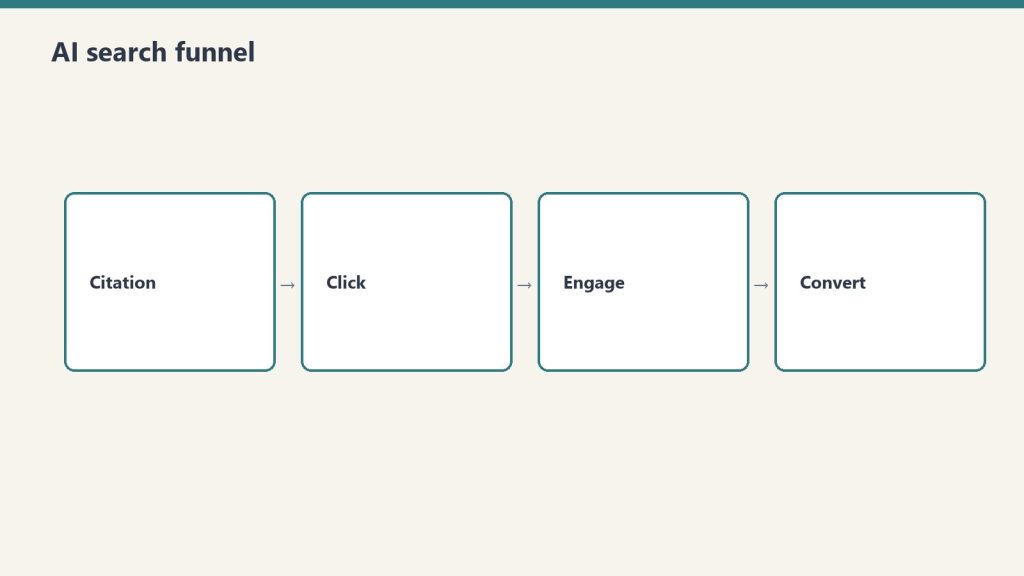
Nationwide’s Agency Forward blog documented something significant in 2026: “The conversion funnel is collapsing, and search can lead to online quotes and binds in a single online session.” A prospect who asks an AI assistant about coverage options, finds an authoritative agency article that answers their question, and sees a clear quote CTA — can go from research to quote request in one sitting. This is the opportunity that most insurance agency WordPress blogs are missing entirely.
Why don’t insurance agency blog posts generate quote requests despite regular publishing?
Insurance agency blog posts fail to generate quote requests when they lack four specific optimization signals: a title tag that matches how prospects actually phrase their coverage questions (not how an agent would title a policy explanation), FAQPage schema targeting the research-stage questions that precede a quote request, named regulatory and standards entity references (NAIC, ISO policy forms, AM Best ratings, state department of insurance) that signal genuine coverage authority to both Google and AI systems, and a clear quote CTA embedded in the article body — not just in the website header or footer where prospects who found the article rarely look.
Fix 1: Match Titles to How Prospects Actually Ask Coverage Questions
Insurance agents write article titles the way they’d label a file in a cabinet: “Umbrella Liability Coverage Overview” or “Commercial General Liability Policy Explained.” Prospects search the way they’d ask a friend: “Do I need umbrella insurance if I have home and auto?” or “What does general liability actually cover for my business?” The title tag must match the prospect’s language, not the agent’s vocabulary. This is the single change that most immediately improves click-through rate from existing search impressions.
Fix 2: FAQPage Schema Targeting Pre-Quote Research Questions
The questions that precede a quote request are specific: “How much does umbrella insurance cost?”, “Does homeowners insurance cover flood damage?”, “What’s the difference between term and whole life insurance?”, “Do I need business insurance if I work from home?” A FAQ section with 6–8 of these questions structured as direct 40–60 word answers, with FAQPage JSON-LD schema, positions your articles for People Also Ask placements and AI Overview citations at the moment prospects are actively forming their coverage decisions.
Fix 3: Named Insurance Entity References
Google and AI systems evaluate insurance content authority through named regulatory and standards entity references. An article about homeowners insurance that references “ISO HO-3 (open perils) vs HO-8 (modified coverage) policy forms,” cites “NAIC — National Association of Insurance Commissioners model regulations,” and mentions “AM Best financial strength rating” for carrier comparison — this article signals genuine insurance expertise that generic coverage explainers lack. These entities are machine-verifiable, which is specifically what AI systems check before citing insurance content.
Fix 4: A Quote CTA in the Article Body
A prospect who found your article through a Google search or AI citation is reading your content, not browsing your website navigation. A quote CTA in the header or footer is often invisible to article readers who landed directly on the content. An inline CTA embedded in the body — “Ready to find out what umbrella coverage costs for your situation? Get a free quote in minutes.” — captures the prospect at the moment of highest engagement, which is while they’re reading the content that convinced them of your expertise.
All four fixes — coverage question title rewrites, FAQPage schema, NAIC/ISO entity injection, and inline quote CTAs — are part of WordPress content optimization for insurance agencies through SiteBoost. Applied to your existing insurance blog via WordPress REST API.
Frequently Asked Questions
What types of insurance blog content generate the most quote requests?
Coverage comparison content generates the highest quote request rates — “term vs. whole life insurance,” “HO-3 vs. HO-5 homeowners policy,” “occurrence vs. claims-made professional liability.” These articles capture prospects who have identified they need coverage and are comparing options — the highest-intent pre-quote state. Coverage explainer content (“what does umbrella insurance cover”) captures earlier-stage research but builds authority that converts over multiple sessions. Both types benefit from FAQPage schema and inline quote CTAs.
Is insurance content YMYL — and what does that mean for blog optimization?
Yes. Google classifies insurance content as YMYL (Your Money or Your Life) because coverage decisions directly affect financial protection and stability. This triggers heightened E-E-A-T scrutiny — Google’s quality evaluators specifically assess whether insurance content is authored by licensed professionals with verifiable credentials, whether coverage descriptions are accurate and comply with state-specific regulatory requirements, and whether claims are sourced to named regulatory bodies (NAIC, state departments of insurance). YMYL classification makes named entity injection and accurate sourcing non-optional for insurance content that aims to rank competitively.
How do insurance CPCs relate to the value of organic blog content?
Insurance keywords average $10–$54 per click on Google Ads for coverage-related terms, with some competitive personal lines terms exceeding $100 per click. A blog article that ranks organically for “does homeowners insurance cover flooding” and generates 50 qualified visitors per month represents $500–$5,000+ in equivalent paid search value — delivered at zero per-click cost once the optimization investment is made. The compounding nature of organic rankings means the cost-per-lead from well-optimized insurance content consistently decreases over time while paid search costs only increase.
Sources: Nationwide Agency Forward, “Benefits of SEO, GEO and AEO for Insurance Agents” (2026); Sonant.ai, “SEO for Insurance Companies: 2026 Domination Guide”; Marketing LTB, “10 Best Insurance SEO Agencies in 2026”; ClickGiant, “AEO for Insurance Agencies: How to Get Found in AI Search 2026”
The Real Estate Agent WordPress Post-Publish Checklist: 7 Steps Every Listing and Blog Post Needs
By Tygart Media Updated: April 12, 2026
Why real estate content needs a post-publish checklist: Real estate agents invest significant time in neighborhood guides, market reports, and buyer/seller process content. The optimization layer that determines whether a buyer finds that content — title tag, meta description, local entity references, schema, FAQ section — is almost never applied after publication. The 7-step post-publish checklist applies these signals to existing articles without rewriting content, converting published articles into optimized assets that rank for local buyer and seller queries.
The 7-Step Real Estate WordPress Post-Publish Checklist
Rewrite the title tag for buyer-stage search intent — Match how buyers actually phrase their search. “Oakwood Heights Neighborhood Guide” → “Living in Oakwood Heights: Schools, Market Conditions & What Buyers Need to Know.” Lead with the neighborhood name, include the most-searched aspect (schools or market), and stay within 50–60 characters. For market reports: “[Neighborhood] Real Estate Market Update: Q1 2026 Conditions for Buyers and Sellers.”
Write a meta description that converts neighborhood searches to clicks — Delete the auto-generated excerpt. Write 140–155 characters specific to what a buyer searching that neighborhood actually wants: “Thinking about Oakwood Heights? Get school ratings, current median prices ($487K Q1 2026), commute times, and what locals love most. Talk to a local agent.” This is copy that converts — and it signals to Google that the article serves a buyer’s actual intent.
Add named local entity references to the content — Inject 3–5 named geographic and institutional entities: the specific school names and district, the highway or transit reference, the MLS board for any market data, and the HOA name if applicable. If the article mentions “good schools,” rewrite to name the schools. If it mentions “easy freeway access,” name the freeway. Entity specificity is what separates genuine local expertise from generic real estate content.
Add a neighborhood FAQ section with FAQPage schema — Write 6–8 questions targeting the buyer research phase for that specific neighborhood: “What schools serve [neighborhood]?”, “What is the median home price in [neighborhood]?”, “Is [neighborhood] a good investment?”, “How is the commute from [neighborhood] to downtown?” Add FAQPage JSON-LD schema alongside the visible FAQ section — both are required for People Also Ask eligibility and AI Overview citation.
Add LocalBusiness schema connecting the article to the agent entity — Inject Article schema with the agent as author (with name, real estate license number if published, and brokerage affiliation) and LocalBusiness schema connecting the content to the agent’s geographic service area. This machine-readable entity connection is what AI systems use to associate neighborhood expertise with a specific local agent — turning a content citation into agent brand recognition.
Set a visible Last Updated date with dateModified schema — Add “Last updated: [quarter, year]” near the article top, especially for market data content. Update the dateModified field in Article JSON-LD schema to match the actual content update date. Buyers and sellers actively check content freshness for market data — a 2023 market report seen in 2026 destroys credibility. Quarterly updates to the data section, with a visible date update, maintain the article’s authority and ranking freshness signals.
Add internal links to and from neighborhood and service pages — Link from the neighborhood guide to your home valuation page (“Curious what your Oakwood Heights home is worth?”), your buyer consultation page, and any related neighborhood or market report. Then update those destination pages to link back to the neighborhood guide. Bidirectional internal linking establishes topical depth, guides buyers through the journey from research to contact, and passes authority between your highest-traffic content and your conversion pages.
These 7 steps applied to your 10 highest-traffic neighborhood guides and market reports is the scope of WordPress content optimization for real estate agents through SiteBoost for real estate. Every step pushed live via WordPress REST API — your content unchanged, optimization infrastructure added.
Frequently Asked Questions
Which of the 7 steps has the highest impact for real estate agent content?
Step 3 (named local entity injection) and step 4 (FAQPage schema) produce the fastest measurable results for real estate content. Named school district entities, specific transit references, and MLS board citations create the geographic entity depth that distinguishes genuine local expertise from generic content — the primary signal Google uses for local real estate rankings. FAQPage schema enables People Also Ask placement within 2–4 weeks for neighborhood-specific buyer questions. Step 1 (title tag rewrite) has the highest impact on click-through rate from existing search impressions — changing “Neighborhood Guide” to a buyer-intent title immediately improves organic CTR.
Should real estate agents optimize all their articles or just the most important ones?
Prioritize by neighborhood importance and existing traffic. Start with your primary farm neighborhoods — the areas where you do the most business and have the deepest knowledge. These guides have the highest ROI because you can write the most specific, authoritative content. Apply all 7 steps to these high-priority guides first. Then systematically work through secondary neighborhoods and market reports. New content published after the checklist is established should have all 7 steps applied at publication rather than retroactively — establishing the optimization habit at the point of creation.
Does real estate content optimization require coding or developer access?
No coding or developer access is required. Title tags and meta descriptions update through post fields or SEO plugin fields. Entity references and FAQ sections are text additions to existing content. FAQPage, LocalBusiness, and Article JSON-LD schema blocks are injected as HTML blocks in post content. The WordPress REST API handles all of these changes directly — no theme modifications, no plugin configuration, and no server access needed. The only setup requirement is a WordPress Application Password for REST API authentication, which any agent can generate from their WordPress admin panel in about 30 seconds.
Sources: SLT Creative, “The Complete Step by Step Guide to Real Estate SEO” (February 2026); Digital Agent Club, “Real Estate Digital Marketing 2026” (November 2025); W3Era, “Real Estate SEO Guide for Agents & Brokers 2026”; Marketing LTB, “10 Best Real Estate SEO Agencies in 2026”
Why Real Estate Agent Blogs Don’t Generate Leads (And the 4 Fixes That Change That)
By Tygart Media Updated: April 12, 2026
The real estate content paradox: Most buyers and sellers don’t wake up thinking “I need an agent today.” They start searching neighborhoods, school zones, home prices, and market conditions weeks or months before they’re ready to raise their hand. According to HousingWire’s 2026 real estate SEO guide, real estate SEO builds visibility during those early moments — before someone is ready to ask for help. Most real estate agent blogs publish content that arrives too late in the journey, targeting keywords that Zillow already owns, or publishing without the optimization signals needed to surface in any search at all.
Why You Can’t Beat Zillow — And Why That’s Fine
Why you cannot beat Zillow on generic terms — and why that is fine.
Zillow and Realtor.com own first-page results for “homes for sale [city]” and “real estate agent near me.” These platforms have domain authority, millions of pages, and link profiles that individual agents cannot match. The correct strategy, per SLT Creative’s 2026 real estate SEO guide, is to stop trying to outrank them for generic terms and instead target hyper-local, long-tail searches where buyers actually convert — and where national portals can never replicate authentic local knowledge.
A buyer searching “3-bedroom homes near [specific school district]” or “what is [neighborhood] like for families” is further along in their decision than someone searching “homes for sale.” They’ve identified where they want to live. An agent whose content answers those specific questions captures that buyer at the exact moment they’re evaluating neighborhoods — before they’ve contacted a portal or an agent.
Why do real estate agent blog posts fail to generate buyer and seller leads?
Real estate agent blog posts fail to generate leads when they target generic, high-competition keywords that national portals like Zillow and Realtor.com already dominate (“homes for sale,” “real estate agent near me”), rather than hyper-local, long-tail queries where authentic local knowledge wins. The additional optimization gaps: missing FAQPage schema targeting buyer and seller process questions, absent neighborhood entity references (school district names, commute corridors, local amenities) that signal local authority to Google and AI systems, and no written meta description — leaving Google to auto-generate one that doesn’t convert.
Fix 1: Target Hyper-Local Long-Tail Keywords, Not Generic Terms
Fix 1: target hyper-local long-tail keywords.
The real estate content that generates leads targets queries that reflect a buyer or seller who has already narrowed their search. “What are the best neighborhoods in [city] for commuters?” “How competitive is [neighborhood] for buyers right now?” “What to know before buying a condo in [specific building or complex]?” These are queries a local agent can answer with genuine authority — and that Zillow cannot match with a generic neighborhood page.
Fix 2: Add Named Local Entities to Every Neighborhood Article
Fix 2: named local entities in every neighborhood article.
Google and AI systems determine whether a real estate article represents genuine local expertise through named geographic and institutional entities. A neighborhood guide that names the specific elementary, middle, and high school serving the area, references the transit line or highway corridor, mentions the local HOA structure, and cites median price ranges with MLS board context — this article has entity depth that signals real local authority. A generic “great neighborhood for families” article has none of it and ranks accordingly.
Fix 3: FAQPage Schema Targeting Buyer and Seller Process Questions
People Also Ask placements in real estate search results appear for process questions — “how long does it take to close on a house,” “what does earnest money mean,” “what are contingencies in real estate.” These placements appear above organic results and capture buyer attention at high-intent moments. A FAQ section with 6–8 direct answers to these questions, with FAQPage JSON-LD schema, makes your article PAA-eligible for queries that show up constantly in buyer and seller research.
Fix 4: Write Every Meta Description for the Buyer Journey
WordPress auto-generates meta descriptions from the first paragraph — which in most real estate articles is a scene-setting intro that makes a poor search result description. Write a manual meta description for every article: 140–155 characters, specific to what the buyer searching that term actually wants to know, with a clear call to action. “Thinking about [neighborhood]? Get school ratings, median prices, commute times, and what locals love most. Talk to an agent who knows it.” That converts a searcher into a click.
All four fixes — local entity injection, FAQPage schema targeting buyer process questions, and meta description optimization — are part of WordPress content optimization for real estate agents through SiteBoost. Applied to your existing neighborhood guides and market articles via WordPress REST API.
How many blog posts does a real estate agent need to generate leads?
Volume matters less than specificity and optimization depth. Ten well-optimized neighborhood guides and buyer process articles — with named local entities, FAQPage schema, and intent-matched titles — consistently outperform 50 generic “real estate tips” posts. The priority is hyper-local content that reflects genuine market knowledge: one neighborhood guide per area you actively farm, one market report per quarter, and one buyer/seller process guide per major question your clients ask. Quality and local specificity beat volume.
Should real estate agent blogs be on their own domain or their brokerage site?
Own domain, every time. According to Digital Agent Club’s 2026 real estate marketing guide, agents on custom domains see 3–4x more direct inquiries than those on brokerage subdomains. Brokerage subdomains build SEO equity for the brokerage — not the agent. If you leave the brokerage, you leave the content and rankings. A standalone WordPress site with proper IDX integration captures the lead, the data, and long-term SEO equity that follows you regardless of brokerage affiliation.
What real estate content types convert the best to buyer and seller inquiries?
Pre-decision content converts best: neighborhood guides that help buyers choose where to live, market reports that help sellers decide when to list, and process guides that help both parties understand what to expect. HousingWire’s 2026 agent SEO guide identifies neighborhood-specific content as the highest-converting content type because it captures buyers who have already identified where they want to live — the highest-intent real estate searcher short of someone actively requesting a showing.
Sources: HousingWire, “The Ultimate Guide to Real Estate SEO for Agents in 2026” (January 2026); SLT Creative, “The Complete Step by Step Guide to Real Estate SEO” (February 2026); Digital Agent Club, “Real Estate Digital Marketing 2026: How Smart Agents Are Winning Leads” (November 2025); Marketing LTB, “10 Best Real Estate SEO Agencies in 2026”
The Medical Practice WordPress Post-Publish Optimization Checklist (8 Steps for YMYL Content)
By Tygart Media Updated: April 12, 2026
Why medical content needs a post-publish checklist: Medical blog posts are written under clinical standards — accuracy, appropriate clinical language, evidence-based claims. But the optimization layer that determines whether a patient finds that content — title tag, meta description, schema, entity references, authorship markup — is almost always applied at zero depth after publication. The 8-step post-publish checklist applies these optimization signals to your existing articles without altering a single clinical statement, diagnostic criterion, or treatment recommendation.
Scope reminder: Every step in this checklist is structural — schema, entity references, title tags, meta descriptions, FAQ sections. None of these steps alter clinical content, diagnostic criteria, treatment recommendations, or any factual medical statement written by your physicians. Clinical content integrity is preserved throughout.
The 8-Step Medical WordPress Post-Publish Checklist
Rewrite the title tag for patient search intent — Match how patients phrase their search, not how a physician would title a clinical note. “Hypertension: Causes, Risk Factors and Management” → “High Blood Pressure: When to See a Doctor, What to Expect, and How It’s Treated.” Stay within 50–60 characters and lead with the patient’s terminology.
Write a meta description targeting the pre-booking moment — Delete the auto-generated excerpt. Write 140–155 characters that speak directly to the patient’s decision: “Experiencing chest pain on exertion? Our cardiologists explain when it warrants urgent evaluation, what diagnostic tests to expect, and how to book.” This is the copy that converts impressions to clicks.
Add physician authorship with credential schema — Attribute the post to a named physician. Add a “Medically reviewed by [Dr. Name], [Specialty], [Board Certification]” line near the top, linked to the physician’s bio page. Implement Physician schema on the bio page with credential properties. This is the single highest-impact E-E-A-T action for YMYL medical content.
Inject clinical entity references — Add 3–5 named clinical entities to the article body: the relevant ICD-10 code, the applicable specialty society guideline (ADA, ACC/AHA, USPSTF, etc.), named diagnostic criteria or classification systems used in the specialty, and any relevant compliance framework (HIPAA, CLIA). These entities are machine-verifiable — AI systems check them before citing content.
Add a patient-focused FAQ section with FAQPage schema — Write 6–8 questions in patient language targeting the pre-booking research phase. “How is [condition] diagnosed?” “What should I bring to my first appointment?” “Does insurance typically cover [procedure]?” Add FAQPage JSON-LD schema alongside the visible FAQ section — both are required for People Also Ask eligibility and AI Overview citation.
Add MedicalCondition or MedicalProcedure schema — For condition articles: MedicalCondition schema with symptoms, risk factors, diagnosis, and treatment properties. For procedure articles: MedicalProcedure schema with preparation, bodyLocation, and followup properties. This is the schema type that specifically signals to Google’s medical knowledge graph that the content is clinically structured content.
Set a visible Last Updated date and dateModified schema — Add “Last reviewed by [Dr. Name] on [date]” near the author byline. Update the dateModified field in Article JSON-LD schema to match the actual content review date. Google’s quality evaluators specifically flag YMYL medical content that appears stale — visible review dates are the clearest signal that clinical accuracy is being actively maintained.
Add internal links to and from related condition and service pages — Link from the blog article to the most relevant service or specialty page with descriptive anchor text (“cardiology services for heart rhythm disorders” not “click here”). Then update the service page to link back to the article. Bidirectional internal linking establishes topical authority across your clinical content and guides patients through the journey from symptom research to service inquiry.
These 8 steps applied to your 10 highest-traffic medical blog posts is the scope of WordPress content optimization for medical practices through SiteBoost. Every step pushed live via WordPress REST API — physician content unchanged, optimization infrastructure added.
Frequently Asked Questions
Which of the 8 steps has the highest impact for medical practices?
Step 3 (physician authorship with credential schema) has the highest single-step impact for YMYL medical content because it addresses the most fundamental E-E-A-T gap — anonymous authorship. Anonymous medical content is penalized regardless of how well other optimization signals are implemented. Steps 5 and 6 (FAQPage and MedicalCondition schema) produce the fastest measurable results — People Also Ask placement eligibility and AI Overview citation — within 2–4 weeks of implementation. All 8 together create compounding returns that no individual step achieves alone.
Should these steps be applied to all medical blog posts or just the most important ones?
Start with the top 20% by traffic — the posts already driving visits, even if not converting. These posts have established Google trust and are closest to ranking improvements. Apply all 8 steps to these high-traffic posts first. Then work systematically through the library by clinical topic priority — condition guides for your primary specialty first, then secondary specialties, then general health content. New posts published after the checklist is established should have all 8 steps applied at publication, not retroactively.
Do these steps require a WordPress plugin or developer?
No plugin or developer is required for any of the 8 steps. Title tags and meta descriptions update through post fields or SEO plugin meta fields. Physician authorship text is content. Clinical entity references are text additions. FAQ sections and all JSON-LD schema blocks (FAQPage, MedicalCondition, Article with dateModified, Physician) are added as HTML blocks in post content via the WordPress REST API. The only coordination needed is ensuring the physician bio page with Physician schema exists before authorship links are added to articles.
Sources: Google Search Quality Rater Guidelines (2024 edition); PracticeBeat, “SEO for Doctors in 2026: Medical SERP Playbook” (December 2025); Connect Media Agency, “Healthcare SEO: How Medical Practices Win Patients Online in 2026” (February 2026); Digitalis Medical, “Medical SEO Strategy” (2026); Intrepy, “AI SEO for Doctors in 2025”
Why Medical Practice Blog Posts Don’t Drive Appointments (And What to Fix)
By Tygart Media Updated: October 5, 2026
The medical blog gap: Most U.S. internet users look online for health information, according to Pew Research Center. Yet most medical practice WordPress blogs are invisible in those searches — not because the clinical content is wrong, but because the articles lack the optimization signals Google’s YMYL evaluation requires: named physician authorship, clinical entity references, FAQPage schema targeting patient questions, and a visible update date. These four gaps are fixable without changing a single clinical fact.
Why Medical Blog SEO Is Harder Than Any Other Vertical
Why medical blog SEO is harder than other verticals.
Healthcare content is classified by Google as YMYL — Your Money or Your Life. This triggers the highest level of algorithmic scrutiny of any content category. According to Digitalis Medical, approximately 45% of medical keywords triggered a Google AI Overview at the top of search results as of 2024 — meaning almost half of all patient health searches are answered by AI before a single website is visited. To remain visible in this environment, medical content must meet the E-E-A-T standards that determine whether Google’s AI treats a practice’s content as citable or ignores it entirely.
According to PracticeBeat’s 2026 Medical SERP Playbook, citing late-2025 data, AI Overviews and Local Pack features capture over 80% of clicks for most medical queries. The practices that appear in AI Overviews for condition and treatment questions are not necessarily the largest health systems — they are the practices whose content meets the specific structural and entity requirements that AI systems use to evaluate medical authority.
Why don’t medical practice blog posts drive new patient appointments?
Medical practice blog posts fail to drive appointments when they lack the four signals Google’s YMYL evaluation requires: named physician authorship with verifiable credentials linked to an author bio page, clinical entity references (named conditions, diagnostic codes, treatment guidelines, specialty board standards) that signal genuine medical expertise, FAQPage JSON-LD schema targeting the specific questions patients ask before booking, and a visible Last Updated date with dateModified Article schema that signals content currency for time-sensitive medical information. Without these signals, the article is invisible to Google AI Overviews and ranks below content from WebMD, Mayo Clinic, and Healthline that has all four.
Fix 1: Named Physician Authorship With Credential Schema
Fix 1: named physician authorship with credential schema.
Every medical blog post must be attributed to a named physician with verifiable credentials — not “Practice Staff” or the practice name. The 2026 healthcare SEO standard, per PracticeBeat’s SERP playbook, requires “Medically Reviewed By [Dr. Name]” bylines linked to a dedicated provider bio page with degree, specialty board certification, medical school, residency, and hospital affiliation. This bio page should have Physician schema markup with those credentials as named properties. This converts anonymous medical content into verifiable expert content in Google’s entity evaluation.
Fix 2: Clinical Entity References in Every Article
Medical content authority comes from naming the clinical entities that establish genuine expertise. An article about Type 2 diabetes that references “HbA1c diagnostic threshold (6.5% per ADA criteria),” cites “the American Diabetes Association’s Standards of Care in Diabetes—2026,” and explains the “ICD-10 code E11 for Type 2 diabetes mellitus” signals clinical precision that generic health content cannot match. These named entities are what Google’s quality evaluators and AI systems use to determine whether a medical article represents genuine physician expertise.
Fix 3: FAQPage schema for patient pre-booking questions.
The questions that drive appointment bookings are specific: “How long is recovery from [procedure]?”, “What should I expect at my first visit?”, “Does insurance cover [treatment]?”, “How do I know if I need to see a specialist?” A FAQ section targeting these questions with direct 40–60 word answers, combined with FAQPage JSON-LD schema, positions your articles for People Also Ask placements and AI Overview citations — capturing patient attention at the exact moment they’re deciding whether to book.
Fix 4: Visible Last Updated Date With dateModified Schema
Medical content goes stale. Treatment guidelines change, new diagnostic criteria are established, insurance coverage evolves. Google’s quality evaluators are specifically trained to flag outdated YMYL content. A visible “Last updated: [date]” near the author byline and a dateModified field in the Article JSON-LD schema signal active editorial stewardship — that the practice is maintaining its content as a genuine patient resource, not just publishing and walking away.
Important: These four fixes apply to structural optimization only — authorship schema, entity injection, FAQ schema, and freshness signals. They never alter clinical statements, diagnostic criteria, treatment recommendations, or any factual content written by your physicians. Clinical content remains exactly as your licensed providers wrote it.
All four fixes — physician credential schema, clinical entity injection, FAQPage schema, and dateModified implementation — are part of WordPress content optimization for medical practices through SiteBoost. Applied to your existing article library via WordPress REST API without touching clinical content.
How does medical blog content compete with WebMD and Mayo Clinic?
Large health platforms like WebMD and Mayo Clinic dominate broad, generic medical queries — “what is diabetes,” “symptoms of high blood pressure.” Independent medical practices compete on specificity: condition-specific content for their specialty, local geographic modifiers, procedure-specific guides, and insurance/cost content that large platforms don’t cover. A cardiology practice’s article on “what to expect during your first cardiology appointment” or “how to read your echocardiogram results” targets patient-specific queries that WebMD doesn’t optimize for — and those articles can rank well with proper entity and schema optimization.
Should medical practice blog posts be written by the physician or a writer?
The ideal process per Connect Media Agency’s 2026 healthcare SEO guide: a physician identifies key clinical points, nuances, and common patient misconceptions (recorded conversation, written outline, or dictated notes), and a writer structures and publishes the content based on that clinical input. The content should be attributed to and “reviewed by” the physician with a linked bio. AI-only generated medical content without clinical review or physician attribution is increasingly penalized by Google’s YMYL standards — clinical input is not optional for YMYL medical content.
What types of medical blog content drive the most appointment bookings?
Pre-visit preparation content (“what to expect at your first [specialty] appointment,” “how to prepare for a [procedure]”) converts at the highest rate because it targets patients who have already decided to seek care and are choosing a provider. Condition-specific symptom content (“when should I see a doctor about [symptom]?”) captures patients in the evaluation phase. Insurance and cost content captures the research-to-booking bridge. All three content types benefit from FAQPage schema targeting the specific questions patients ask before calling.
The B2B SaaS WordPress Blog Optimization Checklist: 7 Steps Every Published Post Needs
By Tygart Media Updated: October 5, 2026
Why post-publish optimization is where SaaS SEO ROI lives: A SaaS company’s existing blog library — 50, 100, 200 published posts — represents years of investment in content that may be generating a fraction of its potential traffic and zero AI citations. The post-publish optimization checklist applies the seven steps that most SaaS WordPress blogs skip entirely: the steps that determine whether a published post ranks for buyer-stage queries, earns People Also Ask placements, and gets cited by AI systems during software evaluation research.
What post-publish optimization steps do SaaS WordPress blogs typically skip?
B2B SaaS WordPress blogs typically skip seven post-publish optimization steps: rewriting the title tag for buyer-stage search intent (not article description), writing a meta description manually instead of relying on auto-generated excerpts, adding a buyer-stage FAQ section with FAQPage JSON-LD schema, injecting named integration entity references (Salesforce, HubSpot, Slack, Zapier), adding a visible Last Updated date with dateModified Article schema, adding a consideration-stage inline CTA linking to comparison or integration content, and ensuring bidirectional internal links connect the post to the most relevant product or use-case page. These seven steps are the difference between a published post and an optimized asset.
The 7-Step Checklist
Step 1: Rewrite the Title Tag for Buyer-Stage Intent
The published post title is often the article headline — written for readability, not search. Rewrite the title tag (separate from the H1 if your SEO plugin allows) to lead with the buyer-stage keyword. For awareness content: “How to [solve problem]” or “Why [pain point] Happens.” For consideration content: “Best [Category] Tools for [Specific Use Case]” or “How [Category] Integrates with Salesforce.” For decision content: “[Product] vs [Competitor]: Which Is Right for Your Team?” Stay within 50–60 characters.
Step 2: Write a Meta Description That Matches Buyer Stage
Delete the auto-generated excerpt. Write a 140–155 character meta description that matches the buyer stage of the content. Awareness posts: state the problem and promise a clear explanation. Consideration posts: name the specific use case, role, or integration the article covers. Decision posts: state the comparison criteria and signal a clear recommendation. The meta description is the copy that determines whether a buyer in your target stage clicks.
Step 3: Add a Buyer-Stage FAQ Section With FAQPage Schema
Add 6–8 FAQ questions written in buyer language for the article’s stage. Awareness: “What causes [problem]?”, “How do teams typically handle [challenge]?” Consideration: “What should I look for in [software type]?”, “How does [category] integrate with Salesforce?” Decision: “How long does [software] take to implement?”, “What’s included in [software] pricing?” Inject FAQPage JSON-LD schema alongside the visible FAQ section — both are required for People Also Ask eligibility.
Step 4: Inject Integration Entity References
Add 3–5 named integration entity references naturally into the content. “Whether your team runs on Salesforce, HubSpot, or a custom CRM” signals ecosystem positioning. “Native Zapier and Make integration means no-code automation teams can connect this to any existing workflow” targets automation-focused buyers. These named entities are what AI systems and Google’s quality evaluators use to confirm that the content represents genuine B2B SaaS category expertise.
Step 5: Add a Visible Last Updated Date and dateModified Schema
B2B buyers evaluating software are sensitive to information freshness — integration availability, pricing structure, and compliance certifications change. A visible “Last updated: October 2026” signals current information. Update the dateModified field in the Article JSON-LD schema to match. Only do this when the content has genuinely been updated — a statistic refreshed, an integration name added, a new FAQ question added. Date-only updates without content changes can be detected as manipulation.
Step 6: Add a Consideration-Stage Inline CTA
Embed a CTA in the body of the post — not only in the footer — that links to the most relevant consideration or decision-stage content. For an awareness post about workflow automation: “If you’re evaluating workflow automation tools for your sales team, our Salesforce integration guide covers the specific sync capabilities to look for.” This CTA serves readers who are further along in their buying journey than the post’s target stage, capturing conversion opportunity from the full audience.
Step 7: Add Bidirectional Internal Links
Link from the blog post to the most relevant product or use-case page with descriptive anchor text (“workflow automation for sales teams” not “learn more”). Then update the product page to link back to the blog post. Bidirectional internal linking passes authority in both directions, signals topical depth to Google’s crawlers, and creates navigation paths for buyers moving between educational and evaluation content.
These 7 steps applied to 10 existing SaaS blog posts is exactly the scope of WordPress content optimization for B2B SaaS companies through SiteBoost. Every step pushed live via WordPress REST API — no manual editing, before/after baseline included.
Frequently Asked Questions
Which of the 7 steps has the highest impact for SaaS blogs?
Steps 3 and 4 — FAQ section with schema and integration entity injection — consistently deliver the fastest visible impact for SaaS content. FAQPage schema enables People Also Ask placement eligibility within 2–4 weeks. Integration entity injection improves AI citation probability immediately after the next crawl cycle. Step 1 (title tag) has the highest impact on click-through rate from existing search impressions. All 7 together create compounding returns — each step reinforces the others in Google’s quality evaluation and AI citation selection.
Should SaaS companies optimize old posts or publish new ones first?
Optimize existing posts first — specifically the top 20% by traffic. Existing posts have index history, any existing backlinks, and are already known to Google’s crawlers. Applying these 7 steps to 10 existing high-traffic posts typically produces faster ranking and conversion improvements than publishing 10 new posts. New posts require 3–6 months to build ranking authority. Optimized existing posts can improve within weeks because they’re already indexed and the authority infrastructure exists.
Do these steps require a WordPress plugin?
No plugin is required. All 7 steps can be applied via the WordPress REST API: title and excerpt (meta description) through post fields, FAQ section and JSON-LD schema as HTML in post content, integration entity references as text additions, and Article schema with dateModified through an HTML block. SEO plugins like Rank Math or Yoast manage some fields through their own meta — if using one, title and meta should go through the plugin’s fields to avoid conflicts. The REST API handles everything else directly.
How IICRC Certification Signals Rank Your Restoration Company Higher (And Get You Cited by AI)
By Tygart Media Updated: April 12, 2026
IICRC as an SEO entity: The Institute of Inspection, Cleaning and Restoration Certification (IICRC) is the named credentialing body that Google’s quality evaluators and AI systems use to evaluate restoration content authority. An article that mentions “IICRC-certified technicians” once is a marketing claim. An article that references the specific IICRC S500 Standard for Professional Water Damage Restoration, the Applied Structural Drying (ASD) technician designation, and the Restoration Industry Association (RIA) as co-publisher of industry standards — that article has entity depth that signals genuine industry expertise.
Why Certification Names in Content Matter More Than Logos
Why certification names in content matter more than logos.
Most restoration company websites display IICRC logos — in the footer, on the About page, on the homepage trust bar. This helps with human visitor credibility but contributes almost nothing to search or AI visibility. Logos are images. Google’s text-based quality evaluators and AI retrieval systems read the text content of pages, not the images on them.
The SEO and AI citation value of IICRC certification comes from naming the credentials, standards, and certifying body in the text content of your articles and service pages. Specifically:
IICRC S500 — Standard for Professional Water Damage Restoration
IICRC S520 — Standard for Professional Mold Remediation
IICRC S770 — Standard for Professional Water Damage Restoration of Sewage Impacted Structures
WRT — Water Damage Restoration Technician certification
AMRT — Applied Microbial Remediation Technician
RIA — Restoration Industry Association (co-publisher of IICRC standards)
How does IICRC certification improve restoration company SEO and AI citation?
IICRC certification improves restoration company SEO when specific IICRC standards — S500 for water damage, S520 for mold, S770 for sewage — are named in article text content rather than just displayed as logos. These named entities signal genuine restoration industry expertise to Google’s E-E-A-T quality evaluators and AI systems like ChatGPT and Perplexity, which evaluate whether restoration content represents real industry knowledge before citing it in answers about water damage, mold, or property restoration.
Implementing IICRC Entities in Three Content Types
Implementing IICRC entities in three content types.
Water Damage Articles
Every water damage article should reference the IICRC S500 standard and explain that professional water damage restoration follows its protocols — including moisture mapping, equipment placement based on psychrometric calculations, and documentation of drying progress. An article that explains Category 1 (clean water), Category 2 (grey water), and Category 3 (black water) contamination levels using IICRC S500 terminology signals expertise that generic homeowner advice does not.
Mold Remediation Articles
Mold content should reference the IICRC S520 standard, AMRT technician certification, and EPA mold remediation guidelines as named entities. The distinction between mold remediation (reducing mold to a normal fungal ecology per S520) and mold removal (a marketing term without a defined standard) is the kind of specific, standard-referenced distinction that earns Google quality evaluator trust for YMYL property damage content.
Insurance Claim Content
Insurance-related restoration content should reference IICRC standards as the basis for scope of work documentation — specifically that IICRC S500-compliant documentation (moisture readings, equipment logs, drying reports) is what adjusters require to approve claims. This entity connection between IICRC standards and insurance claim approval is highly specific and AI-citation-worthy because it answers a high-intent homeowner question with verifiable, standard-referenced information.
IICRC entity injection is part of the GEO optimization layer in WordPress content optimization for restoration companies through SiteBoost — applied to your existing water damage, mold, and insurance content without changing any factual claims.
Frequently asked questions.What IICRC standards should restoration content reference?
The most SEO-valuable IICRC standard references for restoration content are: S500 (Professional Water Damage Restoration — the foundational water damage standard), S520 (Professional Mold Remediation), S770 (Water Damage Restoration of Sewage Impacted Structures), and IICRC technician designations including WRT (Water Damage Restoration Technician), ASD (Applied Structural Drying), and AMRT (Applied Microbial Remediation Technician). Referencing specific standards by number and full name — not just “IICRC standards” generically — creates the named entity anchors that signal genuine expertise.
Is RIA membership also an SEO entity signal?
Yes. The Restoration Industry Association (RIA) co-publishes IICRC standards and is the primary trade association for the restoration industry. Referencing RIA membership, RIA industry statistics, or RIA educational programs in restoration content adds a second named industry entity alongside IICRC — which strengthens the entity cluster signaling genuine restoration industry standing. For content about insurance claims, referencing RIA’s advocacy work with insurance industry on claim documentation standards is specifically relevant and AI-citation-worthy.
Do IICRC entity references help with both Google rankings and AI citation?
Yes, through the same mechanism. Google’s quality evaluators assess restoration content for expertise signals — specific named standards and certifications are the clearest indicators that content reflects genuine professional knowledge. AI systems like ChatGPT and Perplexity use similar evaluation criteria when deciding which restoration content to cite in answers. Named IICRC standard references make content machine-verifiable — the AI can cross-reference the entity against known certification data — which increases citation probability for both Google AI Overviews and standalone AI assistants.
Sources: IICRC S500 Standard for Professional Water Damage Restoration (5th ed.); IICRC S520 Standard for Professional Mold Remediation; Restoration Industry Association (RIA), restorationindustry.org; Aziel Digital, “Water Damage SEO Secrets” (2026); Peterson SEO Consulting, “Water Damage SEO for Restoration Contractors” (2025)
Law Firm WordPress Optimization: The Post-Publish Checklist Every Attorney Blog Needs
By Tygart Media Updated: April 12, 2026
The post-publish gap: Most law firm blog content goes through one optimization pass at the time of writing — keyword research, a readable draft, publication. The optimization steps that determine long-term ranking performance, PAA placement eligibility, and AI citation probability almost all happen after publication. This checklist covers the 8 post-publish steps that the majority of law firm WordPress blogs skip entirely.
What is post-publish WordPress optimization for law firm blogs?
Post-publish WordPress optimization for law firm blogs is the process of applying SEO, AEO, and GEO improvements to a blog post after it has been published — updating the title tag for search intent, writing a meta description, adding a FAQ section with FAQPage JSON-LD schema, injecting named legal entity references, adding a visible Last Updated date and dateModified schema, and ensuring internal links connect the article to relevant practice area pages. These steps determine whether a published post ranks, earns People Also Ask placements, and gets cited by AI systems.
The 8-Step Post-Publish Optimization Checklist
1
Rewrite the title tag for search intent The published title is often the article headline — which may not match how a prospective client searches. Rewrite it to lead with the primary keyword in the first 3 words and stay within 50–60 characters. “What Is the Statute of Limitations for Personal Injury in Texas?” outperforms “Understanding Personal Injury Time Limits.”
2
Write a meta description from scratch Delete the auto-generated excerpt. Write a 140–155 character meta description that includes the primary keyword, states a clear value, and ends with an action signal. This is the copy that determines click-through rate from search results.
3
Add a FAQ section with 6–8 questions Add a visible FAQ section at the bottom of the post with questions written in client language — the actual queries a prospective client would type or ask an AI assistant. Each answer should be 40–60 words, direct, and specific to jurisdiction where applicable.
4
Inject FAQPage JSON-LD schema The visible FAQ section needs a corresponding FAQPage JSON-LD block in the post HTML. Without the schema, Google can read the FAQ but cannot extract it for People Also Ask placement. Both elements are required — the visible section and the machine-readable schema.
5
Inject named legal entity references Add 3–5 named legal entities relevant to the article: the applicable statute with its full citation, the relevant bar association rule, named legal doctrines, or regulatory body references. These entity anchors are what Google’s quality evaluators and AI systems use to verify legal expertise.
6
Add a definition box after the intro Insert a 40–60 word definition box immediately after the intro paragraph defining the primary topic. This is the highest-probability featured snippet target — a concise, factual definition that Google’s systems can extract for the position-zero definition box that appears before any organic result.
7
Set a visible Last Updated date and dateModified schema Add a visible “Last updated: [date]” near the byline. Update the dateModified field in the Article JSON-LD schema to match. For YMYL legal content, freshness signals matter — outdated content on time-sensitive legal topics (statute of limitations, filing deadlines) is evaluated negatively by quality raters.
8
Add internal links to and from practice area pages Link from the blog post to at least one relevant practice area service page using descriptive anchor text (“personal injury attorney services” not “click here”). Then update the practice area page to link back to the blog post. Bidirectional internal linking passes authority both directions and signals topical depth to Google’s crawlers.
These 8 steps applied to 10 existing law firm blog posts is exactly the scope of SiteBoost’s WordPress content optimization pilot for law firms. Every step is applied programmatically via the WordPress REST API — no plugin required, no manual editing. Changes pushed live, before/after baseline recorded.
Frequently Asked Questions
Can these optimizations be applied to old blog posts, or only new ones?
All 8 steps can be applied retroactively to existing published posts. WordPress’s REST API allows any post to be updated post-publication — title, excerpt (meta description), content (FAQ section, schema, entity references), and modified date. Retroactive optimization of your existing article library is typically higher-value than publishing new content because existing posts have index history, any existing backlinks, and are already known to Google’s crawlers.
Which of the 8 steps has the highest impact for law firm WordPress blogs?
Steps 3 and 4 — adding a FAQ section and FAQPage schema — consistently produce the fastest visible results for law firm content because they directly enable People Also Ask placement eligibility. Step 1 (title tag rewrite) has the highest impact on click-through rate from existing impressions. Step 5 (entity injection) has the highest long-term impact on AI citation probability. Implemented together, all 8 steps create compounding returns that no single step achieves alone.
Do these steps require a specific WordPress plugin?
No plugin is required for any of the 8 steps. The title tag, meta description, FAQ section, JSON-LD schema, and content additions can all be applied directly to post content via the WordPress REST API using an Application Password for authentication. SEO plugins like Rank Math or Yoast handle some of these fields through their own meta fields — if you use one, the title and meta description updates should be made through the plugin’s fields rather than the post title and excerpt fields to avoid conflicts.
Sources: Google Rich Results Test Documentation; AttorneyWebsiteDesign.us, “Law Firm Website SEO: Complete Guide 2026”; inqnest, “Local SEO for Lawyers 2026”; ALM Corp, “SEO for Law Firms: Advanced Tactics for 2026”
Why Citing Sources and Keeping Content Fresh Makes Your WordPress Articles More Trustworthy — and More Likely to Be Cited by AI
By Will Tygart, Tygart MediaUpdated: October 5, 20267 min read
The core argument: Citing named sources in your WordPress articles — linking to the original research, naming the organization, attributing the statistic — does three things simultaneously: it signals E-E-A-T trustworthiness to Google, it gives AI systems like ChatGPT and Perplexity a verifiable evidence chain to cite when synthesizing answers, and it makes your content demonstrably more useful to human readers. Keeping content updated with a visible “Last updated” date reinforces that the information is current — a direct trust signal in an era when AI systems are actively evaluating content freshness before deciding whether to cite it.
The Question: Does Citing Sources Actually Help SEO?
Does citing sources actually help SEO?
Short answer: yes — but not in the way most people assume. Outbound links to authoritative sources do not directly boost your PageRank. What they do is signal something more valuable in 2026: that your content is trustworthy.
Google’s Search Quality Rater Guidelines — the document that informs how human quality evaluators assess content — emphasize Trustworthiness as the most foundational E-E-A-T dimension. According to those guidelines, trustworthy content is accurate, cites verifiable sources, and is transparent about where claims come from. Citing your sources is one of the most direct ways to demonstrate all three.
Does citing sources in blog posts improve SEO?
Citing sources in blog posts improves SEO indirectly by strengthening E-E-A-T (Experience, Expertise, Authoritativeness, Trustworthiness) signals — specifically the Trustworthiness dimension that Google’s quality evaluators assess. Named source citations also make content more citation-worthy for AI systems like ChatGPT and Perplexity, which specifically evaluate whether claims are backed by verifiable evidence before synthesizing them into AI Overview answers. The effect is indirect but meaningful: trustworthy, well-sourced content consistently outranks generic content on equivalent topics.
How AI Systems Evaluate Citations When Deciding What to Surface
How AI systems evaluate citations when deciding what to surface.
This is where your instinct becomes especially timely. ChatGPT, Perplexity, Google AI Overviews, and Claude all use retrieval-augmented generation (RAG) — they search the web, retrieve candidate content, and then evaluate that content before synthesizing an answer. Part of that evaluation is assessing whether the content’s claims are verifiable.
When a piece of content says “according to Gartner’s March 2026 sales survey, 67% of B2B buyers prefer a rep-free experience, up from 61% in June 2025” — with the source named — the AI system can cross-reference that claim. It has an evidence chain. When content says “most buyers prefer to research independently” with no source, the AI has nothing to verify against. Named citations increase the probability of AI citation because they make the content machine-verifiable, not just human-readable.
Research finding
“When you include statistics, name where they come from. ‘According to Gartner’s 2025 forecast’ carries more weight with AI systems than an unsourced claim.” — LLMrefs AEO Guide, 2026
Three Specific Benefits of Citing Sources
Three specific benefits of citing sources.
1. E-E-A-T Trustworthiness Signal
Google’s December 2025 core update brought noticeable ranking volatility. Google’s own core updates documentation is clear that these updates are broad in nature and don’t target specific sites; they’re designed to surface helpful, reliable results. The pattern is consistent: well-sourced content that attributes claims to named, authoritative organizations outperforms unsourced content on equivalent topics — not because Google counts the citations directly, but because sourced content tends to be more accurate, more comprehensive, and more useful, which are the underlying signals Google’s systems measure.
2. AI Citation Probability
97% of AI Overview citations come from pages already ranking in the top 20 organic results. Getting into those rankings requires the traditional SEO fundamentals. But among pages that are already ranking, AI systems then make a second selection: which pages are authoritative enough to cite? Named source references — SAMHSA, ASAM, Gartner, CDC, peer-reviewed studies — are the entity anchors AI systems use to verify that a page represents genuine domain expertise rather than synthesized generic content.
3. Reader Trust and Engagement
Cited content gives readers somewhere to go. A visitor who clicks your outbound citation to a Gartner study is not leaving your site in a negative sense — they’re confirming that you pointed them toward something real. That behavior signals to Google that your content is a useful hub, not a dead end. Time on site, scroll depth, and return visits all benefit from content that treats readers as intelligent adults who want to verify what they read.
The Updated Date: Why It Matters More Than Most People Think
Adding a “Last updated: [date]” timestamp to your WordPress articles is one of the simplest and most underused trust signals available. Here’s why it matters at each layer:
Google crawl prioritization: Google’s crawlers deprioritize stale content. A page with a recent modification date gets recrawled more frequently, which means ranking changes — up or down — register faster.
AI freshness evaluation: AI systems that use RAG actively evaluate content freshness before deciding whether to surface it for time-sensitive queries. A 2022 article about insurance rates is a liability in 2026. A 2026 article with a current update date signals that the information is current.
Reader credibility: A visible “Last updated: April 2026” tells a reader — before they’ve read a word — that this content was verified recently. In fast-moving verticals like healthcare, legal, and insurance, that signal can be the difference between a reader trusting your article or bouncing to find something newer.
Competitive differentiation: Most WordPress articles are published and forgotten. Adding regular update dates to your highest-traffic content is a low-effort, high-signal way to differentiate from competitors who publish and walk away.
Does updating the date on old WordPress posts help SEO?
Updating the modification date on a WordPress post only helps SEO if the content itself has been meaningfully updated — adding new data, correcting outdated claims, or refreshing statistics with current figures. Simply changing the date without updating content can be detected by Google’s systems and may be evaluated as manipulation. Genuine content refreshes — new source citations, updated statistics, expanded sections — combined with a visible “Last updated” date signal both freshness and ongoing editorial stewardship, both of which are positive trust signals.
How to Implement This on Your WordPress Site
The practical implementation is straightforward:
Name every source — When you cite a statistic, name the organization: “According to Gartner,” “per SAMHSA,” “as reported by the National Association of Realtors.” Not just a hyperlink — the name in the text.
Link to the primary source — Link to the original report, study, or page where possible. If the primary source is paywalled, link to a credible secondary source that cites it directly.
Add a sources section at the bottom — A simple list of cited sources at the end of each article mirrors academic practice and explicitly signals to AI systems that the content has an evidence chain.
Use a “Last updated” date prominently — Add it near the byline, visibly formatted. In WordPress, this can be displayed using the the_modified_date() function or a plugin that shows both published and updated dates.
Refresh on a schedule — High-value posts (top 20% of traffic) should be reviewed and updated at minimum annually. Verticals with changing data — healthcare, legal, insurance, real estate — warrant 6-month review cycles.
Use DateModified in schema — Your Article JSON-LD should include both datePublished and dateModified fields. This is the machine-readable signal AI crawlers use to evaluate freshness.
Implementation tip
For existing articles you’ve already published, a genuine content refresh — adding 2–3 new source citations, updating any statistics, and adding a current “Last updated” date — can meaningfully improve both ranking stability and AI citation probability without requiring a full rewrite.
What This Means for Tygart Media Content Going Forward
Every article published on tygartmedia.com from this point forward follows a source citation standard: named organizations for all statistics, primary source links where available, a sources section at the bottom of research-based articles, and a visible “Last updated” date. The SiteBoost vertical pages — law firms, healthcare, restoration, SaaS, real estate, insurance, addiction treatment — will be reviewed on a 6-month cycle and updated with current data.
This isn’t just good practice. It’s proof of concept. The SiteBoost service we offer clients is built around the same principle: the page should demonstrate the method. If we’re asking law firms and healthcare providers to invest in trustworthy, entity-rich, sourced content — our own content needs to meet that standard first.
Does linking to external sources hurt my SEO by sending traffic away?
No. Outbound links to authoritative, relevant sources are a positive trust signal — not a traffic leak. Google’s systems evaluate whether a page is a useful resource, and pages that cite primary sources consistently demonstrate higher accuracy and depth than those that don’t. The behavior of readers who follow an outbound citation and return to your site (or complete an action on your site before leaving) signals quality engagement, not abandonment.
How often should I update old WordPress articles?
At minimum, review your top 20% of traffic-driving posts annually. For verticals with changing data — healthcare (treatment guidelines), legal (regulatory changes), insurance (coverage rules), real estate (market conditions), financial services (rate data) — a 6-month review cycle is appropriate. For evergreen how-to content, annual review is sufficient. The trigger for an update should be: a statistic is more than 12–18 months old, a regulatory reference has changed, or a new primary source is available that strengthens the article’s claims.
Should I cite sources in every article or only data-heavy ones?
Every article that makes a factual claim beyond common knowledge should cite its source. This includes statistics, research findings, regulatory references, and clinical or professional standards. Opinion pieces and personal experience articles don’t require citations — but they should be clearly framed as opinion. The rule of thumb: if you would want a reader to be able to verify a claim independently, cite the source that would let them do so.
Does the “Last updated” date need to be visible to readers, or is schema enough?
Both matter but for different audiences. The visible date builds trust with human readers who evaluate content freshness consciously — especially in fast-moving verticals. The dateModified field in Article JSON-LD schema communicates freshness to AI crawlers and Google’s indexing systems. Implement both: a visible “Last updated: [date]” near the byline, and a dateModified field in your Article schema that matches the actual modification date of the content.
Do citations in content help with AI Overview placement specifically?
Yes, indirectly. 97% of Google AI Overview citations come from pages already ranking in the top 20 organic results, and strong E-E-A-T signals — including source citations — are among the factors that influence those rankings. Among pages that are already ranking, AI systems then evaluate trustworthiness when selecting which to cite in synthesized answers. Named source citations provide the machine-verifiable evidence chain that AI systems use in that secondary evaluation. Well-sourced content consistently earns higher AI citation rates than equivalent content without source attribution.