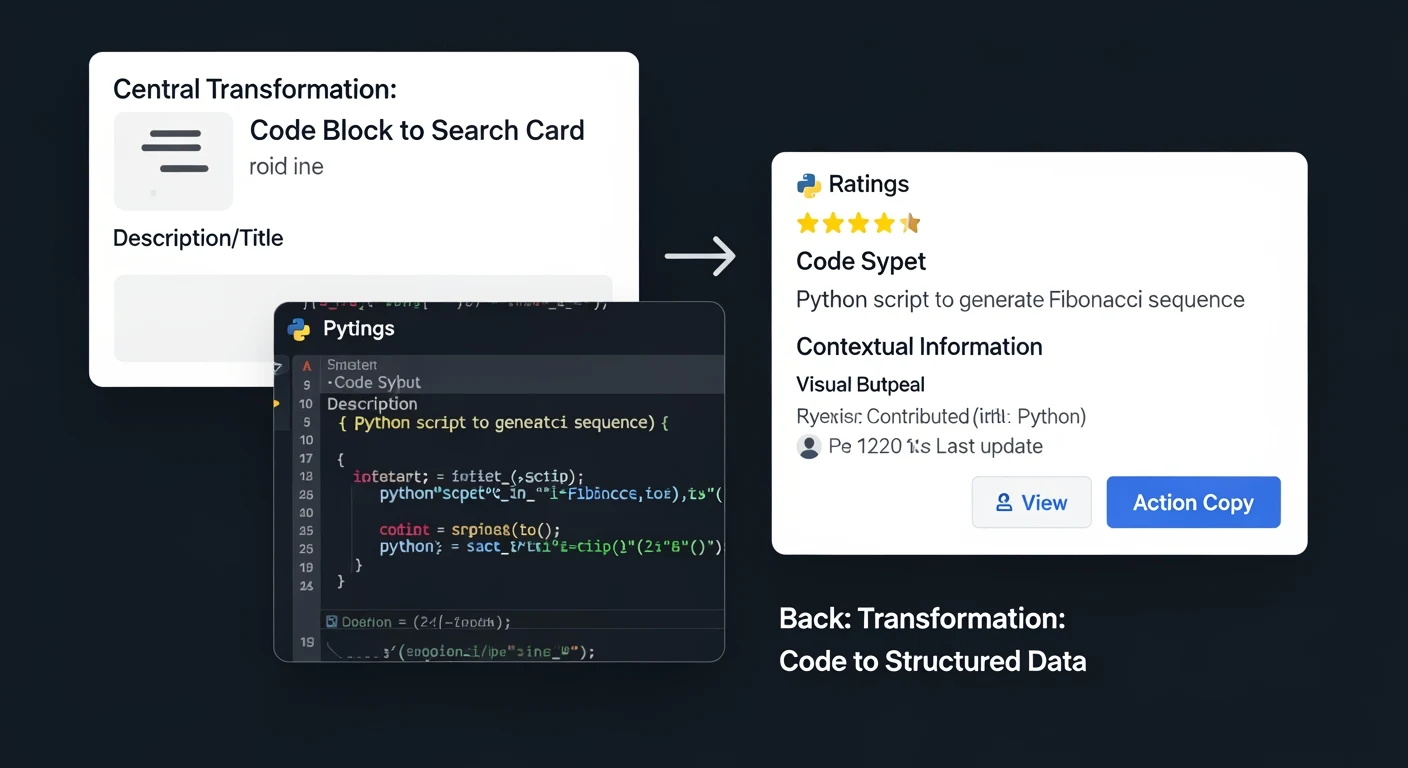
Meta descriptions used to be the way you told Google what your page was about. They still matter, but schema markup (JSON-LD structured data) is how you tell AI crawlers what your content actually means. If you’re not injecting schema, you’re invisible to modern search.
Why Schema Matters Now
Google, Perplexity, Claude, and every AI search engine read schema markup to understand page context. A page about “water damage” without schema is ambiguous. A page about “water damage” with proper schema tells crawlers:
– This is about a specific service (water damage restoration)
– Here’s the price range
– Here’s the service area
– Here are customer reviews
– Here’s how long it takes
– Here’s what it includes
Without schema, the crawler has to guess. With schema, it knows exactly what you’re offering.
The Schema Types That Matter
For content and commerce sites, these schema types drive visibility:
Article Schema
Tells search engines this is an article (not product pages, reviews, or other content). Includes:
– Author (byline)
– Publication date
– Update date (critical for AEO)
– Image (featured image)
– Description
Service Schema
For service businesses (restoration, plumbing, etc.):
– Service name
– Service description
– Price range
– Service area
– Provider (business name)
– Reviews/rating
FAQPage Schema
If you have FAQ sections (and you should for AEO):
– Each question and answer pair
– Marked up so Google/Perplexity can pull exact answers
LocalBusiness Schema
For any geographically-relevant business:
– Business name and address
– Phone number
– Opening hours
– Service area
Review/AggregateRating Schema
Social proof for AI crawlers:
– Review text and rating
– Author and date
– Average rating across all reviews
How Schema Affects AEO Visibility
When Perplexity asks “what’s the best water damage restoration in Houston?”, it doesn’t just crawl text—it reads schema markup.
Pages WITH proper schema:
– Get pulled into answer synthesis faster
– Can be directly cited (“According to [X] restoration, it takes 3-7 days”)
– Show up in comparison queries
– Display with rich snippets (ratings, prices, etc.)
Pages WITHOUT schema:
– Get crawled as generic content
– Can be used but aren’t preferenced
– Missing from comparison queries
– Look unprofessional in AI-generated answers
The Implementation
Schema is injected as JSON-LD in the page head. For WordPress, you can:
1. Use a plugin (Yoast, RankMath) that auto-generates schema based on content
2. Inject schema programmatically (via custom code)
3. Use Google’s Structured Data Markup Helper to generate and verify
We recommend programmatic injection because you have control over exactly what’s marked up, and you can customize based on content type and intent.
The Validation
Always validate your schema using Google’s Rich Results Test. Malformed schema is worse than no schema (it signals trust issues).
Common schema errors:
– Missing required fields (schema incomplete)
– Wrong schema types (marking a service page as a product)
– Conflicting data (schema says price is $100, content says $150)
– Outdated information (old dates, expired URLs)
Schema for AEO Specifically
To rank well in Perplexity and Claude-based answers, prioritize:
– Article schema with detailed author/date: Shows freshness and authority
– FAQPage schema: Answer engines pull exact Q&A pairs
– Service/LocalBusiness schema: Provides context for geographic queries
– AggregateRating schema: Builds trust in AI summaries
The Competitive Reality
In competitive verticals, the top 5 ranking sites all have proper schema. If you don’t, you’re competing with one hand tied behind your back.
We now add schema markup to every article before it goes live. It’s as important as the headline. It’s how modern search engines understand what you’re actually saying.
Quick Audit
Check your site: Run your homepage through Google’s Rich Results Test. If your schema is minimal or non-existent, that’s a competitive disadvantage waiting to be fixed.
Schema markup isn’t optional anymore. It’s the way you communicate with AI crawlers. Without it, you’re invisible to the systems that matter most in 2026.