Tag: irentdumpsters

  • Easy-Entry Drying Crews Race to the Bottom. Licensed Work Holds Price.

    Easy-Entry Drying Crews Race to the Bottom. Licensed Work Holds Price.

    Inspired by Bodhi (@irentdumpsters). Original post: easy-entry businesses have bad margins; licensed trades hold price. This is a new Tygart article for restoration contractors. We kept the mechanism, added first-party field knowledge, and did not reprint the thread.

    Pressure washing is easy to start, so everyone starts it, so price becomes the product. The better home-service bets are the ones that require a license. Mold in the walls is not a Facebook-marketplace job. The homeowner pays the licensed crew and rarely negotiates in a smaller market.

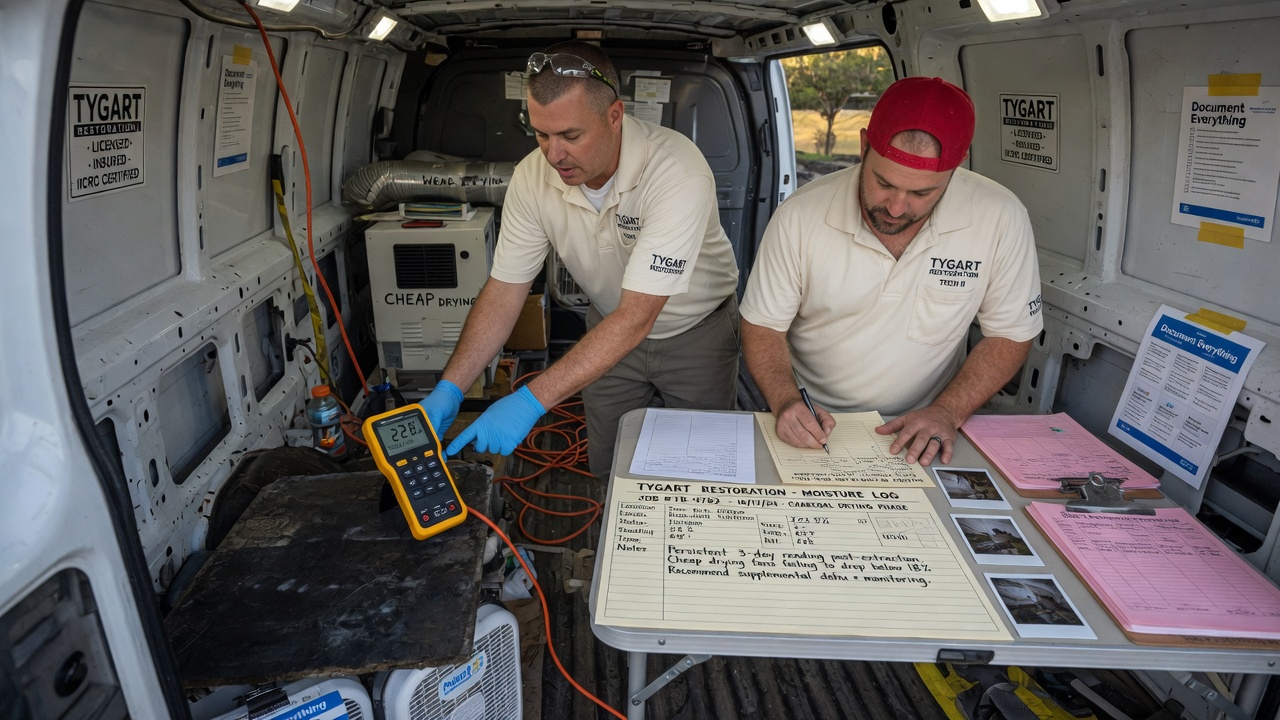
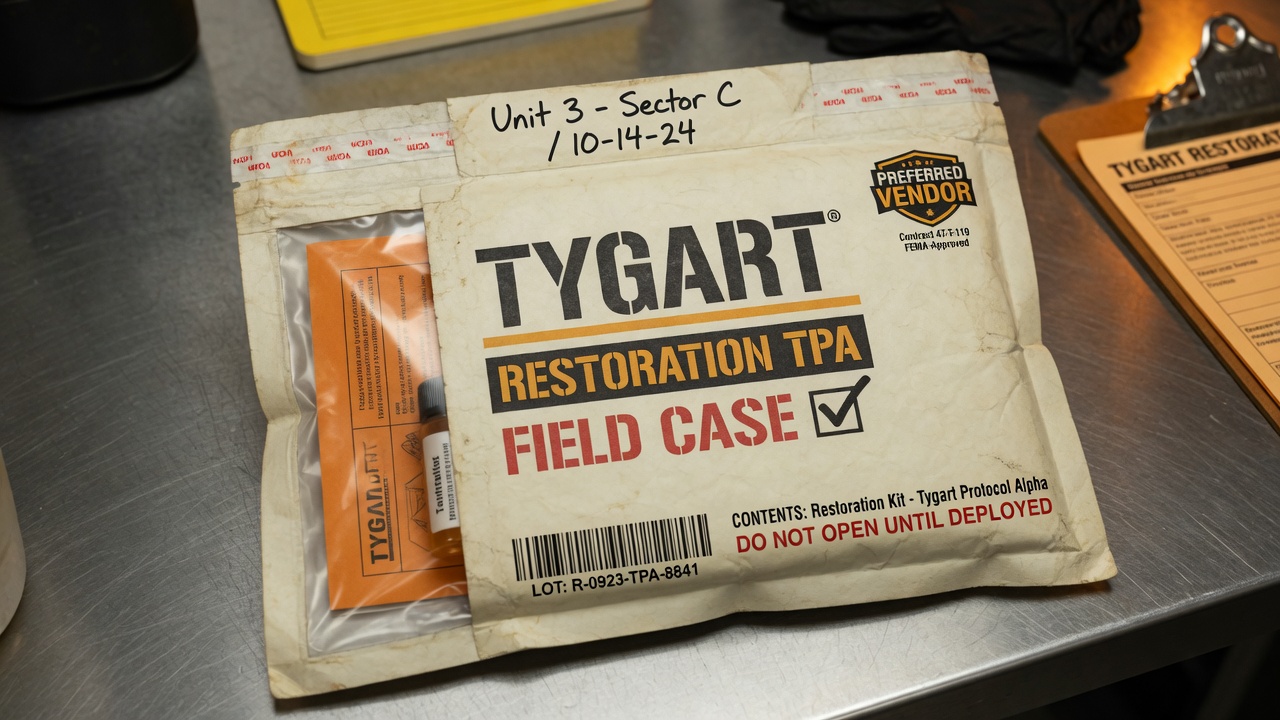
    Restoration has both layers. Unlicensed “we dry houses” crews will always undercut a Category 1 extract. That is not your race. IICRC S500/S520, state mold licenses, documented meters, and a paper trail the adjuster can read are why a 2 a.m. sewage job does not get three quotes.

    Put the credentials on the pin, the header, and the service page. Then do the work those credentials claim. Price holds when the alternative looks like a shop vac and a prayer.

  • Keep the Plumber Who Already Sent You Three Losses

    Keep the Plumber Who Already Sent You Three Losses

    Inspired by Bodhi (@irentdumpsters). Original post: retention beats front-end acquisition. This is a new Tygart article for restoration contractors. We kept the mechanism, added first-party field knowledge, and did not reprint the thread.

    The agency version is keep clients for years. The restoration version is keep sources. The plumber who has sent three burst pipes. The property manager with twelve roofs. The adjuster who knows your documentation will not embarrass them.

    New-logo marketing is expensive. A source you already earned compounds when you close clean, send the photos the same night, and call after the dry-out instead of disappearing into the next storm.

    Put a name on a card. Last loss sent. Last thank-you. Next touch that is not a pitch. That list is the growth plan when Maps is quiet.

  • Number One on Maps Does Not Create a Wet Spring

    Number One on Maps Does Not Create a Wet Spring

    Inspired by Bodhi (@irentdumpsters). Original post: number one on Maps, dead phone, dry spring. This is a new Tygart article for restoration contractors. We kept the mechanism, added first-party field knowledge, and did not reprint the thread.

    A restoration company called because the phone had been dead since April. Number one on Maps. Fifteen hundred impressions. Rankings never moved. The island had a dry spring. No storms, no floods, no water damage.

    SEO puts you in front of demand that exists. It does not create demand that is not there. In a weather business, some months number one does not equal revenue.

    That is not a reason to kill the pin. It is a reason to stop judging the pin on a dry month and to keep a second lane running — mold, commercial agreements, plumber referrals, rebuild backlog — so the shop is not a rain gauge with a Google login.

  • Stock Photos Do Not Rank a Restoration Pin. Driveway Photos Do.

    Stock Photos Do Not Rank a Restoration Pin. Driveway Photos Do.

    Inspired by Bodhi (@irentdumpsters). Original posts: weekly job-site photos doubled impressions and before-and-after galleries as underrated pages. This is a new Tygart article for restoration contractors. We kept the mechanism, added first-party field knowledge, and did not reprint the threads.

    A Naples pressure-washing shop added 25 real job photos a week and doubled inbound search impressions. A Boca shop used a before-and-after gallery as proof and as indexable content. Stock photos do neither.

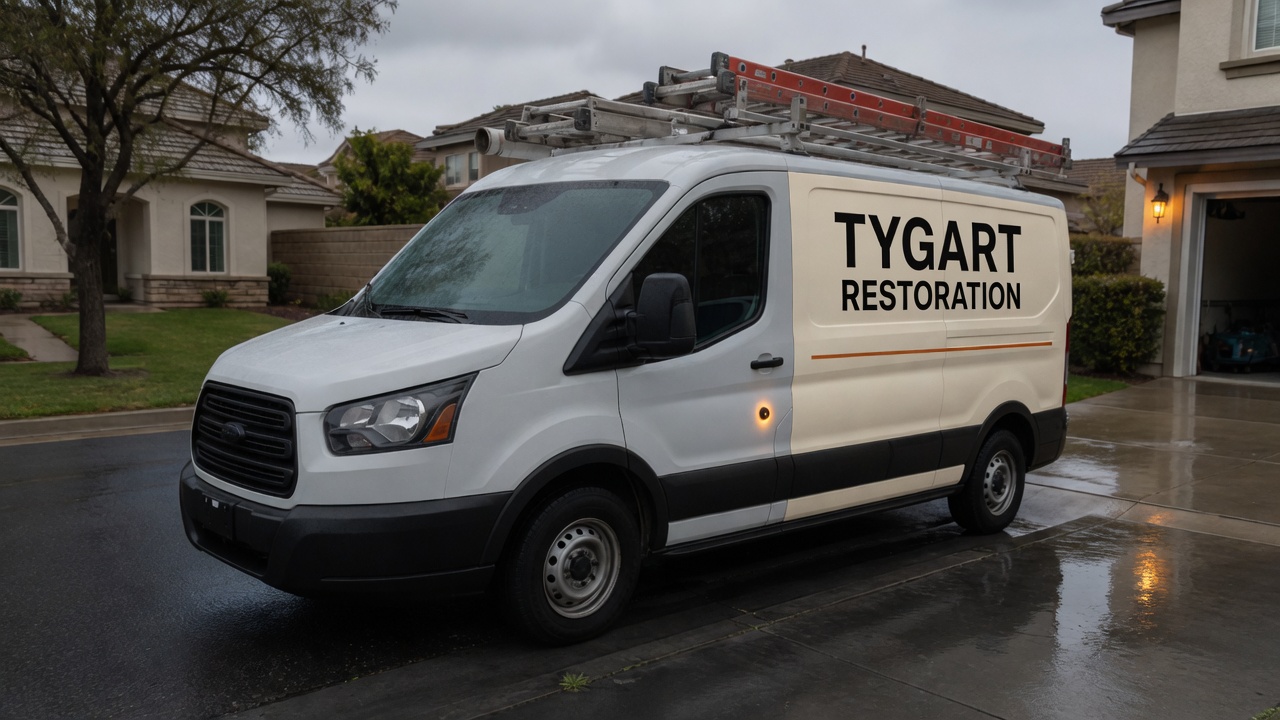
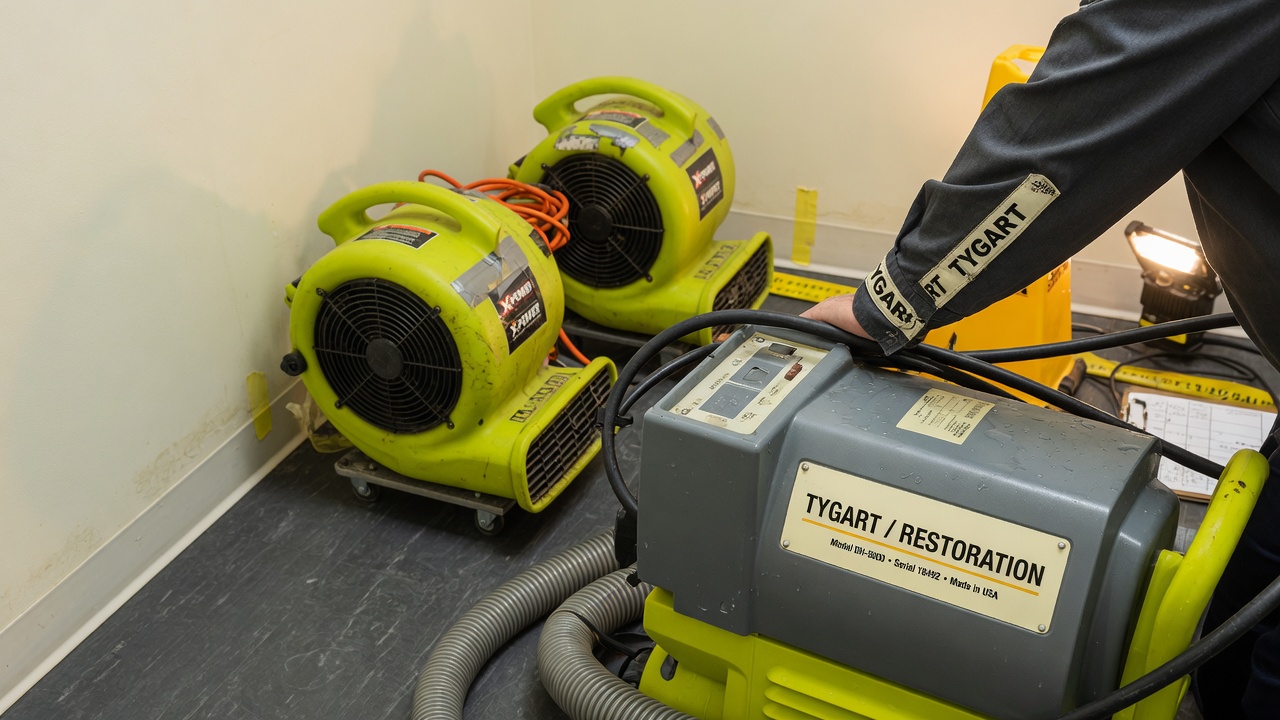
    Restoration already has better scenes than a clean driveway. Containment. Meters. Extractors. A wet pad coming up. The same room dry. The truck in the actual neighborhood. Google reads location metadata and what is in the frame. Homeowners read whether you have been in a house like theirs.

    Clean dry living room after water restoration dry-down
    Before and after from the same address beats a stock living room.

    The driveway rule

    • Three photos before the crew leaves: source, equipment in place, exterior with the truck if the homeowner allows.
    • Three photos at clear: dry room, stacked equipment, any rebuild-ready surface.
    • Caption with neighborhood and loss type, not “great team vibes.”
    • Upload to the Google Business Profile the same week. Then put a pair on a before-and-after page with the service name in the heading.
    • No stock living rooms. No downloaded “happy family after flood” images.

    Respect privacy. No faces of kids. No documents on the counter. No address numbers if the homeowner asks. The work is the proof. The neighborhood is the ranking signal.

  • Your CSR Already Wrote the Restoration Blog Calendar

    Your CSR Already Wrote the Restoration Blog Calendar

    Inspired by Bodhi (@irentdumpsters). Original post: the questions your phone reps answer are the blog posts. This is a new Tygart article for restoration contractors. We kept the mechanism, added first-party field knowledge, and did not reprint the thread.

    The original list was plumber and roofer questions: water-heater cost in Boca, how long a roof lasts in South Florida, fence permits in Palm Beach County. Those are searches. Company picnic posts are not.

    Sit with the night board for one week and you already have the restoration calendar.

    • How long before mold after a flood?
    • What is Category 3 water?
    • Will insurance cover a sewage backup?
    • Do I call the carrier before I call you?
    • How fast can a crew be in this zip at 11 p.m.?
    • Can I stay in the house during dry-out?
    • What do you do with wet furniture?
    • Who pays if the hidden leak started last month?

    Each of those is a page with a direct answer, a local photo, IICRC language where it belongs, and a tap-to-call line. That is content that can rank for the question the homeowner is typing while the carpet is wet.

    Rule: if the CSR has not been asked it this month, it is not a post. If they have been asked it three times, it is a service-page FAQ or a standalone article this week.

  • Rank for Mold While the Water Work Sits on Someone Else’s Vendor List

    Rank for Mold While the Water Work Sits on Someone Else’s Vendor List

    Inspired by Bodhi (@irentdumpsters). Original post: build the restoration site around mold, not day-one water rankings. This is a new Tygart article for restoration contractors. We kept the mechanism, added first-party field knowledge, and did not reprint the thread.

    Every new restoration owner wants to rank for “water damage repair” this month. In a lot of markets that phrase is already owned by shops that locked preferred-vendor lists in 2008. The pipe bursts, the adjuster hands over three names, and your beautiful water page never gets the call.

    Mold is often the door that is still open. Homeowners pay out of pocket or pick the contractor without waiting on a carrier sheet. Sales cycle is short. Jobs in many markets land in the three-to-eight-thousand range. Local keywords can still move in ninety days if the page is real.

    How to run the lane without abandoning water

    • Give mold remediation its own URL. S520 language, containment photos, clearance testing explained in plain words, city name in the title.
    • Write the delayed-loss pages: “mold after a slow leak,” “mold after the insurance dry-out ended too soon.” That is retail demand water shops ignore.
    • Keep water, sewage, and fire pages live. They are the storm asset. They are not the only asset.
    • Use mold cash to stay staffed for the next wet month instead of waiting on claims to clear.

    This is not “quit water.” It is “stop betting the company on a keyword the incumbents already bought with relationships.” Water still pays the trucks when weather shows up. Mold pays the trucks while you wait.

  • Call Tracking That Swaps the Header Number Can Delete Your Map Pack

    Call Tracking That Swaps the Header Number Can Delete Your Map Pack

    Inspired by Bodhi (@irentdumpsters). Original post: Miami water shop tanks Maps with dynamic call tracking. This is a new Tygart article for restoration contractors. We kept the mechanism, added first-party field knowledge, and did not reprint the thread.

    A water damage contractor in Miami put dynamic call tracking on the site. The software swapped the header number. In sixty days the map rankings fell. Google saw one number on the Google Business Profile and another on the page that was supposed to prove the same shop.

    That is NAP conflict. Name, address, phone. Restoration shops do this constantly because every agency wants attribution on emergency calls. Attribution is useful. A listing that looks like it moved is not.

    A tracking setup that does not fight the pin

    • Keep the permanent local number visible on the site in the same format as the GBP.
    • If you must track, put the tracking line as the primary on the profile and the real local number as secondary — or use call recording on the GBP number itself.
    • Do not rotate numbers in the header, footer, and schema independently.
    • Do not give LSAs, the website, and the pin three different display numbers that never match a citation.
    • After any change, search the shop name and confirm Google still shows one phone.

    Restoration add: after-hours answering services love to publish a second number. That second number is fine on a night-board card. It is not fine as the only number in the site header if the pin still shows the old line. Pick one public number and make every citation agree.

    You can know which channel booked the sewage job. You cannot afford to teach Google the company changed addresses to do it.

  • Rented Water Leads Are Sold to Three Other Trucks

    Rented Water Leads Are Sold to Three Other Trucks

    Inspired by Bodhi (@irentdumpsters). Original post: buying Angi leads is renting customers. This is a new Tygart article for restoration contractors. We kept the mechanism, added first-party field knowledge, and did not reprint the thread.

    The mechanism is simple. A marketplace sells the same name to three or four companies. You bid against shops that already have the same address. The homeowner has no loyalty to any of you. An organic call is the opposite: they searched, found your listing, and dialed one number.

    Restoration already lives inside that product. Storm-lead vendors, shared water platforms, and some TPA overflows work the same way as Angi. You paid for a name that two other trucks also have. The first crew that answers and can roll wins. The other two paid for a conversation that never happens.

    What “own the lead” means on a water job

    • Maps, Apple Business Connect, and a tap-to-call page you control.
    • A plumber, roofer, or property manager who sends you the loss because last time you documented it cleanly.
    • A commercial agreement that does not reset every storm.
    • A review file that makes the next homeowner tap you instead of the shared list.

    Rented leads can fill a dry week. They should not be the growth plan. Every dollar that only rents a name is a dollar that is not building the pin, the photo file, or the referral source you still have in October.

    Measure close rate by source. If marketplace water closes at half of Maps water, that is not a sales problem. That is three trucks on the same driveway.

  • The Gap Between One Truck and Eight Is Usually the Front Desk

    The Gap Between One Truck and Eight Is Usually the Front Desk

    Inspired by Bodhi (@irentdumpsters). Original post: the 1-truck vs 8-truck / call-intake thread. This is a new Tygart article for restoration contractors. We kept the mechanism, added first-party field knowledge, and did not reprint the thread.

    The original line is simple. The difference between a one-truck operator and an eight-truck fleet is almost never lead generation. It is call intake. If the CSR takes four minutes or fumbles price, a $20,000 marketing budget is expensive noise. The front desk is the highest-leverage sales floor.

    That is even more true in restoration than in HVAC or plumbing. The caller is not booking a Tuesday tune-up. They are standing in water, or they are an adjuster who will not leave a voicemail twice.

    What “call intake” means on a water board

    • Answer in two rings. After hours included.
    • First questions: are you safe, where is the water, is it sewage, can we roll now.
    • Do not hide behind “let me take a message for the estimator.” The person on the line is the estimator until a PM is assigned.
    • Price the emergency response honestly. “It depends” without a range loses the job to the shop that will say “we can be there in 45 and start extraction tonight.”
    • Log source. If you cannot say whether the call came from Maps, LSA, or a plumber referral, you cannot tell which $20k is noise.

    The restoration add

    A missed ring in this trade is not a lost $189 service call. It is a missed mitigation that would have paid for the rebuild conversation, the contents pack-out, and the next referral from that adjuster. Marketing did its job when the phone lit. Intake is the job after that.

    Fix the desk before you raise spend. Record five live calls. Time the pickup. Count how often the caller has to repeat the address. That tape is the growth plan.

  • How to Steal a Plumber Thread and Make It a Restoration SOP

    How to Steal a Plumber Thread and Make It a Restoration SOP

    The brief is not “only use tweets that already say restoration.” Most of the usable material on @irentdumpsters is plumber, HVAC, roofing, dumpster, turf, pest, or agency. The translation is mechanical: keep the mechanism, swap the job, add the restoration constraint (IICRC, adjuster, Category of water, night board).

    This table is the working method. New Bodhi posts get run through it before they become Tygart articles.

    The translation table

    Plumber faucet blogs → $50 drain calls. Restoration version: prevention fluff and a single Services bucket → cheap “can you bring a shop vac” calls. Rebuild around sewage, hidden leak, Category 3, fire/smoke, mold. Article: emergency terms.

    Plumber / HVAC lead form on the homepage. Restoration version: form wall on a water site. Emergency work is tap-to-call. Article: hunt for the number.

    Three plumbers on Maps, first voice wins a $4,200 repipe. Restoration version: first voice wins mitigation plus the rebuild conversation. Two rings or you bought the lead for the next listing.

    Roofer primary category = General Contractor, stuck at Maps 16. Restoration version: primary category is Contractor or Waterproofing while the money search is water damage restoration. Match the top three. Rebuild stays secondary. Article: same Maps mistake.

    Turf shop fake virtual office in the next city, GBP suspended, original pin frozen. Restoration version: storm-chase mailbox in the next county. Stay service-area until there is a real shop. Draw the area to a 45-minute roll.

    HVAC pays $3,500 for 300 junk directories. Restoration version: same package, plus dead mold-directory links. Clean Data Axle, Localeze, Foursquare, chamber, IICRC/RIA, license boards. Identical NAP.

    Plumber books 28 jobs from Apple Maps and Yelp, zero spend. Restoration version: Siri “water damage near me” never sees a Google-only shop. Claim Apple Business Connect and match Yelp NAP this week.

    LSAs pointed at a 4.1 listing with blurry photos. Restoration version: paid “Google Guaranteed” badge over a profile that looks abandoned. Organic reputation is the conversion engine for paid.

    Dumpster shop, 312 organic calls: Maps + reviews after every pickup + FAQ pages. Restoration version: pin hygiene, review after close-out, pages for the questions the CSR already answers (“how long before mold,” “will insurance cover sewage”).

    170 reviews at 4.8 beat 50 at 5.0. One late-driver complaint makes the file look real. Restoration version: a sterile 5.0 after ten jobs looks bought. A detailed 4.8 with one “crew left a fan overnight” note looks like a company that works. Article: reviews and the quiet board.

    Generic “thank you for your review.” Restoration version: reply with neighborhood, loss type, and standard. “Same-night extract on the burst pipe in [neighborhood], S500 dry-out, rebuild walk next.”

    40 reviews in a weekend, then silence. Restoration version: do not blast asks during a storm surge and then go dark. Three closed-job reviews a week, after the house is livable enough that the homeowner is not still furious.

    Full calendar is a lagging indicator. Killing marketing today empties next quarter. Restoration version: wet spring fills trucks; killing GBP posts and adjuster touches makes the dry month look like “SEO died.”

    One bloated services page for roof, siding, gutters, storm. Restoration version: one URL for water, fire, mold, bio, pack-out. Google ranks specific URLs. Split them.

    Dynamic call tracking swaps the header number, Maps dies in 60 days. Already a water-damage story. Keep the permanent local number visible. Do not teach Google the shop moved.

    Angi / lead marketplaces rent you a customer sold to three shops. Restoration version: shared water leads and storm-lead vendors. You paid for a name that three other trucks also have. Own the pin and the relationships instead of renting the same flood twice.

    Pressure washing is easy to enter, so margins die. Licensed trades hold price. Restoration version: unlicensed “we dry houses” Facebook crews race to the bottom. IICRC, mold licenses, and documented S500 work are why a homeowner stops negotiating at 2 a.m.

    Pest control to $7M: SEO + review velocity + recurring contracts. Restoration version: organic emergency capture, then maintenance, mold follow-up, commercial agreements, mitigation-to-rebuild so the job is not a one-night extraction.

    Agency retention beats new-logo hunting. Restoration version: keep the property manager, the adjuster, and the plumber who already sent you three losses. New-logo marketing is expensive. Repeat source is the compounding asset.

    CSR questions are the blog calendar. Company picnic posts are not. Restoration version: “how long before mold,” “what is Category 3,” “do I call insurance first,” “how fast can you be here in [zip].” Those are pages. Birthday posts are not.

    How each new post gets filed

    1. Save the URL.
    2. Write the mechanism in one sentence with the original trade still in it.
    3. Swap the trade to water, fire, mold, or contents.
    4. Add the restoration constraint the original post skipped (standard, documentation, carrier, night board).
    5. Publish only if a PM can run it on Monday.

    Accounts we will keep running through the same filter: the ten-account watchlist. Send the next URL if you want a specific thread turned next.