Tag: Automation

  • Email Automation Setup for Restoration CRM Outreach: Technical Implementation Guide

    Email Automation Setup for Restoration CRM Outreach: Technical Implementation Guide

    Who this is for: The person setting up your email system — your office manager, your IT contact, or a freelance marketing person you’ve brought in. This brief assumes basic comfort with web-based software (setting up accounts, uploading files, clicking through settings). No coding required. The strategy behind this system is in Your CRM Is Not a Lead Database and the full 12-month calendar is in The 12-Month CRM Touch Calendar.


    What We’re Building

    A four-to-six email annual touch sequence for three audience segments (homeowners, industry contacts, trade contacts), running through a standard email marketing platform, triggered on a predetermined calendar, and tracked in a simple Notion or spreadsheet log.

    The system requires no custom development. It uses off-the-shelf software that any non-technical person can configure in an afternoon. Total ongoing maintenance time after setup: approximately one hour per campaign, four to six times per year.


    Platform Selection: Mailchimp vs. Brevo for Restoration Companies

    Both platforms are appropriate for this use case. Choose based on your database size and send frequency:

    Choose Mailchimp if: Your database is under 1,500 contacts, you want the most widely documented platform (easiest to find help online), and you’re comfortable paying $13–$30/month. Mailchimp’s Essentials plan is sufficient — you do not need Standard or Premium for this use case.

    Choose Brevo if: Your database is over 1,500 contacts, you only send 4–6 times per year and want to avoid paying for contacts you rarely email, or you want built-in transactional email for other automations. Brevo’s Starter plan is $9/month with no contact storage limits — you pay based on emails sent, not contacts stored. For a 2,000-contact database sending 6 campaigns per year, Brevo costs significantly less than Mailchimp.

    The setup instructions below cover both platforms in parallel. Follow the path that matches your platform choice.


    Step 1: Account Setup and List Import

    Complete the database segmentation build from the CRM segmentation technical brief before starting this step. You should have three clean CSV files: Homeowners, Industry, and Trade.

    Mailchimp Setup

    1. Create account at mailchimp.com. Select Essentials plan. Enter billing info.
    2. Go to Audience → Manage Audience → Add a Field. Add two custom merge fields: JOB_TYPE (text) and SEGMENT (text). These allow personalization tokens in email copy.
    3. Go to Audience → Manage Audience → Import Contacts. Upload each CSV file separately, assigning a tag during each import: “Homeowner”, “Industry”, “Trade”.
    4. Map CSV columns to Mailchimp fields: First Name → FNAME, Last Name → LNAME, Email → EMAIL, Job Type → JOB_TYPE, Segment → SEGMENT.
    5. After import, verify contact counts match your spreadsheet totals. A mismatch usually means invalid email format in some rows — check the import error log.

    Brevo Setup

    1. Create account at brevo.com. Select Starter plan ($9/month).
    2. Go to Contacts → Lists → Create a List. Create three lists: “Homeowners”, “Industry Contacts”, “Trade Contacts”.
    3. Go to Contacts → Import Contacts. Upload each CSV, assign to the corresponding list.
    4. Map fields: First Name → FIRSTNAME, Last Name → LASTNAME, Email → EMAIL. Create custom attributes for JOB_TYPE if needed.
    5. Verify counts after import.

    Step 2: Sender Domain Authentication (Critical for Deliverability)

    This is the step most people skip and then wonder why their emails land in spam. Both Mailchimp and Brevo require domain authentication to ensure your emails are delivered to inboxes rather than spam folders. This step requires access to your domain’s DNS settings (usually managed through your domain registrar — GoDaddy, Namecheap, Google Domains, or similar).

    What Authentication Does

    SPF, DKIM, and DMARC records tell receiving mail servers that your email marketing platform is authorized to send email on behalf of your domain. Without them, major providers (Gmail, Outlook, Yahoo) increasingly route your emails to spam or refuse delivery entirely.

    Mailchimp Domain Authentication

    1. In Mailchimp, go to Account → Settings → Domains → Add and Verify Domain
    2. Enter your company domain (e.g., yourcompany.com)
    3. Mailchimp will provide you with specific DNS records to add: a CNAME record for DKIM and a TXT record for verification
    4. Log into your domain registrar and add these records exactly as shown. Allow 24–48 hours for DNS propagation.
    5. Return to Mailchimp and click “Authenticate Domain” once DNS has propagated. A green checkmark confirms success.

    Brevo Domain Authentication

    1. Go to Settings → Senders & IP → Domains → Add a Domain
    2. Enter your domain and follow the same process — Brevo provides specific DNS records for SPF and DKIM
    3. Add records at your domain registrar. Verify in Brevo after propagation.

    If your company uses a shared hosting email (e.g., yourbusiness@gmail.com rather than yourbusiness@yourcompany.com), you cannot authenticate a shared domain. In this case, create a free Google Workspace account at $6/month to get a branded email address before proceeding. Sending from info@yourcompany.com vs. yourcompany@gmail.com meaningfully affects both deliverability and perceived professionalism.


    Step 3: Build the Campaign Templates

    For the CRM community touch strategy, plain text emails outperform designed HTML templates. Research on warm, relationship-based email consistently shows that recipients perceive plain text as more personal and authentic. The goal is an email that looks like it came from a person, not a marketing department.

    Mailchimp Plain Text Campaign

    1. Go to Campaigns → Create Campaign → Email
    2. Select “Plain Text” as the campaign type (not the drag-and-drop builder)
    3. Write your email copy in the plain text field
    4. Use Mailchimp merge tags for personalization: *|FNAME|* for first name, *|JOB_TYPE|* for the custom job type field
    5. Example: “Hi *|FNAME|*, It’s [Owner Name] from [Company]. We worked with you on your *|JOB_TYPE|* job a while back…”
    6. Set up subject line, preview text, from name (use owner’s first name, e.g., “Mike from Acme Restoration”), and from email address (owner’s direct email preferred over info@ for homeowner segment)

    Brevo Plain Text Campaign

    1. Go to Campaigns → Email Campaigns → Create an Email Campaign
    2. Choose “Plain Text” from the template selection
    3. Use Brevo’s personalization tokens: {{ contact.FIRSTNAME }}, {{ contact.JOB_TYPE }}
    4. Configure sender name and address as above

    Build all six campaigns for the year in draft mode before publishing any of them. Label each draft clearly: “Q1-2026-Homeowners-Hiring”, “Q2-2026-Homeowners-Storm-Prep”, etc. This allows you to see the full year’s campaign lineup at once and catch any overlap or redundancy before it goes out.


    Step 4: Schedule the Campaign Calendar

    Mailchimp Scheduling

    1. Open each draft campaign
    2. In the Campaign Builder, go to the Schedule step
    3. Select “Schedule” and set the date and time. Use the send time optimization feature if available on your plan — it will automatically send to each contact at the time they’re most likely to open based on historical behavior.
    4. For your first campaign (no historical data), use Tuesday or Wednesday at 9:30am local time as a default

    Brevo Scheduling

    1. In the campaign builder, select “Schedule” on the final step
    2. Set date, time, and timezone
    3. Brevo’s Send Time Optimization is available on paid plans and functions similarly to Mailchimp’s

    Schedule all three segment versions of each campaign within the same 2-hour window on the same day — homeowners first, then industry, then trade — staggered by 30 minutes. This prevents simultaneous reply volume from overwhelming a single inbox.


    Step 5: Build the Results Tracking System in Notion

    Both platforms provide analytics (open rate, click rate, unsubscribes) automatically. The tracking that neither platform does is the qualitative signal — replies, referrals, leads mentioned, and relationship warmth indicators. That layer goes in Notion.

    Setting Up Notion (Free Tier)

    1. Go to notion.com and create a free account
    2. Create a new page called “CRM Touch Calendar”
    3. Add a database (table view) with the following properties:
    Property Type
    Campaign Name Title
    Send Date Date
    Segment Select (Homeowners / Industry / Trade / All)
    Touch Type Select (Operational Ask / Educational / Milestone / Seasonal)
    Platform Select (Mailchimp / Brevo / CRM)
    Status Select (Planned / Draft Ready / Scheduled / Sent)
    Open Rate Number (percent)
    Reply Count Number
    Referrals Generated Number
    Leads Mentioned Number
    Notes Text (for qualitative observations)
    1. Add all six planned campaigns for the year as rows in the database
    2. Set the Status to “Planned” for all. Update to “Draft Ready”, “Scheduled”, and “Sent” as you progress
    3. After each campaign sends, log the open rate from your email platform and manually count and log reply count, referrals, and lead mentions from your email inbox

    The Notion database becomes your campaign intelligence layer. After two or three years of data, you’ll have clear evidence of which touch types generate the highest referral rates, which segments are most engaged, and which subject lines perform best for your specific audience.


    Step 6: Set Up Reply Management

    For the homeowner and industry segments, replies to hiring emails and vendor asks often include lead mentions (“actually, our neighbor just had water get in last week”). These need to route to whoever handles incoming leads immediately, not sit in an inbox until someone reviews the campaign results.

    The simplest solution: create a dedicated email address (campaigns@yourcompany.com or outreach@yourcompany.com) as the reply-to address for all campaigns. Set up a simple email rule that forwards any reply mentioning keywords like “water”, “damage”, “claim”, “flooded”, “burst”, or “insurance” to your main dispatch email address.

    In Gmail, set this up under Settings → Filters and Blocked Addresses → Create a new filter. In Outlook, use Rules → Create a New Rule. Set the trigger to “subject or body contains” and the action to “forward to [dispatch email]”. This catches the accidental leads without requiring manual review of every reply.


    Cost Summary

    Item One-Time Monthly Annual
    Mailchimp Essentials (500 contacts) $0 $13 $156
    Mailchimp Essentials (1,000 contacts) $0 $20 $240
    Brevo Starter (unlimited contacts) $0 $9 $108
    Google Workspace (if needed for branded email) $0 $6 $72
    Notion free tier $0 $0 $0
    Email validation (one-time list clean) $5–$15 $0 $0

    Total annual cost for a fully operational system: $108–$312 depending on platform choice and contact volume. This covers 4–6 campaigns per year to a warm, segmented local database of up to 2,000 contacts.


  • CRM Segmentation for Restoration Companies: Technical Implementation Guide

    CRM Segmentation for Restoration Companies: Technical Implementation Guide

    Who this is for: The person who manages your company’s data — your office manager, operations coordinator, or IT contact. This is a technical brief. Hand it to them and say: “Build this for us.” The strategy behind it is in Your CRM Is Not a Lead Database.


    What We’re Building and Why

    A restoration company’s customer relationship system contains contacts across multiple relationship types: past homeowner clients, insurance adjusters, insurance agents, public adjusters, subcontractors, suppliers, and vendors. The business value of these contacts is currently being left on the table because they all sit in a single undifferentiated list — or worse, in multiple disconnected systems.

    This technical brief covers how to build a clean, three-segment contact database that can be exported to any email platform for the CRM community touch strategy. The output is a CSV-ready contact list with four fields: First Name, Email, Segment, and Job Type (for homeowners). The process takes 2–4 hours for a database of 200–1,000 contacts and does not require any new software purchases.


    Step 1: Audit Your Current Data Sources

    Before building the segmented database, identify every place your contact data currently lives. For most restoration companies, this is a combination of:

    • Job management software (ServiceTitan, Jobber, Xactimate, or a custom system)
    • Accounting software (QuickBooks, FreshBooks) — often contains additional contact records
    • Email inbox — years of adjuster and agent correspondence with contact info in signatures
    • Business cards and physical records — especially older trade contacts
    • Google Contacts or Outlook — personal and professional contacts mixed together
    • Social media connections — LinkedIn connections that have business relationship context

    Create a simple spreadsheet with one column per source and a rough count of contacts in each. This gives you the scope before you start merging.


    Step 2: Export Raw Data from Each Source

    ServiceTitan Export

    1. Navigate to Customers in the left sidebar
    2. Use the filter panel to select Customer Type: Residential for the homeowner segment; Commercial for business contacts
    3. Click Export → Export to CSV
    4. The export includes: customer name, address, phone, email, job history, and last job date
    5. For the homeowner segment, add a filter for jobs completed in the last 5 years to avoid very stale contacts
    6. Run a second export filtered to job type (Water Damage / Fire / Mold) to capture the Job Type field you’ll need for personalized emails

    ServiceTitan note: The export may include multiple email addresses per contact (primary and secondary). Keep both in separate columns and let the email platform deduplicate. Do not discard secondary emails — these are often more reliably checked than the primary.

    Jobber Export

    1. Go to Clients in the navigation menu
    2. Click the three-dot menu at the top right → Export
    3. Select: Client Name, Email, Phone, Service Address, Tags, Last Job Date
    4. The export is a CSV file. Open it in Excel or Google Sheets
    5. If you’ve been using Jobber’s tags feature, filter by residential/commercial tag to create your segments. If not, sort by address type manually

    Jobber note: Job type data lives in the Jobs table, not the Clients table. You’ll need to run a second export from Jobs (Reports → Job Reports → Export) and do a VLOOKUP on client ID to join job type data to client records.

    QuickBooks Export

    1. Go to Reports → Customer Contact List
    2. Customize report to include: Customer Name, Email, Phone, Balance
    3. Export → Export to Excel
    4. This gives you billing-context contacts that may not appear in your job management system (e.g., commercial billing contacts, property management companies)

    Email Inbox (for Industry Contacts)

    For insurance adjusters and agents, the most reliable data source is often your email inbox. Here’s the efficient approach:

    1. In Gmail, search for: “adjuster” OR “claims” OR “State Farm” OR “Allstate” OR “Farmers” — this surfaces the most relevant industry email threads
    2. Export these to a spreadsheet: contact name, email, company, title (from email signatures)
    3. In Outlook, use the same keyword search and export via File → Open & Export → Import/Export → Export to CSV
    4. Expect 50–200 unique industry contacts from a 3-year inbox history

    Step 3: Build the Master Contact Database

    Consolidate all exported data into a single Google Sheet or Excel workbook with the following standardized columns:

    Column Format Notes
    First Name Text Separate from Last Name for personalization
    Last Name Text
    Email Email Lowercase, validate format
    Phone Text Keep for SMS campaigns if applicable
    Segment Select: Homeowner / Industry / Trade The most important column
    Job Type Text: Water / Fire / Mold / Storm / Other Homeowners only — leave blank for others
    Job Date Date For homeowners — used to filter by recency
    City/Zip Text For geographic filtering — local contacts only
    Company Text For industry and trade contacts
    Title Text For industry contacts — Adjuster, Agent, PA, etc.
    Source Text: ServiceTitan / Jobber / QB / Email / Manual For deduplication tracking
    Email Valid Boolean: Y/N Flag after validation step
    Opted Out Boolean: Y/N Mark anyone who has unsubscribed or asked not to be contacted

    Step 4: Deduplicate

    If you’ve pulled from multiple sources, you will have duplicates. Deduplication is the most tedious part of this process but cannot be skipped — sending the same person two emails from the same campaign is a trust-breaker.

    In Excel:

    1. Select the Email column
    2. Data → Remove Duplicates → check “Email” as the key column
    3. Review the flagged duplicates before deleting — sometimes two records with the same email represent different relationship types (e.g., someone who was both a homeowner client and is now an adjuster). Keep the record with the more current relationship type in the Segment field.

    In Google Sheets:

    1. Add a helper column with formula: =COUNTIF($B:$B, B2) where column B is Email
    2. Filter for values greater than 1 to find duplicates
    3. Manually review and merge or delete

    After deduplication, sort by Segment and do a manual spot check of 10 records per segment to verify the segmentation logic is correct.


    Step 5: Validate Email Addresses

    Sending to invalid email addresses hurts your sender reputation with your email platform, which reduces deliverability over time. Before importing into Mailchimp, Brevo, or any other platform, run a basic email validation pass.

    Free option: Hunter.io offers 25 free email verifications per month. For a list under 500, their free tier covers a meaningful sample. Upload your list and verify the top contacts by relationship quality.

    Paid option for large lists: NeverBounce or ZeroBounce. Both charge approximately $0.003–$0.008 per email verification. For a 500-contact list, total cost is under $5. Both services flag invalid addresses, role-based addresses (info@, support@), and disposable email domains. Remove all flagged emails before import.

    Manual validation for high-value contacts: For your top 20–30 industry contacts (key adjusters, major agents), manual verification is worth it. Send a quick personal email asking them to confirm their preferred contact info. This also serves as a warm re-introduction before your first campaign.


    Step 6: Import to Your Email Platform

    Export your clean, validated, segmented contact database as three separate CSVs — one per segment — and import into your email platform of choice.

    Mailchimp Import

    1. Go to Audience → Manage Audience → Import Contacts
    2. Upload CSV → Map columns to Mailchimp fields (First Name → FNAME, Email → EMAIL, Job Type → custom merge tag JOB_TYPE)
    3. Assign a tag to each import: “Homeowner-2026”, “Industry-2026”, “Trade-2026”
    4. Important: Do not create three separate Audiences. Use one Audience with tags. Mailchimp charges per contact, not per audience, but managing one audience with tags is significantly easier than managing three separate ones.

    Brevo Import

    1. Contacts → Import Contacts → Upload CSV
    2. Map fields and create a list per segment: “Homeowners”, “Industry”, “Trade”
    3. Brevo stores contacts once even if they appear in multiple lists — no duplicate billing risk

    ServiceTitan or Jobber Built-In Email

    If using the CRM’s native email for homeowner segments, the import step is not necessary — your homeowner data is already in the system. Create a saved filter for the homeowner segment you want to target and use it directly when setting up a campaign.


    Step 7: Establish Ongoing Data Hygiene

    The segmented database is only valuable if it stays current. Establish these three practices:

    1. New client email capture at intake: Make email address a required field in your job intake form. In ServiceTitan, add it to the customer create form. In Jobber, it’s already a standard field — enforce it.
    2. Post-job segment tagging: After every job closes, tag the homeowner record in your CRM with the job type. One minute of work per job prevents hours of data cleaning later.
    3. Quarterly list audit: Set a recurring quarterly reminder to archive Mailchimp/Brevo contacts who unsubscribed in the previous quarter. Mailchimp charges for unsubscribed contacts unless they’re manually archived — this is a real cost that many companies pay unknowingly.

    Tools Summary and Costs

    Tool Purpose Cost
    ServiceTitan Job data export Included in your existing plan
    Jobber Client data export Included in your existing plan ($39–$599/mo)
    Google Sheets or Excel Master database build and deduplication Free (Google Sheets) or included in Office
    Hunter.io Email validation (small lists) Free up to 25/month
    NeverBounce or ZeroBounce Email validation (larger lists) ~$4–8 per 1,000 emails
    Mailchimp Essentials Email platform for segmented sends $13–$30/month for most restoration databases
    Brevo Starter (alternative) Email platform, priced by sends not contacts $9/month for up to 5,000 emails/day

    Total one-time setup cost: $0–$15 (validation only). Ongoing monthly cost: $9–$30 (email platform). Total annual cost for a 500-contact database running 6 campaigns per year: under $400, including all platform fees.


    Frequently Asked Questions

    What if our job management software isn’t ServiceTitan or Jobber?

    Any job management platform with a client list has an export function — check the Reports or Clients section for CSV export. The field names will differ but the process is the same: export, standardize column names in a spreadsheet, segment, import to email platform. If your software doesn’t support export, contact their support team — this is a standard feature and they will walk you through it.

    How long does the initial database build take?

    For a company with 200–500 contacts across two or three sources, expect 3–6 hours for a first-time build. After the initial build, ongoing maintenance is 30–60 minutes per quarter. If you have 1,000+ contacts across four or more sources, budget a full day for the initial consolidation and deduplication.

    Do we need a dedicated person to manage this?

    No. Once built, the database requires 30 minutes per quarter to maintain and an hour to set up each campaign. This is appropriate for an office manager or administrative coordinator, not a dedicated data or marketing role.


  • The No-Budget Artist’s Complete Guide to AI Music Rehearsal: Build a Full Show When You Can’t Afford a Band

    The No-Budget Artist’s Complete Guide to AI Music Rehearsal: Build a Full Show When You Can’t Afford a Band

    Tygart Media Strategy
    Volume Ⅰ · Issue 04Quarterly Position
    By Will Tygart
    Long-form Position
    Practitioner-grade

    What is the No-Budget Artist’s AI Stack? The no-budget artist’s AI music stack is a combination of free and low-cost AI tools that together provide the capabilities historically available only to artists with label backing, production budgets, or extensive musician networks. The core stack: Producer AI or Suno (AI track generation, $0–$30/month), a rehearsal platform (AI lyric sync and playback, $0–$20/month), a portable Bluetooth speaker ($50–$200 one-time), and a basic microphone ($30–$100 one-time). Total monthly cost: $0–$50. Total infrastructure this replaces: studio session musicians ($150–$500/hr), rehearsal space ($15–$50/hr), home recording setup ($500–$2,000), and song demonstration costs. The AI stack gives an emerging artist with no budget the same rehearsal and performance infrastructure as an established artist with a team.

    The Real Barrier: It Was Never Talent

    The music industry’s standard narrative about why artists don’t make it focuses on talent, luck, and market timing. These factors are real. But the infrastructure barrier is rarely discussed honestly: to develop your songs from composition to performance-ready standard has historically required money at every step. Recording demos to share with venues costs studio time. Rehearsing with a band costs the band’s time and often a rehearsal space. Performing with backing tracks has meant hiring session musicians to record those tracks or purchasing backing tracks from third parties that don’t match your arrangements. The invisible infrastructure cost of becoming a performing artist — before any revenue — has been $2,000–$10,000 minimum for artists who do it properly.

    AI tools have collapsed that infrastructure cost to near zero. They have not made the talent development work easier — that still takes the same hours of practice, the same diagnostic honesty about what’s not working, the same repetition until the songs are in your body. But the money barrier is gone. A songwriter with a $30/month AI subscription and a $150 speaker can build and perform original music with the same sonic quality as an artist with a $50,000 production budget. The platform is the equalizer.

    The Complete No-Budget Stack: What You Need and What Each Tool Does

    AI Track Generation: Producer AI, Suno, or Udio

    Producer AI generates full instrumental arrangements from text prompts. Enter a genre (indie folk, uptempo pop, blues-rock, ambient electronic), a tempo (slow ballad at 68 BPM, driving uptempo at 128 BPM), key preference (C major, F# minor), and any specific instrumentation requests (acoustic guitar-forward, no drums, heavy bass). The platform generates 2–5 variations in under 60 seconds. You select the one that fits your song’s feel and export the instrumental track as an MP3 or WAV file. No music theory knowledge required to operate the tool effectively — descriptive language is sufficient. “Sad, sparse, lots of space, piano and cello, very slow” generates a usable ballad backing track that a composer with notation software would take hours to produce.

    Suno and Udio offer similar capabilities with different aesthetic tendencies in their generation. Suno tends toward more structured arrangements; Udio toward more organic, genre-specific textures. Experimenting with both for the same song and selecting between their outputs costs nothing beyond time. Free tiers exist on all three platforms with limits on commercial use and monthly generation volume — sufficient for an artist building their first show.

    The Rehearsal Platform: Core Function

    The rehearsal platform takes your AI-generated track and your lyrics and creates a synchronized rehearsal session — scrolling lyric display timed to the music, exactly like karaoke but for your original song in your arrangement. This is the infrastructure that allows you to actually learn your songs to performance standard without a musician present. You play the track, you sing, the words advance with the music. You can loop the chorus 20 times. You can slow the track without changing the pitch. You can transpose the key if your voice sits differently than you planned. You can record yourself singing and listen back. Every one of these functions — which previously required a session musician, a recording engineer, or expensive software — is built into the platform.

    The Performance Kit: Portable PA and Microphone

    The JBL Eon One Compact ($499), Bose S1 Pro ($349), and Electro-Voice Everse 8 ($399) are the three most commonly used portable PA speakers by solo performing artists. All three are battery-powered, provide enough volume for a bar, coffee shop, or small venue (up to 200 people), and have line inputs that accept your device’s audio output for the AI track alongside a microphone input for your vocal. A Shure SM58 ($99) or Sennheiser e835 ($129) dynamic microphone plugged directly into the speaker’s XLR input is a professional vocal performance setup at $450–$630 total investment. This system goes in a medium duffel bag and sets up in 10 minutes in any room with a power outlet. It is the same technical setup professional touring solo artists use for club and venue performances.

    The Recording Setup (Optional but Recommended): Interface and DAW

    A Focusrite Scarlett Solo ($119) USB audio interface and Audacity (free) or GarageBand (free on Mac) give you the ability to record your vocal over the AI track and evaluate the recording as a produced artifact — not just a rehearsal take. Recording yourself and listening back is the single most accelerating practice tool available to developing artists. You hear things in a recording that you cannot hear while singing: pitch tendencies, phrasing habits, the emotional authenticity (or lack of it) in your delivery. Budget $119 for the interface. The DAW is free. Total optional upgrade: $119.

    The No-Budget Artist’s 8-Week Development Plan

    Weeks 1–2: Song Selection and Track Generation

    Select 8–10 songs that represent your best current material. These do not need to be finished — they need to be structurally complete (verse, chorus, bridge identified) with lyrics that are at least 80% final. For each song, generate AI tracks in Producer AI using descriptive prompts that reflect the song’s intended feel. Generate 3–5 variations per song and select the best one. Export all instrumentals. Total time: 4–8 hours. Total cost: $0 on free tier or $10–$30 for a paid subscription if you need higher generation volume or commercial licensing.

    Prioritize track quality over track perfection at this stage. The goal is a track that (a) fits your song’s tempo and feel closely enough to rehearse against, and (b) sounds good enough that you’d be comfortable playing it through a speaker at an open mic. You can always regenerate tracks later as your production sensibility develops. Getting rehearsal sessions built and starting to sing is more valuable than spending 10 hours perfecting a track before you’ve confirmed the song works.

    Weeks 3–4: Session Building and Diagnostic Rehearsal

    Build rehearsal sessions for all 10 songs. Follow the session setup workflow: import track, paste lyrics with natural phrasing line breaks, generate automated timestamps, do one real-time adjustment pass. Add section labels. Set your loop points for the sections you already know will need the most work.

    Run the diagnostic pass on each song: sing through once without stopping, flag every moment where the song doesn’t feel right. These flags are the development agenda for Weeks 3–4. Work through them systematically: syllable count problems get lyric rewrites; key problems get a transpose adjustment and a note about the new key; structural problems get the loop treatment until you identify whether they’re a writing problem or an arrangement problem. By the end of Week 4, every song should have a clean diagnostic pass — meaning you can sing through the whole thing and nothing catastrophically breaks.

    Weeks 5–6: Performance Runs and Recording Self-Evaluation

    Shift from diagnostic mode to performance mode. For each song, do 10 consecutive performance runs — full song, no stopping, performing to the room (or the imaginary camera), not reading the screen. After the 10th run of each song, record a take using your phone or recording setup. Listen back the next day with fresh ears. Evaluate: does this sound like something you’d be comfortable sharing? Does the delivery feel earned? Are there specific lines where your confidence drops or your phrasing falls apart?

    The recording self-evaluation is uncomfortable for most developing artists. It reveals gaps between how you sound in your head while singing and how you actually sound. This discomfort is the most productive feeling in music development — it is the signal that specific, targeted improvement is available. Lean into it. The artists who get better fastest are the ones who listen to their recordings honestly and make specific decisions about what to change, not the ones who avoid recordings because they’re uncomfortable.

    Weeks 7–8: Show Construction and Full Run-Throughs

    From your 10 prepared songs, select 6–8 for your first show — enough for a 30–40 minute set. Sequence them in the platform’s setlist mode with intentional energy logic: your most accessible song opens (not necessarily your best, but your most immediately engaging); your strongest material appears in positions 3–5 (after the audience is warmed up but before energy starts to flag); your most emotionally significant song appears in position 6 or 7; your highest-energy song closes (send them out on a peak). This sequencing logic applies whether you’re playing a coffee shop open mic or a headline show.

    Run the full setlist once per day for the last two weeks. By show day, you will have run the complete 30–40 minute performance 14 times. This is not excessive — it is professional standard. The songs are in your body. The transitions between songs are natural. The energy arc is familiar. You know what the show feels like at minute 5 and at minute 35. That knowledge produces a qualitatively different performance than an artist who has only rehearsed individual songs.

    The Open Mic as Rehearsal Infrastructure

    Open mics serve a function in the no-budget artist’s development that is not adequately appreciated: they are low-stakes live performance repetitions, available for free, in rooms with real audiences. With your AI rehearsal platform preparation complete, you can bring your portable speaker, your track files, and your microphone to an open mic and deliver a 3-song set that sounds like you have a full band behind you. You are not competing with acoustic guitar players for audience attention — you are performing with production quality in a context where production quality is unexpected.

    Use open mics as diagnostic performances: which songs land with strangers (not just with you, who knows the material intimately)? Which punchlines, lyrical moments, or melodic peaks get the response you expected? Where does the audience’s energy drop? This data is more valuable than any rehearsal run because it comes from real listeners with no investment in your success — they respond to what works, not to what you hoped would work. Collect this data, return to the platform to address what didn’t work, and perform again.

    The Progression: From Open Mic to Paying Gig

    The progression from open mic to booked, paid performance requires three things that AI rehearsal platform preparation directly supports: (1) a consistent setlist that you can deliver reliably — not different each time, but a defined show that you know works; (2) a recording of a live performance or home studio recording that demonstrates the quality of your show to venue bookers; (3) a pitch to venue bookers that includes the recording, the setlist, and an honest representation of your technical requirements (one speaker, one microphone, 20-minute setup time). Venue bookers at bars, coffee shops, and small clubs are booking a reliable, professional experience for their customers. The AI rehearsal platform’s contribution to that pitch is the word “reliable” — you know the show works because you’ve run it 30 times.

    Copyright, Commercial Use, and AI Track Licensing

    When you perform publicly and accept payment, the AI tracks you use cross from personal use into commercial performance. The free tier of most AI music generation platforms does not include commercial use licensing. Before your first paid performance, upgrade to a commercial license tier on whichever platform you use for track generation. Producer AI’s commercial tier is $30/month. Suno Pro is $10/month. Udio Standard is $12/month. These licenses grant you the right to use AI-generated tracks in live performances and, on most platforms, in recorded releases. Read the specific license terms of your chosen platform — they vary in what recorded release rights are included and at what tier.

    Frequently Asked Questions

    What if I don’t have a great voice — can I still perform with this system?

    Yes. The AI rehearsal platform improves every voice that uses it consistently, because consistent rehearsal with honest self-evaluation produces measurable improvement in pitch accuracy, phrasing confidence, and emotional delivery. Voice quality is a component of performance but not the determining factor. Authenticity, material quality, and consistency of delivery matter as much or more in most performance contexts. Develop what you have systematically rather than waiting for a voice you imagine you should have.

    Do I need to tell the audience the tracks are AI-generated?

    There is no legal requirement to disclose AI generation of backing tracks. Backing tracks in general — whether recorded by session musicians, synthesized electronically, or AI-generated — are widely used in live performance without specific disclosure. Whether to disclose is an artistic and branding decision. Some artists lean into the AI production identity as a differentiator and conversation starter. Others present the show as a produced musical experience without discussing production methods. Both are legitimate. The quality of the experience for the audience is the primary variable — not the disclosure.

    How do I handle technical problems at a performance (track doesn’t play, speaker cuts out)?

    Build a technical contingency plan: always have the track files on two devices (your phone as backup for your laptop). Always test the speaker connection before the show. Know which songs in your set you can perform acoustically or a cappella if necessary — have two “tech-fail songs” that work without a backing track. Brief the venue on your technical setup before arrival so they know what you need and can help if something goes wrong. A no-budget artist who handles technical problems gracefully and professionally is more likely to get rebooked than one who delivers a technically perfect show without any resilience.

    What’s the fastest path from zero to first paid performance?

    4–8 weeks using the development plan in this article. The accelerated version: 2 weeks of track generation and session building, 2 weeks of intensive diagnostic rehearsal (90 minutes/day), 2 open mic performances for audience diagnostic, 2 weeks of show construction and full run-throughs. Approach the first paid booking not as a career milestone but as a paid rehearsal — a real audience, real stakes, a real paycheck, and data you can take back to the platform to keep developing. Most first paid performances are $50–$150. The value is not the money — it is the performance experience and the relationship with the venue.

    Using Claude as a Development Planning Companion

    Upload this article to Claude along with your current song list, descriptions of each song’s genre and feel, your vocal range (approximate is fine — highest comfortable note and lowest comfortable note), your available practice time per week, and your geographic market and target venue types. Claude can generate: a complete 8-week development calendar with daily practice tasks; AI track generation prompts for each of your songs (what to enter into Producer AI for each song’s genre and feel); a setlist sequencing analysis based on your song descriptions; a self-evaluation rubric customized for your specific voice type and genre; a venue outreach plan for your market identifying which venue types to approach in what order; and a technical rider document for your portable speaker and microphone setup. This article gives Claude enough context about the no-budget artist’s situation, the full tool stack, and the development methodology to build a complete, artist-specific launch plan from your starting point.


  • The Music Director’s AI Rehearsal System: Running a Cast of 8 Performers Without a Live Band

    The Music Director’s AI Rehearsal System: Running a Cast of 8 Performers Without a Live Band

    Tygart Media Strategy
    Volume Ⅰ · Issue 04Quarterly Position
    By Will Tygart
    Long-form Position
    Practitioner-grade

    What is a Music Director in Live Production? A music director (MD) in live entertainment production is responsible for the musical vision, arrangement, and performance consistency of a show. This includes selecting or creating the music for each segment, teaching that music to performers, overseeing rehearsals, managing the technical sound execution during performances, and ensuring that the musical experience is consistent across every show in a run. In productions without a live band, the MD also manages track playback, cue timing, and the integration of pre-recorded music into live performance. AI music tools change the MD role by eliminating the band coordination function while amplifying the creative and training functions.

    The Music Director’s Core Problem at Scale

    A music director overseeing a show with 8 performers and 14 songs faces a rehearsal logistics problem that compounds geometrically as the cast grows. Each performer needs to know: their specific songs, their specific parts within ensemble numbers, the cue structure of the show (when does the music start, when does it end, what do they do during it), and the performance standard for every musical number they appear in. Teaching all of this to 8 people, in a shared rehearsal space, with a live accompanist or backing track system, requires scheduling 8 people simultaneously — which is the most logistically complex part of any production.

    The traditional solution is a music rehearsal schedule: block 3 hours per week for 4 weeks, bring everyone together, work through the material. This approach has three structural problems: (1) schedule conflicts mean you almost never have all 8 performers in the room; (2) performers who are waiting for their part to be rehearsed are idle and often distracted; (3) the rehearsal space and accompanist cost money every hour, whether everyone is productive or not.

    AI rehearsal platforms solve this by enabling asynchronous preparation. Every performer gets their session package — their songs, with their parts, with the full arrangement behind them — and prepares independently. They come to production rehearsal already knowing the material. The music director stops being the person who teaches songs in rehearsal and becomes the person who refines performances that have already been built.

    Designing the Session Package System

    The Master Session Architecture

    The music director builds the show’s complete session architecture before distributing anything to performers. This architecture is the authoritative musical document for the production: all tracks are generated and locked, all session structures are built, all timing decisions are made. Changes after this point require updating a single authoritative session that all performer packages derive from — rather than correcting individual performers’ understanding of conflicting information.

    The master session contains: the full show running order with every music cue in sequence; the complete track library organized by song title and use case; the arrangement brief for every song documenting what the AI track establishes versus what live performance replaces; the production cue sheet mapping every music start, end, and transition to the show’s dramatic action; and the MD’s interpretation notes for each song documenting the emotional intention, phrasing preferences, and performance standards.

    Performer-Specific Session Packages

    From the master session, the music director builds individual packages for each performer. A package contains: all songs the performer appears in, with their specific part isolated or highlighted where possible; the full show context for each song (what comes before, what comes after, what the cue structure is); the MD’s interpretation notes relevant to this performer’s specific contribution; and self-evaluation rubrics for each song — specific, measurable performance criteria the performer can assess independently during their preparation.

    Importantly, each performer’s package also includes the songs they don’t perform in, at lower priority. Performers who know the full show — not just their own parts — make better performance decisions because they understand the context they’re operating in. A performer who knows that Song 8 follows a quiet emotional ballad will understand why their high-energy number needs a deliberate build rather than an immediate blowout. Contextual musical knowledge produces contextually intelligent performances.

    The Ensemble Number Challenge

    Ensemble numbers — songs where multiple performers sing or perform simultaneously — require additional session architecture. The AI track carries the full arrangement. Each performer’s session for an ensemble number contains their specific part highlighted in the lyric display, with the other parts visible but de-emphasized. The MD records reference versions of each individual part (sung by themselves or a reference vocalist) and attaches them to the session as audio reference files. Performers learn their part against the full arrangement but with clear guidance about what their contribution is within the whole.

    The MD’s primary challenge with ensemble numbers in asynchronous preparation is ensuring that each performer’s interpretation of timing and phrasing is consistent with the others before they first rehearse together. The self-evaluation rubric for ensemble numbers therefore includes a specific timing criterion: “Your phrasing lands on beat 3 of measure 2 in the chorus — verify by singing along to the track 5 times and confirming this landing point is consistent.” This specificity in the rubric prevents the most common ensemble rehearsal problem: performers who have each learned their part correctly in isolation but whose parts don’t fit together when combined.

    The Rehearsal Schedule Transformation

    Before AI Platform (Traditional Schedule)

    Week 1: Music reading rehearsal, all performers present, 3 hours. Goal: everyone hears all the songs and their basic parts. Week 2: Part-specific rehearsal, performers grouped by song, 2 sessions × 2 hours. Goal: individual parts are secure. Week 3: Full run-throughs with piano accompaniment, 3 sessions × 3 hours. Goal: songs are connected to show context. Week 4: Technical rehearsal and dress rehearsal with full production. Total music rehearsal hours: 16–20 before technical. Rehearsal space cost: $400–$1,200 (at $25–$75/hr). Accompanist cost: $400–$800 (at $25–$50/hr). Total pre-technical music cost: $800–$2,000.

    After AI Platform (Asynchronous + Focused Schedule)

    Weeks 1–2: Asynchronous individual preparation. Each performer works with their session package independently for 30–60 minutes per day. No rehearsal space cost. No scheduling logistics. No idle performer time. Week 3: Two focused production rehearsals of 2.5 hours each, with all performers present and already knowing the material. Goal: ensemble integration and show context. Week 4: Technical rehearsal and dress rehearsal. Total shared rehearsal hours: 5–7 before technical. Rehearsal space cost: $125–$525. Total pre-technical music cost: $125–$525 plus the platform subscription. The reduction is not marginal — it’s a transformation of how the music director’s role is spent.

    Quality Control: The MD’s Role in Asynchronous Preparation

    Asynchronous preparation without oversight risks performers developing incorrect interpretations that need to be corrected in shared rehearsal — which defeats some of the efficiency gain. The MD maintains quality control through three mechanisms: (1) self-evaluation rubrics that define specific, verifiable performance criteria so performers can self-assess accurately; (2) check-in recording submissions — each performer records a full take of their most challenging song at the end of Week 1 and sends it to the MD for review; (3) targeted individual feedback that addresses specific problems identified in check-in recordings before the first ensemble rehearsal.

    The check-in recording is the single most important quality control mechanism. A 2-minute voice memo of a performer singing their most difficult number tells the MD everything about where that performer is in their preparation. Performers who are on track get brief affirmation. Performers who have developed problems get specific correction before those problems compound. The MD’s feedback based on check-in recordings takes 5–10 minutes per performer — a tiny time investment that prevents 30–60 minutes of correction during shared rehearsal.

    The Performance Night System: Running the Show from the Platform

    On performance night, the music director (or a designated technical operator) runs the master show session from a dedicated playback device. The session’s setlist mode advances through the show’s music architecture in real time, with the MD triggering each cue at the appropriate dramatic moment. The platform’s cue display shows what’s coming next, how much time is remaining in the current track, and what the next performer or segment transition requires.

    The MD monitors two things simultaneously during the show: the technical execution (is the music hitting on cue, is the volume right, is the track running smoothly) and the performer execution (are the musical numbers landing as rehearsed, are performers hitting their marks in the music). These two monitoring functions require different cognitive modes — technical execution is systematic and predictable, performer evaluation is interpretive and reactive. Training a technical operator to handle playback frees the MD to focus entirely on performer and production quality during the show.

    Multi-Show Run Management

    For productions with multiple show nights — a weekend run of 4 shows, a monthly residency, a seasonal production — the AI rehearsal platform provides consistency that live band performance cannot guarantee. The track is identical every night. The tempo, key, and arrangement do not vary based on the band’s energy level or the drummer’s bad night. For performers who rely on musical cues to know when to move, when to begin a number, or when to exit, this consistency reduces performance anxiety and technical errors significantly. The MD’s role in multi-show runs shifts from managing variability to refining quality — a much better use of expertise.

    Frequently Asked Questions

    How do I handle performers with widely different preparation speeds?

    The asynchronous model naturally accommodates this. Fast learners complete their preparation early and have time to deepen their interpretive work. Slow learners can spend more time on the material without holding others back. Identify slow learners after Week 1 check-in recordings and schedule a 30-minute individual coaching session using their platform session as the reference — more efficient than trying to address individual preparation problems in group rehearsal.

    What if a performer’s range doesn’t fit the key the AI track was generated in?

    This is identified during session package distribution, not during production rehearsal. When building performer-specific packages, verify that every song’s key sits comfortably in each assigned performer’s range using the platform’s range display and the performer’s documented range. Keys that don’t fit are adjusted via transpose before the package goes out. A performer who never receives a session in a problematic key never develops habits around a key they’ll need to change.

    How does this system work for shows where the music director IS also a performer?

    The role split requires clear scheduling: MD work (session building, quality control, feedback) during non-performance time; performer preparation work using your own session package during practice time. The most common failure mode is an MD-performer who deprioritizes their own performer preparation because MD logistics consume available time. Build your performer preparation schedule first and protect it — your performance is visible to the audience; your MD logistics are invisible.

    Can this system work for musical theater productions with union considerations?

    Yes, with documentation. Asynchronous preparation using AI tracks is at-home practice, which typically has different union implications than scheduled rehearsal. Consult your production’s union agreements regarding at-home preparation expectations, recording of check-in takes, and the use of AI-generated tracks in rehearsal materials. Document the platform use in your production records. The general principle that performers are expected to prepare their material at home before scheduled rehearsal is well-established — the AI platform formalizes that expectation.

    Using Claude as a Music Direction Planning Companion

    Upload this article to Claude along with your show’s song list, cast roster with performer ranges, production schedule, and venue/technical specifications. Claude can generate: a complete master session architecture plan for your specific show; performer-specific session package contents for each cast member; self-evaluation rubrics customized for each song in your production; a Week 1 check-in recording brief for each performer; a production rehearsal schedule for Weeks 3 and 4 optimized for the material that specifically requires ensemble work; and a performance night cue sheet mapping every music cue to its dramatic trigger. This article gives Claude enough context about the music director’s workflow, the asynchronous preparation system, and the ensemble challenge to produce a complete, production-specific music direction plan.


  • The Human Distillery: Turning Expert Knowledge Into AI-Ready Content

    The Human Distillery: Turning Expert Knowledge Into AI-Ready Content

    Tygart Media / Content Strategy
    The Practitioner JournalField Notes
    By Will Tygart · Practitioner-grade · From the workbench

    The Human Distillery: A content methodology that extracts tacit expert knowledge — the patterns and insights practitioners carry from experience but have never written down — and structures it into AI-ready content artifacts that cannot be produced from public sources alone.

    There is a version of content marketing where the input is a keyword and the output is an article. Feed the keyword into a system, get 1,200 words back, publish. The content is technically correct. It covers the topic. And it looks exactly like every other article on the same keyword, produced by every other operator running the same system.

    This is the commodity trap. It is where most AI-native content operations end up, and it is the ceiling for operators who never solved the knowledge sourcing problem.

    The operators who break through that ceiling have one thing the others do not: access to knowledge that cannot be retrieved from a training dataset.

    The Knowledge Sourcing Problem

    Language models are trained on what has already been published. The insight that every expert in an industry carries in their head — the pattern recognition built from thousands of real jobs, the calibrated intuition about when a situation is about to get worse, the shorthand that professionals use because long-form explanation would be inefficient — none of that makes it into training data.

    It does not make it into training data because it has never been written down. The estimator who can walk through a water-damaged building and know within minutes what the final scope will look like. The veteran adjuster who can read a claim and identify the three questions that will determine how it resolves. This knowledge is the most valuable content asset in any industry. It is also, by definition, missing from every AI-generated article that cites only what is already public.

    The Distillery Model

    The human distillery is built around a simple idea: the knowledge is in the expert. The job of the content system is to extract it, structure it, and make it accessible — to both human readers and AI systems that will index and cite it. The process has three stages.

    Stage 1: Extraction

    You sit with the expert — or review their recorded calls, their written communication, their field notes. You are not looking for quotable statements. You are looking for the patterns underneath the statements. The things they say that cannot be found in any manual because they were learned from experience rather than taught from documentation.

    Extraction is the editorial intelligence layer. It requires a human who can distinguish between “interesting” and “actionable,” between common knowledge and rare insight. The extractor is asking: what does this expert know that their industry does not know how to say yet?

    Stage 2: Structuring

    Raw expert knowledge is not content. It is material. The second stage takes the extracted insight and builds it into a form that is both readable and machine-parseable — a clear argument, a logical progression, named frameworks where the expert’s mental model deserves a name, specific examples that ground the abstraction, FAQ layers that translate the insight into the questions real people search for.

    The structuring stage is where SEO, AEO, and GEO optimization intersect with editorial work. The insight gets the right headings, the definition box, the schema markup, the entity enrichment. It becomes content that a machine can parse correctly and a reader can actually use.

    Stage 3: Distribution

    Structured expert knowledge goes into the content database — tagged, categorized, cross-linked, published. But distribution in the distillery model means something more than publishing. It means the knowledge is now an addressable artifact: a URL that can be cited, a structured data object that AI systems can parse, a piece of writing that future content can reference and build on.

    The expert’s knowledge, which existed only in their head this morning, is now part of the searchable, indexable, AI-queryable record of what their industry knows.

    Why This Produces Content That Cannot Be Commoditized

    The commodity trap that AI content falls into is a sourcing problem. If every operator is pulling from the same training data, every output approximates the same answers. The differentiation is in the writing quality and the optimization — not in the underlying knowledge.

    Distilled expert content has a different raw material. The insight itself is proprietary. It reflects what one expert learned from one specific set of experiences. Even if the structuring and optimization layers are identical to every other operator’s workflow, the output is different because the input was different.

    This is the only durable competitive advantage in content marketing: knowing something that the algorithms cannot retrieve because it was never written down. The distillery’s job is to write it down.

    The AI-Readiness Layer

    AI search systems — when synthesizing answers from web content — are looking for the most authoritative, specific, well-structured answer to a given query. Generic content that rephrases what is already in training data adds little value to the synthesis. Content that contains specific, verifiable, experience-grounded insight — with named entities, factual specificity, and clear semantic structure — is the content that gets cited.

    The human distillery, properly executed, produces exactly that kind of content. The expert’s knowledge is inherently specific. The structuring layer makes it machine-readable. The optimization layer makes it findable.

    What This Looks Like in Practice

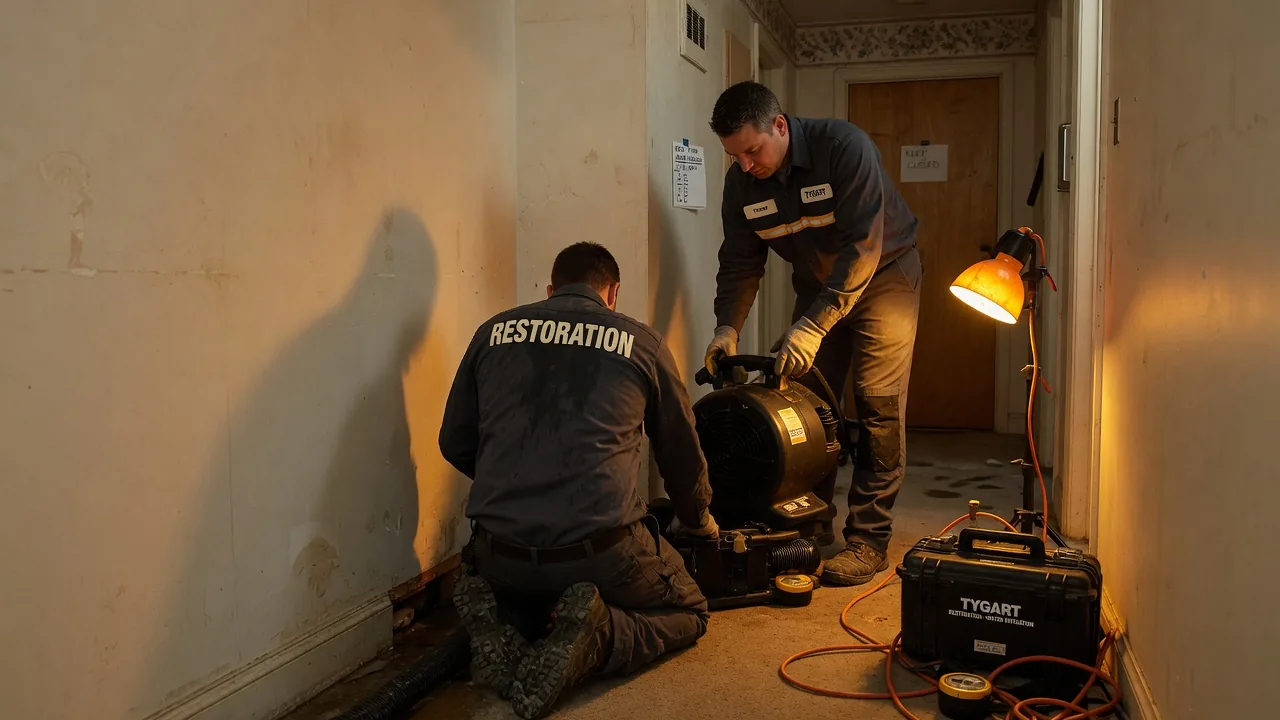
    For a restoration contractor: the owner does a post-job debrief — what happened, what was hard, what the client did not understand going in. That debrief becomes the raw material for three articles: one technical reference, one how-to, one FAQ layer. The contractor’s real-world experience is the input. The content system structures and publishes it.

    For a specialty lender: the loan officer walks through how they evaluate a piece of collateral — the factors they weight, the signals they look for, the common errors first-time borrowers make in presenting assets. That walk-through becomes a decision framework article that no competitor has published, because no competitor has extracted it from their own experts.

    For a solo agency operator managing multiple client sites: every client conversation surfaces knowledge — about their industry, their customers, their operational context. The distillery captures that knowledge before it evaporates, structures it into content, and publishes it under the client’s authority. The client gets content that reflects actual expertise. The operator gets a differentiated product that AI cannot replicate.

    The Strategic Position

    The operators who understand the human distillery model are building content assets that will hold value regardless of how AI search evolves. AI systems are trained to identify and cite authoritative, specific, experience-grounded knowledge. Content that already meets that standard is always ahead.

    Generic content produced from generic inputs will always be at risk of being outcompeted by the next model with better training data. Distilled expert knowledge will always have a provenance advantage — it came from someone who was there.

    Build the distillery. The knowledge is already in the room.

    Frequently Asked Questions

    What is the human distillery in content marketing?

    The human distillery is a content methodology that extracts tacit expert knowledge — patterns and insights practitioners carry from experience but have never written down — and structures it into AI-ready content artifacts. The three stages are extraction, structuring, and distribution.

    Why is expert knowledge valuable for SEO and AI search?

    AI search systems are looking for authoritative, specific, experience-grounded content when synthesizing answers. Generic content adds little value to AI synthesis. Expert knowledge contains verifiable insight that both search engines and AI systems recognize as more authoritative than commodity content.

    What is tacit knowledge and why does it matter for content?

    Tacit knowledge is expertise that practitioners carry from experience but have not explicitly documented — calibrated intuitions, pattern recognition, and professional shorthand that come from doing rather than studying. It cannot be retrieved from public sources or training data, making it the only genuinely differentiated content input available.

    What makes content AI-ready?

    AI-ready content is specific, factually grounded, structurally clear, and semantically rich. It contains named entities, concrete examples, direct answers to real questions, and schema markup that helps machines parse its type and context. AI systems cite content that adds something to the synthesis.

    How does the human distillery model create a competitive advantage?

    The competitive advantage comes from the raw material. If all content operations draw from the same public sources and training data, their outputs converge. Distilled expert knowledge has a proprietary input that cannot be replicated without access to the same expert. The optimization layers can be copied; the knowledge cannot.

    Related: The system that distributes distilled knowledge at scale — The Solo Operator’s Content Stack.

  • How Comedy and Entertainment Producers Use AI Music in Live Shows: The Complete Production System

    How Comedy and Entertainment Producers Use AI Music in Live Shows: The Complete Production System

    Tygart Media Strategy
    Volume Ⅰ · Issue 04Quarterly Position
    By Will Tygart
    Long-form Position
    Practitioner-grade

    What is AI-Integrated Entertainment Production? AI-integrated entertainment production uses AI-generated music tracks — created via tools like Producer AI, Suno, or Udio — as the musical infrastructure for live comedy shows, variety productions, improv performances, and entertainment events. Rather than hiring a house band or music director, the production uses AI-generated tracks for theme music, transitions, bumpers, background scoring, and featured musical segments. A rehearsal platform integrates these tracks with performer cues, lyric display for musical numbers, and production timing, allowing full rehearsal of the complete show against consistent musical playback.

    Why Original Music Changes Everything in Live Entertainment

    The difference between a comedy show with original music and one without is not subtle. Original music creates identity — an audience hears the theme and knows they’re in a specific world. Original transitions between acts or segments signal production value that elevates the entire experience. Original incidental music during bits gives performers musical infrastructure to play against. Original songs performed by comedians or cast members create peak moments that audiences remember and talk about afterward in ways that purely spoken comedy cannot.

    These effects have historically been locked behind the cost and logistics of a house band: a music director, 3–5 musicians, rehearsal time, sound check logistics, and a green room. For a Comedy Cellar-level club with consistent live music infrastructure, this is manageable. For an independent comedy producer running a monthly show at a bar, a touring variety act, or a podcast-to-live-show production, a full house band is economically prohibitive and logistically complex enough to kill shows that would otherwise happen.

    AI-generated music removes those barriers entirely. The music director is replaced by Producer AI. The house band is replaced by the rehearsal platform’s playback system. The musical identity is created through thoughtful track generation rather than expensive human curation. The result is a production that sounds like it has a full band because the arrangements are full-band quality — and costs a fraction of what a live band costs to maintain.

    The Architecture of a Music-Integrated Comedy Show

    A music-integrated live show has six distinct musical use cases, each requiring different AI track types and different rehearsal platform configurations.

    Use Case 1: Theme Music and Show Open

    The show’s opening music establishes everything: genre, energy, tone, and identity. Generate a theme track that is immediately identifiable, 60–90 seconds long, and capable of running under voice-over announcements without clashing. The theme needs a clear “hit” moment — a peak that times to a specific visual or performance cue (the host walks on stage, the lights change, the first performer is revealed). This timing is rehearsed in the platform with a cue note at the exact moment of the hit. Every show, without exception, the theme hits the same way.

    Use Case 2: Segment Transitions and Bumpers

    Bumpers are short music beds (10–30 seconds) that play between segments: between comedy acts, between show segments, during audience warm-up while the next performer prepares, or over applause when an act exits. Generate a family of 4–6 bumper tracks in the show’s musical style — different energy levels for different transition types (high-energy transition between two uptempo acts, lower-energy bridge before an emotional segment). These run automatically in the platform’s setlist mode between full songs or performer cues.

    Use Case 3: Performer Walk-On and Walk-Off Music

    Individual performers may have their own walk-on tracks — music that is associated specifically with their character, persona, or act. Generate these as short tracks (20–40 seconds) that capture the performer’s specific identity. A self-deprecating everyman comedian might walk on to deflating trombone-heavy jazz. A high-energy character comedian might walk on to driving percussion and brass. These tracks are loaded as individual sessions associated with each performer’s slot in the show’s setlist.

    Use Case 4: Background Scoring for Bits and Sketches

    Some comedy bits and sketches play better with live incidental music underneath them — music that underscores emotional beats, punctuates punchlines, or creates ironic contrast with the content. Generate these as loopable beds at consistent tempo: a 60-second loop of tension-building strings for a dramatic monologue parody, a 90-second loop of earnest inspirational music for a self-help satire segment, a 30-second sting for a punchline moment. These require the most precise rehearsal because timing is critical — the bit needs to be performed to the music, not the music edited to the bit.

    Use Case 5: Musical Numbers and Featured Songs

    This is the full rehearsal platform application: a comedian or performer delivers an original song as a featured act moment. These sessions require the full songwriter rehearsal workflow — lyric sync, diagnostic passes, performance runs — combined with the entertainment production workflow (the song needs to land in the context of a full show, which means the energy entering the song and exiting it has to be designed, not accidental). Musical comedy numbers are the highest-production-value moments in any show. The AI track gives them the sonic quality of a full live band.

    Use Case 6: Closing Music and Outro

    The show close is as important as the open. Generate a closing track that creates a satisfying emotional resolution — typically lower energy than the opener, with a clear ending moment that cues the house lights. The closer needs to handle variable timing: sometimes a show runs 10 minutes long, sometimes 5 minutes short. Generate the closing track as a loopable bed with a clear outro section that can be triggered at any point, rather than a fixed-length track that creates timing pressure.

    Building the Show in the Rehearsal Platform: Complete Production Architecture

    The Master Show Session

    Create a master show session that functions as the complete production document. This session contains, in performance order: the opening theme with cue timing notes; each performer’s session in their show slot (with walk-on and walk-off tracks linked); bumper tracks between each slot; any bits requiring scored underscore with timing notes; featured musical numbers as full lyric-sync sessions; and the closing track. Running the master show session from beginning to end gives the production team a complete, timed rehearsal of the full show — with music playback exactly as it will sound on the night.

    Show Length Calibration

    Comedy shows have contractual length commitments to venues and audiences. The master session’s total track time gives you a minimum show floor (the music time with no overrun). Each performer’s typical slot time, added to the minimum music time, gives you a total show estimate. If the estimate runs long, adjust by shortening bumper tracks or removing a segment. If it runs short, identify where additional performer time or an additional bit fits. This calibration happens in the platform before any performer has set foot on stage — the kind of production management that previously required a stopwatch at dress rehearsal.

    Performer-Specific Session Packages

    Each performer in the show receives a session package: their walk-on track, their slot’s bumper tracks, and (if applicable) their musical number session. Performers rehearse with their tracks independently before the show’s full production rehearsal. A comedian rehearsing their walk-on timing knows exactly how many seconds they have from music start to reaching the microphone. A performer doing a scored bit knows the music cue that ends their segment. This preparation makes the full production rehearsal efficient — you’re not teaching performers their music cues during the only full-band run; they already know them.

    The Comedy Cellar Model: How Established Venues Can Integrate AI Music

    The Comedy Cellar in New York is one of the most recognized comedy venues in the world precisely because of its identity — the consistent, recognizable experience that audiences know they’re getting when they walk in. Original music is a significant part of that identity. For established venues considering AI music integration, the transition is not a replacement of live music personality but an augmentation of production consistency and a cost reduction in music programming nights when a live house band is logistically unavailable.

    Specific applications for established venues: themed nights with custom AI-generated music packages that match the night’s curatorial identity; late-night sets that use AI tracks to maintain a full musical show after the house band’s contracted hours end; touring shows that bring their full musical identity into the venue without requiring the venue to provide live music infrastructure; and filmed or live-streamed productions where AI music rights clearance is simpler than live performance licensing.

    The Touring Production Application

    A comedy or variety show that tours faces the same house band problem at every stop: find local musicians who can learn the show, negotiate contracts, manage sound check in an unfamiliar venue, and hope nothing goes wrong on the night. AI music eliminates the geographic dependency. The show’s entire musical architecture lives in the rehearsal platform, loads on any laptop, and plays through any sound system. The show in Denver sounds identical to the show in Seattle. The musical cues hit at the same moments. The performers’ walk-on tracks play with the same timing. This consistency is the touring production’s single most important operational advantage — the show is the same everywhere, and the music is why.

    Budget Comparison: AI Music vs. House Band

    A 4-piece house band for a regular monthly comedy show runs $400–$1,200 per show night depending on market, including rehearsal time and sound check. For a show running 10 months per year, that’s $4,000–$12,000 annually in music costs. Producer AI subscription: $10–$30/month. Platform and playback equipment (one-time): $300–$800 for a portable PA and audio interface. Annual music operating cost with AI: $120–$360/year plus one-time equipment. The delta — $3,640–$11,640 per year — is money that goes back into production, performer fees, or venue upgrades. The musical experience for the audience is indistinguishable in quality and often superior in consistency.

    Frequently Asked Questions

    Will audiences know the music is AI-generated?

    Audiences care about the experience, not the production method. If the music serves the show — it fits the tone, hits the cues, creates the right energy — audiences experience it as production quality, not as AI versus live. Transparency is a separate decision: some productions lean into the AI-generated nature of their music as part of their identity and brand. Neither approach is wrong. What matters is that the music serves the show.

    How do we handle music rights for filmed or streamed content?

    AI-generated music from platforms with commercial licensing (Producer AI, Suno Pro, Udio Pro) comes with rights that allow use in filmed and streamed content. Verify the specific licensing tier you’re using before filming — the difference between a personal use license and a commercial broadcast license can affect what you’re permitted to do with recorded show footage. This is a significant advantage over using licensed commercial music in live shows, which often creates clearance problems for filmed content.

    Can AI music handle live improv or shows where the running order changes?

    Yes, with design. Build a bumper library of 6–10 tracks at different energy levels and lengths. Build a transitions playlist in the platform that can be accessed non-linearly. The operator (a production assistant or the producer themselves) selects the appropriate bumper in real time based on what just happened in the show. This is less automatic than a fully scripted show but gives the improv production the musical infrastructure it needs to feel produced even when the content is spontaneous.

    How much lead time do we need to build a show’s full music package?

    For a new show with a complete music architecture (theme, bumpers, performer tracks, featured songs): 2–3 weeks from initial concept to full rehearsal-ready music package. For adding music to an existing show that has been running without music: 1–2 weeks to generate tracks and build sessions that fit the established show identity. Featured musical numbers with full lyric-sync rehearsal require an additional 1–2 weeks per featured song for the performer to reach performance-ready standard.

    Using Claude as a Show Production Planning Companion

    Upload this article to Claude along with your show’s concept document, current running order, performer roster, and venue/technical specifications. Claude can generate: a complete music architecture plan identifying every music use case in your specific show; a production brief for each AI track generation session in Producer AI (what to prompt for each track type); a master show session build plan with timing estimates; a performer music package outline for each act in your show; a full rehearsal schedule from track generation through production rehearsal and performance; and a budget comparison for your specific show against the cost of a house band in your market. This article gives Claude enough context about the full entertainment production use of AI music rehearsal platforms to build a complete, show-specific production plan from your concept.


  • How Bands Use AI Music Rehearsal Platforms for Pre-Production: Hear the Full Album Before You Record It

    How Bands Use AI Music Rehearsal Platforms for Pre-Production: Hear the Full Album Before You Record It

    Tygart Media Strategy
    Volume Ⅰ · Issue 04Quarterly Position
    By Will Tygart
    Long-form Position
    Practitioner-grade

    What is AI-Assisted Band Pre-Production? AI-assisted band pre-production uses AI-generated instrumental tracks (via Producer AI and similar tools) combined with synchronized lyric display to allow a full band — vocalists, instrumentalists, and producers — to hear and rehearse a complete album or setlist before entering a recording studio. Each member rehearses their part against consistent AI arrangements, identifying structural, arrangement, and performance issues while studio time is still free. The result is a band that arrives at recording sessions having already solved the problems that typically consume the most expensive hours of studio time.

    The Pre-Production Problem: You Think You Have an Album

    A band with 12 songs that have been through writing sessions, demo recordings, and individual rehearsals does not necessarily have an album. They have 12 songs. What separates a song collection from an album is coherence — an arc, a flow, an intentional sequence of emotional and sonic experiences that builds across 40–50 minutes of listening. The problem is that most bands discover whether their collection is actually an album only after they’ve spent $15,000–$50,000 recording it.

    Traditional pre-production addresses this partially: you rehearse the songs, maybe do rough demos, and try to identify the big problems before entering the studio. But traditional pre-production still relies on live rehearsal, which requires all members present, a rehearsal space, and time. It doesn’t give you the listening experience of the album in sequence. And it doesn’t give you the ability to hear what the album sounds like with a consistent, full-production arrangement rather than a stripped-down rehearsal version.

    AI-assisted pre-production changes this. By generating full arrangements for each song via Producer AI and building a complete album session in the rehearsal platform, a band can run the full album — from opening track to closing track, in sequence, with full production — before anyone has set foot in a studio. The problems that would have cost $3,000 to discover in a recording session cost nothing to discover in pre-production.

    How Each Band Member Uses the Platform Differently

    The Lead Vocalist

    The vocalist’s pre-production work is the most intensive because the vocal performance is typically what’s recorded first in any studio session, and it is what the entire record is evaluated against. The vocalist uses the platform to: verify that every song in the album sits in a singable range across the full performance (not just in isolation — 12 consecutive songs have cumulative vocal demands that individual song rehearsal doesn’t reveal); identify the specific lines in each song that require the most technical attention; develop consistent phrasing interpretations that will anchor the producer’s vision for each track; and build the physical stamina to deliver full-album performances without vocal fatigue compromising later takes.

    A key vocalist-specific workflow: run the full album sequence in one sitting, every day for the week before tracking begins. This builds the endurance specific to this album’s demands. Not every album has the same vocal load — a 12-song album with 4 ballads and 8 uptempo tracks has different endurance requirements than one with 10 power-chorus anthems. The platform reveals this.

    The Instrumentalists

    For instrumentalists who are not recording directly against the AI tracks (their live performances will be recorded in the studio), the platform serves as an arrangement reference and structural map. Guitarists, bassists, drummers, and keyboardists use the sessions to understand: the exact structure of each song (number of bars per section, repeat structures, transitions); the arrangement choices in the AI track that the producer wants to preserve in the live recording versus replace with live performance; and the feel and tempo that the AI track establishes as the performance target.

    The platform’s session notes become the arrangement brief: each instrumentalist adds their own notes to the session documenting what they’ll play in each section, flagging arrangement decisions that need band discussion, and marking structural choices that differ from the AI track. By the time tracking begins, every instrumentalist has a documented understanding of their part that has been developed in isolation but calibrated against a consistent arrangement reference.

    The Producer or Music Director

    The producer uses the album session to make sequencing and pacing decisions before they become expensive. Running the full album reveals: key relationships between consecutive songs (does moving from Song 6 to Song 7 require the listener’s ear to adjust to a jarring key change?); tempo flow across the record (are songs 8, 9, and 10 all in similar tempos, creating a mid-album energy plateau?); emotional arc coherence (does the album build and resolve in a way that feels intentional?); and side-break logic for vinyl or CD formats (where is the natural midpoint?). These decisions, made in the platform before the studio, save 4–8 hours of mixing and sequencing discussion that would otherwise happen after recording is complete.

    The Band Pre-Production Timeline: A Complete System

    Week 1: Track Generation and Session Building

    Generate AI instrumental tracks for all songs in the album. This should be a collaborative process: the band members who drive arrangement decisions (typically the producer, lead guitarist, and vocalist) should be present or in direct communication during track generation to ensure the AI arrangements reflect the intended production direction. Export full instrumental tracks plus individual stems where available. Build the rehearsal session for each song, assigning primary responsibility for session setup to one member (typically the vocalist or producer) who then shares sessions with the full band.

    Document the following for each song during session building: intended tempo (BPM as generated in Producer AI), key, and time signature; section structure with bar counts; arrangement elements in the AI track that are locked (will be kept or closely replicated) versus placeholder (will be replaced by live performance); and the producer’s stylistic reference for the track — what existing recordings does this song aim to sound like in the final version.

    Week 2: Individual Member Rehearsal

    Each band member works through their individual pre-production workflow independently using the shared sessions. The vocalist does their full diagnostic and performance run workflow (see Independent Songwriter article for the complete vocalist protocol). Instrumentalists do arrangement confirmation runs: play through each song while listening to the AI track, documenting where their live performance aligns with the AI arrangement and where it intentionally diverges. Establish tempo locks — every member should know the BPM for every song and be capable of delivering a consistent performance at that tempo without the click track.

    Week 3: Band-Level Rehearsal Using Platform Sessions

    Reconvene as a full band with the platform sessions running as the arrangement reference. This is not a replacement for live band rehearsal — it is a structured version of it. The platform session defines the arrangement; the band plays against it. Work through each song in album order, using the session to hold the arrangement consistent while the band develops their live performance around it. Flag every arrangement disagreement for discussion — the platform session becomes the artifact around which arrangement decisions are made and documented.

    Week 4: Full Album Run-Throughs and Sequencing Review

    Run the complete album in sequence at least once per day for the final week of pre-production. Listen specifically for: the listening experience of the full record, not individual songs; transition moments between tracks; energy flow across the full arc; and the vocalist’s stamina curve across 12 consecutive songs. Make final sequencing adjustments based on what you hear. These adjustments cost nothing in pre-production. In the studio, resequencing decisions made after recording is complete cost time in mixing and mastering and sometimes require re-recording transitions or intros designed for different neighbors.

    The Studio Arrival Package: What AI Pre-Production Produces

    A band completing AI-assisted pre-production arrives at the recording studio with a package that transforms the studio dynamic. The package includes: (1) a complete song-by-song arrangement brief for every track, with BPM, key, section structure, and documented arrangement decisions; (2) a vocalist performance map for every song, including range analysis, flagged difficult sections, and phrasing interpretations the producer has approved; (3) a sequenced album plan with the final running order and documented rationale for each sequencing decision; (4) stem files from Producer AI for any arrangement elements the producer wants to incorporate directly into the final recording; (5) performance notes from every band member documenting their part and flagging questions that need producer input before tracking.

    A recording engineer and producer who receive this package before the session begins can set up with precision: microphone selections, headphone mix configurations, click track settings, and session file architecture are all determined in advance rather than discovered through conversation on the studio clock. The result is that the first hour of the recording session is productive instead of administrative.

    The Economics of AI Pre-Production for Bands

    Studio recording costs for an independent or emerging band typically run $500–$2,500 per day for a professional facility. A 12-song album requiring 8–12 studio days costs $4,000–$30,000 depending on market and facility. The hidden cost within that total is pre-production that happens in the studio: time spent discussing arrangements, running songs to establish performances, discovering structural problems, and making sequencing decisions that should have been made before recording began. Industry estimates suggest that 20–40% of studio time for bands without strong pre-production is spent on decisions that could have been made for free. On a $15,000 recording budget, that’s $3,000–$6,000 in pre-production work being paid for at studio rates.

    AI-assisted pre-production using the rehearsal platform eliminates most of that cost. Producer AI subscription costs $10–$30/month. The platform itself, once built or licensed, handles unlimited pre-production sessions. The 4 weeks of pre-production work described in this article — which would cost $0 in platform fees beyond the AI track generation — replaces decisions that would otherwise cost thousands in studio time.

    Frequently Asked Questions

    Does the AI track have to match what we’ll record? What if our live sound is different?

    The AI track is a reference and rehearsal tool, not a production commitment. It establishes structure, tempo, and feel for pre-production purposes. Your live recording can and should differ — the AI track is the map, not the territory. Use it to make decisions about structure and arrangement, then let the live performance bring the personality and specificity that AI can’t generate.

    How do we handle songs that are still being finished during pre-production?

    Build sessions for songs in their current state and update them as the song evolves. The platform’s session architecture supports version control through session notes: document what changed and when. Songs that are unfinished at the start of pre-production should have a hard deadline — typically the end of Week 2 — after which no new songs enter the album and no existing songs receive structural changes. This discipline is essential for keeping the studio session on schedule.

    Can we use this system for EP pre-production (4–6 songs) with a shorter timeline?

    Yes, and the timeline compresses proportionally. A 4-song EP can complete the full pre-production cycle described here in 10–14 days. The most important elements don’t compress: individual member rehearsal and at least one full run-through of the complete EP in sequence before entering the studio.

    What happens when band members disagree about arrangement during pre-production?

    The platform session becomes the neutral reference for the disagreement. Play the AI track arrangement and articulate specifically what each position proposes in relation to it: “I want to do what the AI track does here” versus “I want to replace this section with X.” This specificity makes arrangement disagreements resolvable in pre-production rather than explosive in the studio. Document the agreed resolution in the session notes so the decision doesn’t reopen on recording day.

    Using Claude as a Band Pre-Production Planning Companion

    Upload this article to Claude along with your band’s song list, current album sequence idea, Producer AI track notes for each song, and your recording studio booking information. Claude can generate: a complete 4-week pre-production calendar with daily tasks assigned by band member role; a song-by-song arrangement brief template for your producer; a studio arrival package outline populated with your specific album details; a sequencing analysis identifying potential flow problems in your current running order; and a budget analysis showing the studio time cost savings from pre-production versus discovering the same problems in the booth. This article provides Claude with enough context about the full band pre-production workflow, the platform’s capabilities, and the studio economics to build a complete, album-specific pre-production plan.


  • The Solo Operator’s Content Stack: How One Person Runs a Multi-Site Network with AI

    The Solo Operator’s Content Stack: How One Person Runs a Multi-Site Network with AI

    Tygart Media / Content Strategy
    The Practitioner JournalField Notes
    By Will Tygart · Practitioner-grade · From the workbench

    Solo Content Operator: A single person running a multi-site content operation using AI as the execution layer — producing, optimizing, and publishing at scale by building systems rather than hiring teams.

    There is a version of content marketing that requires an editor, a team of writers, a project manager, a technical SEO lead, and a social media coordinator. That version exists. It also costs more than most small businesses can justify, and it produces content at a pace that rarely matches the actual opportunity in search.

    There is another version. One person. A deliberate system. AI as the execution layer. The output of a team, without the overhead of one.

    This is not a hypothetical. It is a description of how a growing number of solo operators are running content operations across multiple client sites — producing, optimizing, and publishing at scale without hiring a single writer. Here is how the stack works.

    The Mental Model: Operator, Not Author

    The first shift is in how you think about your role. A solo content operator is not a writer who also does some SEO and sometimes publishes things. That framing puts writing at the center and treats everything else as overhead.

    The correct frame is: you are a systems operator who uses writing as the output. The center of gravity is the system — the keyword map, the pipeline, the taxonomy architecture, the publishing cadence, the audit schedule. Writing is what the system produces.

    This distinction matters because it changes what you optimize. An author optimizes the quality of individual pieces. An operator optimizes the throughput and intelligence of the system. Both matter, but operators scale. Authors do not.

    Layer 1: The Intelligence Layer (Research and Strategy)

    Before anything gets written, the system needs to know what to write and why. This layer answers three questions for every article:

    What is the target keyword? Not a guess — a researched position. Keyword tools surface what terms are being searched, how competitive they are, and which queries sit in near-miss positions where ranking is achievable with the right content.

    What is the search intent? A keyword is a clue. The intent behind it is the brief. Someone searching “how to choose a cold storage provider” wants a comparison framework. Someone searching “cold storage temperature requirements” wants a technical reference. The same topic, two completely different articles.

    What does the competitive landscape look like? What is already ranking? What does it cover? What does it miss? The answer to the third question is the editorial angle.

    This layer produces a content brief: keyword, intent, angle, target word count, target taxonomy, and a note on what the competitive content is missing.

    Layer 2: The Generation Layer (Writing at Scale)

    With a brief in hand, AI handles the first draft. Not a rough draft — a structurally complete draft with headings, a definition block, supporting sections, and a FAQ set.

    The operator’s role in this layer is not to write. It is to direct, review, and elevate. The questions at this stage:

    • Does the opening make a real argument, or does it hedge?
    • Are the H2s building toward something, or just organizing paragraphs?
    • Is there a sentence in here that is genuinely worth reading, or is it all competent filler?
    • Does the conclusion land, or does it trail into a generic call to action?

    World-class content has a point of view. It takes a position. It says something that a reasonable person might disagree with, and then makes the case. The operator’s job is to ensure the generation layer produces that kind of content — not just competent coverage of the topic.

    Layer 3: The Optimization Layer (SEO, AEO, GEO)

    A well-written article that no one finds is a waste. The optimization layer ensures every piece of content is structured to be found, read, and cited — by humans and machines. Three passes:

    SEO Pass

    Title optimized for the target keyword. Meta description written to earn the click. Slug cleaned. Headings structured correctly. Primary keyword in the first 100 words. Semantic variations woven throughout.

    AEO Pass

    Answer Engine Optimization. Definition box near the top. Key sections reformatted as direct answers to questions. FAQ section added. This is the layer that chases featured snippets and People Also Ask placements.

    GEO Pass

    Generative Engine Optimization. Named entities identified and enriched. Vague claims replaced with specific, attributable statements. Structure applied so AI systems can parse the content correctly. Speakable markup added to key passages.

    Layer 4: The Publishing Layer (Infrastructure and Taxonomy)

    Content that lives in a document is not content. It is a draft. Publishing is the act of inserting a structured record into the site database with every field populated correctly.

    The publishing layer handles taxonomy assignment, schema injection, internal linking, and direct publishing via REST API. Every post field is populated in a single operation — no manual CMS login, no copy-paste, no incomplete records.

    Orphan records do not get created. Every post that publishes has at least one internal link pointing to it and links out to relevant existing content.

    Layer 5: The Maintenance Layer (Audits and Freshness)

    The system does not stop at publish. A content database requires maintenance. On a quarterly cadence, the maintenance layer runs a site-wide audit to surface missing metadata, thin content, and orphan posts — then applies fixes systematically.

    This layer is what separates a content operation from a content dump. The dump publishes and forgets. The operation publishes and maintains.

    The Real Leverage: Systems Over Output

    The counterintuitive truth about this stack is that the leverage is not in how fast it produces articles. The leverage is in the system’s ability to treat every piece of content as part of a structured, maintained, interconnected database.

    A single operator running this system on ten sites is not doing ten times the work. They are running ten instances of the same system. Each instance shares the same mental model, the same pipeline stages, the same optimization passes, the same maintenance cadence. The marginal cost of adding a site is far lower than staffing it with a human team.

    What gets eliminated: the briefing meeting, the draft review cycle, the back-and-forth on edits, the manual CMS copy-paste, the post-publish social scheduling that happens three days late because everyone was busy.

    What remains: intelligence and judgment — the things that actually require a human.

    Frequently Asked Questions

    How does a solo operator manage content for multiple websites?

    A solo operator manages multiple content sites by building a replicable system across five layers: research and strategy, AI-assisted generation, SEO/AEO/GEO optimization, direct publishing via REST API, and ongoing maintenance audits. The same system runs across every site with site-specific briefs as inputs.

    What is the difference between a content operation and a content dump?

    A content dump publishes articles and forgets them. A content operation publishes articles as database records, maintains them over time, connects them via internal linking, and runs regular audits to keep the database fresh and complete. The operation compounds; the dump decays.

    What is AEO and GEO in content optimization?

    AEO stands for Answer Engine Optimization — structuring content to appear in featured snippets and direct answer placements. GEO stands for Generative Engine Optimization — structuring content to be cited by AI search tools like Google AI Overviews and Perplexity.

    How do you maintain content quality at scale without a writing team?

    Quality at scale comes from having a clear editorial standard, applying it at the review stage of the generation layer, and running every piece through optimization passes before publish. The standard is set by the operator; the system enforces it.

    What does publishing via REST API mean for content operations?

    Publishing via REST API means writing directly to the WordPress database without manual CMS interaction. Every post field is populated in a single automated call, eliminating the manual copy-paste bottleneck and ensuring every record is complete at publish.

    Related: The database model that makes this stack possible — Your WordPress Site Is a Database, Not a Brochure.

  • The Session Vocalist’s AI Rehearsal System: Learn 5 Songs in 48 Hours Without a Band

    The Session Vocalist’s AI Rehearsal System: Learn 5 Songs in 48 Hours Without a Band

    Tygart Media Strategy
    Volume Ⅰ · Issue 04Quarterly Position
    By Will Tygart
    Long-form Position
    Practitioner-grade

    What is a Session Vocalist? A session vocalist is a professional singer hired to record vocal tracks for other artists, producers, advertising agencies, film/TV productions, or record labels. They are typically not the credited artist — they are the voice behind the performance. Session vocalists are expected to learn material quickly, deliver consistent takes across multiple styles, and adapt their vocal approach to the producer’s vision without extensive direction. They are paid per session, per hour, or per track, with rates typically ranging from $75 to $500/hr depending on market, experience, and project type.

    The Core Challenge: Professional Speed with No Rehearsal Infrastructure

    A session vocalist typically receives the following on a Tuesday: five songs, in five different styles, with lyrics, chord charts, and AI-generated or demo instrumental tracks. Recording is Thursday at 10am. There is no rehearsal pianist. There is no band to run through the material with. There is no producer available for questions until they see you in the booth. Your job is to arrive Thursday knowing all five songs well enough to deliver professional takes — meaning polished, emotionally present, stylistically accurate performances — within the first 2–3 takes of each song.

    This is not a situation that accommodates learning songs in the studio. Studio time for a session vocalist costs the client $150–$500/hr. A vocalist who spends 45 minutes in the booth finding their phrasing on a song they should have learned at home is a vocalist who does not get called back. The professional standard is arrive prepared, deliver fast, and go home. The AI rehearsal platform is the infrastructure that makes that standard achievable for material you have never heard before.

    The Session Vocalist’s Specific Requirements from a Rehearsal Platform

    Session vocalists have distinct requirements that differ from songwriters or performers. They are not working on their own material — they are embodying someone else’s vision for a song they had no part in writing. This changes what the platform needs to do.

    Requirement 1: Fast Session Setup

    A session vocalist may need to set up a rehearsal session for 5 songs in under 30 minutes total. The workflow cannot require extensive manual timestamping or lengthy configuration. Automated timestamp generation from the provided instrumental track, combined with copy-paste lyric import, needs to produce a usable rehearsal session in under 5 minutes per song.

    Requirement 2: Style Accuracy Monitoring

    The platform needs to support style-reference listening. Before rehearsing vocals, a session vocalist needs to understand what the producer wants stylistically — the phrasing approach, the vowel sounds, the emotional register, the level of ornamentation (runs, melisma, vibrato). This means the platform should support annotation of style references: links or notes about comparison artists, specific tracks that represent the target sound, or producer-provided direction attached to each session.

    Requirement 3: Take Evaluation

    Session vocalists evaluate their own rehearsal takes as proxies for what will happen in the booth. The platform should support recording of rehearsal runs — even just phone-quality audio — so the vocalist can listen back and self-evaluate before the session. Identifying the line where your phrasing is slightly off, the note where your pitch consistently goes flat, or the moment where your emotional delivery isn’t earning the lyric — these are discoveries that need to happen in your living room, not the recording booth.

    Requirement 4: Key and Range Verification

    Session vocalists perform in keys set by the producer, not keys set by themselves. The platform’s key display and range visualization lets a vocalist verify before arriving at the session whether the material sits in a comfortable range. If a song is consistently asking for a top note that sits at the edge of the vocalist’s comfortable range, that information needs to be communicated to the producer before Thursday, not discovered in the booth on take 3.

    The 48-Hour Preparation Protocol: A Complete System

    Hour 0–2: Material Intake and Assessment

    Receive the tracks and lyrics. Before building any sessions, do a cold listening pass of all five tracks — instrumental only, no lyrics in hand. Listen for: overall genre and feel, tempo and key of each song, structural complexity (how many sections, how long is the bridge, does the outro repeat), production style that tells you what vocal approach is expected. Make a quick assessment note for each song rating its difficulty on three dimensions: (1) melodic complexity (1–5); (2) lyric density — how many syllables per measure on average; (3) stylistic challenge — how far is this from your default vocal approach.

    Rank the five songs by combined difficulty score. You will learn the hardest song first, while your energy and focus are highest, and the easiest song last as a confidence-building closure before the session.

    Hour 2–6: Session Building

    Build all five rehearsal sessions using the platform’s fast-setup workflow. Import each instrumental track. Paste lyrics. Run automated timestamp generation. Do a quick real-time pass through each song — one pass per song — adjusting timestamps where the automation missed natural phrasing breaks. Add style reference notes to each session based on the producer’s direction or your cold listening assessment. Add range marker notes flagging any note in the top 15% of your range that appears in the song. Total time: approximately 60–90 minutes for five songs.

    Hour 6–18: Song-by-Song Rehearsal (Hardest First)

    Work through each song in difficulty order. For each song, follow this sequence: (1) read-through pass — sing through once while reading lyrics closely, not performing, just understanding the melody and lyric relationship; (2) cold performance pass — sing through once performing to the best of your current ability; (3) diagnostic review — identify every moment where phrasing felt wrong, pitch was uncertain, or emotional delivery was hollow; (4) section loops — loop the problematic sections individually until they’re clean; (5) three full performance passes in a row; (6) take recording — record one full pass on your phone for self-evaluation during a break; (7) move to next song.

    Between songs, rest your voice for 10–15 minutes. Session vocalists treat their voice as an instrument with recovery requirements — pushing through fatigue produces compensating technical habits that show up in the recording booth as inconsistency.

    Hour 18–24: Rest and Passive Listening

    Sleep. While sleeping, your brain consolidates the melodic and lyric information you rehearsed. Do not do additional active rehearsal in the hours immediately before sleep — passive listening (playing the tracks without singing) is acceptable and reinforces the material without taxing the voice.

    Hour 24–42: Consolidation Rehearsal

    On the second day, run all five songs in session order — fastest to slowest, or in the order the producer has indicated they’ll record. Listen back to your phone recordings from the previous day. Identify any remaining problem areas. Run targeted loops on those sections. Do two full run-throughs of the complete set, back to back, simulating the recording session sequence. Record the final run of each song. Listen back and evaluate: does this sound like a professional take? Not perfect — professional. Consistent pitch, intentional phrasing, emotional presence in the lyric. If yes, you’re ready.

    Hour 42–48: Preparation and Rest

    Stop active rehearsal 12–16 hours before the session. Vocal rest, hydration, normal sleep. Bring to the session: your platform device with all sessions loaded and accessible, a printed or digital copy of lyrics for each song as a safety net, your style reference notes in case the producer changes direction, and your key/range flags so you can immediately communicate if a key needs adjustment.

    The Self-Evaluation Framework: What to Listen for in Take Recordings

    When listening back to your rehearsal take recordings, evaluate across five dimensions using a simple 1–3 scale (1 = problem, 2 = acceptable, 3 = strong): (1) Pitch consistency — are you landing the target note on every iteration of the melody, or drifting flat or sharp in specific registers; (2) Rhythmic accuracy — is your phrasing locking with the track’s rhythm or consistently landing early or late; (3) Lyric clarity — can the words be understood without reference to a lyric sheet; (4) Emotional authenticity — does the delivery feel earned or performed; (5) Style accuracy — does this match the producer’s reference or your assessment of the intended sound. Any dimension scoring 1 gets a targeted loop session before you move on.

    Working with AI-Generated Tracks as a Session Vocalist

    More producers are delivering AI-generated demo tracks and guide tracks as the material you’ll record against. Understanding how to work with these tracks is increasingly part of the session vocalist’s skill set. AI tracks have specific characteristics that affect rehearsal: they are perfectly metronomic (no natural human tempo variation), they may have AI-generated placeholder vocals that you need to consciously discard in favor of your own interpretation, and they may have arrangement choices that reflect the generator’s defaults rather than deliberate production decisions.

    The rehearsal platform’s session architecture lets you annotate these characteristics: note that the track is AI-generated, flag sections where the arrangement may change in the final production, and document your vocal interpretation choices so you can articulate them to the producer in the session. “I interpreted the bridge as a pull-back moment because the arrangement creates space there — is that what you wanted?” is a professional conversation. It demonstrates that you have thought about the material, not just memorized it.

    Building a Song Bank: The Long-Term Session Vocalist Advantage

    Session vocalists who work consistently with the same producers, labels, or agencies begin to develop a personal song bank — a library of material they’ve previously recorded or rehearsed that can be called up quickly for repeat sessions or similar projects. The rehearsal platform’s session archive becomes a permanent professional asset: every song you’ve learned, with your performance notes, your range flags, and your take recordings, accessible indefinitely. When a producer calls back 8 months later for a follow-up session on material you recorded previously, you can reopen those sessions and refresh in 60–90 minutes instead of starting from scratch.

    Rate Justification and Professional Positioning

    Session vocalists who arrive demonstrably prepared command higher rates and more repeat bookings than those who learn songs in the booth. The AI rehearsal platform is part of your professional infrastructure argument: you invest in preparation tools so clients invest fewer studio dollars in your learning curve. When quoting rates, you’re not just quoting for time in the booth — you’re quoting for the preparation time that makes the booth time efficient. A vocalist who delivers 3 usable takes in 90 minutes is worth more than one who delivers 3 usable takes in 4 hours, and the preparation system is what creates that efficiency.

    Frequently Asked Questions

    What if the producer changes the key or arrangement after I’ve built my session?

    This happens. The platform’s transpose function handles key changes in 30 seconds. If the arrangement changes significantly, you may need to rebuild the timestamp map for affected sections — budget 15–20 minutes for a major arrangement change, 5 minutes for a key change. Always confirm the final track version with the producer before your consolidation rehearsal day to minimize last-minute changes.

    How do I handle material I find stylistically challenging?

    Identify 2–3 reference artists whose style matches what the producer wants. Load their recordings as reference tracks in a separate player running alongside the platform session. During diagnostic passes, compare your take recording against the reference. Style learning is imitative before it becomes interpretive — give yourself permission to directly mimic the reference approach during early rehearsal passes, then find your own voice within that style during consolidation rehearsal.

    Can I refuse material that’s outside my range?

    Yes, and you should do it before the session, not during it. The platform’s range verification during session setup is specifically for identifying range issues early. If a song consistently requires notes above your comfortable range, communicate with the producer immediately: “The chorus peaks at [note] — I can hit it but it will sit at the top of my comfortable range. Can we discuss key?” Producers respect this conversation. They do not respect discovering it in the booth.

    How do I use the platform to expand my style range over time?

    Build style-challenge sessions deliberately: generate AI tracks in genres outside your comfort zone and rehearse original material or covers in those styles. A country vocalist expanding into R&B, or a classical-trained singer developing a commercial pop approach, can use the platform’s rehearsal infrastructure to systematically develop new style capabilities across 6–12 months of targeted practice. Track your progress by saving take recordings at 30-day intervals and comparing.

    Using Claude as a Session Prep Companion

    Upload this article to Claude along with the lyrics for your upcoming session material, the producer’s style direction notes, and any reference tracks you’ve identified. Claude can generate: a complete 48-hour preparation schedule optimized for your session date; a difficulty ranking of the songs based on lyric density and melodic complexity analysis; style comparison notes mapping the reference artists to specific technical approaches you should prioritize; a self-evaluation rubric customized for the specific session’s style requirements; a pre-session communication template for flagging key or arrangement concerns to the producer professionally. This article gives Claude enough context about the session vocalist’s workflow, the platform’s capabilities, and the professional standards involved to build a complete, session-specific preparation plan.


  • The Independent Songwriter’s Guide to AI Music Rehearsal: From Producer AI to Performance-Ready

    The Independent Songwriter’s Guide to AI Music Rehearsal: From Producer AI to Performance-Ready

    Tygart Media Strategy
    Volume Ⅰ · Issue 04Quarterly Position
    By Will Tygart
    Long-form Position
    Practitioner-grade

    What is an AI Songwriting Rehearsal Platform? An AI songwriting rehearsal platform combines AI-generated instrumental tracks with synchronized lyric display, allowing a solo songwriter to compose, rehearse, and refine songs without a band, studio, or live accompanist. The songwriter hears the arrangement exactly as intended while reading lyrics in real time — bridging the gap between writing a song and recording it.

    The Problem Every Independent Songwriter Knows

    You finish a song at 2am. The melody is locked in your head. The lyrics are somewhere between your notes app, a voice memo, and a napkin. You have a track from Producer AI that actually sounds like something real — a chord structure that fits, a tempo that feels right, an arrangement with genuine texture. And then you hit the wall that every independent songwriter hits: you have no idea if the song actually works until you sing it over the music, start to finish, multiple times, with the words in front of you.

    This moment — the transition from “I wrote a song” to “I know this song” — has historically required a bandmate who can play it back for you, a studio session at $50–$200/hr, or the ability to simultaneously play an instrument and sing while reading lyrics you’re still memorizing. For independent songwriters working alone, none of those options are reliable or affordable on demand. The result: most songs die in the gap between composition and rehearsal.

    What the Platform Actually Does: The Full Technical Picture

    Component 1: The Instrumental Track via Producer AI

    Producer AI and similar platforms (Suno, Udio, Loudly, Soundraw) generate full instrumental arrangements from text prompts or genre/mood parameters. These are not loops or samples — they are complete arrangement-level tracks with intro, verse, chorus, bridge, and outro structures. A songwriter can generate a folk-country ballad at 72 BPM with fingerpicked acoustic guitar, cello, and brushed drums in under 60 seconds. The track is exported as a WAV or MP3 stem — instrumental only, no vocals. The quality threshold that matters: the track must be production-consistent, meaning the same tempo, key, and arrangement every single playback. This is what makes synchronized lyric display possible.

    Component 2: Synchronized Lyric Display

    Lyrics are timestamped to the track using manual timestamping (the songwriter taps along to mark where each line starts, similar to LRC files used in karaoke players) or automated timestamping using AI audio analysis — onset detection, beat tracking via libraries like librosa or Essentia — to suggest timestamps based on the track’s rhythm structure. The result is a scrolling teleprompter-style display that advances line by line in sync with the music. Unlike commercial karaoke using pre-recorded professional tracks, this system uses your track — the one you made for this song, in your key, at your tempo. The phrasing, the space in the arrangement, the feel — all of it reflects your compositional intent.

    Component 3: Session Architecture

    A song in the platform is a session object: it contains the track file, the lyrics document, the timestamp map, and performance notes. Sessions are organized into setlists for performance preparation or albums for project-level songwriting. The songwriter can loop specific sections, slow playback without pitch-shifting via time-stretching algorithms, transpose the key if the voice sits differently than expected, and flag lines that need revision during playback. Every time you open a song, it starts with your notes, your flags, your tempo adjustments intact.

    Complete Workflow: Composition to Recording-Ready

    Step 1: Composition

    Write the song in whatever method you already use — melody first, lyrics first, chord structure first, or all simultaneously. The output you need before entering the platform: a complete lyric sheet covering all verses, chorus, bridge, and outro, and a general sense of genre, tempo, and feel. You do not need a finished arrangement.

    Step 2: Track Generation in Producer AI (15–30 minutes)

    Enter your genre, tempo, key, instrumentation preferences, and mood descriptors into Producer AI. Generate 3–5 variations. Evaluate each: does the arrangement give your melody room to breathe? Does the tempo feel natural for your chorus’s syllable count? Is the key comfortable for your vocal range? Export the selected track as an instrumental WAV file. Export at 44.1kHz/16-bit minimum — you may use this track in recording sessions later. If Producer AI offers stem exports (drums, bass, melody, pads as separate files), export those too. Stems become valuable in recording when you want to keep some AI elements and replace others with live performance.

    Step 3: Build the Rehearsal Session (10–20 minutes)

    Create a new session. Upload the track. Paste your lyrics into the lyric editor formatted with line breaks that match your natural phrasing — not grammatical sentences but how you actually breathe and phrase. Use automated timestamp suggestions to get a starting map, then do one real-time pass through the track adjusting timestamps where auto-detection missed your intended phrasing. Add section labels (VERSE 1, CHORUS, VERSE 2, BRIDGE) so you can navigate during rehearsal without scrubbing. Set loop points for the sections that need the most work — usually the bridge or the line that felt right on paper but doesn’t land when sung.

    Step 4: The Diagnostic Pass

    Play the track from the beginning. Sing the whole song without stopping. This is not a polish pass — it is a diagnostic. Listen for three things: (1) syllable count mismatches, where you wrote more syllables than the melody can hold comfortably; (2) key problems, where the top note of your chorus is consistently straining or sitting too low to carry; (3) structural problems, where the bridge feels too long or the outro repeats past its purpose. Flag every problem in the note system. Do not fix anything yet. Finish the full song first.

    Step 5: Revision Loop

    Work through flagged sections one at a time. For syllable count issues: rewrite the line to match the melody, or generate a new track variation with slightly different phrasing space. For key issues: use the transpose function to shift the track up or down in half-steps until the range sits correctly, then note the new key for recording. For structural issues: use the loop function to play the problematic section until you identify whether the issue is in the writing or the arrangement, then fix accordingly.

    Step 6: Performance Runs

    Once the song passes your diagnostic review, run it 10 times without stopping. Not 3 times. Ten. This is the threshold where lyrics move from short-term to working memory — where you stop reading and start performing. The display is still there as a safety net, but by run 8 you should be singing to the room, not the screen.

    Step 7: Album-Level Integration

    Add the song to your active setlist. Run the full setlist once daily during the week before any performance or recording session. The platform’s setlist mode plays songs back-to-back with a configurable gap (5–30 seconds) for realistic transition time. Running the full album in sequence reveals what individual song review cannot: whether the emotional arc works across the record, whether two consecutive songs are too similar in tempo or key, whether the sequencing creates the intended energy arc. These editorial decisions — historically made in expensive mixing sessions or by gut feel — become data-driven.

    The Economics: What This Replaces

    A single studio session for hearing how a song sounds costs $50–$300 depending on market. A session musician hired for rehearsal backing tracks runs $50–$150/hr. A home recording setup capable of generating usable backing tracks requires $500–$2,000 in gear plus significant technical skill. Producer AI subscriptions cost $10–$30/month. An AI rehearsal platform handles unlimited songs and sessions at effectively zero marginal cost per rehearsal. For an independent songwriter releasing 1–2 albums per year with 10–14 songs each, this eliminates what would otherwise be ,$2,000–$8,000 in annual pre-production costs — costs most independent artists simply don’t pay, which means they go into recording sessions underprepared and burn studio time relearning their own material.

    What the Platform Reveals That a Studio Cannot

    Recording sessions carry social pressure to perform well, financial pressure from the running clock, and cognitive load from the technical recording environment. These pressures suppress honest self-evaluation. Songwriters in recording sessions routinely accept takes they know are 80% of what the song should be, because the alternative is admitting the song needs more work and spending more money. The rehearsal platform carries none of those pressures. You can be completely honest about whether a line works, whether the melody sits right, whether you actually know the song. This honesty is the difference between a recording that sounds like a songwriter learning their song in real time and one that sounds like an artist who knows exactly what they’re doing.

    What to Bring to the Studio After Platform Rehearsal

    When you book a recording session, bring: (1) the timestamped lyric document for every song, formatted as a recording script with section labels; (2) the final key for each song after transpose adjustment; (3) the BPM for each song from the Producer AI track; (4) any stem files you want to reference or incorporate; (5) performance notes flagging which sections were difficult and why. A recording engineer who receives this package can set up in 30–45 minutes instead of the typical 60–90 minutes of “let’s play through once to see what we’re working with.” You arrive as a professional who has done their homework. That changes the dynamic of the entire session.

    Frequently Asked Questions

    Can I use AI-generated tracks in final recordings?

    Yes, with caveats depending on the platform’s licensing terms. Producer AI and most AI music generation tools offer commercial licensing tiers that allow generated tracks in released recordings. Many artists use AI tracks as reference or guide tracks replaced by live musicians in the final version — but some independent artists release with AI instrumentals, particularly in electronic and ambient genres where the production itself is part of the artistic identity.

    Does the key from the AI track lock in my song’s key permanently?

    No. The transpose function lets you shift key at any point without regenerating the track. BPM is adjustable through time-stretching without pitch shift. Think of the initial track as a starting point for discovery, not a final decision. Many songwriters discover their actual ideal key only after singing through the song multiple times in the rehearsal environment.

    How many songs can realistically be prepared for an album?

    A songwriter working 1–2 hours per day on rehearsal can prepare 10–12 songs to recording-ready standard in 4–6 weeks. This assumes songs are already written. Budget additional time for songs requiring significant lyrical revision based on what diagnostic runs reveal.

    What if I collaborate with other songwriters?

    Sessions can be shared. A co-writer loads the same session, adds their own performance notes, adjusts timestamps for their vocal phrasing, and contributes lyric revisions. This is particularly useful for geographically separated collaborators — the shared session becomes the common reference point for the song’s current state.

    What equipment do I need beyond the platform?

    Minimum: a device that plays audio, headphones or a Bluetooth speaker, and optionally a microphone for recording rehearsal runs for self-evaluation. Recommended: a USB audio interface ($50–$150) and studio headphones ($80–$200) for accurate sound reproduction matching what a recording studio will produce. No instruments required unless songwriting is your preferred composition method.

    Can this platform help with performance anxiety?

    Yes, indirectly and significantly. Performance anxiety is substantially driven by uncertainty — not knowing whether you’ll remember a lyric, whether the key will sit right, whether you can recover from a mistake. Extensive rehearsal removes most of those uncertainties. By the time you perform, you have sung each song 20–50 times. The uncertainty that feeds anxiety is replaced by the confidence that comes from documented, systematic preparation.

    Using Claude as a Planning Companion with This Article

    Upload this article to Claude or a similar AI assistant along with your song list, lyrics, and any Producer AI tracks you’ve generated. You can ask Claude to: build a full rehearsal schedule for your album with daily time blocks; generate timestamp suggestions for your lyrics based on your described tempo and phrasing style; identify potential key conflicts across your setlist if multiple songs share similar vocal ranges; write session notes for your recording engineer; create a song-by-song preparation checklist with specific milestones. This article provides enough structured context about the platform, the workflow, and the decisions involved for Claude to function as a genuine planning partner — generating a complete, customized pre-production plan from your specific song list and timeline.