A low-cost AI subscription can produce text. It cannot settle a minutes policy, absorb a week of review labor, or deliver a public record that is ready to publish.
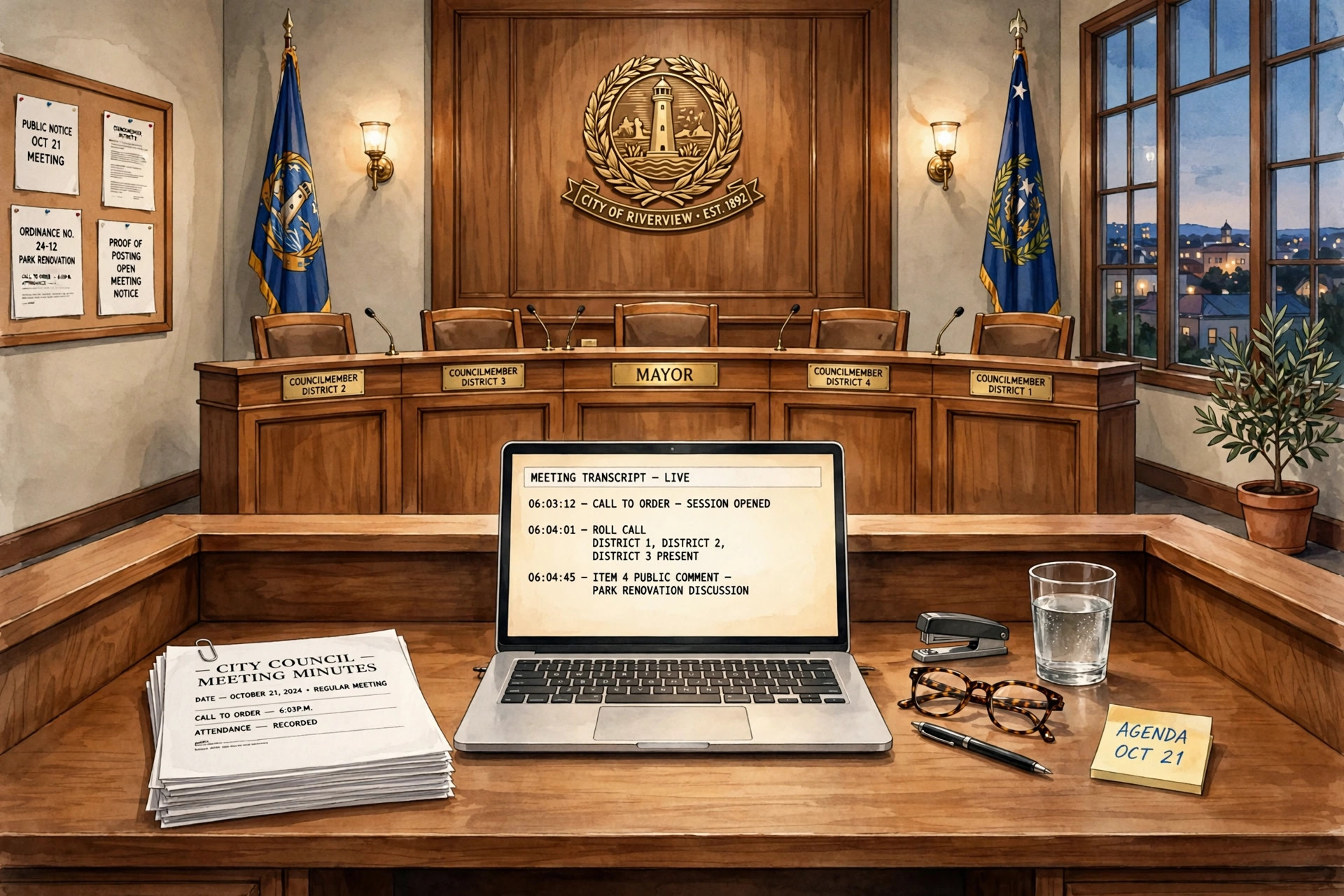
On September 29, the Farmersville City Council voted 4–1 to pay $30 a month — $360 a year — for Grok to draft verbatim meeting minutes from council recordings. City Clerk Rochelle Giovanni would review each draft. Interim City Manager Kevin Northcraft called the AI-generated minutes “more objective” than minutes written by a person. Elon Musk quote-posted the news with one word: “Grok.” [1]
The reaction was predictable. Some people treated the vote as proof that artificial intelligence had made a routine government task nearly free. Others treated it as a punch line. Both reactions missed the operational story.
The $30 vote was never really about drafting
Farmersville had spent months arguing about what its minutes should contain. The city used summary minutes, but councilmembers pressed to include particular actions and verbatim statements. Under that pressure, work that had taken the clerk about two hours stretched to nearly a week.
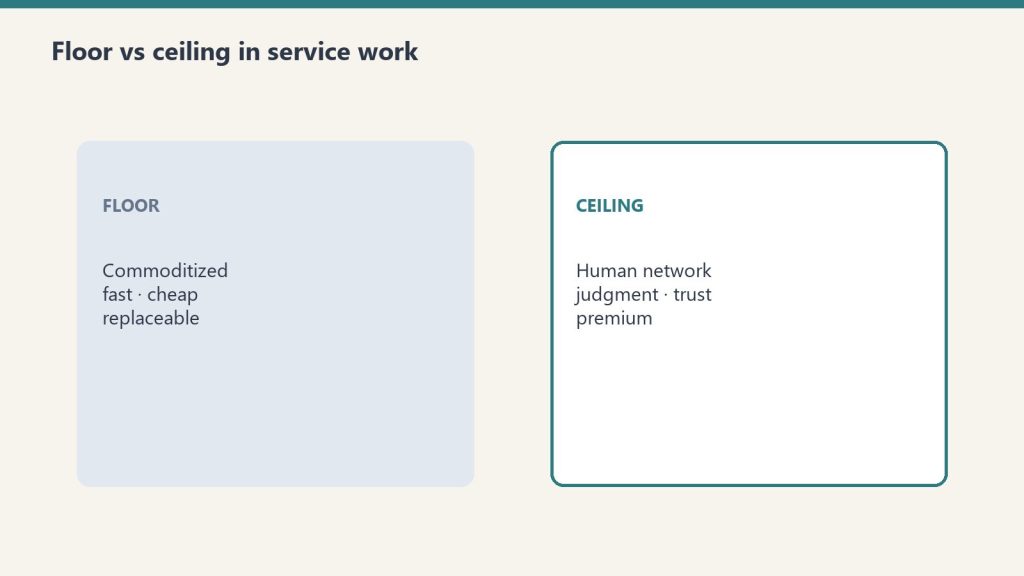
That is the number that matters. The city did not merely have a transcription problem. It had a governance problem: disagreement over the purpose and level of detail of the official record. A language model can turn audio into text. It cannot decide which minutes policy the council should adopt, apply that policy with institutional judgment, or end a political dispute over whose words deserve inclusion.
The subscription buys a draft, not minutes
In the city’s comparison, Grok produced eight pages, Otter produced nine, a service identified as Government Clerk produced 12, and a human Rev.com transcript ran 111 pages. Those page counts compare outputs, but they do not answer the central question: What kind of record is the city trying to produce?
The California City Clerks Association’s minutes guidance is clear. The primary purpose of minutes is to memorialize decisions. It identifies action minutes and brief summary minutes as appropriate styles and says verbatim minutes should not be used. Action minutes record final decisions; brief summary minutes preserve the main points that led to a decision without turning the record into a transcript. [2]
A transcript records what was said. Minutes record what the body did.
That distinction matters because more text is not automatically more transparency. An audio or video recording can preserve the full discussion. Minutes serve a different function: they create a concise, reliable record of attendance, items considered, actions taken, votes, and follow-up. If a city wants verbatim minutes anyway, it should make that policy choice openly — and price the work required to review them.
The hidden cost is the clerk’s review time
Farmersville’s clerk still reviews every Grok draft. She must catch misheard names, incorrect motions, missing vote details, speaker confusion, and language that does not match the city’s adopted style. She also has to format the document, reconcile it with the agenda and staff materials, route it for approval, and prepare it for publication and retention.
None of that appears in the $30 subscription price. The software cost is visible because it arrives as a line item. The clerk’s time disappears inside payroll, backlog, and delayed work elsewhere. A city can save money on the first pass while still spending a week producing the finished record.
This is why “AI wrote the minutes” is the wrong test. The useful question is whether the city received accurate, policy-compliant minutes that a clerk can stand behind without rebuilding the document.
The useful product is a finished public record
For a small city, the product should not be a block of generated text. It should be a complete workflow: the meeting recording is transcribed; a draft is shaped to the city’s adopted minutes standard; motions, votes, names, and action items are checked; the document is formatted to the city’s template; a human verifies the result; and a publish-ready file is delivered.
The artificial intelligence does not need to be perfect. The system needs to be designed so a qualified human catches what it misses. That is not a retreat from automation. It is the control that makes automation usable in public records work.
A finished-minutes service also makes the cost legible. Instead of buying a subscription and hoping staff time falls, the city buys an outcome: reviewed minutes in the required format, ready for the clerk’s final approval and the next agenda packet.
Farmersville opened a door for hundreds of small cities
California has 482 incorporated cities. Many operate with small administrative teams, tight meeting cycles, and clerks whose responsibilities extend far beyond minutes. Farmersville’s dispute is unusually visible, but the underlying problem is common: the recording is easy to make; the official record still takes judgment and time. [3]
The 4–1 vote proved that a budget line for AI-assisted minutes can survive a public meeting. The $30 subscription opened the door. The larger opportunity sits behind it: the nearly weeklong burden that nobody priced.
The next step is to buy the outcome
Council minutes as a finished, human-verified service exist now. For a city spending days turning recordings into disputed drafts, the useful conversation is not which model can generate the most pages. It is what a publish-ready minutes workflow would remove from the clerk’s desk — and what standard the council wants that workflow to follow.