Category: The Studio

Way 7 — Music & Creative Work. Creative output, design thinking, media-rich editorial.

  • The Platform Connector Advantage: What Happens When Your SEO Consultant Can Actually Talk to Your Tech Stack — Visual

    The Platform Connector Advantage: What Happens When Your SEO Consultant Can Actually Talk to Your Tech Stack — Visual

  • The Data Layer Most SEO Consultants Dont Touch and Why Your Clients Need Someone Who Does — Visual

    The Data Layer Most SEO Consultants Dont Touch and Why Your Clients Need Someone Who Does — Visual

  • What Search Means Now: A Practical Guide for Freelance SEO Consultants Navigating the AI Shift — Visual

    What Search Means Now: A Practical Guide for Freelance SEO Consultants Navigating the AI Shift — Visual

  • The Middleware Manifesto: Why the Best Search Operations Are Built in Layers, Not Silos — Visual

    The Middleware Manifesto: Why the Best Search Operations Are Built in Layers, Not Silos — Visual

  • We Tested Google Flow for Brand Asset Production — Visual

    We Tested Google Flow for Brand Asset Production — Visual

  • The SaaS Illusion Is Cracking: Why Custom Apps Now Cost Less Than Your Software Stack — Visual

    The SaaS Illusion Is Cracking: Why Custom Apps Now Cost Less Than Your Software Stack — Visual

  • The Loop Has to Go Both Ways — Visual

    The Loop Has to Go Both Ways — Visual

  • Split Brain Architecture: How One Person Manages 27 WordPress Sites Without an Agency — Visual

    Split Brain Architecture: How One Person Manages 27 WordPress Sites Without an Agency — Visual

  • We Tested Google Flow for Brand Asset Production — Here’s What Actually Works

    We Tested Google Flow for Brand Asset Production — Here’s What Actually Works

    The Machine Room · Under the Hood

    The Question Every Agency Is Asking

    If you run a content operation that serves multiple brands, you’ve probably looked at Google Flow and thought: could this actually replace part of our design pipeline? The image generation is impressive. The iteration feature — where you refine an image through successive prompts — is genuinely useful. But the question that matters for agency work isn’t “can it make pretty pictures.” It’s: can it maintain brand consistency across a production run?

    We spent a morning running controlled experiments to find out. The results reshape how we think about AI image generation for client work.

    What We Tested

    We created a fictional coffee brand (“Summit Brew Coffee Company”) with a distinctive mountain-and-coffee-cup logo in black and gold. Then we pushed Flow’s iteration system through three scenarios that mirror real agency workflows:

    Scenario 1: Brand persistence across applications. We took the logo from flat design → product mockup → merchandise collection → outdoor lifestyle shoot. Seven total iterations, each changing the context dramatically while asking the model to maintain the brand.

    Scenario 2: Element burn-in. We deliberately introduced a red baseball cap, iterated with it for three consecutive generations, then tried to remove it. This simulates the common problem of “I showed the client a concept with X, they don’t want X anymore, but the AI keeps putting X back in.”

    Scenario 3: Chain isolation. We started a completely separate iteration chain from a different logo variant within the same project. Does history from Chain A bleed into Chain B?

    The Three Findings That Change Our Workflow

    1. Brand Fidelity Is Surprisingly High — 9/10 Across 7 Iterations

    The Summit Brew mountain icon, typography, and gold/black color scheme maintained recognizable consistency from flat logo all the way through to an outdoor campsite product shoot. Minor proportion drift in the icon (maybe 10%), but the brand was immediately identifiable in every single output. For mockup and concept work, this is production-ready fidelity.

    2. Nothing Burns In Before 3 Iterations — Probably Closer to 5-8

    The baseball cap was cleanly removable after appearing in three consecutive iterations. Both the cap and a coffee mug were stripped out with a single well-crafted removal prompt. This is huge for agency work — it means you can explore directions with clients, change your mind, and the AI will cooperate. The key is using explicit positive framing (“show ONLY the bag”) alongside negative instructions (“no hat, no cap”).

    3. Iteration Chains Are Completely Isolated

    This is the most operationally significant finding. Chain B had zero contamination from Chain A. No red caps, no coffee mugs, no campsite. The logo style from Chain B’s source image was preserved perfectly. Each image in your project grid has its own independent memory. The project is just an organizational container.

    The Operational Playbook We’re Now Using

    Based on these findings, here’s the workflow we’ve adopted for client brand asset production:

    Step 1: Generate your anchor asset. Create the logo or hero image. Generate 4 variants, pick the best one.

    Step 2: Keep chains short. 3-5 iterations maximum per chain. At this depth, everything remains controllable.

    Step 3: Branch for each application. Logo → product mockup is one chain. Logo → social media banner is a new chain. Logo → billboard is a new chain. The isolation means each application gets a clean start with no baggage.

    Step 4: Use Ingredients for cross-chain consistency. Flow’s @ referencing system lets you lock a brand asset as a reusable Ingredient. This is your AI brand guide — reference it in every new chain to maintain identity.

    Step 5: Never fight the model past 5 iterations. If artifacts are persisting despite removal prompts, don’t iterate further. Save your best output, start a fresh chain from it, and you’ll have a clean slate.

    What This Means for Agency Economics

    Image generation in Flow is free (0 credits for Nano Banana 2). The iteration system is fast (20-30 seconds per batch of 4). And the brand consistency is high enough for mockup, concept, and internal review work. This doesn’t replace a senior designer for final deliverables, but it compresses the concepting and iteration phase from hours to minutes.

    For agencies managing 10+ brands, the combination of chain isolation and Ingredient locking means you can run parallel brand pipelines without any risk of cross-contamination. That’s a workflow that didn’t exist six months ago.

    The full technical white paper with detailed methodology is available upon request.

    {
    “@context”: “https://schema.org”,
    “@type”: “Article”,
    “headline”: “We Tested Google Flow for Brand Asset Production — Heres What Actually Works”,
    “description”: “We ran controlled experiments on Google Flow’s iteration system to answer the question every agency needs answered: can AI maintain brand consistency acro”,
    “datePublished”: “2026-04-03”,
    “dateModified”: “2026-04-03”,
    “author”: {
    “@type”: “Person”,
    “name”: “Will Tygart”,
    “url”: “https://tygartmedia.com/about”
    },
    “publisher”: {
    “@type”: “Organization”,
    “name”: “Tygart Media”,
    “url”: “https://tygartmedia.com”,
    “logo”: {
    “@type”: “ImageObject”,
    “url”: “https://tygartmedia.com/wp-content/uploads/tygart-media-logo.png”
    }
    },
    “mainEntityOfPage”: {
    “@type”: “WebPage”,
    “@id”: “https://tygartmedia.com/google-flow-brand-asset-production-testing/”
    }
    }
  • Private Jet Charter Photos — Luxury Aviation Visual Guide [2026]

    Private Jet Charter Photos — Luxury Aviation Visual Guide [2026]

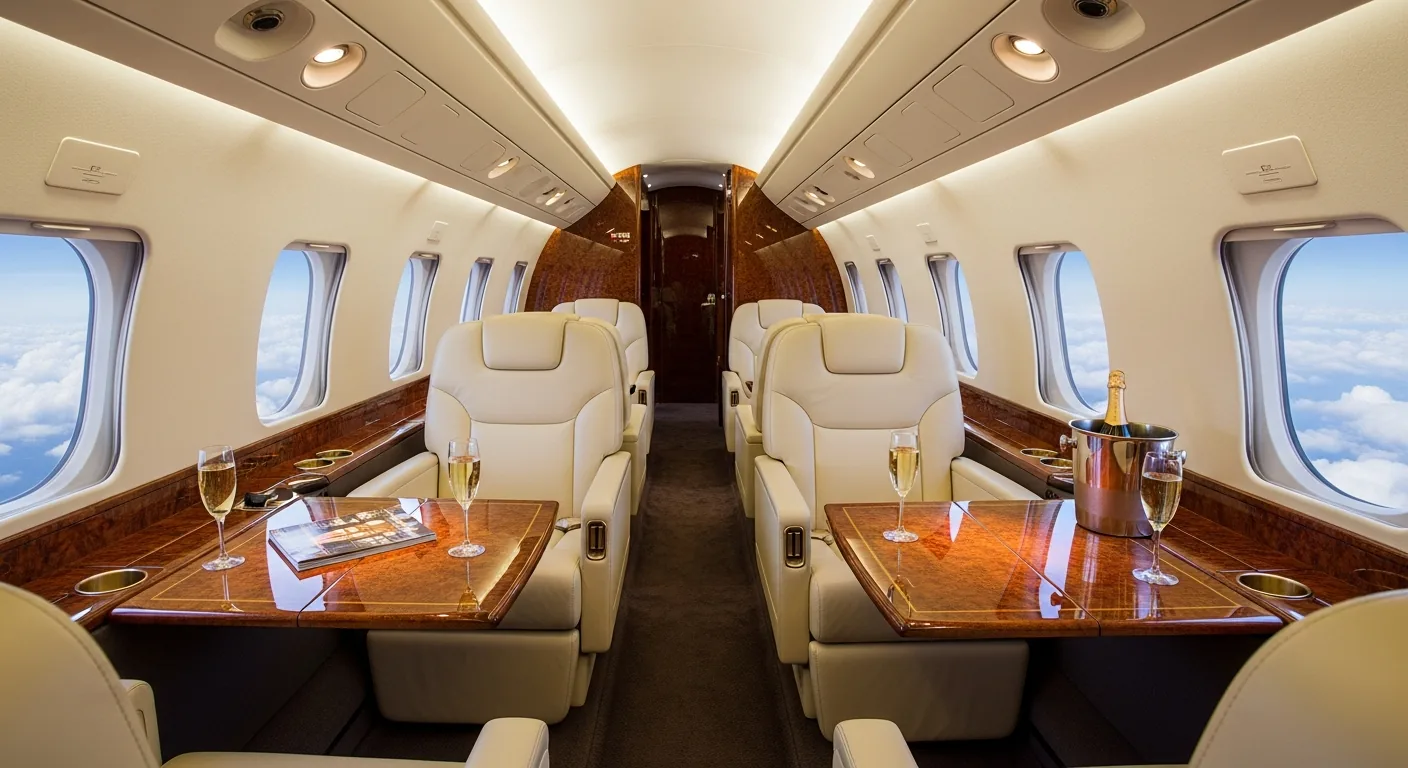
    Private jet charter represents the ultimate in luxury travel — bypassing commercial airports entirely for a seamless door-to-door experience. With hourly rates ranging from $3,000 for light jets to $15,000+ for ultra-long-range heavy aircraft, the private aviation industry generates over $30 billion annually in the United States alone. This photo gallery takes you inside the world of private jet charter — from the tarmac and cockpit to the luxury cabin and FBO terminal.

    Private Jet Charter Photo Gallery

    Understanding Private Jet Categories

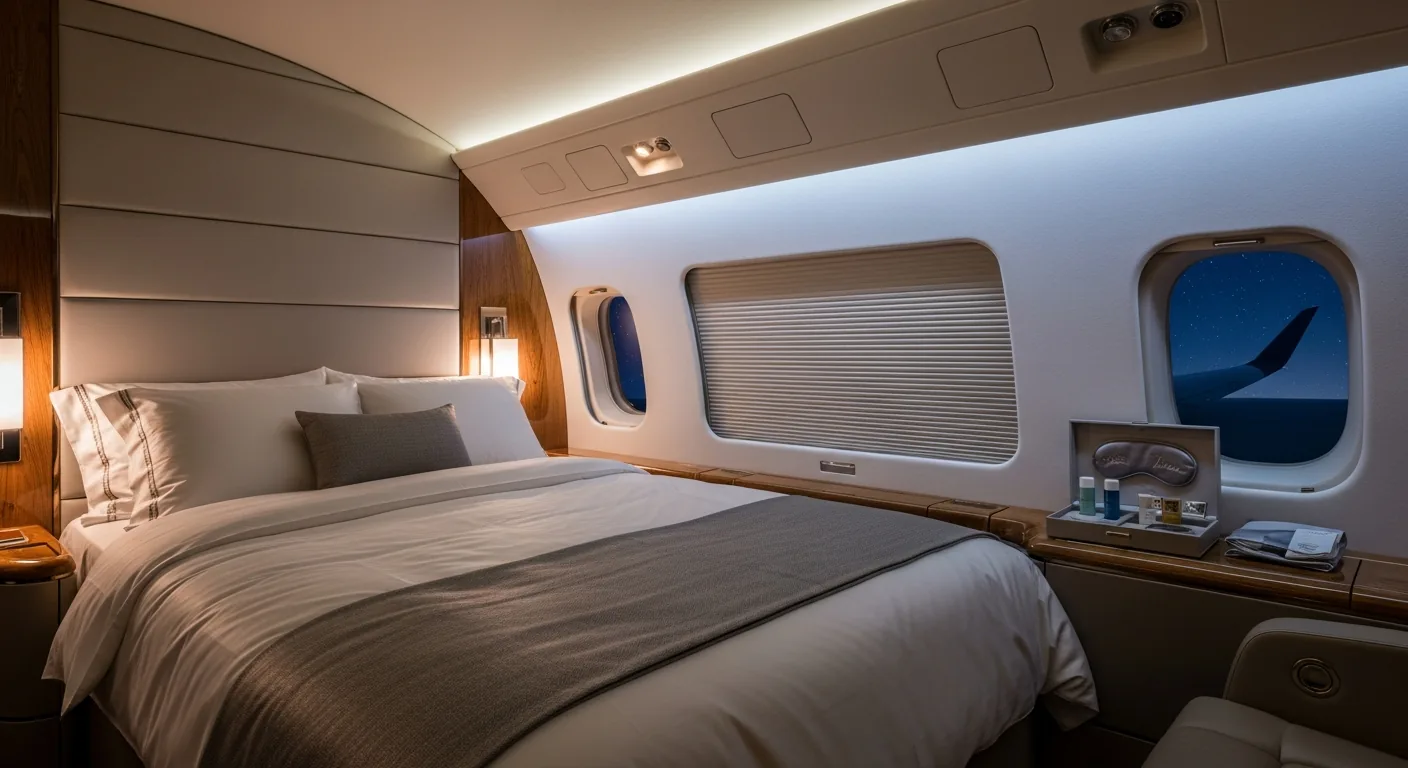
    Private jets are classified into categories based on size, range, and cabin configuration. Very Light Jets (VLJs) like the Cessna Citation M2 carry 4-5 passengers up to 1,200 nautical miles. Light jets like the Phenom 300 accommodate 6-8 passengers with 2,000 nm range. Midsize jets like the Citation Latitude offer stand-up cabins for 8-9 passengers. Super-midsize aircraft like the Challenger 350 provide coast-to-coast range. Heavy jets like the Gulfstream G650 deliver transcontinental capability for 12-16 passengers. Ultra-long-range aircraft like the Global 7500 and Gulfstream G700 can fly 7,500+ nm nonstop — New York to Tokyo — with full bedroom suites, showers, and conference rooms.

    The Private Jet Charter Experience

    Charter passengers arrive at a Fixed Base Operator (FBO) — a private terminal with luxury lounges, concierge service, and direct tarmac access. There are no TSA security lines, no boarding groups, and no checked baggage restrictions. Passengers drive directly to their aircraft, with luggage loaded by ground crew. Most FBOs offer catering, ground transportation coordination, customs pre-clearance for international flights, and pet-friendly policies. The entire experience from car to cabin takes under 15 minutes — compared to the 2-3 hours typical of commercial air travel.

    Frequently Asked Questions About Private Jet Charter

    How much does it cost to charter a private jet?

    Charter costs vary by aircraft category: Light jets run $3,000-$6,000 per flight hour, midsize jets cost $4,500-$8,000/hour, super-midsize aircraft range from $6,000-$10,000/hour, and heavy/ultra-long-range jets command $8,000-$15,000+ per hour. A New York to Miami trip on a midsize jet costs approximately $18,000-$28,000 one-way. Empty leg flights — when aircraft reposition without passengers — are available at 25-75% discounts.

    How far in advance should you book a private jet?

    Same-day charter is possible through the spot market, though availability and pricing are less favorable. Optimal pricing requires 1-2 weeks advance notice. Peak travel periods — holidays, Super Bowl, Aspen ski season, Art Basel — may require 30+ days. Jet card and membership programs guarantee availability within 24-48 hours at fixed rates regardless of market conditions.

    What is an FBO terminal?

    A Fixed Base Operator (FBO) is a private aviation facility at an airport providing services exclusively to private jet passengers and crew. Premier FBOs like Signature Flight Support, Atlantic Aviation, and Jet Aviation offer luxury lounges, conference rooms, concierge services, customs/immigration processing, crew rest areas, aircraft fueling and maintenance, and direct ramp access. Passengers bypass the commercial terminal entirely — driving directly to their aircraft on the tarmac.

    How many passengers can a private jet carry?

    Passenger capacity ranges from 4 seats on very light jets to 19 seats on ultra-long-range heavy aircraft. Light jets (Phenom 300, Citation CJ4) carry 6-8 passengers. Midsize jets (Citation Latitude, Learjet 75) carry 8-9. Super-midsize (Challenger 350, Citation Longitude) carry 9-12. Heavy jets (Gulfstream G650, Falcon 8X) carry 12-16. The largest ultra-long-range aircraft like the Global 7500 and Gulfstream G700 accommodate up to 19 passengers in configurations that include bedrooms, showers, and full dining areas.