Category: FIFA World Cup 2026

Coverage of FIFA World Cup 2026 matches in Seattle — visitor guides, day trips, travel logistics, and multilingual resources for international fans.

  • مصر ضد بلجيكا — كأس العالم 2026 سياتل: كل اللي محتاج تعرفه

    مصر ضد بلجيكا — كأس العالم 2026 سياتل: كل اللي محتاج تعرفه

    ⚠️ آخر تحديث: 28 أبريل 2026 — المعلومات دي بتتحقق منها يومياً. كل اللينكات بتروح للمصدر الرسمي.

    المباراة دي مش مجرد مباراة. مصر رجعت لكأس العالم وهتلعب أول مبارياتها في سياتل أمام منتخب بلجيكا. صلاح وشلة. Lumen Field. 15 يونيو 2026. الصفحة دي فيها كل اللي محتاج تعرفه عشان تكون هناك.

    تفاصيل المباراة

    📅 التاريخ: الاثنين، 15 يونيو 2026

    🕛 الوقت: 12:00 ظهراً (توقيت المحيط الهادي) | 7:00 مساءً (توقيت مصر)

    🏟️ الملعب: Lumen Field، سياتل، واشنطن

    📍 العنوان: 800 Occidental Ave S، Seattle، WA 98134

    المجموعة G

    ازاي توصل Lumen Field

    من المطار (Sea-Tac Airport)

    أسهل طريق: Link Light Rail من مطار Sea-Tac مباشرةً لمحطة Stadium.

    • المدة: تقريباً 35 دقيقة
    • السعر: تقريباً 3.50 دولار
    • المحطة النهائية: Stadium Station — دقيقتين مشي من الملعب
    • الجدول الزمني وبطاقة ORCA: soundtransit.org

    من وسط سياتل (Downtown Seattle)

    • مشي: الملعب على بعد 15 دقيقة من Pioneer Square
    • Link Light Rail: محطة Westlake أو Pioneer Square → Stadium Station
    • Uber/Lyft: 10-15 دقيقة بس التمن مرتفع يوم المباراة

    من إيفيريت (Everett)

    لو إنت مقيم في إيفيريت (اللي بنرشحه كقاعدة أرخص لكأس العالم):

    • قطار Sounder North من Everett Station لـ King Street Station في سياتل — 50 دقيقة
    • من King Street Station: مشي 10 دقايق لـ Lumen Field

    يوم المباراة: اللي لازم تعرفه

    سياسة الحقيبة الشفافة (Clear Bag Policy)

    Lumen Field مش بيسمح بحقائب عادية. بس مسموح بـ:

    • شنطة شفافة مش أكبر من 30×30×15 سم
    • كلاتش صغير (حوالي 11×18 سم)

    الملعب كاشلس (Cashless Venue)

    Lumen Field بيشتغل بطاقات الائتمان والدفع الرقمي فقط — مش بيقبل كاش. جهز بطاقة دولية.

    الكحول

    الكحول متاح في الملعب — بس مش إلزامي وفي مناطق واضحة. مفيش إلزام عليك.

    وصول مبكر

    البوابات بتفتح ساعتين قبل المباراة. يوم المباراة الأولى للمنتخب المصري هيكون ضغط زيادة. روح مبكر.

    فين المصريين يتجمعوا قبل المباراة؟

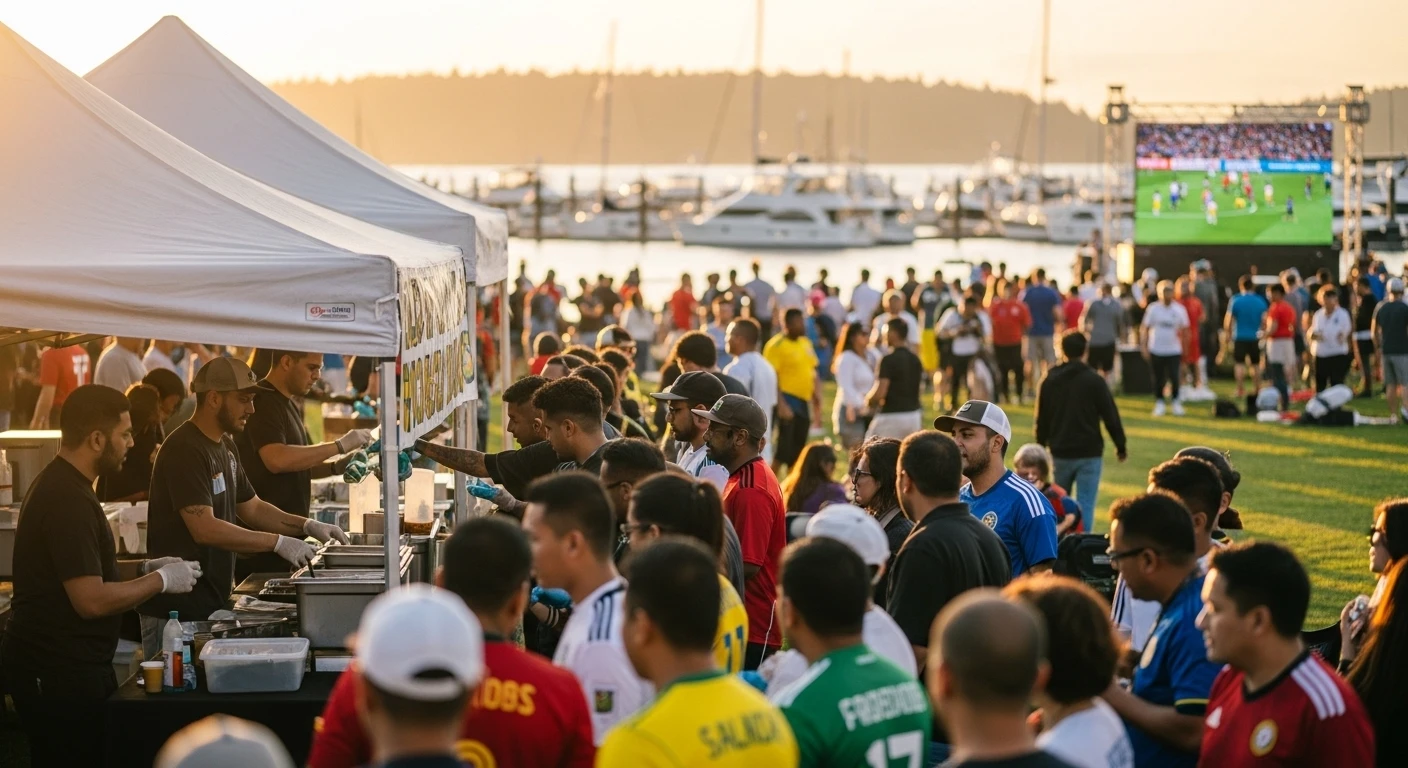
    Pioneer Square — الحي اللي جنب الملعب — هو مركز تجمع المشجعين. فيه بارات وكافيهات بتعرض المباريات وبتستقبل الجماهير. دور على الأماكن اللي بتعرض كأس العالم على:

    الطعام الحلال قريب من الملعب

    Pioneer Square وSoDo (الحي اللي فيه الملعب) فيهم خيارات حلال:

    • ابحث في Zabihah.com عن “حلال قريب من Lumen Field”
    • International District (10 دقايق مشي) فيه مطاعم حلال أكتر

    المباراة التانية لمصر في سياتل: 26 يونيو

    مصر بتلعب كمان مباراة تانية في سياتل يوم 26 يونيو ضد إيران. لو هتحضر المبارتين، شوف دليل مباراة مصر ضد إيران عشان تخطط للأيام دي كلها.

    محتاج تأشيرة؟

    لو لسه مش عندك تأشيرة أمريكية، اقرأ دليل التأشيرة الشامل للمصريين — فيه كل الخطوات من FIFA PASS لحد موعد المقابلة.

    محتاج فندق في سياتل؟

    الفنادق في سياتل يوم المباراة هتكون غالية وبتخلص. نصيحتنا: اتفرج على إيفيريت كبديل — على بعد 50 دقيقة بالقطار من الملعب وفنادقها أرخص بكتير وتاريخ كأس العالم هناك أصيل. اقرأ أكتر عن إيفيريت.


    دلائل مرتبطة: تأشيرة أمريكا للمصريين  |  مصر ضد إيران — 26 يونيو  |  دليل سياتل للمصريين  |  دليل إيفيريت والجزيرة الأوليمبية

  • تأشيرة أمريكا للمصريين: دليل كأس العالم 2026 خطوة بخطوة

    تأشيرة أمريكا للمصريين: دليل كأس العالم 2026 خطوة بخطوة

    ⚠️ آخر تحديث: 28 أبريل 2026 — المعلومات دي بتتغير. كل المعلومات الجوهرية فيها لينك للمصدر الرسمي. اتحقق دايماً من المصدر قبل ما تعمل أي حاجة.

    مصر بتلعب في سياتل مرتين في كأس العالم 2026 — 15 يونيو ضد بلجيكا، و26 يونيو ضد إيران. لو عندك تذكرة وعاوز تكون هناك، الخبر الكويس إن المصريين مش محظور عليهم السفر لأمريكا ومش عليهم برنامج ضمان التأشيرة. الطريق صعب بس ممكن — والصفحة دي هتوضه خطوة بخطوة.

    الخلاصة: المصريين محتاجين تأشيرة B1/B2 لدخول أمريكا. مفيش حظر سفر على مصر. مفيش برنامج ضمان. اعمل FIFA PASS فوراً عشان تاخد موعد أولوية في السفارة — المواعيد بتخلص.

    هل المصريين ممنوعين من دخول أمريكا؟

    لأ. مصر مش ضمن الدول المحظورة، ومش ضمن الدول اللي عليها برنامج ضمان التأشيرة (Visa Bond Program). المصريين بيقدروا يقدموا على تأشيرة B1/B2 عادي.

    اللي عليك تعرفه: مصر مش ضمن برنامج الإعفاء من التأشيرة (Visa Waiver Program)، يعني لازم تاخد تأشيرة. بس التأشيرة دي ممكنة — ومع FIFA PASS ممكن تاخد موعد أسرع.

    إيه هو FIFA PASS وازاي يساعدك؟

    الـ FIFA PASS هو برنامج رسمي من وزارة الخارجية الأمريكية بيدي لحاملي تذاكر كأس العالم 2026 أولوية في مواعيد مقابلة التأشيرة. يعني بدل ما تستنى شهور، ممكن تاخد موعد أسرع بكتير.

    مهم جداً: الـ FIFA PASS مش ضمان إن التأشيرة هتتوافق. هو بس بيسرع موعد المقابلة. القرار النهائي للمسؤول القنصلي.

    الخطوات بالتفصيل

    الخطوة 1: تأكد إن عندك تذكرة رسمية لكأس العالم

    لازم يكون عندك تذكرة رسمية من موقع FIFA. رقم مرجع التذكرة ده اللي هتحتاجه للـ FIFA PASS. لو مش عندك تذكرة لسه، روح على الموقع الرسمي لكأس العالم FIFA 2026 وابحث عن التذاكر المتاحة.

    الخطوة 2: قدم على FIFA PASS

    روح على موقع وزارة الخارجية الأمريكية وابحث عن FIFA PASS. هتحتاج:

    • رقم مرجع التذكرة
    • بيانات جواز سفرك
    • إيميل فعال

    بعد التسجيل هتاخد وصول لمواعيد الأولوية في السفارة أو القنصلية القريبة منك.

    الخطوة 3: اعبي نموذج DS-160

    ده الطلب الرسمي لتأشيرة B1/B2 — بيتعبا أونلاين على ceac.state.gov. اعبيه بعناية وبصدق. أي معلومة غلط ممكن تأثر على الطلب.

    الخطوة 4: ادفع رسوم التأشيرة

    رسوم تأشيرة B1/B2 حالياً 185 دولار. بيتدفعوا أونلاين قبل موعد المقابلة. تحقق من المبلغ الحالي على الموقع الرسمي لأن الرسوم ممكن تتغير.

    الخطوة 5: جهز مستنداتك للمقابلة

    المستندات الأساسية اللي لازم تجيبها:

    • جواز سفر ساري (لازم يفضل صالح 6 شهور على الأقل بعد تاريخ سفرك)
    • صورة شخصية بمواصفات التأشيرة الأمريكية
    • إيصال دفع رسوم DS-160
    • تذكرة كأس العالم (مطبوعة أو على التطبيق)
    • حجز الفندق أو مكان الإقامة
    • تذكرة طيران إياب (أو ما يثبت إنك هترجع)
    • دليل على رصيد مالي كافي (كشف حساب بنكي)
    • دليل على روابط بلدك (عقد شغل، عقد إيجار، ممتلكات، أسرة)

    الخطوة 6: المقابلة في السفارة

    روح في الموعد المحدد وكن صادقاً في إجاباتك. المقابلة بتاخد عادةً 5 دقايق. القنصل ممكن يسألك عن هدف زيارتك، مدة إقامتك، وليه هترجع لمصر.

    قديه المواعيد بتاخد في مصر؟

    من غير الـ FIFA PASS، أوقات انتظار المواعيد في سفارة القاهرة ممكن تكون شهور. مع الـ FIFA PASS، المواعيد أسرع بكتير — بس المواعيد بتخلص.

    تحقق من أوقات الانتظار الحالية على: travel.state.gov — أوقات الانتظار

    عندي تأشيرة B1/B2 قديمة — هل تنفع؟

    لو عندك تأشيرة B1/B2 سارية وصالحة، بتقدر تدخل أمريكا بيها من غير ما تقدم تاني. تأكد إن التأشيرة هتفضل صالحة طول فترة إقامتك.

    هل أقدر أروح كندا كمان؟ (فانكوفر بتلعب فيها مباريات)

    فانكوفر في كندا، وكندا دولة تانية. لدخول كندا هتحتاج:

    • eTA كندية (تصريح سفر إلكتروني) — 7 دولار كندي، بتتعبا على موقع الهجرة الكندية
    • أو تأشيرة زيارة كندية لو مش مؤهل لـ eTA

    المصريين عادةً بيحتاجوا تأشيرة زيارة كندية (مش eTA). تحقق من متطلبات جوازك على الموقع الكندي.

    الأماكن الحلال والمساجد في سياتل

    سياتل فيها جالية مسلمة كبيرة وفيها طعام حلال في كل حتة:

    مباريات مصر في سياتل

    • 15 يونيو 2026 — مصر 🇪🇬 ضد بلجيكا 🇧🇪 — الساعة 12:00 ظهراً (توقيت المحيط الهادي) — Lumen Field
    • 26 يونيو 2026 — مصر 🇪🇬 ضد إيران 🇮🇷 — الساعة 8:00 مساءً (توقيت المحيط الهادي) — Lumen Field

    عنوان الملعب: Lumen Field، 800 Occidental Ave S، Seattle، WA 98134

    للوصول للملعب من المطار: Link Light Rail من مطار Sea-Tac لمحطة Stadium — 30 دقيقة، تقريباً 3 دولار.

    أسئلة شائعة من المصريين

    هل مصر على قائمة حظر السفر الأمريكي؟

    لأ. مصر مش على قائمة حظر السفر ومش ضمن برنامج ضمان التأشيرة. المصريين بيقدروا يقدموا على تأشيرة B1/B2 عادي.

    لو اترفضت التأشيرة، ايه اللي هيحصل للتذكرة؟

    لو اترفضت بسبب التأشيرة، تذاكر كأس العالم FIFA بتتسترد في الغالب. تحقق من سياسة الاسترداد على الموقع الرسمي لـ FIFA وقت الشراء.

    هل ممكن أجيب معايا أهل أو أصحاب؟

    أيوه، بس كل واحد لازم يقدم على تأشيرته بشكل منفصل. كل شخص له ملف مستقل في السفارة.

    هل الـ FIFA PASS بيضمن التأشيرة؟

    لأ. FIFA PASS بيدي موعد مقابلة بأولوية — بس القرار النهائي للمسؤول القنصلي. مهمتك تقدم ملف قوي ومستندات كاملة.

    ايه أهم حاجة في المقابلة؟

    إثبات إنك هترجع لمصر. القنصل بيدور على روابطك ببلدك — شغل، أسرة، عقارات، التزامات. كل ما روابطك أقوى كل ما الموافقة أسهل.


    دلائل أخرى مفيدة: مصر ضد بلجيكا — دليل مباراة 15 يونيو  |  مصر ضد إيران — دليل مباراة 26 يونيو  |  دليل سياتل الشامل للمصريين  |  إيفيريت وشبه الجزيرة الأوليمبية

  • What Is GEO? Generative Engine Optimization Explained

    What Is GEO? Generative Engine Optimization Explained

    If you’ve optimized content for Google and still can’t get AI systems to cite you, you’re running the wrong playbook. GEO — Generative Engine Optimization — is the discipline of making your content visible, credible, and citable to AI engines like ChatGPT, Claude, Perplexity, Gemini, and Google’s AI Overviews. It is not SEO with a new name. It is a different game with different rules.

    Definition: Generative Engine Optimization (GEO) is the practice of structuring content so that large language models and AI search engines select it as a source when generating responses to user queries. Where SEO earns rankings, GEO earns citations.

    Why GEO Is Not SEO

    SEO is about ranking. You optimize a page so Google’s algorithm surfaces it when someone searches. The goal is a click. GEO is about being quoted. You structure content so an AI system trusts it enough to pull a fact, a definition, or an explanation from it when synthesizing a response. The user may never click your URL — but your content shaped what they read.

    The mechanisms are fundamentally different. Google’s ranking algorithm weighs hundreds of signals — backlinks, page speed, user behavior, authority. AI citation selection weights entity density, factual specificity, source credibility signals, and structural clarity. A page that ranks #1 on Google may get zero AI citations. A page that ranks #8 may be the one Perplexity quotes every time someone asks about that topic.

    How AI Engines Select Content to Cite

    Large language models used in AI search (GPT-4, Claude, Gemini) were trained on large corpora of text, but the retrieval-augmented generation (RAG) layer that powers tools like Perplexity, ChatGPT search, and Google AI Overviews works differently. It pulls live content at query time, scores it for relevance and credibility, and synthesizes a response. The signals it uses to score your content include:

    • Entity clarity — Are the people, places, companies, and concepts in your content clearly named and linked to known entities?
    • Factual density — Does your content contain specific, verifiable claims rather than vague generalities?
    • Structural legibility — Can the AI parse your content’s structure — headings, definitions, lists — without ambiguity?
    • Source signals — Does your content cite primary sources, studies, or named experts?
    • Speakable schema — Have you marked up key paragraphs as machine-readable answer candidates?

    The Three Layers of GEO

    Layer 1: Content Architecture

    GEO-optimized content is built for extraction, not just reading. That means every major claim is in a standalone sentence. Definitions appear near the top. Section headers are declarative, not clever. The structure tells an AI where the answer is before it has to read the full article.

    Layer 2: Entity Saturation

    AI systems understand content through entities — named people, organizations, places, products, and concepts that exist in their training data. A GEO-optimized article saturates relevant entities: it doesn’t say “a major AI company” when it means Anthropic. It doesn’t say “a popular search tool” when it means Perplexity. Every entity is named, spelled correctly, and used in the right context.

    Layer 3: Schema and Structured Data

    JSON-LD schema markup is a signal to both traditional search engines and AI crawlers. FAQPage schema makes your Q&A content directly extractable. Speakable schema flags the paragraphs most useful for voice and AI synthesis. Article schema establishes authorship and publication date. These are not optional extras — they are the machine-readable layer that gets your content selected.

    GEO vs AEO: What’s the Difference?

    Answer Engine Optimization (AEO) focuses on winning featured snippets, People Also Ask boxes, and zero-click search results in traditional search engines. GEO focuses on being cited by generative AI systems. The tactics overlap — both require clear structure, direct answers, and FAQ sections — but the targets are different. AEO wins position zero on Google. GEO wins the paragraph that Perplexity writes for the next million queries on your topic.

    At Tygart Media, we run both in parallel. The content pipeline produces articles that pass the AEO gate (featured snippet structure, FAQ schema) and the GEO gate (entity density, speakable markup, citation-worthy claims) before publishing.

    What GEO Looks Like in Practice

    Here is the difference between a standard paragraph and a GEO-optimized version of the same content:

    Standard: “Water damage restoration is an important service for homeowners who have experienced flooding or leaks.”

    GEO-optimized: “Water damage restoration — the professional remediation of structural damage caused by flooding, pipe failure, or storm intrusion — is performed by IICRC-certified contractors following the S500 Standard for Professional Water Damage Restoration. The process includes water extraction, structural drying, moisture monitoring, and antimicrobial treatment.”

    The second version names the certifying body (IICRC), the standard (S500), and the process steps. An AI system can extract that paragraph as a factual, citable answer. The first version has nothing to extract.

    How to Start with GEO

    If you’re running an existing content operation and want to layer in GEO, the priority order is:

    1. Audit your top 20 pages for entity gaps — everywhere you use vague references, replace with specific named entities
    2. Add speakable schema to your three strongest definitional paragraphs per page
    3. Run a factual density check — every statistic should have a source, every claim should be specific
    4. Add FAQPage schema to any page with question-format headings
    5. Submit your top pages to Google’s Rich Results Test and verify structured data is reading cleanly

    GEO Is Compounding Infrastructure

    The reason GEO matters for content operations is compounding. Once an AI system has indexed and trusted your content as a reliable source on a topic, subsequent queries on that topic draw from your content repeatedly — without you publishing anything new. A single GEO-optimized pillar article can generate thousands of AI citations over 12 months. That is a different kind of ROI than a ranked page that gets clicked and forgotten.

    We built the Tygart Media content stack around this principle. Every article that leaves our pipeline passes a GEO gate before it publishes. That gate checks entity saturation, factual specificity, schema completeness, and structural legibility. It is the same gate we build for clients.

    Frequently Asked Questions About GEO

    What does GEO stand for?

    GEO stands for Generative Engine Optimization — the practice of optimizing content to be cited by AI-powered search systems and large language models.

    Is GEO the same as SEO?

    No. SEO (Search Engine Optimization) targets traditional search rankings. GEO targets AI citation in tools like ChatGPT, Perplexity, Claude, and Google AI Overviews. The tactics overlap but the mechanisms and goals are different.

    How do I know if my content is being cited by AI?

    Run queries related to your topic in Perplexity, ChatGPT (with search enabled), and Google AI Overviews. Check whether your domain appears as a cited source. Tools like Profound and Otterly.ai can automate this monitoring.

    Does GEO replace AEO?

    No. AEO and GEO are complementary. AEO wins traditional search features like featured snippets. GEO wins AI citations. A mature content strategy runs both in parallel.

    How long does GEO take to show results?

    Unlike SEO, GEO results can appear quickly — sometimes within days of a page being indexed by AI crawlers. The compounding effect builds over 60–180 days as AI systems repeatedly select your content for related queries.

  • The Autonomous Content System: How the Promotion Ledger Governs AI Operations

    The Autonomous Content System: How the Promotion Ledger Governs AI Operations

    Most content operations have a human at every gate. Someone approves the brief. Someone reviews the draft. Someone hits publish. That model scales to one person’s bandwidth — which means it doesn’t scale. We built a different model: an autonomous content system governed by a tiered trust architecture called the Promotion Ledger. Here’s how it works and why it changed how we operate.

    The core thesis: Autonomous systems don’t fail from lack of capability — they fail from lack of accountability. The Promotion Ledger is the accountability layer. Every behavior earns its autonomy tier or loses it based on a 7-day clean run clock. No behavior gets to stay autonomous indefinitely without proving it deserves to be.

    The Problem With Manual Content Operations

    When you’re managing 20+ WordPress sites, the math on manual review becomes impossible. If each article takes 15 minutes to review and you publish 40 articles per week, that’s 10 hours of review work alone — before writing, before strategy, before client work. The solution most agencies reach for is hiring. We reached for a different solution: earned autonomy.

    The distinction matters. Hiring adds headcount but doesn’t add intelligence to the system. Earned autonomy means the system itself proves it can be trusted to operate without supervision, and that proof is tracked, logged, and revocable.

    The Promotion Ledger: How It Works

    The Promotion Ledger is a Notion database that tracks every autonomous behavior in the content operation. Each behavior — publishing articles, generating social posts, running SEO refreshes, monitoring site health — has a row. That row tracks four things:

    • Tier — C (fully autonomous, publishes without review), B (Will flies it, system prepares), or A (system proposes, Will approves at the strategic level)
    • Status — Running, Probation, Demoted, Candidate, Graduated, or Retired
    • Clean day count — How many consecutive days the behavior has run without a gate failure
    • Gate failure log — Every failure with date, reason, and downstream impact

    The promotion clock runs for 7 days. A behavior that completes 7 clean days on a tier becomes a candidate for promotion to the next tier. Any gate failure resets the clock and drops the behavior one tier. Sunday evening is the only decision day — promotions and demotions are not made reactively mid-week unless an active failure is occurring.

    What Each Tier Means in Practice

    Tier C: Full Autonomy

    Tier C behaviors publish, post, or execute without Will reviewing individual outputs. The system reports in aggregate — “14 posts published, 0 anomalies” — not item-by-item. This is where the operation wants every routine behavior to live eventually. The gate failures that prevent this are things like cross-client contamination (content meant for one site appearing on another), unsourced statistical claims, or broken API calls that publish malformed content.

    Tier B: Prepared, Not Published

    Tier B behaviors produce work that Will reviews before it goes live. Drafts are staged. Social posts are queued but not sent. The system does the cognitive work — research, writing, optimization, scheduling — and Will makes the final call. This is the appropriate tier for behaviors that have shown capability but not yet consistency, or for content types where a single error has high reputational cost.

    Tier A: Strategic Approval

    Tier A behaviors are proposed at the system level and approved by Will at the strategic level — not task by task. An example: the system identifies a new content cluster opportunity and surfaces it as a proposal. Will approves the cluster direction. The system then executes the full cluster without further input. The approval is architectural, not editorial.

    The Gates That Protect Autonomy

    The Promotion Ledger only works if the gates are real. We run two mandatory gates on every piece of content before it publishes at Tier C:

    Content Quality Gate — Scans for unsourced statistics, fabricated numbers, vague claims stated as fact, and cross-client brand contamination. Any Category 0 failure (wrong client’s brand in the content) is an automatic hold. No exceptions.

    Place Verification Gate — For any article naming real-world businesses, restaurants, attractions, or locations, every named place is verified against Google Maps before publish. A permanently closed business is removed from the article. A temporarily closed business surfaces for human review. This gate was established after a local content article confidently recommended a restaurant that had been closed for months.

    These gates run automatically in the content pipeline. Their output is logged to the Promotion Ledger row for the behavior that triggered them. A gate failure is visible, permanent, and tied to a specific behavior — not lost in a chat window.

    The Language of the System Shapes Operator Posture

    One non-obvious lesson from building this: the language you use to report autonomous behavior changes how you think about it. We deliberately report in the language of a live operation, not a review queue. “14 posts published, 0 anomalies” is the posture of a system that runs. “14 drafts ready for your review” is the posture of a system that waits. The difference is subtle but it compounds over time into fundamentally different operator behavior.

    When you build a content operation, decide early which posture you’re designing for. Review-queue systems scale to your attention. Autonomous systems scale to their own reliability. The Promotion Ledger is how we track the difference and make sure the system earns the trust we’ve placed in it.

    Results: What Earned Autonomy Looks Like at Scale

    Across 27 managed WordPress sites, the current operation runs most routine content behaviors at Tier C. That includes keyword-targeted blog posts for restoration and lending verticals, AEO FAQ updates, internal link maintenance, and social media drafting. The result is a content output rate that would require a team of six if done manually — operated by one person with AI infrastructure.

    The Promotion Ledger is what makes that sustainable. Not because it eliminates failures — it doesn’t — but because every failure is visible, traceable, and correctable. The system can be trusted because the system can be audited.

    Frequently Asked Questions

    What is the Promotion Ledger?

    The Promotion Ledger is a Notion database that tracks every autonomous behavior in a content operation, assigning each a trust tier (A, B, or C) and logging gate failures that reset autonomy status.

    What is a Tier C behavior in content operations?

    A Tier C behavior is fully autonomous — it publishes, posts, or executes without human review of individual outputs. It earns this status by completing 7 consecutive clean days without gate failures.

    How do you prevent autonomous content from publishing errors?

    Through mandatory quality gates — including a content quality gate (unsourced claims, contamination) and a place verification gate (closed businesses) — that run before every autonomous publish and log results to the Promotion Ledger.

    How many sites can one person manage with this system?

    With a mature Promotion Ledger and Tier C behaviors running reliably, one operator can manage 20–30 WordPress sites with consistent content output. The ceiling is infrastructure reliability, not attention bandwidth.


  • FIFA World Cup 2026 Seattle: Why Global Travelers Should Base in Everett

    FIFA World Cup 2026 Seattle: Why Global Travelers Should Base in Everett

    The 2026 FIFA World Cup brings international soccer to Seattle — and with it, hundreds of thousands of global travelers who will need places to stay, eat, explore, and remember. Seattle’s hotel market will be stretched. Smart travelers are already looking north. Everett, Washington is 25 miles from downtown Seattle, connected by Sounder commuter rail, and sitting on the edge of some of the most dramatic Pacific Northwest scenery on the continent. This is the guide for global travelers who want the World Cup experience without the Seattle price tag.

    Quick facts for international travelers: Seattle is hosting FIFA World Cup 2026 matches at Lumen Field. Everett is 30 minutes north by Sounder commuter rail. The Snohomish County/Everett area offers waterfront hotels, dining, and direct access to the Olympic Peninsula, North Cascades, and San Juan Islands — all within a 90-minute drive.

    Why Everett for FIFA World Cup 2026

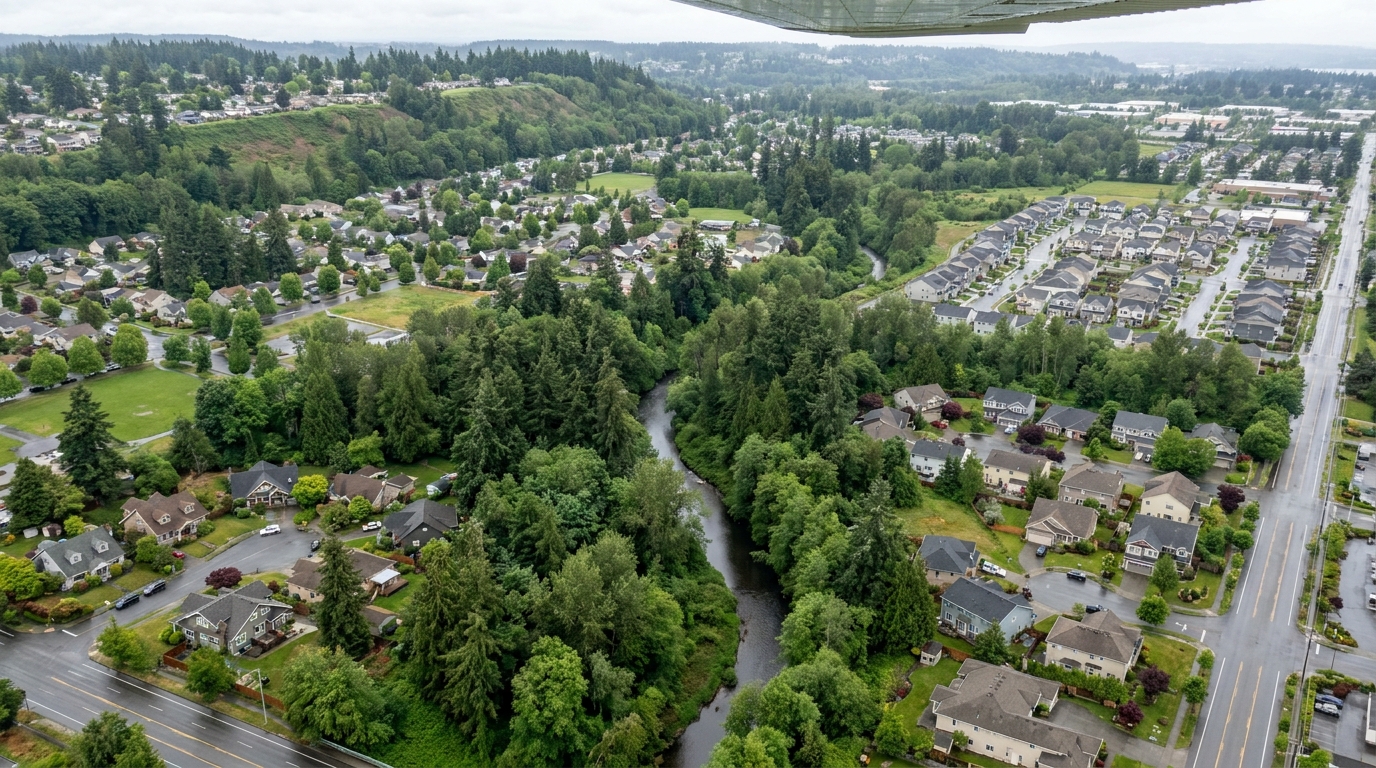
    Lumen Field in Seattle is the match venue. But Seattle’s hotel inventory — concentrated in Capitol Hill, South Lake Union, and the waterfront — will be fully booked weeks before the first match. International travelers booking late will find rates at multiples of normal. Everett offers a genuine alternative: a working waterfront city with its own character, direct rail access to Seattle, and a base from which the entire Pacific Northwest is reachable.

    The Sounder North commuter rail runs between Everett and Seattle’s King Street Station. The trip takes approximately 50 minutes and deposits travelers two blocks from Pioneer Square and within a mile of Lumen Field. No rental car, no parking, no traffic. International travelers accustomed to European rail culture will find it a familiar experience.

    Getting from Seattle to Everett

    There are three practical options for match-day travel between Everett and Seattle:

    • Sounder North commuter rail — Direct service, King Street Station to Everett Station. Approximately 50 minutes. Sound Transit operates the line and fares are purchased via the ORCA card system, available at stations.
    • Interstate 5 by car or rideshare — 30 miles, 30–60 minutes depending on traffic. On match days, expect significant congestion southbound. Plan to arrive at least 3 hours before kickoff if driving.
    • Community Transit express bus — Swift bus rapid transit and express routes connect Everett to Seattle with stops at Lynnwood Transit Center, which connects to the Link Light Rail system into downtown Seattle.

    Where to Stay in Everett

    Everett’s hotel stock ranges from major chain properties near the interstate to boutique waterfront options near the marina. The waterfront district — along West Marine View Drive — puts travelers within walking distance of the Port of Everett, restaurants, and the Boxcar Park recreational area. For World Cup visitors, booking 3–6 months in advance is strongly recommended given regional demand.

    The Angel of the Winds Arena entertainment district anchors Everett’s downtown hospitality cluster. Hotels within walking distance of the arena and the Everett Station transit hub offer the most convenient base for rail-dependent travelers.

    Beyond the Match: What to Do in the Everett Area

    The Boeing Future of Flight

    The Boeing Future of Flight Aviation Center in Mukilteo, 10 miles south of Everett, houses the largest building by volume in the world — the Boeing 777X and 787 Dreamliner assembly facility. Tours run daily and offer a genuinely rare industrial experience unavailable anywhere else in the world. International visitors consistently rate it among the most memorable stops in the Pacific Northwest.

    Possession Sound and the Puget Sound Waterways

    Everett sits at the northern tip of Possession Sound, where the Snohomish River delta meets the inland sea of Puget Sound. Washington State Ferries connect Mukilteo (15 minutes from Everett) to Whidbey Island — the largest island in the contiguous United States — with crossings every 30 minutes. A day trip to Whidbey from Everett requires no car if you walk onto the ferry.

    Snohomish River Valley

    The town of Snohomish, 12 miles east of Everett, is a National Register historic district with antique shops, farm-to-table restaurants, and views across the agricultural valley toward the Cascade foothills. For international travelers expecting generic American strip-mall tourism, Snohomish is a reliable corrective.

    Everett as the Gateway to the Olympic Peninsula

    The Olympic Peninsula — home to Olympic National Park, the Hoh Rain Forest, Hurricane Ridge, and the Pacific coastline at Ruby Beach — is 90 minutes to two hours from Everett. The crossing involves the Kingston-Edmonds ferry (20 minutes south of Everett) or the Bainbridge Island ferry from downtown Seattle. World Cup visitors with a rest day between matches have enough time for a meaningful Olympic Peninsula experience: the Hoh Rain Forest and a stretch of Pacific coast can be done in a long day from Everett.

    For International Travelers: Practical Notes

    Washington State has no sales tax on groceries. Tipping is standard at restaurants (18–20%) and for ride services. The US dollar is the currency; credit cards are accepted nearly universally. Cellular coverage in Everett is strong across all major US carriers. The Everett waterfront and downtown core are walkable. Summers in Western Washington are mild — temperatures in July and August (the World Cup period) typically run 65–80°F (18–27°C) with low humidity and long daylight hours.

    Frequently Asked Questions

    How far is Everett from FIFA World Cup 2026 matches in Seattle?

    Everett is approximately 25 miles north of Seattle’s Lumen Field. Sounder North commuter rail makes the trip in about 50 minutes. By car, the drive is 30–60 minutes depending on traffic.

    Is Everett worth visiting during the FIFA World Cup?

    Yes — Everett offers waterfront dining, ferry access to Whidbey Island and the Olympic Peninsula, the Boeing Future of Flight, and lower hotel rates than Seattle. It is a genuine base, not just an overflow option.

    Can I get to Seattle matches from Everett without a car?

    Yes. Sounder North rail connects Everett Station to Seattle’s King Street Station. Community Transit express buses connect to Lynnwood’s Link Light Rail station for an alternative route into downtown Seattle.

    What is the best area to stay in Everett for World Cup visitors?

    The waterfront district and downtown Everett near Everett Station offer the most convenient base for car-free travelers using Sounder rail to reach Seattle matches.


    Also available in: Guía en Español  |  Em Português  |  Auf Deutsch  |  En Français  |  한국어  |  日本語

    Related guides:

  • Olympic Peninsula Day Trips for FIFA World Cup 2026 Visitors

    Olympic Peninsula Day Trips for FIFA World Cup 2026 Visitors

    The FIFA World Cup 2026 brings the world to Seattle — and within two hours of the match venue at Lumen Field sits one of the most ecologically diverse and visually dramatic landscapes in North America. The Olympic Peninsula is home to temperate rainforest, glaciated peaks, wild Pacific coast, and tribal cultural heritage that exists nowhere else on Earth. For international travelers with a rest day between matches, the Olympic Peninsula is the day trip that makes the trip.

    At a glance: The Olympic Peninsula is a 3,600-square-mile landmass west of Puget Sound, accessible by Washington State Ferry from Seattle or Edmonds. It contains Olympic National Park — a UNESCO World Heritage Site and International Biosphere Reserve — encompassing glacier-capped peaks, the Hoh Rain Forest (one of only four temperate rainforests in the world), 73 miles of wild Pacific coastline, and the Elwha River watershed.

    Getting to the Olympic Peninsula from Seattle During World Cup

    There are two ferry routes that connect the Seattle metro area to the Olympic Peninsula:

    • Seattle Colman Dock to Bainbridge Island — Washington State Ferries runs frequent crossings (35 minutes) from Seattle’s downtown waterfront. From Bainbridge Island, drive approximately 90 minutes on Highway 101 to reach Port Angeles or the park entrance at Heart o’ the Hills.
    • Edmonds to Kingston — A shorter crossing (25 minutes) that connects from Edmonds (30 minutes north of Seattle, accessible via Sounder rail) to Kingston on the Kitsap Peninsula. From Kingston, the drive to Sequim or Port Angeles is approximately 75 minutes.

    During World Cup periods, ferries will be busy. Washington State Ferries operates on a first-come, first-served basis for vehicles — arriving 30–60 minutes before departure is strongly recommended. Walk-on passengers have priority boarding. Travelers without cars can walk onto the ferry and rent a car or join a tour in Port Angeles or Sequim.

    Three Olympic Peninsula Day Trips for World Cup Visitors

    Day Trip 1: Hoh Rain Forest and the Pacific Coast

    The Hoh Rain Forest — located in the western interior of Olympic National Park — receives up to 140 inches of rainfall annually, producing a forest ecosystem of ancient Sitka spruce, western red cedar, and big-leaf maple draped in club moss. The Hall of Mosses trail (0.8 miles, easy) is one of the most photographed forest landscapes in North America. From the Hoh, a 40-minute drive reaches Ruby Beach on the Pacific coast — a stretch of wild shoreline with sea stacks, tide pools, and driftwood at a scale uncommon in Europe or Asia.

    This day trip requires a full day from Seattle or Everett: 2.5 hours each way. Best done with a car, depart by 7am. Olympic National Park entrance fee applies (currently $35 per vehicle, or covered by America the Beautiful annual pass).

    Day Trip 2: Hurricane Ridge and Port Angeles

    Hurricane Ridge sits at 5,242 feet elevation in the Olympic Mountains, accessible by a 17-mile paved road from Port Angeles. In summer, the ridge offers panoramic views of the Olympic Range, the Strait of Juan de Fuca, and Vancouver Island in Canada. Wildflowers bloom through July and August. Black-tailed deer are commonly encountered on the meadow trails. The drive from Port Angeles takes approximately 45 minutes.

    Port Angeles is the peninsula’s largest city and a working port town with a strong fishing heritage. The waterfront Feiro Marine Life Center offers tide pool and marine mammal exhibits. The downtown Farmers Market (seasonal) showcases Olympic Peninsula food producers. From Port Angeles, the Black Ball Ferry connects to Victoria, British Columbia — for travelers wanting to combine a Canada border crossing with their Olympic Peninsula day.

    Day Trip 3: Sequim and the Dungeness Spit

    Sequim (pronounced “skwim”) sits in the rain shadow of the Olympic Mountains and receives only 16 inches of rainfall annually — dramatically less than Seattle’s 38 inches. The town is known for its lavender farms (Jardin du Soleil, Purple Haze Lavender, and others), which bloom in July. The Dungeness National Wildlife Refuge protects the Dungeness Spit — the longest natural sand spit in the United States, extending 5.5 miles into the Strait of Juan de Fuca. The trail to the lighthouse at the spit’s end is a 10-mile round trip.

    Sequim is approximately 75 minutes from the Edmonds-Kingston ferry landing, making it the most accessible Olympic Peninsula destination for travelers based in Everett or north Seattle.

    Mason County: The Eastern Gateway to the Peninsula

    Mason County sits at the southeastern entrance to the Olympic Peninsula, anchored by the city of Shelton and the Hood Canal — a natural fjord that separates the Kitsap and Olympic peninsulas. The Hood Canal is a world-class oyster growing region; Taylor Shellfish Farms operates a retail oyster farm in Shelton that sells directly to the public. For international travelers accustomed to European oyster culture, the Hood Canal oyster experience is a genuine peer.

    Lake Cushman, in the northern part of Mason County, is a reservoir at the foot of the Olympic Mountains offering swimming, kayaking, and trailhead access into the Staircase area of Olympic National Park. The drive from Shelton to Staircase takes approximately 40 minutes.

    Practical Notes for International Visitors

    Olympic National Park requires an entrance fee — America the Beautiful annual passes (available at any park entrance) cover unlimited entry to all US national parks and federal recreation areas for one year. Washington State Ferry fares vary by route and season; the WSDOT Ferries app shows real-time capacity and scheduling. Cell coverage in the Olympic Peninsula interior is limited — download offline maps before departure. Gas stations are sparse in the park interior; fill up in Port Angeles or Forks before entering the western rainforest zone.

    Frequently Asked Questions

    How do you get to the Olympic Peninsula from Seattle without a car?

    Walk onto the Washington State Ferry from Colman Dock to Bainbridge Island (35 minutes), then arrange car rental or a guided tour in Poulsbo or Port Angeles. Olympic Bus Lines operates shuttle service between Port Angeles and Seattle.

    Is the Olympic Peninsula worth a full day trip during the FIFA World Cup?

    Yes — the Hoh Rain Forest, Hurricane Ridge, and the Pacific coast at Ruby Beach are world-class natural destinations with no equivalent in the FIFA host cities. International travelers consistently rate Olympic National Park among the most memorable US experiences.

    What is the closest Olympic Peninsula destination to Seattle?

    Sequim and the Dungeness Spit are the closest accessible destinations — approximately 2 hours from downtown Seattle via the Bainbridge ferry, or 90 minutes via the Edmonds-Kingston ferry from north Seattle or Everett.

    Do I need a car to visit Olympic National Park?

    A car makes the Olympic Peninsula significantly more accessible, but Olympic Bus Lines and guided tour operators offer car-free options from Port Angeles, which is reachable by Clallam Transit from the Kingston ferry terminal.


    Also available in: Guía en Español  |  Auf Deutsch  |  En Français  |  한국어  |  日本語

    Related guides:

  • Belfair and Mason County for FIFA World Cup 2026 Visitors: The Quiet Pacific Northwest Alternative

    Belfair and Mason County for FIFA World Cup 2026 Visitors: The Quiet Pacific Northwest Alternative

    When FIFA World Cup 2026 matches fill Seattle’s hotels and push international visitors to search wider, most will look north to Everett or east to Bellevue. The travelers who look west — across the Puget Sound via ferry to Mason County and the community of Belfair — will find something the others won’t: quiet, water, forest, and the genuine Pacific Northwest that Seattle’s tourist infrastructure has largely paved over.

    Mason County at a glance: Mason County occupies the southeastern corner of the Olympic Peninsula, bordered by Hood Canal to the west and the southern reach of Puget Sound to the east. The county seat is Shelton. The community of Belfair sits at the southern tip of Hood Canal — a natural fjord renowned for shellfish growing, recreational diving, and views across the water to the Olympic Mountains. Population: approximately 66,000. Distance from Seattle: 60 miles by road, or 30 miles via the Bremerton ferry.

    Why Mason County for FIFA World Cup Visitors

    The practical case is simple: hotel inventory in the greater Seattle area will be severely constrained during World Cup match periods. Mason County offers lodging options — vacation rentals, small inns, and campgrounds — that will remain available and affordable when Seattle, Bellevue, and Everett are fully booked. The strategic case is more interesting: Mason County is where the Pacific Northwest actually lives.

    Hood Canal oysters are harvested a few miles from where travelers sleep. The Olympic Mountains are visible from the waterfront. Black bears are real wildlife, not zoo exhibits. The Skokomish Nation, one of nine federally recognized tribes on the Olympic Peninsula, has cultural presence and history here that international visitors rarely encounter in urban tourism circuits.

    Getting from Mason County to Seattle Matches

    Mason County is accessible from Seattle by two routes:

    • Washington State Ferry: Seattle to Bremerton — A 60-minute crossing from Colman Dock in downtown Seattle lands travelers in Bremerton (Kitsap County). Belfair is 20 miles south of Bremerton on Highway 3. Total travel time from downtown Seattle: approximately 90 minutes. Walk-on passengers can take a Kitsap Transit bus from the Bremerton ferry terminal toward Belfair.
    • Overland via Highway 16 and Highway 3 — From Seattle, cross the Tacoma Narrows Bridge and drive north on Highway 3 through Bremerton. Drive time is 75–90 minutes without traffic; on match days, add 30–60 minutes for congestion in the Tacoma and Bremerton corridors.

    For World Cup visitors, the ferry route is the better experience — the crossing through Puget Sound offers views of the Seattle skyline, Mount Rainier, and the Olympic Mountains from a single deck. It is a legitimate Pacific Northwest experience in itself.

    Belfair: What the Community Offers

    Belfair is a small unincorporated community of approximately 5,000 residents at the head of Hood Canal. It is not a tourist town in the conventional sense — there are no souvenir shops, no branded experience centers, no queue management systems. What it has is the Hood Canal waterfront, Belfair State Park (a 63-acre park with beach access and camping), and direct access to the trail systems of the Olympic National Forest.

    Twanoh State Park, 7 miles west of Belfair on Highway 106, offers freshwater swimming in the Hood Canal watershed and is one of the warmest saltwater swimming spots in Puget Sound during summer. Alderbrook Resort and Spa in Union — 15 miles west of Belfair — is the premium accommodation option in the area, with waterfront rooms, a spa, and dining focused on Hood Canal shellfish.

    Hood Canal Oysters: A World-Class Food Experience

    Hood Canal’s cold, clean water and significant tidal range produce Pacific oysters (Crassostrea gigas) with a flavor profile that serious oyster eaters rank among the best in the world. Taylor Shellfish Farms operates a retail location in Shelton (20 miles south of Belfair) where travelers can purchase live oysters, clams, and geoduck directly from the grower. Several waterfront restaurants in the Mason County area serve Hood Canal shellfish alongside locally sourced Pacific Northwest cuisine.

    For international travelers from oyster-producing regions — France’s Brittany coast, Ireland’s Galway Bay, Japan’s Hiroshima — the Hood Canal comparison is worth making. The flavor is cleaner and brinier than European flat oysters, closer to the Pacific oysters grown in Normandy, with a mineral finish from the cold Cascades snowmelt that feeds the canal.

    Outdoor Recreation from Belfair

    Lake Cushman

    Lake Cushman is a 4,000-acre reservoir in the foothills of the Olympic Mountains, 35 miles northwest of Belfair via Highway 119. The lake offers kayaking, swimming, and trailhead access to the Staircase area of Olympic National Park — one of the least visited sections of the park, where old-growth Douglas fir and North Fork Skokomish River canyon trails see a fraction of the crowds at Hurricane Ridge or the Hoh Rain Forest.

    Skokomish River Estuary

    The Skokomish River delta at the southern tip of Hood Canal is a significant migratory bird habitat and a productive fishing area. The Skokomish Tribe manages a portion of the watershed under treaty rights that predate Washington statehood. Guided fishing trips on the Skokomish are available through local outfitters in Shelton.

    Theler Wetlands

    The Theler Community Center and Wetlands in Belfair maintains a 3-mile trail system through tidal marshes, forest, and the Union River estuary. The wetlands are a Great Blue Heron rookery and a productive birdwatching site in spring and summer. Entry is free.

    Practical Information for International Visitors

    Mason County has limited public transportation infrastructure compared to urban areas — a rental car or rideshare is the most practical option for visitors without private vehicles. Cell coverage in Belfair and along Highway 106 is adequate with major US carriers. The nearest emergency medical facility is Mason General Hospital in Shelton. Summer temperatures in Mason County (July–August) are mild — 65–80°F (18–27°C) — with occasional marine fog in the mornings that typically burns off by midday.

    Frequently Asked Questions

    How far is Belfair from Seattle FIFA World Cup 2026 matches?

    Belfair is approximately 60 miles from Lumen Field in Seattle. The fastest route is the Washington State Ferry from Colman Dock to Bremerton (60 minutes) plus a 20-minute drive south. Overland via Highway 16 takes 75–90 minutes without traffic.

    What makes Mason County and Belfair worth visiting during the World Cup?

    Hood Canal shellfish, Olympic Mountain views, Belfair State Park, and access to Olympic National Park’s Staircase area make Mason County a genuine Pacific Northwest experience rather than an overflow accommodation option.

    Can I visit Mason County without a car?

    The Bremerton ferry walk-on connects to Kitsap Transit buses, which reach Belfair. Within Mason County, a car or rideshare is the practical option for reaching Lake Cushman, Alderbrook, or Twanoh State Park.

    Where can I eat Hood Canal oysters in Mason County?

    Taylor Shellfish Farms in Shelton sells direct-to-consumer. Alderbrook Resort and Spa in Union serves Hood Canal shellfish in a waterfront dining setting. Several casual waterfront restaurants in Belfair and along Highway 106 offer local shellfish in season.


    Also available in: Guía en Español  |  Auf Deutsch  |  En Français  |  한국어  |  日本語

    Related guides:

  • ¿Qué es GEO? Optimización para Motores Generativos: Guía Completa

    ¿Qué es GEO? Optimización para Motores Generativos: Guía Completa

    Si has optimizado contenido para Google y aun así no logras que los sistemas de inteligencia artificial te citen, es porque estás usando el manual equivocado. GEO —Generative Engine Optimization u Optimización para Motores Generativos— es la disciplina de hacer que tu contenido sea visible, creíble y citable para motores de IA como ChatGPT, Claude, Perplexity, Gemini y los AI Overviews de Google. No es SEO con un nombre nuevo. Es un juego distinto con reglas distintas.

    Definición: La Optimización para Motores Generativos (GEO) es la práctica de estructurar el contenido para que los modelos de lenguaje de gran escala (LLM) y los motores de búsqueda con IA lo seleccionen como fuente al generar respuestas a las consultas de los usuarios. Donde el SEO obtiene posiciones, el GEO obtiene citas.

    Por qué GEO no es SEO

    El SEO trata de posicionarse. Optimizas una página para que el algoritmo de Google la muestre cuando alguien busca algo. El objetivo es un clic. El GEO trata de ser citado. Estructuras el contenido para que un sistema de IA confíe en él lo suficiente como para extraer un dato, una definición o una explicación cuando sintetiza una respuesta. El usuario puede no hacer clic en tu URL, pero tu contenido moldeó lo que leyó.

    Los mecanismos son fundamentalmente diferentes. El algoritmo de posicionamiento de Google pondera cientos de señales: backlinks, velocidad de página, comportamiento del usuario, autoridad. La selección de citas por IA pondera la densidad de entidades, la especificidad factual, las señales de credibilidad de la fuente y la claridad estructural. Una página que ocupa el puesto #1 en Google puede recibir cero citas de IA. Una página que ocupa el puesto #8 puede ser la que Perplexity cita cada vez que alguien pregunta sobre ese tema.

    Cómo los motores de IA seleccionan el contenido que citan

    Los modelos de lenguaje de gran escala utilizados en la búsqueda con IA (GPT-4, Claude, Gemini) fueron entrenados en grandes corpus de texto, pero la capa de generación aumentada por recuperación (RAG) que impulsa herramientas como Perplexity, la búsqueda de ChatGPT y los AI Overviews de Google funciona de manera diferente. Extrae contenido en tiempo real en el momento de la consulta, lo puntúa por relevancia y credibilidad, y sintetiza una respuesta. Las señales que utiliza para puntuar tu contenido incluyen:

    • Claridad de entidades — ¿Las personas, lugares, empresas y conceptos en tu contenido están claramente nombrados y vinculados a entidades conocidas?
    • Densidad factual — ¿Tu contenido contiene afirmaciones específicas y verificables en lugar de generalidades vagas?
    • Legibilidad estructural — ¿Puede la IA analizar la estructura de tu contenido —encabezados, definiciones, listas— sin ambigüedad?
    • Señales de fuente — ¿Tu contenido cita fuentes primarias, estudios o expertos nombrados?
    • Esquema speakable — ¿Has marcado párrafos clave como candidatos de respuesta legibles por máquinas?

    Las tres capas del GEO

    Capa 1: Arquitectura de contenido

    El contenido optimizado para GEO está diseñado para la extracción, no solo para la lectura. Eso significa que cada afirmación importante está en una oración independiente. Las definiciones aparecen cerca de la parte superior. Los encabezados de sección son declarativos, no creativos. La estructura le dice a la IA dónde está la respuesta antes de que tenga que leer el artículo completo.

    Capa 2: Saturación de entidades

    Los sistemas de IA entienden el contenido a través de entidades: personas, organizaciones, lugares, productos y conceptos nombrados que existen en sus datos de entrenamiento. Un artículo optimizado para GEO satura las entidades relevantes: no dice “una importante empresa de IA” cuando se refiere a Anthropic. No dice “una popular herramienta de búsqueda” cuando se refiere a Perplexity. Cada entidad está nombrada, escrita correctamente y usada en el contexto correcto.

    Capa 3: Esquema y datos estructurados

    El marcado de esquema JSON-LD es una señal tanto para los motores de búsqueda tradicionales como para los rastreadores de IA. El esquema FAQPage hace que tu contenido de preguntas y respuestas sea directamente extraíble. El esquema speakable marca los párrafos más útiles para la síntesis de voz e IA. El esquema de artículo establece la autoría y la fecha de publicación. No son extras opcionales: son la capa legible por máquinas que hace que tu contenido sea seleccionado.

    GEO vs AEO: ¿Cuál es la diferencia?

    La Optimización para Motores de Respuesta (AEO) se centra en ganar fragmentos destacados, cuadros de Preguntas relacionadas y resultados de búsqueda de cero clics en los motores de búsqueda tradicionales. El GEO se centra en ser citado por los sistemas de IA generativa. Las tácticas se superponen, pero los objetivos son diferentes. El AEO gana la posición cero en Google. El GEO gana el párrafo que Perplexity escribe para el próximo millón de consultas sobre tu tema.

    Cómo empezar con GEO

    Si estás gestionando una operación de contenido existente y quieres incorporar GEO, el orden de prioridad es:

    1. Audita tus 20 páginas principales en busca de lagunas de entidades — donde uses referencias vagas, reemplázalas con entidades nombradas específicas
    2. Añade esquema speakable a tus tres párrafos definitorios más sólidos por página
    3. Ejecuta una verificación de densidad factual — cada estadística debe tener una fuente, cada afirmación debe ser específica
    4. Añade esquema FAQPage a cualquier página con encabezados en formato de pregunta
    5. Envía tus páginas principales a la Prueba de resultados enriquecidos de Google y verifica que los datos estructurados se lean correctamente

    GEO es infraestructura que se acumula

    La razón por la que GEO importa para las operaciones de contenido es el efecto acumulativo. Una vez que un sistema de IA ha indexado y confiado en tu contenido como fuente confiable sobre un tema, las consultas posteriores sobre ese tema extraen de tu contenido repetidamente, sin que publiques nada nuevo. Un solo artículo pilar optimizado para GEO puede generar miles de citas de IA durante 12 meses. Eso es un tipo diferente de ROI al de una página posicionada que recibe clics y se olvida.

    Preguntas frecuentes sobre GEO

    ¿Qué significa GEO?

    GEO significa Generative Engine Optimization —Optimización para Motores Generativos— la práctica de optimizar contenido para ser citado por sistemas de búsqueda impulsados por IA y modelos de lenguaje de gran escala.

    ¿Es GEO lo mismo que SEO?

    No. El SEO apunta a posiciones en la búsqueda tradicional. El GEO apunta a citas de IA en herramientas como ChatGPT, Perplexity, Claude y los AI Overviews de Google. Las tácticas se superponen pero los mecanismos y objetivos son diferentes.

    ¿Cómo sé si mi contenido está siendo citado por la IA?

    Ejecuta consultas relacionadas con tu tema en Perplexity, ChatGPT (con búsqueda activada) y los AI Overviews de Google. Verifica si tu dominio aparece como fuente citada. Herramientas como Profound y Otterly.ai pueden automatizar este monitoreo.

    ¿GEO reemplaza al AEO?

    No. AEO y GEO son complementarios. El AEO gana características de búsqueda tradicional como fragmentos destacados. El GEO gana citas de IA. Una estrategia de contenido madura ejecuta ambos en paralelo.

    ¿Cuánto tiempo tarda el GEO en mostrar resultados?

    A diferencia del SEO, los resultados de GEO pueden aparecer rápidamente, a veces en días después de que una página sea indexada por los rastreadores de IA. El efecto acumulativo se construye durante 60 a 180 días a medida que los sistemas de IA seleccionan repetidamente tu contenido para consultas relacionadas.


  • Copa Mundial FIFA 2026 Seattle: Por Qué los Viajeros Globales Deben Hospedarse en Everett

    Copa Mundial FIFA 2026 Seattle: Por Qué los Viajeros Globales Deben Hospedarse en Everett

    El Mundial FIFA 2026 trae el fútbol internacional a Seattle — y con él, cientos de miles de viajeros globales que necesitarán dónde hospedarse, comer, explorar y crear recuerdos. El mercado hotelero de Seattle estará al límite. Los viajeros inteligentes ya están mirando hacia el norte. Everett, Washington, está a tan solo 40 kilómetros del centro de Seattle, conectada por el tren Sounder, y ubicada al borde de algunos de los paisajes más dramáticos del Pacífico Noroeste.

    Datos rápidos para viajeros internacionales: Seattle es sede de los partidos del Mundial FIFA 2026 en el Lumen Field. Everett está a 30 minutos al norte en el tren Sounder. El área de Everett y el Condado de Snohomish ofrece hoteles frente al agua, restaurantes y acceso directo a la Península Olímpica, las Cascadas del Norte y las Islas San Juan — todo a menos de 90 minutos en automóvil.

    Por qué elegir Everett para el Mundial FIFA 2026

    El Lumen Field en Seattle es el estadio sede. Pero el inventario hotelero de Seattle — concentrado en Capitol Hill, South Lake Union y el malecón — estará completamente reservado semanas antes del primer partido. Los viajeros internacionales que reserven tarde encontrarán tarifas varias veces más caras de lo normal. Everett ofrece una alternativa genuina: una ciudad portuaria con carácter propio, acceso directo en tren a Seattle y una base desde la cual todo el Pacífico Noroeste es accesible.

    El tren Sounder Norte circula entre la Estación de Everett y la King Street Station de Seattle. El trayecto dura aproximadamente 50 minutos y deja a los viajeros a dos cuadras del Pioneer Square y a menos de un kilómetro del Lumen Field. Sin coche de alquiler, sin estacionamiento, sin tráfico.

    Cómo llegar de Seattle a Everett

    Hay tres opciones prácticas para el viaje en días de partido entre Everett y Seattle:

    • Tren Sounder Norte — Servicio directo, King Street Station a Estación Everett. Aproximadamente 50 minutos. Sound Transit opera la línea y las tarifas se compran con la tarjeta ORCA, disponible en las estaciones.
    • Autopista Interestatal 5 en automóvil o servicio de transporte — 48 kilómetros, 30 a 60 minutos según el tráfico. En días de partido, espera congestión considerable hacia el sur. Planea llegar al menos 3 horas antes del partido si vas en auto.
    • Autobús exprés de Community Transit — El Swift BRT y las rutas exprés conectan Everett con Seattle con paradas en el Centro de Tránsito de Lynnwood, que conecta con el Link Light Rail hacia el centro de Seattle.

    Dónde hospedarse en Everett

    La oferta hotelera de Everett va desde grandes cadenas cerca de la autopista hasta opciones boutique frente al agua cerca de la marina. El distrito del malecón — a lo largo de West Marine View Drive — pone a los viajeros a poca distancia a pie del Puerto de Everett, restaurantes y el parque recreativo Boxcar Park. Para los visitantes del Mundial, se recomienda encarecidamente reservar con 3 a 6 meses de anticipación dado la demanda regional.

    Más allá del partido: Qué hacer en el área de Everett

    Boeing Future of Flight

    El Centro de Aviación Boeing Future of Flight en Mukilteo, a 16 kilómetros al sur de Everett, alberga el edificio más grande por volumen del mundo — la planta de ensamblaje del Boeing 777X y 787 Dreamliner. Los tours operan diariamente y ofrecen una experiencia industrial genuinamente única, disponible solo aquí en el mundo.

    Possession Sound y las vías fluviales de Puget Sound

    Everett está en la punta norte de Possession Sound, donde el delta del río Snohomish se encuentra con el mar interior de Puget Sound. Los ferris estatales de Washington conectan Mukilteo (15 minutos de Everett) con la Isla Whidbey — la isla más grande en los estados contiguos de EE. UU. — con cruces cada 30 minutos.

    Valle del Río Snohomish

    La ciudad de Snohomish, a 19 kilómetros al este de Everett, es un distrito histórico del Registro Nacional con tiendas de antigüedades, restaurantes de cocina local y vistas hacia los contrafuertes de las Cascadas. Para los viajeros internacionales que esperan turismo americano genérico, Snohomish es un antídoto confiable.

    Everett como puerta de entrada a la Península Olímpica

    La Península Olímpica — sede del Parque Nacional Olympic, el Bosque Lluvioso Hoh, Hurricane Ridge y la costa del Pacífico en Ruby Beach — está a 90 minutos o dos horas de Everett. El cruce involucra el ferri Kingston-Edmonds (20 minutos al sur de Everett) o el ferri de Bainbridge Island desde el centro de Seattle. Los visitantes del Mundial con un día libre entre partidos tienen tiempo suficiente para una experiencia significativa en la Península Olímpica.

    Notas prácticas para viajeros internacionales

    El Estado de Washington no cobra impuesto a las ventas en alimentos de supermercado. Las propinas son estándar en restaurantes (18 a 20%) y servicios de transporte. El dólar estadounidense es la moneda; las tarjetas de crédito se aceptan casi universalmente. La cobertura celular en Everett es buena con los principales operadores de EE. UU. Los veranos en el oeste de Washington son suaves — las temperaturas en julio y agosto (el período del Mundial) típicamente son de 18 a 27°C con baja humedad y días largos.

    Preguntas frecuentes

    ¿A qué distancia está Everett de los partidos del Mundial FIFA 2026 en Seattle?

    Everett está aproximadamente a 40 kilómetros al norte del Lumen Field en Seattle. El tren Sounder Norte hace el recorrido en unos 50 minutos.

    ¿Vale la pena visitar Everett durante el Mundial FIFA?

    Sí. Everett ofrece restaurantes frente al agua, acceso en ferri a la Isla Whidbey y la Península Olímpica, el Boeing Future of Flight y tarifas de hotel más bajas que Seattle.

    ¿Puedo llegar a los partidos de Seattle desde Everett sin automóvil?

    Sí. El tren Sounder Norte conecta la Estación Everett con la King Street Station de Seattle. Los autobuses exprés de Community Transit ofrecen una ruta alternativa hacia el Link Light Rail del centro de Seattle.


  • Excursiones de un Día a la Península Olímpica para Visitantes del Mundial FIFA 2026

    Excursiones de un Día a la Península Olímpica para Visitantes del Mundial FIFA 2026

    El Mundial FIFA 2026 trae al mundo a Seattle — y a menos de dos horas del estadio Lumen Field se encuentra uno de los paisajes ecológicamente más diversos y visualmente más dramáticos de América del Norte. La Península Olímpica es hogar de bosques lluviosos templados, cumbres glaciares, costa del Pacífico salvaje y patrimonio cultural tribal que no existe en ningún otro lugar de la Tierra. Para los viajeros internacionales con un día libre entre partidos, la Península Olímpica es la excursión que hace que el viaje valga la pena.

    De un vistazo: La Península Olímpica es una masa terrestre de 9,300 km² al oeste de Puget Sound, accesible en ferri desde Seattle o Edmonds. Contiene el Parque Nacional Olympic — Patrimonio de la Humanidad de la UNESCO y Reserva Internacional de la Biosfera — que abarca picos cubiertos de glaciares, el Bosque Lluvioso Hoh (uno de solo cuatro bosques lluviosos templados del mundo), 117 km de costa del Pacífico salvaje y la cuenca del Río Elwha.

    Cómo llegar a la Península Olímpica desde Seattle durante el Mundial

    Hay dos rutas de ferri que conectan el área metropolitana de Seattle con la Península Olímpica:

    • Ferri de Seattle Colman Dock a Bainbridge Island — Los Ferris Estatales de Washington operan cruces frecuentes (35 minutos) desde el malecón del centro de Seattle. Desde Bainbridge Island, conduce aproximadamente 90 minutos por la Autopista 101 hasta Port Angeles o la entrada del parque en Heart o’ the Hills.
    • Ferri de Edmonds a Kingston — Un cruce más corto (25 minutos) que conecta desde Edmonds (30 minutos al norte de Seattle, accesible en tren Sounder) hasta Kingston en la Península Kitsap. Desde Kingston, el trayecto hasta Sequim o Port Angeles es de aproximadamente 75 minutos.

    Tres excursiones de un día a la Península Olímpica para los visitantes del Mundial

    Excursión 1: Bosque Lluvioso Hoh y la Costa del Pacífico

    El Bosque Lluvioso Hoh — ubicado en el interior occidental del Parque Nacional Olympic — recibe hasta 355 centímetros de lluvia al año, produciendo un ecosistema forestal de abetos de Sitka milenarios, cedros rojos occidentales y arces bigleaf cubiertos de musgo de club. El sendero Hall of Mosses (1.3 km, fácil) es uno de los paisajes forestales más fotografiados de América del Norte. Desde el Hoh, un trayecto de 40 minutos llega a Ruby Beach en la costa del Pacífico — una franja de litoral salvaje con rocas marinas, pozas de marea y madera flotante a una escala poco común en Europa o Asia.

    Excursión 2: Hurricane Ridge y Port Angeles

    Hurricane Ridge está a 1,597 metros de altitud en las Montañas Olímpicas, accesible por una carretera pavimentada de 27 km desde Port Angeles. En verano, la cresta ofrece vistas panorámicas de la Cordillera Olímpica, el Estrecho de Juan de Fuca y la Isla Vancouver en Canadá. Las flores silvestres florecen durante julio y agosto. Los ciervos bura son fauna común en los senderos de pradera.

    Port Angeles es la ciudad más grande de la península y un pueblo portuario activo con un fuerte patrimonio pesquero. El Centro de Vida Marina Feiro en el malecón ofrece exhibiciones de pozas de marea y mamíferos marinos. Desde Port Angeles, el ferri Black Ball conecta con Victoria, Columbia Británica.

    Excursión 3: Sequim y la Lengua de Arena Dungeness

    Sequim (se pronuncia “skwim”) está en la sombra de lluvia de las Montañas Olímpicas y recibe solo 40 centímetros de lluvia al año — dramáticamente menos que los 97 centímetros de Seattle. La ciudad es conocida por sus granjas de lavanda que florecen en julio. El Refugio Nacional de Vida Silvestre Dungeness protege la Lengua de Arena Dungeness — la franja de arena natural más larga de los Estados Unidos Unidos, que se extiende 8.8 km hacia el Estrecho de Juan de Fuca.

    Condado de Mason: La Puerta de Entrada Oriental a la Península

    El Condado de Mason ocupa la esquina sureste de la Península Olímpica, con el Canal Hood al oeste. El Canal Hood es una región de cultivo de ostras de clase mundial; Taylor Shellfish Farms opera una granja minorista de ostras en Shelton que vende directamente al público. Para los viajeros internacionales acostumbrados a la cultura europea de las ostras, la experiencia del Canal Hood es una referencia genuina.

    Notas prácticas para visitantes internacionales

    El Parque Nacional Olympic requiere una cuota de entrada — los pases America the Beautiful (disponibles en cualquier entrada del parque) cubren la entrada ilimitada a todos los parques nacionales y áreas recreativas federales de EE. UU. por un año. La cobertura celular en el interior de la Península Olímpica es limitada — descarga mapas sin conexión antes de partir. Las gasolineras son escasas en el interior del parque; llena el tanque en Port Angeles o Forks antes de entrar a la zona del bosque lluvioso occidental.

    Preguntas frecuentes

    ¿Cómo se llega a la Península Olímpica desde Seattle sin automóvil?

    Sube al ferri estatal de Washington desde Colman Dock a Bainbridge Island (35 minutos) y luego organiza un alquiler de automóvil o un tour guiado en Poulsbo o Port Angeles. Olympic Bus Lines opera servicio de transporte entre Port Angeles y Seattle.

    ¿Vale la pena hacer una excursión completa de un día a la Península Olímpica durante el Mundial?

    Sí. El Bosque Lluvioso Hoh, Hurricane Ridge y la costa del Pacífico en Ruby Beach son destinos naturales de clase mundial sin equivalente en las ciudades sede del Mundial FIFA. Los viajeros internacionales califican consistentemente al Parque Nacional Olympic entre las experiencias más memorables en EE. UU.

    ¿Cuál es el destino más cercano de la Península Olímpica a Seattle?

    Sequim y la Lengua de Arena Dungeness están aproximadamente a 2 horas del centro de Seattle via el ferri de Bainbridge, o 90 minutos via el ferri de Edmonds-Kingston desde el norte de Seattle o Everett.