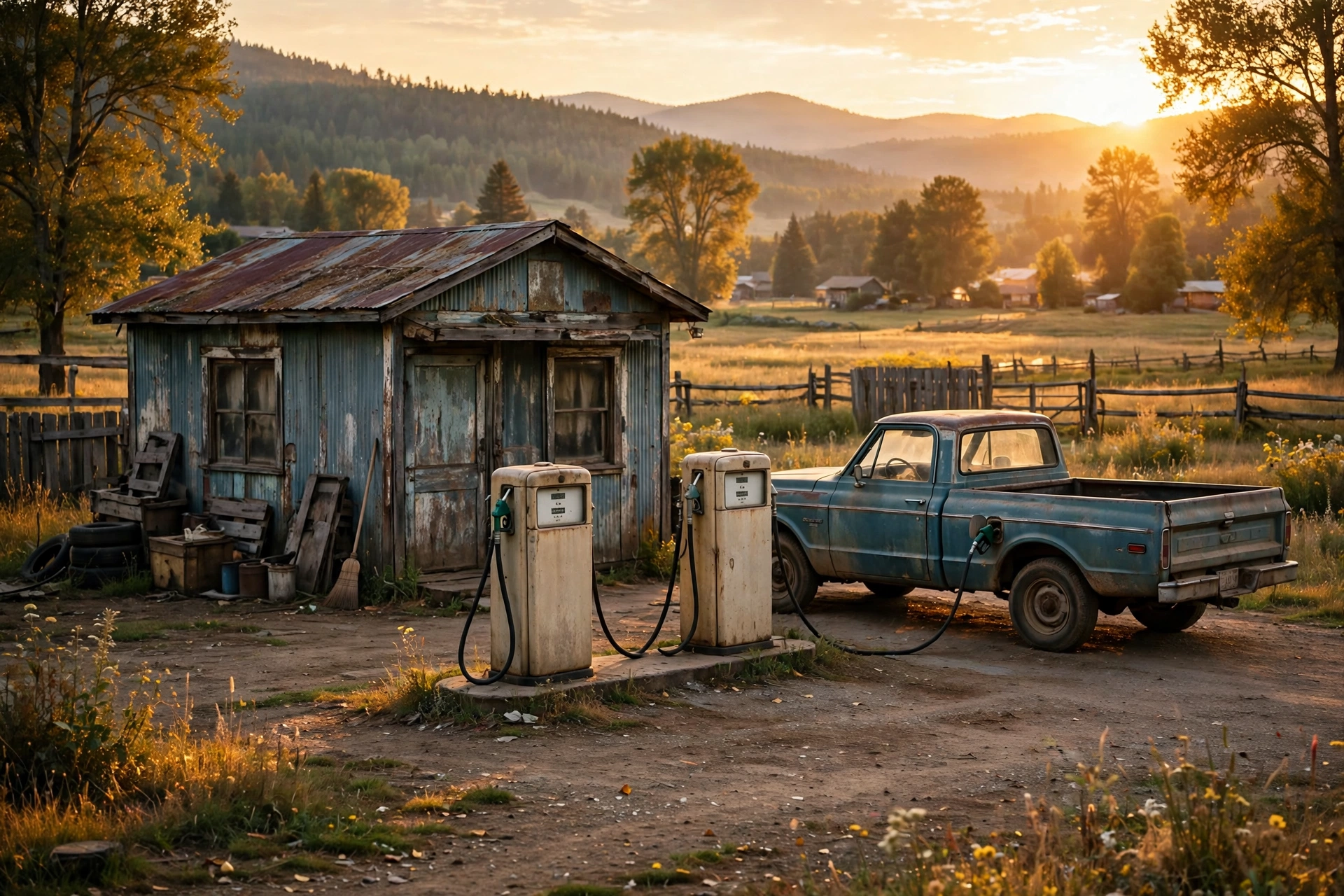
I held five hundred dollars of AI stack for ninety-nine bucks a month, and I used every drop of it. When the deal changed, I didn’t cry about the price. I changed where I bought my gas.
Five hundred dollars of stack for ninety-nine bucks
Here’s the deal I had, because it matters to everything after it. SuperGrok Heavy — the top Grok tier — listed at three hundred dollars a month. I got in early, in the first days of the offer, on an early-adopter intro price: ninety-nine bucks a month, a hundred and nine and change once the tax man took his cut. And riding inside that bundle, at zero extra dollars, was Cursor Ultra — the two-hundred-dollar Cursor plan. Do the math the way I did it at the time: I was holding roughly five hundred dollars of list-price stack for ninety-nine.
And I used it. All of it. That’s the honest part, and I want it on the table before I say one word about anybody else’s habits. Grok seats, Cursor seats, the biggest model on whatever job was in front of me, because why wouldn’t I? The stack was so cheap that counting would have felt like a hobby, not a necessity. Nobody audits a deal that good. You just drive.
I was not disciplined. I was subsidized. There’s a difference, and the difference only shows up later.
Because the deal changed — deals do. The intro price was always going to step up; the paperwork said it would land at $299.99 a month. After that, the whole Grok plan structure got replaced by a new X subscription, and the bundle came apart. The free-stack era ended. Not with a betrayal — with a terms change, which is how these things always end.
The gas was free, so nobody learned to drive
Here’s my read on how we got here, and I’ll own it as a read: for a couple of years, compute was handed out like it was nothing. Generous free tiers. Big included allowances. Tokens falling out of every new signup. And I don’t think the platforms were being careless with that generosity. They knew exactly what happens when the meter isn’t running — people get unorganized. They experiment, they sprawl, they build their whole working life on the free stuff, and they form habits while nobody’s counting.
Get The Signal
What we actually ran, what it measured, and what it means for a restoration shop — every week, including the flops.
That’s not a conspiracy. That’s how free samples work, in every business there ever was.
Then things tighten — a limit appears, an allowance shrinks, the overage starts billing — and people feel robbed. People hit Claude’s usage limits and get furious. They watch a meter run in some agent tool and feel cheated. I understand the feeling, because I had it. But watch where the anger lands. It lands on the limit, every time. Almost never on the habits underneath it. The free era was never the normal state of the world. It was the sample. The normal state of the world is the one every household already knows: a thing costs what it costs, and the habits you built while it was free become your problem the day it isn’t.

Premium in a car that runs fine on regular
Compute is gas. That’s not a metaphor I reach for because it’s cute — it’s the same shape in every particular that matters. There are grades: regular, premium, diesel. Different fuel for different jobs. And most of us, most days, are putting premium in a car that runs fine on regular, because premium is what the pump defaulted to when somebody else was paying.
I can put a number on that, because we ran the test. In October, my shop sent the same plain job to 44 AI models — visit five web pages, report the title, the heading, whether a video was embedded, and a one-line summary. A utility errand, not a puzzle. Thirty-six of the 44 models came back with a perfect score, 20 out of 20.
The cheapest perfect run — a model called GLM 5.3 Flash — cost eight-tenths of a cent. The most expensive perfect run — Claude Fable 5, a flagship — cost 86.3 cents. Same job. Same perfect score. More than a hundred times the price.
And premium didn’t even guarantee care. One run that cost over seventy cents reported a video missing from a page where the video was sitting in plain sight — it had read the page through a tool that strips embeds out, and never noticed. Money wasn’t the difference between those runs. Method was. The grade of fuel was never the thing that made a run good. How the job was set up was.
So the question was never “can I afford the good model?” It’s “does this errand need diesel?” A small, fast model can run a census, sort a pile, draft the grunt work all day long on regular. The heavy reasoning model is diesel — you save it for the truck, for the leg of the job that actually pulls weight. Burning the flagship on everything isn’t quality. It’s a habit with a receipt.
And then there’s the gas station
The fuel is only half of it. There’s also where you buy it.
Your harness — the app, the agent tool, the environment the model runs inside — is the gas station. Two stations can sell you the same grade at different prices, and the station still matters. Does it take your card, or do you have to go inside and prepay? Is it on your way to work, or twenty minutes out of the way? What else does it sell — the snacks, the tools, the integrations you use? A cheap station with bad pumps costs you more than the price on the sign.
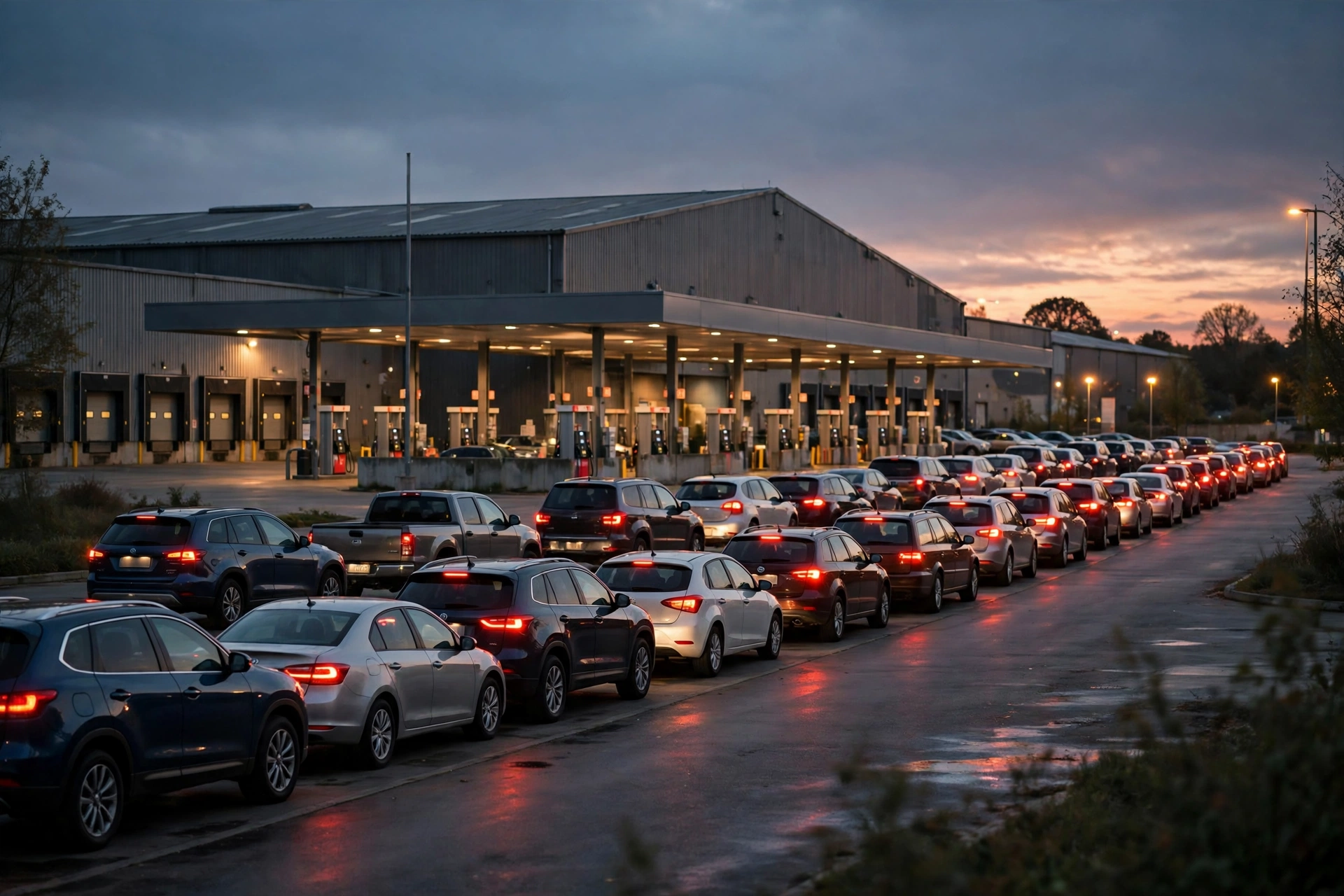
And then there’s the Costco question, and it’s a real question, not a punchline: the gas there is thirty cents a gallon cheaper, and the line is twenty cars deep. Does it make sense? It depends on the trip. A big batch job that can sit in a queue overnight is a Costco run — take the cheap fuel, wait in the line, who cares. A job that’s on fire at 2 p.m. is not. You pay the corner station, you pay it gladly, and you get back to work.
Cheap compute almost always has a line attached to it — a queue, a rate limit, a slower pump. Pricey compute is the corner station: more per gallon, no waiting, right here, right now. Neither choice is dumb. What’s dumb is never noticing you’re making it.
But here’s the part I learned the slow way, and it’s the most useful thing in this piece: the station is the thing you keep. The fuel is the thing you swap. Models come and go. Prices move on a Tuesday. Bundles unbundle. Your system — the harness, the setup, the way the work flows through it — that’s yours, and it stays. Loyalty to a model is loyalty to a price somebody else controls. Loyalty to your system is what lets you shrug when the price moves and just drive to the next pump.
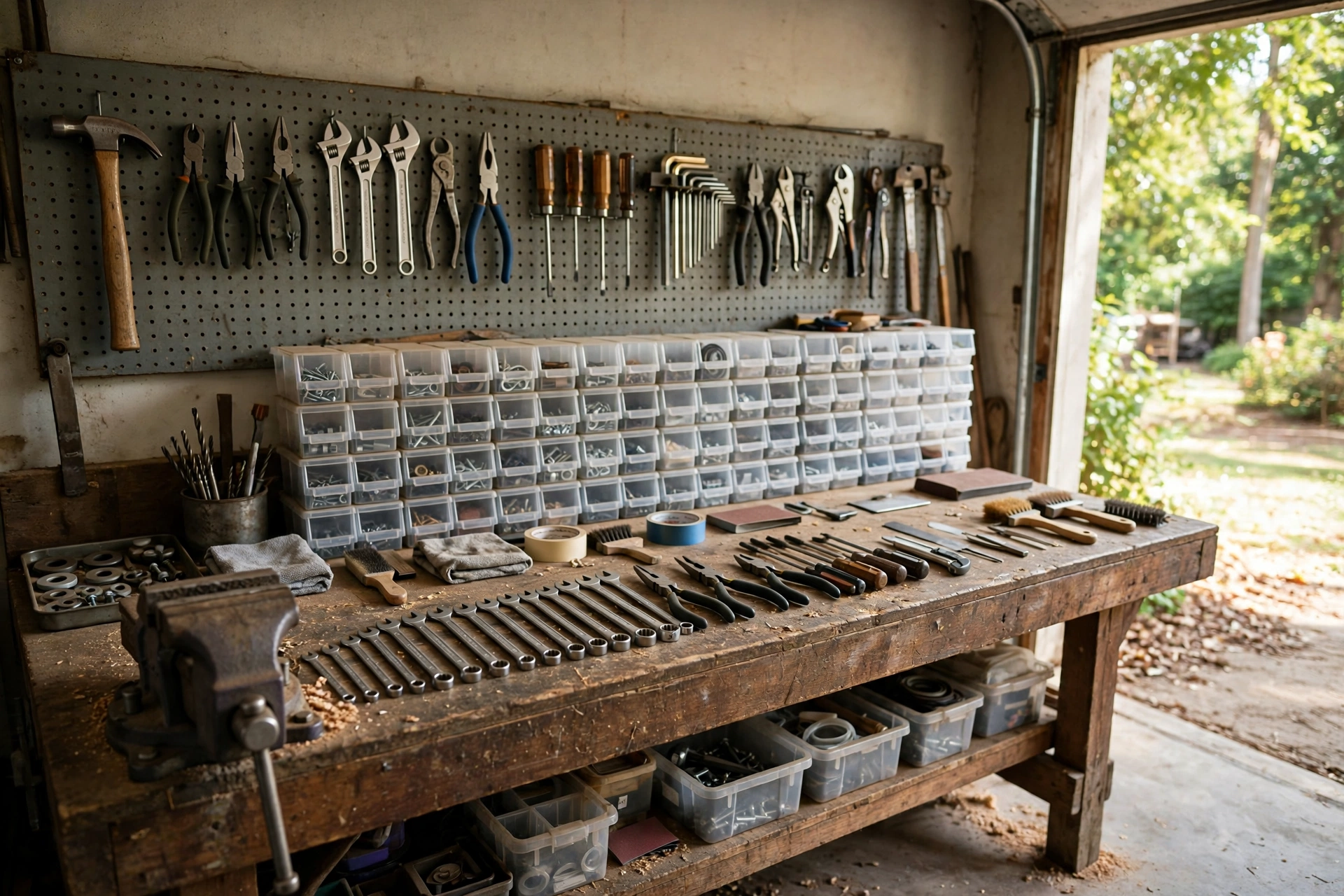
Set the system up. Then move the compute around.
So when my bundle came apart, let me be clear about what I did not do. I did not go buy a bigger plan. I did not rebuild my shop. By then Muse had become available, and I started thinking about the compute itself: use more of what Muse offered, use more of the models already included inside Cursor, run different models through the same system. And that’s what we did. We’ve run different models all through our system — same harness, same workflow, different fuel in the tank depending on the job and the price that week. The shop didn’t change. The fuel did.
Here’s what that looks like today. Our production runs are built in legs. The cheap model goes first and does the bulk work — the searching, the sorting, the first drafts. A mid-tier takes the middle leg. The expensive model runs last, briefly, on the one leg that genuinely needs its judgment. The cheap path is the default path. The premium pump is the exception, and it has to argue its way in.
And when we need savings, we don’t suffer for them and we don’t stop driving. We move the compute: this job goes to a cheaper model, that job to a different station, the big batch runs when the line is short. It’s the same thing a family does in a tight month. You don’t stop eating. You stop ordering out on Tuesdays.
And moving the compute around means the work never has to stop. There’s almost always another pump — another model, another harness, another way to run the same job — and knowing your map of stations is worth more than any single plan’s allowance. A shop that knows where its fuel comes from doesn’t panic when one station raises its price — it drives to the next one.
That’s the whole discipline, and it’s not willpower. Willpower at the moment of the click loses every time — I know, I’ve clicked. Discipline is decisions made once, upstream, in how the work is set up, so the meter mostly takes care of itself downstream.
Peanut butter, ramen, and two eggs
I always tell people: I never learned how to cook until I ran out of food. Not ran low — ran out. Or ran out of money to go to the restaurants, which comes to the same thing with extra steps.
The lean years were paycheck to paycheck, and I remember standing in front of a cupboard four days before payday, doing inventory. Peanut butter. Ramen. Two eggs. And figuring out how to turn that into something you’d actually call dinner — something magical, if I’m being honest about the ambition. I think that’s maybe where the word fusion came from. Somebody looked into a cupboard like mine and refused to be sad about it.
I bring it up in a piece about AI tokens because it’s the same lesson, the real one underneath everything above: abundance never taught anybody anything. A full fridge never taught anybody to cook. A fat plan never taught anybody token discipline. Constraint is the teacher, every single time — and it’s a generous teacher, because what it teaches you is yours. The deal can change. The price can change. The cupboard can change. The skill doesn’t leave.
Token discipline is a cook’s discipline. You work with what’s in the cupboard. You make it good anyway.
It’s the oldest problem there is
People talk about token limits like they’re some new cruelty the AI companies invented last spring. They aren’t new. They’re a budget. And a budget is the oldest problem human beings have — the same shape as the grocery money, the same shape as the gas tank, the same shape as every shop that ever stood in a parts store wondering how the month got away from it.
The limits didn’t get meaner. The intro price ended, the free sample ran out, and habits built in the free era ran into a meter. When that happens at a kitchen table, nobody claims the grocery store is running a conspiracy. They say: we have to shop differently.
Same here. You don’t have a token problem. You have a habits problem — and that’s the good news, because pricing pages aren’t yours to change, and habits are.
Will Tygart runs Tygart Media in Puyallup, Washington, where we help local service businesses get found and cited by AI search. The shop runs on the rule this piece describes — cheap path by default, the good stuff where it counts. If that’s how you’d want your marketing run, come find us.
Get The Signal
What we actually ran, what it measured, and what it means for a restoration shop — every week, including the flops.
Leave a Reply