CH 03 · Answer Engine Intelligence · Filed by Will Tygart
What Is SiteBoost for Telehealth?
SiteBoost for Telehealth is a done-for-you WordPress optimization service for telehealth platforms and occupational health providers — applying YMYL-compliant SEO, AEO, and GEO optimization to patient-facing content, employer health pages, and clinical service descriptions. Built specifically for the trust and credentialing signals Google requires before ranking healthcare content, and the direct-answer format that AI systems use to respond to medical and workplace health queries.
Telehealth content faces the strictest content standards in search. Google’s YMYL (Your Money or Your Life) guidelines apply to any health-related content — meaning E-E-A-T signals (Experience, Expertise, Authoritativeness, Trustworthiness) aren’t optional. A telehealth WordPress site without proper credentialing signals, licensed clinician attribution, and medically accurate terminology isn’t just under-optimized — it’s actively downranked.
Most telehealth platforms are built by product teams who understand the clinical side but not the content architecture side. The result: accurate medical content on a WordPress site that Google treats as low-trust because the trust signals aren’t structured correctly. We fix that.
What We’ve Done in This Vertical
We manage content operations for Sickday (sickday.com), a same-day telehealth and occupational health platform serving employers and individual patients. The critical rule in this vertical: staff are licensed clinicians — not doctors, not nurses. That distinction matters legally and for E-E-A-T compliance. We’ve built the content architecture, credentialing signals, and YMYL-compliant optimization stack for this specific category of healthcare provider.
What SiteBoost Covers for Telehealth
E-E-A-T signal injection — Licensed clinician credentials, platform accreditation signals, medical review attribution, and organizational trust markers structured into content and schema
YMYL compliance optimization — Content accuracy review, hedging language for medical claims, appropriate disclaimer structures, and factual sourcing for health information
Occupational health entity signals — OSHA references, DOT compliance language, workers’ compensation terminology, employer health program signals for occupational health content
Telehealth platform entities — Relevant telehealth regulation references (Ryan Haight Act, state telehealth practice standards, HIPAA compliance signals), payer and insurance entity references
Patient FAQ schema — Common patient and employer questions answered in FAQPage format for PAA placement (“how does telehealth work,” “is telehealth covered by insurance,” “what is a DOT physical”)
AI citation optimization — Speakable schema and LLMS.TXT configuration for Perplexity and Google AI Overview citation when patients and employers search for telehealth services
The YMYL Difference in Telehealth SEO
Standard SEO agencies treat telehealth like any other local service business. Google doesn’t. Health content requires demonstrably different trust architecture: named clinician credentials on clinical content, medical review dates on health information pages, accurate clinical terminology that matches how licensed providers actually speak, and clear scope-of-practice language that distinguishes what a telehealth platform can and cannot provide. Getting this wrong doesn’t just hurt rankings — it creates compliance exposure.
What the Pilot Delivers
Item
Included
Site audit + YMYL compliance gap analysis
✅
10 posts optimized (SEO + AEO + GEO)
✅
E-E-A-T signal injection on all 10 posts
✅
Licensed clinician credential structuring
✅
FAQPage schema (patient + employer Q&A)
✅
Occupational health entity injection (where applicable)
✅
60-day impact report
✅
SiteBoost vs. DIY vs. Generic Healthcare SEO Agency
SiteBoost
DIY
Generic Healthcare SEO
YMYL E-E-A-T compliance built in
✅
Risky
Sometimes
Licensed clinician (not “doctor”) language enforced
✅
❌
❌
Occupational health entity library
✅
❌
Rarely
Telehealth regulation references
✅
❌
Rarely
AI citation optimization
✅
❌
❌
Proven in telehealth vertical
✅
Unknown
Unlikely
Interested in SiteBoost for Your Telehealth Site?
We onboard sites personally. Email Will with your site URL and a brief description of your clinical model — he’ll follow up within one business day.
Email only. No sales call required. No commitment to reply.
Frequently Asked Questions
Does this work for direct-to-consumer telehealth as well as employer occupational health?
Yes. The entity set and content architecture adapt to your clinical model. DTC telehealth content targets patient-facing queries and insurance coverage questions. Occupational health content targets employer HR and safety manager queries — OSHA compliance, DOT physicals, return-to-work programs. Both operate under YMYL standards; both get the full E-E-A-T treatment.
Why does the licensed clinician language distinction matter for SEO?
Calling staff “doctors” or “nurses” when they’re licensed clinicians (nurse practitioners, physician assistants, licensed therapists) creates scope-of-practice inaccuracies that can trigger both Google trust penalties and state medical board compliance issues. Google’s quality raters are specifically trained to identify healthcare credential misrepresentation. We enforce accurate clinical title language as a hard rule in all content we optimize.
Can SiteBoost help with content that explains telehealth regulations to patients?
Yes — and this is high-value content for telehealth platforms. State-specific telehealth practice standards, insurance coverage rules, and prescription regulations (Ryan Haight Act) are exactly the kind of regulatory content that earns E-E-A-T signals when written accurately and attributed correctly. We can optimize existing regulatory explainer content or identify gaps where new content would capture patient research queries.
Is telehealth content affected by the helpful content update?
Significantly. Google’s helpful content guidelines hit thin, AI-generated health content hardest. Telehealth sites that published generic condition descriptions without clinical attribution saw the steepest ranking drops. The optimization pass ensures all content demonstrates genuine clinical expertise — specific treatment descriptions, accurate clinical terminology, and proper scope-of-practice framing that generic health copywriting lacks.
The Addiction Treatment Center WordPress Post-Publish Checklist (8 Steps for Behavioral Health YMYL Content)
By Tygart Media Updated: April 12, 2026
Scope — editorial content only:
Every step in this checklist applies to educational blog articles — treatment explainers, insurance guides, ASAM level content, family resource articles. None of these steps modify clinical content, admissions claims, treatment outcome descriptions, or patient-facing statements written by your licensed clinical staff. Clinical content integrity is preserved throughout. If you or someone you know needs help, SAMHSA’s National Helpline is available 24/7 at 1-800-662-4357 (free, confidential).
Why post-publish optimization matters for treatment content: Behavioral health articles are written under clinical standards — accuracy, appropriate language, compassionate framing. But the optimization infrastructure that determines whether a family in crisis finds that article — schema, entity references, authorship markup, FAQPage — is almost never applied after publication. These 8 steps apply that infrastructure to existing articles without altering a single clinical statement, giving your educational content the technical foundation to be found, trusted, and cited.
The 8-Step Addiction Treatment WordPress Post-Publish Checklist
Rewrite the title tag for family and individual search intent — Match how families and individuals actually phrase their searches, not how clinicians would title a treatment summary. “IOP Program Information” → “What Is an Intensive Outpatient Program (IOP) and Is It Right for You?” Lead with the question framing, stay within 50–60 characters, and reflect the searcher’s perspective — someone evaluating options, not a clinician documenting a level of care.
Write a meta description that is empathetic and informative — Delete the auto-generated excerpt. Write 140–155 characters that acknowledge the family’s situation and promise a specific, useful answer: “Wondering if IOP is the right level of care for your loved one? We explain ASAM Level 2.1 criteria, what a typical week looks like, and how insurance typically covers it.” Empathy first, information second, contact opportunity third.
Add licensed clinician authorship with credential schema — Attribute the post to a named licensed clinician with role, credential (LCSW, CADC, MD/DO, PMHNP), and a link to their bio page. Add a “Medically reviewed by [Name], [Credential]” line with the review date. Implement Article schema with the clinician as named author. This is the highest-impact single action for YMYL behavioral health content — transforming anonymous treatment content into verifiable clinical expertise.
Inject named clinical entity references — Add 3–5 named entities relevant to the article: SAMHSA for any prevalence or treatment standard references, ASAM Criteria level number for any level-of-care descriptions, CARF or Joint Commission as named accreditation authorities, DSM-5 for any diagnostic criterion references, and MHPAEA for any insurance coverage content. These named entities are machine-verifiable — the primary signal Google’s quality evaluators and AI systems use to assess behavioral health content credibility.
Add a family-focused FAQ section with FAQPage schema — Write 6–8 questions in the language families and individuals use during treatment research: “Does insurance cover this level of care?”, “How long does this program take?”, “What happens during intake?”, “What is the difference between [this level] and [adjacent level]?”, “Can my family member work during this program?” Add FAQPage JSON-LD schema alongside the visible FAQ section — both are required for People Also Ask eligibility and AI Overview citation.
Add MedicalOrganization schema connecting the article to the treatment center — Inject Article schema with the facility as publisher and MedicalOrganization schema with named accreditation references (CARF International accreditation scope, Joint Commission certification status), licensed services (SAMHSA-certified facility status if applicable), and staff credential framework. This machine-readable entity connection is what AI systems use to associate clinical authority with a specific verified treatment provider.
Set a visible Last Updated date with dateModified schema — Add “Last reviewed by [Clinician Name], [Credential] on [Date]” near the author byline. Update the dateModified field in Article JSON-LD schema. Treatment guidelines, MAT prescribing protocols, insurance coverage requirements, and ASAM Criteria references change. Outdated behavioral health content on life-impacting decisions is both a YMYL compliance issue and a family trust issue. Visible clinical review dates with schema signal ongoing editorial stewardship.
Add internal links to admissions resources and related treatment content — Link from the educational article to the relevant admissions page, insurance verification page, or program inquiry form — with specific anchor text that connects the educational content to the next step: “Ready to learn if this program is right for your situation? Start the admissions conversation.” Then update the admissions page to link back to relevant educational content. Bidirectional internal linking guides families through the research-to-admissions journey and signals topical depth to Google’s content quality evaluation.
These 8 steps applied to your 10 highest-traffic behavioral health educational articles is the scope of WordPress content optimization for addiction treatment centers through SiteBoost. Every step pushed live via WordPress REST API — clinical content unchanged, optimization infrastructure added.
Frequently Asked Questions
Which of the 8 steps has the highest impact for treatment center content?
Step 3 (clinician authorship with credential schema) has the highest single-step impact for YMYL behavioral health content — Google’s quality evaluators specifically flag anonymous treatment content as a trust deficiency. Steps 4 and 5 (entity injection and FAQPage schema) produce the fastest measurable results: SAMHSA/ASAM entity references improve AI citation probability within weeks, and FAQPage schema enables People Also Ask placement eligibility within 2–4 weeks for the family research questions that precede admissions calls. All 8 together create compounding returns that no individual step achieves alone.
Should these steps be applied to all treatment articles or prioritized?
Prioritize by treatment content category importance and existing traffic. Start with your highest-traffic articles in your primary service categories: insurance and benefits verification content (highest conversion driver), ASAM level-of-care explainers (highest family research volume), and “how to help a loved one” family guidance content (highest pre-decision traffic). Apply all 8 steps to these high-priority articles first. New educational content should have all 8 steps applied at publication — establishing the optimization standard from the point of creation rather than retroactively.
Does this optimization approach comply with HIPAA and LegitScript requirements?
Yes. All 8 steps apply to publicly published editorial blog content — no patient data, no protected health information, no admissions-specific identifiers. HIPAA governs patient data collection, storage, and transmission — not publicly published educational content about treatment options. LegitScript certification governs paid advertising eligibility — not organic educational content on a treatment center’s website. The schema markup, entity references, and structural optimization described here are standard web publishing practices that do not create HIPAA or LegitScript compliance concerns.
Sources: SEO Tuners, “Rehab SEO Guide for Addiction Treatment Centers 2026”; Webserv, “Treatment Center SEO Guide: Increase Admissions 2026”; Knack Media, “SEO for Addiction Treatment Centers: The Definitive E-E-A-T Guide” (November 2025); SAMHSA — samhsa.gov; Google Search Quality Rater Guidelines (2024 edition)
The Medical Practice WordPress Post-Publish Optimization Checklist (8 Steps for YMYL Content)
By Tygart Media Updated: April 12, 2026
Why medical content needs a post-publish checklist: Medical blog posts are written under clinical standards — accuracy, appropriate clinical language, evidence-based claims. But the optimization layer that determines whether a patient finds that content — title tag, meta description, schema, entity references, authorship markup — is almost always applied at zero depth after publication. The 8-step post-publish checklist applies these optimization signals to your existing articles without altering a single clinical statement, diagnostic criterion, or treatment recommendation.
Scope reminder: Every step in this checklist is structural — schema, entity references, title tags, meta descriptions, FAQ sections. None of these steps alter clinical content, diagnostic criteria, treatment recommendations, or any factual medical statement written by your physicians. Clinical content integrity is preserved throughout.
The 8-Step Medical WordPress Post-Publish Checklist
Rewrite the title tag for patient search intent — Match how patients phrase their search, not how a physician would title a clinical note. “Hypertension: Causes, Risk Factors and Management” → “High Blood Pressure: When to See a Doctor, What to Expect, and How It’s Treated.” Stay within 50–60 characters and lead with the patient’s terminology.
Write a meta description targeting the pre-booking moment — Delete the auto-generated excerpt. Write 140–155 characters that speak directly to the patient’s decision: “Experiencing chest pain on exertion? Our cardiologists explain when it warrants urgent evaluation, what diagnostic tests to expect, and how to book.” This is the copy that converts impressions to clicks.
Add physician authorship with credential schema — Attribute the post to a named physician. Add a “Medically reviewed by [Dr. Name], [Specialty], [Board Certification]” line near the top, linked to the physician’s bio page. Implement Physician schema on the bio page with credential properties. This is the single highest-impact E-E-A-T action for YMYL medical content.
Inject clinical entity references — Add 3–5 named clinical entities to the article body: the relevant ICD-10 code, the applicable specialty society guideline (ADA, ACC/AHA, USPSTF, etc.), named diagnostic criteria or classification systems used in the specialty, and any relevant compliance framework (HIPAA, CLIA). These entities are machine-verifiable — AI systems check them before citing content.
Add a patient-focused FAQ section with FAQPage schema — Write 6–8 questions in patient language targeting the pre-booking research phase. “How is [condition] diagnosed?” “What should I bring to my first appointment?” “Does insurance typically cover [procedure]?” Add FAQPage JSON-LD schema alongside the visible FAQ section — both are required for People Also Ask eligibility and AI Overview citation.
Add MedicalCondition or MedicalProcedure schema — For condition articles: MedicalCondition schema with symptoms, risk factors, diagnosis, and treatment properties. For procedure articles: MedicalProcedure schema with preparation, bodyLocation, and followup properties. This is the schema type that specifically signals to Google’s medical knowledge graph that the content is clinically structured content.
Set a visible Last Updated date and dateModified schema — Add “Last reviewed by [Dr. Name] on [date]” near the author byline. Update the dateModified field in Article JSON-LD schema to match the actual content review date. Google’s quality evaluators specifically flag YMYL medical content that appears stale — visible review dates are the clearest signal that clinical accuracy is being actively maintained.
Add internal links to and from related condition and service pages — Link from the blog article to the most relevant service or specialty page with descriptive anchor text (“cardiology services for heart rhythm disorders” not “click here”). Then update the service page to link back to the article. Bidirectional internal linking establishes topical authority across your clinical content and guides patients through the journey from symptom research to service inquiry.
These 8 steps applied to your 10 highest-traffic medical blog posts is the scope of WordPress content optimization for medical practices through SiteBoost. Every step pushed live via WordPress REST API — physician content unchanged, optimization infrastructure added.
Frequently Asked Questions
Which of the 8 steps has the highest impact for medical practices?
Step 3 (physician authorship with credential schema) has the highest single-step impact for YMYL medical content because it addresses the most fundamental E-E-A-T gap — anonymous authorship. Anonymous medical content is penalized regardless of how well other optimization signals are implemented. Steps 5 and 6 (FAQPage and MedicalCondition schema) produce the fastest measurable results — People Also Ask placement eligibility and AI Overview citation — within 2–4 weeks of implementation. All 8 together create compounding returns that no individual step achieves alone.
Should these steps be applied to all medical blog posts or just the most important ones?
Start with the top 20% by traffic — the posts already driving visits, even if not converting. These posts have established Google trust and are closest to ranking improvements. Apply all 8 steps to these high-traffic posts first. Then work systematically through the library by clinical topic priority — condition guides for your primary specialty first, then secondary specialties, then general health content. New posts published after the checklist is established should have all 8 steps applied at publication, not retroactively.
Do these steps require a WordPress plugin or developer?
No plugin or developer is required for any of the 8 steps. Title tags and meta descriptions update through post fields or SEO plugin meta fields. Physician authorship text is content. Clinical entity references are text additions. FAQ sections and all JSON-LD schema blocks (FAQPage, MedicalCondition, Article with dateModified, Physician) are added as HTML blocks in post content via the WordPress REST API. The only coordination needed is ensuring the physician bio page with Physician schema exists before authorship links are added to articles.
Sources: Google Search Quality Rater Guidelines (2024 edition); PracticeBeat, “SEO for Doctors in 2026: Medical SERP Playbook” (December 2025); Connect Media Agency, “Healthcare SEO: How Medical Practices Win Patients Online in 2026” (February 2026); Digitalis Medical, “Medical SEO Strategy” (2026); Intrepy, “AI SEO for Doctors in 2025”
YMYL and E-E-A-T for Medical Practice WordPress Content: The 2026 Compliance Guide
By Tygart Media Updated: April 12, 2026
YMYL in plain terms: Your Money or Your Life (YMYL) is Google’s classification for content that could significantly affect a person’s health, financial stability, or safety. All medical practice content is YMYL by default. This classification means Google holds medical WordPress blogs to the highest content quality standard of any industry — E-E-A-T (Experience, Expertise, Authoritativeness, Trustworthiness) — and actively evaluates medical content for these signals before ranking or citing it in AI Overviews. In 2026, failing YMYL evaluation doesn’t just mean lower rankings — it means invisibility in AI-generated health answers.
What Changed: The September 2025 Google Perspective Update
Google’s September 2025 “Perspective” update specifically targeted YMYL content lacking verifiable E-E-A-T signals. Medical practices without named physician authorship, without clinical entity references, and without structured medical schema saw measurable ranking losses. Practices that had established these signals saw ranking gains. The update codified what Google’s quality rater guidelines had indicated for years: anonymous or generically authored medical content is not trusted, regardless of how well it is optimized for keywords.
What does YMYL mean for medical practice WordPress content in 2026?
YMYL (Your Money or Your Life) classification means all medical practice WordPress content is subject to Google’s highest quality evaluation standard — E-E-A-T (Experience, Expertise, Authoritativeness, Trustworthiness). In practice this requires: every medical article attributed to a named licensed physician with verifiable credentials and a linked bio page (Experience and Expertise), the practice having demonstrable organizational standing through hospital affiliations, board certifications, and specialty society memberships (Authoritativeness), and all clinical claims sourced to named guidelines (CDC, NIH, ADA, relevant specialty boards) with content updated regularly and dated visibly (Trustworthiness). Google’s AI Overviews only cite YMYL content that meets all four dimensions.
The Four E-E-A-T Dimensions: What They Require for Medical Content
Experience
Google’s 2022 addition of the second “E” for Experience specifically targets medical content that reflects genuine first-hand clinical practice — not content synthesized from other websites. Medical content demonstrates Experience through: specific procedural details only a practitioner would know, acknowledgment of clinical variability (“results vary based on…”), patient communication framing that matches actual clinical conversations, and original clinical perspective on common patient misconceptions. This is the dimension that separates a physician-authored article from an AI-generated summary of existing medical articles.
Expertise
Expertise for medical content is demonstrated through named clinical entities — specific diagnostic criteria, named treatment guidelines, relevant ICD-10 codes, specialty board standards. A dermatology article that references “JAAD (Journal of the American Academy of Dermatology) clinical practice guidelines,” uses “Fitzpatrick skin type classification” correctly, and distinguishes “contact dermatitis (ICD-10 L25)” from “atopic dermatitis (ICD-10 L20)” demonstrates expertise that generic health content does not.
Authoritativeness
Authoritativeness is external recognition. For medical practices: hospital privileges and named affiliations, specialty board certifications (ABMS — American Board of Medical Specialties member boards), specialty society memberships (American College of Cardiology, American Academy of Dermatology, etc.), and citations from or links from authoritative medical sources. These credentials in author schema markup — not just displayed as text — give Google’s systems machine-readable authority signals.
Trustworthiness
Trustworthiness is the most weighted E-E-A-T dimension for YMYL content. Medical content trust signals: named sources for all statistics and clinical claims (CDC, NIH, ADA, specialty society clinical practice guidelines), visible Last Updated date with dateModified schema, HTTPS security, consistent practice NAP across all platforms, and ABA-equivalent ethical compliance in marketing claims (no guaranteed outcomes, no misleading testimonials). Content that is accurate, sourced, and regularly maintained is inherently more trustworthy — optimization signals that fact, it doesn’t manufacture it.
YMYL compliance optimization — physician credential schema, clinical entity injection, named source citations, dateModified schema — is the foundation of WordPress content optimization for medical practices through SiteBoost. We optimize structure; your clinical content remains unchanged.
Frequently Asked Questions
Is YMYL a direct Google ranking factor?
YMYL is a classification, not a direct ranking factor. Google classifies health content as YMYL, which triggers stricter E-E-A-T evaluation criteria during quality rater assessments. Those assessments inform algorithm development. In practice, YMYL content without strong E-E-A-T signals consistently underperforms equivalent content with those signals, because the algorithm has been trained on quality rater feedback that penalizes unverified health claims. The practical effect is that YMYL classification makes E-E-A-T optimization non-optional for medical content that wants to rank competitively.
Can AI-generated medical content meet YMYL standards?
AI-generated medical content alone does not meet YMYL standards in 2026. The requirement is not human writing — it is clinical review and physician attribution. AI-drafted content that is reviewed, fact-checked, and attributed to a named physician with verifiable credentials can meet YMYL standards, because the physician’s expertise and credential schema provide the E-E-A-T signals. Purely AI-generated content published without physician review or attribution increasingly triggers YMYL quality penalties per Google’s September 2025 Perspective update guidelines.
How often does YMYL medical content need to be updated?
Treatment guidelines, diagnostic criteria, and insurance coverage for medical conditions change regularly. Google’s quality raters are trained to flag YMYL content that references outdated treatment standards or diagnostic thresholds. As a minimum: condition and treatment articles should be reviewed annually. Articles referencing specific clinical guidelines (ADA Standards of Care, USPSTF recommendations, ACC/AHA guidelines) should be reviewed whenever those guidelines are updated — typically annually for major guidelines. A visible “Last reviewed by Dr. [Name] on [date]” paired with dateModified schema is the standard approach for signaling ongoing editorial stewardship.
Sources: Google Search Quality Rater Guidelines (2024 edition); PracticeBeat, “SEO for Doctors in 2026: Medical SERP Playbook” (December 2025); Medcore Digital, “Boosting Healthcare SEO with E-E-A-T: What’s New in 2026?”; Connect Media Agency, “Healthcare SEO: How Medical Practices Win Patients Online in 2026”
SiteBoost for Healthcare: WordPress Content Optimization for Medical Practices, Clinics & Health Systems
By Tygart Media — This page is built using the same SEO, AEO, and GEO techniques applied through SiteBoost. The entity density, schema structure, and speakable blocks you see here are exactly what the service delivers to your healthcare WordPress content.
Healthcare WordPress Content Optimization: The process of applying SEO, AEO (Answer Engine Optimization), and GEO (Generative Engine Optimization) to a medical practice’s existing WordPress articles — optimizing for Google’s YMYL (Your Money or Your Life) standards, injecting E-E-A-T signals (Experience, Expertise, Authoritativeness, Trustworthiness), adding FAQPage and MedicalCondition schema, and building speakable blocks so the practice gets cited by ChatGPT, Perplexity, and Google AI Overviews when patients search for symptoms, treatments, and specialists.
The Healthcare Search Reality in 2026: Patients Ask AI Before They Call Your Clinic
Patients ask AI before they call your clinic.
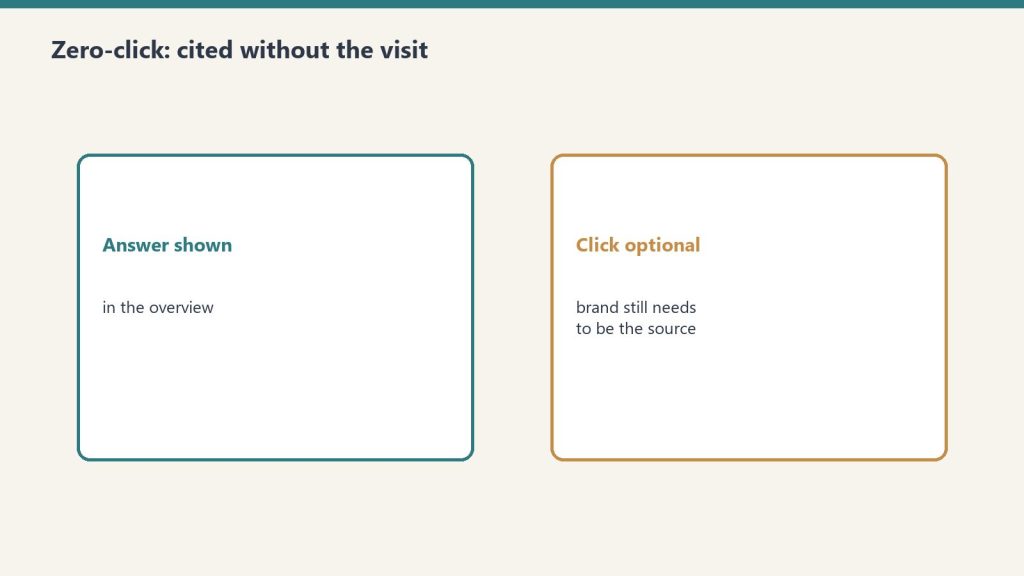
An estimated 65–70% of healthcare searches now end without a single click — patients receive their answer directly from Google AI Overviews, voice assistants, or ChatGPT without ever visiting a website. When a patient asks “what are the early warning signs of Type 2 diabetes?” at 11pm, or “how long is recovery from ACL surgery?”, the AI synthesizes an answer from the most structured, authoritative, entity-verified medical content it can find.
Most medical practice WordPress blogs are invisible to these systems. Not because the content is wrong — but because it lacks FAQPage schema, direct-answer formatting, medical entity injection, and the E-E-A-T signals that AI systems use to evaluate clinical authority. SiteBoost applies all of these to your existing WordPress articles, without modifying your core pages, forms, or HIPAA-sensitive systems.
Important: SiteBoost optimizes WordPress post content only — blog articles, condition guides, and educational health content. We do not modify patient-facing forms, appointment booking systems, contact forms, or any page that collects personal health information. HIPAA-compliance requirements for forms and data collection are outside our scope and should be handled by your IT and compliance team.
Why YMYL Makes Healthcare SEO the Hardest — and Highest Stakes
Google classifies healthcare content as YMYL — Your Money or Your Life — content that could significantly affect a person’s health or safety. This triggers the highest level of algorithmic scrutiny of any content category. Google’s September 2025 “Perspective” update hit healthcare sites hardest, with smaller clinics reporting average 15% drops in search impressions. The update specifically targeted YMYL content that lacked verifiable E-E-A-T signals.
What E-E-A-T signals does Google evaluate for healthcare content?
Google’s E-E-A-T framework evaluates healthcare content across four dimensions: Experience (does the content reflect first-hand clinical knowledge?), Expertise (is the author a licensed medical professional with verifiable credentials?), Authoritativeness (does the organization have demonstrable standing in the medical community — hospital affiliations, board certifications, peer-reviewed publications?), and Trustworthiness (is the site HTTPS-secure, are citations sourced from peer-reviewed research, is the content regularly updated?). For YMYL healthcare content, all four dimensions must be explicitly signaled in the content structure — not assumed from domain age or backlinks alone.
The Medical Entity Set That Signals Clinical Authority
The medical entity set that signals clinical authority.
Most medical practice WordPress blogs mention their specialty repeatedly but miss the named entities that establish clinical authority with both Google and AI systems. The difference between a page that gets cited by an AI health assistant and one that gets ignored is entity density — specific, verifiable named references that signal expertise.
What named medical entities should healthcare WordPress content include for AI citation?
Healthcare content optimized for AI citation should reference: credentialing bodies (American Board of Medical Specialties, American Medical Association, relevant specialty boards), clinical guidelines and standards (CDC guidelines, NIH treatment protocols, USPSTF recommendations, specialty society clinical practice guidelines), diagnostic terminology (ICD-10 codes where appropriate, DSM-5 for behavioral health, specific imaging modalities and laboratory values), treatment modalities with named protocols, and insurance and billing frameworks (CPT codes in context, prior authorization processes, CMS coverage determinations). Entity density — specific, verifiable named references — is what signals clinical authority to AI systems and Google’s quality evaluators.
Schema Markup That Healthcare WordPress Content Must Have
FAQPage
Patient Question Schema
6–8 Q&A pairs targeting the specific questions patients ask about conditions, treatments, recovery timelines, and insurance coverage. Earns People Also Ask placements for high-intent medical queries.
MedicalCondition
Condition Schema
Schema.org MedicalCondition markup for condition-specific pages — symptoms, risk factors, treatments, and associated specialties. Signals clinical precision to Google’s medical knowledge graph.
MedicalProcedure
Procedure Schema
Structured markup for procedure guides — preparation, duration, recovery, and follow-up care. Directly feeds Google AI Overview synthesis for “how long does [procedure] take” queries.
Physician
Provider Entity Schema
Schema.org Physician markup linking content authors to verifiable credentials, board certifications, and organizational affiliations — the foundation of E-E-A-T for medical content.
Hypothetical Before & After: A Typical Medical Practice WordPress Article
This illustrates what SiteBoost applies to a typical healthcare blog article about a common condition — the kind of educational content most practices publish and then wonder why it doesn’t drive appointments:
Before SiteBoostTitle: “Understanding Type 2 Diabetes: What You Should Know”
Meta description: Auto-generated from first paragraph — 225 chars, truncated
Word count: 520 words
Author byline: “Admin” — no credential signal
Schema: None
Entity density: “diabetes” mentioned 11x, “blood sugar” 4x — no ADA, CDC, HbA1c, ICD-10, or clinical guideline references
FAQ section: None
AI visibility: Zero — no speakable blocks, invisible to AI health assistants
After SiteBoostTitle: “Type 2 Diabetes: Symptoms, Risk Factors, and When to See a Doctor”
Meta description: “Type 2 diabetes affects 37 million Americans. Learn the early warning signs, risk factors, and when to schedule a diabetes screening.” (148 chars)
Word count: 900 words (definition box + FAQ added)
Author byline: Physician name + MD credential + specialty board + hospital affiliation injected into author schema
FAQ section: 7 questions — “What is a normal HbA1c level?”, “Can Type 2 diabetes be reversed?”, “Does insurance cover diabetes screening?” — all targeting PAA
AI visibility: 2 speakable blocks targeting “what are the early signs of Type 2 diabetes” and “when should I get a diabetes screening”
The AI Search Opportunity for Healthcare Providers
The AI search opportunity for healthcare providers.
When a patient asks ChatGPT “what are the early warning signs of high blood pressure?” or asks Perplexity “how is sleep apnea diagnosed?” — the AI synthesizes an answer from medical content that has verifiable clinical entities, structured schema, and clear direct-answer formatting. Healthcare providers with MedicalCondition schema, ADA/CDC/NIH entity references, and speakable blocks in their WordPress articles are dramatically more likely to be cited as the source.
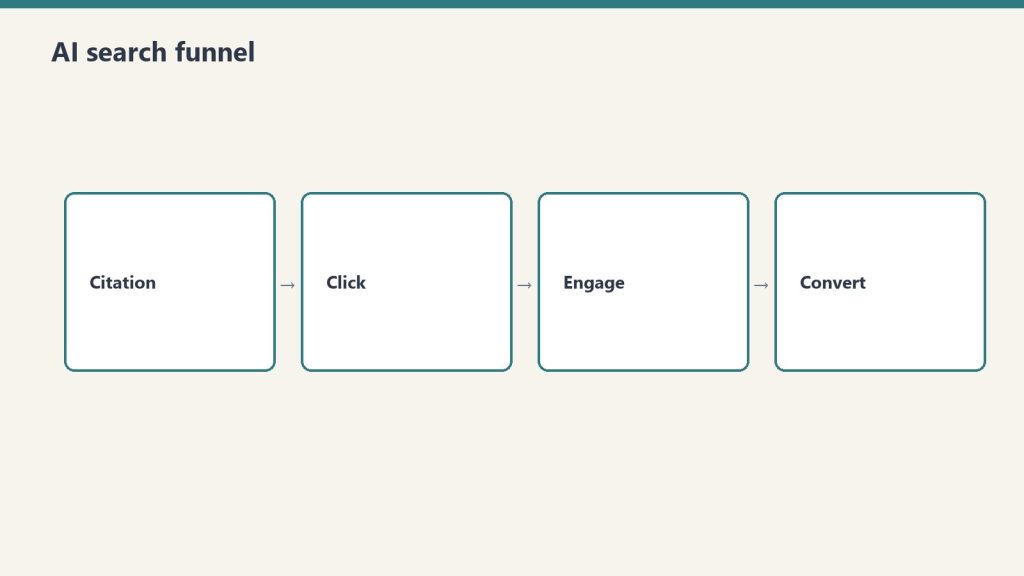
This matters for appointment acquisition. A patient who sees your practice cited in a ChatGPT answer about their condition has a trust signal before they’ve visited your website. That pre-established authority shortens the consideration cycle and increases the likelihood they book with you over an uncited competitor.
What SiteBoost Covers — and What It Doesn’t — for Healthcare
Content Type
SiteBoost Covers?
Notes
Blog articles & condition guides
✅ Yes
Primary target — educational health content, symptom guides, treatment overviews
FAQ & patient resource pages
✅ Yes
High-value AEO targets — direct-answer formatting and FAQPage schema
Provider bio pages (as posts)
✅ Yes
Physician entity injection, credential schema — major E-E-A-T signal
Patient intake forms
❌ No
HIPAA-sensitive — outside scope, handled by compliance team
Appointment booking systems
❌ No
Third-party system integration — not modified
Core service/location Pages
❌ No
Page-type (post_type=page) — never modified without explicit per-page approval
SiteBoost Pilot for Healthcare: What You Get
Deliverable
Details
Site Connection & Audit
WordPress REST API connection, full content inventory, E-E-A-T gap analysis, schema coverage report, YMYL readiness assessment, Before Baseline Report
10 Post Optimizations
Full SEO + AEO + GEO on 10 educational health articles — clinical entity injection, FAQPage + MedicalCondition schema, speakable blocks, author credential markup
60-Day Impact Report
Before vs. after: rankings, PAA placements, AI citation visibility, appointment-stage keyword movement
YMYL-safe approach
We optimize structure, schema, and entity density — never medical facts. All clinical content remains exactly as your providers wrote it.
Price
$597 pilot — $767 value
Interested in the SiteBoost Pilot for Your Healthcare Site?
We onboard sites personally. Email Will with your site URL and he’ll follow up within one business day.
Email only. No sales call required. No commitment to reply.
Frequently Asked Questions: SiteBoost for Healthcare
Does SiteBoost modify any HIPAA-sensitive content or patient data systems?
No. SiteBoost operates exclusively on WordPress post content via the REST API — blog articles, condition guides, and educational health content. We do not interact with patient intake forms, appointment booking systems, electronic health records, or any system that collects or stores protected health information. The WordPress Application Password we use is scoped to post content editing only and cannot access other plugins, databases, or third-party systems integrated into your site.
What does SiteBoost do about E-E-A-T for medical content?
SiteBoost’s GEO layer injects E-E-A-T signals directly into your existing article content: physician credential references tied to author schema markup, named clinical entities (board certifications, hospital affiliations, specialty society memberships), and citations to authoritative medical sources (CDC guidelines, NIH protocols, USPSTF recommendations, specialty board clinical guidance). These are the exact signals Google’s quality evaluators look for in YMYL medical content. We optimize the structure and entity density — we never alter clinical facts or medical guidance written by your providers.
How does AEO optimization help medical practices specifically?
For healthcare, AEO targets the questions patients ask before booking appointments: “What are the symptoms of [condition]?”, “How is [condition] diagnosed?”, “What does [procedure] feel like?”, “Does insurance cover [treatment]?”, “How long is recovery from [surgery]?” A FAQPage schema block with 6–8 of these questions, injected into an existing condition guide, can earn People Also Ask placements that appear above traditional search results — capturing patient attention before they ever scroll to your organic listing.
Will SiteBoost changes affect how our medical content is perceived for compliance?
SiteBoost optimizes content structure, schema markup, and entity density — it does not alter any clinical statements, medical advice, or factual claims in your existing articles. All optimization is additive: we inject a definition box, FAQ section, and schema around your existing content. The medical information your providers wrote remains word-for-word unchanged. If your compliance team requires review of structural changes before publishing, we can provide a complete diff of every modification for review prior to any post being updated.
What types of medical practices benefit most from SiteBoost?
SiteBoost delivers the highest value for practices with existing WordPress blogs of 20+ articles that haven’t been systematically optimized: primary care and family medicine practices with broad condition coverage, specialist practices (orthopedics, cardiology, dermatology, neurology) with condition and procedure guides, multi-location health systems with high content volume and inconsistent optimization, and telehealth platforms with large educational content libraries. Solo practices with fewer than 10 blog posts are better served by building new content first before optimization.
How does SiteBoost handle the Google September 2025 YMYL update for healthcare sites?
The September 2025 “Perspective” update penalized healthcare content lacking verifiable E-E-A-T signals — specifically anonymous authorship, missing credential references, and absence of clinical entity anchors. SiteBoost directly addresses all three: physician credential markup via Physician schema, clinical entity injection (AMA, CDC, NIH, specialty board references), and direct-answer formatting that demonstrates genuine clinical expertise rather than generic health information. Sites hit by this update see the fastest recovery through entity and schema remediation applied to existing content.