Two weeks from now, one of Hood Canal’s most beloved celebrations makes its long-awaited return — and it’s worth circling on your calendar right now.
The Hama Hama Oyster Rama is back on April 18 and 19, noon–6pm both days, at Hama Hama’s legendary beach farm in Lilliwaup, WA — after a seven-year hiatus since 2019. This is a genuine tidal celebration: guided tours with intertidal ecologists and oyster growers, u-pick oysters and clams straight from the Hood Canal flats, a Shuckathalon shucking competition, live music, local beer and wine, kids’ activities, and food vendors showcasing the best of Hood Canal’s incredible seafood culture. Ticket proceeds benefit the Hood Canal Education Foundation and local charities.
Entrance tickets are $45 for adults (16+), with kids 15 and under free. If you want to harvest your own shellfish to take home, the u-pick pass is $85 and includes 3 dozen oysters plus 3 lbs of clams. These events sell out — if you’re planning to go, get your tickets now.
Hama Hama Oyster Rama Details
Dates: April 18–19, 2026 — noon to 6 PM both days
Location: Hama Hama Oyster Farm, 35846 N US Hwy 101, Lilliwaup, WA 98555 (Mason County, Hood Canal)
Sol Duc Valley is open — and April is one of the best-kept secrets for visiting Olympic National Park.
Sol Duc Road reopened on March 24, and the Sol Duc Hot Springs Resort is running its spring season through May 20. That means you can hike to Sol Duc Falls — an easy 1.6-mile round trip through cathedral old-growth forest where the water is absolutely thundering this time of year — then soak your trail-tired muscles in the mineral hot springs pools, all before summer crowds arrive. Weekday visits in April are genuinely quiet. This is ONP without the chaos.
Sol Duc Falls is one of the most spectacular waterfalls on the entire Olympic Peninsula. The trail winds through ancient old-growth Sitka spruce and western red cedar, and the falls split dramatically around a central rock island before plunging into a narrow gorge. In April, with snowmelt feeding the flow, it’s at full power.
Insider tip: the Lover’s Lane Loop connects Sol Duc Falls back to the campground area for a longer old-growth ramble — a great way to stretch a half-day into a full one. Reservations for the hot springs pools are smart even on April weekends. Always verify road and facility status at NPS.gov/olym or call (360) 565-3131 before heading out, as mountain conditions can change quickly.
Sol Duc Valley Current Conditions
Sol Duc Road: Open as of March 24, 2026 ✅
Sol Duc Hot Springs Resort: Open spring season March 20 – May 20 ✅
Sol Duc Falls Trail: Open — 1.6 miles RT, easy, old-growth forest. Waterfalls at peak spring flow.
Lover’s Lane Loop: Open — connects falls to campground for extended hike
Campground: Available via Recreation.gov
Quick status notes on other ONP areas: Hurricane Ridge Road remains weather-dependent through April 30. Staircase is closed due to Bear Gulch Fire impacts. Mora Road/Rialto Beach has single-lane construction. Always check NPS.gov/olym for current conditions.
Sources: NPS.gov/olym conditions page (updated April 4, 2026), Washington Trails Association trip reports, Sol Duc Hot Springs Resort
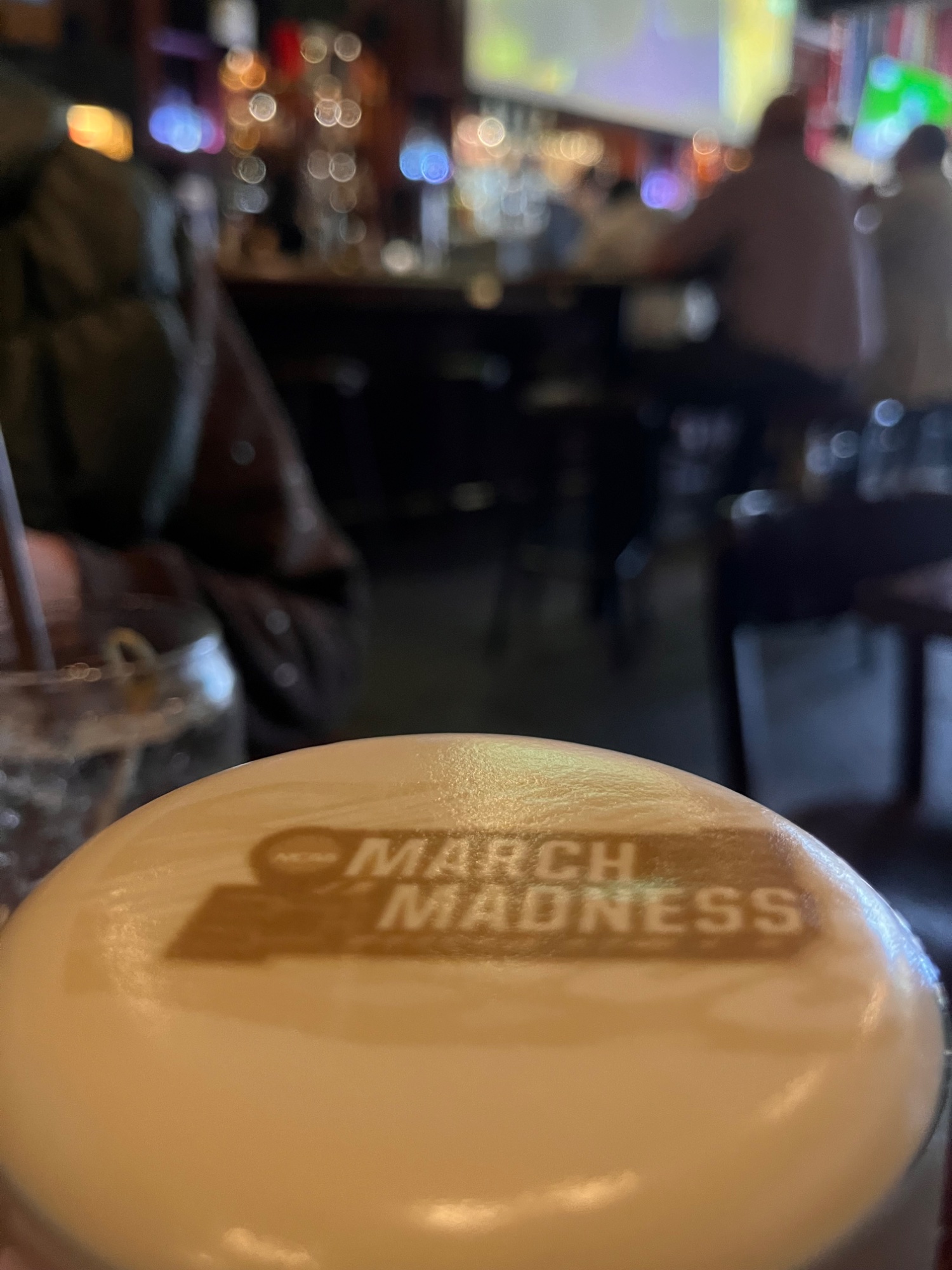
I was at Doyle’s last night for my wife’s birthday when the bartender slid a Guinness in front of me. On the foam head: the NCAA March Madness logo, printed in caramel brown like it belonged there. I forgot they did this. And then I couldn’t stop thinking about what it actually meant.
Let me be clear about what I saw. A neighborhood bar in Tacoma had executed a national brand partnership — NCAA licensing, custom logo printing technology, a real experiential moment — and delivered it to me in a pint glass for maybe twelve bucks. The NCAA didn’t have to run a TV spot to get in front of me. They got in front of me at the exact moment I was already in a good mood, already spending money, already present.
That’s not marketing. That’s infiltration. And it was brilliant.
The Technology Behind the Pour
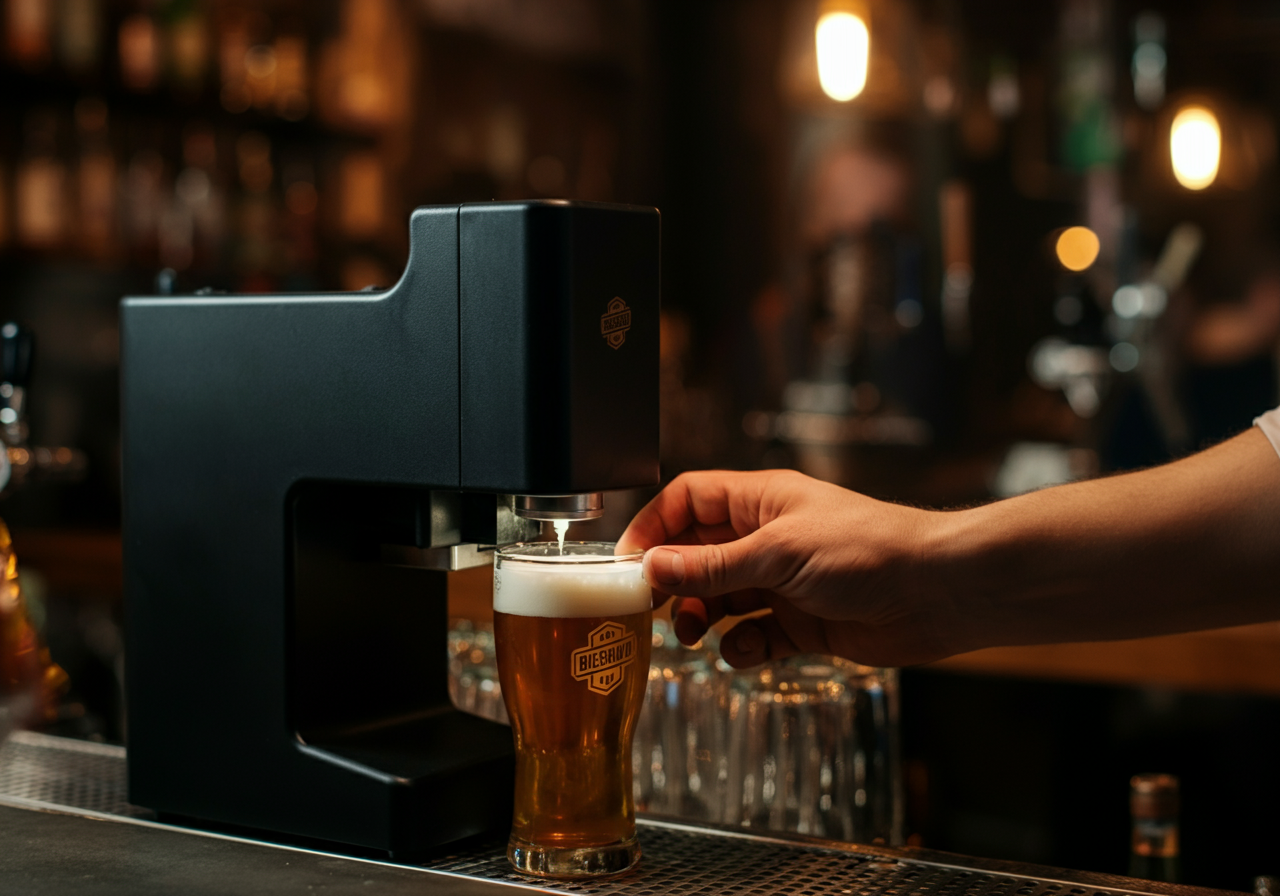
The machine doing the printing is called a Ripple Maker. It’s a countertop device that uses food-safe ink and an inkjet-style system to print images directly onto foam — coffee, cocktails, beer heads. The company behind it, Ripples, has been running since around 2016. You can print anything: a logo, a photo, a QR code, a personalized message.
For a bar like Doyle’s, it’s a few hundred dollars a month to run. For a national brand like the NCAA, it’s a scalable ambient media buy — get into bars running March Madness watch parties across the country, put your brand on every beer ordered during the game, and make it feel organic instead of promotional.
The NCAA didn’t buy an ad. They bought a moment. There’s a meaningful difference between those two things.
The NCAA didn’t buy an ad. They bought a moment. There’s a meaningful difference. An ad interrupts. A moment becomes part of the memory. I’m writing about this the next day. Nobody writes about a banner ad the next day.
What Local Businesses Can Take From This
The Ripple Maker prints directly onto foam — coffee, beer, cocktails. A ~$300/month experiential media channel most brands haven’t touched.
Here’s where I start thinking about the businesses I work with — restoration contractors, lenders, cold storage operators, B2B service companies. Most of them are buying the same tired channels: Google Ads, Yelp, direct mail. They’re paying to interrupt people.
What Doyle’s pulled off — even if they didn’t frame it this way — was contextual experiential marketing. The right message, delivered through the right medium, at the right moment, in a way that felt native to the environment. That’s the playbook. The technology is almost incidental.
The restoration contractor who sponsors the coffee at a claims adjuster’s office every Monday morning is doing the same thing. The cold storage company that puts their logo on the temperature monitoring printout that goes to the produce buyer every week is doing the same thing. You find the moment your customer is already present and mentally open, and you show up there — without asking anything of them.
Why This Matters for Content Strategy
I run a content agency. We build articles, landing pages, entity clusters — things designed to get found. And I believe in that work. But what Doyle’s reminded me is that not everything distributable is digital.
The Guinness moment became a story I’m telling today. That story will probably become a LinkedIn post. That post might become a case study in a pitch deck. The physical moment seeded a digital content chain — and the NCAA got attribution in all of it without ever asking for it.
Physical moments, done well, generate organic digital content from the people who experience them. Manufacture memorability, not virality.
I don’t know how much Doyle’s pays for the Ripple Maker. I don’t know what the NCAA paid for the partnership. What I know is that it worked on me — a guy who builds content systems for a living and should theoretically be immune to this stuff. That’s the tell. When the marketing works on the skeptic, it’s really working.
Happy birthday to my wife, Stef. Best Guinness I’ve had in a while — even if I spent most of it thinking about marketing instead of the moment. She’s used to it.
There are three very good reasons to point your car toward Grays Harbor this spring.
First: razor clams are open at Twin Harbors and Mocrocks beaches. Low tide creates ideal conditions for digging — grab your 2026–27 license (new season started April 1), a clam gun, and a bucket. Twin Harbors is one of the most reliable and accessible clamming spots on the Washington coast, just south of Westport. Always verify current WDFW approvals before heading out, as conditions and biotoxin closures can change.
Second: April is peak gray whale migration season, and Westport is one of the best places in the state to watch them. Head to Westport Light State Park — the tallest lighthouse in Washington — and scan the horizon for spouts. On a calm spring day, you might spot 10–25 whales passing. Charter boats from the Westport Marina also run whale watching trips if you want to get closer to the action.
Third: the Quinault Rain Forest is in its most magical spring form right now. The cedar bogs along the Rain Forest Loop Trail are bursting with skunk cabbage in vivid gold and green, snowmelt is feeding the waterfalls, and the mosses are electric after months of winter rain. Lake Quinault Lodge has been welcoming guests since 1926 — it’s the kind of place that makes you want to stay for dinner and wake up to mist on the lake.
South Coast Spring Guide
Razor Clamming: Twin Harbors and Mocrocks beaches open for approved digs. 2026–27 license required (April 1 new season start). Check WDFW for current approval status and biotoxin map before going.
Gray Whale Watching from Westport: Westport Light State Park is on the official Whale Trail. Peak migration March–early May. 10–25 whales per day on calm days. Charter trips available from Westport Marina.
Quinault Rain Forest: Rain Forest Loop Trail open (possible flooding on some sections). Skunk cabbage blooming in cedar bogs. Snowmelt waterfalls at peak. Lake Quinault Lodge open — Roosevelt Restaurant reopening early April.
Grays Harbor doesn’t always get the spotlight — but right now it’s putting on a show.
If Rialto Beach is on your spring bucket list, now is the time to go. Starting this month, construction on Mora Road will reduce traffic to a single lane near milepost 1.25 — and from July 8 through October 5, the road will close entirely beyond Mora Campground. That means no vehicle access to Rialto Beach for most of the summer. A full closure caused by 2019 Quillayute River flood damage is finally being addressed, but the timing means summer visitors will be rerouted. Visit now while you can still drive right up to those iconic sea stacks and massive driftwood logs.
Meanwhile, the Hoh Rainforest is absolutely magical this time of year. Spring rains have the waterfalls roaring, the mosses are glowing an electric green, and Roosevelt elk are easy to spot grazing in the lowland meadows. Keep your eyes on the trail for banana slugs and Pacific tree frogs — they love this weather. The Hoh is one of the few temperate rainforests in the world, and April is genuinely one of its finest months.
And if you’re heading to La Push or the coast this weekend: April is peak gray whale migration season along the Washington coast. Mothers and calves travel close to shore on their northbound journey, making them visible right from the beach. Grab your binoculars and scan the horizon — you might just spot a spout.
West End Spring Highlights
Rialto Beach / Mora Road: Single-lane construction starts April near milepost 1.25. Full road closure July 8–Oct 5. Visit before July for vehicle access. Caused by 2019 Quillayute River flood damage repair.
Hoh Rainforest: Peak spring conditions — roaring waterfalls, electric green moss, Roosevelt elk in meadows, banana slugs and Pacific tree frogs active. Hall of Mosses Trail and Hoh River Trail both open.
Gray Whale Migration: First two weeks of April are peak northbound migration off the Washington coast. Mothers and calves travel close to shore. Best viewing spots: La Push, Rialto Beach, Cape Flattery area.
Sources: Peninsula Daily News (April 3, 2026), Forks Forum (March 19, 2026), The Daily World (March 25, 2026), NPS.gov, The Whale Trail, Puget Sound Express
Tygart Media gallery piece celebrating the Pacific Northwest home base — Tacoma, Washington, where AI-native content operations are built against the backdrop of Mount Rainier. Part of the Tygart Media Studio visual collection.
Technical Details
Model: Imagen 4.0 Standard (Vertex AI)
Format: WebP with full IPTC/XMP metadata
Metadata: DC Title, Description, Creator, Rights, Subject keywords, Photoshop Credit/Source/Headline/Geo
Generated: April 2026
The Tygart Media Studio
Every image in the Tygart Media Studio collection is generated with Vertex AI, converted to WebP for optimal web performance, and injected with comprehensive IPTC/XMP metadata for maximum discoverability across Google Images, AI search systems, and content platforms. These aren’t stock photos — they’re purpose-built visual assets that tell the story of AI-native content operations.