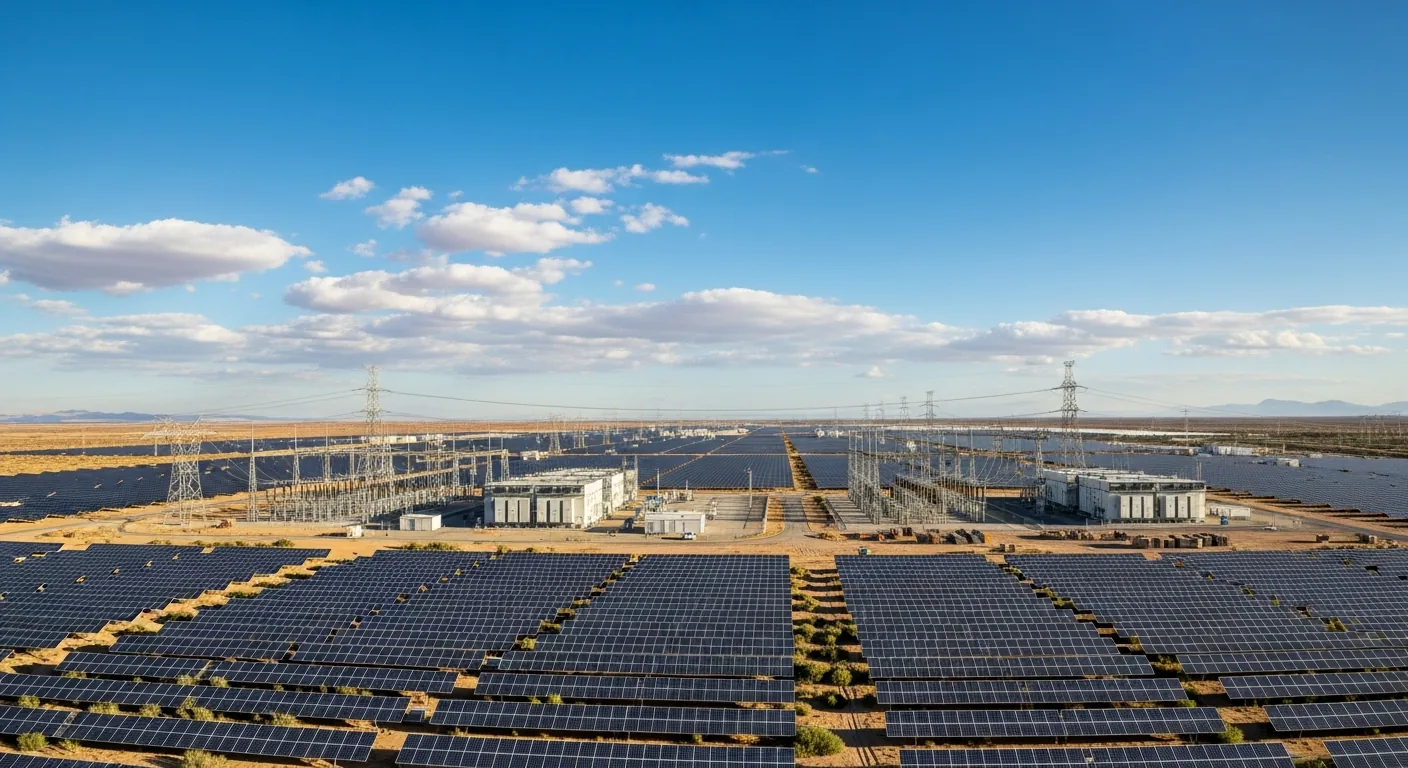
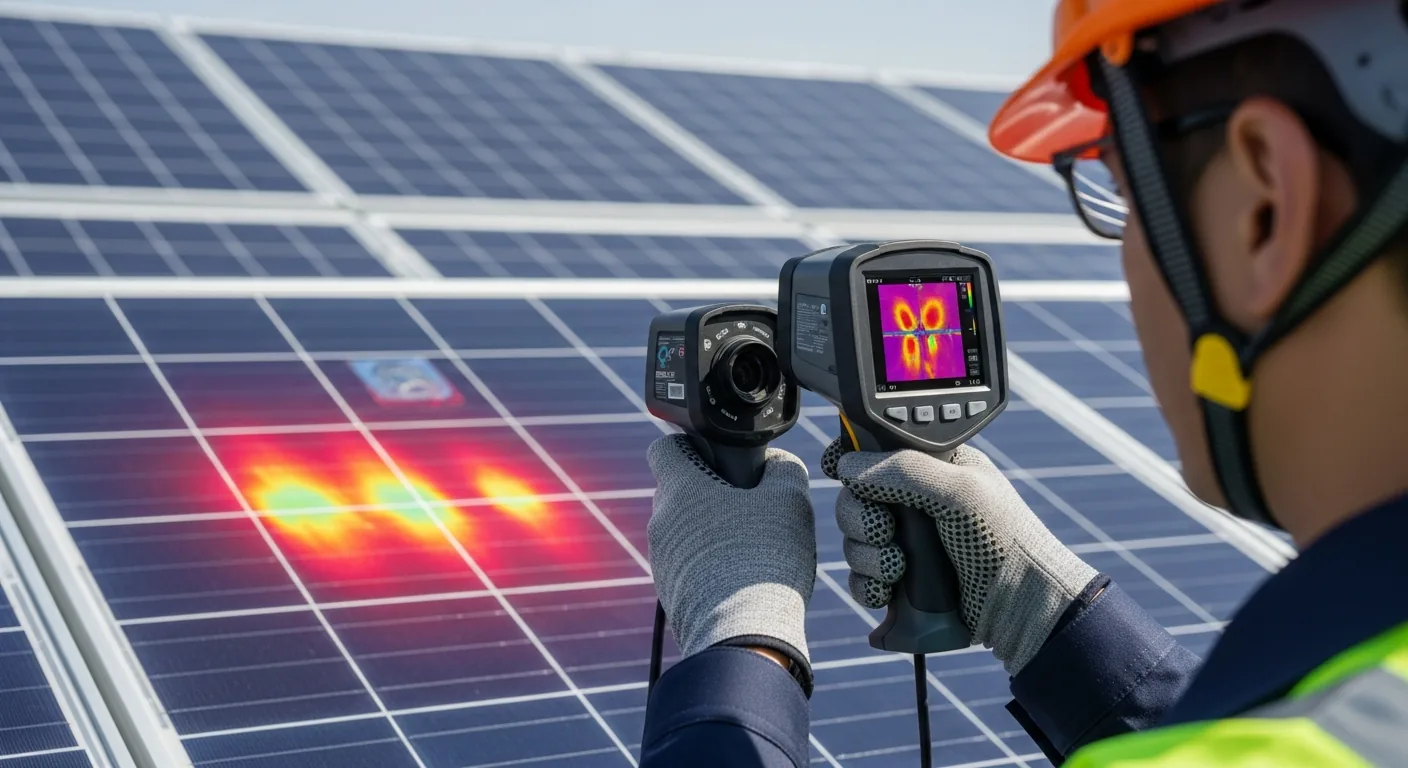
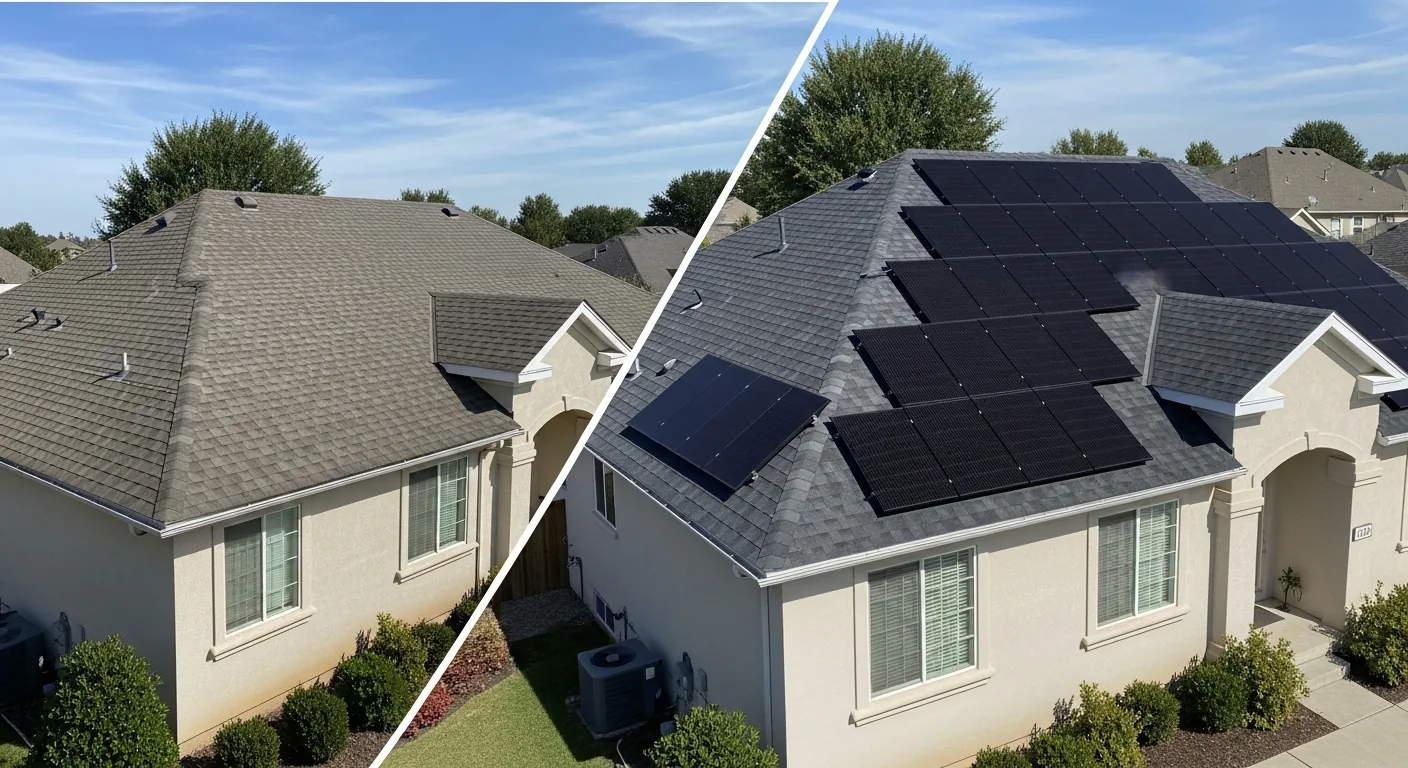
Solar panel installation has become the fastest-growing segment of the U.S. energy market, with residential installations exceeding 1 million homes annually. The average system costs $15,000 to $35,000 before the 30% federal tax credit, delivering 25-30 years of clean energy and typical payback periods of 6-10 years. This comprehensive photo gallery documents every aspect of solar installation — from aerial views of completed rooftop arrays to the technical details of micro-inverters, battery storage, and thermal inspection.
Solar Panel Installation Photo Gallery

The Solar Installation Process
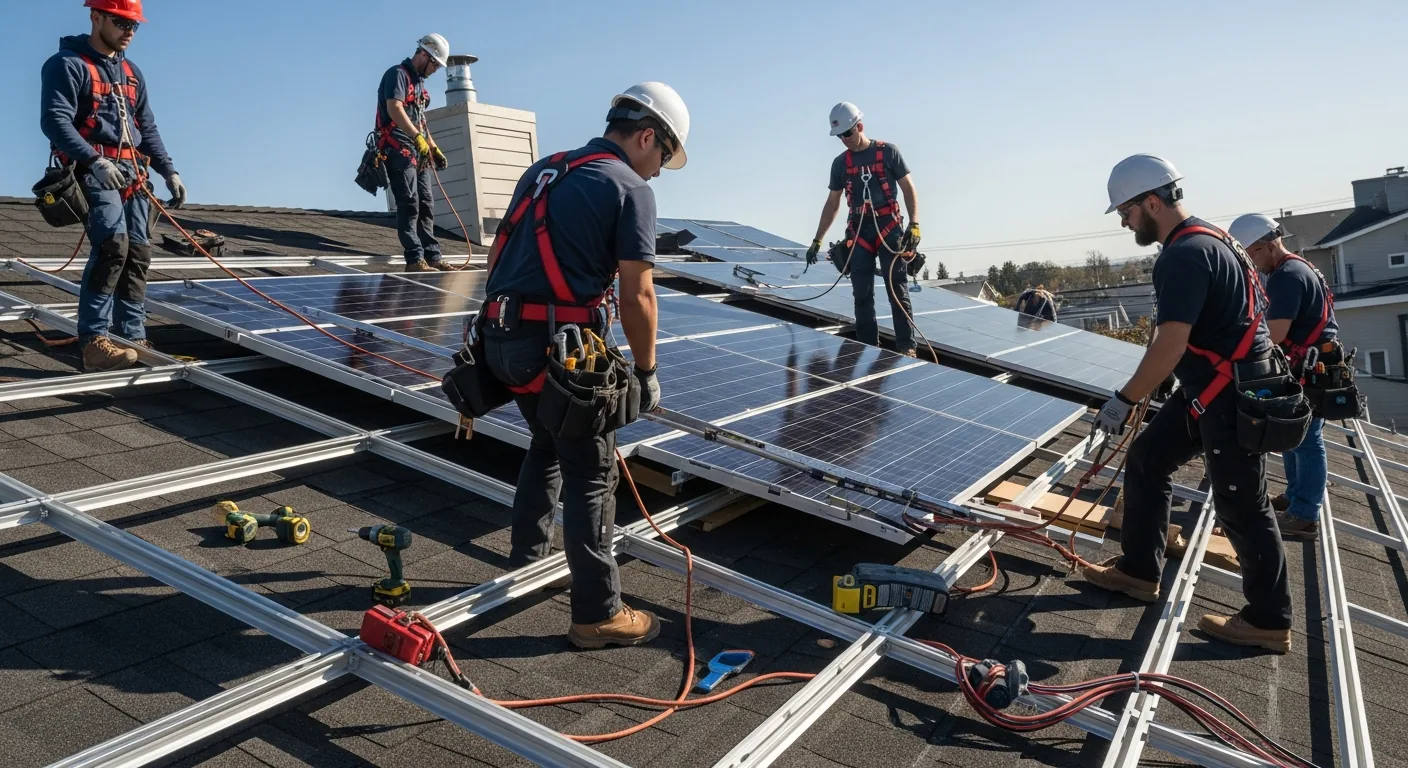
A professional solar installation follows a structured process: site assessment evaluates roof orientation, pitch, shading, and structural capacity; system design determines optimal panel placement using satellite imagery and shade analysis tools like Aurora Solar; permitting secures local building and electrical permits (typically 2-6 weeks); installation involves mounting racking systems, securing panels, running conduit, and connecting inverters (1-3 days); inspection by local building officials verifies code compliance; and interconnection with the utility company activates net metering and powers on the system. The total timeline from contract to activation averages 2-4 months.
Solar Technology: Panels, Inverters, and Battery Storage
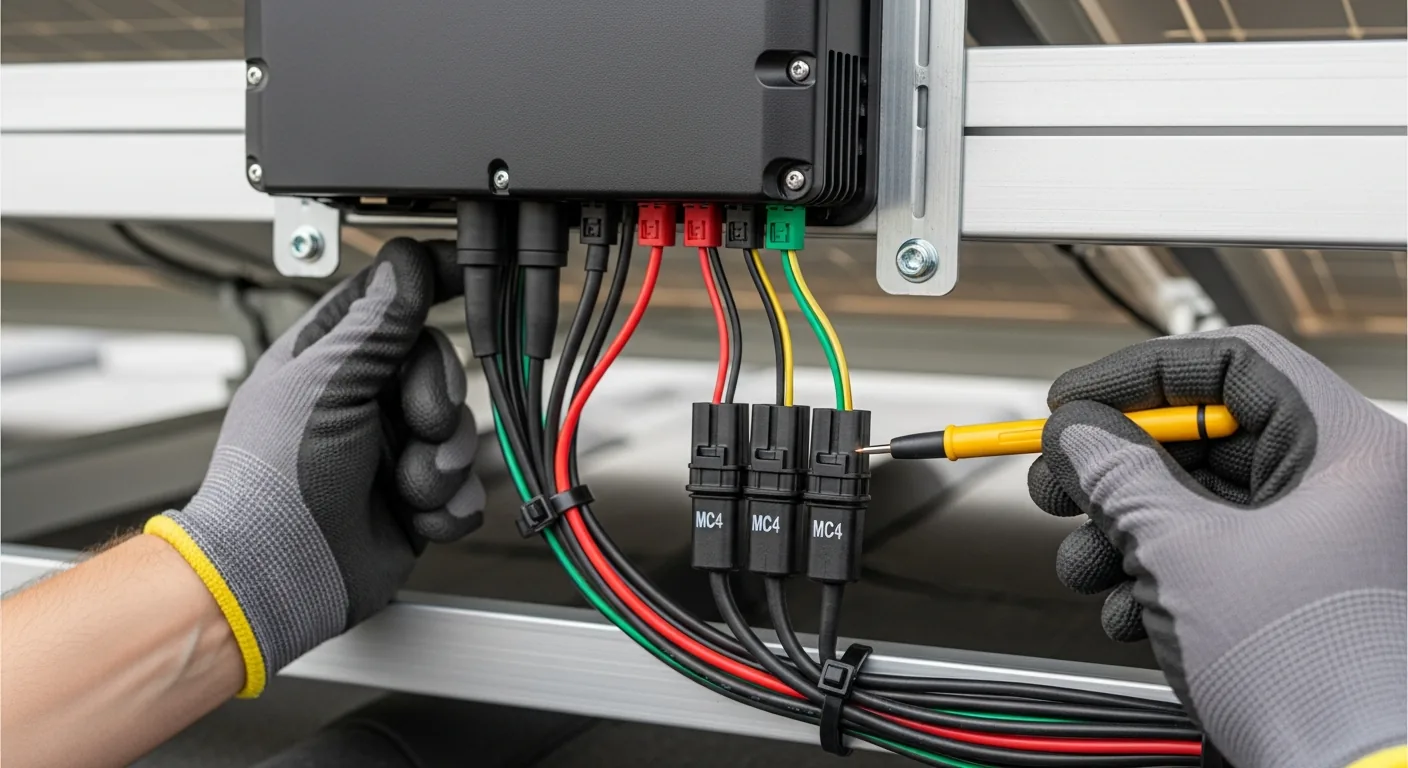
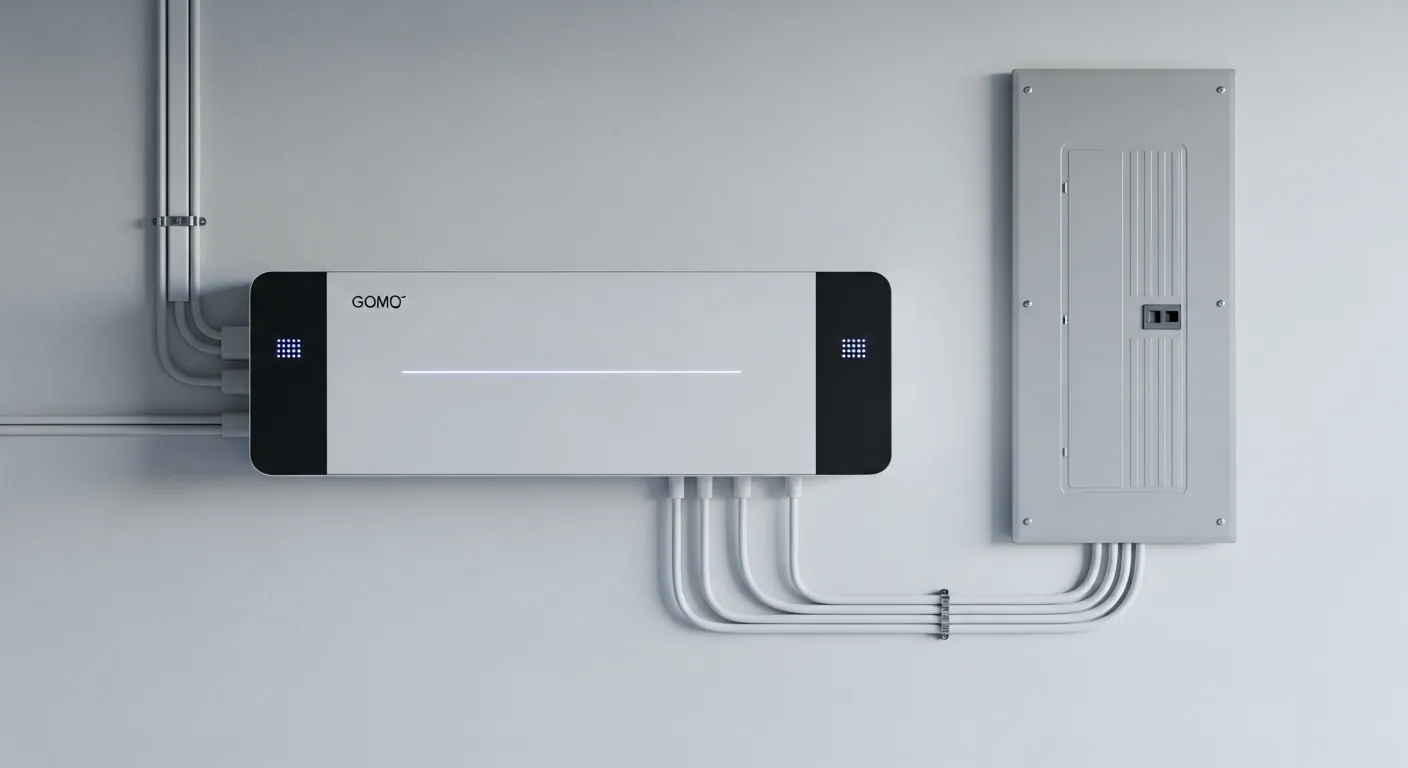
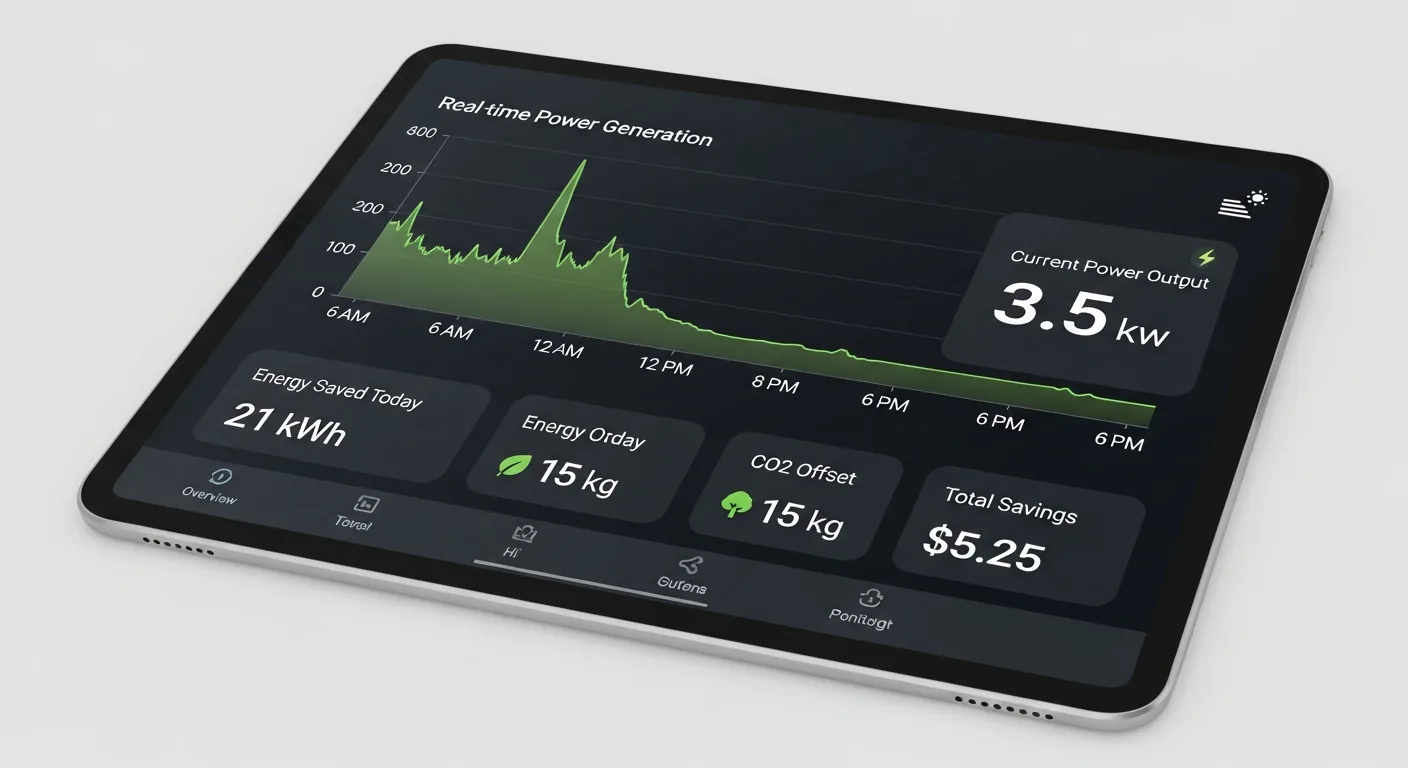
Modern residential solar systems use monocrystalline silicon panels with efficiencies of 20-23%, producing 370-430 watts per panel. Inverter technology has evolved from single string inverters to microinverters (one per panel) and DC optimizers, which maximize output and enable panel-level monitoring. Battery storage systems like the Tesla Powerwall (13.5 kWh), Enphase IQ Battery (10.1 kWh), and Franklin WH (13.6 kWh) provide backup power and enable time-of-use arbitrage. The combination of solar panels and battery storage enables true energy independence — generating, storing, and consuming your own electricity 24/7.
Frequently Asked Questions About Solar Installation
How much do solar panels cost to install?
The average residential solar installation costs $15,000 to $35,000 before incentives, depending on system size and equipment quality. The federal Investment Tax Credit (ITC) reduces this by 30%, bringing net costs to $10,500-$24,500. Cost per watt installed ranges from $2.50 to $4.00. Premium panel brands like SunPower and REC command higher prices but offer superior warranties and efficiency.
How long does solar panel installation take?
Physical installation typically takes 1-3 days for a standard residential system. However, the complete process from signed contract to system activation — including engineering review, permitting, installation, inspection, and utility interconnection — takes 2-4 months in most markets. Permitting timelines vary significantly by jurisdiction.
Do solar panels work on cloudy days?
Yes. Solar panels generate electricity under cloud cover at 10-25% of rated capacity. Modern panels with half-cut cell technology and PERC (Passivated Emitter and Rear Contact) architecture perform significantly better in diffuse light than older poly-crystalline panels. Germany, one of the cloudiest countries in Europe, is also one of the world’s largest solar markets — proving that solar works effectively in less-than-ideal conditions.
How long do solar panels last?
Modern solar panels carry 25-30 year performance warranties guaranteeing at least 80-85% of original output at warranty end. Studies from NREL show most panels degrade at only 0.3-0.5% per year, meaning a panel producing 400W today will still produce 340-360W after 30 years. Panels continue generating power well beyond their warranty period. String inverters typically need replacement at 10-15 years ($1,500-$3,000), while microinverters carry 25-year warranties matching the panels.