By Will Tygart
· Practitioner-grade
· From the workbench
What Is a Competitor Pivot Cluster?
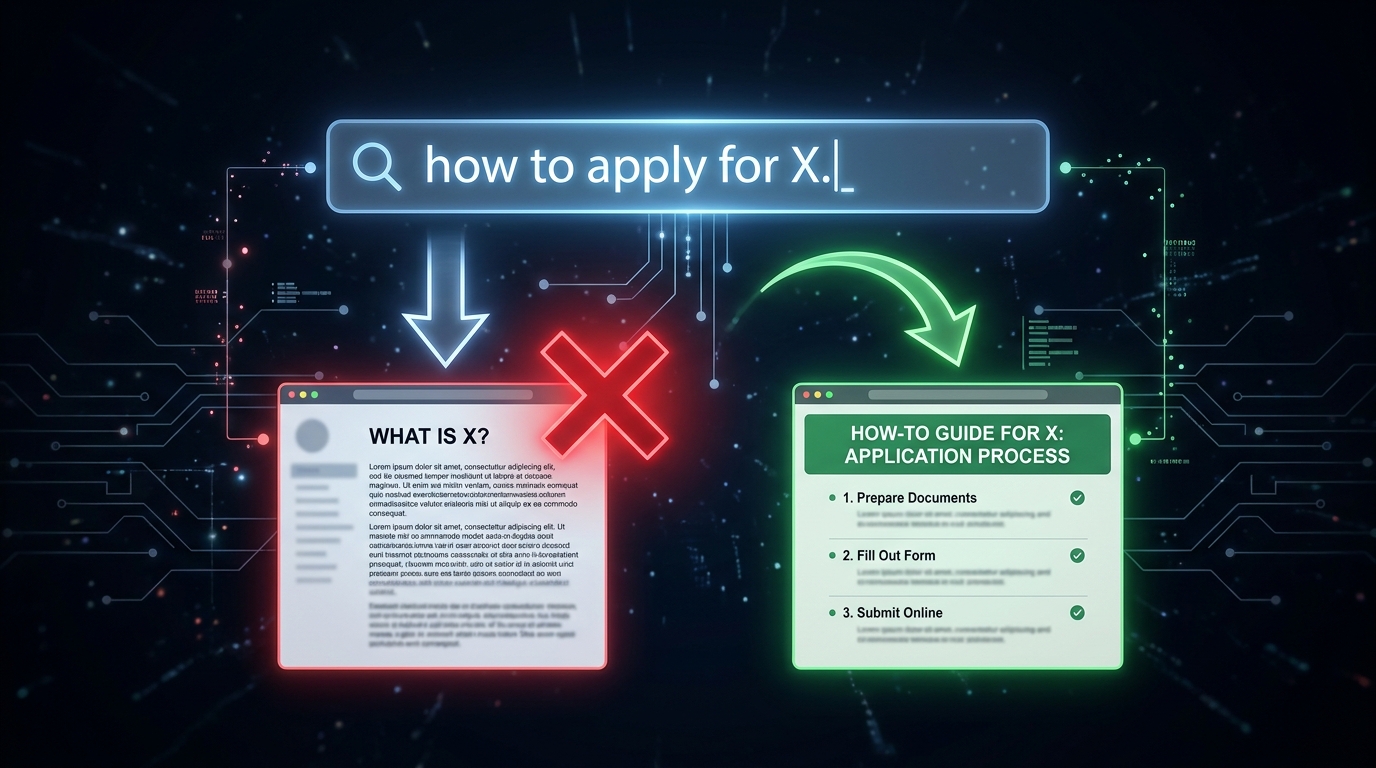
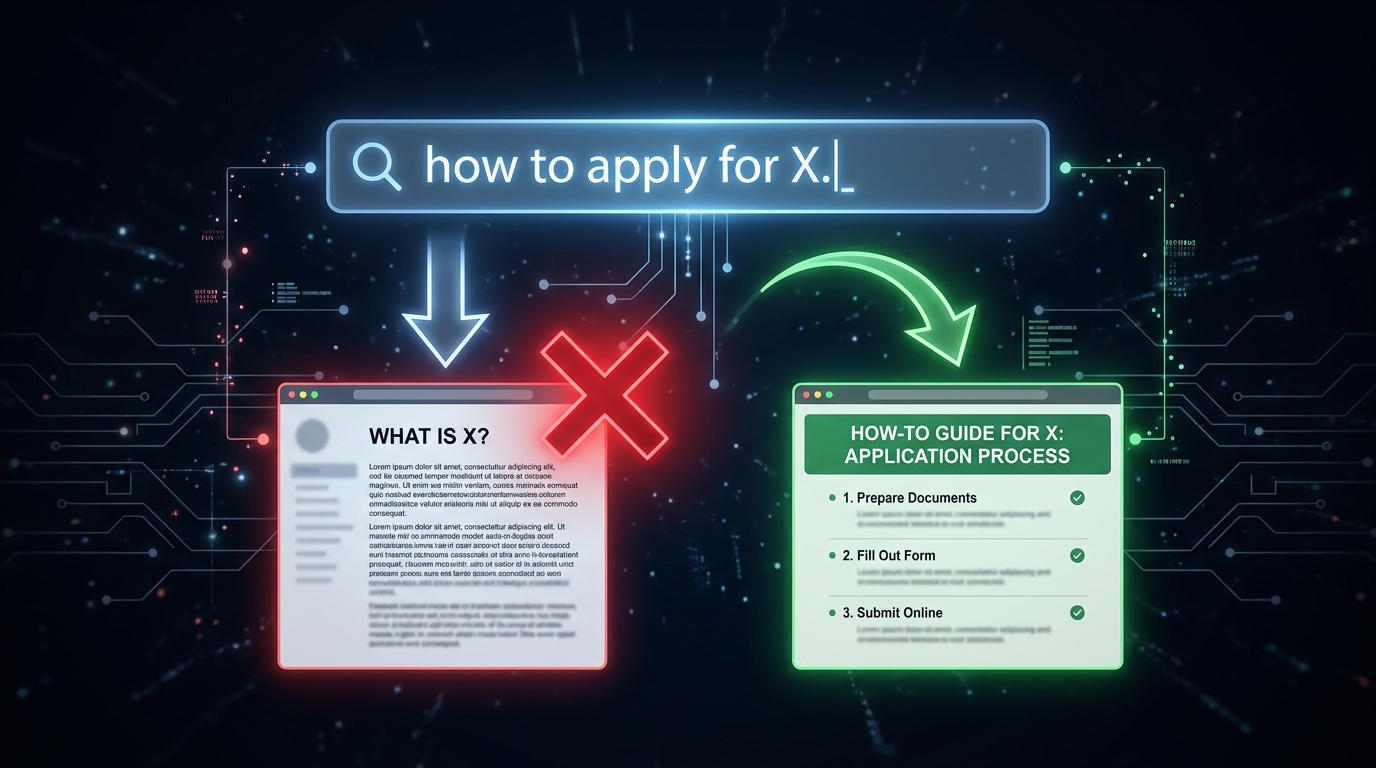
A Competitor Pivot Cluster uses a competitor’s high-ranking page as a strategic brief — analyzing what it ranks for, where its content is thin, what questions it doesn’t answer, and what audience segments it ignores — then building a 5-article cluster for your site that targets all of it. The competitor did the keyword research. You do the better content.
The highest-confidence content strategy isn’t guessing what people search for — it’s looking at what already ranks and identifying where the gap is. A competitor page ranking #3 for a valuable keyword is proof the audience exists. Your job is to outflank it on depth, entity coverage, and answer completeness.
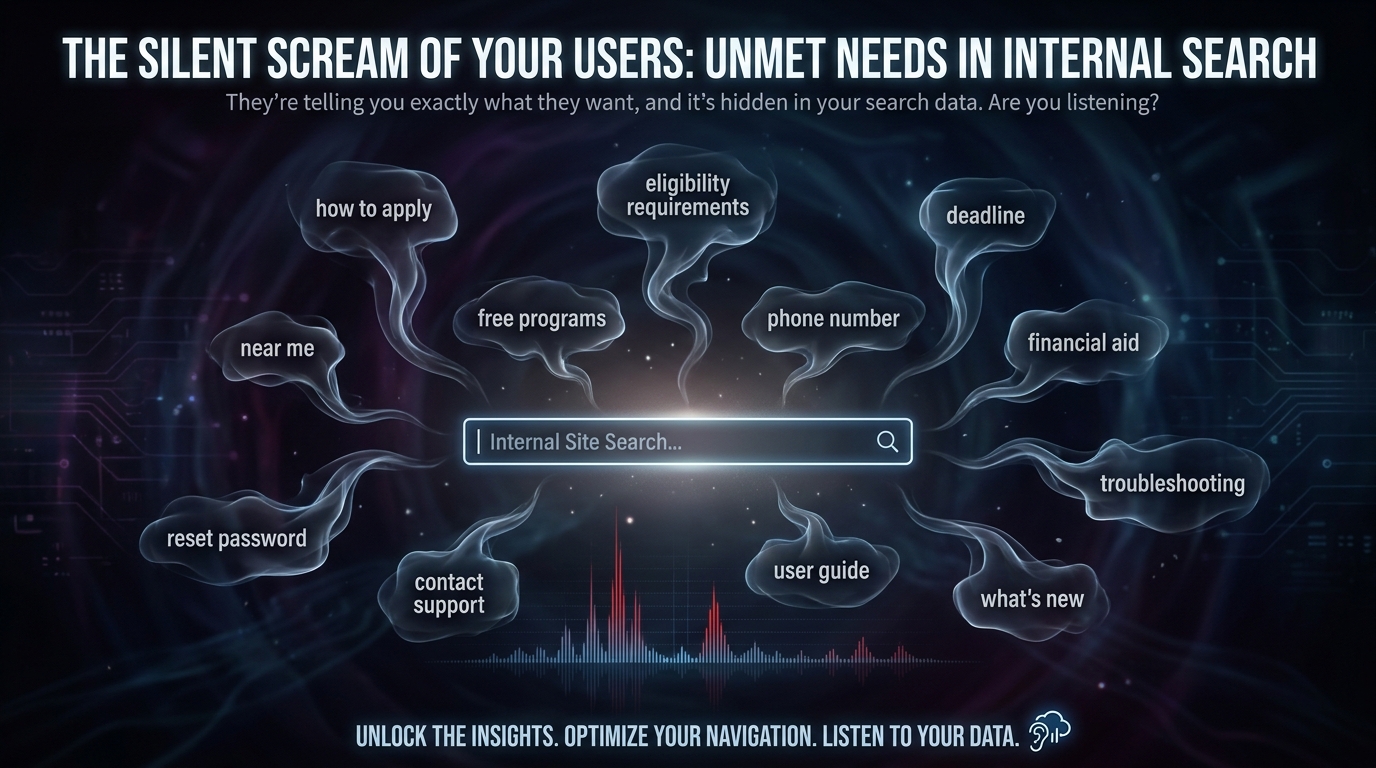
We built a skill for this. It pulls the competitor URL, runs it through content analysis, identifies the keyword clusters it’s capturing, maps the questions it’s not answering, and produces a 5-article cluster that covers the territory more completely. Every article in the cluster targets a specific gap or audience segment the competitor missed.
Who This Is For
WordPress site operators who’ve identified a competitor page ranking for keywords they want to capture — and want a structured, research-backed content strategy built around it rather than a single article that tries to do everything.
What the Cluster Produces
- Competitor URL analysis — Keyword clusters, entity coverage, content gaps, unanswered questions, and audience segments ignored
- 5 article outlines — Each targeting a specific gap: one primary pivot article + 4 supporting pieces covering angles the competitor missed
- Full article writing — All 5 articles written with AEO/GEO optimization, FAQPage schema, and speakable blocks
- Internal link architecture — Hub-and-spoke linking structure connecting all 5 pieces and pointing to your existing authority pages
- WordPress publish — All 5 articles published as drafts to your WordPress site via REST API
What We Deliver
| Item |
Included |
| Competitor URL gap analysis report |
✅ |
| 5-article cluster with topic + angle mapping |
✅ |
| Full article writing (5 pieces, 800–1,500 words each) |
✅ |
| AEO/GEO optimization on all 5 articles |
✅ |
| FAQPage + Article schema on all 5 |
✅ |
| Internal link architecture |
✅ |
| WordPress draft publish via REST API |
✅ |
Have a Competitor Page You Want to Outflank?
Send the competitor URL and your site URL. We’ll pull the gap analysis and show you the 5-article cluster strategy before you commit.
→ will@tygartmedia.com
Email only. No commitment to reply.
Frequently Asked Questions
What makes this different from just writing 5 articles on the same topic?
The gap analysis structures the cluster around specific weaknesses in the competitor’s content — unanswered questions, missing audience segments, thin entity coverage. Each article has a reason to exist that’s grounded in what the competitor doesn’t cover, not just what we feel like writing about.
Can you pivot off multiple competitor URLs?
Yes — we can run the analysis against 2–3 competitor URLs and build a unified cluster that targets the combined gap landscape. This works well when there are 2–3 dominant players in a niche, each strong on different subtopics.
Does the cluster target the same keyword as the competitor?
The primary pivot article targets the same or closely related keyword. The 4 supporting articles target long-tail variations and related queries the competitor either ranks weakly for or misses entirely.
Last updated: April 2026