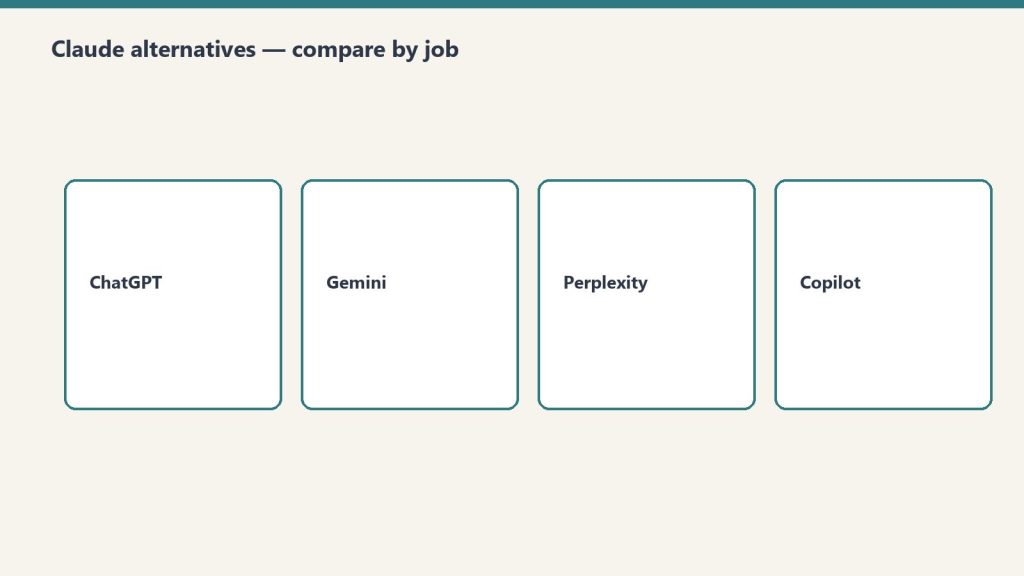
Tag: AI search traffic

  • The 2026 Indexing Paradox: When Google Search Console Says Zero But Your Traffic Says Otherwise

    The 2026 Indexing Paradox: When Google Search Console Says Zero But Your Traffic Says Otherwise

    What Is the Indexing Paradox?
    The 2026 Indexing Paradox describes a growing disconnect between what Google Search Console reports about your site’s indexing and what actually shows up in your first-party GA4 traffic data. As this tygartmedia.com case study shows, a site can appear to have zero indexed pages in GSC while simultaneously receiving hundreds of organic search sessions per day—plus a massive wave of AI-referred traffic that doesn’t register as search at all.

    In mid-May 2026, a routine Google Analytics query returned a striking number: 925 sessions on a single day. Peak traffic for the year. The same query to Google Search Console showed something else entirely: zero pages indexed.

    Both reports were looking at the same site. Both were generated by Google tools. And they were telling completely different stories.

    This is not a tygartmedia.com-specific glitch. It’s a signal about the state of SEO measurement in 2026—and what it means for every site owner who has been trusting Search Console as their indexing north star.

    Part 1: The GSC Bug — 11 Months of Bad Data
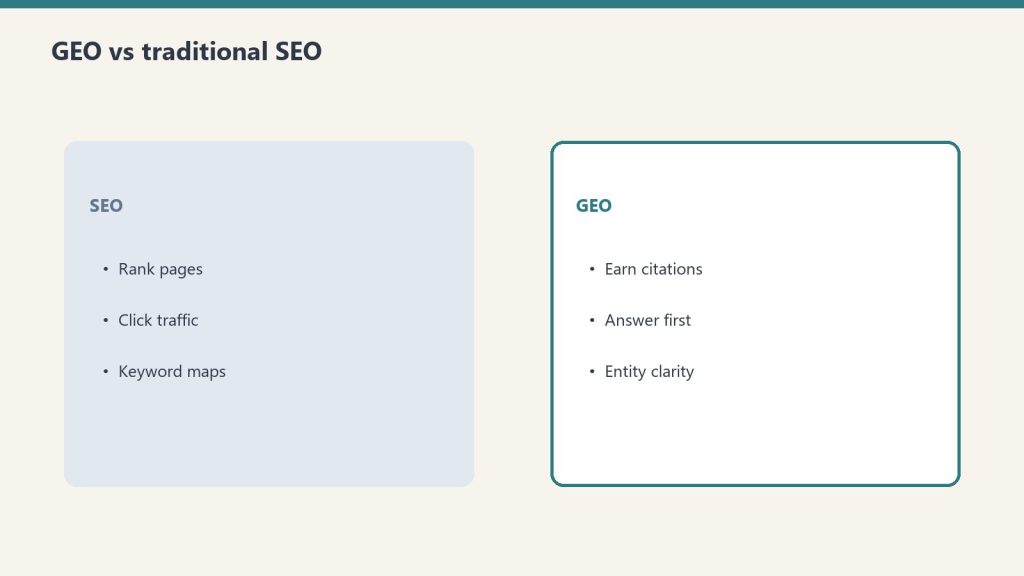
    The first piece of the paradox has a confirmed, documented cause.

    On April 3, 2026, Google officially acknowledged a logging error in Search Console that had been silently inflating impression data across the web since May 13, 2025. For nearly 11 months, GSC was over-reporting impressions—the number of times your pages appeared in Google search results. The fix rolled out progressively through April 2026, completing around April 27.

    The correction produced exactly what you’d expect: charts that looked like a cliff. Sites that had been showing thousands of impressions suddenly showed hundreds. Sites showing hundreds showed near-zero. For tygartmedia.com, the April 23 date lines up precisely with when this correction hit hardest in the analytics record—the date the GA4 AI assistant flagged as the origin of the apparent “Ghost Drop.”

    Here’s what matters most: Google confirmed this bug affected impressions only. Clicks were not affected. The fix corrected a reporting error—it did not change how Google was actually crawling, indexing, or serving the site’s pages to users. The search engine was functioning correctly throughout. The dashboard was lying.

    The practical implication for any data work involving GSC: any impression-based metric from May 13, 2025 through April 27, 2026 is unreliable. Click data from that period is clean. If you’ve been benchmarking CTR, average position, or impression trends against that 11-month window, you need to annotate or exclude it.

    But the GSC bug only explains part of what tygartmedia.com’s data shows. The more interesting piece is what happened after the fix—and what the GA4 data reveals about where the traffic is actually coming from.

    Part 2: The GA4 Reality Check

    While GSC was reporting zero indexed pages through May 2026, GA4 was recording something very different. The numbers below come directly from the tygartmedia.com GA4 property, pulled May 14, 2026:

    Week of May 10–14 vs. week of May 3–7:

    • Total sessions: 3,436 — up 42.1% week over week
    • Active users: 3,031 — up 34.5%
    • Event count: 10,759 — up 33.6%
    • Peak single day: 925 sessions on May 13, 2026

    Organic search (May 1–14): 1,019 sessions — a 41.9% increase over the previous 14-day period. Over 50 unique landing pages drove organic sessions during this period. If the site had zero indexed pages, this number would be zero. It is not zero. The site is indexed. The dashboard is wrong.

    Top organic landing pages during this period included /claude-ai-pricing/ (139 sessions), /claude-team-plan-usage-limits/ (72 sessions), and /anthropic-console/ (30 sessions)—a mix of evergreen technical content and recently published guides. Google is crawling, indexing, and serving these pages to users every day. GSC’s aggregate index count is simply not reflecting it.

    The GA4 AI assistant’s analysis confirms: if you need to verify indexing status, use the URL Inspection Tool in GSC on specific pages rather than relying on the aggregate index count report. The aggregate is a lagging, bug-prone metric. The URL Inspection Tool queries Google’s live index directly.

    Part 3: The Traffic You’re Not Seeing — AI Attribution in GA4
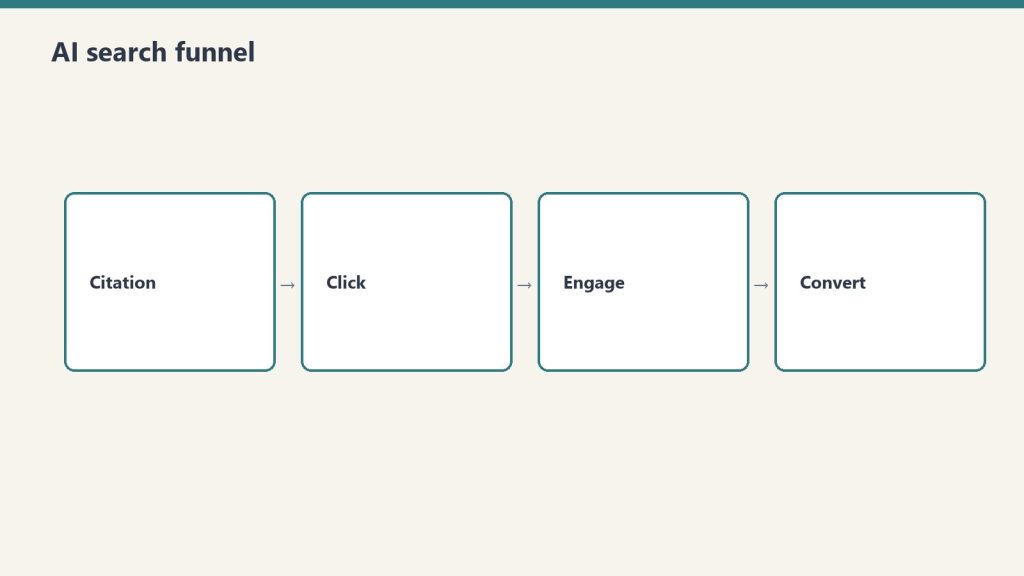
    The organic search growth is real and documented. But it’s not the most striking finding in the tygartmedia.com data. That honor goes to direct traffic.

    From May 1–14, 2026, direct sessions hit 5,448—a 291% increase over late April. This is not bookmarks and typed URLs growing 3x in two weeks. Something else is happening.

    The explanation lies in how AI search tools pass (or don’t pass) referral data to analytics platforms. When a user finds a link through ChatGPT, Google AI Overviews, Claude, or Perplexity and clicks through to your site, that session needs an HTTP referrer to be attributed correctly in GA4. Many AI platforms do not pass referrer headers—either by design, privacy policy, or architectural decision.

    The result: AI-referred traffic lands in GA4 as “Direct” or “Unassigned.” Independent research published in April 2026 found that approximately 70% of AI referral traffic arrives with no HTTP referrer, invisible to standard GA4 channel attribution. Roughly one in three AI search sessions lands in the “Unassigned” bucket.

    Platform-specific behavior varies. Perplexity Comet passes referrer data, so sessions from Perplexity show up correctly as perplexity.ai / referral in GA4. ChatGPT Atlas does not pass referrers consistently, so ChatGPT-referred sessions tend to appear as Direct. Google’s own AI Overviews can suppress traditional organic attribution even when the user clicks a result—the session may land as Direct rather than Organic Search.

    The tygartmedia.com content profile makes this particularly visible. The top organic landing pages—claude pricing, Claude model comparisons, Anthropic product guides—are exactly the kinds of pages that AI assistants cite when users ask about AI tools. A user asking ChatGPT “how much does Claude cost?” who then clicks the cited source is not going to show up in GA4 as a ChatGPT referral. They’ll show up as Direct.

    The 291% surge in direct traffic in early May 2026—combined with the desktop/Chrome/Edge device profile that the GA4 AI assistant flagged—is consistent with AI-referred traffic at scale. Desktop Chrome and Edge are the primary environments where browser-integrated AI sidebars (Copilot in Edge, Gemini in Chrome) run. These are not human visitors typing tygartmedia.com from memory. They are users following AI-surfaced links.

    Part 4: The Geographic Signal

    One data point in the GA4 report deserves specific attention: Singapore (+272 users) and China (+75 users) were the top geographic contributors to the May traffic surge.

    tygartmedia.com is a U.S.-based site covering local Pacific Northwest content alongside AI and tech analysis. Organic growth from Singapore and China does not fit a local news readership pattern. It does fit an AI bot crawling pattern—and it fits the profile of AI-forward tech audiences in Southeast Asia where Perplexity, ChatGPT, and other AI search tools have seen rapid adoption.

    The tygartmedia.com content that’s performing—Claude API access, model comparisons, Anthropic product guides—is globally relevant to anyone building with or researching Anthropic’s products. The Singapore/China traffic surge likely represents a combination of AI crawler activity and human readers in AI-intensive markets finding the content via AI search surfaces.

    There is also a published API guide in the GA4 data: /claude-api-access-singapore-china-2026/—a page specifically about Claude API access for users in Singapore and China. That page is appearing in organic search results, which partly explains the geographic signal.

    Part 5: What This Means for SEO in 2026

    The tygartmedia.com data is not an anomaly. It’s an early, clearly documented example of a measurement problem that every content site is going to face as AI search adoption grows.

    The old measurement model assumed three things: Google Search Console tells you what’s indexed, organic search traffic in GA4 tells you what Google is sending, and direct traffic is mostly returning visitors. In 2026, all three assumptions are breaking down simultaneously.

    GSC’s aggregate index report is lagging and bug-prone—as April 2026 proved definitively. First-party GA4 data is more reliable for actual traffic reality. Organic search in GA4 understates AI-referred traffic because AI platforms suppress referrer headers. Direct traffic is increasingly a proxy for AI search attribution, not just brand recall.

    The practical responses:

    Trust GA4 over GSC for indexing health. Use the URL Inspection Tool in GSC for specific page verification. Do not use the aggregate index count chart for trend analysis—it’s too slow and too error-prone. If your GA4 shows organic traffic from a page, that page is indexed.

    Build an AI traffic channel in GA4. Create a custom channel group with a regex rule capturing known AI referral sources: chatgpt\.com|chat\.openai\.com|perplexity\.ai|claude\.ai|gemini\.google\.com|bing\.com/search (for Copilot). Place this rule above the default “Referral” rule in your channel groupings. This won’t capture all AI traffic, but it will make the attributable portion visible.

    Watch direct traffic as a proxy metric. A sustained, unexplained surge in direct traffic—especially on desktop Chrome and Edge, especially from tech-forward geographies—is likely AI-referred traffic. Treat it as a signal of AI citation activity, not just brand recall.

    Annotate the GSC bug window. Mark May 13, 2025 through April 27, 2026 in any GSC-based reporting. Impression, CTR, and average position data from that window is unreliable. Click data from that window is clean.

    Focus on content that AI cites. The top organic and direct landing pages on tygartmedia.com share a pattern: specific, factual, verifiable answers to questions AI users are asking. Claude pricing. Team plan limits. How to install Claude Code. These are Generative Engine Optimization (GEO) wins—content that AI models surface when users ask the question. That traffic shows up in organic search, direct, and unassigned simultaneously, which is why raw organic session counts understate the real impact.

    The Verdict: Your Dashboard Is Behind Your Reality

    The tygartmedia.com Indexing Paradox is not a mystery. It’s the result of two documented phenomena arriving simultaneously: a year-long GSC impression bug that corrected itself in April 2026, and a structural GA4 attribution gap that misclassifies AI-referred traffic as direct.

    The site is not broken. GSC’s reporting is. The search engine is working. The dashboard is not. GA4’s first-party event data is the ground truth—and it shows a site gaining momentum, not losing it.

    The broader lesson for any site owner watching GSC with alarm in 2026: the tools that were designed to measure search visibility were built for a world where search was blue links, referrers were passed cleanly, and impression data was reliable. That world is changing faster than the tools.

    The sites that navigate this well will be the ones that build measurement architectures around first-party behavioral data, create custom attribution for AI traffic sources, and stop treating Search Console as the final word on indexing health. It no longer is.

    Key Takeaway

    In 2026, Google Search Console’s aggregate index count is not a reliable indicator of site health. First-party GA4 data is. The April 2026 GSC bug correction and the rise of AI search traffic that suppresses referrer headers have decoupled GSC reporting from actual search visibility. Trust your event data, build AI traffic attribution into GA4, and stop relying on impression trend lines that spent 11 months inflated with bad data.

    Frequently Asked Questions

    What was the Google Search Console bug in April 2026?

    Google officially confirmed on April 3, 2026 that a logging error had been inflating impression counts in Search Console since May 13, 2025—nearly 11 months. The fix rolled out through April 27, 2026. The correction only affected impressions, CTR, and average position; click data was not impacted. After the fix, many sites saw their GSC impression charts drop sharply, creating the appearance of a traffic crisis that did not actually exist.

    If GSC shows zero indexed pages, does that mean my site is de-indexed?

    Not necessarily—and probably not. The aggregate “Page Indexing” report in GSC is a lagging, aggregated metric that has demonstrated significant reporting bugs in 2025–2026. The definitive test is the URL Inspection Tool: paste a specific page URL into the search bar in GSC and check whether it returns “URL is on Google.” If it does, that page is indexed. If your GA4 shows organic traffic from a page, that page is indexed—Google cannot send organic traffic to a page it has not indexed.

    Why does AI traffic from ChatGPT or Perplexity show up as Direct in GA4?

    Most AI platforms do not pass HTTP referrer headers when users click links in AI-generated responses. Without a referrer, GA4’s default classification is Direct. Research from 2026 found approximately 70% of AI-referred sessions arrive with no referrer, making them invisible to standard channel attribution. Perplexity passes referrer data more consistently than ChatGPT; Google AI Overviews behavior varies. To capture attributable AI traffic, create a custom channel group in GA4 with regex matching known AI source domains.

    How do I tell if my direct traffic spike is AI-referred or genuine brand recall?

    Look at the device and browser composition. Genuine brand recall (typed URLs, bookmarks) distributes across device types including mobile. AI-referred traffic skews heavily toward desktop Chrome and Edge because those are the primary environments for browser-integrated AI assistants and AI search tools. Geographic concentration in tech-forward markets (Singapore, India, major U.S. metro areas) without a corresponding social or campaign trigger also suggests AI-referred traffic. A sudden, unexplained surge without a matching campaign or social event is your strongest signal.

    Should I stop using Google Search Console?

    No. GSC remains useful for diagnosing specific page indexing issues via the URL Inspection Tool, monitoring crawl errors, reviewing manual actions, and tracking click data (which was not affected by the April 2026 bug). What you should stop doing: using GSC’s aggregate impression trends or page indexing count charts as your primary measure of site health. Use GA4 first-party event data for traffic health, and use GSC’s URL-level tools for specific indexing questions.

    What content performs best in AI search in 2026?

    Based on the tygartmedia.com data, the content that drives the strongest AI-referred performance is specific, factual, and answers a precise question: pricing guides, feature comparisons, product how-tos, and policy explainers. These are the pages AI models surface when users ask direct questions. Content optimized for AEO (Answer Engine Optimization) and GEO (Generative Engine Optimization)—structured with clear definitions, FAQ sections, and verifiable specifics—generates the AI citation activity that shows up as direct and organic traffic simultaneously.
  • Claude Sent Us 63 Readers Last Month: The First Measurable AI-Referral Channel for Publishers

    Claude Sent Us 63 Readers Last Month: The First Measurable AI-Referral Channel for Publishers

    Short version: In the last 29 days, Claude, ChatGPT, Perplexity, Microsoft Copilot, Gemini, NotebookLM, and Kagi collectively sent at least 94 new readers to tygartmedia.com — a site whose #1 content vertical is explaining Claude. AI assistants are now our #4 traffic source, ahead of Facebook, ahead of LinkedIn, ahead of every search engine except Google and Bing. The product is citing the publication that covers the product. That’s the loop. Here is what it looks like when you can actually measure it.

    The finding that made me stop scrolling

    I built a Claude-powered browser agent to poke around our GA4 account and surface “interesting stuff” a human analyst would miss. One of the first things it flagged was our Source/Medium report. Here is the top of the list, unedited:

    RankSource / MediumNew Users (29 days)Notes
    1(direct) / (none)738Mystery bucket
    2google / organic289Standard Google SEO
    3bing / organic701m 20s average session — high intent
    4claude.ai / referral63Claude itself
    5m.facebook.com43Mostly 4-second bounces
    6duckduckgo / organic411m 02s average
    13chatgpt.com / referral9ChatGPT
    15perplexity.ai / referral5Perplexity
    21copilot.com3Microsoft Copilot
    24gemini.google.com2Google Gemini
    28notebooklm.google.com1Google NotebookLM
    35kagi.com1Kagi AI results

    Add up everything with an AI-assistant referrer and the combined count is at least 94 new users in 29 days — roughly 6.7% of all new users on the site. Claude alone, at 63 referred users, is our #4 traffic source. It is ahead of Facebook. It is ahead of LinkedIn. It is ahead of every search engine except Google and Bing. And we have been cited, at least once, by every major AI surface in the English-speaking internet: Claude, ChatGPT, Perplexity, Microsoft Copilot, Gemini, NotebookLM, and Kagi.

    Why this is different from “we show up in Google”

    Generative Engine Optimization (GEO) is the practice of structuring content so that large language models cite it as a source inside their answers. It is the younger, messier cousin of SEO. Most publishers cannot yet prove it is working. The feedback loop is long, the data is hidden inside a chat window, and the traffic that does leak through often lands in a “(direct)” bucket with no attribution at all.

    We can see ours. GA4, for reasons that are probably accidental, already records claude.ai, chatgpt.com, perplexity.ai, copilot.com, gemini.google.com, notebooklm.google.com, and kagi.com as discrete referral sources when a user clicks a citation link. That means AI-assistant traffic is measurable as a first-class channel right now, today, with the free version of Google Analytics, on any site that happens to get cited.

    The poetic layer of what we are looking at: Claude is the top AI referrer to a website whose #1 content vertical is explaining Claude. The product is sending readers to the publication that covers the product. If that is not a GEO moat, I do not know what one looks like.

    These are not bounced visitors. They are readers.

    The single biggest worry with any new traffic source is that it might be garbage — bots, previews, accidental clicks. The engagement data says the opposite. Users arriving from claude.ai spend 23 seconds on average and produce 0.56 engaged sessions per user. ChatGPT referrals average 21 seconds and 0.44 engaged sessions per user. For context, the site-wide average engagement time is dragged down hard by in-app social browsers; the Facebook mobile webview, for example, sits at about 14 seconds with 4-second bounces.

    People arriving from an AI assistant are not scrolling past. They clicked the citation because the AI told them this was the primary source, and when they got here they read. That is a qualitatively different kind of traffic than Facebook or a random Google search. These are the highest-intent non-search users we have.

    The secondary finding: Seattle is reading for three minutes

    The same GA4 pass surfaced a city-level pattern we were not expecting. Seattle readers — 61 of them in 29 days — spent an average of 3 minutes and 6 seconds on site at a 61.3% engagement rate. The site-wide average session is roughly 40 seconds. Seattle readers are spending about 4–5x longer on the page than the typical visitor, at nearly twice the engagement rate.

    CityActive UsersEngagement RateAverage Time
    Seattle6161.3%3m 06s
    The Dalles, OR310%1s
    Shelton, WA2627.6%15s
    Des Moines2437.5%10s
    Beijing316.5%0s
    Singapore2821.4%5s

    A few things jump out. The Dalles, Oregon at 31 users / 0% engagement / 1 second is almost certainly Google’s data center there returning preview requests — ignore it. Shelton, Washington is a real Mason County hyperlocal beachhead; 26 actual humans in our home county in 29 days is a legitimate foothold for the local desk. Beijing at 31 users / 0 seconds has the classic signature of cloud-hosted scrapers. And Seattle at 3 minutes is the single most valuable city in our data and it is not close.

    The browser split confirms an unusually technical audience

    BrowserUsersEngagement Rate
    Chrome850 (60%)31.3%
    Safari232 (16%)32.7%
    Edge99 (7%)62.3%
    Firefox33 (2.3%)60.5%

    Edge at 62.3% engagement and Firefox at 60.5% engagement are not normal consumer numbers. A typical general-interest site sees those two browsers hovering in the 5–15% range. Microsoft Edge is the default on corporate-managed Windows machines. Firefox is the dev-preferred privacy browser. The combination of high Edge engagement, high Firefox engagement, and a Claude-heavy referral list all point at the same audience: developers and technical professionals at real companies, reading on managed workstations.

    How to measure AI-assistant referrals in your own GA4

    If you publish anything technical and want to see your own version of this number, the fastest path is a custom GA4 exploration with one segment. Open GA4 → Explore → Free Form. Add a segment with this condition:

    Session source contains one of:
      claude.ai
      chatgpt.com
      perplexity.ai
      perplexity
      copilot.com
      gemini.google.com
      notebooklm.google.com
      kagi.com
      you.com
      phind.com

    Break it down by landing page, engagement rate, and average engagement time. That is your AI-Referral dashboard. Watch it weekly. A non-trivial number of sites will discover they already have measurable AI traffic and never bothered to look.

    Frequently asked questions

    What is a GEO referral?

    A GEO referral, or AI-assistant referral, is a visit to your site from a user who clicked a citation link inside an answer generated by a large language model such as Claude, ChatGPT, Perplexity, Microsoft Copilot, Gemini, NotebookLM, or Kagi. In Google Analytics 4 these visits appear as referral traffic from the assistant’s domain — for example claude.ai / referral or chatgpt.com / referral.

    How many AI-referred users did tygartmedia.com receive in 29 days?

    At least 94 new users across seven distinct AI assistants: 63 from Claude, 14 from ChatGPT (9 attributed + 5 unassigned), 10 from Perplexity (5 attributed + 5 unassigned), 3 from Microsoft Copilot, 2 from Gemini, 1 from NotebookLM, and 1 from Kagi. That is roughly 6.7% of all new users on the site for the period.

    Are AI-assistant referrals real readers or bots?

    Real readers. Average engagement time from claude.ai is 23 seconds and from chatgpt.com is 21 seconds, with engagement rates of 0.56 and 0.44 engaged sessions per user respectively. Those numbers are qualitatively higher than in-app social browser traffic (Facebook mobile webview averages about 14 seconds) and indicate a deliberate click-through from an AI citation, not a scraper.

    Can any publisher measure AI-assistant referrals in GA4?

    Yes. GA4 records visits from claude.ai, chatgpt.com, perplexity.ai, copilot.com, gemini.google.com, notebooklm.google.com, and kagi.com as discrete referral sources by default. Build a Free Form exploration with a segment that filters Session source on those domains and you will see the channel immediately if it exists for your site.

    What is GEO in marketing?

    GEO stands for Generative Engine Optimization. It is the practice of structuring web content, schema markup, and publishing signals so that large language models cite the content as a source inside AI-generated answers. GEO is to AI assistants what SEO is to search engines — the discipline of being the answer the machine hands to the reader.

    The loop, and why it matters

    The most interesting thing about this data is not the traffic. It is the feedback structure. Tygart Media publishes explainers about Claude. Claude crawls and cites those explainers. Readers click through from Claude’s answer back to tygartmedia.com. We publish more. Claude cites more. The site becomes, in effect, training data and a recommended source for the next iteration of the product it covers. That is the recursive loop that makes AI-native publishing a different business than search-era publishing.

    I do not think every site can build this loop. It requires a narrow, technically-defensible topic — something an AI assistant would rather cite than paraphrase — and the patience to publish at a cadence LLMs reward. What I do think is that any publisher can check, today, whether the loop has quietly started forming underneath them. Most have not bothered. This post is partly a flex and partly an invitation: go look.

    What happens next at Tygart Media

    Three things. We are standing up a permanent AI-Referral channel in our GA4 so the number can be watched weekly instead of rediscovered quarterly. We are writing the playbook — the one this post hints at — for publishers who want to do the same. And we are building the browser agent that found this in the first place into a repeatable audit any publisher can run against their own GA4 in an afternoon. If that last one sounds useful, the newsletter is the place to follow along.

    Claude sent us 63 readers last month. It will send more next month. We will be counting.

  • Claude, ChatGPT, and Perplexity Cite Totally Different Pages: The Per-Model AI Citation Playbook

    Claude, ChatGPT, and Perplexity Cite Totally Different Pages: The Per-Model AI Citation Playbook

    Part 2 of 2. In the first post I showed that Claude, ChatGPT, Perplexity, Copilot, Gemini, NotebookLM, and Kagi collectively sent tygartmedia.com at least 94 new readers in 29 days — and that Claude alone is our #4 traffic source. That is the headline. What follows is the interesting part: when you filter the landing-page report one AI model at a time, the three major assistants cite completely different kinds of pages, and the pattern is actionable.

    Claude cites a small number of pages, a lot of times

    Claude.ai sent 79 sessions across 63 users to 16 distinct pages. Two pages ate more than half of it:

    #PageSessions% of Claude trafficAvg Time
    1/claude-student-discount2227.9%35s
    2/anthropic-console2126.6%11s
    3(not set)1316.5%5s
    4/claude-edu45.1%6s
    5/claude-pro-vs-chatgpt-plus45.1%7s
    6/claude-code-on-vertex-ai-gcp33.8%3s
    7/claude-desktop22.5%40s
    8/how-to-install-claude-code22.5%2s
    9/claude-4-deprecation11.3%1m 07s
    10/claude-managed-agents-pricing-cost-analysis11.3%1m 38s

    The two biggest pages, /claude-student-discount and /anthropic-console, are 54.5% of all Claude-referred traffic to the site. Those are extremely specific query shapes — “how do students get Claude Pro free” and “how do I access the Anthropic Console” — and Claude has apparently decided our pages are the canonical answer for both.

    The engagement twist is worth staring at. The two biggest Claude-referred pages have the worst time-on-page: 35 seconds and 11 seconds. The two pages that got a single Claude visit each — /claude-managed-agents-pricing-cost-analysis and /claude-4-deprecation — got 1 minute 38 seconds and 1 minute 7 seconds of real read time. The pattern is clean. When Claude can extract the answer directly into its chat window, users click through briefly to verify and leave. When the answer is deeper than Claude can summarize, readers stay to actually read. Both behaviors are valuable and both are measurable.

    ChatGPT cites broadly, favors “X vs Y” content, and (oddly) sends geographic traffic

    ChatGPT’s footprint is shaped differently. 16 sessions across 14 users to 13 distinct pages — almost every page received exactly one visit, which is the signature of a model citing a wide range of sources once each rather than reaching for a favorite.

    PageSessionsAvg Time
    /claude-student-discount315s
    /claude-computer-use-tutorial12m 07s
    /grok-vs-claude115s
    /opus-4-7-vs-gpt-5-4-vs-gemini-3-1-pro10s
    /claude-pro-vs-chatgpt-plus(cross-model)
    /claude-for-nonprofits130s
    /everett-waterfront-visitor-guide…10s
    /hood-canal-shellfish-season-2026…10s
    /rakuten-claude-managed-agents-enterprise-deployment10s

    Two patterns in that list. First, ChatGPT appears to cite us disproportionately for model comparisonsgrok-vs-claude, opus-4-7-vs-gpt-5-4-vs-gemini-3-1-pro, and the cross-model claude-pro-vs-chatgpt-plus page. Second, and stranger, ChatGPT sent visits to two hyperlocal Pacific Northwest pages: an Everett waterfront guide and a Hood Canal shellfish season page. That is ChatGPT using our site as a reference source for geographic queries, which is not a pattern any other model shows.

    The hidden gem: /claude-computer-use-tutorial received one ChatGPT referral and that referral stayed for 2 minutes 7 seconds. ChatGPT appears willing to cite long-form technical tutorials in a way Claude does not.

    Perplexity treats us like a research database

    Perplexity sent 12 sessions across 10 users to 9 pages — the most evenly distributed of the three and the only model that cites people, founders, and company-history content.

    PageSessionsAvg Time
    /anthropic-founders-2217s
    /claude-code-on-vertex-ai-gcp254s
    /claude-student-discount20s
    /claude-desktop14s
    /claude-team-plan10s
    /how-to-install-claude-code10s
    /restoration-team-training-claude-cowork10s

    Perplexity is the only model that pulled visits on /anthropic-founders-2, which implies Perplexity is fielding a different query shape — something closer to “who founded Anthropic” than “how do I use Claude.” Perplexity is also the only model that surfaced the very niche B2B page /restoration-team-training-claude-cowork. That is a long-tail, vertical-specific query and Perplexity cited us as the source. That is exactly the behavior you would hope for from a research-flavored assistant.

    The three models have completely different citation personalities

    Once you lay the three patterns side by side, the strategy falls out of the page.

    • Claude.ai favors short, factual, access-related pages. Product info, pricing, how-to-access. If you want more Claude citations, write more narrow “how do I do this one specific thing” pages.
    • ChatGPT favors comparisons and long-tail references. X vs Y, alternatives, and — unexpectedly — some geographic content. If you want more ChatGPT citations, write more “X vs Y” posts with tight comparison tables.
    • Perplexity favors people, history, and niche research. Founders, company background, domain-specific tutorials. If you want more Perplexity citations, write more research-flavored background pieces.

    This is the single most practical insight in the data set. Most people talk about “AI SEO” as if it is one thing. It is three things, at minimum, and the content shape that wins one model will not automatically win the other two.

    The crown jewel: one page, 17% of all AI-referred traffic

    The clearest cross-model winner on the site is /claude-student-discount. Claude sent 22 sessions. ChatGPT sent 3. Perplexity sent 2. Combined that is 27 sessions — roughly 17% of all AI-referred traffic we received in 29 days, from a single URL. No other page on the site is cited by all three major LLMs in meaningful volume.

    There is a playbook inside that one data point. The page works because the query “how do I get Claude for free as a student” is an extremely high-frequency question across every chat surface, and the page happens to be structured the way LLMs like to cite: a short, direct answer near the top, specific eligibility rules in a scannable block, and no wall of context before the reader gets to the fact. That structural recipe — front-load the answer, make the facts liftable, keep the page narrow — is repeatable.

    The bigger finding: 90% of our Claude content is invisible to AI

    tygartmedia.com has more than 250 Claude-related articles. Exactly 25 of them show up in the AI-referral data set at all. The 90% that do not get cited are not low-quality — several of them have strong engagement from regular search traffic:

    • /claude-managed-agents-complete-pricing-guide-2026 — 17 sessions at ~1 minute from search, zero AI citations
    • /notion-knowledge-base-for-claude — 10 sessions at 1m 23s, uncited
    • /claude-rate-limits — classic FAQ shape, 6 sessions, not cited
    • /claude-md-playbook — 1 session at 2m 33s, zero AI pickup
    • The full /claude-cowork-* family of 12+ pages, almost entirely invisible to every model

    The difference between an AI-cited page and an AI-invisible page is rarely the quality of the content. It is the shape. Pages that get cited have an early summary, short headings, bulleted facts, and a quotable direct-answer sentence. Pages that do not get cited tend to open with context, build up to the answer, and bury the quotable line in paragraph 9.

    The content-cluster scorecard

    ClusterApprox. PagesApprox. SessionsEngagementAI Citations
    Claude pricing & access~10~160MixedHigh
    Claude managed agents~12~130Strong (25s–1m)Low
    Claude Code~8~60High (18s–3m)Moderate
    Model comparisons (X vs Y)~10~45Very high (1–7 min)Moderate
    Anthropic people/company~8~30MediumModerate
    Claude how-to / tutorials~20~50MediumLow
    Claude Cowork family~15~40Very low (0–10s)Almost none

    Two clusters deserve action. The Claude Cowork family is a content swamp — 15 pages, low traffic, no AI citations, and 0–10 second engagement on the traffic that does land. That cluster should be consolidated into two or three flagship posts and the rest redirected. The model comparisons cluster is the opposite: low volume but 1–7 minutes of engagement and cross-model citations. One well-researched comparison post outperforms ten mediocre explainers on every metric that matters here.

    The playbook, in one list

    • Write more narrow single-answer pages. Candidates I would ship next: /claude-web-search, /claude-api-keys, /claude-max-plan-vs-pro, /how-to-cancel-claude, /claude-mobile-app, /claude-desktop-vs-web, /claude-subscription-refund. Each is ~600 words, answer-first, scannable. That is the shape Claude cites.
    • Add a Quick Answer block to the top of every long-form piece. Two or three sentences. Quotable. That alone moves a real share of our invisible content into AI-citation range.
    • Invest in comparison posts for ChatGPT pickup. We already know ChatGPT cites our existing X-vs-Y content. Ship more of them, with tight tables.
    • Write more founder/history/background pieces for Perplexity pickup. Research-flavored. Dates, names, primary sources.
    • Consolidate the Cowork cluster. Two or three flagship pages, everything else redirected.
    • Ship a permanent AI-Referral dashboard in GA4. Segment on all seven assistant domains. Watch it weekly. This is now a first-class channel.

    Frequently asked questions

    What kinds of pages does Claude.ai cite most often?

    Based on the tygartmedia.com data, Claude.ai disproportionately cites short, factual, access-related pages — product info, pricing, how-to-access, and eligibility details. On our site, two pages (/claude-student-discount and /anthropic-console) accounted for 54.5% of all Claude-referred traffic in a 29-day window.

    What kinds of pages does ChatGPT cite most often?

    ChatGPT’s citation pattern favors comparison and long-tail reference pages — “X vs Y” posts like Grok vs Claude, model-to-model comparisons, and, surprisingly, some geographic and local content. ChatGPT tends to cite many pages once each rather than concentrating on a small set.

    What kinds of pages does Perplexity cite most often?

    Perplexity cites research-flavored content — founders and company history, domain-specific tutorials, and niche B2B pages. It is the only major AI assistant that sent traffic to our Anthropic founders page and to a vertical-specific training page in our data set.

    Why does the same page get different citation volume from different AI models?

    Because each assistant is answering a slightly different distribution of queries. Claude is most often used for “how do I use this product” questions and favors narrow how-to pages. ChatGPT receives more comparison and alternative-seeking queries. Perplexity skews toward research and background questions. A page that is the best answer for one query type will not automatically be the best answer for another.

    How do I structure a page to get cited by AI assistants?

    Lead with a direct, quotable answer in the first paragraph. Use short scannable headings. Keep facts in bulleted or tabular form. Include an explicit FAQ block with question-shaped subheadings. Keep the page narrow — one topic, one canonical answer — rather than a sprawling multi-topic explainer.

    The bigger picture

    The meta-insight worth sitting with: we are currently being cited inside Claude’s internal answer graph for “Claude student discount” because a human sat down and wrote a clear, narrow page about it. That is almost the entire game for publishers for the next three years. Most of the web has not noticed yet. We noticed, and now we have a measurement stack to act on what we noticed.

    If you are a publisher, the thing to do this week is boring and powerful: segment your GA4 on the seven AI-assistant domains from Part 1, sort your landing pages by AI-referral volume, and look at the pages that are winning. They will have a shape. Copy it.

    — If you missed it, Part 1 is here.

  • Information Density Manifesto AI Search Ranking — AI & Technology Concepts Visual

    Information Density Manifesto AI Search Ranking — AI & Technology Concepts Visual

    Abstract visualization of information density showing dense crystalline data versus dissolving thin content
    Abstract visualization of information density showing dense crystalline data versus dissolving thin content

    About This Image

    This image is part of the AI & Technology Concepts collection in the Tygart Media visual library. Every image produced by Tygart Media is AI-generated using Google Vertex AI (Imagen), converted to WebP format, and injected with full IPTC/XMP metadata before publication.

    Technical Details

    • Format: WEBP
    • Collection: AI & Technology Concepts
    • Media ID: 378
    • Pipeline: Vertex AI Imagen → WebP → IPTC/XMP → WordPress

    Image Licensing

    All images in the Tygart Media visual library are produced in-house using AI image generation and are owned by Tygart Media.