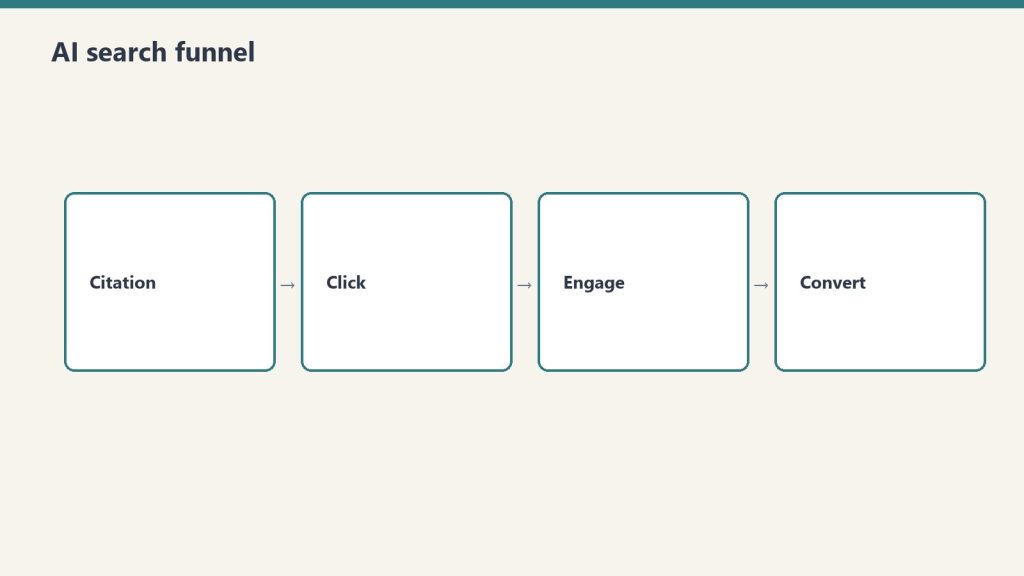
Most GEO and AEO case studies you can find online are vendor-published and short on implementation detail. So instead of stacking another “look at this 300% lift” headline, this piece walks through five publicly documented results from 2026 — and pulls out the structural change that actually drove the win in each one. If you want to copy what works, copy the structure, not the percentage.
1) HubSpot: 3x lead conversion from AEO traffic
HubSpot’s own 2026 State of Marketing reporting found 58% of marketers saying AI-referred visitors convert at higher rates than traditional organic, with HubSpot itself reporting roughly 3x better lead conversion from AEO sources versus other channels. The implementation pattern across HubSpot’s blog: question-led H2s, a 40–60 word direct answer in the first paragraph below the heading, then expanded context, then a structured FAQ block with FAQPage schema.
The before/after isn’t “more content.” It’s “the same content, restructured so the answer arrives in the first 60 words.” That single edit is what featured snippets and AI Overviews both reward.
2) Hashmeta e-commerce client: +50% zero-click visibility
Hashmeta documented a 50% increase in zero-click visibility for an e-commerce client after a targeted AEO sprint. The lever: rebuilding product and category pages around explicit question intent (“what is the difference between X and Y,” “is X worth it for Z use case”) and adding HowTo and FAQPage schema. The page didn’t get more traffic from the same query — it started winning the answer position on related queries it wasn’t competing for before.
The takeaway for practitioners: zero-click visibility is its own funnel. Track it separately from sessions, because the value shows up in branded search lift two to four weeks later, not in same-day clicks.
3) SaaS brand: 20+ free-trial signups per month from ChatGPT citations
One SaaS case study circulating in the GEO community in early 2026 reported 20+ free-trial signups per month attributed directly to ChatGPT citations, identified via a unique UTM and a referral-source filter in their analytics. The structural pattern: a single canonical comparison page per top competitor, written as a third-person reference rather than first-person marketing, with a clear definition block, a structured comparison table, and a “when to choose X” section.
This is the format ChatGPT cites because it’s the format ChatGPT was trained to produce. Match the output shape and you become the source.
4) Generic brand study: 140% lift in AI-driven search traffic
A widely cited 2026 GEO case study reported a 140% increase in LLM and AI-driven search traffic alongside a 62% rise in AI mentions after a strategy that prioritized entity saturation, internal-link clustering, and structured data over keyword density. The implementation detail worth copying: a single hub page per entity with at least 15 distinct factual data points, then 8–12 supporting articles linking back to it with descriptive anchor text.
The 15-data-point threshold matches what GEO researchers have flagged repeatedly: articles with 15+ verifiable data points receive substantially more AI citations than articles with fewer than five.
5) Mangools: featured-snippet capture from a single edit
Mangools published a walkthrough showing how rewriting one blog post to lead with a 50-word direct answer captured a featured snippet for a head-term query, with the resulting traffic and brand exposure outpacing the rest of the content cluster. No new backlinks, no new content — just a structural rewrite of the first 100 words.
The pattern across all five
Every win has the same shape: question-led H2, 40–60 word direct answer, structured supporting content, schema markup. Here is the minimum viable AEO block, drop-in ready:
<h2>What is generative engine optimization?</h2>
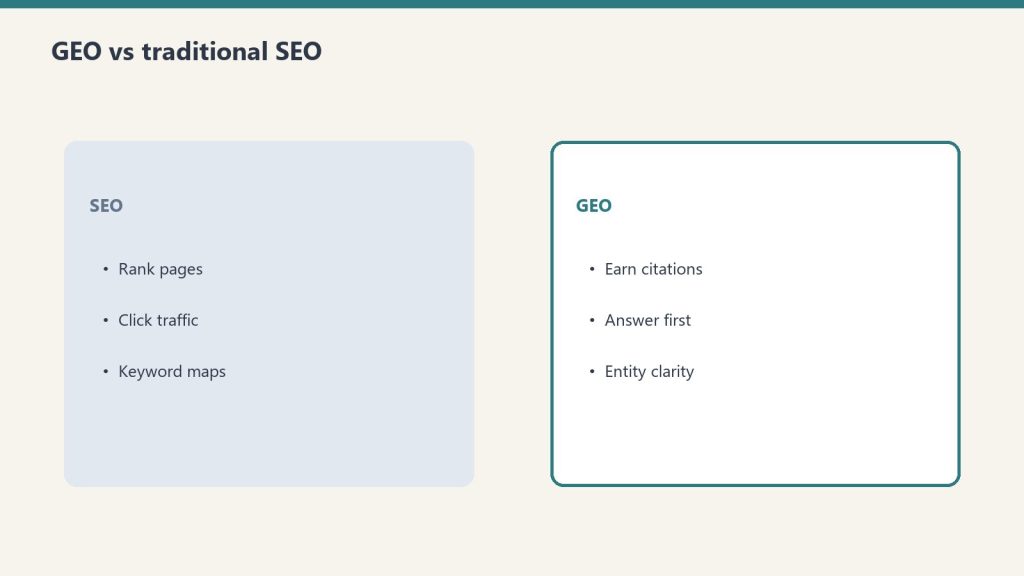
<p><strong>Generative engine optimization (GEO) is the practice of structuring web content so AI systems like ChatGPT, Claude, Gemini, and Perplexity cite it as a source.</strong> Unlike SEO, which optimizes for ranking in a list of links, GEO optimizes for being included in a generated answer. The core levers are entity clarity, factual density, structured data, and crawlability via LLMs.txt and robots.txt.</p>

<script type="application/ld+json">
{
  "@context": "https://schema.org",
  "@type": "FAQPage",
  "mainEntity": [{
    "@type": "Question",
    "name": "What is generative engine optimization?",
    "acceptedAnswer": {
      "@type": "Answer",
      "text": "Generative engine optimization (GEO) is the practice of structuring web content so AI systems cite it as a source in generated answers."
    }
  }]
}
</script>
The measurement layer
None of these case studies mean anything without isolation. The minimum tracking stack: a referrer filter for chatgpt.com, perplexity.ai, claude.ai, gemini.google.com, and copilot.microsoft.com in GA4; a separate event for zero-click impressions from Google Search Console; and a manual citation log — query a representative model with your top 25 prompts weekly and record whether your domain is cited. The third one is what most teams skip, and it’s the only one that tells you whether GEO is working before traffic shows up.
What to copy this week
Pick your top five highest-intent pages. For each one, rewrite the first 100 words as a direct-answer block, add a single FAQPage schema with three questions, and add the page to your LLMs.txt manifest. That is the entire implementation. Every case study above is a variation on those three moves.
Related on Tygart Media: GEO case study teardown · GEO tactics · SEO vs GEO vs AEO.